Transcript
[Music] Good time zone, internet. Hello and welcome to Design Club, the only game design show on the internet that is proud to tell you right now that you can sign up to get notified when the Kickstarter for the history calendar goes live over on Extra History. I can guarantee you we're the only we're the only design club show on the internet that's going to tell you that today. So it's true. I always try and be truthful about
100% truth and willvertising.
Yeah. Correct. Will Oh, sure. Yeah. Great. Awesome. Wilvertising.
That's advertising from though like it's not a secret. Like the thing says we're launching next Tuesday.
That's true. That is true. But we finally get to like officially tell people as opposed to be like so it's not out yet but we're telling you,
right? But now we get to tell people which is cool. Uh I am always your
humble host Will joined by my pal Jeff here to talk to you about some uh occurrences a snafu
drama
a spot of problem
drama.
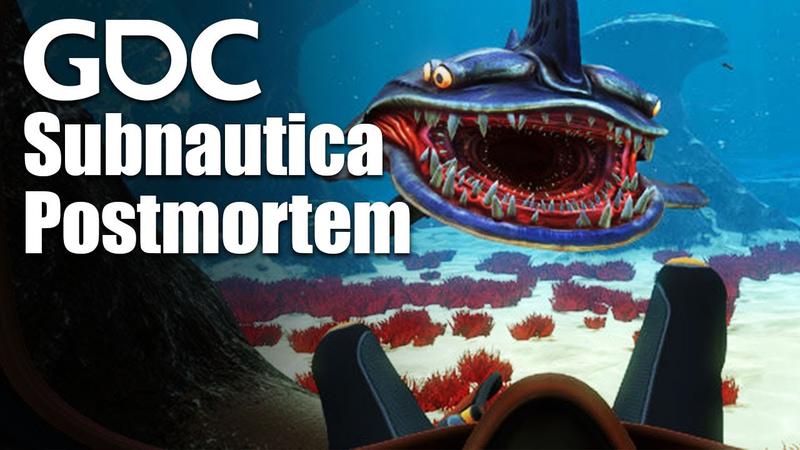
Yeah. Um and and it it's weird, right? cuz like the if if you've looked at the title, if you've looked at the thumbnail, you know we're today we're talking about the Subnotica 2 lawsuit, which is
and associated oddness.
Yeah. Right. Cuz like there's two sides to this, right? one, there's a bunch of very big personalities involved, which leads to a lot of like big grandiose statements about like purpose and intention and like what's going to happen with money and all of these things. And then there's just like the pure mechanics of like if we take all the ego out of it and just look at the mechanical occurrences and how they laid out, that's really weird too on its
own. like without all the egos getting involved, without all of like the interpersonal drama, just the mechanics of what occurred between Craftton and Unknown Worlds and the Subnotica 2 team is wild. So, I think uh
yeah,
in an industry known for its wildness. So,
yes. Right. And and so
I want to throw one thing out there.
Sure. way before we actually get into this which is the video game industry in a lot of cases is still the wild west this isn't there are a lot of industries that you go to say manufacturing where you're like here's what I want here's what I expect you know here's how we build the thing and yes I am sure there is drama but there's process people have been doing that for literally a thousand plus years of this is how we do it. Games are
new. Games started off usually, you know, as recently as 40 or 50 years ago was when they actually became a thing and they became a big thing. More recently than that, a lot of the people that got in didn't have business degrees.
They were creative people. They hopped in. They made companies. They didn't have business degrees. They didn't have law degrees. A lot of it was seat of the pants. And a lot of the ones that succeeded are the people who went into leadership then in bigger and bigger companies and publishers. And while there have been a lot of people that have come in from business and legal like the roots of the game industry are not let's do standardized things. It's a lot of creative people and such. And so therefore there aren't a lot of templates. There aren't a lot of this is how we do things. Everything is different. Everything is negotiated. And therefore we get a lot more weirdness because it's
new and the people who started the industry didn't come in in a lot of cases from the business and the legal side.
Yeah.
So I'm laying that as groundwork.
Yeah. I think that's a really good thing to keep in mind because like so I was thinking about the oddness that is the solo dev, right? The elusive creature, the solo developer, right? sort of like we're on a we're on a safari, you know, investigating the habits of this, right? But in many ways, the solo developer is an odd um sort of mashup between two different industries, right? On the one hand, they're very like an author, right? Who produces a work for which they are the sole guiding force and they produce a thing which might get published by an editor and go to a publisher for distribution, but they are the creative force behind it. But at the same time a game in many ways is much closer to a film and that it requires many technical steps which require a wide degree of expertise and
multi-disiplinary.
Yes, it's a multid-disciplinary finished product with many um tools and assets that are used from many different sort of subindustries that support that finished product. thx video editing and so on versus for an author the only thing in question is a word processor right so we've got this very odd thing for which no other industry is really a good exact template we get like bits and pieces right we sort of jigsaw together what this might look like
solo devs wear 20 hats
yes it's true
I mean it's funny I I've actually been asked by like a lot of people getting into the game industry of you know should they be a generalist or a specialist and my answer to that is what size of team are you looking to work with?
If you're looking, you know, if you're an artist and you're looking to work with a studio that has maybe 10 or 20 people, as an artist, you might need to know how to do concept and animation and rigging and modeling and texturing
because you might only have four or five artists on the team. And therefore, you need to be able to do a wide variety of these disciplines. If you're going to go work at a huge shop like say Rockstar who's making Grand Theft Auto,
y
they might have two people on their thousand person team that all they do is rigging. They will spend five or six years rigging models and they'll have a whole small team of people that just do textures and just do animations and just do visual effects like. And so what they're not looking for is generalists. They're looking for people who who know that but are really good at one specific thing that they can put in and be like, "Awesome. We're going to be doing 800 models before this game launches. Let's make sure they all work. You rigging you and like
Right."
And so part of the difference on that, you know, there are a lot of jobs.
And that kind of gets down to like the
solo person is doing a lot. Big teams have specialists, right?
Wait, we tang to Will. I'm not quite sure how we got to that, but
Well, so, so what we were talking about is the peculiarities of the game industry and how there aren't any other good industries that are necessarily good one to one maps, right? Because a lot of this craft and unknown worlds, what we're going to call the Subnotica 2 snafu or the Subnotica 2 drama, right, is all predicated on how weird this industry is in a lot of ways. So, we're sort of setting the groundwork for that. So, let's let's do it this way. Let's set out what happened in sort of long chronological order and we'll interrupt with the things that like we think people should know, right?
Did you want to do a little preamble on like publishers and developers and kind of all that first? Um maybe let let's let's start with like an important thing and then we'll talk about the
relationship that was established because I think I think the most important thing that it's very easy to miss when we talk about the Subnotica 2 thing is that Craftton the publisher in this case in 2021 acquired Unknown Worlds the developer entirely.
Acquired means bought.
Acquired means bought in its entirety. They own that studio. So Craftfton in this case is operating in two capacities sort of which are often linked right
we have their capacity as the owners of the Unknown Worlds developer uh studio
so they own the dev studio
correct and they're operating as the in this case specific publisher of the product Subnotica 2.
Mhm. And those are closely linked here. And this whole circumstance would be different if both of those things weren't true. I I think that's my
assumption. So let's talk about what those two things mean, right? What does it mean for a publisher to own a studio and what is it what is the publisher studio relationship normally entail? Right? And that's of course a huge loaded question. We're going to give you the the completely um true and utterly useless average approximation of a publishing deal because they're all different because every publisher does things just a little differently and every game is
and developers need different things too
which is actually because developers also need different things that is part of what keeps it from being stock standard.
Yes, absolutely. Okay, so
um crafting
let's start out with a really basic thing. Yes.
The group that makes a game is called the development team.
Sure.
Sometimes called devs. Developers make a game. Cool. Developers are usually a small studio, though they could be big. Some developers are also publishers, but
we're going to ignore that fact for the moment just because that rolls into part of what we're talking about later.
Mhm.
But the dev's job are is to make the game.
Yes. One of the biggest things to know about development studios is development studios don't usually have a large amount of money. Just straight up, if Will and I were going to go find 20 people and go make a studio tomorrow to go make a Hecnommancer, we might be able to get the people. But if we're like, "Okay, this is 20 people. It's going to take us two years to make the game. Therefore, we need $5 million to pay 20 people for two years plus software licenses, healthcare, blah blah blah blah blah. We might not have that $5 million laying around,
right?
In fact, good chance we don't.
I you know, Jeff, I'm I'm I'm sure you're shocked by this. I don't have my $2.5 million in this theoretical venture just chilling. And I also regret to inform you that I don't think my kidneys are worth that much. So, we might need
some help. Even if you did, would you be willing to invest 2.5 million of your own into this game?
That's also another question. So
I I I I I am reminded of a scene in which Nathan Lane is shaking Matthew Brick screaming, "Never put your own money in the show." And the second rule is never put your own money in the show. So I'm going to go with no. Yeah. So anyway, developers have the ability to make games. Let's just put that out there. That is why they are a dev studio.
Yep.
But they are often in need of funding. Most banks and other institutions do not fund creative projects.
Yeah.
Just straight up. That is not a thing that like banks will do. Small business loans. Those are usually securized by assets. In other words, you're like, "Hey, I need to borrow 500,000 bank, but
I'm putting my house up as collateral or some other thing." Anyway, publishers are a group of individuals that are not developers. Developers are good at making game. Publishers theoretically, theoretically, devs are good at making game. Theoretically, publishers are good at taking game and moving it into the market. Yes.
This means that they usually do the marketing aspect of it. They have relationships with the storefronts to get your games onto Xbox and PlayStation and iOS and Android. They probably have additional resources that might include localization that might involve QA. They have marketing teams. They have promotional teams. They also often have money. And they take this money and in addition to doing marketing and promotion and paying all their employees, they will invest money with a developer into the creation of a game in return for getting paid back that and
then splitting in some way the profits of the game. So publisher looks at lots of devs that could be funding says you developer you know it's like I have $10 in the bank your game will cost you small numbers I will invest the $2 in you and the $4 this person needs or dev team needs and the three in this and I have $1 left. All the rest of my dollars are tied up in these three dev teams. I need to make sure their games come out and at least pay us back and hopefully make more money. So, if all three games are successful and let's say double their money, cool, we now have $19 that we can be investing in games,
right?
If one of those games fails, say that $4 game and the others do okay, they've not only lost their $4 investment, they've hope they've also lost that hopefully $4 doubling,
right?
So, they went from because two of their games succeeded, they went from $10 to $11 there in that case. And this is why
publishers have things like milestones and external teams that work with the dev team because they're trying to ensure that the rel that the money they put in comes back so that they also don't go out of business.
Right.
And this is kind of the base relationship between developer and publisher.
Okay.
Team one, group one make game. Group two fund plus.
Yep. Okay. So let's let's uh dive in real quick on that. uh check-in process, right? So, you said that the um as part of this arrangement that the publisher is going to give the developer some money, the publisher gets to check in and see how development is going. It it acts as sort of an oversight.
This is actually fairly structured like there is industry standard ways of doing this.
Okay? So, because
in most cases it's called milestones,
right? So, I will tell you for freezes that I completely understand this kind of idea and I'll tell you what acts as the publisher in my life. It's my phone because you see, we mentioned that we've
got a Kickstarter coming up and we're going to be doing a special stream for it and I was working on that and I totally lost track of time and would have missed my check-in to start this stream if my phone hadn't gone off and reminded me, hey, you also have this other thing that needs to be done, right? So in the same way I can understand why it might be important to have sort of a structure to this rather than letting scope creep, feature creep, uh letting the perfect be the enemy of the good. Yeah. Right. Exactly.
Um
and usually milestones are based on mutually agreed upon conditions that happen before the funding is given.
Okay. So you might like I have been part of several pitches where we've gone off and pitched publishers and we're like here's the game we're making. Here are the rough you know the six milestones that we're look you know we are looking for $10 million to be paid across three years and six milestones. Here is what we will have delivered by the end of
each milestone and us this is a fairly standard way that happens. There's always exceptions,
but and basically publisher at the end of each milestone, the external producer. The producer works on the publisher side and works with the developer and they're in contact all the time. But at the end of every milestone, they look at the list of what was agreed upon. They look at what's done and they say, "Have you met your milestone obligations?" And assuming that they have, the next funding part is unlocked. Because say we were asking for 10 across six milestones, that might mean like 2 million upfront and then 8 million upon hitting each of these six or 8 million combined across six milestones.
Yeah.
Etc. And sometimes it starts starts smaller and ramps up if you need to accelerate your team towards the end. It depends how it is. But hitting milestone equals next funding trunch of money. So, so and and to be clear, you as a
developer
had a plan, had a vision both for the game and for the path between the present and what the game and what the completed game would be and the thing that you needed,
right, was money that you couldn't raise on your own, right? So, we we had a we had a great question in chat, which is um
uh or what are you know what are the the publishers actually providing? because a lot of people think of as a publisher as only the uh marketing bring to market
um revenue share. E bank is one of the biggest things
that publisher provides because let's just say creatives aren't always the best at raising money and that's often not their skill set,
right?
Or managing it. But the publisher that is part of what they do is by publishing games and investing in developers they think will be successful. They stockpile money to fund games. If there were not publishers, the game industries we know would not exist just from a funding
perspective,
right? Because it's not it's not the publishing that it's not the sorry, it's not the publicity that we are focusing on. It is the whether or not the game exists part. I think
actually this is true. Like if you go back to books, I I usually talk about books a lot.
A lot of authors don't have the money to go write the book.
Yes. They need an advance from their publisher to give them funds to live on while they finish writing the book.
Yes.
And then what happens in the book industry is there's a recoup. If the publisher advanced you $10,000, the first 10,000 in book sales go back to the publisher to cover the 10,000 they lent you and after that there's a split between publisher and writer.
Okay?
And the same case almost always in developer is that that's just how it works. They are advancing you money. It is not a gift. It is in advance of money.
Okay. So,
and yeah, and one of the things, by the way, your publishing deal, remember, if
you can go to a publisher with your game half done, like the more money you ask for, the worse your deal percentage-wise once the game comes out.
If you're going to Electronic Arts and you're like, "Hey, I need a hundred million to make this game." That's very different than saying I need 10 million to finish my game. We've already spent 90 million making it. This is just to get us across the finish line. Like those are very different propositions or on kind of the scale of what the publisher is providing.
Mhm.
So there are additional publisher services. One of the biggest of which is promotion and storefront integration,
right? And in some cases, but there are lots of other services for them like they are full businesses. They do a lot of risk assessment uh for you. They do a lot of research for you. But in the grand scheme of things here, the biggest one that most people don't think about is publishers fund people.
Yeah.
And because of that, they have an external producer and all sometime
external team evaluating it. And there are milestones to check in, mutually agreed upon milestones that the developer and publisher when they were doing the contract sat down to talk about, but also both sides usually want this to work.
Like if there's something going on, the dev might be like, "Hey, this is taking longer than expected here. We're either going to have to cut some stuff or we're going to run out of money. What should we do?" And there'll be a discussion. Does the publisher increase their investment? Does the publisher say, "No, we just don't have more money to invest right now. You know, we've already invested in these. You know, our $10, nine of them are out right now. We don't have more dollars, Dev. You know, so you guys are either got to make up the time or you got to cut some stuff,
right?
Um so anyway, but very these are very typical relationships,
right? So let's talk about what the um because this story is going to hinge a bit on this. Let's talk a bit about the
those control aspects. So when um we're going to say that things aren't going well for the sake of this, right? Because in the Subnotica case, as we'll get to in a second, things are not really going as well as according to some sources.
What in this relationship? What typically uh does a publisher get to do if they think that the game has gone completely off track? If if between milestone A and milestone G somewhere nebulous things have gone completely off track, we're not on target normally, what is the relationship there like where the publisher gets to exercise some amount of control and say, "Hey, we made a deal and you're not honoring it."
Yeah. So, part number one, if you don't hit your milestone, you usually don't get your next batch of money.
Okay.
Just straight up like money come when like it's kind of like when you were a kid and your parents like did you take out the trash for your you know you get your allowance based on
a set of tasks.
Yes.
If tasks not done part of allowance not delivered.
Sure.
Like it is it is that kind of relationship here.
Okay. But that's normally the extent of their control.
Not necessarily it and this is contraction based on how it was.
Sure. So they could and well, so going along with that, if you're a developer and you've fallen behind and you're like, hm, we're about to run out of money cuz we, you know, we're 3 weeks behind on our milestone and it's going to take us another two months to do this. Like there are a lot of teams that basically fold because they have not hit their milestone. And this sucks, but this is also publisher protection because let's let's add a couple zeros. Say instead of publisher investing $4 in your game, this was4 million and they've already put 10 million in and they're looking at this going, "Wow, you guys just aren't making it." You know, they're basically saving themselves that other $30 million because your team's
not performing to go find another game to fund and hopefully recover what they lost off the team they were already interacting with.
Yeah.
Like this isn't publishers being mean. There are cases of publishers being mean. Absolutely. But usually publisher is trying to protect its money so it can keep funding more games. Like that is what publishers do. Like
at the end of the day they fund.
Yep. Okay. So
and they need to get funds back.
So yeah um there are depending upon the deal.
Sure. the there the devs may be able to walk with their code. Like if the publisher cancels it, they're just like, "Hey, we don't like we don't think you're doing it."
There are some cases where the devs still own the code and the IP.
And we're seeing a a cleancut example of that in the news cycle right now, as a result of the Microsoft layoffs. Romero Games has announced that while their funding was withdrawn due to publisher
cuts from an unnamed publisher, Microsoft um uh they are now shopping for another publisher to help them across the finish line. Right. So in that case,
this is most likely because they're like their funding was cut. It wasn't that they failed a milestone. It was
correct.
There was something in their contract that allowed the publisher to say in certain cases we may cut this. If usually what happens in that case to be fair to the devs is if we are unable to fund you all that money we put in, guess what? You now disown it.
Yeah.
Like it's like we were funding you for$2 million. We've already put five in and we suddenly have to pull back. That 5 million we gave you,
you know,
it's a loss on our part. Yeah.
Yeah. So it's sucky, but like if they find a new publisher,
it might end up rosier for them.
Absolutely. especially because uh Romero Games in particular has gotten a big boost in the news cycle because it's largely been seen as this is a studio we
like and this really stinks for them and hopefully they do get a good deal out of that.
Yeah, there and again it depends on the contract. There's absolutely ones where like that initial funding gave could have given Microsoft an ownership of part of the company and even if they cut it loose they would still own that part of the company. like
it depends on the contract,
right? And I think a lot of these cases, and we cannot stress this enough, are going to come down to the specifics of a contract that's worked out on a case-by case basis by people who are lawyers, we're not
who are versed in specifically contract law. Again, not a thing we're well versed in, right? And so those specifics will
have some familiarity with. Yeah. But also, it's how good was how much leverage did each side have? Like if you're coming begging for money
Mhm.
you know who gives you money might ask for more or if you're like hey I got a strong thing that four people are considering
you might be able to get away with a lot less y
you know Romero with his name
it's to get away with a lot better. So
again this is why we say it's hard to know for sure
anyway like so that cut off like his group's going around they probably ended up with some funding that they don't now have to pay back.
Yep. We'll see.
Who knows? Like that's one option. But if they'd been working for Microsoft, had failed a couple of things and were in breach, Microsoft might have been able to take over the project because they put an investment in. The people doing the job basically continually failed to hit milestone or milestones. And there may be a forfeite clause in there that basically says, "Hey, allows publisher to be like, we invested all this money. You spent time but didn't get it done to try and recover our money. We're going to take that and give it to say another developer to finish."
Right?
And we've seen these in the news as well. And that's again purely based on how the contract was done. But publisher might have the right to say we think this game is worth saving because you
have failed to hit these milestones. is we are now allowed to take it and try and find a group who can finish it.
Yeah. Okay. Let's talk about one other big difference in the way that publishers and developers operate and then we'll dive a little bit deeper into the subn thing. So sometimes you will hear two different kinds of development talked about. Nintendo is a really cleancut clear example of this. Sometimes you will hear about first party developed titles and third party developed titles. So, a first is weird.
Yeah, second party development is not a thing in the same way that for the most part second person novels aren't a thing, though I've definitely seen them and have definitely tried to write one. And it's hard.
I saw a game with second person when we were back at because we were trying to like
Yeah. Yeah. Yeah.
We had to find one. There's a game where you play as a kid standing on a building controlling a giant robot. And so it's sec like you're not viewing from the robot first person. You're not kind of
the over the shoulder third, but you are the second person observer. You're the kid with the remote control and as you move it, you see the robot moving around in the distance like it it was hard to find there. Anyway,
okay. Anyway, not the point. So, first party first party um development is Nintendo's in-house studio is developing Donkey Kong Bonanza or the next Zelda game or the next Mario game or whatever, right? One of the big flagship things, but that is Nintendo acting as both the publisher and part of them acting as the developer, right?
Yes,
it's all in house. Um, in those cases, the rules are slightly more standardized because it's all inside of the same.
You'd think that,
okay,
not always,
okay?
Because the publishing arm of Nintendo also publishes some other things,
right? And often more than you would think, publishing
group and developing group, even within the same company, still have a slightly adversarial role to try and keep things on the level.
Yeah.
Because say you're working as a develop, let's use Nintendo as a good example. Mhm.
Should somebody working on the Donkey Kong game, let's say the lead producer on that, be able to say, "hm, we'd originally slated 80 million for development, but I think we now need 160." Done.
No, of course not. So, they act as internal checks and balances in an adversarial. developer team even though it's part of Nintendo doesn't have unlimited ability to say for example hey publishers let's just double our dev budget or we need another 3 years or like there are certain decisions that used to want the publishing team being like wait a second we know you are developers and we know you are Nintendo but
we still have $10 bucks to be investing amongst all of our development and you asking for more is going to either run us out of money or impact one of the other teams. And so there are often friendlier relationships, but not always. When I worked at Sony years ago, Sony was fairly famous for having different parts of Sony all hating each other and not working together at all.
Sure.
Yeah. Okay. So, um, so there's this oversight role, right? Okay. So, in this case, it's important to note Yes. Uhhuh. I I I knew I knew that the blue I saw I heard it and I was like I'm gonna let it go and chat caught you. Um the uh
you can tell I have a kid.
Yeah. So the Craftton case, right, is that Craftton
owns Unknown Worlds. So Unknown Worlds is now part of Craftton,
right? They are first party owned. Yes.
Right. So a first fully owned within
parent company.
Yes. Within parent company, however, there is a publishing branch and there's a developing branch.
Yes.
And often they are run as independent studios. With Unknown Worlds being bought, it's not like they all picked up and went to South Korea for Clar like they were still run as their own independent studio.
Correct. However,
wherever they were,
right? However,
and this is where it starts to get interesting. So, our story starts.
Mhm. So we we fast forward from October 2021 when Cfton bought Unknown Worlds
to July 2nd of this year, a mere 15 days ago,
when Craftton announced that a new lead would take over for the three existing leads on the project Subnotica 2 effective immediately. Now,
is it pro is Subnotica making any is Subnotica also the name of this? Next,
it's um No, it's not. It's They have multiple games on Unknown,
right? Unknown Worlds has made several games. They've made Moonrakaker. They've made Subnotica 1. They've made Subnotica Below Zero. Um I had to look at chat for that one. I've forgotten. Um,
so there and so we don't know what their team structure is over there, but we can at least say one of their most major teams,
correct?
Had its leadership gutted and replaced.
Correct. And also three people replaced with one person is a hell of a replacement. Okay. And it's important to note that my understanding about this is that this is not Craftton operating in its capacity directly as a publisher. this is craft and um acting in its capacity as the people who own unknown worlds and are in charge of everyone there.
Um and so this happened right on on July 2nd
though that is most likely still heavily heavily publisher
correct
related
and and indeed Jeff as as if you had had read the notes uh it seems that way because on July 9th
Mhm. A week later exactly, it was reported that Subnotica 2, which was headed for early access this year in 2025, was going to be delayed till a nebulous period in 2026. So delayed at least 6 months, right? Assuming that it was going to come out tomorrow and it comes out January 1st, 2026. At least 6 months, probably more. And typically, and we we'll get to other stuff later, typically what this would mean is if you heard that and you've been in the game for a while, you'd be like, "Wow, that team must have been really behind." Like something in the way that the leadership was working on the team was not working because a game that was supposed to come out this year is being with still half a year left roughly
is being delayed at least until next
year. My guess is if it's not coming out in the next six months and they're hitting the next calendar year, they're probably saying it's at least double that. So, at least mid of next year, maybe later.
Yeah.
So, that means there was significantly more work that needed to be done or the game wasn't fun and it needed major retooling to find the fun in the game and make it what they thought they could sell for that would cover the development cost, right? like you don't yank the leadership in a team casually as an owner like usually that means something bad has been happening because that's kind of the last step.
Mhm.
Yeah.
Because I guarantee you there will be chaos in the transition. There always is.
Absolutely.
So that is what you would typically think if you've been in the industry a while. However, there may be other factors.
Correct. So um there are a plethora of other factors in this case specifically. So let's let's start with um
uh the the simplest among them. Well, the simplest and probably most obvious among them
uh there was in the balance here a $250 million bonus, an earnout. Can you define an earnout? It's just a big bonus if you meet a target, right? Oh, actually this is this is worth spending a minute on before.
Sure. Yeah. Yeah.
Okay. So, having sold my own studio before um and been part of the acquisition of others um on
both sides actually.
There's an interesting thing. If I'm like, "Hey, Will, we did well with Hecnammancer. We've made it. We have Hecnammancer 1 and Hecman 2. We're working on Hectomancer 3, but we've been doing this now for 10 years, and you and I are burnt out. let's see if we can sell our studio and then somebody else, you know, somebody will buy it and, you know, they'll finish, you know, we have this whole team of people, right?
They're going to buy it. They're going to get our Hecnommancer IP. They're
going to get the whole team to keep working on it. But you and I are burnt. It's probably time for us to leave. We've been doing this for a decade,
right? Part of what unknown publisher or unknown company buying us is looking for is not just the IP Hecntoman, intellectual property of Hecntomancer,
but the all of the code and the team that knows how to make it and is in the middle of making it.
So, whoever buys us has a very vested interest in making sure that our team continues to operate because part of what they're buying is they're buying the people. They're buying the team that has been constructed to make this game and to they want it to continue because otherwise what are they buying? Like if you're buying a game in progress, you want the game to come out. So typically upon an acquisition, say Will, you and I were going to get paid 10 million for Hectomancer Studios.
Mhm. What it might be is you guys get 5
million and a year from now, assuming all the milestones are hit, you will get your other 5 million. That's our earnout. So, we basically have to stay there for a year and make sure that every other thing gets done. And our incentive for that is that we get the other half of the money for it. And typically studio coming in and buying it will also go to all of our key employees and be like, "Hey, here's a b if you stay on for at least another year or until the game is finished in addition to your normal pay, we'll give you a bonus." And that they basically come in and often do bribes. They will come in and be like, "Hey everybody, we really value you. We think you should stay in to show our sincerity. There's money if you reach these milestones,
right? These are called earnouts or excuse me, milestones, earnouts, bonuses. There's all sorts of slang around and it it actually means different things, but the rough version is stay. We bought you, please stay. Here's money.
Okay.
Conditional on you staying and things getting done.
Correct. And in this case, the
that 250, I believe, is part of the a purchase price
that never got paid out that is dependent upon these guys performing and getting the stuff done.
And in this case, it's being reported that the $250 million earnout is uh pegged to a studio revenue target for 2025 specifically. And this is where people just immediately ran to the kitchen, grabbed the biggest roll of aluminum foil they possibly could, and just started making hats. Like, so, okay, let's be clear. There's a $250 million earnout that is uh
$250 million is paid upon games successfully coming out with certain agreed upon targets in 2025.
Yes. Okay. and they've been working on
it since at least 2021.
Correct. It's it has been a hot second that they have been working on this project. Now, it's also important to know that the game doesn't need to be done. It just needs to be early access. However, for the purposes of this, early access milestones are just the same as release milestones, right? There is still a quality level that the publisher and the developer have agreed upon with certain amounts of content that need to be in the game. must be playable at this level of fun with this amount of stuff in it
and this rate of bugs and terminal crashes and blah blah blah blah blah blah blah right like it's all it's all probably there in the contract see contract for further details we don't have it so that was one whole part of it the other whole part of it
but but to be fair as I was saying industry stuff before industry group that hears huge bonus tie to thing and getting delayed get skeptical because there are absolely absolutely cases of publishers looking to wiggle out of
large payments.
Exactly. 100%. And that is and I think the that is definitely a gut instinct that a lot of people have because and I think that chat's demonstrated this not to a um an unreasonable extent but there is some skepticism in the the gaming community as a whole about the relationship between developers and publishers for a couple of reasons. One, the developers are people whose work you enjoy, right? You have created a relationship with the work of a a developer, not with the work of a publisher, right? So, if you enjoy uh for the most part, I have exceptions to that, but I'm a streamer and I'm weird. Um uh you have a relationship with that and you want that developer to succeed. And when you hear that a publisher is telling them that they are not ready or that it's not right or they're withholding funding or cutting or whatever, that generates an adversarial relationship, right? So I think a lot of
people jumped to the conclusion that ah Craftton doesn't want to pay the $250 million earnout, right?
Um and so you know that that is certainly an option. Let's talk about why it gets weirder. So when they uh when they announced that Subnotica 2 was being delayed to 20 uh 26.
So this was July 9th July
week exactly after it was released announced there was the leadership change.
Correct. Craftton released a um press release which I don't I'm not 100% on this press release. I'm not going to read it to you in full, but I'll read you a part to give you kind of an idea of the tone.
Okay. Um so uh in the subject background
of leadership change the following paragraph exists. Um Cfton believes that the absence of core leadership has resulted in repeated confusion in direction and significant delays in the delays in the overall project schedule. The current early the current early access version also falls short in terms of content volume. We are deeply disappointed by the former leadership's conduct. And above all, we feel a profound sense of betrayal by their failure to honor the trust placed in them by our fans. That's an official corporate press release, y'all. That doesn't sound like an official corporate press release. That sounds like a twit longer. I've I've been on the internet long enough to read enough Twitongers to know that that sounds like a twit longer, not like a press release, right? Like it's not an unhinged release, but it is definitely one with some spice in it. Like
press releases usually look to avoid being interesting honestly.
Like they don't want people to know. It's like cool. Okay. But my guess part of this will is that there's enough people thinking crafting did stupid thing or like they recognize the optics of it.
Mh. And I think at least a couple people on the crafting side do feel burned
and usually that doesn't make it to a press release. In this case it did.
Right. So that's one whole side. At the same time, as Chad is correctly pointing out, the the three individuals uh in question, that's Ted Gil, Charlie Clever, and Max McGuire, have stated unequivocally um that uh the they disagree with this assessment that they're they are of the opinion that it is ready for early access and that this is solely done uh in an effort effort to avoid this
this payout. And
to that end, they have even said that the money while it was going to flow through the three of them, right? the earnout was directed at them. They're they they have claimed that their intention was to pay out that money in a form of sort of secondary bonus to other members of the development team which is not do we have a list of like have other people confirmed that or have they said the percent is it like and we're going to give 5% of this to the dev team or like I'm kind of curious because it the only things I've seen and I haven't seen all of it
sound vague on that. I I have also only seen vague things, though it is entirely possible in the time since I did my background reading for this story and when we're uh when you're watching this, whenever that may be, that new details have come to light. But I have not seen specifics on amounts or direction of individual bonuses as a part of that $250 million
because like I remember when we spun
back when I was working on EverQuest a long time ago, will Sony cancelled all PC games. We were part of Sony.
Uhhuh. They said, "We're only doing PlayStation games." And every PC game in development got cancelled.
And John Smmedley, Brad McQuade, and Russ Shanks, who is the leadership team on EverQuest, went and shopped around and got us new funding and to make the game and later and took a large ownership stake in the company. Actually, I believe there were some of the investors, but the three of them got a lot of the company. And later, like a year and a half later, when EverQuest was out and was doing really well, we got acquired. And those three people got a tremendous amount of money and the rest of us got a little bit. And to be fair, they were the ones who saved the game. They did a good job. It would not the money would not the game would not have existed and the money would not have existed if not
for them. But there was a lot of grumbling within the studio that these three those three people seem to have disproportionately gotten millions and millions of dollars and the rest of us got
money but it was not like
you know it was like here's a four figure bonus. Hey that's great and in some cases maybe even low five figure but it was not a seven figure bonus or eight figure bonus. And so there are disproportionate things and part of that has made me inherently skeptical as a developer after that. Then when founders are like we are sharing the money like sharing the money might mean they are passing half of it along 125 million. It might also mean that they're passing 5% of it along like it is an unknown thing. And in the same way that a lot of people like wow that publisher is trying saying that to try and avoid getting paid. The devs of course also have all reasons to say no we were 100% good here because they also have a financial incentive to say no
things were good please give us that money
right
like both sides have heavy finan like a quarter of a billion dollars worth of financial incentive
right
based on who is right in this case
right that's it's a lot of money and it's understandable that um there's a lot of blame being thrown around
but wait Jeff what if I told what if I told you it got weirder. So,
the following day
Mhm.
the uh the the trio speaking through Charlie in a Reddit post
announced that they would be suing
Mhm.
sub uh Craftton personally. Now, this is where it gets really weird, right? They're not questioning that they've been fired. I believe though the exact details of their lawsuit against Craftton are not yet uh out for uh out for like public um
and probably won't be like if they're filing a lawsuit some of this is going
to stay wrapped up until the lawsuit goes in.
Correct. So we now know that it is while while we might want more details, right? There is sort of an interesting dichotomy here, right? Because the absolute correct move from the three of those individuals now is to visit Will's patented class on shut up. This is a class that lots of people in many industries have a problem with is stop. stop, cease, desist. Don't do that. Um, and the reason for that is that it it has anything that they say on this matter now in public has is significant potential to harm their case, to harm their lawsuit against
potentially.
Correct.
And it's hard to sometimes know what the potential is.
Correct. This is a great question and I'm really glad somebody brought it up. Uh, Odin here brings up, what jurisdiction would the soup be in? Uh,
Craft is a Korean company. I have not a single clue on that one.
That will be based on the contract. Contracts almost always state where the jurisdiction is for remedies.
Okay. And and this has been in the news in the past year or so when Steam declared that I think we covered it on breakfast briefly. Steam declared that all uh remedi the the jurisdiction for all lawsuits against Steam was going to be in Belleview, Washington, I think. Um,
I just found a thing. I was skimming through one of the articles you have.
Um, as for the, let's see,
later on Thursday, Unknown World's co-founder and subotic director Charlie Cleveland responded to these accusations by saying he'd filed a lawsuit. As for the earnout, the idea that Max Ted and I wanted to keep it all for ourselves is totally untrue. He writes, "Historically, we've always shared our profits with the team and we did the same and we stole the studio."
Right?
So, this isn't all of it goes to the team. This is we have we have in the
past shared.
Sure. Okay. Yeah. So that that makes sense. All right. Um, and then there's one more twist, and it's probably the biggest one, and it's the reason that a lot of people are talking about this,
because at some point during this event, during all of this occurrence, some screenshots from the May milestone meeting. And
so, listen, going back again, remember milestones are what you and Devon Publisher had agreed upon. This is what needs to be hit for
correct
achievement or of and getting next funding unlock
correct. So uh there was a May meeting which likely as a result of the timeline was probably pretty key in
craft in making the decisions which happened on July 2nd and July 9th mid to late May meeting. Give it about a month to get everything in place executed the beginning of July makes
about sense. Um, and they're not good pictures, which is why we're not putting them up on screen because they're not great pictures, but they are definitely pictures that someone took in the worst way that we all hate possible of a camera with a screen. Great job. 100%. There's no way you could like take a screenshot and then send it or like pull a thumb drive or whatever. But like
it may mean that they were in the room and taking it with their camera as opposed to like having the deck.
Correct. It feels very clandestine in nature.
Um, and uh,
and and let's let's talk about what what what those say and then we'll we'll go uh into the last piece of absolutely unhinged weirdness. So, um, the the deck slides essentially say that the recommendation as of May 2025 is that the game isn't ready for early access launch due to it being
smaller in scope than was agreed upon in 2023. Um the uh there are the removal of several biomes, several creatures, uh lots of equipment, a custom.
Okay, actually say that and then read it again and I'm going to translate what that means. But read it off and then we'll review.
Uh compared to Q2 2023, two biomes were removed. So two zones.
Um
possibly more than that. Actually, do the full read and then let's go back and analyze.
One type of Leviathan. That's the really big gribbly thing, the boss. Essentially, fewer types of creatures, biomods, and other character customization features excluded.
Uh, the number of tools, equipment decreased with the additional vehicle, the trident excluded. A custom game mode removed, and one narrative delayed with about 6 hours of content cut.
Okay.
So, and again, I I do want to clarify. Um, this is
Larky is completely correct, and I do want to acknowledge this when we're talking about this. We're not saying that these that none of these things will be in the final game Subnotica 2, the 1.0 release, merely that it is the assertion of this May 2025 meeting that these things are not in the version that is slated for early access release. And in the same way that milestones need to be hit for release, milestones are agreed upon for early access as well because the early access version coming out as a buggy mess does hurt the game's chances in the long run. not having enough stuff to do,
right? Yeah, exactly. Um,
but so that was a substantive list. Will read that back for me. I'm going to do as you read it. I'm just going to do really, really quick
what that mean like from a developer. Actually, having been on both sides, let me tell you what I hear when I hear that.
Two biomes removed of the four that were originally listed. There were four biomes listed.
Biomes might not just be a level. They might be multiple levels or worlds
because each type of environment you do like say we're doing a forest biome. That's the trees, the weather, the plants, the ability to make the like all of that together. And so that might mean a level, but that might mean 20 levels or it might mean like a 20x 20 kilometer GR like a whole biome. Like people operate in biome construction because of the amount of assets you have to make and then you start making the stuff around it.
Right.
So with two of the four means half of the environment they thought they were going to have done at this point. Not done yet.
Correct. Now in fairness to the developers I'm going to try I'm going to try and do it to be as fair with this as possible. The coral gardens the first biome that's listed has gone from three main points of interest to seven main points of interest.
Okay. Ooh, so they did more on the Okay,
they have gone deeper and more detailed on one biome, but and I Okay, so um the next one is one type of Leviathan
removed, fewer creatures/biomods and character customization features excluded.
Okay, so at least a boss and character custom. Okay, so that's basically on the gameplay team and the art team. And then the character customization is on the basically usually the progression team and the art team. So, but basically less ways to customize yourself andor when you level up like less outfits or other things to wear.
Correct. It was uh the it changed from character selection of four characters with light customization to just character selection to four characters. There's also the removal of eight creatures. There were 20 creatures originally listed and now we're down to 12. There were um yeah uh and the
keep going for a second then I'm going to give a summation.
Yeah. Uh the number of tools, equipment uh are decreased and they're missing a vehicle.
So I'm not sure how big the vehicle is, but again missing tools and equipment. That's back to kind of art and gameplay
and engineering combined. Like things you can use in the game. Like if you're going to go play Halo, this would be guns and equipment and grenades and like things that act. And the interesting thing though is those take tuning time like
introducing those into the game means that you need another balance etc pass as things come in and things change. The same with addition of new monsters.
Um was there anything else before I
uh they removed a custom game mode and removed a narrative. Uh uh
so game mode that could be big or little, but that could also be like, hey, we're using this to do, you know, capture the flag as well as normal gameplay. Like
a whole game mode is honestly fairly big.
Um and what was the last one? Sorry.
Uh a narrative cut. So there were they were originally planning on implementing two chapters of narrative is their unit. Um, and uh, currently there's one chapter uh, and it's a move from about
13 to 16 hours of gameplay to about 8 to 10.
And that's also like narrative takes forever to get in because it's not just the narrative, but it's usually associated text and video and quests and just all of the cutscenes and animation and cinematic everything that goes in with it. So altogether when I'm hearing that like as a developer or actually on either side, what it sounds like is the pace their team thought they could hit, they hit a significantly slower pace. Like that's not, hey, we're backed up in level design or, you know, we're backed up in this. This is literally the whole team. It's like customization and monsters and environments and narrative. That is the breadth of the development team. Every single thing seems like it is well well or very far behind from where they should have been at this point based on previous milestones.
Right. And that
if that is true and I'm guessing for the moment it is
sure
then the team was very far behind and um Crafton's basic statement that we think you know there's been confusion and slowdown under these three people may actually be true
like
that screenshot and those things significantly support that narrative.
Correct. And indeed at the bottom of the uh the second of these uh screenshots is is the following statement. Um compared to the originally planned EA launch specifications, the target current target content volume has been reduced or adjusted across various elements such as biomes, creatures, equipment/progression, and features. Due to a gap between the current state and the content volume assumed during the initial launch planning, it is necessary to reassess the release timeline and road map, which if all of those things are true,
makes sense, right? The the game is half
as long narratively speaking with significantly less environmental complexity and fewer enemies and the like, right? Um,
now this is the really weird one. Um, this is
Oh, actually, and really quickly, one of the things we didn't mention, there was an accusation early on from Craftton that basically the three founders had kind of effed off. They were like, they'd gotten enough money that they didn't care anymore. Like was like, one of them is off shooting his own indie film. And yes, like that it was basically listing things that they were off doing. I have been at studios early in my career where the founders got distracted and or there wasn't kind of that driving force and it does slow down production.
Absolutely.
Like when your creative director is like, "Ah, sorry. I'm off for a week with my new Ferrari that I got from the payoff, you know, racing in Italy."
It's kind of a team demoralizer and you also don't have that person
correcting for get stuff done. I I will read the the portion the the you thought the part I was reading before was hot and spicy for a press release. The following is also from Craftton's press release. Um however regrettably, the former leadership abandon the responsibilities entrusted to them. Subnotica 2 was originally planned for an early access launch in early 2024, but the timeline has since been significantly delayed. Craftton made multiple requests to Charlie and Max to resume their roles as game director and technical director, respectively, but both declined to do so. in particular following the failure of Moonbreaker. That's a another game that they came out with. I played it. It was mid. It It's not surprising to me that it failed. Their business model wasn't very clear and that it launched in sort of a very lackluster state. Um Craftton asked Charlie to devote himself to the development of Subnotica 2. However, instead of participating in the game development, he chose to focus on a personal film project. That's in a corporate press release.
again. Wild.
So if that is all true,
and the founders deny this, by the way. They say they were fully involved.
Correct. Right. So that's kind of an interesting twist to this. And the last twist, the twist I um the the the the twist that I am absolutely gobsmacked by is
okay,
you know, when I said that those those screenshots were like terrible and shot on a camera at a bad angle of a screen,
it would have been so easy for Craftton to be like, "No, this is cooked. This is cooked. This this isn't it." Instead, Craftton has confirmed that those screenshots are real. Has said that that th those are actual um that those are actual snapshots of actual like uh development progress notes from Subnotica 2. And it's the leak is 100% real,
which just let's focus on this. Why is that surprising to you? Like if I was in the middle of a lawsuit and somebody leaked stuff, I'd be like, "Yep, that's right.
Sure, 100%."
Mhm.
But I can't imagine a lot of I can't imagine a lot of large companies the size of Craftton confirming a leak of their own internal documents regarding an ongoing litigation. Because at this point when they confirmed it, they had it had already been announced that there was a lawsuit filed on the basis of this information.
So now Cfton has publicly commented on information that's material to ongoing litigation against their company. That's the weird part to me. It's not that they confirmed it because it proves their because it supports their argument
right
here. Okay. Well, semi-awyer hat because I am not a lawyer.
Sure.
Here here's my take on that. They knew that was going to come out in
discovery.
Sure.
They craft in discovery is the really short version is when there's a lawsuit and people, you know, there's certain a part called discovery where you get to request certain documents to help make your case.
Some of these may be held by the opposing party, but there is legal precedent and cir deate and circumstances. I get to see those anyway even though they're yours because that helps prove the case for my client,
right? They knew that was already going to come out in discovery. Hell, the founders probably walked with that PowerPoint themselves,
right?
So, they don't lose anything because Craftton is also battling a battle for public opinion.
That's very true.
And so, this is their, hey, it wasn't us. These guys were effing up the game you've been waiting for.
You know, we're trying to come in and save it. Look how behind they were. Yeah.
The that leaked thing, that's authentic,
right? Right. And by the way, the leak might not have been as um much
substitutes as you think. Like I've been at plenty of dev meetings where there's a PowerPoint on screen and people just take pictures with their camera for like reminder notes later.
Yeah.
There's plenty of reasons that there could that those might have been taken for reason for like noncorporate espionage style reasons.
Oh yeah. Like
people do that all the time. They take a note of the part a picture of the part they wanted. they go back to their desk and they look at the thing and they're like, "Okay, these three dates changed. I need to update my schedule."
Right. Yeah. Absolutely, 100%. And people are talking about it could be a breach of NDA. Sure. But that's a I would almost argue that's a separate issue than like the core issue here. Um that would be a them tracking down a singular NDA breach, which happens
uh as much as we might like to pretend as an industry that NDA breaches don't happen, they totally do, and they happen way more often than anyone wants them to. no matter how egregious you make the penalty. So, um,
actually, I think Zach just summarized it.
I think Yeah, Zach's comment is exactly on it. Craftton has to win in both the court of law and of public opinion. Setting themselves up to win one and not the other isn't a good move. Correct. Because
they need the game to come out and people to still be excited about buying it.
And at this point, they need the game to be finished,
which it sounds like
it's not.
It's not. And if they continue down this route, it sounds like it might never be. That is an option that I want to be clear is totally on the table. If those three individuals were significant creative um I if the the lack of those three individuals and their creative vision was enough to delay the project by as much as is being displayed in these progress updates, then the continued lack of those individuals may mean that Subnotica 2 doesn't come out at all.
That is that's a thing that's on the table. This is Craftton right now. And I can guarantee you that like four to six week delay was Craftton figuring out
damage control.
Yeah.
Cuz Grafton was looking like we've invested X amount of money in this,
right?
Do we cut our loss? And it's it was a pure numbers. Do we cut our loss or do we try and salvage it?
Right.
And they they've decided on salvage,
right?
Which is canceled the whole project.
Yeah.
But they brought in the new person. There's probably a couple of other strategic hires to come in as or promotions from within like the lead designer might be pro promoted to this you know creative director for example to over like there it could be a combination of internal and external
there's definitely fixing that can be done to try and speed things along. Yeah,
absolutely.
But there are also like I don't know the guy they brought in but there are there are finishers in this industry. There are actually there's an interesting thing. Some devs are really good at prototyping. Some devs are really good at kind of the main construction part of the game. Some devs are good at
finishing. Like taking the all the pieces and weaving them together into the final thing. Some devs are good at that whole pipeline. Not every dev is.
Sure. My guess is whoever they brought in as a the new studio head and produ like lead person, he's a finisher and they will probably hire a couple of other finishers to come in like and I've worked with those people like it's really sometimes you just do it on purpose. You get a team who's been working three or four years, you're like, "Okay, we're going to bring in a couple of finishers. They're going to help boost everybody's productivity to take this thing we've been working on and wrap it up and get it done."
Right.
Yeah. And they're also also outside perspective at that point is very useful for but I really love my horse armor system and the finisher is the person who can go your horse armor system doesn't fit in the finished game and it's going to take way too long to finish it. We're cutting it,
right? Like that is that is a thing that like that that you can get.
Sometimes you need the fresh set of eyes coming in and being like horse armor.
Absolutely right. Um, so with all of this being together, I think the the big losers in all of this, by the way, I want to be very clear, the people who lose out the most in this, Subnotica fans.
I I really think that the big losers out of all of this are Subnotica fans. The game's delayed. The game is going to probably look different. There's all of this drama about Subnotica 2. I absolutely think the people who are losing out the most is um uh just abs is the Subnotica fans 100%. Um
the other one by the way that I'm kind of astounded on
is the fact that those three could be removed. Like
let's talk about that. something.
So, when you get bought by a company, there's contracts.
Mhm.
You know, it's how does this happen,
right? and the fact that those three sold their studio and didn't have some
sort of contract in play for the M&A merger and acquisition process that protected them from firings when a simple firing and delay can get rid of their 250 million like they must craft must have thought they were so in breach that they could exercise whatever clause it is because usually there's something in the contract that says Hey, you can't do this unless things are really, really, really bad. And if you try, we're going to sue you for it. And like that's why we're seeing the lawsuit come in. But I'm also guessing like something about their contract on acquisition and how it got set up wasn't as strong on their side as it should have been. Because if you're getting bought for that much money, you should have a really good M&A lawyer and part of the process to safeguard you and your group who just got bought,
right?
And this to me just it feels it feels like they didn't have a like something
feels underdone.
Yeah.
On that
it does feel particularly uh bizarre, right? that that there is some that it's possible, right? This all seems sort of like nightmarish scenario,
right? Um
actually answer real quick. M&A lawyer, there are lawyers that whole specialty is in what's called mergers and acquisitions. In other words, you are buying a company or your company is getting bought. Like that is their specialty. I've worked with a couple.
Sure. Like it's like working with an estate planner or somebody doing your trust. It's a lawyer who's very focused on one specific thing or contract law or you know certain IP litigation or hell getting a patent. Like there are so many types of law that are so complicated you get specialists for that especially if there's a quarter of a billion dollars or more
right
on the line around it. Like when we talk
to our our lawyer friends, right, we've talked to our lawyer friends about copyright law before. They're specialists because like
however much law you think there is on any particular topic, take it by the number of countries involved and then multiply it several times over, right? Because international copyright law is just a phrase that makes my head hurt
out of nowhere, right? As an example, right? Um, so I I think the I think we're definitely going to be seeing more weird developments out of this. That's my bet. My bet is that we haven't heard the last of this despite the fact that there's about to be ongoing litigation. I think we're going to hear a bunch. I am curious to see what happens with the relation like cuz people are saying that those devs are going to be out the full $250 million maybe, right? But there is a possibility that
they get damages in excess of the $250 million depending on how the lawsuit is worded and depending on where it is, right? There are damages that could be awarded to them based on loss of professional reputation and the things that Craftton and here's why that's so weird for a um for a press release. Crafton put a bunch of stuff in writing about those people individually.
Mhm.
Which means that uh Wait, hold on. One's written, one's spoken. Slander is spoken. Liel is written, right? though they must think they have the ability to back it up because it's not slander if it's true.
Yeah. Right. And so there there's Right. So there's a whole bunch of stuff about those about them potentially getting as much money and even more. We'll have to wait and see. Um
Craftton's going to be fine by the way.
A couple other commentary from a couple
of friends. Um, so you're right on the team like the Subnotica actually the fans one thing but the Subnautica 2 team is probably getting crushed. Like I have backend industry friends who are saying that that studio's morale is down that down that it's kind of like
hey look mom and dad are fighting to see who gets to waste our college fund. Like it's you know the poor team is the one going through it.
Yeah.
And there's a quote here I just saw. At its core, this dispute is between a public company and three wealthy founders who already received 450 million among the three of them over an additional 250 million potential earnout, 90% of which was allocated to the three founders. Yeah. Yeah. No, I'm I'm definitely with you that the devs getting crushed for trying to catch up uh trying to catch up for literal years of work on no notice is not great. possibly possibly leadership that was effing around for
the last year or two while they were trying to get their thing done in hopes of that payout.
Yeah.
Um
like it's let me say a weird thing.
Sure.
I have been at companies where people suddenly got a lot of money.
Mhm.
It could be hard for some people to maintain focus which can impact the rest of them.
Yeah. Like if those three founders really got $450 million between the three of them. So we can safely say more than $100 million a piece. It can be really hard to have that influx of money and feel like you still need your day-to-day grind especially on something that is a multi-year project and may be very timeconuming. Yeah, it it feels a lot like um there's a very common phenomena uh and it's one of the reasons um why uh you should have if you're going to play the lottery and that's a different question. You should have a plan for what to do if you win well ahead of you actually winning the lottery where people who win the lottery just burn through all of the money
immediately because they have no idea what to do with it and it's just there, right? Right. And it doesn't sound like that's necessarily the case here, but the large amount of money that people have access to will occasionally just brain rot immediately.
Um, so that is that is definitely a possibility on the table, right? And again, a lot of this so much of this is the founder said, Craftton said they have this evidence, they have this evidence. that lawsuit thing is going to be the thing that determines what amount of that is what amount of true on both sides. I am absolutely certain. The the interesting part uh I think is the mechanics of how all of this is also working right where we're watching key founders get removed in the middle of a push for early access and that how that all is working. This looks like a fascinating case study
that shouldn't be happening by the way like on a push for early access. You want
actually let me back up for a second. Sure. At the end of the day, what theoretically everybody involved in this project wanted, and this is true of any dev publisher relationship, is for everything to be going smoothly, for it to come out on time, and for the game to be equivalently aim looking to do so well that Craftton didn't even care about that $250 million it had promised because that would be a trifle amount compared to the amount that came in based on a successful project. The fact that Craftton is throwing things around either means that they were radically trying to claw that back or B were so worried about the game that they were willing to go through the optics on this. Well, actually getting the money back for them is probably huge, but getting the money back to a point where the game cra tanks and burns is probably not alone worth it.
Yeah.
So like in in a in a reasonable world, the publisher and the developer are very much aligned in that we want the game to come out to be good and then everybody to make money,
right?
Yeah. I I just think that this is absolutely wild. Um I think that is that's probably a good a good place for this. So, if you've made it to the end of this this discussion, this deep dive, um, by the way, you'll note
neither of us have a dog at this race like at all. Like, I'm I'm interested to see how it goes out. I'm not I can definitely I think my position is it's entirely likely that a bunch of people screwed up.
That's that's that's the furthest into speculation I'm willing to go. it. I I am I am 100% willing to to stake money on the idea that a bunch of people at at at both Unknown Worlds and at Craftton all screwed up to get have it get this bad. That's that's my only speculation. I don't I don't believe
for the publisher though because as much as the publisher the publisher also has less leverage in some cases than you think. Like if Craftton was effing around but hitting their milestones
to me. If a Subnot Unknown Worlds, not a lot Craftton could do.
Sure.
Like it's just like your milestone was hit, we must give you like
Sure.
Um and so like they have the really kind of like when we were talking about nerfs and bans and other things on balance or with magic, you know, you have the ban button. Publisher has a more levers to pull than band, but it isn't like we have fine-tuning ability,
right? It's not a knob. They're all big chunky levers.
Yeah. In most cases. Yeah.
So, it might be that Craftton was messing up, but it might also be that within the contractual bounds that they had, there wasn't a lot they could do until things got so bad that they could finally pull big lever.
Sure.
So, it could be that they didn't make a
lot of mistakes. It could be that they did. I'm just saying like this is obfiscated and hard to know.
Absolutely. Um but thank you so much for coming along for this uh for this little journey into
Yes.
Today's Thursday. Will
Yes.
Let's talk about Kickstarter real quick.
Yes. Uh I was getting to that. Thank you.
Oh, okay. I'm sorry. We're going to sign off.
No, I was going to I was going to do the let us know what you think in the comments below. And before we go, one more thing. Uh today I
will go ahead.
No, you're fine. Thanks for coming everybody.
Yeah. All right. Great. Um, if you're still here, uh, Tuesday, that's Tuesday the 22nd.
Tuesday the 22nd. July.
Yeah. Tuesday the 22nd. Uh, bright and early in the morning for West Coast, middle of the morning for East Coast. Uh, we will be launching our next Kickstarter. We are doing a 2026 uh, history happens every day calendar. We've got some awesome
the calendar to show off while you're talking.
Wow. Oh, this is this is the first Last year. Sorry.
Oh, okay. Last year. I was going to say
we haven't made the new one unless you've got a sample. Um uh we're going to have a whole bunch of new art to show off. We're going to be talking with people answering their questions about the Kickstarter, about the thing next Tuesday here on uh Twitch or if you are um uh on the YouTubes, we will be over on the Extra History channel talking about the Kickstarter there because it makes more sense to talk about the history Kickstarter. So, it'll be this style of art with a history fact every day. Um, you can go over to Kickstarter and check it out uh right now and get notified when it launches. We're super excited. Um, please consider, you know, doing that thing.
This is, if you like kind of history and factoids is good. This is part of what helps fund our studio. Yep.
Is we occasionally do large cool pushes like this. It last year's calendar was beautiful.
Just hands down beautiful.
It has lots of cool facts, lots of art. We got another banger coming out. It's going to be great. If you can get in
early, there's an early bird discount, which is one of the reasons we're telling our friends.
Yeah.
Watching us now is
Yeah. If you're watching our live stream, you're definitely one of the people we want to know about this early. So, um,
go get that early discount.
Yeah. Uh, let us know what you think in the comments below about, uh, this whole nonsense. Do you think it's all one side or the other? Do you think we missed something about developer publisher relationships? Let us let us know down there what you think. Uh we will see you all on Monday for breakfast or Tuesday for the launch. Uh if you're over on YouTube, if you're on Twitch, stick around. We'll be doing some Night Rain coming up right now. Uh I think that's it for us. Say bye to the people, Jeff.
Bye to the people, Jeff. [Music]
Auto-generated captions from YouTube — names and numbers may be misheard.
Key insights
6 takeaways · ~2 min read- 01Krafton, which acquired Unknown Worlds in October 2021, removed three key project leads—Ted Gill, Charlie Cleveland, and Max McGuire—from Subnautica 2 on July 2, 2025.
- 02Charlie Cleveland has filed a lawsuit against Krafton, disputing the company's claim that the game was not ready for Early Access and alleging the leadership change was a strategy to avoid paying out contractual earnouts.
- 03The dispute centers on conflicting assessments of development progress, with Krafton alleging the team failed to meet milestones, including the removal of a custom game mode and a reduction in narrative content from two chapters to one.
- 04The conflict involves complex M&A contract structures, specifically 'earnouts' and 'milestones,' where founders and key employees receive additional compensation contingent upon staying with the studio and hitting specific development targets post-acquisition.
- 05Krafton took the unusual step of publicly confirming leaked internal documents regarding the litigation, a move that analysts note is rare for a large corporation during active legal proceedings.
- 06The removal of studio leadership during the critical push for an Early Access release has created significant uncertainty for the future of the Subnautica franchise and its fanbase.
Ask AI about this video
Cite this video
Citation
Generating citation…
















Comments