VideoDeconstructor of Fun
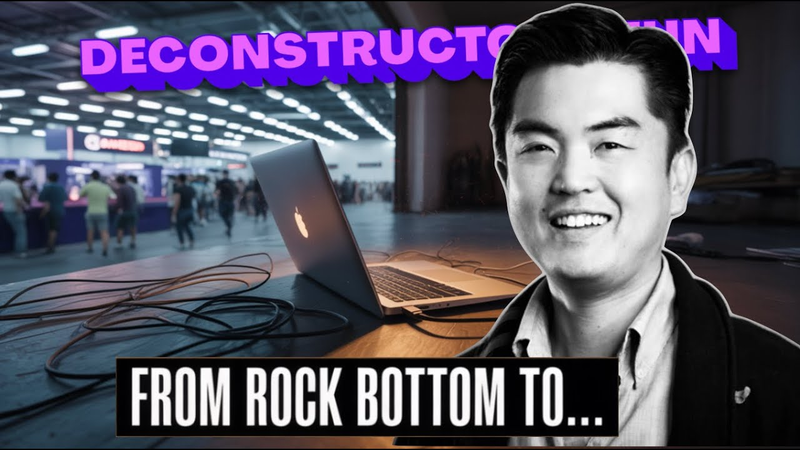
The Truth About Startup Life Nobody Tells You with Joseph Kim, CEO of LILA Games
21 Jul 202579 min video
you can't see stress. And I do think stress really messes you up a lot. And sometimes there are like I I do think um the Okay, so one I'll I'll share something. I'll share two things personal. [Music] So, you're in Spain.
You're now family man. Is that right? What's What's going on, Mishka?
I've been I've been a family man for for like 8 years. But
like on on my part, that's that's a really good question you asked me. Like just before we started recording, like are you slowing down? That that seems the case.
How would I put it? Like I think it's really important to have this phase because my kids are going to be this age for only a very short period of time.
Yeah. Um, they I I I want to thank think think they need me. Let's put it that
way.
And for the audience, their mother, can you tell us how old your kids are?
My I have two daughters. One is four and the other one is eight. So, they're optimally four and a half years away, just like in the Sapiens book.
You're like those ages are magical. Yeah. You You want to
Yeah.
Yeah. And and now like they're all about, you know, being with daddy and so forth. So this is this is my phase where I'm working less. Before I had kids, I worked six days in a week on the regular and that was my cheat code. It's like I just work one day more than anybody else. And that was essentially how Deconstructor Fun was built.
All right, so maybe we could tee this up for the audience out there. So we are back, the OG podcasters, myself, Joseph Kamishka Katov from Deconstructor Fun. Today I think we're gonna do like I think the last time we recorded something together we did what we call three by three. So just bringing up three topics on my side, three topics on your side. I think we're going to go two by two this time. Ishka
and
I think we're going to just play it by ear. Right. All right.
I I I love doing a podcast with you first and foremost because I know you for probably a decade. Uh right
getting old. I made I made I met you in San Francisco in 2016. Almost a decade. Okay.
Uh, and um, and secondly, because you're really good at podcasting. I mean, you run your own podcast.
You're the OG of YouTube podcast.
I don't know if I'm that good, but appreciate the compliment. I'll take it.
You are. Uh, just the uh the amount of reps you've done. You you that's that's insane. And then thirdly is because you are not working in a corporation and you are very authentic. you can say what you feel and and that makes I think into a good conversation maybe because I'm in as you say the the slower phase of life and trying to figure out this this work and life balance. So I've written some of the stuff I was thinking about you
and and the things that I want to understand that that would help me to understand what I want to do how much effort I want to put in. So uh without further ado, I wrote this. Okay.
Modern hustle culture rewards relentless output. More hours, more goals, more growth. But what starts as ambition often morphs into avoidance. For many high performers, work becomes a place to hide from discomfort. Broken relationships, unsatisfying identities, or fear of stillness. Now again, I'm not writing about you. I'm writing about in general. So the question for you Joseph or Joe is you spent many months in in Bangalore. You're right now in Bangalore away from home
really pouring yourself into Leela games.
Do you ever feel like work becomes a way to escape other parts of life even unintentionally? probably like unintentionally that's there. Since I've been here for about a month
now and in this last month, I've had one call with my wife, two calls with my daughter, and that's about it. So uh to the point about I'm not intentionally avoiding my family but there are I I would say that when you are locked in on work and then there's like so much stress and problems and there there's been some [ __ ] going down just to be real
then you know it it yeah the the family stuff it it's almost like out of my mind and I do think that's a problem. I don't think that that's healthy. But I also I also think like different people are going to view their objectives in life in different ways, right? So um for me I I actually I don't know I I have this belief in suffering as as somebody who
um who you know like I I read Victor Frankl's Man Search for Meaning once every 5 years or so and um kind of like the belief that I I don't think you live a full life without suffering. So there there's like that suffering aspect, but then also I I I I think everyone everyone in life searches for something. I I think that any and I don't know I may maybe I can just speak and you know at at the risk of being a little bit chauvinistic but I believe all men have kind of this hole in them and they try to fill it with different things with purpose in some cases with I don't know whatever um you know with whether it's girlfriends or with alcoholism or something but it For me, in my experience,
there's there's different objectives and goals that people will have trying to fill that hole. For me, I'm trying to fill it with with an objective and I've at least told myself that trying to build this company will create something meaningful and valuable. At least that's what I've told myself. Mhm.
And maybe that is um how I rationalize not spending more time with my family. But I would say I I I feel the cost of it for sure. It's not like, you know, I'm not unaware that there is a cost for all the time I spend at work and for doing what I'm doing. And I will say, you know, I I do question it. You know, when you're, you know, when you're awake at night and you're trying to sleep and you think, "What the [ __ ] am I doing?" Like,
I'm I'm human, too, right? I think about it. And I don't know. I mean, I I haven't met anyone who can grind as much as I do, but
I'm not sure if that's a I'm not sure if that's a good thing.
So, so have you ever thought about what's the difference between suffering and sacrifice? Do you feel like one leads to another?
Uh, I think they're related, but I don't think they're the same thing, right? So like
um sacrifice would mean that there there's like a tradeoff that like for me in in this case I'm giving up time with my family. Um, you know, like I used to like when my kids were young, I spent a lot of time teaching them stuff like math and things like that. So, they got really advanced and then I haven't spent time with them like at all on helping them develop. So, you know, my daughter, I I've spent almost no time with her. I
started to but then I stopped. So the sacrifice there would be that I've traded, you know, what what I feel, which is like trying to develop my kids and things like that for work. Suffering is just kind of like the pain you feel from going through hard times. And I actually and for me I view suffering in a
in in a better way because I I I do think that when you suffer when there are these problems and challenges and when there's this conflict and tension that generally in my opinion good things happen. Like by working through those problems you're able to come up with solutions. you're able to have a deeper understanding of different kinds of problems and things like that. So I would say for me suffering is you know I mean in the extreme obviously suffering sucks and it's bad but the general point of having some suffering in your life for growth and
development I think is good. Sacrifice can be sucky.
Yeah. Yeah. But sacrifice is is intentional because sometimes people take the suffering because they think like let I'm not putting words in your mouth or or any meaning but you would say hey I'm doing this sacrifice of being months at a time in Bangalore right it's away from my family it's away from the things that I love and I want to be doing but it's a sacrifice because if I do this right then I will make it right with my family because the company will be successful and that will have many you know financial benefits and so forth that will then unlock these things. So it's sort of a like a not it's it's a sacrifice even though neither is guaranteed but do you kind of get into a position where you feel where where sometimes you would feel that in order to
be good at something or you know have a positive result you have to suffer like is is that the sort of a mental model
you know I actually like the suffering and sacrifice involved with what I'm doing Now, I don't I haven't really like considered, well, this is going to pay off financially later, so that's what's going to make it up to my family. I haven't even thought about that at all. I I thought more about
the thing that's on my mind is, can I create something valuable and important? And I the story that I've told myself is that the sacrifice I'm making is because I am working on something valuable and important. And the moment that um if if I were to feel that wasn't happening, then I would feel really shitty. And sometimes I do feel really shitty.
Web stores, you've seen what good looks like, but have you seen great? Appch
charge is the direct to consumer platform backed by the likes of Supercell and built by monization pros from Moonactive, Platika, Huge Games and others, people who know the difference. App charge powers over half a billion dollars in transaction a year for top studios optimizing every detail. Deeply personalized web store offers custommade design, industryleading monetization features, in-game payments SDK and more. 70% of top grossing games already have a web store, but the ones scaling fastest, they're doing it with app charge. Learn more at appcharge.com. Attention app and game developers. Are you ready to unlock the secrets behind the world's top performing apps and games? With Sensor Tower, you get the ultimate competitive edge. Whether it's breaking into new markets, fine-tuning your UA strategies, or boosting
monetization. Dive into data like never before. Track global trends across app stores. Analyze market leading inapp purchase and inapp ad strategies and benchmark your performance with realtime insight. The best part, Sensor Tower doesn't just deliver data. It helps you turn it into action with intuitive tools and expert analysis. It's everything you need to make smarter, faster decisions. Thousands of app and game studios, from indie creators to global giants, trust Sensor Tower to help them win. So why not you? Start your free trial today at sensortowwer.com. That is sensortow.com. Yeah, it's normal. I I think I like I I I think it's important to ask you these type of questions because people probably only see the other side of you
making the sacrifice of you suffering but and and you pushing through it and kind of motivating yourself to put that effort but they don't see or hear or think because they don't see or hear you self-doubting uh you wondering whether this suffering makes sense. They don't kind of maybe understand that that still happens. you just don't talk about it. And and I think that's an important side of it. And kind of related to that, like you talked about your kids. You have three beautiful kids and a beautiful wife and a nice beautiful house in uh in the Bay Area.
Um haven't met your kids. Haven't met your wife. Beautiful couple.
What do you wish your kids would learn from seeing you suffer for your vision? Well, I do like I would love for my kids to pick a problem and go through because I actually do think suffering is good. So having like some level of suffering,
not too much,
but to to pick a problem and do something where they're creating something valuable, doing doing something important in in life, whatever problem that they choose, right? So, uh, that and I would say a lot of the conversations I have with my kids now is trying to figure out what they're interested in and encouraging them to like find something that they feel, you know, some kind of affinity affinity to so that they can start because whatever it is, you know, if it's like, oh, I want to I think microplastics are a bad thing. I want to try to solve that problem. Then, you know, we I can try and help them move into a direction where they can try and work on that problem. That's kind of how I view my relationship with my kids right now. But, you know, it's it's a little different. And I think I have two older boys, 15 and 13. Um, honestly, like they're kind of at a age where, you know, I don't think they think their dad's cool. I don't I haven't even talked to them at all since I've been
here. Um, it's only my daughter that misses me and she'll you'll she'll send me texts and things like that. So,
that's super nice.
Yeah. Yeah. So, you know, I I I think I I think it's always the case. Daughters are the best until they become teenagers and then I think it flips, right? But for right now, she's still
they they say boys are difficult for the first 12 years and daughters are difficult for after the first 12 years,
right? I don't know. That's that's kind of where I'm at now. thing.
And so if your if your one of your sons or your daughter would come in and say, "Dad, you know, I want to move to another country, preferably third world country, grind for 5 years on a startup." Would you encourage them to do that?
I I think that I would encourage them to travel. I mean, that's something that for me has opened my eyes to a lot of things. I I think getting uh I I think a lot of people in the US
once they travel their perspective on life changes a lot especially when you travel to a country where there's a lot of you know um disparities in terms of income and where people are not living the best life and then it's like oh
like San Francisco.
Yeah. Yes. I'll just have them go to San Francisco. Yeah. Um, but yeah, I I so I I I think I would have them travel for perspective, but I what I would probably say is if they wanted to go to a third world country for 5 years, I'd probably just tell them go there for 3 to 6 months first and then and and then, you know, see what happens. Um but I also think like sometimes us as westerners have these have these kind of preconceived notions about people and things and that may not be true. Like even me right I I had this I came to India with this kind of like I
don't know this this perspective that I felt like there there are and I don't know maybe it's uh maybe I don't know what people think about this but I'm just going to I'm just going to tell I'm I'm just going to say what I think and people can people can judge me how they want
when you came in. Yeah. They do that without saying.
Yeah. Yeah. So you know judge me negatively if you want but like I kind of came to India with this notion that there were there were going to be all these you know poor people who were limited in terms of opportunity and but they were really good people and if you just gave them the opportunity that um that's all they were missing and so like this um
I don't know maybe the savior complex or whatever uh coming into India for the first couple years and we I tried to like give a lot of people
opportunities trust and things of that nature but then I think you what I didn't realize is that when you're the the kind of people that have worked out better here are actually not the really really poor people who don't have a educ full education who don't have opportunities it's the people who have who are more educated and who have had um strong parenting and I think if you're poor and you don't have a lot of opportunities and you're you were raised to be very transactional um you're probably going to you know that's how you're thinking. I I'm not saying it's their fault.
Yeah.
But that's just the reality of life, right? if you're just trying to survive dayto day and you see an opportunity or you see something and you know you can you can steal or you can lie or you can do whatever. Um I I just think that the notion I had that you know all these poor people are really good-hearted,
they just lack opportunity and um and I I guess I have realized that's not necessarily true. Yeah, it's quite typical for for people to see themselves in others and seeing like well if I were in that position of being underprivileged not having opportunities and if somebody would come to me to give that opportunity then I would succeed in that but you're not that other person and and
and that's not to say that there aren't some people like that but you really got to go through the funnel right to to find those people.
Of course.
Yeah. Of course. Interesting. And would there be anything that you would advise your kids to do differently than you did other than spending maybe more limited time? You said like 3 to 6 months first rather than just head first for half a decade.
Advice if going to another country or just
Yeah. Like what would you want them to do differently than you did? like your
kids kid comes for an advice and you know he or she says
I I think like ultimately I think it's it's easiest well I mean there should be pain and suffering but I think it's better to have a community or a team of really strong dedicated you know kind of like the Alexander Wang notion of gives a [ __ ] kind of people
to work together on a hard problem and it's a lot harder to get a team together that is fully aligned, committed, all that kind of stuff. That takes a long time and there's going to be a lot of suffering and sacrifice to get to the point where you have a capable team. So,
um I think you could it I think it's more efficient in life and you'll achieve a lot more in life if you can
get a team together that is aligned and capable and um and so you're spending more of your time on a challenging problem rather than spending a lot of your time trying to get the right team and capabilities and skills together. Uh I think I have wasted a lot of time on the team and skill building part and not enough time on challenge the you know the challenges associated with the problem we're trying to solve.
Yeah that that's very typical for any startup because you're essentially building a team out of out of nothing and in your case your founding team hadn't worked together. Uh that was my case as well. So that that creates the longer period of storming and forming.
Yeah. And then and then we picked a very challenging genre relative to the resources we have. Right. So it's like
um
Yeah. I often talk about you go to war with the army. That was the um I forget the um the the the general's name. Uh but you go you go to war with the army you have, not the army you want or you wish you had. Right. So, uh,
yeah, that's definitely not tunu. Um, and and yeah, that's a that's a that's a very, you know, I I feel you 100%. Um,
so like just just so this isn't all about me, I it'd be good to
I think it's fun when it's all about you. I'm a I'm a podcaster. I'm used to this. I will just ask you questions for two hours. You'll be like, "That was a great conversation."
Let's get to you. But you know I I think like some of the topics that I have picked aren't so much about life and things like that but may maybe I'll just I'll just shift it and um maybe I can ask you some questions. So, you know, you started a company, you you sold it,
you're now in family mode, and so maybe one of the questions I can ask you is based upon your experience, um, and you were doing a startup, and I I assumed you were more in hardcore mode at that time relative to now.
Yeah. But I I think I would be interested in um what were like the biggest lessons from that experience and if you're going to do it again in the future, what would you change?
Yeah. Well, let's start with the uh main experiences. So, I came into it very uh list like with a how would I put it? I thought it would be much easier than it was. I think everybody does. Every first-time founder would. And I'm basing this on my experience at Fun Plus where we both
worked not at the same time but consecutively. And what happened at Fun Plus, which is again I've said this multiple times, but it's the best job I ever had. I I think the CEO is
phenomenal. And um the team over there is is really good. But my experience was such a positive one because 80% of the team actually came from Zinga uh where I used to work before. And yes, there was that storming and forming phase as we were building new team because even though majority of the people came from the same company from not not the same game team but they were like from the same division so in in the same space. Nevertheless, um that that storming and forming phase was was quite rapid like couple of maybe one one or two key changes in the core team and that was it. And then we were flying and I realized now just having a conversation with you is like that happens with everything but at Zinga it just happened while we were there. We were storming and forming for 2 years and then we kind of kicked it off again having had those experiences knowing how
we like to work how we don't like to work and and essentially having that culture without anything being written. Our culture was essentially anti-zinga. Not anti-zinga per se as the company, but anti the way we were working as a corporation, kind of slow, everything is written, multiple reviews rather than whiteboards, conversations, and just, you know, ship fast. So, nothing against singing is phenomenal, but just uh the way we're working was not suitable for that. So anyways, um and because the formation of the studio was so quick, because we worked so incredibly efficiently, uh because the hiring were was easy like first tapping into my uh contacts, uh we're able to scale to u to a nice place. you know, it's not quite Bangalore like the amount of talent you have in in San Francisco is at least used to be a little bit deeper than than uh than what you might have there. And then also at the same time like a year
in uh Fun Plus released a number one grossing game that further kind of expanded the demand like it started with first people thinking that we're working for a money laundering operation to like you know have forming a line outside of our studio just wanting to you know come in for that play test we we invited them a few months ago because now we're you know banking. Um, so having that experience, that that really really positive experience kind of led me to assume that I could do it again just as easily. And that was not the case. You know, in our case, we also put in a lot of stupid, you know, variables that that didn't need to have there. So having a founding team that hadn't worked together for for a longer period of time, everybody had worked with each other, but not everybody had worked together. And so that was an issue starting two locations at the same time. Uh being fully remote, not not fully remote but kind of like forced to be remote because of co unable to travel
constantly. There were like now you can't travel, now you can't travel, now you can't travel. So between two different countries, Germany and Finland that was really challenging and then uh the background of people was different. We had people coming in from AAA and people coming from mobile. So there was a huge clashes over that. Um, and you know, it clashes in terms of like how do you make games because two very very different ways of of of building and and and you know that that that storming phase and and everything like what I've learned from that is how important it is to invest into good teams and what actually a good team looks like. I don't think that many investors even though they talk about good teams really understand what a good team is and that is why
they don't do any diligence on that like zero
they don't they they run for FOMO they run for CVS uh they say words like oh very charismatic leader or I just didn't
you know it's just so gut- based and they it's not even gut based the gut is based on somebody else's opinion so um with all due respect towards venture capitalists um but you don't invest into schemes you invest into FO model. Um so so having that understanding has been fundamental now that I'm doing a little bit more angel investing and you know having over 20 companies that I've invested into. Um really understanding what the team is and being able to say no based on my conviction of like these people haven't worked together. This is too big of a risk. I don't believe this will work out. and being proven right over and over and over again by just having this experience from my past. You know, these superstar teams that kick off and everybody's happy and they tell I'm an idiot because I didn't invest to, you know, talking to them people who leave that company like 6 to 8 months later just like, oh, it's a chaos because X Y and Z. I'm like, yeah, I know. And it will be like that for two hours and they either die or they grow
from that. But anyway, so understanding what a good core team is, founding team, sorry, founding team has been has been my biggest learning because it's different than in a company. In a company, you hire some people, they work or they don't, you change them around. It's more like managing a sports team. But if you have a founding team, you can't just, you know, kick out a founder. That's a big decision. And you know, we've just had a article about the two-year cliff and the the importance of not having debt equity, etc., etc. Like, it's a it's like once you have your founding team, those people essentially are there from this point on to at least four to 5 years and then there might be some changes, but these are like your franchise players. And if your franchise players are all from different they don't know how to play together they they're seeing the the future in a little bit different way your company is going to be [ __ ] for you know good amount of time and then you figure out or die.
Yeah.
And and that that has been my biggest learning is like what is actually a good founding team? It's not you know it's not it's not necessarily the pedigree. It's more about the time together. So, I learned to value a lot of teams that have spent time together, whether, you know, like the Israeli teams that have been in the military together. Um, teams that have, you know, are are friends from school, teams that have brothers to like I know that they're not going to most likely separate. They've they've gone through a lot of hard times. So they have stormed and now they formed and now they trust each other and now they can be those bedrocks that will you know um that that know how to work together and you can build around that. So that has been probably the uh the biggest learning. Was there another question there? I guess so if you were to do it differently now is is the is the co-founder relationship the main thing that you would try to validate or is there something else
as well that you think about?
Yeah. So, so that experience has left uh the the co-founder experience has left a lot of um what do you call it PTSD and I'm sure every founder most of the founders you talk to will have that
and so even like after this there have been
you know ideas and and projects that that would have wanted me to um to be a part of and set up a found you know co-founders and so forth and the way I review this is insane I I'm I'm just not jumping in to be a co-founder with anybody like like it's a we have to really be aligned on the business aspect before we can work. So what I do now is there's a lot of like written documentations that we answer the same questions and then discuss how much we see difference in in these things. I don't rush it at all. I'm taking time. If it breaks then that's good. I'm actually happy that that they don't go through. So
co-founding aspect has been has been pretty the kind of thing that I take super super seriously just like any business contract. Um and and um yeah that that's the one like I'm not like I don't get seduced by by co-ounding anything with anybody unless I really know th those people. I I respect them and we go through that process of alignment
um before that. And where are you at now with respect to because like it seems like you've you've kind of gone into family mode. You want to spend time with your kids while they're young.
Are you open then to looking at stuff? What would it take for you to besides a co-founder relationship? Are are you looking at any specific things now or you just going to kind of take it easy and just wait for something to come or how are you thinking about it? Yeah. So I work with a lot of companies to be honest. Uh so deconstructor fund is yes it's a media and you know I have
I have a team of how many are like seven people. So there there are you know uh people involved. I'm not doing this alone. Um and not just only on the podcasting side. I spend most of my time working with various clients. So usually these are mid to large companies. um gaming, gaming tech, um government as well. So, so there's there's um you know I I I work a lot with different clients and um most of these contracts that I do are fractional. So I get to be a part of the company um for a longer period of time taking usually some kind of a head position whether that's one day a week up to 4 days a week. Um so I am quite active. I haven't joined any of these companies full-time. Um, mainly because I I think the fractional role gives me a nice visibility of
what working with with within the company is. It's almost like a like a longer trial run. You get to solve a lot of problems. You get to become, you know, very close to the team, to the founders, etc. Uh but but also it's kind of like because I don't have to commit to a one job. I don't need per se a job. I have several. Um I'm incredibly picky. Now, will I eventually join one of these companies? Yeah, 100%. But this time the way I'm thinking is is like it really has to be something where I can use deconstructor fun platform to support it rather than having deconstructor fun on the side. Uh I've learned to really enjoy having this platform. I enjoy writing. I know you do enjoy writing as well. I love doing podcast like most my most of my stuff's AI. So
you well okay I understand that but you still go through it. You edit. It is
your thoughts. You just
make it faster with
AI prompt.
Your newsletter is prompted with AI.
Yeah.
You [ __ ]
Oh my god. Okay. Well, I I I mean, I use plenty of AI, but I don't, you know, I don't per say prompt. I I might prompt based on my notes to kind of get the first draft in, and then I
I think it's gotten to a point where it's quite good. So, I I actually read it. I'm like, "Oh, oh, this is cool."
Yeah,
I'm reading my own newsletter as a new reader.
I I I definitely use use AI, but not for that. Like, I don't I don't per say prompted. Like, I could, but I feel like I would be cheating myself. And
not not that cuz you know we have plenty of content because we have plenty of content
um creators
but for me writing is a big of a
learning experience. So I really do want to take my time and think about it and then uh write these things. But yeah, like you know I might use I might make all my notes which is few pages then prompt it then do a lot of editing then let it sit then come back to it then change some aspects of it and so forth. So there's there's
yeah I guess the way that I kind of do it is like I have the transcript that's you know auto AI pulled out and then that goes in and then the AI will write the
from the podcast.
Yeah. And then and then I and then I just read it and I'm like, "Oh, cool. Cool." I mean, yeah. So, like the things that are more the essay stuff, I will write those.
The AI won't write those, but but like for the for the um for the podcast, Yeah. I'm I'm I'm reading it for the first time and you know, I'm I'm learning stuff like Oh, yeah.
Yeah. Yeah. So, so, so that's I think that those are my my kind of key
learnings is just being uh very selective understanding what is the type of life you want to be living at this phase. Um not jumping to anything head first which has been my first 30 years almost
25 years and then you know just taking my time. I I think that's uh that that's been that's been the uh the clear learning. Now, what I'm doing what I don't like about what I'm doing right now is that I have too many clients. That's uh that's a problem. So, uh I think you know, well, yesterday I just saying no to one. It's like it's hard to say no to uh to to clients because this is very sort of up and down. Like there might be a month where there's no clients. You're like, where did the clients go? And then there might be the next 3 months where you just don't have time to eat cuz there's just too much work at the same time. So maybe like like that's that's been my my issue and that's really u I think that's
a pricing question. Just raise the prices unless until they're less clients and um and focus on the ones that that you work with. That actually came from a client that idea. So uh so so yeah so that's that's been my focus but my focus has been in the search of focus and not doing too much which I'm very uh prone to do.
Okay.
We're talking about work. We're talking about suffering to kids and so forth. And um and the thing is like founders and high performers, if you will, often blur the line between themselves and their work.
And especially this was true to me and I think it will be true to you is that when you're having a good day at your startup, um you feel great. And when you don't have when something is going wrong, it kind of affects you. Like the work the the way your company is going
is how you're feeling.
Y
and so I'm curious is like sometimes with these cases like when the startup fails, you just don't lose a company. You essentially lose yourself because you're so tied to it. And in a way you could say that the most dangerous job is the one that defines you. So the question for you that I have is like like if Leela becomes this billiondollar success, what will that mean to you? Not professionally, but personally game devs, we know that great gameplay is what players love. But integrating metagame features like challenges, progression, rewards is crucial for retention and monetization. However, coding them is a tedious and timeconuming process. That's why top studios have turned to Hero. Hero provides a complete suite of battle tested metagame features that are quick to implement, letting you spend more time on the core gameplay experience.
Ready to ship fully featured, engaging games? Check out Hero today by clicking the link below. This podcast is brought to you by Apps Flyier. In today's digital world, understanding your app's journey from discovery to download is more than just insightful. It's essential. Enter Appslier, the leader in mobile attribution and marketing analytics that allows you to measure the full potential of your marketing efforts, making every ad dollar work smarter. With Apps Flyier, that's your new reality. Dive deep into datadriven insights that reveal exactly where your users come from and how they'll interact with your app. AppSlire, where your app's potential meets performance.
I I think honestly like I obviously want that outcome, but for me it'll be more I I think having a financial success like so I personally don't spend much money
regardless like you know I mean I work all the time. I rarely watch any movies. I play a game or two. I I don't really spend much money at all. So like it for me like having a big success for this company would mainly just be an ego thing but but also a proxy proxy for we've done something important or valuable. So I think if we're able to make a company that you know uh that creates a lot of products that people love then I would be proud of that. I'm I'm already proud of some of the things that we've done here where we have I mean it it takes a lot of iterations but we have some people here who have dramatically improved. I'm I'm proud of that. I think the the financial success of Leela if it makes you know like the money part I won't be able to spend that money just because I I just don't spend money that much.
Yeah.
Uh but it would be a pride thing for sure. I mean, I'm not I I like to think
that I'm humble, but um I do think if if something like that if we had that kind of outcome, I don't think it would really change my lifestyle, but I think I think I would probably it it would be an ego thing more than anything else, which, you know, is is maybe good or bad. I I don't know. But, um of course I would love that and it would be good for my ego. I'm not sure.
But what do you mean an ego thing? Like what what do you what
just like haha I have a you know I made a billion dollar company so so the game makaker's email comes the next time and it says I told you so or like never got
like that yeah that's more of a yeah I mean I'm just being honest that's it'd be an ego thing
wouldn't really change my lifestyle much um but you know of course but then it'd also hopefully be like validation and proxy for having
created some value in the world. So, you know, I I think that would that would be
that would be it really.
H interesting. Um it's um yeah I I you know I've talked to some founders who had good exits and um I I rarely talk about this but I remember talking to to one of my friends and and he's he asked me kind of like did anything change for you? like no and then he was like yes right nothing like nothing changes and I think that I think we put in so much sort of a hope and dreams into those situations that you know it keeps us going like once that happens like then everything is going to change and everything is going to be this and that whatever we hope for but in reality I I don't think much changes actually like we're we're just being ourselves and and kind of
like regarding that I wanted to I don't know I will say personal
say just just being real there there are some friends I have where you know a financial outcome has changed them a lot
in like in in what sense
uh one I would say in some cases they think they're the expert on everything um you check check their social media it's like Hawaii Vegas Hawaii Vegas. Hawaii. Vegas. It's just like, you know, there's there's one guy who just disappeared. He's just gone.
Yeah.
Like, what happened? He's just gone.
Oh, he's he's sleeping in Egyptian cotton. You know how hard it is to, you know, rise up from that and grind?
I'm I'm not sure if the typical scenario if you have a major commercial outcome would be nothing changes. I I'm sure it is like maybe maybe for some people it would be that Um
well let's say well let's say it's not a major like it's not like 100 male or
more but it's more like you know in a single digit
million. Yeah the the dude that disappeared a Bitcoin guy so yeah
yeah I know I know like that's a I I yeah of course I know a couple of those I was mainly talking about maybe like a single digit where it's like
you know
Yeah. I think with that I mean single digit
it's not private jet money.
Yeah. Right. Yeah. I don't know. Yeah. And I guess it just depends on the person and depends on um yeah probably the scale of it would might might might change the situation.
H do you do you think um that success that ego boost of of success of of you know let's say Leela is that billion dollar company. Do you think that will fill I don't know of the same hole you kind of talked about like not being at home and and not talking to your kids. Um would would that help to fill that
hole or that sacrifice? I don't think a commercial outcome would do it because I think that if I feel I and you know I kind of talked about this before but one of the reasons why I even started this company was based upon the Clayton Christensen essay how will you measure your life
and so I would still view it as okay
you know end of my I imagine myself on my deathbed looking back what would I you know would I feel proud of the life that I lived and accomplishments that I've had. Um, so if I had a commercial outcome, but I didn't do anything with it, I'd still feel like I need to do something. So then I probably try to deploy that cash in some way to do something.
I I think you would still work as hard as ever.
I'd probably still work hard. I But it would depend like right now, like coming off of the last I mean I'm I'm almost coming up on five years of this. So, I
would say uh you know, if I had a commercial outcome like right now, I'd probably take a break and then kind of recommmit. But, you know, at I I can't I I can't go seven days for, you know, there there's only I mean, everyone has their own specific break points, but yeah, I mean, I probably take a little bit of a break before coming back in. It it's um I have this weird thing. I'm probably never told about this to anybody. So, uh we have um in our house, we have this sort of like a lofty thing. So, it's a you know, it's a loft. And
when we bought the house,
it had this like full-on like a gaming setup on the loft. So, it's almost like a it's almost like a living gaming room. The guy had built it
and it's like above the living room. So, it's really cool. And I was like, damn. And I was in a startup mode. I'm like, damn it. Like, we're going to buy this house. And when we finally exit the
company, I will I will, you know, spend time here just playing games and just, you know, just enjoying because I don't have time to play a console. And I [ __ ] you not, I never played a console there even after.
Like, never. And it's it's kind of crazy. We're selling the house right now. So, that's that's also some of the things where I'm thinking about like not nothing changed. I even got a console for free with ton of games and I never played it in that place which is the one of the reasons why I bought the entire house.
I see.
It's it's like the work never ends. Like you are what you are and you know just worked as hard as ever and and took no breaks.
Well, let let me ask you a question then related to this. Um since we're going deep in philosophical,
I was going to talk about a lot of tactical company problems, but Okay. Um, so let's so let let me ask you that same question. If you were like, imagine
you're on your deathbed, Meshka, and you're looking back on your life.
What would you say you're most proud of? Or what do you think you could do from now to make you feel that you're proud of your life?
Yeah, this is nothing new. I actually do this almost uh more more sorry uh I almost do this on daily basis. I have this um really
meme that I found.
Okay.
Yeah, I know. Well, uh you were in a grind mode. I had this meme that I that I that I saw on Instagram. Uh there was a tombstone and on the tombstone it read he worked really hard. And the the whole idea I think the way I read it is like that's you know like you want to leave a little bit more than people saying that you work like a like a man and um and I kind of judge my days based on that. Now like yesterday was
not a good day for me. I worked really really hard almost the whole day. took a little break to watch our eldest one uh sorry the younger one and then again I worked till midnight and felt like that was a shitty day because I didn't have the control of my own life or my own schedule I was I was doing with others and even when I was present with my kids I wasn't present and so I deem that as a bad day even though in terms of you know works it was productive day so Um, sorry. What was the question? Like I kind of kind of drift away.
Yeah. I I guess I was asking if you were to imagine yourself on your
deathmag on the death bed. Yeah. Yeah. And so and so okay. So that's that's where I'm going. Thank you for reminding. And so
kind of portraying that a little bit more. Uh something that I worked with a therapist with also that I used is um I think it's important to have the bucket
list thing, the things that you want to do. And for me like when I was doing that they were quite simple and a lot of them had to do with stuff you're doing with friends with the places you want to visit. you know there are achievements that you want to do and I've definitely been doing a good progress against those but I have done a poor progress in terms of spending time with uh with with friends especially with with the busy life and and so for me it's like it's almost like the ending has to be the same way as I view a perfect day and a perfect day for me I think we talked with Brett Novak about this like we have a exact same perfect day like we want to work a little bit even though it's a weekend or whatnot Perfect day for me is wake up early when nobody is out and I can make my big pot of coffee and I can do some work usually writing for me whether I'm writing stuff for client whether I'm writing um something for deconstructive fun some of my thoughts kind of spend 3 4 hours on really focused work then I like to spend
time with my family I like to spend time uh working out and uh and I like to spend again more time with with the family kind of, you know, finishing up uh the day, watching a movie like we watch Minecraft movie. First time watching a movie as a as four of us in like 4 years because, you know, our oldest is is old enough now.
But that is sort of a perfect day for me and the way I would extrapolate it to my whole life. I wanted to be balanced and I know that people talk about work life balance like you need to achieve balance in every day and I know that that is not the way it works. There are days when you need to work a lot more where you don't have balance like like yesterday and then there are days when you kind of figure out that balance where you're spending the whole day with the family and then you're going with your your other friends and doing you know activities and now that's that's a different type of thing. And so in in my deathbed, I wish I could have a more
balanced experience where I worked enough achieved enough of those things left, you know, the industry better than than when I came to it. And I think what we both are doing is helpful for that. We're sharing a lot of information, a lot of insights. And, you know, I I at least have been gotten over a decade people coming to me and saying, "Thank you. because of doof I got the job or got this or got that. So that's a positive thing, but I also want to want to be loved by my friends and by my family and I don't want to sacrifice that for more admiration from people who I don't know who I've never met who might say a nice thing once in in a comment section or or um or at an event like that is not nearly as important. And so now where I'm at is in order to have a meeting with me like like dude the way I'm viewing things is like this is away from my time with my
fouryear-old. So is this meeting really that important? So that that's how I've cleared really a lot of my evenings and everything. And I know that this is just a phase and the next phase will come when they're a little bit older and their dad is not cool anymore. And then I'm going to be again super focused on achieving career goals and and marriage goals and and and so forth. So I've I've sacrificed a lot and uh that sacrifice has not been mine alone and my wife has had to take a lot of it as well. So
you know u the same kind of crazy [ __ ] that you've probably done is like working on holidays, waking up early doing things and kind of putting stress on others because of your work. And I want to and I've been I've been able to pay that back actually quite a lot. I've worked from home which I don't enjoy uh for two years already. Just giving my wife ability to go to her office every day.
That has helped her a lot. Um you know spending more time with kids, taking in
practices and so forth. So I've been able to rebalance and I want that to be my goal where I was able to when you would do the audit on my life there's a there's a balance. There were phases where I worked too much. There are phases where I worked too little but spent too much time with.
So you want you want to have a good family life but also create some value for other people and but you want you want to kind of do both basically.
Yeah. I I don't want to be the type of guy who whose kids don't know him. I don't want to be the type of guy who doesn't have friends just colleagues. Uh I don't want to be the guy who doesn't have a wife. Uh I don't want to be a guy who's a loser at work but has everything else either. Uh and that is a hard balance and I'm not saying you can achieve that on on daily basis and I'm I'm saying that you can't actually and uh and that's why I consider life in phases and I think it's good to understand that this is the type of
phase and I try to repeat that to myself. I'm not saying that I get this, but I try to repeat to myself like, "Hey, man, like don't to take too much on because you're in a different phase." And I fail at that often times where I have too much work and then that causes, you know, the PTSD to flare up with my wife and others like you're constantly working
and then I have to sit her down like, "No, I'm not. Look at my calendar." Like, I've I've gotten away from that. But but that's that's really the point. and and kind of going through through the uh through my stupid bucket list like I have [ __ ] there that that are very achievable and it's like well why don't you just do it and it's like well it's like it's like you know
all right so can I add one nuance here and let me get your take on this so I actually have so okay so compared to you I'm a little bit different because like for me I I'm I'm viewing I'm viewing life more from the perspective of like
my high score. Okay, if you imagine life as a game and you know, we're probably in a simulation, I think, right? But like,
oh,
and and so for me, the score is what value did I create? And right now, I I honestly don't think I've got a very high score.
So, I want to get that up. Well, I number of reasons, but um but I I guess the the the other nuance I wanted to add here is like when I think about like even if I wanted I I think the pressure that I'm also feeling right now when it comes to when we think about work work and balance is that I believe and you you may disagree with me on this But if AI, we can't have a conversation without talking about AI, but if super intelligence is for real, and who knows, a lot of people think it is, then is this the last chance for us to work
hard? And two, if AI is for real, the other thing I think is that within the next two years, there's going to be a massive distribution between the halves and have nots. It's going to be parallel distribution. And that if you don't grind now over the next two years, you're going to either be a winner with AI or you're going to be a loser without AI. What do you think of that perspective? I think it's uh like you remember when blue collar workers were losing their jobs and [ __ ] in cities were like oh just learn to code you know and they were like no big deal this is how the economy changed like maybe we just don't need this type of job like yeah there's robots and automation and stuff like that and we didn't make a big deal out of that we just let people suffer and now that white collars are losing their
job because of AI and blue collars are not Then suddenly this is the end of the world as we know it. It's like um meanwhile the blue collar is like yeah yeah it's pretty cool like I can you know do do my travel plans. So I think you know I think we are going through a through a major change in in how white collar employees do their work people like ourselves. Uh I've seen mainly positive impact from AI in my line of work. I'm sure you as well. Anything from podcast editing to to writing to you know consulting work has been made much simpler.
Yeah.
Allowing us to be more productive and uh generate more revenue. So it has been quite productive. Um but you know I view it as as any kind of I don't believe in this like now is the two years where you need to grind. Grind for what? like
where what do you if you don't know what the future is, how can you get ahead of things? And so, yeah, I'm teaching my my kids to to do manual labor. That's what I'm like, oh, my girl is not too my eldest is not too great in math. Like, she's now in taekwond do camp and she's phenomenal in sports. I'm like, yes, this is something that AI will not be able to do. It's gymnastics AI. I'm like, "You like doing hair, girl?" Oh my god. Cuz if you um you know, it's um sounds like a safe profession. If it was a boy, I would teach. Oh, talking about plumbing.
No, I'm seriously considering like maybe trying to like own a cafe or restaurant or something because like Yeah, cuz I won't you won't compete against Seems like blue color work is is the way to go. Um, again, not not thinking about too much
future, but but it it it has made it easier. Even like even with kids, even I'm not that stressed that she's not the best in academia. I'm I'm super happy that she's really great in in in arts and craft and sports. Like, that's that's amazing. You like working with your hands, you have a bright future ahead of you. And that would be different uh maybe a decade ago like we need to hire a tutor for math. I'm like no we don't. That's useless.
Yeah. I Yeah. It's hard to say. I I do think one of the things now is that there's just so much uncertainty, right? Like
Yeah. And that's why if Elon's successful with Optimus, there's not going to be any blue collar work either, right?
Yeah. Yeah. Yeah,
you know, we and and so I I'm what is is this stoicism where you where you can where you think and worry about the things you can impact and you just don't think about things you have no impact over. I think it's the same thing here.
I think I wish I would be watching less news as well because I, you know, I somehow is like super entertained by especially geopolitics and then I'm thinking about like, oh, I wonder if this country has a future now because of XYZ and Z. I'm like, why do you even think about that? Just [ __ ] let it go. Don't watch news. Don't read [ __ ] about AI, how it's, you know, we're all in simulation or it's going to take our jobs or it's going to do this. It's like you're just creating these, you know, these worries that you have no impact over. So, I'm I'd like to be more of a reactive than proactive and and getting ahead of something I don't even know.
Okay. Yeah. I I think what I've been doing is just learning as much as I can and studying and being very active with tools and then we're we're building a bunch of stuff with AI now. But
yeah, of course I mean we are as well like we've we launched one AI product and we're kind of like it was okay but then we're pivoting to another thing um
with with within DOF like we're we're actually doing stuff around AI. So it so it's not again it it I don't think it's being proactive. It's more being reactive on what's there in the market and building against that. But at the same time like you know how was it Meta Conference speaking and and Google as well. They're they're all labeling me as like anti-AI just because I'm not foaming out of mouth. They're talking about how everybody needs to work with AI right now. For them it makes sense. Their whole business is is about now selling AI products and they can't for the for the life of God tell them what benefits is there right now for the companies other than incremental. So they're using fearmongering to force companies to adopt AI to figure out what is the best case to use the products that they're selling. That's essentially it and it's working. Uh so good on them. Um, I'm I'm being very reactive, really
looking at what what's there, trying different things, um, and not trying to get ahead of something I don't know.
As they say in the army, never be the first or the last. It's key. Still works business.
All right.
Yeah. So, I got one question for you.
Sure.
Final one.
Okay.
So, you've been very you've written or had AI write. I think the the personal essay stuff I write, but I'm actually going to take that out of my newslet. I'm just going to go more podcast stuff on the on the Game Makers. Well, I'm going to start a different newsletter and then uh just keep my personal stuff separate.
Okay. So, let either or you've written and spoken quite openly about the founder journey
um about the the hard times. You have videos that are, you know, quite raw. So what are the something personal you haven't shared about you know how lonely
it has been or how difficult the role of a startup CEO has been?
What have I not shared? Um
something personal. I will say like you can't see stress and I do think stress really messes you up a lot and sometimes there are like I I do think um the okay so one I'll I'll share something I'll share two things personal. Why not? [ __ ] it. So, one, do do you remember when Silicon Valley Bank went down?
Mhm.
So, we had all of our stress,
we had all of our money in Silicon Valley Bank,
everything. And when it went down, I remember I called my wife and I told her, uh, we lost all our money.
Oh, like your family money, not
No, no, no, no. Our our company money. So, I called her from India and I'm like, hey, you know, we had all our money in Silicon Valley Bank
and I said,
uh,
she was just finally
and I told her, I'm I'm so glad and I'm I'm ready to come home now. And yeah, I was really happy.
I can imagine it somebody somebody put the quit button for you.
And and then I think that then after that the the day that um cuz cuz for me it was like you know well the investors have entrusted with this money. I have to see this through. But when I thought Silicon Valley Bank went down it's like okay I can just close this down.
You lost you lost and it wasn't your
fault. And I was I was happy.
I know.
Um so that's one. The second thing is as I was mentioning about stress, I mean it it does have a lot of physical impacts. I remember it was like uh I will say there are a lot of things that you just can't I don't know it it I do think stress has a way of impacting you in like really weird ways. Um so there was like this week uh like it this was like probably uh towards the end of last year and I was in India and I remember like for two weeks and you know I mean I I don't want to sound like a I don't want to sound like a like a like a wuss but like but like for like two to five minutes every day I would just cry. guy for like almost two weeks. I don't know what what was going on, but it was like so much stress or
something was going on.
Yeah,
it was [ __ ] me up. So like and I was like, what is going on? But I'd just be walking and then I just start crying for a few minutes
and I was like, what? And then it'd stop. So I do think like I I feel like you know there there there are to to the point on suffering it can when it does lead to stress it can have you know a dramatic impact I think on your health on your emotions things like that. Um
yeah emotions especially.
Yeah. Yeah.
Mental health is huge.
Yeah. So, I mean, I I would say, you know, I mean, this year I feel a lot I mean, I trust me, I've got I got problems up the ass still, but it's
because of the coffee anyways you've been doing,
but I I do feel a lot better and I I I have reduced my level of stress.
I'm not sure if I've reduced fully. You
know, we still have a lot of problems and things like that. Um, but you know, uh, stress is a is a big deal.
Yeah. I I I don't know if I told anybody this either. I remember this was at Gamescom. It was a startup mode and I had panic attack several nights. I didn't know it was a panic attack. So, what was happening is I would wake up in the middle of the night and it was insane chest pain. Like a chest muscle pain,
okay?
And it wasn't like a heart but chest muscle. It I couldn't sleep cuz it was just like [ __ ] killing me. And I would stretch in the middle of a night and I was like what the [ __ ] is going like did I do bench press vlog or something. I was like I don't like I don't know. Like I would wake up several nights in the middle of the night with insane chest pain and I was googling the [ __ ] and it was under panic attack and I was going through some crazy stress
and and it was just causing those kind of things like I had panic attacks because of stress. I never would have.
And and so kind of like both of our experiences, I'm pretty vocal on LinkedIn to [ __ ] that are encouraging others to be founders and entrepreneurs. Like shut the [ __ ] up. Like this is not a rosy road. It's so crazy to even, you know, oh, just go for it. You could do it. Anybody shut the [ __ ] up. Like you're you're putting people on such an insane roller coaster of [ __ ]
Uh for what? And it's also equally bad when women kind of some women on on on on LinkedIn are just like, you know, blaming that they don't get to take part in this [ __ ] horrific [ __ ] show known as startup culture where 99% of companies fail. You lose your health, you lose your wealth, you lose everything, you lose your relationships. It's like, we want to be a part of that, too. She's like, no you don't. And you're the smart one. That's why there's no women. Like there's so little amount of women in this [ __ ] because they are smart. Men are stupid. That's what they do. Men climb on a mountain that has
nothing on top and you may very well die by doing it. And they're like, "That sounds like a thing I need to be doing right now." Like that's, you know, don't mean to be misogynist. Like I talk about this with my my wife and you know, she's like so happy to be an executive at a tech company rather do this [ __ ] And when people tell her like, "Hey, you should, you know, do out founders." She's like, "Shut the [ __ ] up. I know exactly what it is. I'm super happy where I'm at. Like, I don't need that nonsense.
So, does that mean you're not going to go back in or
So,
or or will you or or I I thought you were going to kind of orient towards investment. Is that
Yeah. Yeah. Yeah. I I am, you know, um I am doing that. Um it's it's been taking a little bit longer than than expected and the market has definitely shifted, but that's that's definitely has been one of the the focus area that I'm building towards. Um, I'm I I am going to be in company building 100%. I'm that type of a stupid
that I need to do this again, you know, and it's it's ludicrous and I don't recommend it to anybody. I'm like a rabbi, you know, where somebody trying to, you know, convert, I'm like, are you [ __ ] nuts? Get the [ __ ] out of here. Like, this is the worst religion you can find. So, so the same the same thing. And then if you try over and over and over again, I'm like, "Okay, it seems like you have something here. Let's let's work with this." And this way I'm probably going through this, you know, the next phase as well. It's like I'm looking at bunch of bunch of uh options, working on some of them, seeing where it leads, but I'm not in the phase where I believe you have to suffer to succeed. I'm I've been watching a lot of these like sports documentaries. The quarterbacks has been phenomenal. By the way, I don't know anything about American football, but quarterbacks has been amazing on Netflix. And what you can see with with the people and actually they did a study on tennis players and they found out that the the
top 25 compared to the top 100 eat the same, train the same, equal effort, everything is the same, but the uh the way they approach the game is different. the top 25 when they fail, they're like, "God damn it. All right, let me see what's gonna happen in the the next match or in the next ball." And the ones who are not in 25 kind of get broken down by the success and they're so, you know, holding the the bat hard and kind of need to succeed and super aggressive and and really focused and and I think that sort of approach where you let it come naturally is really important. That's what I wanted to happen in my in my next endeavor as well. The same as it happened in in fun plus where it felt natural. It felt that everything was clicking and felt that we could do anything. There was very little interpersonal [ __ ] and it was all about solving the problems that exist in the product. Um that's that's the way I
want to I want to work so with very like-minded people um focusing on you know on profitable growth over venturebacked insanity.
All right. Well, I guess with that, Mishka, this is not the direction I thought this conversation was gonna go, but it never
it's all good. All good. And uh you know I I definitely wish you good luck on um sounds like what even ahead of the opportunity and the things that you're finding is probably finding as you mentioned before the right co-founding team and having that chemistry together. Uh if anyone's listening to this and wants to, you know, hook up with Mishka to
I already, I'll be honest, I don't have time. Like you can hook up, you can email me. I work with already with with several companies. Um and if I don't
know you, I'm not going to start a company with you, just to be clear. So there's there's no chance in hell of that happening. So it's it's it's working with the ones that I have. And um and you never know. I might join a company that has already passed the the early stages and the scaling
um just because I I was able to deliver them a lot of value. I believe in what they're doing and um
yeah that could that could happen. So that's why I am fractional. It allows me to work with a bunch of different teams and and uh help them and as well help myself to find my path. But for you, I wish also all the best. Whether that is success of this game, failure of this game and success of the next one because your back is against the wall or whether is even if it's the ending as you said, you were happy when you lost your money for a while because that allowed you to walk away. Um, I know exactly how you feel and there's not nothing to be ashamed of. It is insanely difficult
path and I wish that at the end of the path on your deathbed as you always like to be very very I've never the deathbed sounds so crazy but at the end you'd be happy with what you achieved as a professional but also as a father and I think you are incorrect when you say that you haven't given enough back. I think you have I think you continue to do. Your newsletter is very good. You share very insightful information. You employ a lot of people. Um what's there not that you're not giving back. So I think uh I think you should reconsider what you've done.
I appreciate that. I'm still trying, still fighting. And uh yeah, until the next time. Uh we'll do uh another I don't know how many this was. 2 by 2, 3x3. We'll do something.
It was just a podcast.
Yeah. Yeah. Just
Exactly. That you you sent me the AI
prompted question. I said, "Joe, we're not doing this.
We are not doing this. We're having a podcast."
Awesome. All right.
All right, Joe. Have a great time in good old Bangalore. Never coming there. I don't know. Maybe I might, but um we'll see you one day. Yeah. I'm just not into, you know, stomach flu and [ __ ] my pants. So All right, no offense, mind the advance.
All right,
have a have a a good one.
All right, byebye.
You did it. You made it to the end of the episode. As a fan of the show, it would help us out if you'd subscribe and leave us a review on the podcast service of your choice. Those stars and likes, while small action on your part, mean a lot to us and help to grow the show. More importantly, are you a member of the Deconstructor of Fun Slack group? If you have 5 years or more of gamesindustry experience, go to deconstructorofund.com/slad and apply to join. Join the games
industry best professional community filled with peers always willing to lend a hand or subscribe to our newsletter to get all the latest insights from the deconstructor of fun content creators. Thanks for listening.
Auto-generated captions from YouTube — names and numbers may be misheard.
Founding a startup is an inherently grueling endeavor that demands a profound reconciliation between professional ambition and personal well-being. The core thesis posits that while high-pressure environments are often viewed as necessary for innovation, the true measure of success lies in sustainable growth, team cohesion, and the ability to maintain a positive industry impact without sacrificing one’s mental health or family life. Rather than chasing the venture-backed ideal of rapid, forced scaling, founders should prioritize building companies on the foundation of pre-existing trust and shared history, which significantly mitigates the risks associated with team instability.
The most critical factor in a startup’s longevity is the quality of the founding team, which functions as the company’s primary asset. Investors frequently err by prioritizing superficial metrics or market trends over the deep-seated alignment and established workflows of the founders. When teams lack a history of collaboration, they face prolonged periods of internal friction that often lead to failure. Consequently, the most effective approach involves rigorous vetting of co-founders and a commitment to profitable, measured growth rather than blind, high-stakes expansion.
Ultimately, the startup experience is defined by distinct life phases rather than a pursuit of daily work-life balance. While the physical and emotional toll of leadership—including stress and exhaustion—is a reality for many, it should not be romanticized as a prerequisite for success. True achievement is found in contributing to the broader gaming community and fostering meaningful personal connections. By viewing financial outcomes as secondary to value creation and personal fulfillment, entrepreneurs can navigate the industry’s volatility while maintaining their identity and long-term health. This perspective encourages a shift away from the unsustainable grind toward a more intentional, balanced, and impactful professional life.

Deconstructor of Fun · 2026

Deconstructor of Fun · 2026

Deconstructor of Fun · 2026

Deconstructor of Fun · 2026

Deconstructor of Fun · 2026

Deconstructor of Fun · 2026

Deconstructor of Fun · 2026

Deconstructor of Fun · 2026

Deconstructor of Fun · 2026

Deconstructor of Fun · 2026

Deconstructor of Fun · 2026

Deconstructor of Fun · 2026

The Game Business · 2026

The Game Business · 2026

The Game Business · 2025

Deconstructor of Fun · 2025
Deconstructor of Fun · 2025

Deconstructor of Fun · 2025
Deconstructor of Fun · 2024

Deconstructor of Fun · 2024
Deconstructor of Fun · 2024

Deconstructor of Fun · 2024
Deconstructor of Fun · 2024
Deconstructor of Fun · 2023
Comments