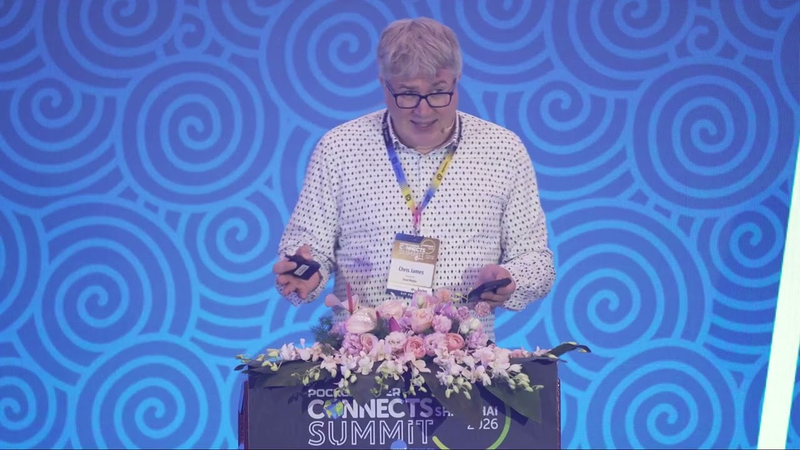
But um but it it's a it's an interestingpoint of of of Pakistan because likenot too many know about Pakistan'secosystem, but those who know know it'son the top. So, can youor not top, but it's it's up-and-coming.Like Pakistan and Vietnam are like thethe one ecosystems that that people aretalking about are arerising. People have played games thatcome out of Pakistan a lot not knowinglike Hexa Sort, for example,uh my favorite uh puzzle game for thelast what, 2 and 1/2 years. So, can youtalk about like what's driving the riseof gaming studios in Pakistan right now? I think I think there is there's alwaystwo sides of an ecosystem to grow.One, it's the divine, and once thecerebral success the ecosystem creates.So, when it's um come to the like, youknow, divine success, Pakistan got itbefore anyone else in the in in in inthe industry when it's come to themobile games. So, back in 2010,Pakistani studio made a game called Tap
Fish. It was huge. It was the, you know,area of like, you know, the era of like,you know, um Angry Birds. But the thingis, like, you know, hang how like, youknow, Finnish ecosystem used, like, youknow, Angry Birds and develop the wholeindustry is phenomenal.In the other side, the Pakistani uhlike, you know, uh uh unfortunate thingfor Pakistan, this divine success wasnever able to create a whole bigindustry. So, the thing is, this gamesells by Deena. Uh so, the studio isacquired by Deena. And then, like, youknow, the founders actually, like, youknow, flew uh like, you know, flew outof Pakistan. And then, like, you know,the industry is, like, you know, allbarren and, like, you know, at the atthe back foot. So, if if you see, like,you know, after the Flappy Birds or oror, like, you know, all the industry,like, you know, grew up. So, that'slike, you know, the first thing aboutthe Pakistan, but at the same time, whathappened was, like, you know, it wassome it was the first ignition of, like,you know, taking things forward in themobile industry and the small studios
stood up and they were start workingat a at a really big IT workforce inPakistan. Pakistan mostly like, youknow, Pakistani studio started as agames as a service based model. So, theyjust started like, you know, working forthe other companies of the world. So,that's that's about the Pakistani gamingecosystem and then like, you know, wehavecompanies like Mindstorm who deliverlike, you know, this uh uhuh uh hexa puzzle for like, you know, uhfor foruh for like studios. Pakistan has been the stigma that, youknow, we are a small country, but in inin real we are really big country.Uh and and the thing is like, you know,every every founder or like, you know,friends like, you know, coming from fromanywhere in the world, once they come toPakistan, they have been a very theyhave been like, you know, becomeambassador of like, you know, Pakistan.I will say that. Because the thing is weare different, but we are really uniquein our own way.So, that's that's one of the things, but
other than that you're very right that,you know, uh the great like, you know,uhuh universities we have, we we stilllike, you know, think that, you know,there's a lot more things can be done inPakistan, but uh we still have like, youknow, really good universities and wehave been producing really good ITtalent. And one of the best IT talentwith very good English speaking skillsand everything, it's it's very unique inthe world.And then like, you know, all of theseGen Z's like, you know, in the world,right now for them like, you know,working in a like, you know, SaaS basedproduct or uh like, you know, enterprisesoftware, it's not fun. With the gaminggaming company and developing games andlike, you know, running the characteryou have just developed or something,it's more fun. So, I think it's a it's agreat advantage for any anyone inPakistan. And uh the the only differencewhat what we feel is right now is thedifference between theuh the institutes or academia and theindustry. So any any person whograduated, he do he he he's probably a
great like you know computer engineer orsomething, but he's lacking the gamelike you know the the great of a gamedeveloper or something. So that's why3 years back we have started a programcalled Pixel. So Pixel program is one oflike you know one of the very uniqueprograms at Game District where we likeyou know after the graduation, we givethem like you know a chance to buildtheir skills skills according to thelike you know industry standards. Sothey got to know about the retentionsand what what the right execution of agame would be and everything. So thisthis this is the program we have beenreally passionate about and every yearwe are doing like you know from 50 to100 like you know guys like you knowgetting in there and they just like youknow polish their skill. So it's notonly related togame development, it's related to likeyou know game design and related to likeyou know video editing because like youknow now creatives are it's going to bethe big thing. So we are just like you
know doing all the roundups and and anddoing this like you know from last 3years and it's been really phenomenalfor us. Huh.How aboutcuz you said like in the beginning therewere not a lot of gaming companies. Nowthere are more gaming companies and ofcourse the way you're building yourcompany is pretty perfect to spawn moregame companies because of that autonomyapproach. And then the problem start happening.There is two or three ways like you knowwhy they are failing.The first thing is they are not amazingwhen it's come to the UA andmonetization, but they are great interms of like you know making games. Sothere's a huge opportunity when there isa games which which like you knowscaled. The Western studio sees that andthey see it's a great potential for themto improve the monetization and improvethe UN they can like you know just likeyou know take it to the moon. So, canyou talk to these elements or otherelements like timing, talent, funding,infrastructure, culture? Um what what doyou think is the bottleneck and what is
you think is a great driver forPakistan?I think I think timing wise we we areokay. I would not say like you know interms of like you know timing wise weare late to the party or something. Wewe still have a lot of like you knowthings to like you know do in terms oftiming and we can like you know improveit with over competitive edge on thecost. So, that would be the first thingwhen it's come to the timing. The secondthing is talent. We have great greatlike you know young audience like youknow who's like you know coming and whojust like you know living the life goingto the colleges and everything and weare just like you know trying to getthem into a right place which which canbe like you know game industry or the ITservices and everything because like youknow Pakistan is an economic uhstruggling country, economicallystruggling country and the IT servicesis the most booming industry inPakistan. So, that's why like you knowall of the young guys and like you knowgirls like you know coming to theindustry and they wanted to learn eitherthey wanted to do the services businessor they wanted to be in the product side
of the world. So, that is one thing Ithink talent would not be really problembut the biggest problem would beuh it's like you know the topexperienced talent.
Key insights
6 takeaways · ~2 min read
01
Pakistan is emerging as a global gaming hub by leveraging a large, English-speaking IT workforce that is increasingly pivoting from traditional enterprise software toward creative game development.
02
The industry is maturing from early mobile successes like 2010's 'Tap Fish' to modern, high-quality product development, exemplified by the recent success of titles such as 'Hexa Sort'.
03
A critical shortage of experienced, top-tier leadership talent remains the primary barrier to scaling local studios and mastering sophisticated global monetization strategies.
04
Academic computer science curricula currently fail to meet industry requirements in game design, user acquisition, and monetization, necessitating specialized interventions.
05
Training initiatives like the 'Pixel' program are actively bridging the skills gap by preparing 50 to 100 graduates annually with industry-standard expertise in development and creative production.
06
The sector's growth is fundamentally supported by a cost-competitive talent pool that offers a unique value proposition for international partnerships.
Ask AI about this video
Summary
Pakistan is emerging as a significant player in the global gaming ecosystem, driven by a large, English-speaking IT workforce and a growing interest among Gen Z professionals in creative game development over traditional enterprise software. While the country experienced early mobile gaming success as far back as 2010 with titles like Tap Fish, the industry initially struggled to sustain long-term growth due to the departure of key founders and a lack of institutional infrastructure. Today, the sector is evolving through a mix of service-based models and independent product development, with studios increasingly recognized for delivering high-quality titles such as Hexa Sort.
The primary driver of this growth is the country’s abundant, cost-competitive talent pool. However, a notable gap persists between academic computer science curricula and the specific technical requirements of the gaming industry, particularly in areas like user acquisition, monetization, and game design. To address this, specialized training initiatives like the Pixel program have been established to bridge the divide by providing recent graduates with industry-standard skills in development, design, and creative video production. These programs typically train 50 to 100 individuals annually to ensure they are prepared for the complexities of global market execution.
Despite these advancements, the industry faces ongoing challenges, most notably a shortage of top-tier, experienced leadership talent. While the country remains well-positioned in terms of timing and cost-efficiency, the ability to scale studios depends on mastering sophisticated monetization strategies. Currently, the ecosystem is characterized by a strong foundation of technical talent that is increasingly shifting from IT services toward the product-focused gaming sector, positioning Pakistan as an up-and-coming hub that offers a unique value proposition to international partners.





















Comments