Game Development reports and market data
Documents


Retro Evolved: Level Design Practice Exemplified by the Contemporary Retro Game
"Retro Evolved" examines level design practice in contemporary independent "retro" games through a qualitative analysis of selected titles combined with the authors' reflections on their own design work.
- The paper argues that contemporary retro games treat level design as a deliberate craft, building play experiences on established core mechanics rather than treating levels as incidental content.
- The authors propose qualities of good level design: a balance of difficulty and flow, tension between freedom and constraint, risk and reward, alignment with narrative, and effective player guidance.
- The authors argue these five practices overlap rather than compete, and identify balancing repetition with variation as the key to sustaining player flow.

Listen! Improving the Cooperation Between Game Designers and Audio Designers
"Listen!
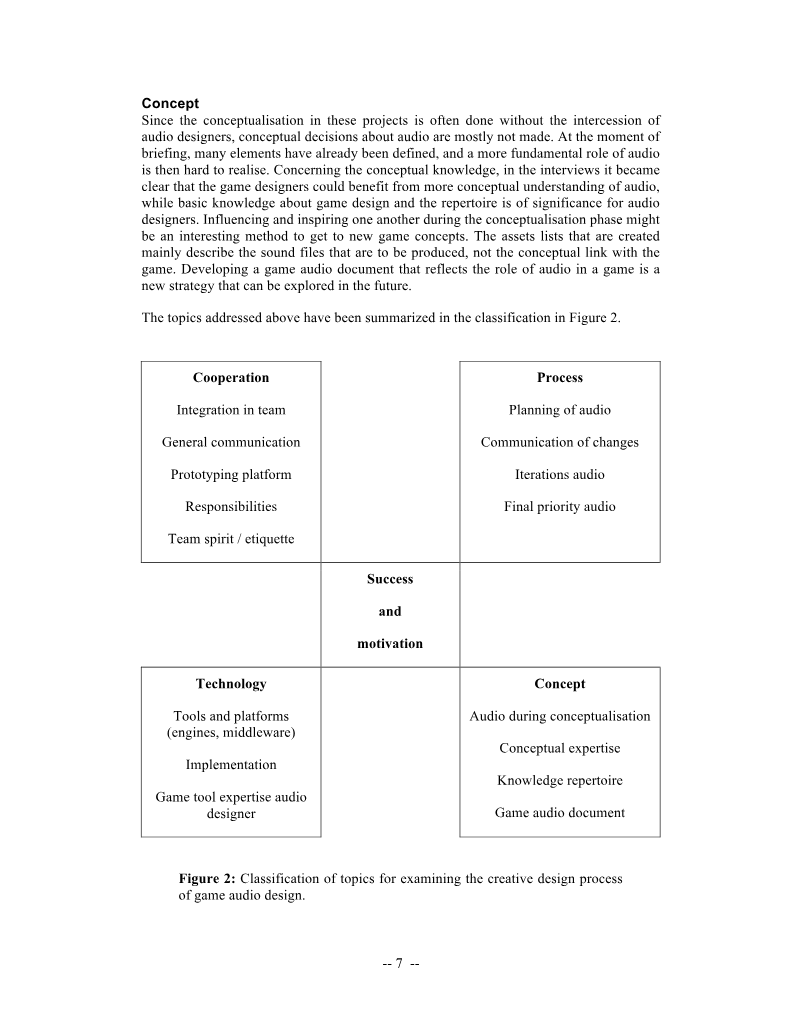
- Audio designers are frequently brought in late, lack implementation skills, and are often cut from features such as adaptive music when schedules tighten, with outsourced audio production often disrupting team cohesion.
- Communication breaks down most during crunch periods, and asynchronous channels like email are inadequate for describing sound.
- Mid-project design changes, such as shifting a game's setting, can render already-produced audio unusable, and these revisions disproportionately burden the audio workflow.


In Perpetual Beta? On the Participatory Design of Facebook Games
This paper examines the "sociality" of social network games by shifting attention from player-to-player interaction toward the relationship between players and developers.
- Facebook-based games blend two forms of participatory design: direct participatory design (consulting selected community members) and silent participatory design (monitoring logged player behavior), producing a continuous process that keeps games in a "perpetual beta" state.
- Zynga implements player feedback, including metric data and forum comments, within days rather than the months or years typical of traditional online game developers, as seen in rapid rebalancing of food items, energy, and leveling.
- Farmville's monthly active users fell from over 80 million in 2010 to 30 million by August 2011, while Cityville dropped from 100 million to 76 million over a comparable period.



More Than a Craze: Photographs of New Zealand's Early Digital Games Scene
Melanie Swalwell's online exhibition "More Than A Craze" presents 46 photographs documenting New Zealand's early digital games scene in the 1980s, curated with Janet Bayly and hosted by Mahara Gallery in Waikanae.
- The exhibition "More Than A Craze" by Melanie Swalwell, curated with Janet Bayly and hosted by Mahara Gallery in Waikanae, presents 46 photographs documenting New Zealand's early digital games scene of the 1980s.
- The photographs are argued to be valuable primary sources for researchers of play and interactive entertainment because they capture games, gamers, and gameplay at a moment of novelty.
- The images draw on documentary photographers Ans Westra, Christopher Matthews, and Robin Morrison, plus archival press images from Wellington's Evening Post and Auckland's Fairfax newspapers.

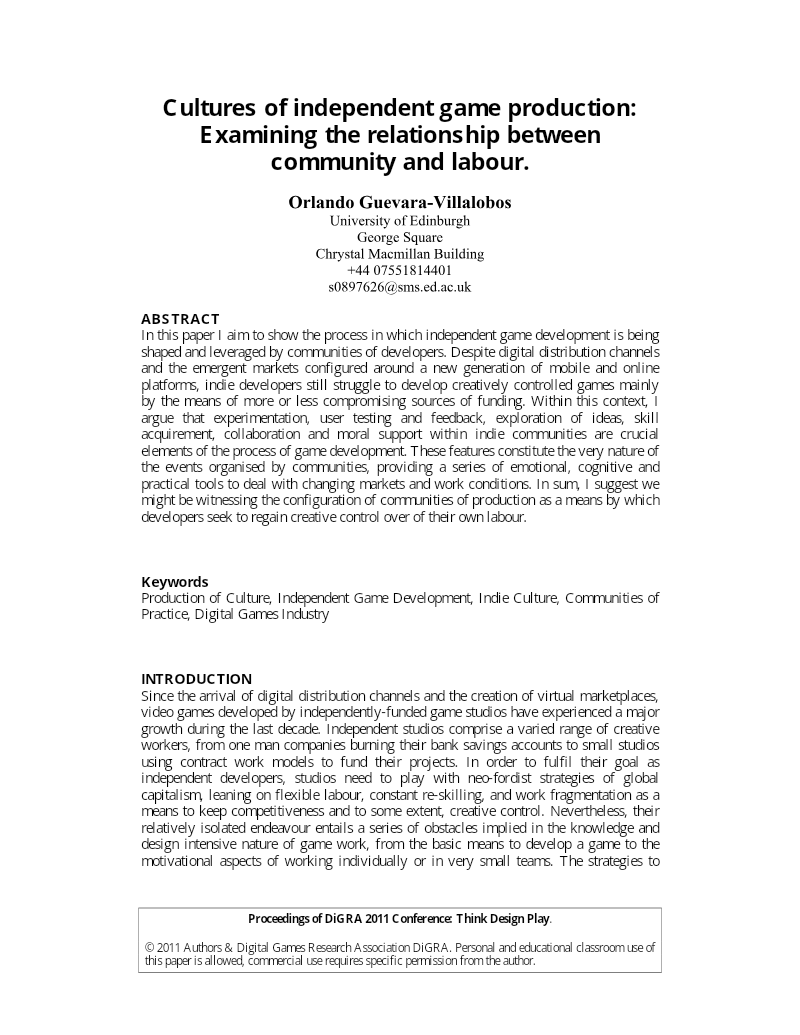
Cultures of Independent Game Production: Examining the Relationship Between Community and Labour
This study examines how communities of independent game developers help them cope with precarious, flexible labour conditions and regain a measure of creative control.
- Independent game production is framed as fundamentally collective rather than individual, with community networks functioning as an alternative infrastructure outside conventional industry structures.
- Based on 23 interviews and ethnographic fieldwork conducted in 2010, largely in the United Kingdom, the study identifies community practices such as experimentation, playtesting, skill-sharing, and moral support as central to indie development.
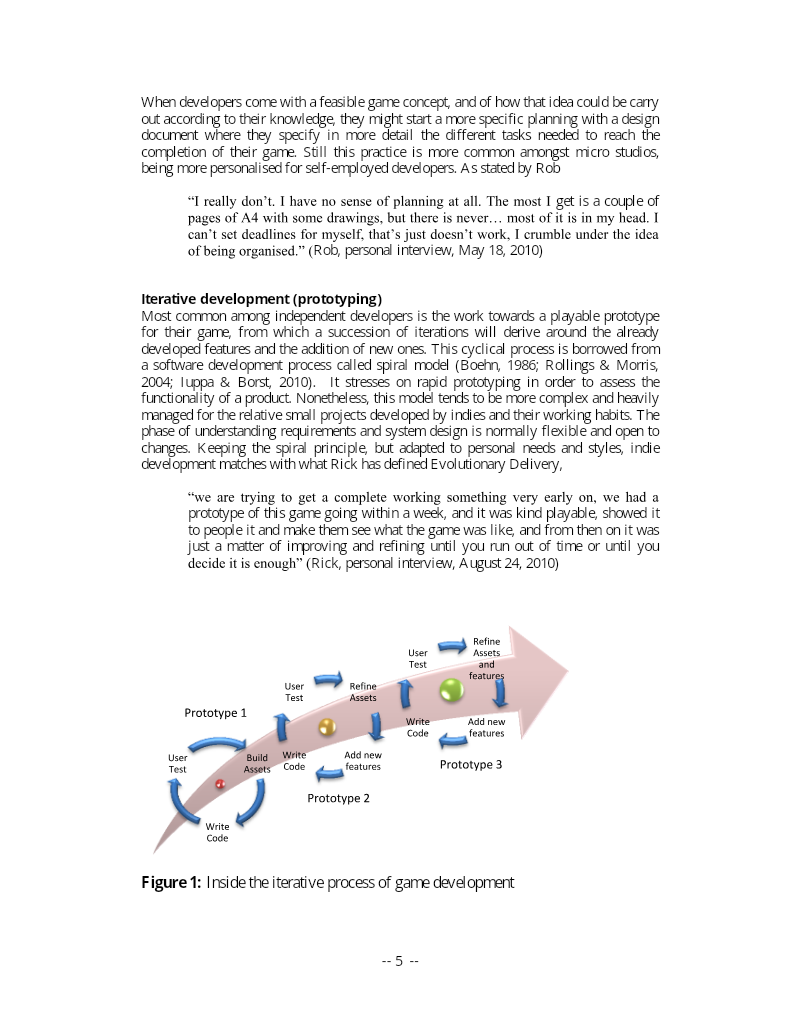
- The author proposes a two-phase, iterative model of indie production moving from experimentation to prototyping, in which community networks reduce costs and speed development through knowledge exchange, code sharing, and rapid feedback.
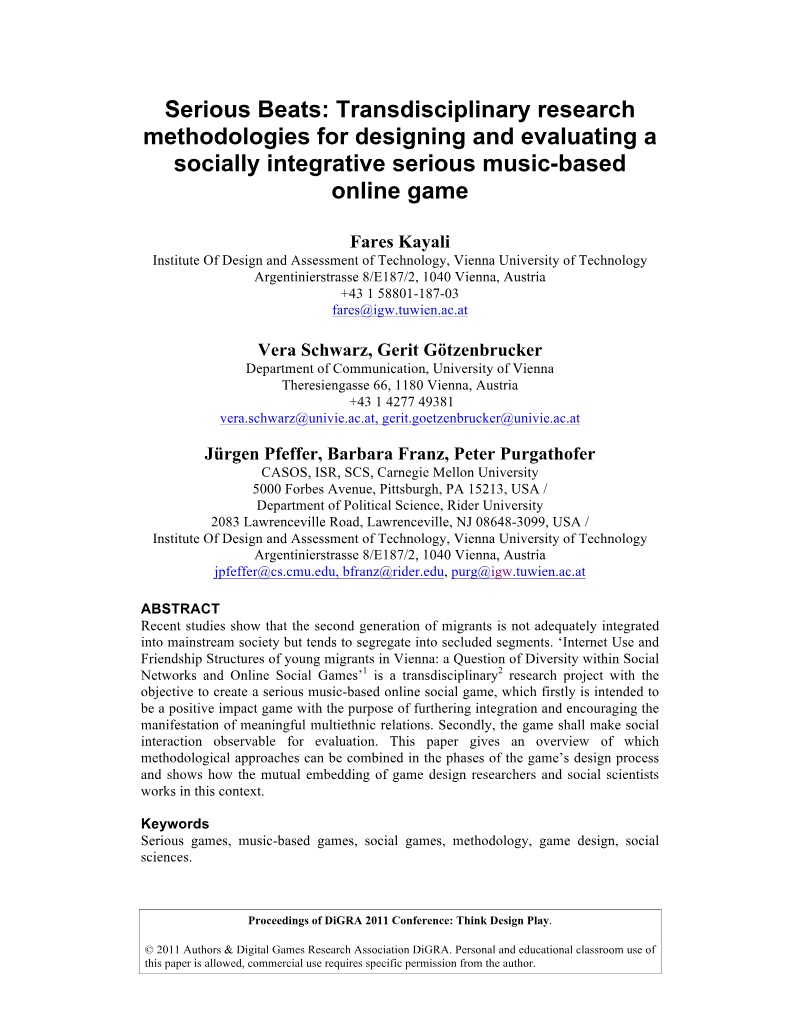
Serious Beats: Transdisciplinary Research Methodologies for Designing and Evaluating a Socially Integrative Serious Music-Based Online Game
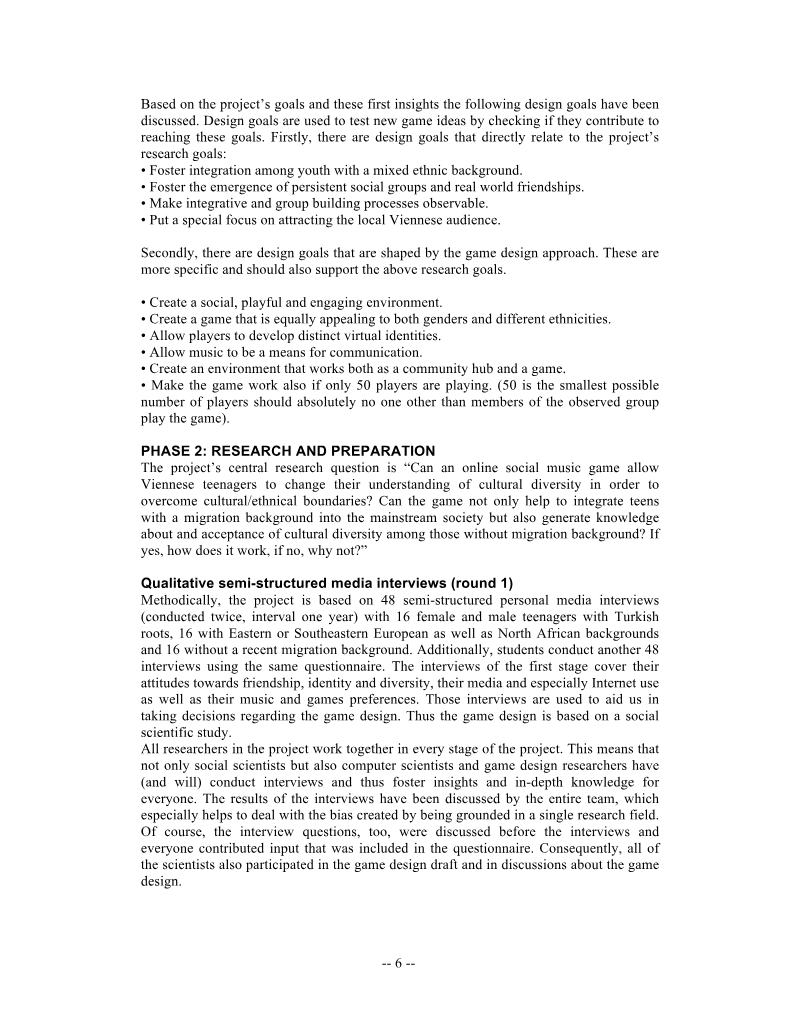
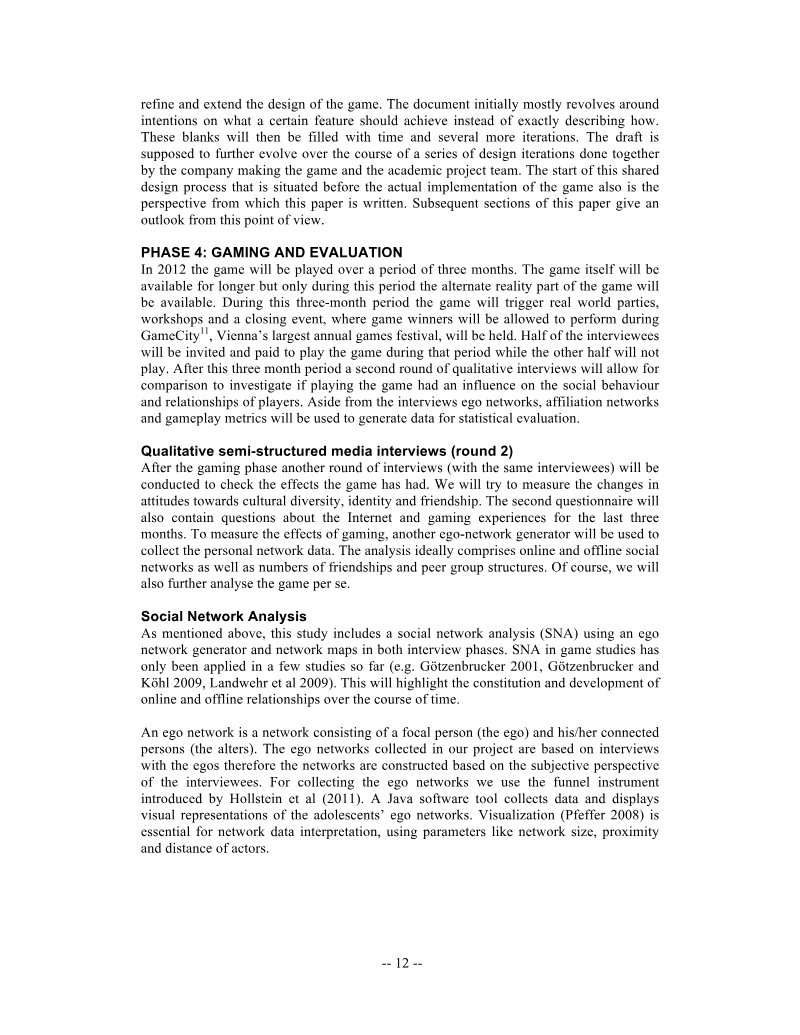
Serious Beats is a transdisciplinary project from Vienna University of Technology and the University of Vienna that aims to design a music-based online social game fostering intercultural friendships among Viennese teenagers aged 14 to 17, many of whom have Turkish or Balkan migration backgrounds.
- Serious Beats is a transdisciplinary project from Vienna University of Technology and the University of Vienna to design a music-based online social game that fosters intercultural friendships among Viennese teenagers aged 14 to 17, many with Turkish or Balkan migration backgrounds.
- The design foundation rests on 48 semi-structured interviews, which found a strong preference for rap and hip hop, heavy reliance on YouTube as the primary music source, and hybrid migrant and Austrian identities, with many reporting intergroup tensions over jobs and housing.
- Early music-game prototypes were judged to carry a high risk of losing both male and female audiences, prompting a shift toward a social music service built on Facebook and YouTube and integrated with real-world events in youth centers and vocational schools.
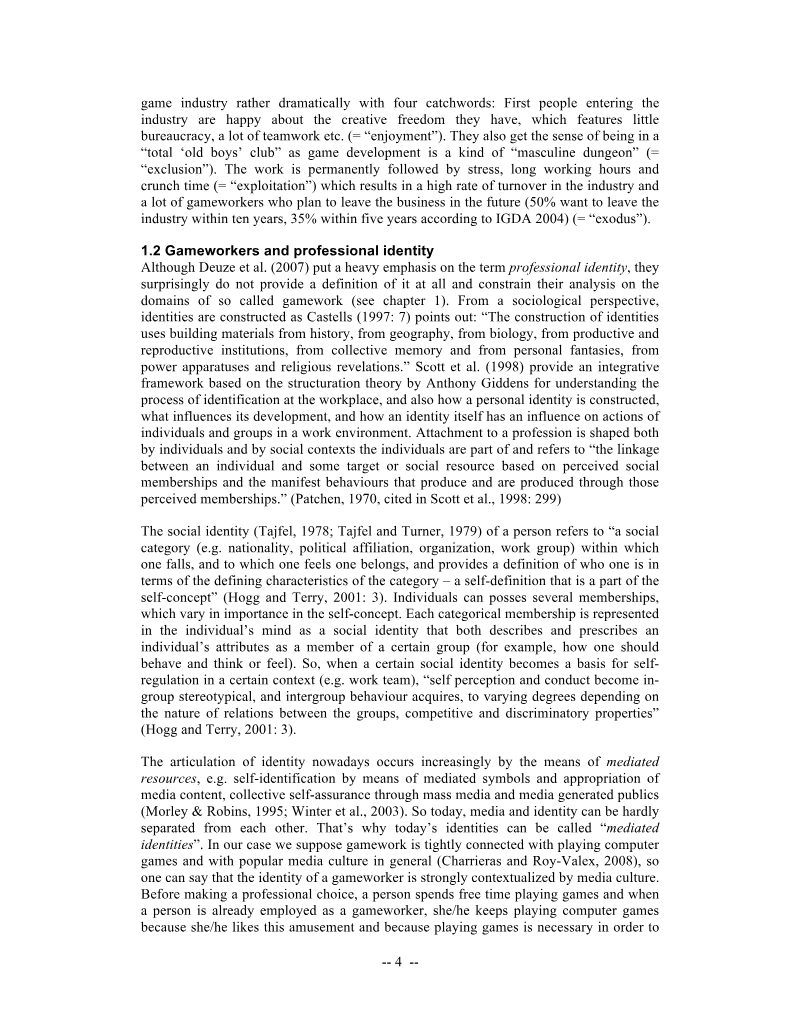
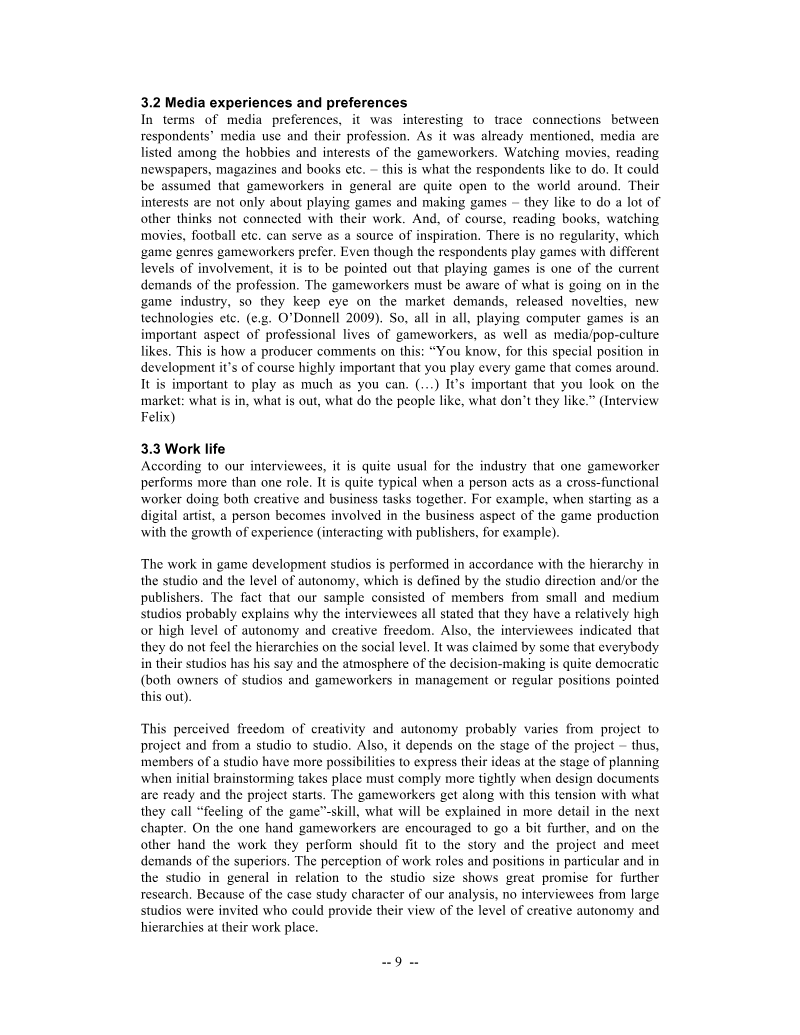
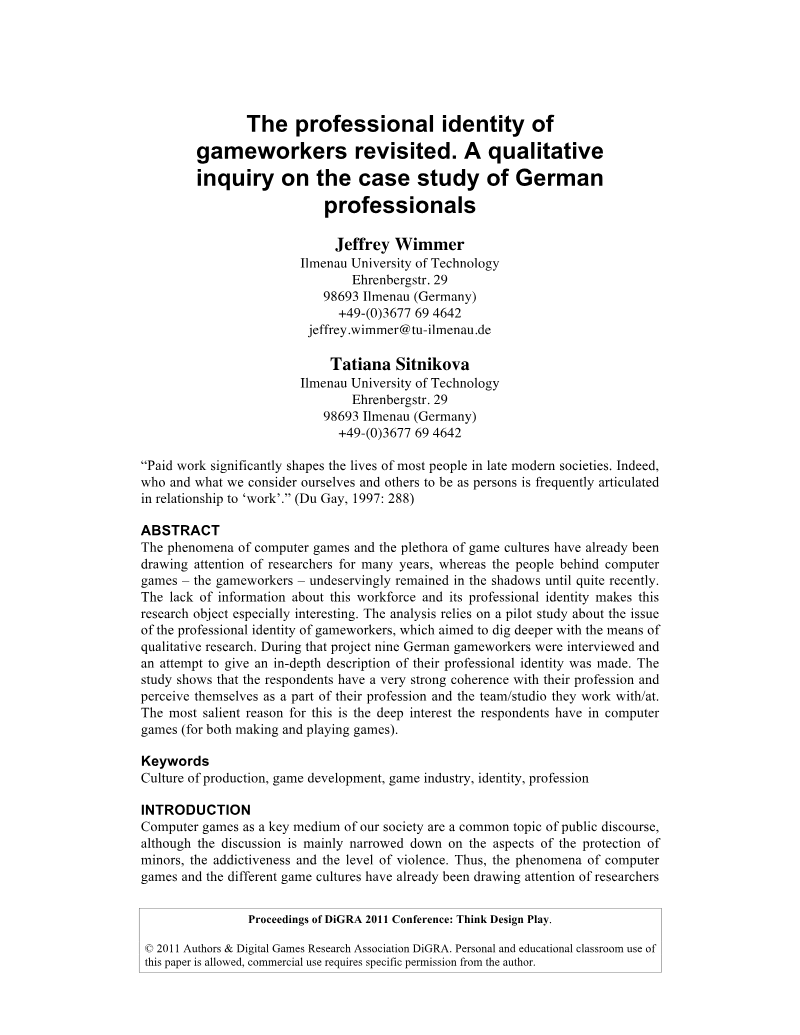
The Professional Identity of Gameworkers Revisited: A Qualitative Inquiry on the Case Study of German Professionals
This pilot qualitative study examines the professional identity of German gameworkers, using nine semi-structured interviews with designers, artists, programmers, producers, and freelancers working across studios of varying sizes.
- Germany was chosen as the case study because it is the second-largest European game market, and the study is set against industry surveys describing a male-dominated, high-stress environment marked by crunch and high turnover.
- Respondents identify strongly with both their profession and their teams, a bond driven chiefly by their interest in making and playing games.
- Most respondents entered the industry through amateur or hobbyist involvement and often moved across roles as they gained experience, with several studio heads having begun as programmers.

The Game Boys' Network: A Network Analysis of the German Digital Games Industry
This study maps the German digital games industry through a social network analysis built on 41 guided expert interviews, 37 with men and 4 with women, conducted in 2010.
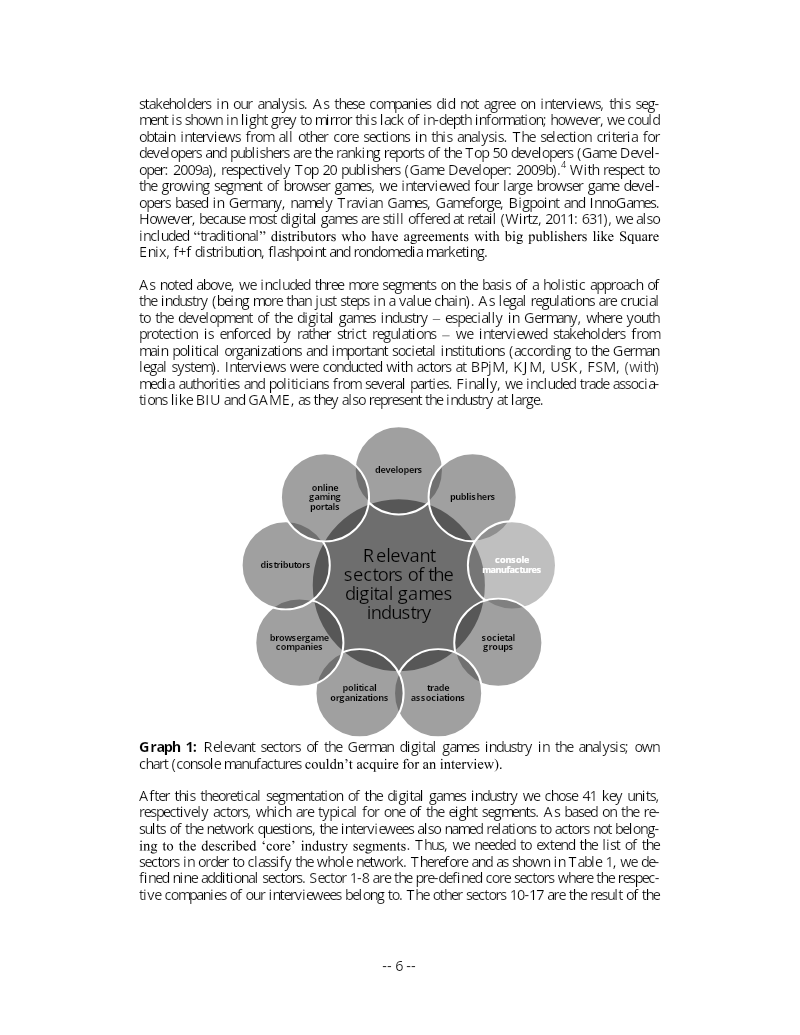
- The study is built on 41 guided expert interviews (37 with men, 4 with women) conducted in 2010, and argues that understanding the German digital games industry requires mapping both value-chain actors and political/societal stakeholders such as regulators USK and KJM and trade associations BIU and GAME.
- The contact network comprises 217 actors and 384 relations but is sparse, with an average actor having only about 1.8 connections.
- After filtering to 87 highly connected actors, trade associations emerge as the most central, with GAME ranking highest on in-degree and eigenvector centrality, while developers and distributors act as the principal business partners; the authors caution these rankings largely reflect the ego-based sampling design and should be read as trend indicators rather than definitive hierarchies.

The Aiming Game: Using a Game with Biofeedback for Training in Emotion Regulation
The Aiming Game is a 2D shooter serious game built in Unity that uses EEG and EMG biofeedback from an Emotiv EPOC headset to train players to recognize and regulate their emotional arousal.
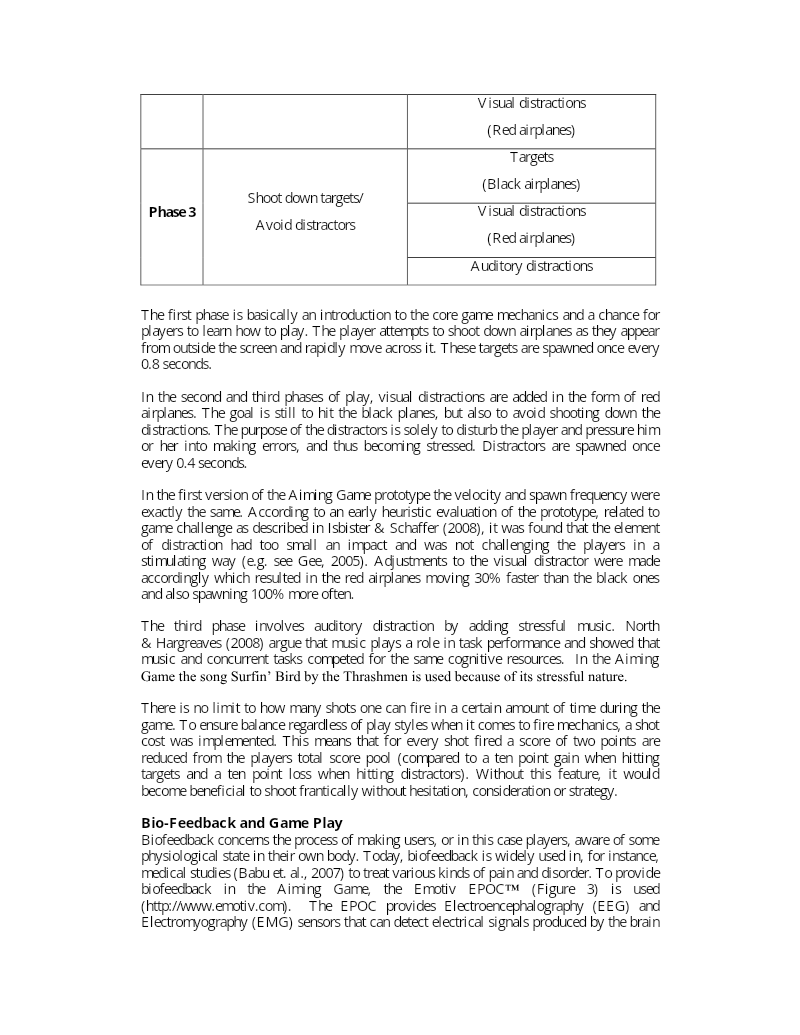
- The Aiming Game is a Unity 2D shooter that uses EEG and EMG biofeedback from an Emotiv EPOC headset to train players to recognize and regulate emotional arousal, targeting financial investors; it adapts difficulty and visual distortions (aiming offset, target blur) to the player's arousal level and adds distractors to induce stress.
- The authors explicitly acknowledge that transfer of the regulation skills to real trading behavior has not yet been empirically demonstrated, so the core premise remains unvalidated.
- Evaluation via heuristic review and play testing with only six participants produced preliminary results; the reported affective measures (tension M = 4, low happiness M = 2) are not statistically meaningful at this sample size.
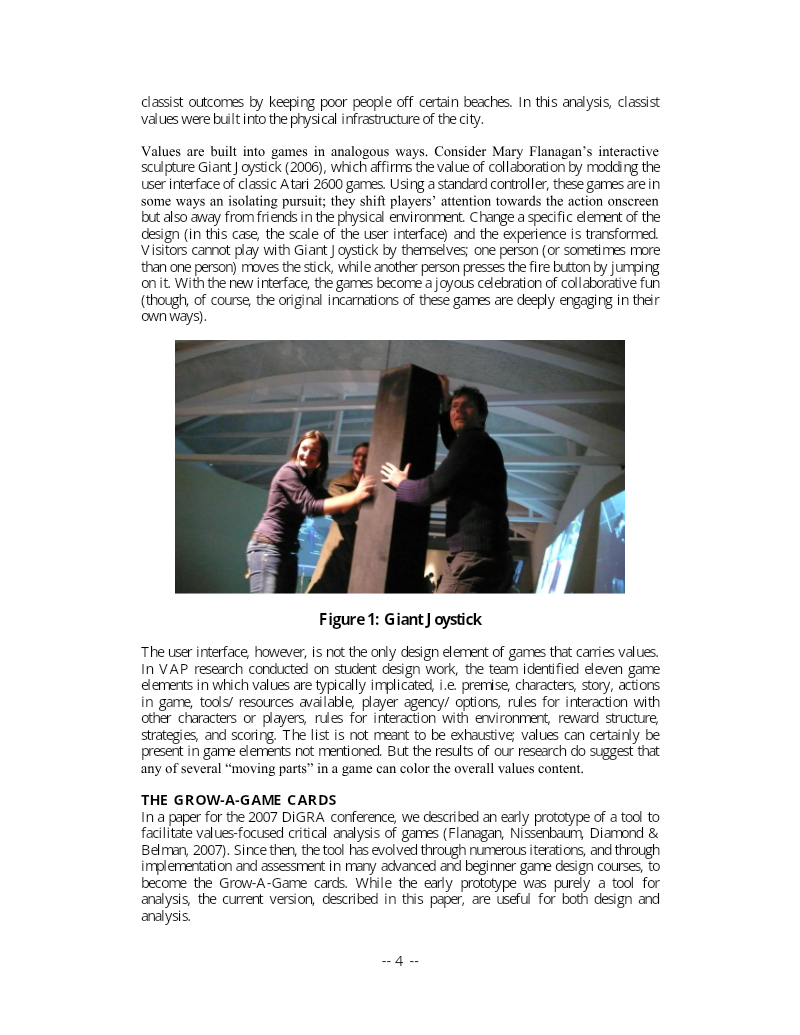


Grow-A-Game: A Tool for Values Conscious Design and Analysis of Digital Games
The Grow-A-Game paper presents a card-based tool developed by the Values at Play project to help designers and analysts consider the moral, social, and political values embedded in digital games.
- The Grow-A-Game paper presents a card-based tool from the Values at Play project that helps designers and analysts examine the moral, social, and political values embedded in digital games, using four card categories: values, verbs, games, and issues.
- Its central thesis is that games communicate values through both narrative and mechanics, and that deliberately attending to those values during design and analysis yields more coherent and impactful work.
- Case studies showed that participants using the value cards (such as compassion, generosity, humility, and empathy) produced games in which narrative and mechanics expressed values more consistently, though the evidence is qualitative and anecdotal rather than statistically measured.

Understanding the Contribution of Biometrics to Games User Research
This study, by Mirza-babaei, Long, Foley, and McAllister of the University of Sussex and presented at DiGRA 2011, examines whether biometric measurement can strengthen user research for video games.
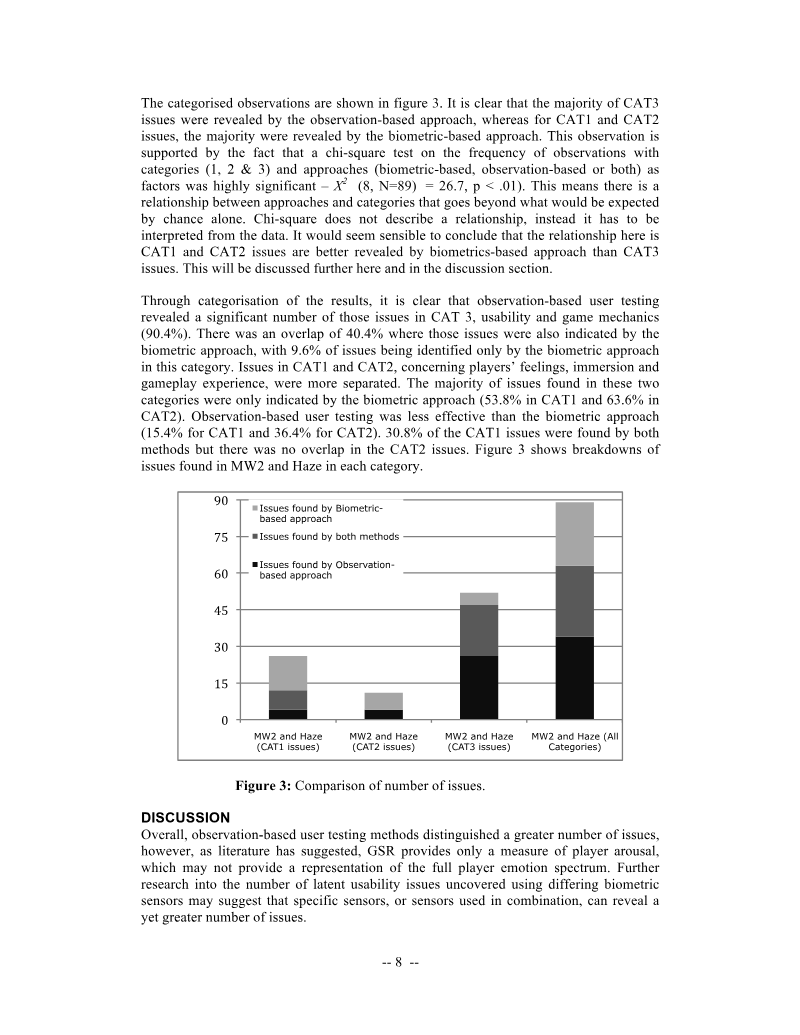
- Biometric methods (GSR combined with live event logging) surfaced issues that conventional observation missed, particularly around emotion, immersion, and gameplay experience, in a study of six casual gamers playing Call of Duty: Modern Warfare 2 and Haze.
- Of 89 identified issues, 29 were detected by both approaches, 34 only by observation, and 26 only by biometrics.
- Observation was substantially more effective for usability problems, a difference supported by a significant chi-square result (X²(8, N=89) = 26.7, p < .01).



CESA Game Development Technology Roadmap: 2010 Edition
The CESA Game Development Technology Roadmap 2010 serves as a strategic guide for game developers, researchers, and industry stakeholders to navigate current and emerging technical trends.
- The industry is shifting toward increased automation, cloud integration, and cross-platform scalability to support device-agnostic gaming environments.
- Programming and visual arts workflows are transitioning from traditional C/C++ toward higher-level languages and the integration of real-time physics, global illumination, and procedural generation.
- Game design is increasingly utilizing data-driven insights, psychological modeling, and the standardization of motion-control interfaces.