1 free read left. Create a free account for unlimited reading + AI research.
Create free account
Growth strategies developers must know
Key insights
6 takeaways- 01Transition growth strategies from a reliance on paid user acquisition toward optimizing organic retention and viral mechanics.
- 02Prioritize the first-time user experience (FTUE) by minimizing onboarding friction, such as delaying push notification requests and streamlining tutorials to accelerate core gameplay engagement.
- 03Drive organic growth through private messaging and email rather than generic social media buttons, as these channels yield higher engagement for peer-to-peer sharing.
- 04Increase user advocacy by using context-aware sharing mechanisms that incorporate visual assets like GIFs and gameplay replays alongside language derived from community discourse.
- 05Implement structured referral programs that offer tangible incentives, such as in-game currency or extra lives, to achieve a K-factor where each player recruits at least one new user.
- 06Utilize universal linking in referral processes to eliminate app store friction and ensure a seamless experience for both the sender and the recipient.
Ask AI about this video
Transcript
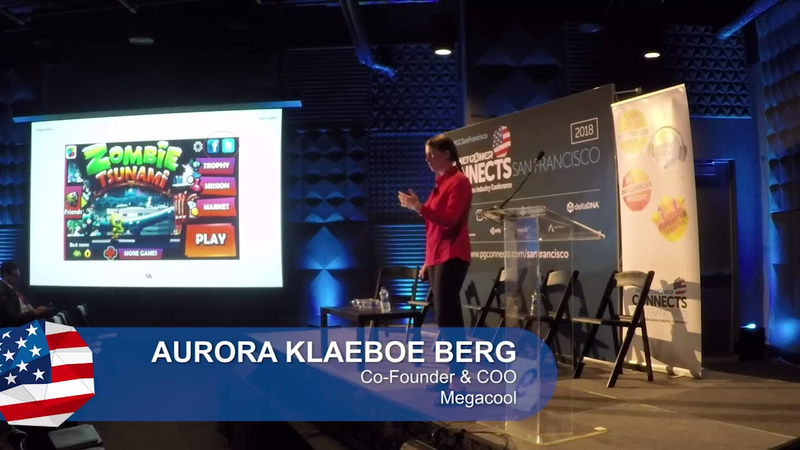
[Music] [Music] so a few years ago I experienced any app developer and game developers wet dream reaching the top of the u.s. charts on mobile with both frontman one and fun run - we were doing this that's the first company to really introduce synchronous multiplayer experience in mobile and it was through the Mario Kart experience that we were able to reach the masses Thunder - a cute game that ler you're in believing it will remain cute but there's actually a lot of blood and gore but through a sense to it is
that you're playing with your friends it didn't start off as a true success it was pretty lonely at first not a lot of people were playing but through learning from player feedback and constantly iterating and updating the game soon the masses started to pour in the real inflection point came when we had a Twitter competition where we asked you to tweet about fun run for a chance to win in-game currency and with that it soon took off across especially us high schools and you would see this in any cafeteria this was great engagement and today the fun games have reached over a hundred million downloads and it's all organic to replicate a success like fun
when today is gonna be really hard there's three primary reasons this took off the first being that it's it's an unique type of a gaming experience and it's also very heavily designed so that you get a good onboarding experience there's not a lot of friction and thirdly the act market back then wasn't as saturated I have no idea what's happened [Music] all right so today I'm gonna talk about what you can do to remain ahead of the curve given that the market conditions have changed together with one of the funding founders we stepped out a company to really dig deep into how we can actually boost morality with the
market changing and talking about change if anyone wants the slides please ask me afterward the presentation but when it comes down to growth it really we really need to go back to basics because if if you're only relying on user acquisition and your game in itself is just bleeding money or bleeding users it's gonna look like a bucket like this and ads isn't there is a solution for all games but it can give you a huge amount of users but if they're not retained well they will disappear so it really comes down to the first-time user experience in the first-time user experience they're like you don't really need to think about growth unless this until this is actually solved for your game and this is super important because eighty percent an average of players open an app installs an app and then they leave it so what are you going to
do to make sure that in that first session they understand yes I am going to return to this game so anywhere there there's friction in your onboarding flow and in that first time user experience you give them the reason to not come back and one one of my big pet peeves is really this one I know how many of you have a game where you actually ask your players as the first thing you do to opt-in to push notifications but we can just serve you the room and see how many actually accept these when this is the first thing you see sometimes good answers actually sometimes because I talked to an expert on this and he said if you have a good and strong brand like anger versus do you have that the likelihood of people opting in at this stage is very high but if you were a very unknown player they're not going to opt in because they
they anticipate that you're going to spam them but this also varies a lot from game to game so this is something you should definitely test out but anything adds friction another thing example is have anyone played Super Mario run some do you remember this okay Wow anyone remembering how many minutes it took to you for you to actually get to where you started to play six minutes you must really want to play Super Mario run for sticking around that long before you actually get to play the game they must have forgotten something because the original game was zero minutes so all these things add up to friction and with fun when we actually tested do we
have a tutorial or not and retention was actually higher without a tutorial and these things are in and it should be tested so you figure out what works for your audience but basically when you're building after your games you should think about it as something that a toddler could play with as well as your grandma it should be super simple and you should think of your players or as someone that should not need any guiding it should be super clear what they have to do next so before I'm getting into growth remove any friction points that you have from the first-time user experience so that they can actually go on and enjoy their your game they came there to play it so let them next one is word of mouth because when it really comes down to it you want your players to talk about you and whenever you introduce emotions in your games either they're really positive or really bad like a bad experience that's when you have a trigger to for people to start talking I
think good example of a game that drives a lot of word-of-mouth is a space team have anyone played it you guys are missing out you should definitely try it it's based in your collaborating we used it a lot and my team for for just playing together here's an example [Applause] this is a very engaging game and I think key here is collaboration but you need to bring in your friends to have fun and play with it so it has a natural word-of-mouth leverage to it another one is that when you're playing game with fun when we saw a lot of people screenshotting the game when they told other people about it and it's because an image is actually
saying more than a thousand words so you would have to spend a lot of time conveying what the game is about and then a good example of this is also cross the road where you have high emotions when you're dying in the game and and they're presenting you with that snapshot of how that death scene looked like it was a great virology factor for them but oh no we have to figure something out who are you guys it doesn't work basically who here says a Jif whew and horses gift all right gift for this need to place a crowd so a gift says more than 50 images or however many frames you want to use and in a game when you have a good experience having animations to it is going to explain so
much more about what's happening and fun on it was living out traps and you can see how it actually pulled your opponent's away from the finish line in in cats you actually record this session just gave myself lab and when you win you can share the replay right after a game that just is even better is stuffy pants because the best time to actually trigger players to do anything in in your advantage is when they've had a good positive experience that's when you should prompt them for giving you rating it's when you want to prompt them to to share to purchase anything so what they do is that they'll actually leverage sharing only when or they only prompt you to share when you hit a new high score and the impression that sharing is
broken because usually in games you're seeing these slapped on Facebook and Twitter buttons when you ask companies why they have them there they usually don't have a good answer apart from well I saw this other company having them there and it's not really giving you a good reason to do so but what we actually see from data and you can probably think about this for yourself we're not really sharing to a social media anymore search in social media you have so many friends that you're not playing with they might not be interested in the same things that you as you are but where you can tap into one base that does like the same thing as you is in private channels private messaging channels and so what we're seeing is that if you are allowing your players to share to whatever channel they want their choosing messaging so
you can optimize for that and surprisingly enough the second one is email and that's when and then Facebook and Twitter comes so there's a really really dominating shift in the industry going from players sharing to private channels over social channels and when you're prompting your players to do this sort of word-of-mouth you want to make it easy for them and another way to do that is to actually look at how do they talk about my game because you can introduce a pre different texts on most channels side you trigger and having texts like oh I just reached level X or come beat my score it's not very compelling it looks like an advertisement ad so what we did was that we actually went on Twitter and we looked at what our players were already writing and we just adopted that language because it didn't come natural
to us to say I having a blast or all those guys just could washed I get on my level son with the kitchen l and I just beat a golden fox and these were all triggered by events in the game and the reason for doing so was also because it created some triggering effect from them to because we introduced a new text every time they clicked a button so it was like a reward for them to see you know what did the team come up with now and this is all part of making things easier so my second tip for you is to make sure emotionless I know make sharing motion simple and frictionless next part is virility how do you really boost this even further and there's a real difference to going to a going viral versus forelli anything has an element
of a relative you can think of it as the k-factor is one if any player that starts playing your game invites another plan or to start playing game you're going viral if and get this and getting this hockey stick whenever the k-factor increases from one so if any player introduces more than one player to your game but what is more normal is that there's less players that are being introduced to the game and for those in this example only every fifth player is bringing another player in so the key factor is point two but the primary example of an app going viral is definitely over like we were really used this system and it's called referrals and what they did there was that they incentivized you to get your friends to start using the platform and they would
give you rides for free in exchange to it and boosting this is something we've seen across apps in general but had we hadn't really seen it in mobile games why I don't really know but there's an untapped potential there a game that does is quite well and it's one of the few examples it's h.t.t.h cute trivia I don't know if you play this but it's pretty core to the game that you want extra lives to be able to to be able to answer questions that you don't know the answer to and their flow is that you click invite and you get your referral code you can share this and choose whatever channel you want to share it to and your friend then adds it to their game what my run is doing however no not incentivize is that you can share the referral codes via messaging and email and what happens is
that you get the leg you get some texts and you can go to the you open the app store and you have to then send another friend requests requests in the game one thing that I think they could do better here is to actually adding more visuals to it so that the recipients actually know more about what the game is about and when you click the link can you take you to the app store fortunately you can't really skip that step you're actually automatically added as friends that would be much a much better experience and if you're already friends in a game and you should just skip that or if you already have the game installed you should just skip this step about going to the store and use Universal linking to go straight become friends 6 right away so leveraging referrals is
something I hope to see more of in games going forward and yeah so to summarize find ways to move your friction from your onboarding and first-time user experience remember why our users are downloading your game and give them a way to actually experience that experience your game sooner than later make sharing emotions as simple and frictionless as possible because when you make it easier for them at least what we saw was that we really abuse it our growth with that and leveraging referrals if you can so yeah that's it I hope these tips can help you on the way to get the same type of demand as discounted products get on Black Friday
thank you very much if you want two slides please email me and happy to answer any questions that you might have [Applause] any questions Oh yeah good question so we never monetized well enough to do any paid you start position so we were forced to figuring out how we can I grow there through our existing users any other questions all right thank you very much
[Music] [Music]
Summary
Effective mobile game growth strategies require a fundamental shift from relying solely on paid user acquisition to optimizing organic retention and viral mechanics. Because a significant portion of users abandon apps immediately after installation, developers must prioritize the first-time user experience (FTUE). Success depends on minimizing friction during onboarding, such as delaying requests for push notification permissions and streamlining tutorials to allow players to engage with core gameplay as quickly as possible. Developers should treat their games as accessible experiences that require minimal guidance, ensuring that the value proposition is clear from the first session.
Word-of-mouth remains a primary driver of organic growth, particularly when games evoke strong emotions or facilitate collaboration. Rather than relying on generic social media sharing buttons, which often suffer from low engagement, developers should optimize for private messaging channels and email, where players are more likely to share content with relevant peers. Furthermore, sharing mechanisms should be context-aware; using dynamic, player-centric language—derived from actual community discourse—and incorporating visual assets like GIFs or gameplay replays significantly increases the likelihood of user advocacy.
Viral growth, defined by a K-factor where each existing player recruits at least one new user, can be further accelerated through structured referral programs. By incentivizing players to invite friends—such as offering in-game currency or extra lives—developers can create a self-sustaining growth loop. To maximize these conversions, developers should implement universal linking to bypass unnecessary app store friction and ensure that the referral process is seamless for both the sender and the recipient. Ultimately, sustainable growth is achieved by removing barriers to entry, leveraging the emotional highs of gameplay, and rewarding users for expanding the player base.