1 free read left. Create a free account for unlimited reading + AI research.
Create free account
How to build a games company
Key insights
6 takeaways- 01Founding teams should be assembled like a family, prioritizing a cohesive group with complementary skill sets in technology, design, art, and business to ensure early-stage self-sufficiency.
- 02Success depends on identifying and capitalizing on market shifts that are currently underway but not yet fully realized by the broader industry.
- 03Founders must balance personal passion with a clear, objective understanding of underserved market segments to ensure long-term viability.
- 04Hiring should prioritize 'entrepreneurial' employees who act as owners of their work and are capable of managing multiple responsibilities, rather than seeking individual superstars.
- 05Company culture is defined by actions rather than written policies, specifically by treating employees as partners with a stake in the company's success to maintain agility and high performance.
- 06Operational efficiency is best achieved through the 'Total Zen' framework, which replaces rigid hierarchies and bureaucratic processes with a culture of radical autonomy, trust, and accountability.
Ask AI about this video
Transcript
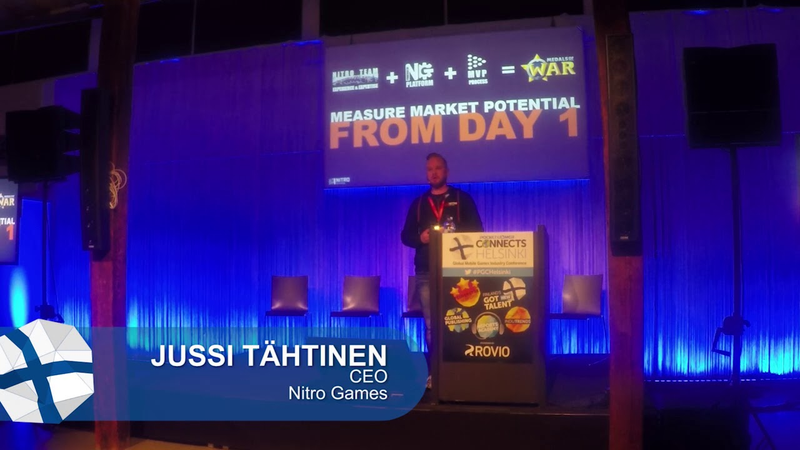
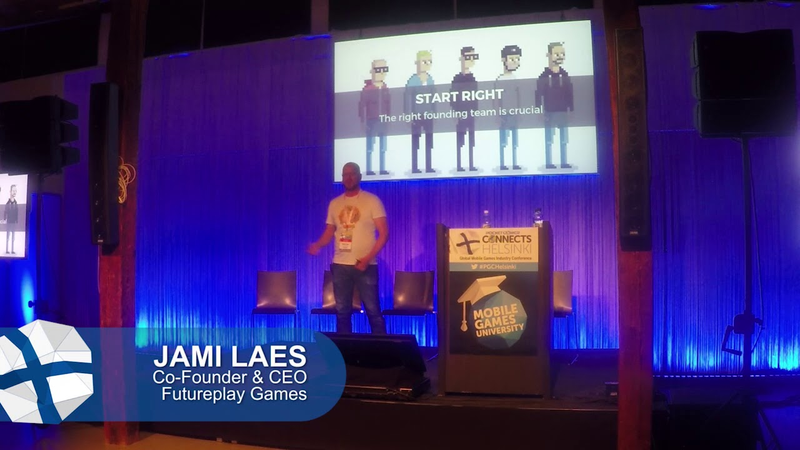
[Music] [Music] well well I guess people are having fun like yesterday because there's no a lot of folks right here now but listen don't let that get on the way so anyway I was asked to talk here at Pocket Gamer K'NEX which is always a fun conference and a lot of good stuff to listen to you and see and meet people and the track was mobile games University so what I'm gonna be talking about today is how to build a successful games company and this is a son like a shortened version of a talk that I've been talking at universities about around this topic more related to HR etc and and building the culture and the organization and
stuff like that but I thought that this might be an interesting opening talk for the mobile games University there's gonna be lots of other good Talk's today as well but let's get started um so my name is young Elias I'm the co-founder and CEO future Play games and this month I've actually been 17 years in mobile games so I'm 25 this year as well which makes me a very early starter in the industry in many different ways but without further ado let's dive a bit deeper just a quick quick background on what maybe gives me any credentials to talk about how to build a successful games company the current company that we have future Play games in short we were founded in 2015 we're currently 21 people started with five co-founders a bit over five million in revenue for games two of them in soft launch two of them in global four for a number of years already a bit over 13 million downloads and a bit over 400 million ad impressions and we invented the beauty play model coined the term
and maybe we're the ones first to kind of really focus on that and it's worked really well for us so I'm using a lot of our story as a background for the for the kind of wider topic and we also have a saying that could be better so we're working on improving those numbers til to be bigger anyway because this is superstar track I started thinking and took that as one cue that superstars that do you need Superstars and you know like hunters and killers and whatnot and alpha people and super devs in your team to really build a successful games company no at least what I've seen is that that usually leads to a lot of issues basically because people take too much kind of their own ways of working sometimes with the working hours so they don't will work well with the rest of the team what I found is that just a group of normal but talented individuals actually want to join the company I want to do the things that you want to do as a company is way better than trying to find the
best individual in a very specific field like you know gameplay programming or server programming or free-to-play design and try to match those people together if there's superstars in the field that it needs to fee be it like a better fit for the team then you know the best best best out of the best in a very narrow field and there are a few other things obviously that if you get them right at the start then everything else will be easier and you're actually kind of poised for success in in many different ways and this is a thing that I've usually talked about a lot that you know if you're starting your company and whether it's mobile games or something else but this is important in that sense that when we were starting future to play we started thinking that if we start from zero and you know we have no funding we don't didn't have a team at that cetera we were still founding and finding that the right members and all that what should we do and looking at the world this is the thing that we
looked at this that change is invisible but difference is not so try to look for things that are actually changing at the moment that haven't yet changed and others haven't realized that that process is ongoing because our brain is wired in a way where we don't actually perceive change it's invisible to us we cannot see change I can't see my son growing but I can see when he's 10 centimeters taller and it's obvious for the aunt the who sees him once a year who lives in another country that when that difference is large enough that okay there's a quant now he's patroller and why is this relevant for companies while I use an example for mobile you know ten years ago people were saying you can't make money mobile games five years ago people were saying you can't make money with free games two years ago people were saying you can't make money with ads in mobile games every single time the people are wrong because the world keeps on changing so look at those things that are changing but haven't yet fully transformed into something new then you can find
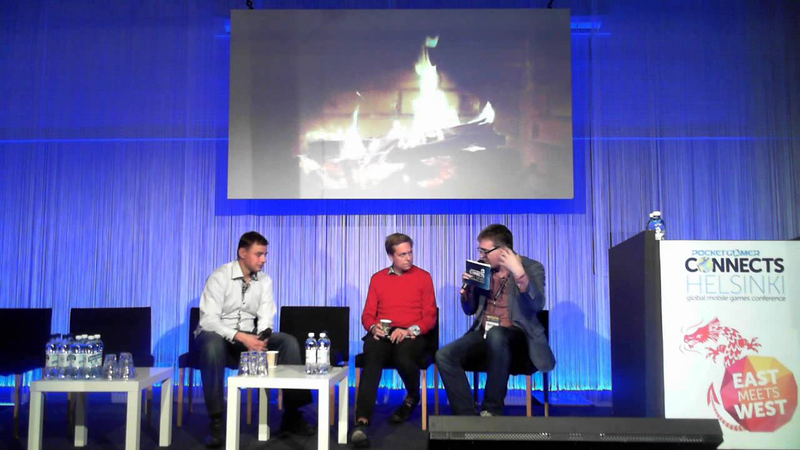
something that is gonna be an interesting thing for you the market for investors and everybody but it's hard it's a hard thing to do so you've got to have those sensitive antennas and try to figure out what that could be and when you're starting up your company I mean choose wisely we had this conversation actually last year in the fireside chat with Oscar Clarke that what should somebody then start building what kind of games etc and stuff like that door is in mobile games or another platform VR AR well there's really only three things and the first thing that matters the most is timing if you're the last one to a dying market don't do it it doesn't make sense if the first one to a booming market that's a good place to be so timing is everything but there are the things as well I mean sometimes it might be a really good idea and you might be really successful if you're really goddamn passionate about something and you just want to do it for the rest of your life and you want to make that work that goes a long way passion goes a long way as well when you're starting up but also one of the things that we talk then as well is that what is the market need what do the
players want what is lacking from the market what is neglected or was it what isn't done well or right or with the right model or business model or distribution or seem or style or whatnot so of course ultimately if you can find all those things right if you find your IT guy and the Japanese term where everything is in perfect unison their passion your calling and what you're good at then you make money etc and all of that this is kind of the same thing time is right you want to do it it's the best thing for you in the world and the market seems to want it etcetera that's them obviously the best position to start a company and started right - I think that the right founding team is crucial in many ways unless you have want to have a lot of hard discussions and a lot of hard you know letting people go etc and it is like a family and this time you can choose it you can't choose your real family or biological family but you can't choose your founding team so be very specific and very deliberate and
have lots of discussions about its it because basically need to be like a lawyer without using lawyer papers what happens if we actually go bankrupt what happens if you get sick what happens if you have a kid what happens if your wife needs to move to another country what happens if this doesn't succeed what happens if we can't pay salary for a year what happens if we were very successful go through all different scenarios and talk with the people what did they want what are they signing up for make sure that it's really understood that what is it that they're signing up for for how long what kind of input effort and kind of commitment and what are their expectations when things go well okay or really well or really badly etc that's super super crucial and I've been in situation for example where where we I thought we had a founding team but then we didn't and we needed to reshuffle the founding team and I don't recommend it at the very last minute when you're trying to close a funding round for example that can get a bit tricky and once you have your phony team and you
know what you want to do and you have the timing and the passion and the market need right then you have a group of talented people etc when you keep hiring keep hiring the best what I mean by that is not don't look for the superstars but look for the best people for your organization and your team and your needs don't look for the people that fit the current description what you're lacking in terms of tasks to be done so don't hire just for the sake that you for example have the money or something just needs to be done we've been kind of slow in your recruitment we haven't even advertised a lot of the positions because we first want to feel the pain of what actually needs to be done and what do we need to do that right before we actually just hire somebody to typecast your role that we've had in previous companies in larger organizations etc and and at the same time when you do know what you need and what you want and what kind of person what kind of skills and experience and what they're setting out to do in the comp don't lower the bar ever it should be
harder going forward getting into the company done easier of course then there's a limit when you will have you know very very kind of entry level roles later on when you get really big etc but we're now at 2021 people one of them is a half half time etc it's still you know the same small family or a very tightly knit sports team that really needs to work really well together so don't lower the bar if you can raise the bar so hiring for start-up is the inverse of a university in that sense at least here in Finland it might work differently in other countries the hardest thing is to get into the university but after that you don't really have to do much you just get out after a few years but the hardest thing is to get into the university it doesn't cost you anything but the exams to get in those are the the kind of down the barrier of entry but in a company it shouldn't be in that sense that just the founding team is the hard to get into and after that it's
super easy for the rest to get in it should be just as hard for all the other people that follow and what we found worked really well is that everyone needs to be hands-on when you're a small team everybody needs to be able to pick up a lot of things so we have no managers we don't hire them we hired doers and it's a team effort yes some people have specialties etc but we basically involve everyone in everything as long as we can if they want to be whether it's hiring or or interviewing or office design or whatever and a couple of other things as well that you know what we decided to do differently is that we didn't want to take what we've seen in previous companies large organization structure processes etc and copy that to our organization when we started from scratch we thought that okay we're not gonna have any rules we're not gonna have any process or anything like that let's see what we need as we go along and only take the things and instantiate the things that we do need so a lot fewer Boulder I'm better so we only I want to roll no and that might sound like
yeah he's wearing a little bit but it's just a more Punk version of the Golden Rule so always doing my thing and you know never giving giving giving any for our employees our partners our customers our players our colleagues our our you know spouses etc just it's a simple rule but it works because it will you know mean trust accountability in transparency all kinds of things that people need to live up to and act and behave accordingly to that rule so one other thing as well when you're starting up definitely is that we kind of want to think that even even though all the people after the founding team need to be like entrepreneurs so I invented this word because I'm big on inventing words entrepreneur police so hired those kinds of people who would actually could start their own company or have started their own company before who know what it means when you don't
have a hundred people doing the job of fifty people like most organizations have when you have only 20 people doing the work of 100 people and everybody needs to do five things at once sometimes etc hire those kinds of people and also make sure that they own part of the company through options are stuck or whatever works in your country and you know we haven't set out official values and and and vision and mission that's strictly or anything like that because we think that you know culture isn't something that you write down on the wall that you need to name it that down there it's just something that you do because culture doesn't define actions actions define culture people usually think the other way yeah we have this culture so we do think things like this know what you do actually builds the culture for you so we have some values and behaviors that we want to look up to but these are not nailed down on the wall as well I'm not gonna go into details about all of them but I'm also big on acronyms so this is total
Zen because sometimes building a company building it up etc it can be a bit hectic and some people talk about stress and everything and all that then being a start-up CEO is like being a baby that you wake up several times in the night crying for your mom etc I don't think it needs to be like that it's all about how you actually perceive it then what kind of team you build what kind of people you surround you with then what you start doing it doesn't need to be like that in any way so Trust I don't think people will do almost anything unless you trust them and they trust you so I think that is the foundation for everything ownership yes give them a piece of the company yes give them the piece of the game and the work that they're doing and never take that back don't go and veto things and don't go there as a manager or as a founder or as a CEO or anything and take their work back because as soon as you do that they stop working they're just you know appearing to the work workplace but they don't own it anymore because pretty much
everything comes from the ownership the pride and all that for your own work and the end results and motivation for that we have full transparency on all the company's numbers and what our board is thinking what our investors are thinking and how are we doing and all of that and everybody has full access to that because I don't think you can really have trust that where is this company going how are we doing and why are we doing these things unless you have transparency you don't have trust and accountability who ever you know is accountable for that make sure that they get the good and the bad and make sure that people know who is accountable for what then they get the credit etc and also make sure that you have a culture where if something doesn't go the right way people are you know happy to raise their hand yeah sorry I up I should have done that my bad won't happen again that's a good learning experience in your organization and the team and the individual will be better after that and this may be a longer discussion but we actually don't have any budgets or
policies even in user acquisition or anything like that so everybody's basically free to do whatever they want as long as it makes sense for the company I mean it's like act like an adult act like an owner act like what makes sense if you think it's a smart thing to do to organize an event or open up a new you a channel or or put 1 million into into Facebook dads if you think it's good for the company if it makes sense and you're accountable for that it's your idea you want to do it just go and do it you don't need to approval for that as long as it makes sense so this might not work for everyone but I think it's just a lot more fun you hire adult people who are senior understand what they're doing who want to be there want to be part of that the owner part of that they take pride of their work they trust their colleagues they take ownership for what they do why should you set them goals and give them restrictions and budgets and stuff like that let them tell you what they want to do and if they want to restrict themselves that's fine but I think it's better the other way around and then be
Zen about everything because everything will work out the way they should anyway no matter what you do that's how the universe works and you'll be more happy that way if you're Zen about it so that's total Zen but also in a start-up especially in terms of execution if it's not done it doesn't exist yet and it might never will because sometimes you know the last bit the last 5% etc that might kill the product or kill the update or kill the build or something like that so if it's not done it doesn't exist and if no if everybody actually lives up to that and and live some breathes and acts like that everything else will kind of take care of itself because then you can transparently openly discuss and do whatever needs to be done and and that's it's also one thing that I've added here that's no part of the acronym is that I just feel for example personally so tremendously lucky being able to do something like this you know 100 years ago people were
plowing you know fields here in Finland etc now we're doing mobile games and talking on stage how to do successful mobile games and I think that's pretty damn cool and I'm just thankful for the opportunities that we can actually build companies and do stuff like that then don't think that you couldn't do it either there's nothing nothing special about future play or me or my team or anything just figure out what's the right thing for you on the right the right team for you and where do you want to go and find the people and once you have the people and the product the money will come as well if there's a need for that then you have the passion for that then your timing is right so be thankful once you get that opportunity as well because it's it's pretty cool so thank you you're mine yeah so do you guys I want to ask any questions we have time for questions we have time I was a one-minute over or something like that
oh you were perfect do you guys have any questions are you guys hiring yeah we're hiring where we're looking for more people in the marketing end of the spectrum but always looking for good people as well but we hire people we want to know people we need so what would you say is the kind of first skill sets you need in that founding team like do you need an art director do you need marketing director this deputy I I think that you know whoever is kind of at the hub of the founding team make sure that you have people who compliment you the right way that if you fall down on tech or if you fall down on Arthur if you fall down on design or if you fall down a business then the phoning team actually supports you in those areas so that together you won't fall down it's like the structure of a table thank you
the foundation needs to be strong and we had this kind of saying what we told the investors as well that we're five guys if you give us credit cards intimate connection five laptops and mobile phones we don't need anybody else to launch games we can do that we've done it for a number of years so you don't need to be necessarily that self-sufficient but at least for us it gave a lot of security that hey we can actually do this if nobody else comes to work with us for us help us etc all we have to do is spend a little bit of time together and we can dish out games to the market [Music] [Music]
Summary
Building a successful games company requires a strategic focus on team composition, market timing, and a culture of radical autonomy. Rather than seeking individual superstars, the most effective approach involves assembling a cohesive group of talented, versatile individuals who share a common vision. A founding team should be selected with the same care as a family, ensuring that members possess complementary skill sets that cover all essential functions—such as technology, design, art, and business—to ensure the company remains self-sufficient during its early stages.
Success is heavily dependent on identifying market shifts that are currently underway but not yet fully realized. By monitoring industry trends and identifying neglected or underserved segments, founders can capitalize on favorable timing. Passion serves as a critical driver, but it must be balanced with a clear understanding of market needs. When building the organization, the hiring bar should remain high, prioritizing "entrepreneurial" employees who are capable of managing multiple responsibilities and acting as owners of their work.
Operational philosophy should favor transparency and trust over rigid hierarchies. By eliminating restrictive budgets and bureaucratic processes, companies can empower employees to act like adults and take full accountability for their decisions. This environment is supported by the "Total Zen" framework, which emphasizes trust, ownership, transparency, and accountability. Ultimately, culture is defined by actions rather than written policies; by fostering a workplace where employees are treated as partners and given a stake in the company’s success, leadership can maintain a high-performance, agile environment capable of executing complex projects with minimal overhead.