1 free read left. Create a free account for unlimited reading + AI research.
Create free account
Working with licences in games
Key insights
7 takeaways- 01License terms must be carefully structured to align with the intended operational lifespan of the game to ensure long-term project viability.
- 02Developers must build a detailed profit and loss (P&L) model to evaluate the financial impact of royalty rates, minimum guarantees, and advances before committing to a license.
- 03Negotiations should prioritize marketing recoupment terms to ensure developers retain sufficient revenue to sustain user acquisition costs, which are particularly high in the mobile sector.
- 04Success depends on aligning the game's core mechanics and target audience with the specific IP, as mismatched pairings often result in high download volumes that fail to convert into sustainable revenue.
- 05Integration should avoid 'brand slapping' in favor of deep, long-term IP implementation, such as planning multi-year seasonal content releases to maintain player engagement.
- 06Contracts must establish clear boundaries regarding creative approval rights to prevent external stakeholders from disrupting core gameplay mechanics or negatively impacting the user experience.
- 07Studios should prioritize evergreen IPs that offer creative flexibility to mitigate risks and maximize the value of the licensed product.
Ask AI about this video
Transcript
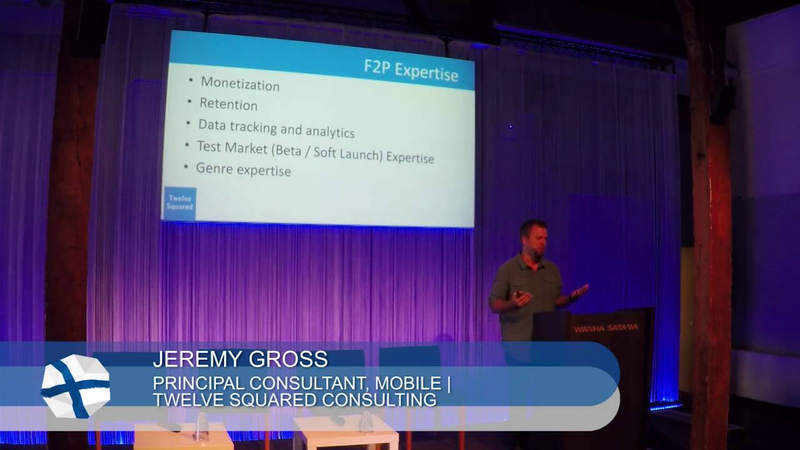
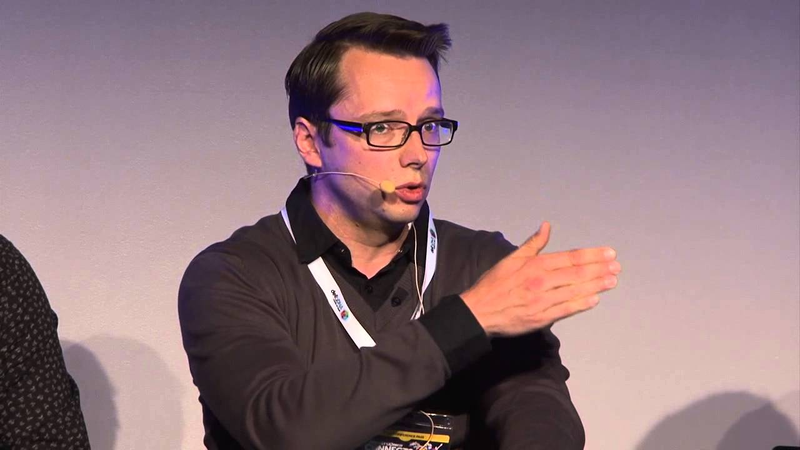
[Music] is it time yeah let's start right let's go right away alright so thank you for taking the time and your busy schedule to come assist to my conversation we're gonna talk today about licenses in today's market hopefully we're gonna have enough time to cover a lot of different points but I also want to move fast enough so we can do some questions who is rocketjump games we are a consultant basically working with studios around the world helping them make better pitches better concepts helping them through production and even through launch so we're trying to matchmake developers and publisher but we also tag along for your full production we don't just let you hanging afterwards but who am i I'm a chief jumper at rocketjump Games I have about 18 years experience give or take in the games industry I was prior to this CEO at AI Burnham
creations where I led a team of about 160 people making multiple games from multiple platforms I've shipped a lot of IP games which we're gonna see on the next slide and I've about 12 titles on mobile some of my games IP experience worked on a lot of Disney as you can see but building the beast infinity action Zootopia daredevil Magic the Gathering Puzzle Quest I've also dabbled in Scrabble and more casual games like Yahtzee as well now the four points I want to cover today are fairly simple selecting the right license negotiating that deal was a production relationship and now do we approach launch in operations of a game with an IP selecting the right license so a lot of people will say oh I love Marvel and I love Star Wars and I want to make a Marvel or Star Wars guy game to be clear
there's a lot of different IPS out there that you can work with and those one are so cost costly and so expensive that I I don't recommend those IP to most people so what kind of games do you want to make so let's start there you have to look at what games you're good at making well game your studio is big making for a long time and does that game require license or can it be enhanced with an IP what's your target audience what's your persona after this I'm gonna show you a couple ways to look at persona look at audience who's gonna be attracted by your game it's important to have a match there you cannot just create a game slap on the license what we call brand slapping and expect people to actually want to play your game and monetize in your game so what do you want with that license and Chris talked about acquisition is this the only thing that you can get out of the license easy cheaper users I don't think so you can also look at the story you can look at characters there's a lot of things an IP
can bring to the table and then find your matches and build a case ultimately after you've done your research your market research you've looked at the game you want to make you build your persona there should be more than one licensed IP that could work with you so I recommend looking at all those cases and then figuring out the one that works the best to give you a little story at har Burnham we did two games with Disney licenses we did Beauty and the Beast perfect match which funny enough was a perfect match for the the game we were making ndip we were making a match three game with a builder which was perfect for women about 35 to 45 Beauty and the Beast brought in nostalgia it was not the animated series obviously was the actual live-action movie so we had a really good match between the audience and between the game itself so that game proved to be much more successful unfortunately we also did pseudo pure
crime files that's actually a great case study into our an IP can not help you so women 25:45 absolutely love in an object games we decided to do something like the crime in an object games where you would solve crime mysteries in the world of Zootopia the problem is that audience was there and it's perfect but they preferred a more gruesome more real-life murder mysteries then somebody stole a jewel that looks like a asel nut right so unfortunately what happened is we got 4.5 million downloads the first weekend we launched the game more than 70% of those were kids what happens is if kids cannot read properly or read all the text how can they find the hidden object if they don't know that word and then if you put a silhouette of that image then it's too easy for the adults that you're trying to monetize so we
absolutely bombed with revenue on that game we did great on downloads but downloads do not pay the rent I can tell you that so I want to do a really quick example of a market research we only have 20 minutes so tournament be as fast as possible here so this is a way we've approached a market research for a puzzle game genre so who's our audience we look at Facebook there's 90 to 100 million people active in that category they're young adults 56% women 44% male 53% in the u.s. so that's the first thing we look at that's the audience we're looking at what do they like so people who like puzzle games or do they like they like criminal case bubble which to saga diamond - Angry Birds so you're starting to look at the type of games that your audience also plays so then we go a bit deeper what does that audience look on mobile what do they look playing triple town gummy
drop so you know you can see Triple Town as 54% women while gummy drop has 76% women so you're starting to see these fluctuations amongst the games why is that Triple Town is a bit more complex a bit more deep as a game and does not market and appeal more directly to women it's more of a half-and-half while gummy drop with the saga map felt a bit like candy crush when it came out targeted more to women we looked at garden scapes same thing here we looked at merge town so that was our puzzle games on mobile this research we did it for a quick concept for a twitch and mobile game so switch and mobile game sorry so then we looked at switch what's the audience of World of Goo was the audience a little Inferno girl Goa so a lot less information on switch at the moment but we still looked at price point look at the overall audience for one of the top games out there ultimately what you want to come out of
that is very simple Venn diagram what's your game persona sorry for a spelling mistake what's your license IP market and you want that middle part your game your power users to be as big as possible the further apart the persona and the target market is the least chance of success you have to get that IP and when you look at the cost of an IP to acquire it and to maintain it you better have a very strong middle result there on your Venn diagram so let's say you find there 7 IPs that you're interested in that works for the game that you're building now you have to negotiate it so the first thing what is the term of the license very important how long do you have that license for if you're planning to do a free to play game and operate it for five years I would not recommend accepting a four year license because then you're going to be stuck in the middle we're negotiating a deal and there's a very very fun story about the Hasbro license on Star Wars toys that I recommend you you look look at on
YouTube where as bro I had the best no Kenner had the best deal possible on a Star Wars toys but then they were stuck in a renegotiation all they had to do is provide them I think was ten thousand dollars of revenue a month they forgot to send them the check and then they went from I think 5% to 25% royalties so little mistakes like that in term negotiation can hurt you extremely what's the exclusivity do you want worldwide exclusive everybody says I want worldwide exclusivity and I want to be the only one making that game it's not necessarily important you can look at territories maybe you won't ship in Asia maybe you will you can also look at the jar maybe you want to build an RPG with that IP but you say fine you can do casual games with it it's not gonna compete so the more thought out your exclusivity concept is the better deal you're gonna get what's the minimum
guarantee what's the advance there's a difference right minimum guarantee you you have to pay X amount of dollars in the first year first two years depending how you negotiate that but what's the advance how much money do you have to give up front before you make your game so let's say you're making in a mobile game it's gonna cost you three million dollars to make if you get a major IP it can cost you up to five to seven million dollars up front before you have one line of code that's extremely painful you have to think about those things royalty rate usually the more MG in advance you give the Lord a royalty you can get so if you're very confident in the success of your game maybe that's the way to go give more money up front keep the higher percentage of revenue for yourself marketing recoup that is a huge point of discussion right now been working on many license deals in the past year and what's happening is marketing a mobile game is more and more difficult so publishers are asking the licensure to actually give them a break
on marketing Miku so if I promise four million dollars of marketing the fourth year first year I'm asking them to not take their revenue off of the first four million so I'm gonna give you 20% rev-share but I want you to wait until I make that marketing money back so that's one of the biggest point of negotiation that we see right now because the the CPI the cost per install is so high and so close to all TV's most most of the time that if you have to give away 20 percent 15 percent to the licensure prior to your revenue you won't be able to market the game so that's the eye I would say right now that's the highest points of negotiation that you have in deals very important for your team so you're negotiating the deal don't forget about your team that's gonna be making this game what's the creative and approvals do they have approvals and veteran on everything you're gonna create already going to force you to use specific characters at a specific time because they're launching something new
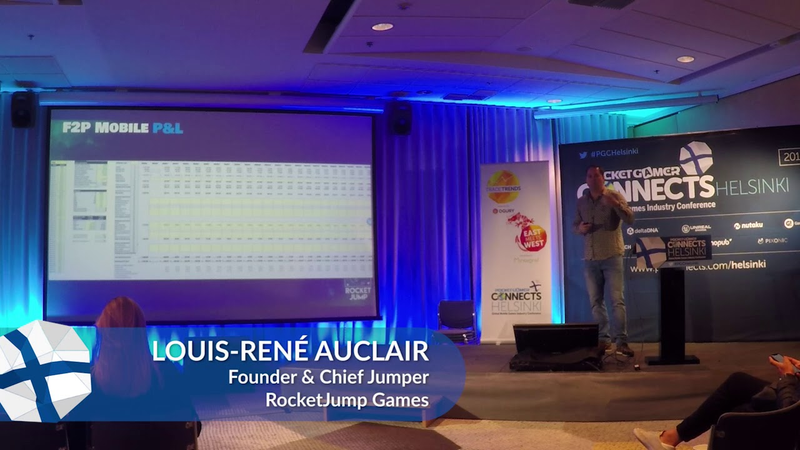
so you really have to be careful on this one because if they have too much rights and they don't necessarily understand game making you're gonna be stuck in a situation where they're gonna wait and better to change something you did at vertical slice which is not optimal at all ultimately I would say try to let the numbers aside and we're making games we love making games or creative people we love having fun making games it sucks to look at numbers every day I totally get it but at the end that's what's gonna pay the rent and pay your salaries so let's look at an very very quick example of IP P&L and that's something I would recommend anybody doing a deal for IP to build build your P&L your revenues your your cost your marketing your team so it's not made to be seen by you guys I mean if you want to have a P&L just email me after this but I just want to show you how complicated this is this is just one
screen capture I could do out of one of my worksheets that has 12 worksheets and this goes all the way down to 10,000 I think so PNL czar complex but they're vital when you're negotiating it can mean the difference between selecting an IP that's asking for 20 percent royalty or not selecting it because the 15 percent one actually sees you profit in the first 14 months while the other one you don't see profit until 19 months so build a P&L put in the case number that you're given be careful don't go over exaggerating on the KPIs this IP is going to give you and you're going to be able to take a more informed decision a little sidetrack what's the influence of a good license well a good license is gonna provide you depth and longevity for your creative without limiting content that's what you want right you want an IP that's gonna open the minds of your creative not not stop it it's
gonna increase trust and your product which should impact positively your organic traffic right if you have an IP somebody's gonna find your game and download it better than if you don't have an IP it's gonna increase your conversion to span again it's trust so they trust the brand of beauty and the beast' so they're gonna be more confident in spending money on your game it's gonna awfully increase lower your CPI's and increase your LTV making it profitable to advertise for your game and finally it's gonna reduce the cost of marketing your game it does not eliminate it so you cannot say I am gonna get an IP I'm not gonna spend any money in marketing and I'm gonna get featured as promised being being featured and getting an IP there's not a guarantee of success you actually have to work in marketing to make your game successful it says here I only have four minutes so let's try to go towards the questions production relationship really important
during production hopefully you set this thing properly in the contract negotiation but what can the licensure provide can you provide you with the 3d models with the storyline with the brine book if you're making a movie can you see the movie rough cut before it comes out so you can actually know what the story's about or the script anything you can have to build help you build your game what will the flow of approvals be that is critical I'll give you an example working on the Disney Cars we were working with the product team at Disney Interactive they were working with us to make the game all of a sudden if like we have to get approvals from the Cars team so that guy is making the movie and all of a sudden they wanted to see the screws underneath the cars when it did the flip for 0.7 seconds so very important some people have different approach to approvals important to know that at a time you have to plan out your live operations don't ship all your best content at launch don't put all
the best characters the best storyline the best special events at launch and have nothing for future down the road make sure to plan those out intelligently and how will you expand the world a quick example of approvals here it's pretty funny we did a Bruce Lee game and start making the game and then at what point says by the way two things Bruce Lee cannot do in the game he cannot fight women and he cannot drink so you cannot see Bruce Lee at any point in a bar with booze around them in the game you would say you would think it's silly right but it happens right so you cannot have a a fight scene in a bar launch in operations is there a crucial date for launch so very important if you're looking at movie IP I will always strongly recommend going for an evergreen an IP that everybody knows in love for a longest time that is not linked to a specific date of May 21 release and that if you miss that that date you're dead so very important if you have a specific date you have to
Miche be sure that you can ship at that date otherwise it can hurt you again your your game quite a bit I have a story on this we wanted to ship on Bruce Lee's birthday on November 27th we did two bad decisions first we forced the team to ship on time which they weren't ready and then we decided to ship regardless and the game wasn't ready so very important if you cannot hit the date find a way to be successful without it but ultimately you need to do everything you can to hit that date what marketing will the IPO owner provide you is it in the contract is he obligated to hit that to give you marketing and if so what is he gonna give you and after that what's additional support so throughout that relationship you're gonna show him the game is gonna fall in love with your game and he's gonna start hopefully giving you more love in marketing that's really important who controls the message and marketing strategy so does the IP owners say thanks we're gonna make a game together but I'm gonna manage my own marketing
for the game that's a big mistake because all of a sudden you don't have one unique voice talking about your game very important that you control that aspect of your game continual marketing post-launch is it's going to be just one big push of marketing the first week and then he's sitting on his ass waiting for his check seasonal events and relationship to your IP and there's an infinity action we are Jack Skellington is character launched in October for Nightmare Before Christmas one of the most top three most searched character during the October month from Disney so very important there's also I put fortnight Easter here so it's not about IP this one but it's about using seasonal aspects and what's your ability to stray away from the main storyline that also is crucial if you want to make a game that's gonna live for four years and you're launching at the same time as a movie hopefully you'll be able to create new storylines do backgrounds new characters otherwise
you're gonna find that you're gonna run out of content pretty fast that was so fast oh my god in conclusion IPS are not a magical solution they're the same as featuring they're part of a strategy they're not the magical solution you have to choose wisely and pay attention to the data I know you've loved he-man since you were seven but that doesn't mean that's the only IP that's good for you plan out your use of the IP over the long term you need to be there for four or five six years and stay in constant communication with IP owner you never want and better somebody that was on vacation or sabbatical comes back and he's the gate owner of the gameplay and he all of a sudden changes your entire game and you're completely screwed and is gonna cost you double so always talk to them even if you feel they don't know what they're talking about it's better that they know and complain early than they do it late so that was absolutely ridiculous 20 minutes I'm sorry any questions
there's a question over there can we we catch my breath sorry any minute on their twenties some star jumps in between a bear lunging at skill over just wondering out human nature because I guess happens and you you do have to manage change it's forced by the product on another product another license oh no and how do you manage this kind of event when you have to change something which is very important in the game but the license on all just wants to this thing to change do you manage this kind of situation oh there's many ways to manage this right it's about relationship first and foremost hopefully you have a good enough relationship that the licensure understands you're the game owner you know games and they know their IP so if it's not crucial to the IP you should be able to push in with the proper information your your decision and you
change it you want to do if they really don't want to move and they don't want to move then unfortunately you have to go back to the contract wait who has approval rights on what is it detrimental to his IP you also have to put yourself in issues is the change that you're doing detrimental to his IP in his license that's what they want to protect right they are going to protect their burn as much as possible so with that information I mean it's just a communication it's very difficult to to give you at the tip of like just like force it in right you if it's a game play you can do a quick prototype and send them and show more it's gonna be better to provide data provide market analysis and things like that in the end they should be a good partner enough and smart enough to understand that you're taking decision not based on just a whim but based on actual data for your game maybe I can I ask a small very quick for sure is it something that you can properly defined and contract at the beginning yes you could you can properly define what he has approval over versus what it doesn't have approval over so
you could probably you know say it's all about the license it's about the characters the storyline the look and feel but not about the core gameplay mechanic and this and that so you could separate that out it also I mean depends which are you're going to go after some my peers are so protective most of Disney IP would not let you do it but smaller ip's could probably help you out Lego will not let you do it if you want to license they go they're not gonna let you do it they're gonna want to have approval over everything so it depends of the IP that's why I often suggest when you look at all your IPs that you're targeting don't always go for the triple-a that's gonna cost a shitload look at potential smaller evergreens that you can have better control and better relationship with [Music]
Summary
Securing and managing intellectual property (IP) licenses is a strategic endeavor that requires balancing creative vision with rigorous market data and financial planning. Rather than viewing an IP as a guaranteed path to success, developers must treat it as a component of a broader product strategy. Success depends on identifying a strong match between the game’s core mechanics, the target audience’s preferences, and the specific IP. Misalignment—such as pairing a casual, kid-friendly IP with a complex, mature-themed game—can lead to high download volumes that fail to convert into sustainable revenue.
The negotiation process is a critical phase that dictates the long-term viability of a project. Key considerations include the license term, which must align with the game’s operational lifespan, and the structure of minimum guarantees and advances. Because marketing costs in the mobile sector are high, developers should negotiate marketing recoupment terms to ensure they retain enough revenue to sustain user acquisition. Furthermore, establishing clear boundaries regarding creative approval rights is essential to prevent external stakeholders from disrupting core gameplay mechanics or forcing changes that negatively impact the user experience.
Effective production and live operations require ongoing, transparent communication with the licensor. Developers should avoid "brand slapping" and instead integrate the IP in ways that enhance the game’s depth and longevity. This includes planning content releases, such as seasonal events, to maintain engagement over several years. Ultimately, developers should prioritize building a detailed profit and loss (P&L) model to evaluate the financial impact of royalty rates and marketing requirements. By choosing evergreen IPs that allow for creative flexibility and maintaining a collaborative relationship with the licensor, studios can mitigate risks and maximize the value of their licensed products.














Comments