Employment reports and market data
Documents
Blizzard Under Fire | Roundtable News
Activision Blizzard currently faces a critical juncture defined by severe legal challenges and shareholder pressure stemming from allegations of systemic sexual harassment, workplace discrimination, and a pervasive toxic culture.
- Activision Blizzard, Riot Games, and Ubisoft are facing a systemic cultural crisis characterized by widespread allegations of sexual harassment and workplace discrimination.
- The industry’s reliance on opaque, negotiation-based compensation structures has created significant workforce resentment and perceived pay inequity.
- To mitigate internal instability and talent loss, gaming companies are being urged to implement standardized, merit-based pay scales and transparent salary ranges.
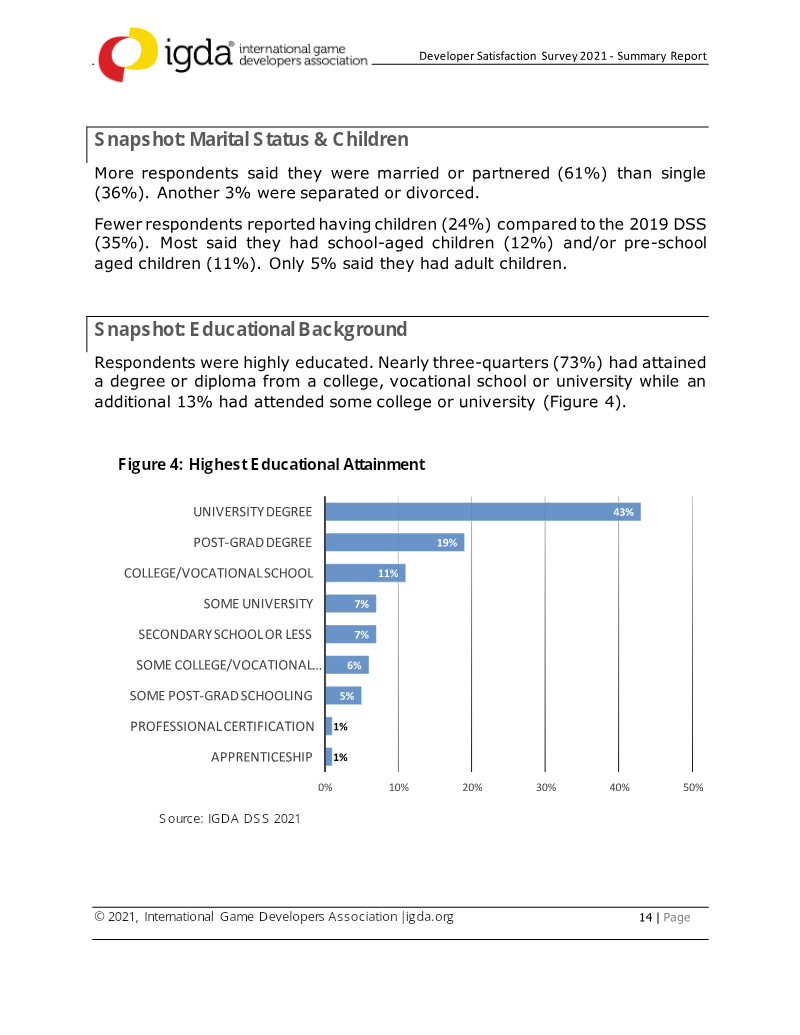
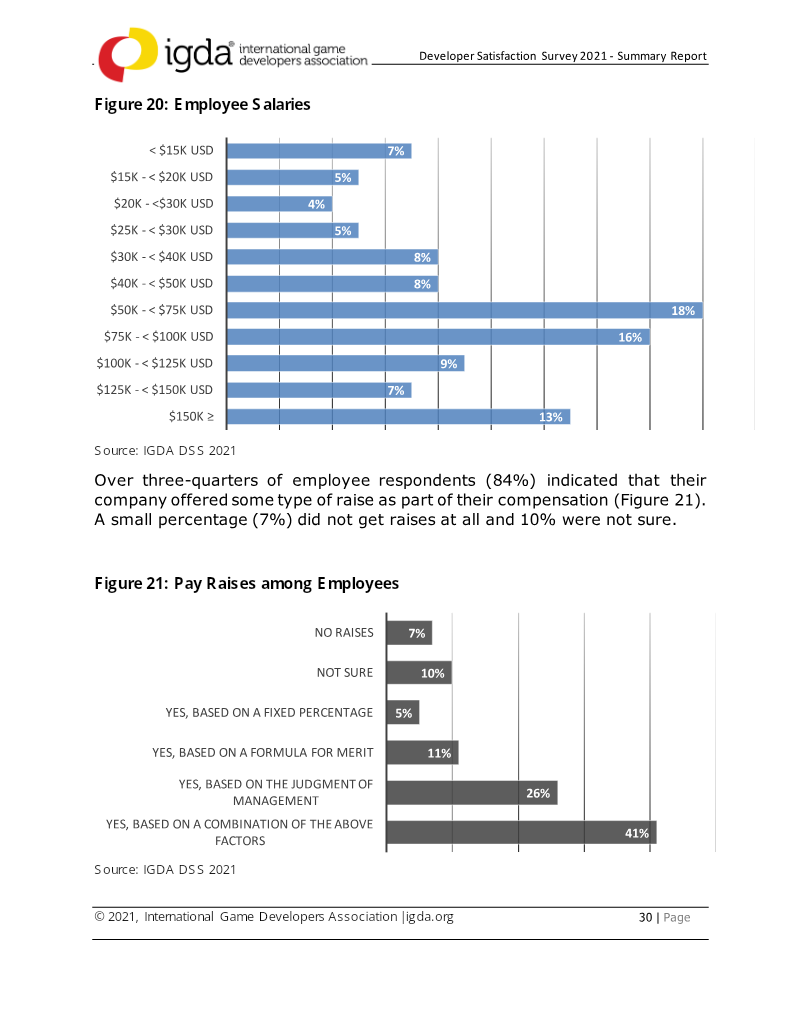
Developer Satisfaction Survey 2021: Summary Report
The 2021 game industry landscape is defined by a stark contradiction between record-breaking financial performance and systemic instability for the workforce.
- The prevalence of crunch culture nearly doubled during the 2021 pandemic, contributing to systemic instability despite record-breaking industry profitability.
- Approximately 74% of developers report a lack of equal treatment or opportunity, with less than half believing that existing equity, diversity, and inclusion (EDI) policies are effectively enforced.
- Dissatisfaction with systemic governance and workplace conditions has driven 12% of the game development workforce to unionize.
Building Pipelines to Find, Grow, and Retain Diverse Talent
The gaming industry is undergoing a structural shift toward intentional diversity and inclusion, moving beyond superficial hiring practices to address systemic barriers in talent acquisition and retention.
- Gaming companies are moving toward systemic inclusion by partnering with organizations like the Black Collegiate Game Association and Game Heads to build talent pipelines starting as early as middle school.
- Long-term equity requires a data-driven operational framework that includes consistent pay equity audits and transparent tracking of demographic representation across the workforce.
- The responsibility for inclusion is shifting from marginalized employees to management, with leadership held accountable for mitigating unconscious bias and providing actionable performance feedback.

How to Hire the Perfect Art Director?
The role of an Art Director serves as the critical bridge between creative vision and technical execution within game development.
- Avoid promoting high-performing individual contributors to Art Director roles unless they demonstrate specific leadership, team-scaling, and mentorship capabilities.
- Hire the Art Director during the initial concept phase to ensure they establish a cohesive visual foundation and align creative goals with production constraints.
- Prioritize candidates who can articulate a clear vision through comprehensive documentation, such as formal style guides and mood boards.
Art Director Aspirations with Reika Yoshino | Game Dev Unchained Episode 279
The professional landscape for game developers is defined by a complex intersection of creative ambition, systemic regulatory barriers, and evolving workplace dynamics.
- Transitioning from creative execution to art direction requires balancing individual artistic output with the strategic oversight necessary to maintain a studio's core vision during growth.
- Scaling from indie teams to mid-sized organizations necessitates formalizing structures that support live-service operational demands without sacrificing the experimental spirit required for artistic innovation.
- While remote work is effective for production-heavy tasks, in-person collaboration remains essential for high-level artistic development and complex visual communication.
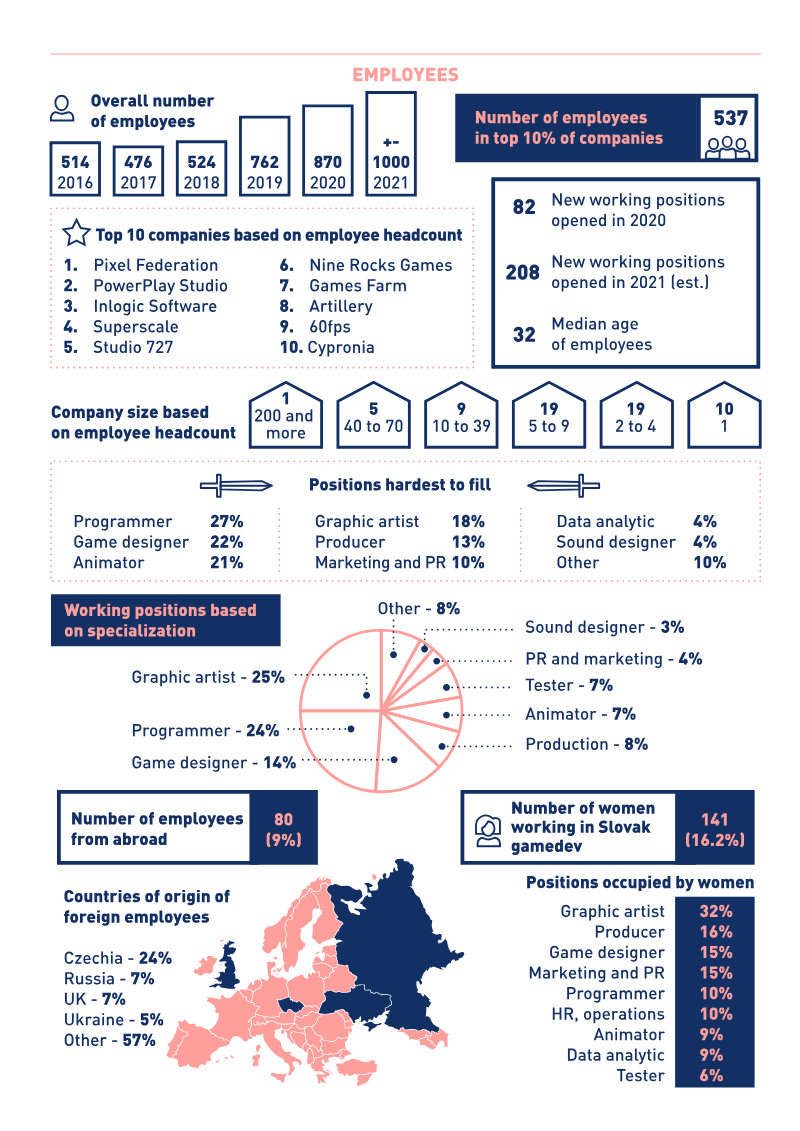
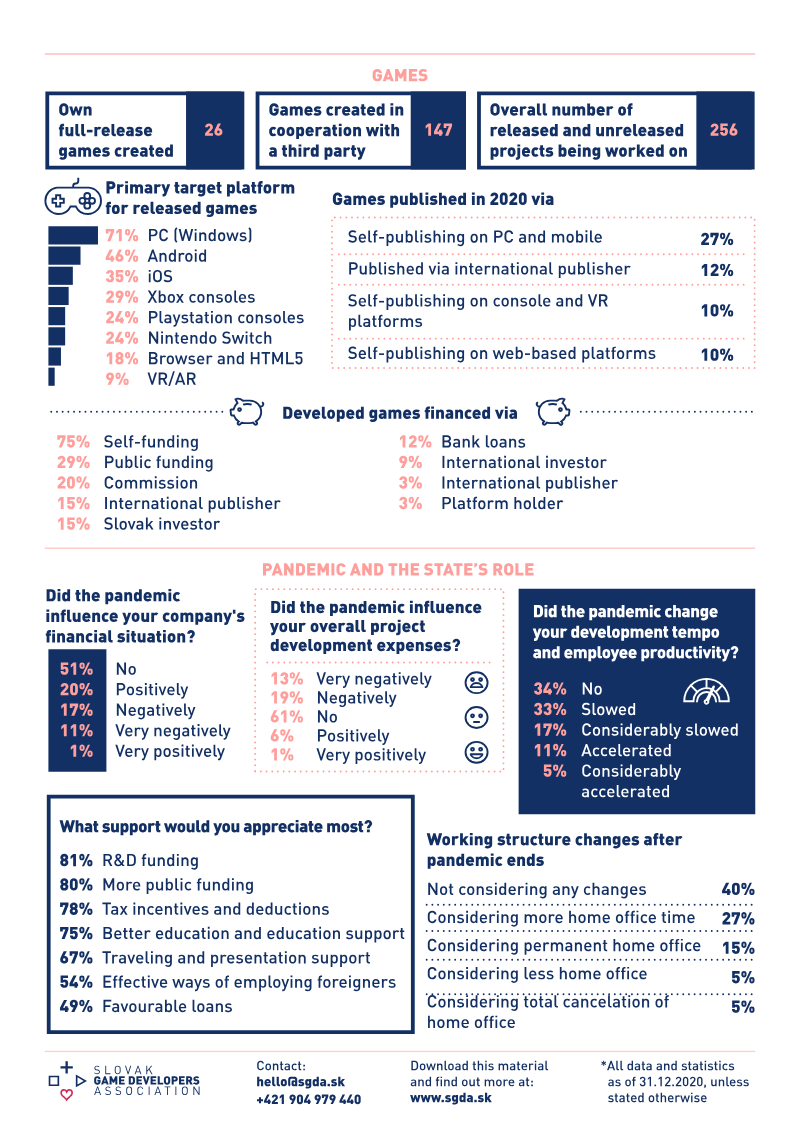
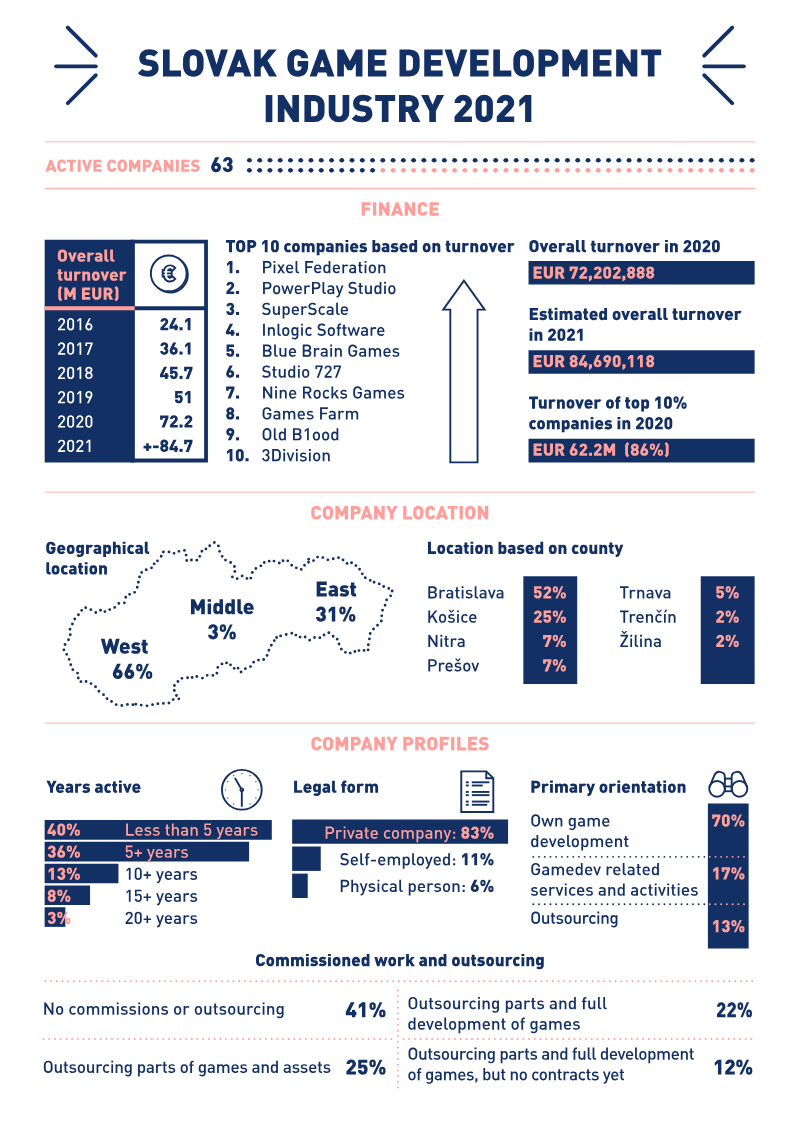
Slovak Game Industry: 2021 Statistics
The Slovak game industry demonstrated robust growth throughout 2021, characterized by a steady increase in both financial turnover and workforce expansion.
- The Slovak game industry generated EUR 84.7 million in annual turnover in 2021, with 86 percent of that revenue concentrated within the top 10 percent of the 63 active companies.
- Industry employment reached 1,000 professionals by 2021, characterized by a young median age of 32 and a 9 percent reliance on international talent.
- Original intellectual property is the primary business model, with 70 percent of firms prioritizing their own game development over outsourcing or commissioned work.
TWIG 142: Netflix Hires Facebook Gaming Executive Mike Verdu
Netflix’s recent appointment of former Facebook Gaming executive Mike Verdu to lead its gaming division signals a strategic pivot toward interactive entertainment.
- Netflix has hired former Facebook Gaming executive Mike Verdu to lead a new gaming division, signaling a strategic shift to capture consumer time share against broader entertainment platforms like Fortnite.
- The company plans to integrate gaming as an ad-free, value-added component for its existing base of approximately 200 million subscribers.
- Netflix intends to avoid the console-market approach that contributed to Google Stadia's failure, focusing instead on interactive experiences tailored to its own platform.
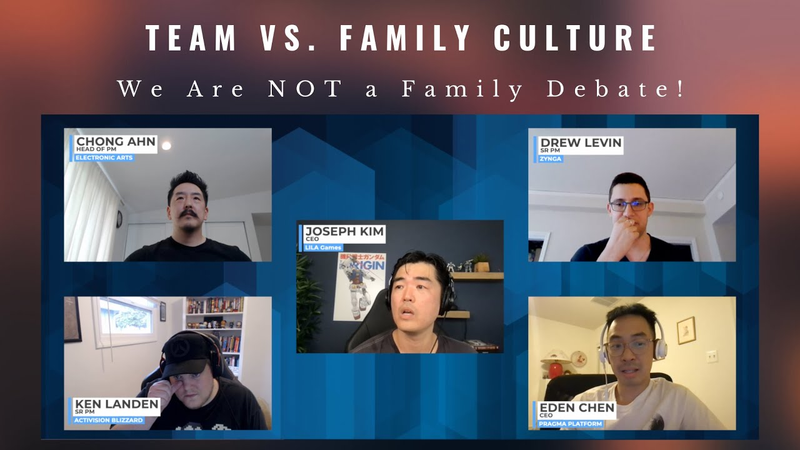
We are "Not a Family"🖕 Companies as Team vs Family DEBATE
The debate over whether organizations should function as high-performance sports teams or families centers on the fundamental tension between meritocratic efficiency and human-centric support.
- The 'sports team' model, utilized by companies like Netflix and Coinbase, prioritizes high talent density, objective performance metrics, and clear accountability to maintain competitive agility.
- The 'family' metaphor, while fostering interpersonal connection and loyalty, carries the risk of masking exploitative labor practices and hindering necessary performance-based feedback.
- Effective organizational culture is defined by consistent leadership actions, transparency, and defined values rather than the adoption of specific labels like 'family' or 'team'.
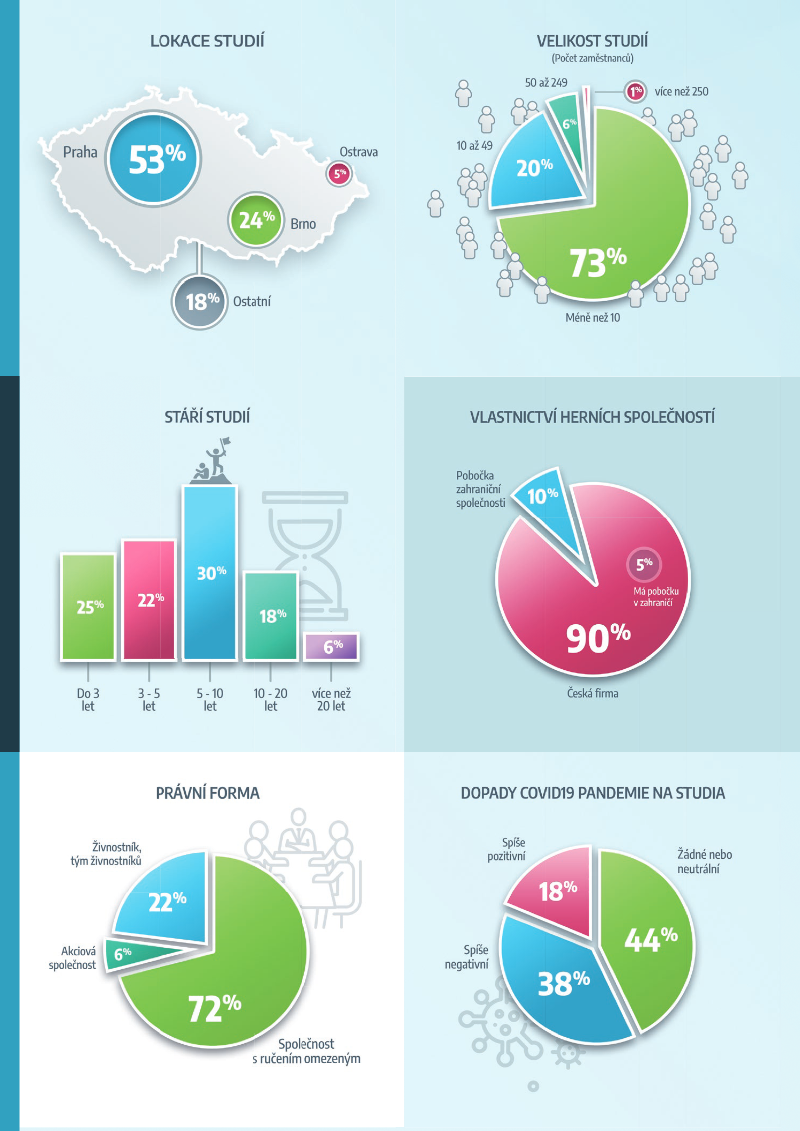
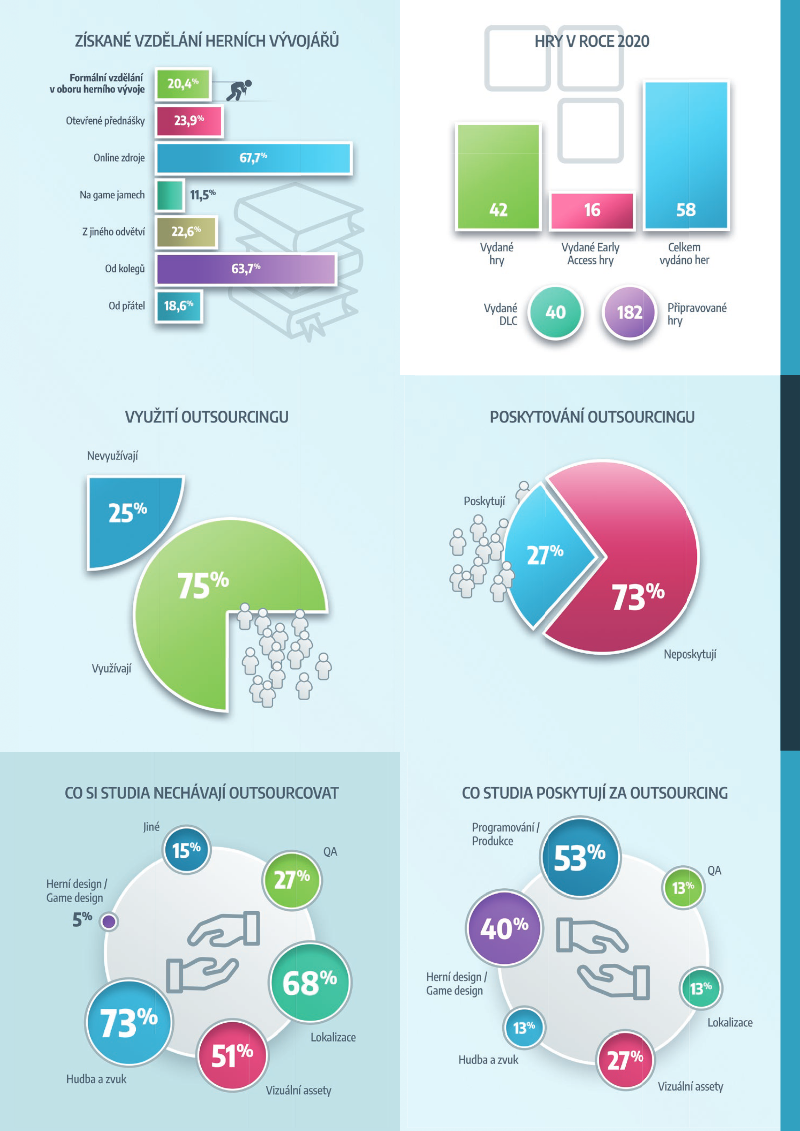
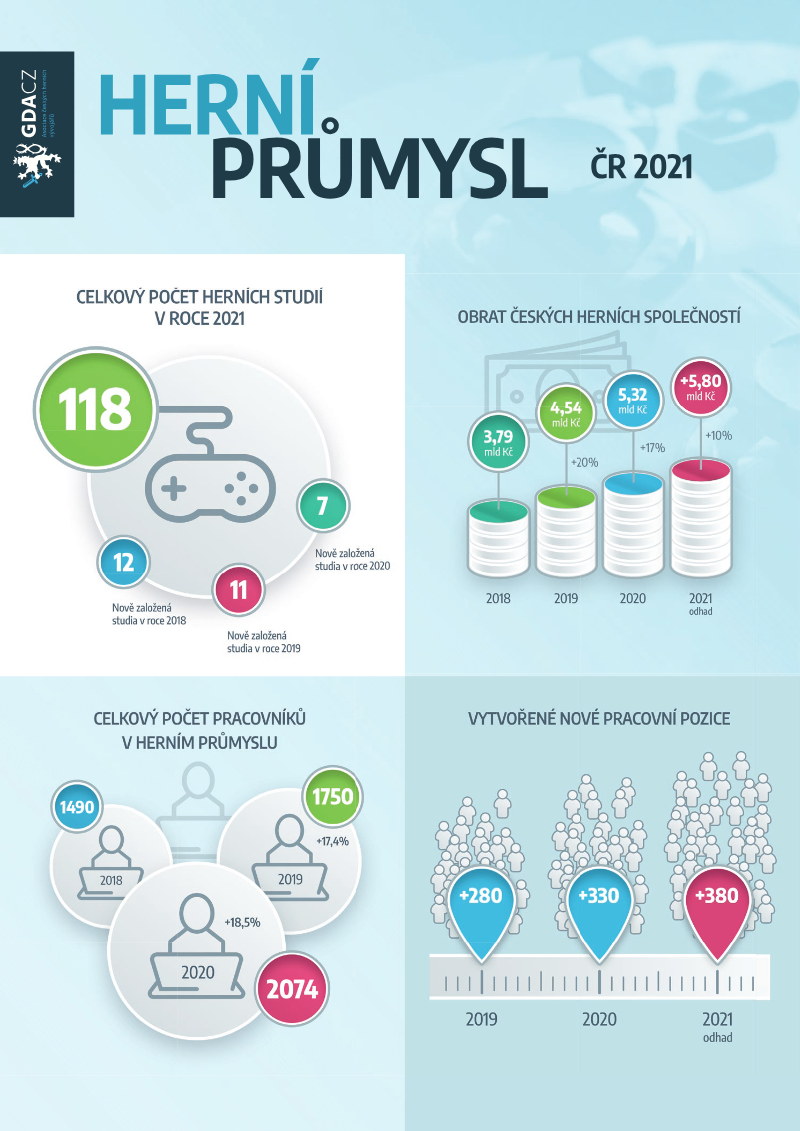
Herní průmysl ČR 2021
The Czech game development industry experienced significant growth and resilience throughout 2021, characterized by a steady expansion in both workforce size and the number of active studios.
- The Czech game industry grew its workforce by 17.4% in 2021, reaching a total of 2,074 employees.
- The sector remains highly concentrated in major urban centers, with 53% of studios based in Prague, 24% in Brno, and 5% in Ostrava.
- The industry is dominated by small-to-medium enterprises, as 73% of companies employ fewer than 10 people and 90% are domestically owned.
What They Don't Teach You in Art School: Lessons for First Time Leads
Transitioning from an individual contributor to a team lead in the game industry requires a fundamental shift in focus from personal artistic output to the cultivation of team health and project stability.
- Transitioning to a lead role requires shifting focus from personal artistic output to service-oriented management, prioritizing team health and project stability over individual technical tasks.
- Operational efficiency is maintained by using rigorous data collection for scheduling, detailed asset checklists for cross-departmental handoffs, and strict time limits on brainstorming sessions.
- An optimal team size is approximately five members, which facilitates more personalized management and clearer communication channels.
Plunge into Storytelling: Transitioning into Narrative Design from Other Disciplines
Transitioning into narrative design from other professional disciplines requires a strategic shift in how candidates present their existing expertise.
- Narrative design is distinct from pure writing, as it requires integrating storytelling into mechanics, UI, and feature sets rather than focusing solely on scripts.
- Candidates should leverage their previous experience in disciplines like art, audio, production, or QA to position themselves as cross-functional facilitators who bridge the gap between narrative goals and technical implementation.
- Applicants should curate modular portfolios that demonstrate both creative writing ability and technical skills, such as documentation, tutorial design, and genre-specific editing.
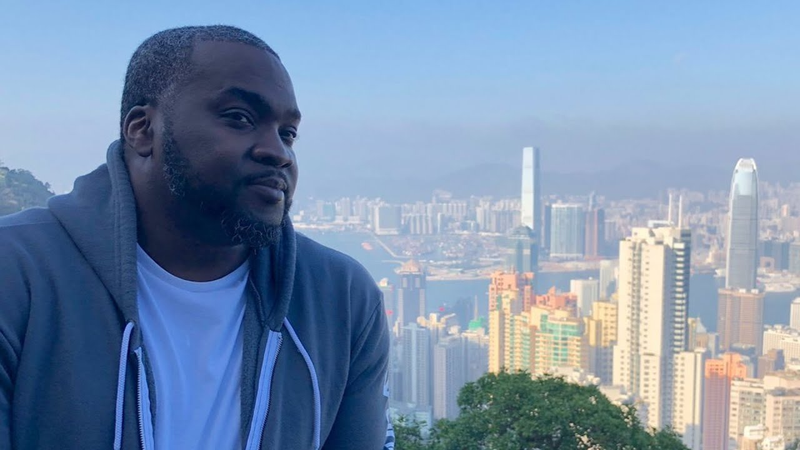
Diversity in the Game Industry with Ray Graham | Game Dev Unchained Episode 270
The game industry currently faces a stagnation in diversity, driven by performative corporate initiatives that fail to address systemic biases and insular hiring practices.
- The game industry's diversity stagnation is primarily driven by performative corporate initiatives and insular hiring practices that rely on existing social networks rather than objective recruitment.
- Exclusionary language in job descriptions, such as the preference for 'rock star' or 'ninja' archetypes, creates systemic barriers that prevent the industry from accessing a broader, available talent pool.
- To improve recruitment outcomes, companies should adopt structured hiring processes like the Rooney Rule and shift focus toward hiring for potential rather than prioritizing immediate, high-level skill sets.