1 free read left. Create a free account for unlimited reading + AI research.
Create free accountReport International Game Developers’ Association
1 free read left. Create a free account for unlimited reading + AI research.
Create free accountReportInternational Game Developers’ Association
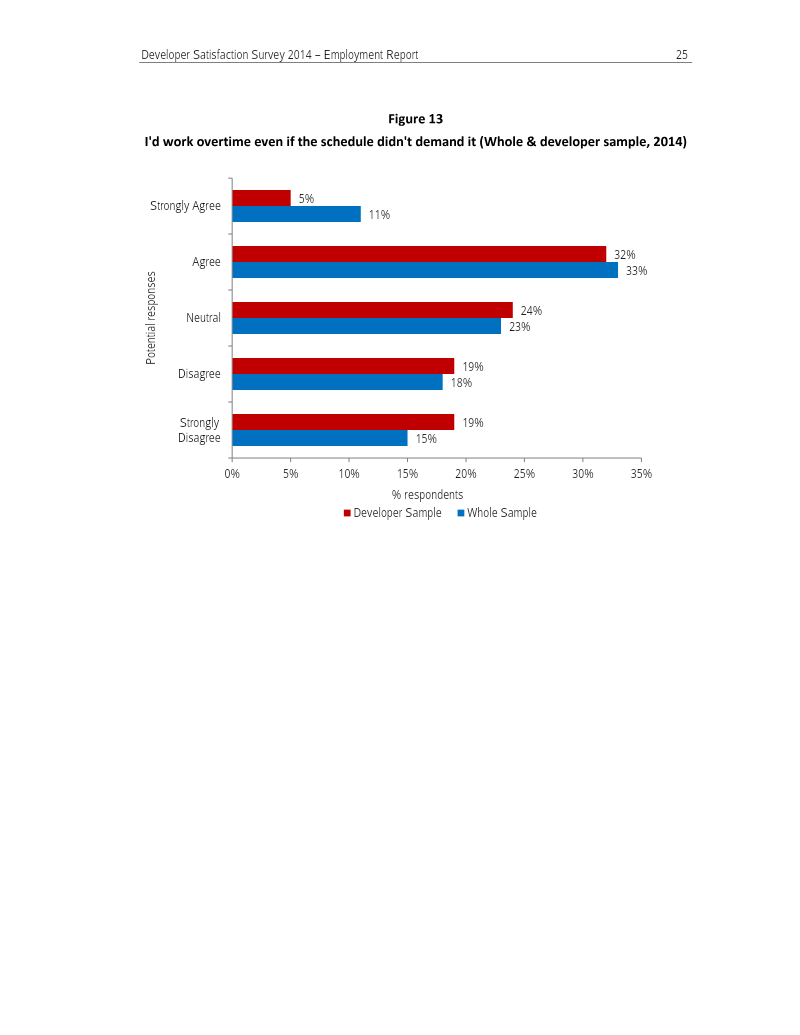
Despite record-breaking industry profitability, the prevalence of crunch culture increased significantly.
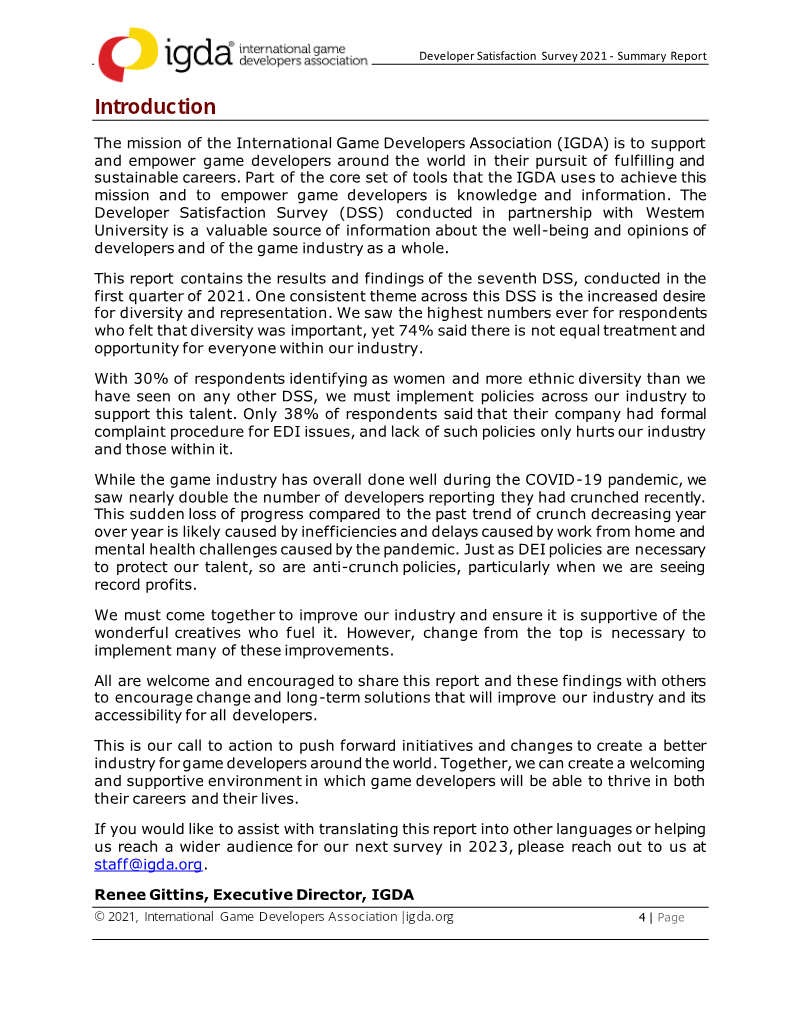
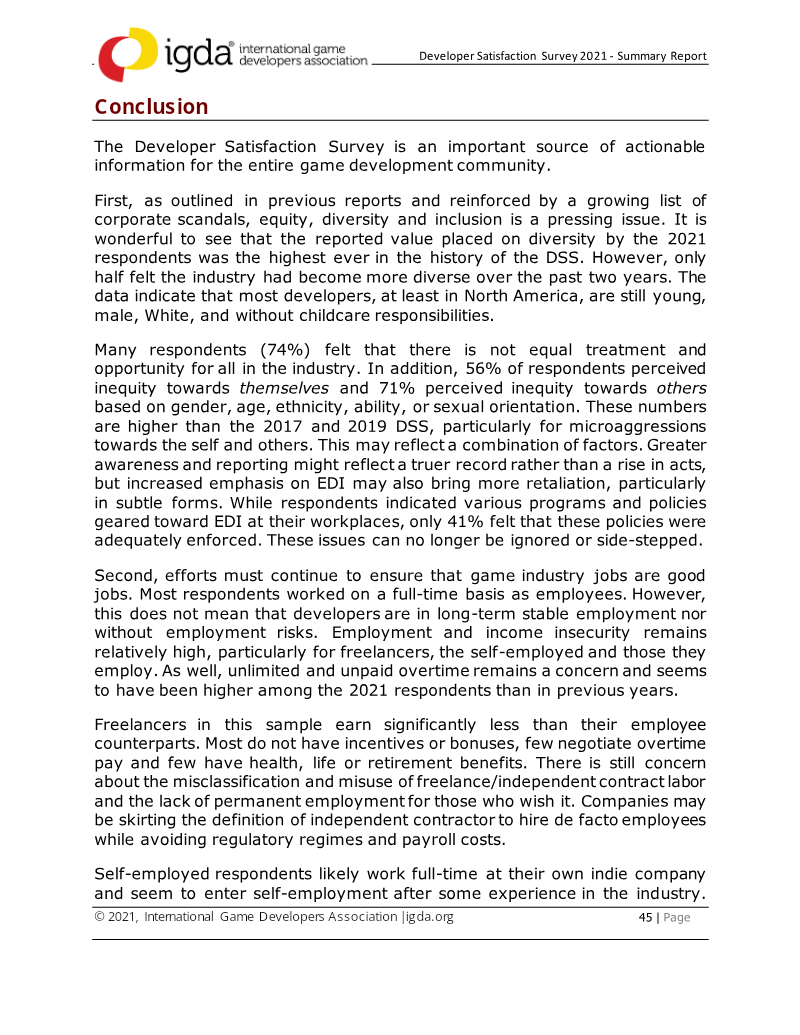
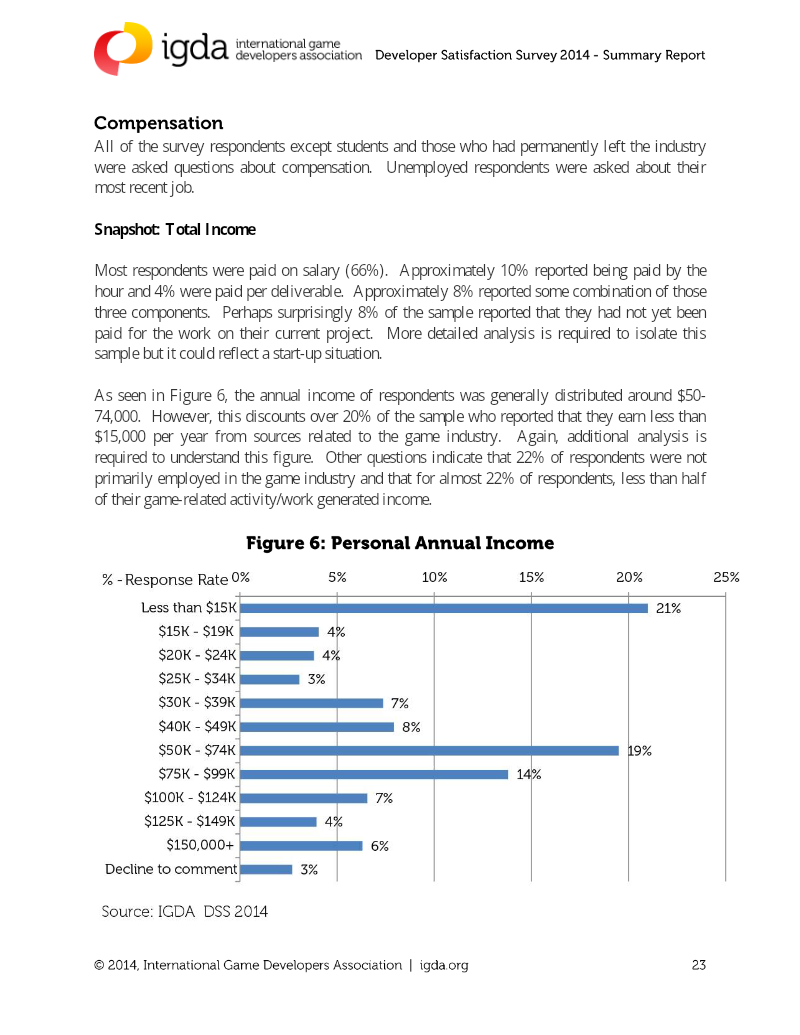
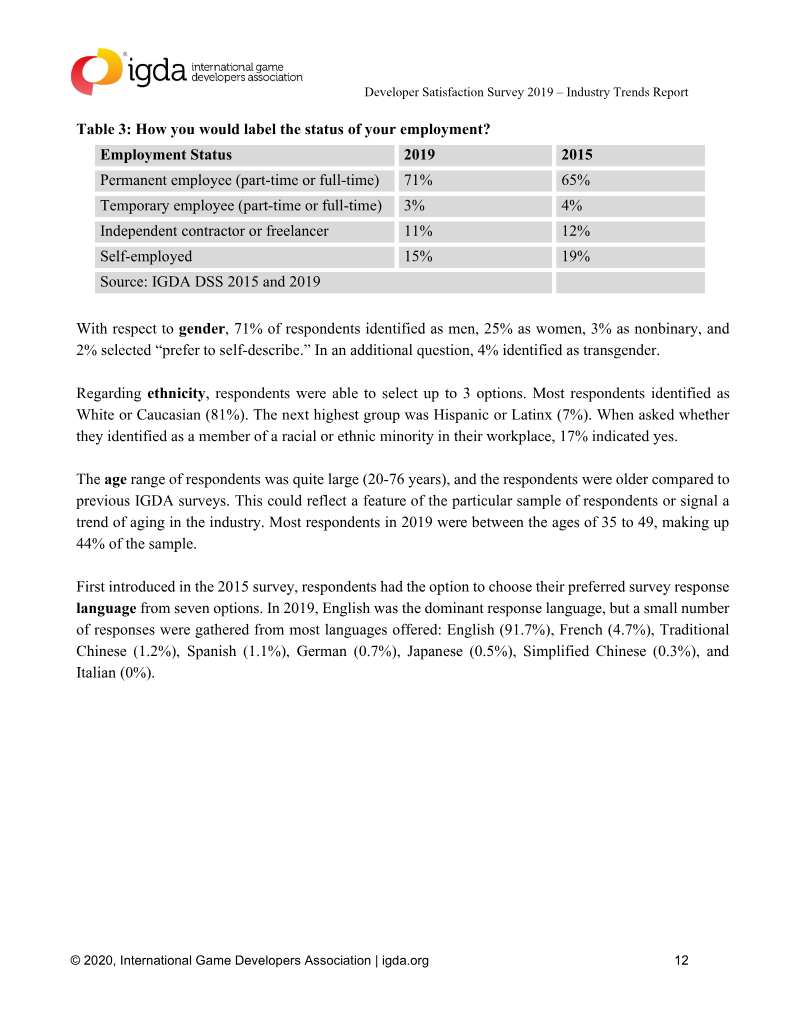
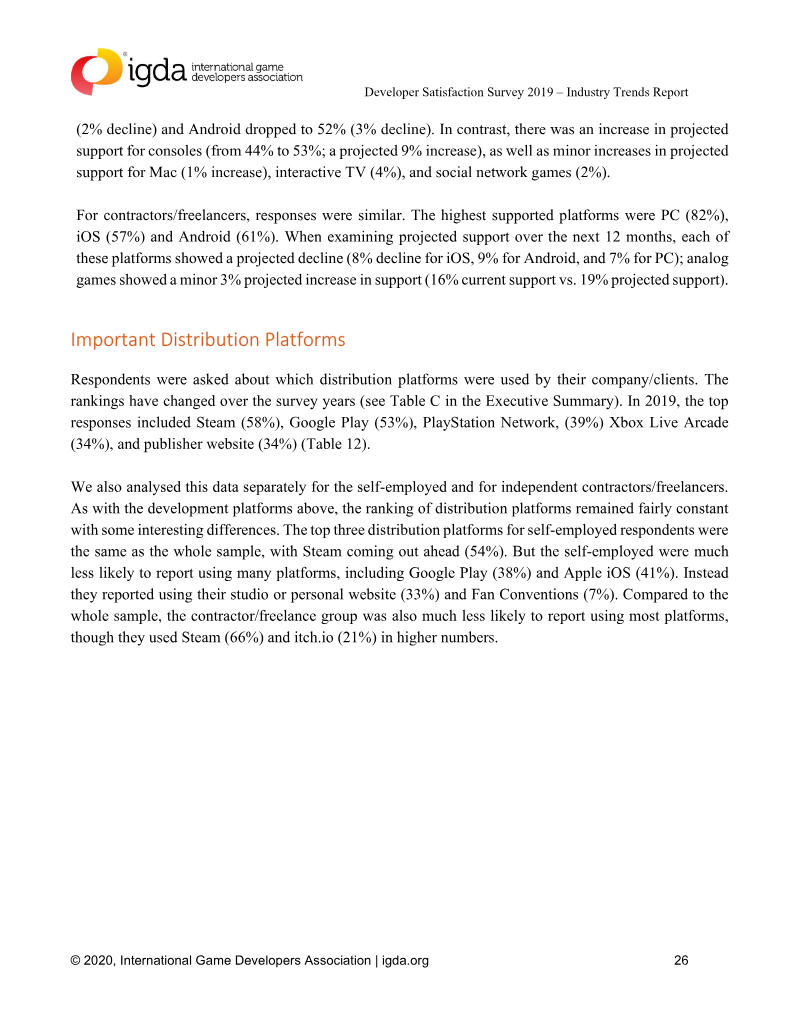
The 2021 game industry landscape is defined by a stark contradiction between record-breaking financial performance and systemic instability for the workforce. While the industry has reached new heights in profitability, the professional experience for many developers is marred by persistent crunch culture, which nearly doubled in prevalence during the pandemic, and significant employment volatility. Despite a majority of full-time employees earning salaries above $50,000, widespread issues regarding uncompensated overtime and inconsistent access to essential benefits like retirement plans and life insurance remain prevalent. This instability is even more pronounced among freelancers and self-employed developers, nearly half of whom earn less than $15,000 annually from their game-related work, often lacking any form of traditional employment security.
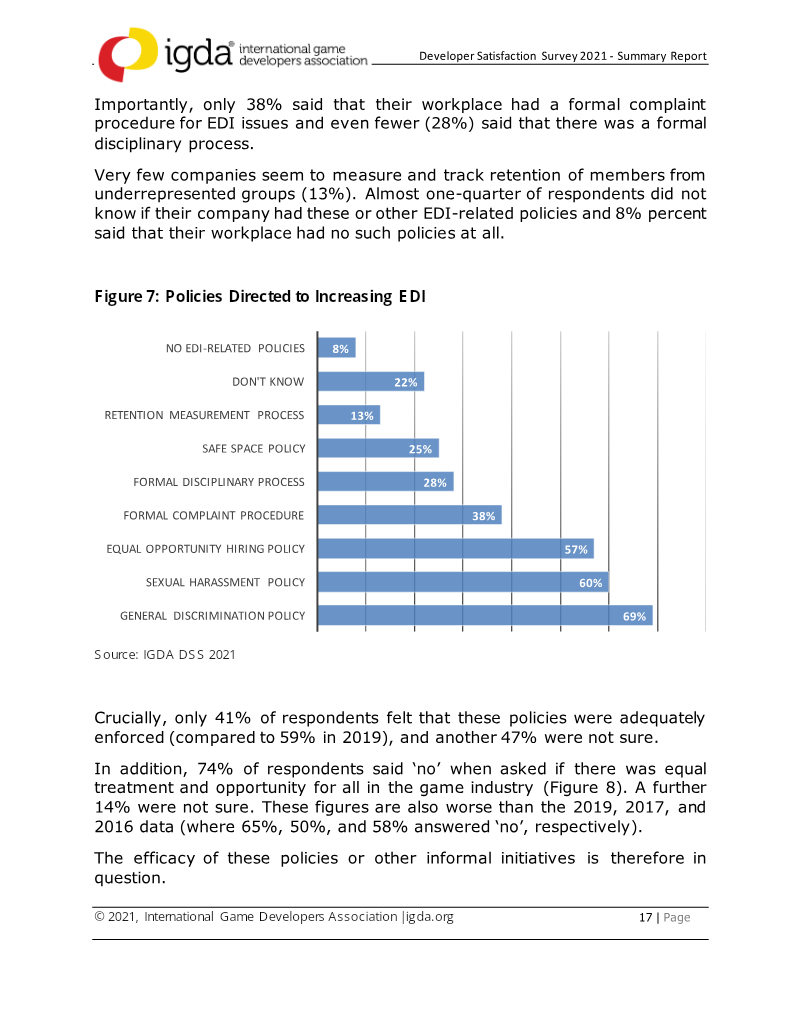
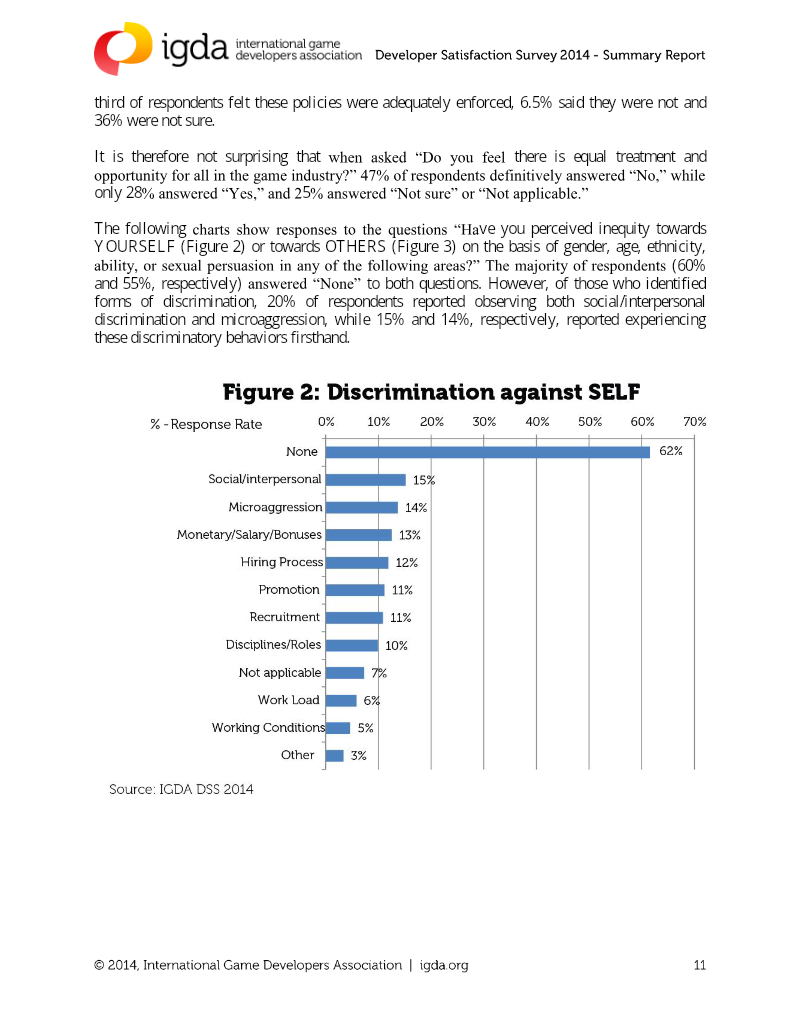
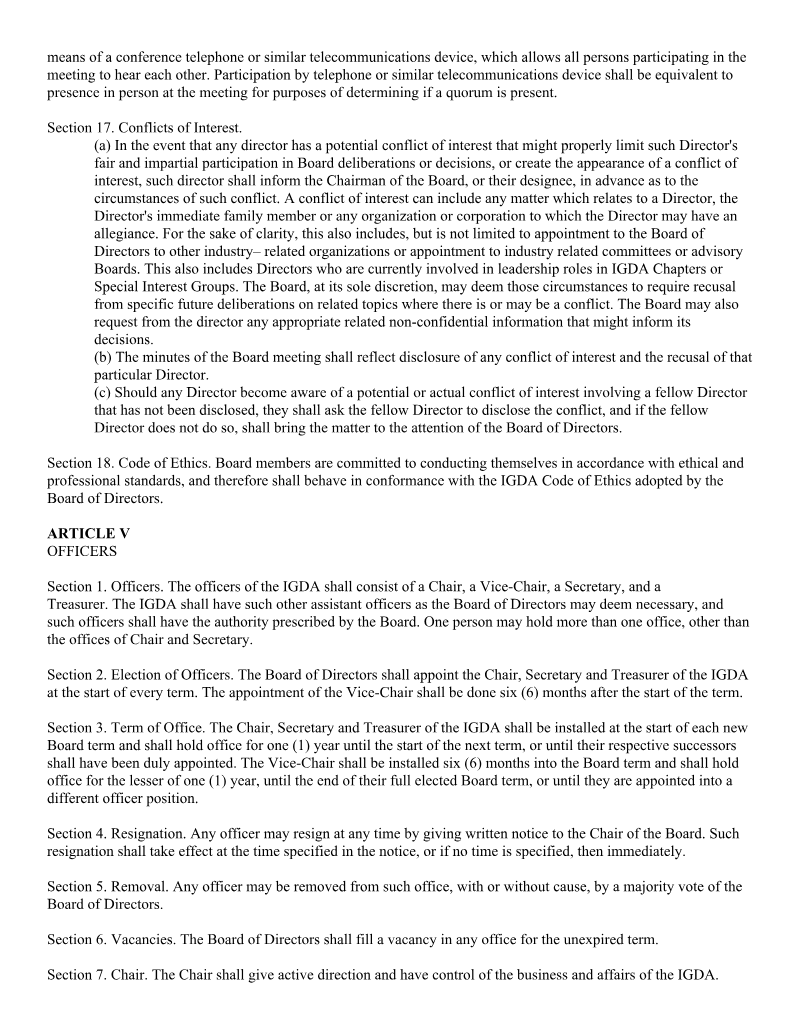
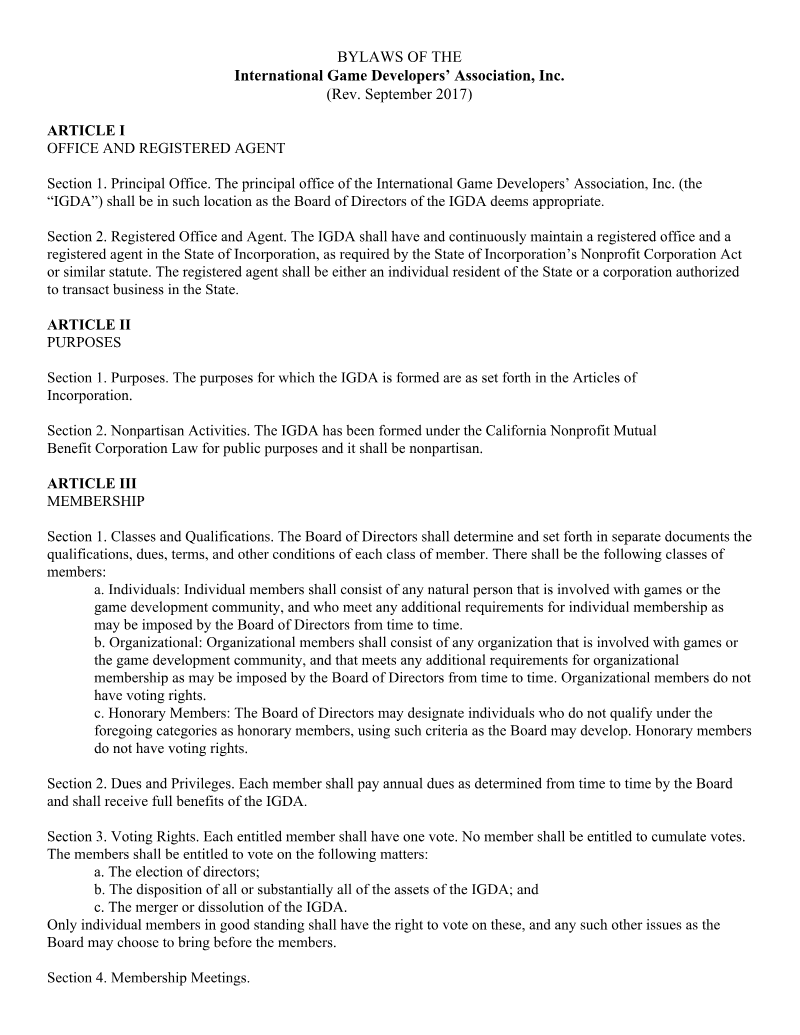
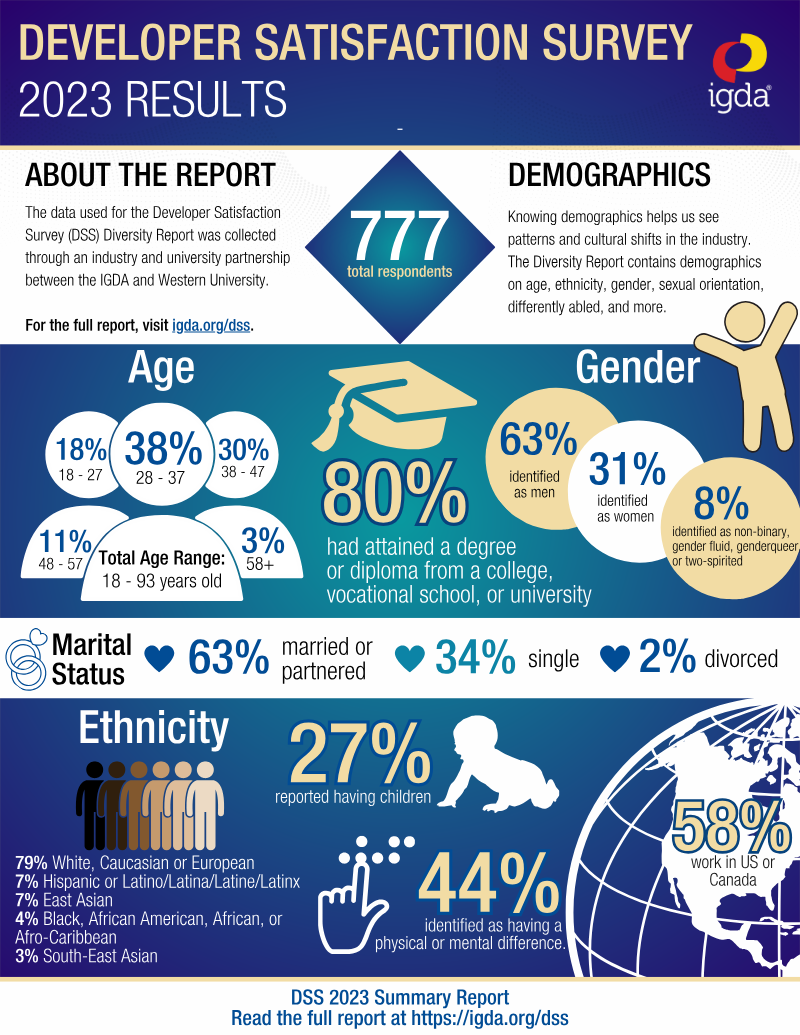
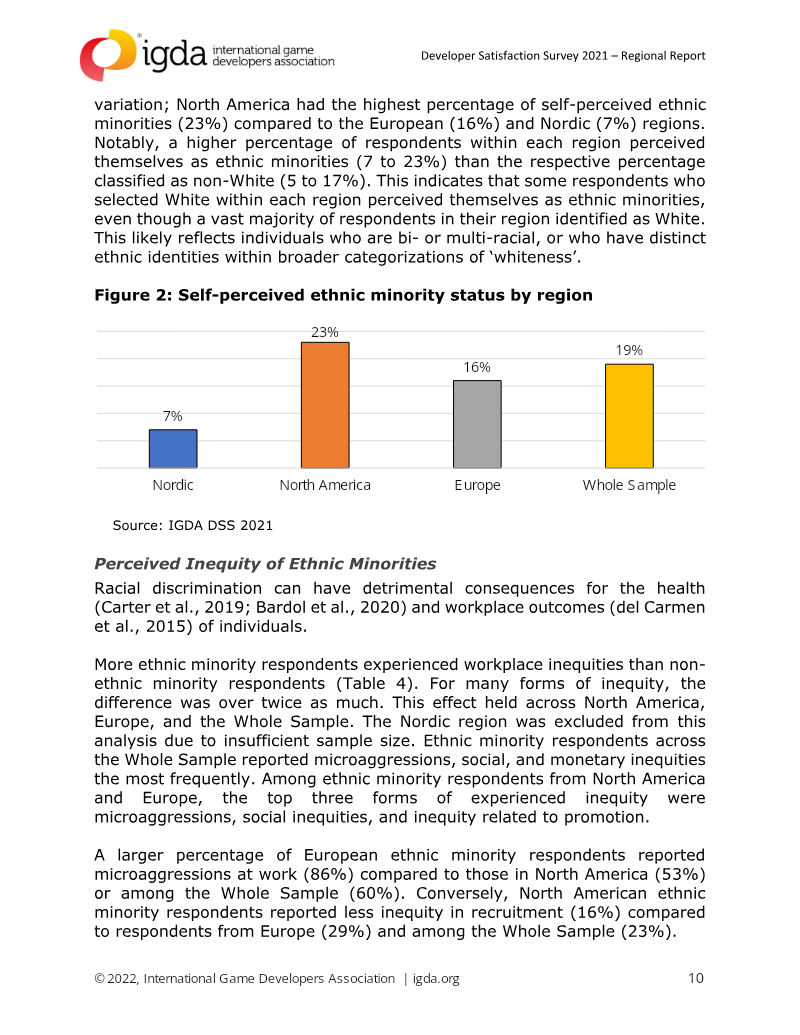
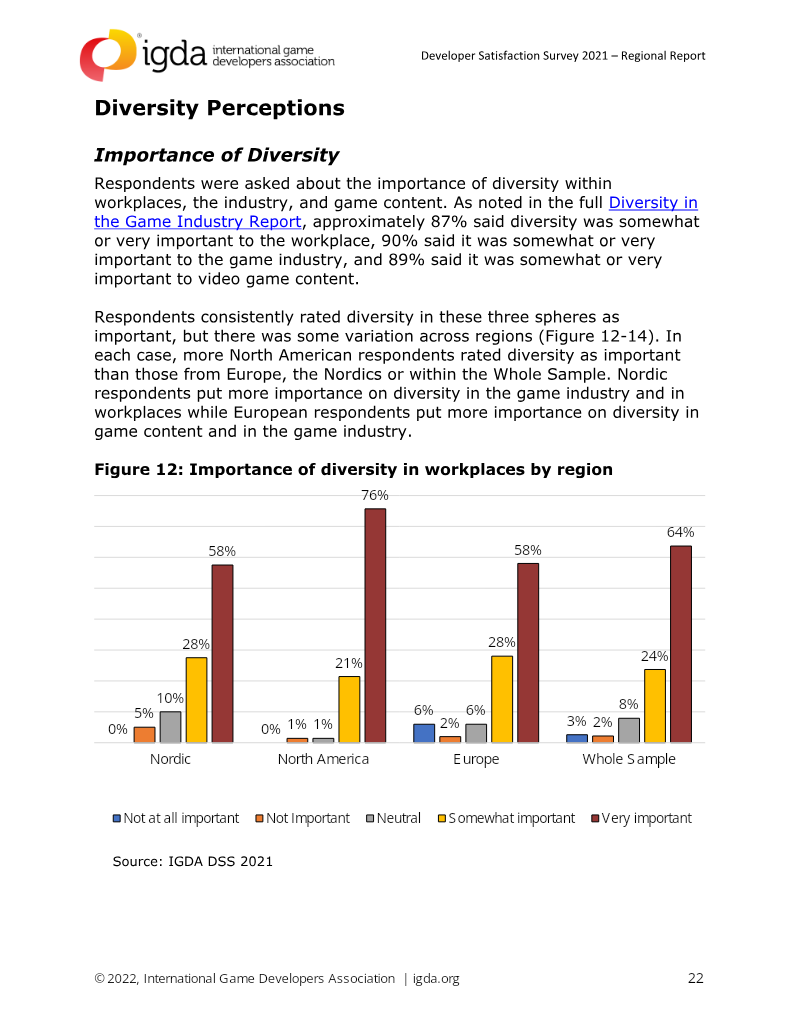
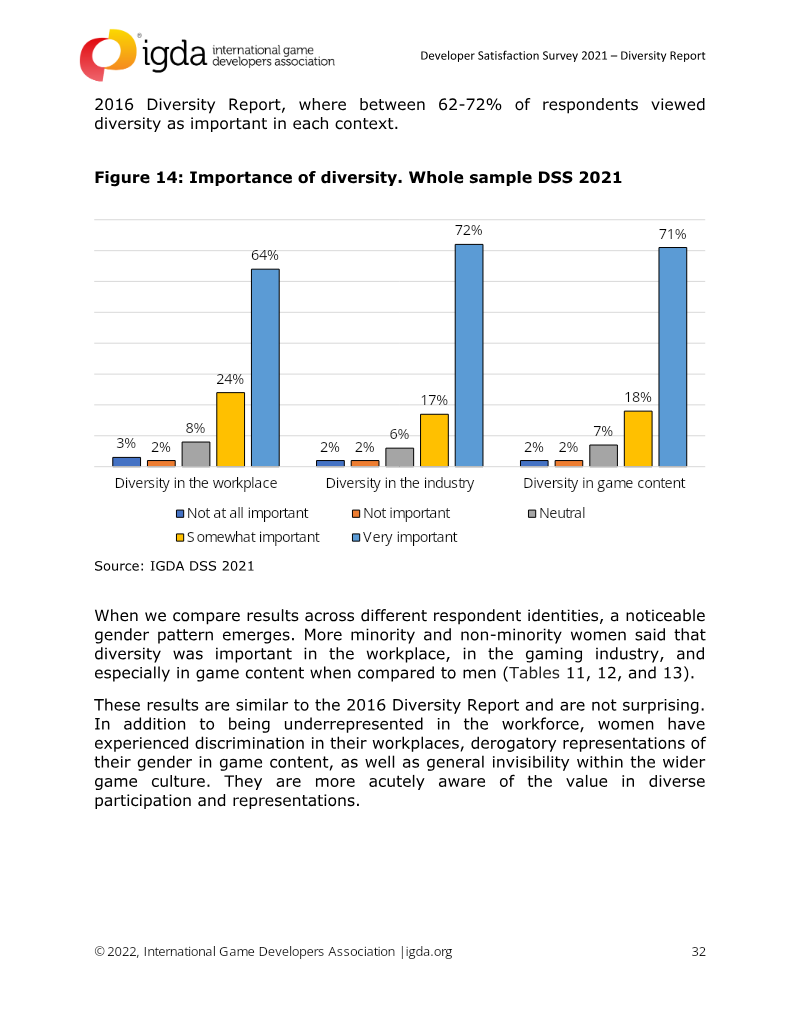
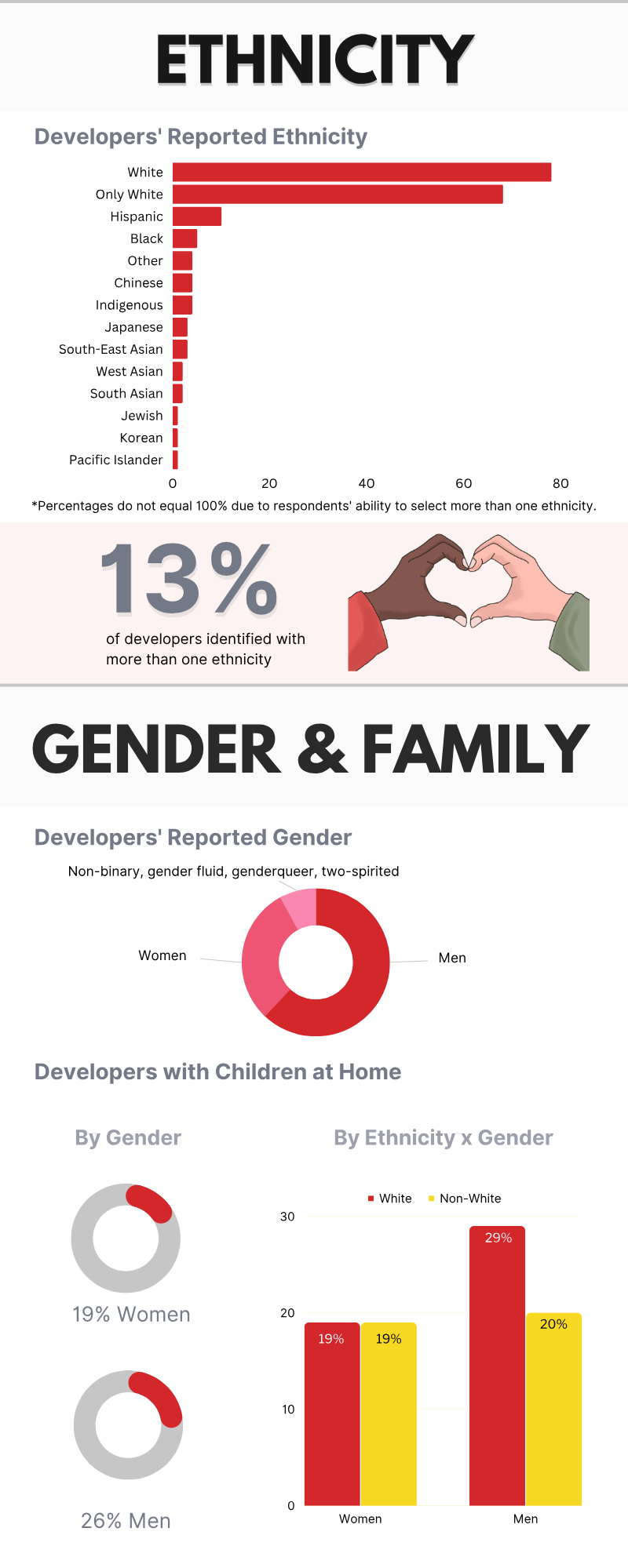
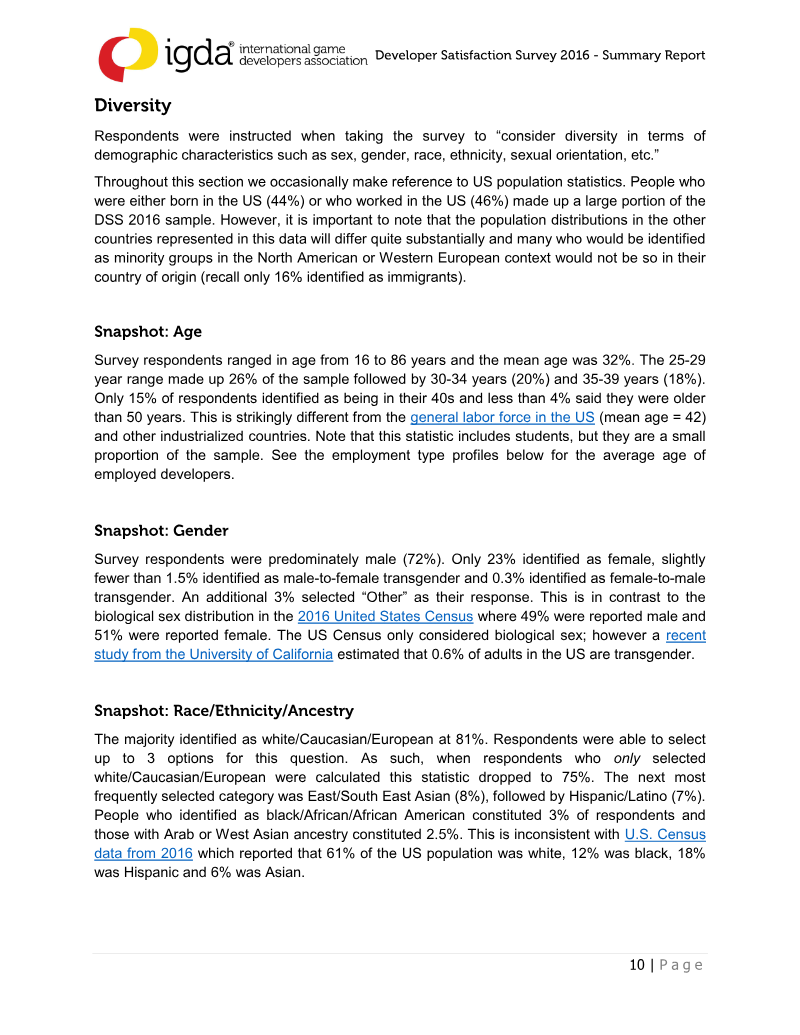
Demographically, the industry remains predominantly White, male, and North American, though there is a marked, industry-wide push toward prioritizing equity, diversity, and inclusion. However, this shift in values has yet to translate into meaningful workplace improvements. Approximately 74% of developers report that they do not experience equal treatment or opportunity, and less than half believe that existing EDI policies are effectively enforced or even present. The disconnect between stated corporate values and the lived reality of employees has fostered a growing interest in collective bargaining, with 12% of the workforce now unionized as a direct response to these systemic governance failures.
Ultimately, the findings serve as a critical call to action for industry leadership to move beyond performative commitments. The combination of pandemic-era contract instability, the normalization of unpaid overtime, and the failure to implement robust, enforceable EDI frameworks suggests that the current model of industry growth is unsustainable. To retain talent and foster a healthy creative environment, studios must prioritize the formalization of anti-crunch policies and the creation of equitable, transparent workplace structures that address the financial and professional precarity currently facing a significant portion of the global game development community.
International Game Developers’ Association · 2026


International Game Developers' Association · 2024
International Game Developers’ Association · 2023
International Game Developers’ Association · 2023
International Game Developers’ Association · 2022
International Game Developers’ Association · 2022
International Game Developers’ Association · 2021
International Game Developers’ Association · 2020
International Game Developers’ Association · 2020
International Game Developers’ Association · 2016
International Game Developers’ Association · 2016
International Game Developers’ Association · 2015
Game Developers Conference · 2020