1 free read left. Create a free account for unlimited reading + AI research.
Create free account
Art Director Aspirations with Reika Yoshino | Game Dev Unchained Episode 279
Key insights
7 takeaways- 01International developers face significant professional mobility constraints due to immigration frameworks like the TN visa and Optional Practical Training, which create pressures not experienced by domestic peers.
- 02Transitioning from creative execution to art direction requires balancing individual artistic output with the strategic oversight necessary to maintain a studio's core vision during growth.
- 03Gender-based biases persist in the industry, requiring women to build robust professional networks and establish firm boundaries to navigate the workplace effectively.
- 04Imposter syndrome is a common experience among developers that often indicates professional growth rather than a lack of capability or skill.
- 05Studios can maximize market reach and foster social engagement by prioritizing mobile platforms and expanding those titles to portable consoles like the Nintendo Switch.
- 06While remote work is effective for production-heavy tasks, in-person collaboration remains essential for high-level artistic development and complex visual communication.
- 07Scaling from indie teams to mid-sized organizations necessitates formalizing structures that support live-service operational demands without sacrificing the experimental spirit required for artistic innovation.
Ask AI about this video
Transcript
this episode is sponsored by autodesk i'm super excited to talk to you guys about autodesk because i've been using their programs ever since i was in college so today's message is geared towards you college students out there they have announced a 3ds max and maya for any users that recent graduates freelancers hobbyists and 3d artists just starting out have a more affordable way to access maya and 3ds max this is your chance to get a hold of the industry standard for 3d creation so go over there to make anything autodesk forward slash me dash indy again that's make anything dot autodesk.com forward slash me dash indie and go check them out for all those indie users this is also
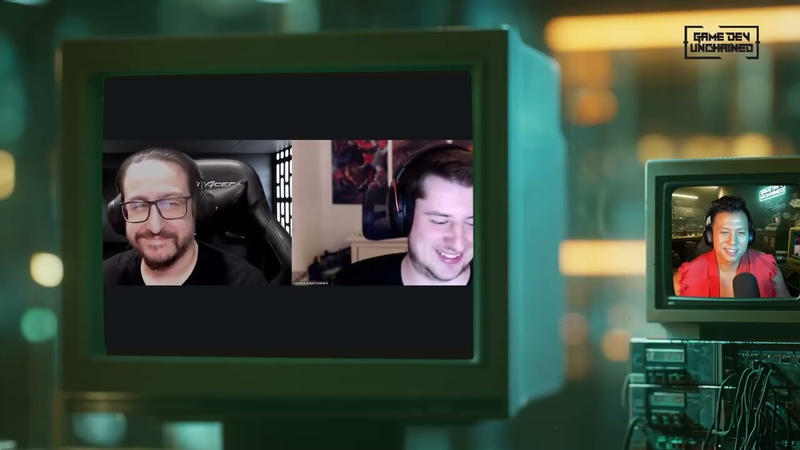
available to you as well this is a great opportunity to get into the game at a very affordable price go check them out [Music] what's up everybody welcome to another episode of game dev unchained the number one game development podcast about game development and the lifestyle thereof i am your host brandon pham and with me a special guest rika yoshino how are you doing rika or ray yes go by ray um doing pretty well thank you great uh so before we dive deeper into the main meet of the topic of today uh this is the part of the podcast where i asked our guest which is yourself uh a little bit about yourself where you been where you at where you heading just to give a little brief overview for our listeners out there yeah of course um my name is reiko yoshino as
brandon said um i sometimes go by rey for to make it easier um i am currently 28 and i am working at that game company as a 3d artist and sometimes as an art team manager um i graduated from university of pennsylvania in 2016 and then right after that i moved to the bay area to work on this game called spy party as a 3d environment artist and after a year and a half or so i moved down to la to work for tgc and um on skype yeah that that is a pretty impressive trajectory there is so uh we kind of had a brief conversation before so for listeners out there they're not thinking that i'm kind of guessing this but you talked about how you're not an american and i'm were you coming from japan like you're there's no accent in the way
some of my background um i was born in japan my parents are chinese um and then when i was 11 i moved to our family moved to canada so i'm actually canadian um and i left for the states that i left for university when i was 18 and i haven't gone back since so um yeah so canadians very close enough but we're treated as an international employee slash student whatever you are um so there's a added layer of struggles that you know i'd be excited to talk to you guys about yeah so i recently actually have a friend that uh did the reversal he's an american went to canada and sometimes balance between working in canada and united states still and there is like this i mean he was recently telling me that he was kind of hit with his double tax standard
uh thing i would love to kind of hear a little bit about that because there's all obviously really good companies in both and a lot of advantages to working in both countries so can you kind of lay it a little bit about the things that were surprising as you were kind of working in the american yeah yeah so i've only worked in america so i can't give you a comparison between what it's like to work in canada versus here so i can tell you about the struggles that i've had as a student so when you are an international student you need to um you need to have a visa or you're very restricted in what kind of job you can have even as a student if your college offers you like work study then you can if you just want to work off of campus you can't do that and after graduation um or even as a student actually during
student you get this you get this thing called opt i think it's it stands for actually i can't i cannot tell you uh but you get a year worth of opt which you can use for internships and um and you can use for uh working after optional practical training for those who are yes great thank you thank you yes and um you get a year and um basically you can use that period period to find or spend on internships if you don't want internships you can save that until after you graduate and you can work for a year on anything as long as you're employed and if you are a stem major you get an extra or you can apply for an extra 17 months of extension i don't know if my knowledge is outdated but i think i'm pretty sure
but um you get a total of 29 months of opt if you apply for this extension and this is usually what allows stem students to stem majors to have multiple rounds of visa lotteries um so it's a little bit more cushion for students like that unfortunately what i did did not count for stem so i had i spent three months on a internship and then after graduation i had nine months left so um [Music] after graduating um you have about you have about two three months of grace period to to start working and i didn't have a job lined up during my college days so i started job hunting after i graduated and fortunately found spy party
um about two months in and started working and i have nine months of opt to just work for them and after that there's a visa process that you have to start looking into fortunately canadians and mexicans have this visa called tn visa which is part of the nafta treaty it's a single intent visa which means you have to declare that you're not um you don't have an intention of moving to the states so um which is very different than most of the typical visa that most international students pursue a non-canadian's non-mexican pursuit called the h-1b that's like a once-a-year lottery um and because it is once a year and it's you you have maybe about 30 to 50 chance of getting it depending on your degree in your circumstances um so that's why you know as i mentioned earlier having that stem extension of
extra 17 months will allow you to kind of have an extra jab at the h1b visa if your company does sponsor but um yeah a lot of the international employees and developers are kind of restricted by visas from what i know and it's it's an extra hurdle to kind of jump over their restrictions on all m's um but yeah i'm here now and you know i enjoy what i do so i'm glad that you know even though it was a challenge um i'm excited to be doing what i'm doing right now unfortunately yeah i mean challenges are uh is to put it kind of lightly like i know with working with a lot of international colleagues that um there is an extra layer of appreciation going through that process that i think local united states developers
uh often under appreciate what they're complaining about their bosses and that's like you know how hard it is to work in this country and have these kind of benefits that you guys kind of take for granted right i always get that feeling and reminder when talking to my international colleagues um but yeah so something as adjacent as mexico or canada uh it it still is like a lot of i think still you know better lower barrier of entry than than as if you were you know outside of north america uh but like there is still like a huge resistance well somewhat of a resistance to to just hop over the fence and work freely right uh so what you were saying about temporary stay and with intent of not moving here is so what what exactly so the idea is to let you work here but definitely both sides agree that you cannot move here permanently how can't apply for a green
card that's what i see i mean you could but you don't want to get caught which which is not something i want to get into i don't yes um don't listen to this advice but um yeah so when it means single intent you you know if you're caught applying for a green card while you're on this visa you probably will get your you know tea and privilege revoked or something um whereas if you're on the h-1b which is the visa i mentioned earlier which is the lottery based visa that's a dual intent visa so you are welcome to apply for a green card um while you're on that visa so there's a big difference there are a lot of differences between different visas tn also does have more restrictions in a way where it has a list of profession that qualifies for a tn which is a limited set and that profession also has to match with your academic degree
so um i have a fine arts degree and if i decide that i want to suddenly become an engineer it probably will not let you because it doesn't match my degree um so you know their restrictions on that front i'm sure h1b also has theirs and they would actually bar you from that job or that job would not qualify like what what exactly is the restriction there uh yeah so um you need to it's this visa kind of states that you already are like a you know it's like you're a special talent and you already know what you're doing therefore you get to work um on this visa in this country uh so you know without a degree in the position that i will be like working for uh they probably just don't trust you that you know
unless you already have extensive experience working as um let's say for example if i worked in canada as an engineer for five years even though i don't have an engineering degree then i might qualify for this visa but um if i don't have prior experience as an engineer and i want to become an engineer on this visa the government will not let me jesus it's a lot of uh so your profession is also kind of restricted too which is this is a lot of thank you man yeah i mean that i think that experience just uh in turn just makes the international game dev uh work harder than most i think with every challenge it actually makes you stronger and i i clearly see he's like oh wow man you're spending way more hours than i am why is that it's like well i get kicked out of the country uh if this and that happens you know or or whatever and you really learn to appreciate like what we got here um
which i feel within the united states even canada is a lot more blessed than other scenarios in other countries for sure for sure um so as you are moving up as you are you know graduating from school and landing that first gig and and finally coming to that game company i mean this is a very short span of years of uh you know finally becoming an art manager at a well-established studio as well like can you kind of give us a little insight of you know did you come to that game company as a 3d art environment artist 3d artist uh and what what project was it that was was it this same project as you're doing now sky or was it something else before then yeah of course love to talk about that um so i'm gonna rewind the story to back to college again um when i was still a student i was i think i was set on going into
animation as a 3d artist i don't you know i haven't played games growing up um i didn't know anything about it so i never really thought about it until senior year um i decided to play germany um on my friend's ps3 and um that that experience moved me so much that after i left my friend's apartment i decided that i'm going into games i'm going into interactive media and i want to create environments that people could explore so you know it was kind of like an overnight thing where i decided to change my career trajectory very late into my in my academic career and you know that game company and their titles have had a special place in my heart since then um so you know i thought you know someday if i can work
um for this vision under this vision um it would be great so i'll build up my career and maybe in my late 30s i'll get to work for that game company you know back then when i was still a student like they weren't really hiring anyone in fact they were only maybe looking for engineers when they had positions available um but you know that's kind of how i looked up to them um when i was still you know in my early 20s and after um you know after graduating i didn't really have a long network because my school university of pennsylvania is known for fortune in its business school and our fine arts department we don't really have anyone that works in the cg industry animation or um games or you know vfx etc
so i ended up just cold emailing hundreds of companies in the bay area and i found myself a mentor and that kind of led to one thing another um and then i ended up at spy party and worked for chris hecker so he's also another mentor figure of mine in my life i don't know if he knows but i consider him um a big man for a figure and um [Music] he you know i i said hey like you know i've been here for a little over a year um i don't think san francisco is working out for me i didn't really like the tech mentality in um in the bay area i wanted to create something that moves people i wanted to create uh work on projects that were you know that were that could be summed up by just like it's an experience right i was not
interested in the tech scene with you know big paychecks and kind of solving i don't know this is gonna maybe not sound great but i was not interested in solving problems for the minority of the world i wanted to create something that could be experienced by anyone regardless of where you are in life um and i thought i needed to get out so i said hey chris maybe i'm looking to move out of san francisco maybe it's los angeles and that game company is in los angeles do you have any contact that you could ensure you know introduce me to um and he forwarded my stuff to genova um and things just kind of happened from there so i'm currently working at my dream studio as my dream you know with my dream role so yeah it is as you said it is a very
short journey here um but it is definitely very different uh being on the other side of things and you know i get to see a glimpse of you know what might have happened behind the scenes or you know my favorite game ever so you know that's interesting and our vision hasn't really changed and it's really really cool to see a studio that's trying to make a path for uh you know games that haven't been made before you know games about humanity and altruism and you know we don't have uh you know a preceding success story i think we're trying to create that and i think that's really really cool um and in terms of art management i i found out that you know um
perhaps i'm more organized than communicative than i thought you know i love people i love talking to them i love making sure that you know everyone's on the same page everyone's happy and i kind of took it upon myself to kind of start managing and organizing things speaking up during meetings speaking up about difficult topics and i ended up finding myself here oh well i mean you completely engineered your your career path from day one the very same way you found the the that game company journey being impactful in your life and and and switching career and uh although yes working in tech companies a lot of my friends have transitioned to tech companies for the very reason that you stated you're gonna higher salary uh somewhat more stable ish right but the main thing is that the excitement is not the same it's rather much more
dull uh overall maybe i'll end up there someday i know when we're older well we can't you know be as creative as much yeah i mean it is great nowadays to have that many choices as a game developer where it used to be either aaa and then that suddenly became aaa or indy and now there's mobile and now there's double a you know mid-level companies like there's a lot more choices now and i'm excited for everyone but i think that that will power to kind of bring you to where you are is one of those things that i have to constantly remind listeners and everybody is like it's just being focused like you you uh you took the initiative right to ask about contacts and and made it happen uh when you wanted to that that transition though from i'm sure you're still in there doing art but not as much as it used to
have always been as recently as last week or the week before i was kind of talking about it is one of those necessary jumps uh in terms of acquiring more responsibility uh but however you're kind of like you know it's a push and pull type of thing where you're kind of giving up though the main reason why you went into the games in the first place to create these worlds and and for for people to experience and now you're kind of playing as like the puppeteer of making this thing happen are you kind of consolidating into that role obviously where you're you're seeing you you're being helpful in other ways uh then directly contributing to to every polygon um so that's an interesting question so um kind of my thinking behind this was that you know my dream someday is to become an art director
and you know i've maybe worked for a little under five years almost five years um and in terms of experience it's just so much more for me to learn before you know i ever reached that stage and um you know one way to grow it's one thing to grow as an artist but it's another thing to grow as a leader um you know i love creating art i love creating things but um i also think uh important skill set for an art director is people skills right um not just you know leading people through their artwork but also being the person being a mentor to um the newer generation or the younger artists um being not just an art director but like a mentor figure where people can trust you in your leadership um and that's you know i never thought i'll kind of
dabble in production but it was kind of a way for me to you know learn from the leadership in in my current studio and also kind of contribute to my team in um a different way besides just polygons so uh that was kind of my thinking when i kind of you know took took this uh role took this task upon myself um but yeah okay yeah um one of the uh things that i always like to talk about um you know we've been doing this podcast for a long time so all types of people all types of color male female have been through here and i always like to ask if their experience they found is a little bit unique so being a female in the industry i think it's changing but it's still very much a male dominated industry and i think maybe somehow you kind of dodged this bullet of
of any sexism or any of that because i think that game company is probably a well-balanced pretty good studio to start with but as you're going through this and maybe through your network um is there anything there that you can relate to uh and share about your own experience as a female being in this male dominated industry um or even just your general experience of being just basically positive i think all this is gonna help inform listeners out there of like a better general consensus of like you know is there something to this is there not because i've heard stories i've talked to colleagues of mine are women and there's naturally things that happen in meetings where it's like unconscious most of the time but noticeable uh i just i guess i'll just throw it out there and we can move on after that yeah so um you know i've
read and heard a lot about things about being a woman in game dev especially in the early days and you know i would have to say it's definitely much better now i think there's a lot more that the industry could improve on um i also kind of entered i was also very naive when i entered the industry and you know i was like oh these things i'll just it won't happen to me or even if it does i will you know just kind of navigate my way around it um unfortunately it does it does happen um and it is not easy to navigate around it sometimes you just have to you know rely on your resources and your co-workers to make sure that you also feel safe um and you're comfortable um but you know the really cool thing about that game company is that we have a lot of we have a lot of women on our team now um and it's really really exciting to
um see people like you people that think like you people that act like you people that look like you just you know [Music] kicking butt at their job it's amazing um and you know even though it's easy to say that like it doesn't you know gender doesn't really matter um and you still you could still learn from um other mentors um and leaders in the studio it's it's a little different when you're in when you're experienced and your life doesn't exactly match up with someone that you want to learn from because the advice is not always applicable you know this i'm sure there are different sets of difficulties i don't know if one has more than the other but it is true that you know as a woman you you do face um a lot of un
probably like subconscious bias and um treatment um and you know as you said like in meetings that you can you can definitely tell that like sometimes when you're the only woman in a meeting um they probably everyone else might not feel it but you definitely feel like oh i don't know if i feel comfortable here or um you know there was um one one tiny um incident where you know we used to have this thing called where we wear fancy clothes on friday um back then we only had about like four or five women in a studio of 25-ish um and you know i think it was i dressed up i'm not sure if any other woman dressed up but they were taking a group photo um and i was just not comfortable being in a group of a dozen dressed up fancy men and i'm the only woman in there i don't know what
was what that message would send out um if that photo got out into social media so those are kind of things that like kind of tug out the back of my mind um you know even though there are no ill intentions involved in anyone with anyone um so you know it is it is very interesting it's tricky and i think you just have to make sure that you understand as a woman i understand my you know my boundaries and comfort zone and understand that you do have people around you that will be supportive of you and they'll trust you and believe you um so you know you're not alone um and i think because um i guess because i still have those difficulties sometimes like it would be nice that if i could you know become a figure for someone in the future to kind of feel safe
or be like a safe safe place for them yeah i completely uh understand like uh because when whenever you're at a company you're always trying to immediately look for someone that's similar because there's that instant connection and that instant support right and uh race gender that helps with uh the the advancement at least motivation to advance in the hierarchy right because you can see that it's possible and um that comfort alone is is just rewarding in itself to to know that there's someone else uh like you there at a group setting every time i work at a company there's always you know the mail always outnumbered the women uh the only time that i felt like it was close not completely 50 50 was when i was working on a mobile in studio like a tech company right so tech companies are a little different from
game studios and that's when i was like oh wow this is a lot of women here right completely new to me but like whenever i worked at those studios with very few women i was like man these things i feel bad because there's so much unwanted advances so much like just the sky swarming around that uh and uh it's just a lot of pressure i think on top of the actual pressures of performing well at the job right so i do i do agree that things are getting better and i feel like these smaller companies just tend to have a better ratio uh and i at least kind of see aaa companies slowly getting better right but you know like a major beast uh it takes a little longer right to move things in the right direction so it happens over time it won't happen overnight so right right i think we'll we'll get there i think we just all have to keep working towards it
yes yes but uh yeah i'm glad you know you're you're in the position that you are and you move past all those uh advances right and and then in a great place right now uh in a leadership position at a very great company um and being as young as you are too i mean you're you're that's a trifecta right there so like i think when i first became in a leadership position or even when i switched to a new job right there's always that sense of imposter syndrome and and that that that kind of eats up uh from the reality of things right did you have did you kind of go through that phase being such a young developer as well as a female and all these things that you feel on paper should work against you but clearly have not it's all like internal thoughts on a lot of the cases did you feel
uh i mean what was that change like to to finally kind of be at your dream studio and kind of leading a department um i think they're two different parts of me that think differently right i think imposter syndrome is something that just doesn't go away um and you know i think i think that's maybe what every game dev or artists creatives um suffer from you know because there's always someone better there's always you know you're just so critical of your work um but i think you know if you kind of flip that you kind of need to understand that because you can critique your work um it's just that your eyes are getting better your perception of art and this thing is getting better so it just means that you know you just have to now raise your skills and then it's just a rinse and repeat but also at the same time um you know i
there's a core part of me that i understand where you know the reason why i'm not always happy or i have an imposter syndrome because i want there's so much i want to learn and i know that there's a lot that i haven't learned so i know that there's a you know part of me that's like passionate and driven um and you know even though i feel one way i also do understand that like you know having that drive is also a unique thing about me right that's what makes me special and that's what makes me continue growing continue learning um and you know you kind of live in this duality of you know conflicting feelings um but you know i don't know i i don't know if it's gonna sound uh it's not gonna sound reassuring because i think you will probably feel this way um no matter what you do
as long as you want to keep getting better and keep growing um you know i do also think like oh i don't have enough years of experience to you know like am i really you know can people really trust me to do this but you know at the end of the day it's like i care and i'm learning and i i'm open to um you know constructive criticism and feedback um i think when you stop growing as a person and when you stop having this fear that you're just you know if you start feeling like you're just good enough and you don't have to do anything else that's it's like you might feel fine but i think that's kind of when you when you stop being an artist when you stop being someone who wants to make things um [Music] and you lose that drive right and you know it's it's really really interesting and i think i'm trying my best just focus on the fact that like
i want to get better and because i'm still passionate i'm still you know i'm young and there's so much more that i can accomplish and if i kind of start thinking about it like that it becomes a little more more positive and you kind of stop thinking about the impostor syndrome aspect of working as a game dev yeah i think that internal conflict is always healthy uh that means there's a lot more room to growth and humility uh to grow you're clearly qualified so i wouldn't uh yeah i worry about it as much uh i think uh if anything i would love to kind of talk about the you know we've had cecil on this even had eric on this at the very beginning before the launch of the game and now uh ever since you know the game has crossed a major milestone right 100 million downloads which is insane uh because i think it was the one of the first i would say big major release on a phone
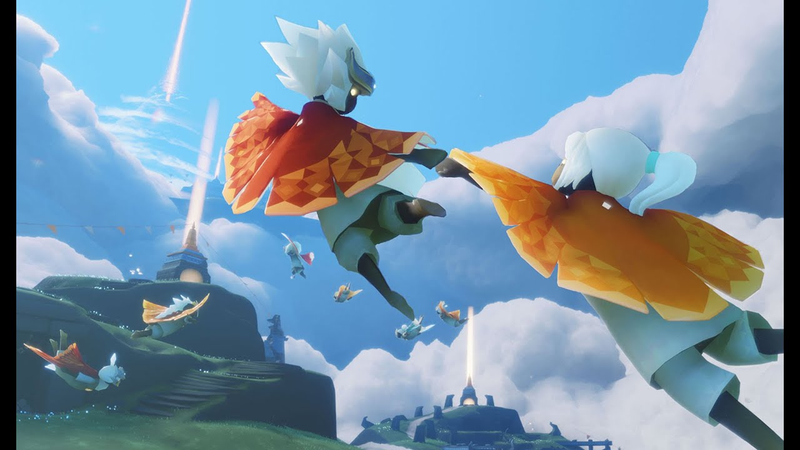
right uh you guys made like this crazy shift um double down on on phone being like the future and now slowly it's it's looking to release on on the console on the switch right so we would love to kind of give some uh it get some insight from you about that that that that journey of uh from mobile to now like what somewhat you know surprising somewhat not surprising was this always part of the game plan uh for growth for the game yeah of course um so i actually joined that game company sky right before they went out to beta or um yeah right before beta so it was relatively early on the game back then was nothing like what what it is today um and
you know when i joined they just kind of uh you know shared the news with the world about what kind of game they were working on um and you know i came in not really knowing that it was a mobile title uh because all the previous ones have been consoles and um you know i've always wanted to work on consoles uh and you know i think at first i was a little confused but um but the first thing i did when i you know when i started working was i just i played the game and i asked a lot of questions um and one of those questions that i asked different people around you know in the studio was that why why is it mobile and why are you know what what are your thoughts on it and ultimately i think i kind of came around and understood where they're coming from and the main reason was being you know
um we want to create something that could be played by anyone that has a big reach and um phones just happen to be a device that a lot of people own right and um you know not everyone has access to phones and tablets but um there's definitely more people that own phones than they do a playstation um or an xbox or even a pc right so um you know i thought about it and you know if there is a game that i could play with my mom or dad who don't play games ever phones would be the only way to play with them and you know when i started thinking about my family that's when i was kind of convinced that might be a really interesting way to go about this um and i know we did hear a lot of feedback from fans and um
supporters um people that were interested in this game that they wanted on a different platform why does it have to be on mobile um but our studio kind of stood by our beliefs that like games could be for everyone it should be for everyone um so you know it's been on mobile but i don't think i think of this as like a mobile game um it's just mobile just happens to be a means to an end and you know with switch um i think switch is just like the a wonderful console to have release on um after the mobile um because it's so portable and um i feel like they're they're relatively family friendly too um it's it's it's a console but it also does feel like a phone in a way it's just i think the portability probably um kind of contributes to that and um our entire team is so excited they've done such a wonderful job on
making this come true um everyone's been you know crunching to get this done and it's kind of finally done um and you know now we get to kind of see our game on a full screen tv it's it's pretty amazing um but you know our platform choices aren't exactly i mean we do have to think about the platforms but like it's it's coming from a standpoint of like how can we connect to people how can we connect as many people friends family together rather than um which console has the most audience or which console it's best suited for um so in that way i you know everything feels very very natural to me um and i think i think we did a good thing that it's mobile like i think we maybe have created something um created a space on mobile where people can kind of find different kind of
entertainment and enjoyment um out of what they can do especially in you know hard times like during during kobe pandemic so um yeah well uh i mean we're we're we're in that kind of weird phase right now not weird but exciting phase where we're transitioning out of the pandemic right i can see that you're still at home a lot of remote people are slowly crawling their way back in the office some studios are doing the hybrid thing some studios are uh completely leaving it up uh to the to the artist developer whether they want to do it full time at home or or not um at the same time you know we the bedemic launched two new consoles right there's a lot of exciting things that are happening with all types of engines and upgrades uh without having you know i don't want you to pre-maturely announce anything but what are your general thoughts of this
transitional phase is that game company still remote like is are you guys still hybrid what's the what's the for the next year okay or for the foreseeable time um wow um it's a pretty long time um and i think because america might be like the one of the few countries that's finally opening up but you know the rest of the world is not necessarily you know fully open um so that's kind of interesting to see what games can offer um you know for those for those countries and players in that country um but yeah i i have a love hate relationship with working from home i think if you know maybe the one great thing that comes out of this pandemic is for companies to be flexible about having a hybrid hybrid you know system that would be a beautiful thing for me but um i like working in the office i love
seeing people and i want to collaborate with them and i think especially when you create artwork it's much easier and much more productive to do it in person um you don't have to go through the typing and communicating it's really hard to communicate visuals and feelings over over text sometimes right it's just much easier to see it in person but when i'm wearing a producer hat it's much easier to just work from home just take meetings and heads down and get get um stuff out of the way and you know that's probably why i prefer a hybrid structure but um i think everyone feels differently and um i hope you know companies do kind of recognize that even if people do work from home we still get our stuff done and people will be bored out of their minds if we don't do anything so we'll we will be working and we will be responsible but i think the companies have kind of understood that um that is the case and people
make it work so um yeah i can't really speak on behalf of that game company but that's my personal feelings about working from home and pandemic yeah i think a lot of developers now are there's a good mix but i think most developers are still in that traditional development cycle of like here's a pre-production here's the release date right so with with scott you guys went to the game as a service uh model i would love to kind of hear that type of production cycle and how it differs from your preview experiences like what made it unique what made it i would say assurable it's the more the mobile side of thing it's like we're making money we're kind of okay we don't have to pray in three years that when this game releases to hit it's
a hit so everything we do now is an extra boost of strength right we'd love to kind of hear your thoughts about the the difference that you're seeing as you're managing this project and as you're kind of seeing the growth yeah um this is an interesting question i haven't really thought about it um it's also the first live product that i have worked on um i don't know when we launched we were going to succeed or not right i think the entire team was um you know we were like maybe this entire team will disband i don't know if it got there but i definitely had kind of thoughts about like oh no what's going to happen um but you know now that it is successful and now that we have to you know we're expanding like crazy um that we're we're hiring um and um you know we have you know we have to make the product a float but we also have to keep the team afloat and
that's been really interesting it's just really interesting to see um a studio and a project go from is this gonna be okay to oh my god we have all these plans lined up um all within two years of launching right so um you know i think as someone who is kind of involved in production you are seeing a tiny indie studio where everyone's wearing multiple hats to a studio a mid-sized studio that needs structure and you know hierarchy and i think introducing that could be very tricky um but you want people's voices everyone's voices to be heard but when you have a hierarchy when you have structure some of those things will get lost people will not know what's happening throughout the entire studio we you know we would start becoming specialized
um and you know i think we're still in the middle of that so i can't really say how you know i i can't say if it's working or not working um you know we're like uh we're in our little you know teenager phase of a company i think um and it's it's a first for me as well um because i've been interested in indie since graduating and i've um i think that's where the cool cool things do happen interesting ideas get experimented on it's not you know we're not trying to do like a cookie cutter um kick out our game and at the same time huge risks come along with that too so you know i think now we're kind of having to transition into not to see a cookie cutter but making sure that everything
works and we have a structure while trying to keep that spirit of um what's something interesting what's something new that we can do what's something um that can what something that we can make that could still continue to move people not just end up being like a daily chore or something yeah i think being part of something uh at the early stages you know before the i don't know of the succeed and and and being a part of that ride of like were crazy successful it's such a rare time to be at a studio in a project right it's such a rare thing and when you do kind of uh experience it that it's uh it's going to be transformative in a huge way you know for the company to grow for the project to get better you know things have to grow and uh yeah it's a crazy ride i think in all because you're kind of
finding yourself maturing as a manager right you're you're managing a lot more people which means you have less and more hands time hands-on time on the project itself um and uh i don't think that gets talked about enough because i think a lot of people have been on successful projects before but it's like you know you're working on the sequel right so you you're not part of that small group that made it happen it's kind of like you're already a sure success right so yeah even myself i haven't really been part of a small team then it became a hit before it's more like i've been on on successful sequels i don't know if that even hit me yet that's pretty rare that's really rare to be part of the uh the rocket basically of the first rocket yeah so um just to give an idea what was so when you joined the team how big was the team
i think right now maybe we're maybe a size of 60 to 70 including contractors we just have new people joining every day now which is really exciting i don't know their faces i don't know their voices i cannot wait to meet them um just wait till they ask you like are you new here it's like what i've been here since the beginning yeah and maybe like an interesting um bit of information is that if you go on with that game company website um and you check out the team we sometimes have caricatures of our you know our full-time employees and it's actually listed in the order of when we first started working so it's really interesting because when i first started when i was at the rock bottom and i was like look at all these people cool people that i'm working with and you know now that people have like come and go um it is a little terrifying that i am you know one of the earlier members now too um especially at you know at that game
company it's a little syria yeah yeah you're the person now that when you enter the the coffee room everyone's just she's like [Laughter] you're the manager now i was like in that sense no but there's there's no hierarchy in that we're all very you know we all respect each other which is a beautiful thing i mean at least i can only tell you about the art team but um our team is our argument yeah our team is usually pretty cool engineering well that sounds great uh i i think the last question i really have for you is that um you know everyone's obviously looking forward to it to any future updates with the game itself to the the release on nintendo switch i think would be huge uh are we i guess can't really reveal anything what's next
but like you know you're on the trajectory of eventually wanting to be an art director of your own project right and i think we're all looking forward to to seeing what that is i know you talked about this before saying that you have a lot more to learn but i'm going to ask really how much more like what are we talking about here what what threshold do you have to cross before you feel pretty confident to march into genova's office and like i want to art terrain like how far are we like what what are the what are the uh goals that you have to hit before you feel like i can take something on um you know i think maybe maybe what it is is you know i have um i'm i'm still in the middle of forming my beliefs of what i want to make right like right now i still feel like i'm piggybacking on this game that have inspired me and changed my life
and if someday i'll you know if i get to form a strong like solid belief of what i think games should be like and what interactive piece should be like and being able to stand my ground and have the art skills to back it up that's probably when you know when i would start feeling confident i think about you know what i've done and how i feel um and i think that's a pretty difficult place to be because um to kind of to stand up for your beliefs and kind of be able to back it up um that's hard to do even when it's not just a creative piece just just any little thing in life um i think it's it's hard right dude um yeah trying to live your life the way you wanted to is also really
difficult and i think um that smaller a smaller version of that is just um trying to you know trying to create what you want without um compromising too much um and i think you know like that's that thin line like that the fine line between you know being a dictator versus like a good leader is also um that's difficult i think and um i think you know with when it comes to people um i think you can never stop learning that there's just gonna be just so much and um i don't think i'll ever stop feeling like i have so much more children yeah but i i think uh it's a lot of weird people that's what i say uh so there's a lot to learn from these people yeah and learning
their kinks they're they're what upsets them what makes them happy and it's a constant uh juggling as a matter of fact everyone really is different yeah and for you to be successful is to kind of balance those differences and still you know aim high and get the project complete so yeah i completely agree with you that's gonna be a never-ending journey when it comes to that um but you know we made it through an hour uh so that's a journey in itself and i want to thank you for your time and come coming back since g ducks basically uh to kind of go a little deeper uh because last time he still kind of you know he talks a lot right he kind of steals the spotlight so it's great to kind of it's got a good title to you ray uh about your story and learn about you know uh specifics about your own career path uh this is the part of the podcast where i actually shut up and give you the mic to gonna give the listeners out there awareness anything that we would talk
about any cause that you want to give attention to uh any website any twitter handle that you uh are comfortable giving so that people can find you uh this is the chance to to kind of share that information oh of course i mean that's a lot um but i'll just start off with if anyone does want to talk to me or reach out to me directly you can find me on instagram or twitter at heartbreaker of the reika part being my name at the end and yeah i think you know there's not much that i can give to like veterans in the industry but especially for younger developers i would love to be your help and you know finding people and finding connections is really really difficult so you know if any struggling artists or developers are out there and that you
want someone to talk to i am i'm here so feel please feel free to reach out and i'd love to be support if i could oh don't say that everyone's gonna raid your inboxes now you said you would i'm also yeah i'm also really bad at responding to messages so if you know if any of these dms are you know more specific than if it's more crap if the messages are crafted in a way that i can easily answer instead of like hey just can i get some help like what do you need help with right um and you know my experience is also limited and you know if anyone that wants to give me advice like please um i would love to hear from you oh no now you're over you patched that hole you kind of dug just saying like i don't get back to you this quick now you're opening it up all right so before we uh bombard your inboxes with questions i want to again thank you for spending the hour uh with us and then sharing your story as always
super educational i've learned a lot as well as our listeners but that's pretty much it guys thank you for joining this week and i'll see you guys next week [Music] you
Summary
The professional landscape for game developers is defined by a complex intersection of creative ambition, systemic regulatory barriers, and evolving workplace dynamics. For international talent, navigating immigration frameworks such as the TN visa and Optional Practical Training remains a significant hurdle that limits professional mobility and adds unique pressures compared to domestic peers. Beyond these logistical challenges, the industry continues to grapple with gender-based biases, necessitating the cultivation of robust professional networks and firm personal boundaries. While representation for women is gradually improving, particularly within smaller, agile studios, the persistence of imposter syndrome remains a common experience that often signals ongoing professional growth rather than a lack of capability.
Strategic development in the modern gaming sector requires a delicate balance between technical accessibility and creative vision. By prioritizing mobile platforms, studios can maximize reach and foster meaningful social connections, a strategy that remains effective when expanded to portable consoles like the Nintendo Switch. As studios transition from small indie teams to mid-sized organizations, maintaining a cohesive creative culture becomes increasingly difficult. Successful scaling requires the implementation of organizational structures that support live-service demands without stifling the experimental spirit essential to artistic innovation.
Leadership in this field is an iterative process that demands a well-defined creative philosophy. While remote work models offer efficiency for production-heavy tasks, in-person collaboration remains vital for high-level artistic development and visual communication. Aspiring art directors must therefore focus on bridging the gap between individual artistic contribution and organizational leadership. By fostering inclusive environments and embracing the complexities of team management, developers can navigate the transition from creative execution to strategic oversight, ensuring that the studio’s core vision remains intact throughout periods of growth and operational change.










Comments