1 free read left. Create a free account for unlimited reading + AI research.
Create free account
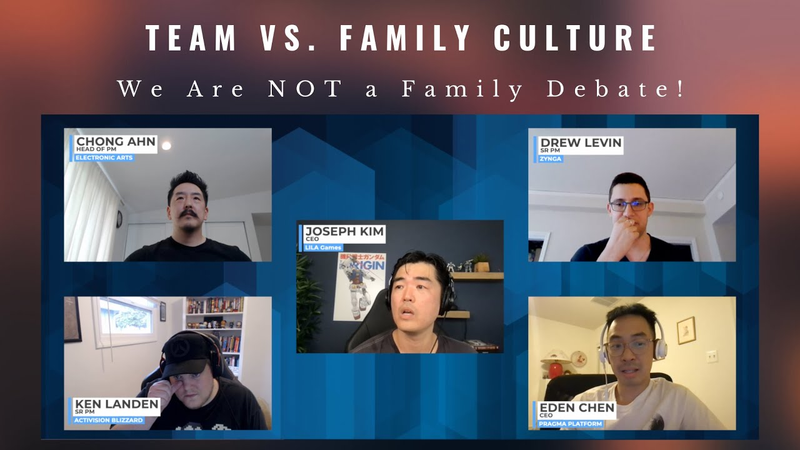
We are "Not a Family"🖕 Companies as Team vs Family DEBATE
Key insights
6 takeaways- 01The choice between a team or family framework should be dictated by an organization's specific growth stage, industry, and mission-driven goals.
- 02The 'sports team' model, utilized by companies like Netflix and Coinbase, prioritizes high talent density, objective performance metrics, and clear accountability to maintain competitive agility.
- 03Effective organizational culture is defined by consistent leadership actions, transparency, and defined values rather than the adoption of specific labels like 'family' or 'team'.
- 04Leaders must explicitly define expectations to prevent toxic behaviors that often emerge when employees conflate their personal identity with corporate culture.
- 05The 'family' metaphor, while fostering interpersonal connection and loyalty, carries the risk of masking exploitative labor practices and hindering necessary performance-based feedback.
- 06Organizations must balance the rigorous demands of high-performance environments with a commitment to employee dignity and professional development to ensure long-term health.
Ask AI about this video
Transcript
hello everybody and welcome today we're going to be talking about potentially sensitive but important topic related to company culture and that is the notion of companies as described as a family or as a team and recently this concept was repopularized by startup ceos like coinbase ceo brian armstrong when he wrote quote as compared to a family where everyone is included regardless of performance a championship team makes a concerted effort to raise the bar on talent including changing out team members when needed and shopify ceo toby luki also made headlines recently when he emailed his company stating quote shopify like any other for-profit company is not a family the very idea is preposterous you are born into a family you never choose it and they can't unfamily you it should be massively obvious that shopify is not a family but i see people even leaders casually use
terms like shopifam which will cause the members of our teams especially junior ones that have never worked anywhere else to get the wrong impression and the original popularization of this concept as far as i know was based upon netflix when they published their culture document and on one of the slides from that presentation though they wrote we are a team not a family we're like a pro sports team not a kid's recreational team netflix leaders hire develop and cut smartly so we have stars in every position so and again recently the the whole silicon valley meme thing happened again and everybody's been talking about this and it does seem that this has kind of struck a nerve with a number of folks and where this has been repopularized but i thought we could start by i know drew when we were first kind of talking about this you had mentioned that maybe we should actually define what it is right because i think that when people think about this notion of
family and this notion of a team they think about it in in different ways so i i know maybe jude you want to start by talking about when you think about family versus team what does it mean for you sure so thank you for for putting this this conversation together i think it's there's going to be a lot of fun places to take it so i think when when those ceos are talking about it right part of why coinbase came in for such a large amount of criticism is they weren't just talking about like oh we're going to like hire based on merit fire based on merit and like do whatever whatever else it takes to sort of raise the quality bar of people at our company there was a subtext to that right there was a uh actually i mean there was a pretty plain text to that of we're not going to talk about certain social issues we're not going to be a values-based organization and so that doesn't have any any place here at coinbase if you don't like it
you can leave right and there was another i think it was uh the work productivity software place uh base camp where again their leaders were just like yeah like we're not a values place if you have values uh don't expect them to be reflected here you can leave if you disagree and then a third of their people left uh and so i think part of it is do people want to work for an employer that explicitly or implicitly socially or formally reflects their values right i mean this is going to be a very american-centric perspective um i'm an american-born race in america and so sort of immersed in sort of all the stuff that that entails but there is a growing political gap in america today and a lot of people in urban coastal areas have certain predominantly held values that they prefer their employers to share and so when their employers say
yeah we're not going to we don't go in for any of that uh it hits a little bit differently when employers say yeah we do go in for that it matters to us and we consider it right like even stuff like that all the work that organizations do or don't do on dee and i right like that stuff matters and i think that that plays into discussions of team versus family even if they're not coded as we're a team or we're a family and so that i think is part of it another part of it is how do we um hire people and how do we make people feel about their their relationship to their workplace into their cultures and i think this is the other really salient bit it's maybe a little bit more of the text between team and family right on a team um you're the best or you get cut right sort of to your to your example of the netflix culture doc um you hire the best people when they're not the best anymore you let them go you treat them with dignity always but um it's okay to cut people who are
great but not at the level that you want in sort of a more family oriented organization i would expect that workers expectations are i am going to go above and beyond i'm going to form social relationships in the office there are going to be sort of extracurricular components of this job whether it's you know i expect you know ping pong tables drinking at work staying late at work catered meals whatever the sort of blurring is between the personal and the professional that you get benefits in exchange for giving a little bit more of yourself a little bit more of your time um and forging connections that are then a little bit maybe harder to break on both sides and that that gives employees leverage because um they are going to rely on that to some extent when uh maybe they underperform that
other co-workers are going to say yes but like they're a good person i like them we get along well they're good for the the team in the side or the other way above and beyond just like are they by the numbers you know top performer and it it benefits the company because they get to you know free roll or not get a bunch of people to work themselves substantially harder than someone who says we're a buy the books nine to five company uh we're gonna count your hours and we expect you to count your hours too uh and you know we want to hire the most productive people you know here here are the lines between personal and professional uh if you want to be friends with people do it on your own time you want to play games do it on your own you want to drink beer drink it at home and so there are some clearer and blurrier distinctions that i think come in when you talk about this kind of stuff okay and drew you brought up a lot of fantastic points and before we kind of dive into them let me back up a little bit because i forgot to
introduce who we have here speaking to everybody so first uh we have edan chancey of pragma also drew uh you drew levin at lead pm at zynga chong on head of pm at electronic arts in ken landon senior pm at blizzard so we've got a good cross-section of folks from different game studio companies and so just wanted to introduce you guys first and in terms of the points that you raised i thought you did a great job because yeah it so the way that i kind of opened and kind of characterized it i suggested that the that the focus was more on performance but to your point it is these other issues that have an association with with t with team versus family right so you brought up other points such as you know do you talk about values or politics at work which was a huge issue during covid and then with issues like the the not just the performance aspect but you know how do you compensate people at work is it just performance-based or are there other factors that
that come into play and so ken chung or you didn't do you guys want to give your perspectives as well in terms of what it means to be a team versus family based company um i can i can get mine um and before i forget it's one of the things uh drew mentioned there talking about coinbase there was a point in the claim-based article in which the ceo explicitly stated that if the if the if like the politics of the world mattered directly to the core business line then they cared about them so like if so if if they felt like uh advocating for social justice was financially strong for their company then they would do that but outside of that they wouldn't and i think i think that kind of like struck a nerve with me i mean i because i understand it practically from a business perspective but at the same time it talks it speaks to me about a misalignment between fiduciary duty and the goals of
your employees because the reality is that the goals of many employees is not just make bank you know it's not just make as much money as possible they want to have i mean there's everybody's different everybody has different goals i'm sure most people will have some sort of goal of financial security and again to drew's point earlier we're speaking from like a western perspective of we make enough money so therefore we probably don't care like fully about money but there's plenty of people around the world who need to work to have you know the paycheck to pay rent um i'm speaking more outside of that there's there's lots of different goals i don't think i don't think many of us on this call would want to work on a company where the sole focus of every single person the entire company was the dime because that means that we're not like really human being human is more than just making money you know you want to you want to at least feel like you're a good person so when you hear your ceo saying you know we don't care about these things that that hurts you know and it's not necessarily we don't care about these things they're saying our company cannot care about these things because we are a publicly traded company and i think that's really to do
netflix's point as well and that's coinbase's point when you become a publicly traded company you're legally obliged to do this so like there's there's no moral gray area there at all it's you do this or you don't so my my real thought here is now what space is there to still allow family you know structure in there and levels of trust that i would i would uh i would assume a typical family structure would have i kind of brought this up to my wife earlier when i was talking about about doing the podcast and i asked her what is in her mind what is like the idea of family the core tenet and it really is loyalty it's like no matter what you do at your in your family you're expected basically to just bond together if i have a child and they're like dumb i don't just cut the child you know to the point in the coinbase ceo made that's just not something that happens and um you know words matter so when you have a ceo say you know we're part of a family if if it's not really felt in the company then you're
gonna just start losing trust every time you say that everybody's just gonna be like oh this guy's full crap we're just over and over and over it starts to feel disingenuous um so yeah there's there's a i think later on we'll talk about like where these types of things are appropriate but um you know most companies know that we're all part of this it's just not not appropriate all to call it a family and and i actually do like um the pro sports metaphor because i can get behind that i could get like and i can get behind it because if you're in a you're in a company that has super high levels of trust and everybody that's there knows that this is about performance like the people who work on netflix know the system they know the expectations it's very explicit and it's highly it's a high trust organization and the only way you can really make that you know sports organization analogy work is just everybody believes they're like a you know the yankees pitcher they're making a million dollars the best person out there to do this role um you know right so so ken based upon your comments
i a few things kind of came up one was a concept that we hadn't talked about but that's being mission based as well right and so i think one of the things that brian armstrong mentioned is that they are more of a mission-based company on top of being more team oriented and i think that in terms of fiduciary responsibility those things may not align in every case so for a good example of that is tesla because tesla's goal is not to make everybody rich right it's basically more towards energy sustainability and so like you saw the recent decision of elon musk with bitcoin for example it's not financially good for him not to accept bitcoin but he decided not to even though they hold one and a half billion dollars of bitcoin because he's choosing mission over you know a financial outcome for example so the second thing i thought that you mentioned that was interesting is that you know in terms of family i'm not sure if it's
if if it's entirely the case where you can't have a company where if somebody's performance is impacting the mission where you wouldn't cut that person right and um i don't know why but kind of like this this image kind of came to my mind where i i remember the story i think it was from this guy named wayne dyer who had talked about the story like actually like nazi germany where you know there was like a jewish mom with with a family and they were trying to hide from soldiers and her baby was crying and she actually had to you know kill the baby so that they wouldn't be discovered and so in that sense you have a family but you might have to sacrifice a member of your family for the greater good for example so i that was one other thing that kind of kind of came to mind as as you were talking and i thought the um there was one other point but i kind of forgot so before so until nate until i remember eden or or actually oh the other thing that that i was thinking of was in some companies this notion of whether
you are a team or a family based company is clear right it's clear at netflix what kind of company you are coinbase has made it clear shopify has now made it clear and so chung on at electronic arts is it is it clear i mean or maybe maybe i should ask specifically about your company or what are your thoughts and and is it is it clear for you at your company or at companies you've worked at whether what what the attitude or what the kind of orientation of the company is so i won't speak about ea i'll just speak generally i think about my experience and i've been at early stage startups i've been like employee number three you know 13 33 so pretty early on and i've seen them scale you know pretty far and you know i've had bigger publishers like ea you know ubisoft things like that right but what i think is really interesting is you know i'm not i'm not sure if it's necessarily like one model better than the other because if you kind of take a step back i mean because i think drew and um i'm
sorry who uh is it steve who who said that earlier okay oh sorry sorry ken i'm so sorry yeah ken um you guys were both saying something along the lines don't worry about it you guys are like blending um i think a couple topics that i think are really interesting because on the one side you're talking about like you know sports team and family but then you're also talking about missions and values and i think more often than not you know the companies regardless of what size you are you have missions and values that you associate yourselves with and so the evolution of that uh in addition to like family or team orientation it's not static it's not binary at least in my opinion it's not a matter of like it's one model better than another because like let's kind of take a step back and look at let's say when you're early stage you're like part of a founders group maybe you're maybe you're one of the co-founders and you have like super early stage employees that believes in you right there's a lot of missions values like you know things
that draw you together because at the end of the day a business is a group it's a community and so you're trying to align yourself with the community that resonates with you but at that early stage are you writing down your like official company models and values all over the walls and so on and so forth probably not right because you've you know very very selectively picked these people to start a very difficult thing which is to start a company and you're holding yourselves accountable to that because you came together as a community to form a thing and so at that early stage could you say that they're more family-like probably but look at all the vectors that you have to think through in order to get to that state right you you were very selective in who you you know chose to be part of that group and who you're inviting in because every person at that point matters but then let's say um you fast forward you started growing now your company is a hundred people 300
people especially like you know pre uh you know post kobe like you know in this era well the idea of team then kind of starts to make a little bit more sense right because how do you align that many people that many you know contributors without things like company values you know having a certain perception about the role that they're playing how do you you know grow them because ultimately if you're a business what are you in the business for probably to you know shape the world you know have some monetary benefit so on and so forth so i so high level i think it's very fluid based on the evolution of where you're at in the stage of your company right so if you think about it as a community as evolution i think there's a lot of things that kind of come out from that that you have to be really cognizant of and then the other part uh i i think it was ken that you also said this or maybe it was drew around um like perceptions around like values as it relates to things that may not be related to the business mission
but maybe as a person i have certain values if you take a look at a bunch of studies that got done especially with the younger generation i mean i'm going to show my age here i'm an old dude so for like the younger generation of workers millennials that are coming into the workforce right they have a i think a different expectation when it comes to employee employer like social contract right like so i think someone mentioned something along the lines of like loyalty i think ken maybe you said something about loyalty which i think is super admirable when you know individuals come into a company they like the people they work with you know they like the mission of the company and they decide to stay at that company for 10 years 15 years whatever but if you look at the whole new generation of workers coming into the workforce what are they expecting the young people are anticipating and you know expecting that they're going to go work for a bunch of employers right and they're going to be demanding and a pretty enriching experience at every stage along the way because they want diversification they
want to experience a lot more things this is like i think a 2016 like deloitte report that they wrote about on this and so individuals are doing this now because they're trying to accelerate their career growth they don't want to be at one company doing one thing or in a particular department they want to bounce around learn a lot of different things really become and kind of like find their north star so having things like complete compelling and like flexible workplaces um sense of purpose and mission which again will ebb and flow depending on where they're at in their professional career i think these are all really important things that as managers as executives as you know studio leaders you have to be very cognizant of so ultimately where do i see that going you know family versus team if you have to pick one depending on where you're at in your stage like for me if i'm at a big big publisher i'm expecting much more of a team orientation
because it allows us then to have really clear guidelines that are you know data informed especially when it comes to performance and with business objectives that we can actually measure up against and i think that creates a healthy environment because your main mission when you're at a job when you're working for a company is to get to a certain outcome all those other things that you might bucket into the family category there's nothing that says that you can't do that per se right i can still have strong you know personal relationships with co-workers of mine i can go and grab a beer with them after work you can still do all those things as a team but ultimately when you look at what's your north star and what are you doing things for the team orientation at least makes a lot more sense to me because uh for all the things i just said right i think it's interesting when you think when you talk about stage tongue because like i think the other thing that maybe a slight nuance here is that
if you are a big successful company then you can act more like a pro sports team because you're bringing in pros and you're just kind of operating against people who are very experienced but if you are a younger company or you're hiring inexperienced people and you have to train them then then it's a little bit in my opinion it's a little bit of a different situation and i also think that pro sports team analogy is something i talked to you guys about before is a little bit interesting though because you we have all these silicon valley tech nerds saying hey we should be like a sports team but when you talk to some of the sports teams they're like join our family right so the sports guys are saying we're a family and like the tech guys are like hey we should be like the sports guys like a sports team so it's it's a little bit interesting and eden so you are the ceo of your own company i think you've raised like i don't know 100 billion dollars and you're kind of establishing the
culture of your company what's going on through your head how are you establishing these kinds of things is this something that you even think about or are kind of setting setting up at your company yeah so i mean i i think i want to distinguish i think we've talked about it several times but the difference between performance and sort of some of these social issues because i think this is where i think that line is where i think there are taking like something like performance i think like i think a pro sports team is a great analogy uh for that and that netflix had that great culture document i think and then i think what the brian armstrong and the base camp piece did was sort of try and evolve the concept of what it means to be a sports team and say well that also means that you can't have conversations about politics and those types of things i i wanted to distinguish the two because i think when the original piece was written i don't think they were thinking about um
some of those other topics and they may have been but i i think i'd always read it as more of like a performance based thing and i think for us i think it's absolutely something that we think about in terms of um like a team so like something that we do is we have levels that are published in our handbook um and it lays out what comp looks like uh for those various levels so what that means is that there are some people on our team that are paid more than other people and um what you would know about any sports team is that lebron james for example is going to be paid better than some other person and that's actually a very uncomfortable thing to have a conversation about to think about that there are certain people that may be better than other people and i think we struggle to have those conversations but we try to be very transparent about it and hey it's this is about we're on a mission to
create something um there are people that are for whatever reason they may be more talented they may be more experienced they may work harder that are on another level than some other people and that's okay and that's actually and we actually are very against sort of like a up or out culture i'd say um which i think a lot of other um and and in a lot of ways i i actually feel like from a cultural standpoint i lean a lot more towards like a family mentality and this may be um what china was saying more around like we're early and you have some of those elements where one i think it's ludicrous to um to think that at the end of the day people won't end up staying at a company ultimately because of the people that they work with like if you hate the people that you work with you're probably going to leave your company like it doesn't matter how like what you're building or how mission focused it is or whatever like so and and that's a huge challenge when
it when it comes to we started the company in january of 2020 in march everything shut down and you know we're a full remote company and we actually did not intend to be a full remote company either we just got opted into that and and you have real issues around like hey if the number one reason why people stay in their job is because of the people they work with then how do you create some of those deep linked relationships and you know so we're you know we're trying to we're flying the whole company up to seattle uh in mid-july uh and a bunch of people are gonna meet each other for the first time so we have to do things like that um i mean like mental health was a huge issue during um during covet and we had several instances of that uh that we you know had to deal with and i think there's a family side of that for me where i think if someone has made a sacrifice and they're and we believe that they're talented and they have the skill set that is a right fit and they're going through a rough patch
for example coven was a tough time like do you drop that person because they're not performing for for a period of time like i don't think so i think for me i think there's a level of like hey if i believe that this person is a good fit and they're just going through a rough patch i want to help that person work through those those issues so i think those are there are like lots of um and i'll say just in general like as a startup the number one thing that i have to convince an employee of what i hire them is stability like it's i read that you know in the netflix culture document there's something where they say hey some people go to a job because of stability and that's not if you're looking for that then you may not be a good fit at netflix i'm like that's crazy like there's not one person that i've tried to hire that doesn't care about stability as like a top you know three or five point consideration and as a startup like that's everyone's
nervousness like oh how much funding do you like it is like hey like how much money do you have what's your runway those are the types of questions that i have to answer like off the bat so um all to say that i do think that there are like a lot of family elements that i think are important around loyalty um you know especially during rough patches around relational connection and how to create those things especially in this remote environments around security you know security and those types of things and then the social contract is the the social issues that that we brought up i think that's a whole other thing um i'll just spend two seconds on this because we could probably get you know much deeper on this but i'll just say that um i do think like you know public companies their goal is to create shareholder value and so i i don't think that always means that they can't do things that are mission driven because sometimes those do create shareholder value over time
because people want to work for companies that do great things for the world ultimately um so i think again like the tesla example is a good one that maybe they feel like by being mission driven they're creating shareholder value even though it's not financially or fiduciary in terms of like the direct relationship but i think like uh i think the big things that rub me the wrong way with the brian armstrong priest and some of the other pieces are around like giving people the ability to have those conversations there are many many examples i'm sure of like toxic bad like conversations that happen in the workplace so i can understand like maybe how they got to the point where they're like we got to cut this off this is crazy but like people are going to have those conversations regardless like and it's such a point of privilege to be able to come in and say hey we're not going to have conversations about racism and like you have like whatever somebody in your organization that's constantly
facing you know harassment whether they be like an asian american or african-american or someone that's you know going through something that's just crazy they need like there needs to be a place to have those conversations and i think it's just such a privileged position to try to come in and say you can't have those conversations and it's crazy to think that that that'll even discourage people and like not allow those things to happen anyways so i i just like even with the social contract i want to separate the two and say like i absolutely think like you need to allow those conversations not even those just allow it's like those conversations are gonna happen no matter what maybe there's boundaries for like hey like we don't like you know we need to not create a divisive workplace in terms of like um just hating someone because they have a different viewpoint as you and trying to be accepting of other people that have different points of view but like you can't shut that down that's crazy yeah you know i thought one interesting thing that you talked about is having your
kind of like publicly well i guess i don't know how external you share your your comp information but you know i think theoretically it's obviously very cool to say if you are a high performer you should get paid more and i think google and facebook have done studies that showed that you know they shouldn't be paying people kind of linearly right and so they've actually paid people more towards the value that they bring but i think the challenge with that is just in terms of how do you evaluate people and how do they accept that valuation because if you ask like five people on a team how much did you contribute to the success of the product and you're gonna wind up with like 10 000 right because everybody always thinks that they contributed more than they actually did and so how how do you like uh you know kind of align the different expectations and things like that i mean yeah no i think like i mean for us because we're so early a big part of it is like how we level somebody at the in the hiring phases and i think that's
a little bit easier because um you know we go through a somewhat as objective as we can make it interview process in terms of like we do a pair programming tests whiteboarding tests like um in various other kind of culture fit tests and we try to rank um you know folks in those various categories and then we try to come up with a level that's associated with that i think there's a lot of pros and cons for this we i we thought about it for a long time like we we post uh we have four levels today and we'll probably need more at some point and we'll need to make it more sophisticated we post the salaries of all four levels so you know which level that you're in when you get an offer and there's really like not a negotiation like here's another thing that we cared about too as well because there's a lot of bias like and there's a lot of studies that have shown that there's tons of bias when it comes to like when you allow for people to negotiate because certain populations may like the studies show that men
would negotiate more than women and so like men would always get paid more because um employers would you know give in on you know certain things and then there'd be bias that was um implicit in that pay so we wanted to just say like hey we feel like this is we're paying like very very well we're paying like top of the market we feel like this is where you come in like if you think you're better than the level that you're like placed at then um maybe this is not a great fit um or like maybe you just think your contributions are greater than we think they are right now that's not a good fit again these are really hard conversations i think um it doesn't mean it's easy but i think people do need to be able to mature have a mature attitude towards like this is a team at the end of the day and there are people that are you know going to be you know more experienced or more skilled in certain ways and that's okay and doesn't mean you can't come in and excel um and and and and jump levels but we but we're not going to come in and have people negotiate on certain things and
part of that is we do pay people very well at the outset um and like we did raise a decent amount of funding and we're able to to do that and so we're not feeling like but but yeah i mean there's always like a level of like yeah of course people are trained to sort of say you should ask for more and then that that's created a lot of um weird stuff where like there's an expectation that the number that you're given is going to be whatever 10 higher because um you know because people have been trained that way because companies like whatever and what we try to say like we're not under i think companies expect that sometimes so they pay people less expecting that they'll negotiate there's all these like weird games that are happening and we just like don't really want to be a part of that so anyways that's i mean maybe a separate conversation but yeah any other comments before we jump to the next so i i had a few things that i heard in eden's points that i wanted to touch on so one
around the the point of evolving the the sports team metaphor to touch on like we don't we don't talk about values here so very timely actually i watched uh the playbook on netflix over the weekend right all five episodes are all incredible first episode is doc rivers part of that episode is doc rivers on the clippers when the donald sterling tape gets released donald sterling tape for people who don't call basketball just like owner of the clippers uh saying some just like abjectly horrible racist about magic johnson and the woman that he's talking to posting pictures on instagram with him um makes it very clear that he holds some amount of animus towards black people and so it talks about how doc rivers the coach of the the clippers while they're like getting ready for a playoff game is going to deal with this and it's a very human sequence that they talk about and so i think that that sort of gives the light to the the
notion that you can't talk about values or you can't talk about social issues when ultimately the result of that was the clippers protested in multiple ways around that two donald sterling basically got the nba's version of a decapitation like forced to sell the team one of the only like major league owners in us history to get pushed out of his league uh and dr ruth talks about in that episode how he managed media attention to protect his team and keep the media spotlight on this owner that he wanted out of the picture i thought that was an incredible story of treating his team as i mean if not like a pure team certainly something closer to a family right like the the language he uses the the emotional sensitivity he displays is just like i i don't know how you look at that and you're like oh yeah no just like heartless only cares about performance
like of course he he treats these people with an incredible amount of dignity and sensitivity um that's one two talking about sort of margins and making money and fiduciary responsibility especially with public companies right i work at zynga worked there for the last two and a half years a year ago right in the middle of a lot of different political currents zynga announced a 25 million dollar over five year uh pledge for um a couple things i'm reading off of this this venture beat article from a year ago so um the the fund is directed to educational and charitable purposes over five years increase dni within zing and the games industry and then touches on sort of what it's going to go into but it's like cinco's if it does like five five million dollars a year against zynga's ebitda is like not around here
this is a company that cares about marching that cares about sort of the our financial success and measures it in terms of annual revenues and and profits and yet here we are giving away 25 million dollars a year to causes that we believe in and so clearly there is there is overlap between being a public company and giving back to communities and living your values and backing that up with money and uh going back to shaun's point around employee expectations right part of what it is to be an employee at synga is to have access to employee research group sorry employee resource groups and so there are resource groups for uh the lgbtq plus community there are resource groups for the asian american pacific islander community there is an employee research group for the black community there are employee research
resource groups for parents and so on and so these are examples of company and a company that treats their employees as not just lines in a spreadsheet that have value they get paid according to the value that they generate and are measured solely against that but really investing in understanding and meeting these people's needs as humans in the context of a workplace and so whether or not you want to compare that to a sports team or not it seems clear that there is some value being perceived by people far smarter than myself who've thought about this way longer than i have where they're like yeah we we can't just treat these people like cells in an excel file and so for whatever reason and we can speculate on it and that is what many companies used to do i think that it kind of brings
back brings me back to um something joe said about athletes or sports organizations treating their their athletes as a family that's the messaging they give out it's like once you once you start getting treated like a vip like uh you are the core essential person to this sports the sports team once my pay brand has been met then everything else this is on top of that is just like vip treatment and to your point there uh drew i think i think there's elements of the family that they're using there but it's really about intent right the intent is i'm keeping you happy so that you can perform for my company to make us money right it's not like i'm keeping you happy because i'm a good guy ceo you know and that's a pretty pretty big distinction um yeah it just speaks to like the different the different ethics there um yeah and i i do think that uh the right the right approach
the netflix is probably doing is you know we're gonna pay you well you have to have money to pay people well right like that not too many companies can pull off what netflix is doing in terms of comp giving everybody instead of you know 200 grand in base and 200 in stock they're just giving you 400 and letting you decide what you want to do with it that's pretty nutty most startups can't do that and i think that speaks a little bit to what um eden and chong were saying like there there's also uh timing here timing is super essential though there's like two two uh two pivoting points that i see for if i'm going to call my organization a team or a family or what have you or some combination of both one of them is our goals you know if i'm like uh if i'm like a wood mill owner in like rural america or something like that and the entire town is set up around my wood mill then i have more you know social responsibility to my town to like operate as a family and maybe people are only buying the wood from me because they see me as like the family wood mill right that's
that's one like business model and goals and so on another side of it is really timing i most uh most startups you know are two or three or four people and they really have super close-knit relationships in and you know sometimes those somebody's you know have has a bad month you know and the the startup in order for the startup to survive they just keep that person on because that person is the person that knows how to run this one bit of code you know we're just like we can't hire anybody else we don't have any money to do that but you know netflix does if if you're not performing you're not you're not carrying the skills they need you to then they will absolutely replace you because they they have all these different systems built up over the years to allow them to do so one quick thing i'll say too on the just on the social stuff because um i remember after the george george floyd incident we we were we hadn't started for uh super long and i was trying to figure out what to do
you know because everybody was like to be transparent like everybody was posting black lives matter on their twitter feeds and whatnot right all these companies and um i was like oh should we should we be doing that as well and um we what i ended up doing personally was i said anybody that uh donates to a um you know any type of black nonprofit or and i i listed a bunch of um you know options uh you know that i thought were you know good organizations doing good work um i'll match it personally um anybody at the company and um i felt like me posting something on twitter was sort of using this moment as a way to like sort of market my company and so it was less that i didn't want to make a social stance because of the on behalf of the company because i gladly would have like posted that but it was more just like feeling inappropr
like feeling like it was an inappropriate place and so like i still struggle with that sometimes because sometimes i feel like again like these funds and these things are great but um and i and maybe maybe i should have posted it anyways upon reflection um but it's just something i thought about was like how much of this is just sort of like companies that are just like sort of patting themselves in the back and they're part of the problem or how much of this is like you know earnest efforts to try to increase um you know diversity in their companies and you know actually you know what are what are folks actually do it's like i'd rather just like do things that actually contribute to more diversity at our company as opposed to posting something on twitter and feeling like like oh i made a statement because i posted something on like a social media website or whatever so anyways there's just things that i remember thinking about all right maybe i could also ask you guys about because when i kind of first posted on linkedin about
like kind of the toby lewkey statements and things like that i actually got a number of dms from people and some of the dms were quite if they felt emotional like of course it has to be a team are you going to keep weak people on you're going to fail if you like it was so like angry which made me kind of feel like there's something more there where and it made me think why do people you know this the post actually relative to other posts that i have got a lot of views and so i thought why do people care so much but it does seem like this specific issue around team versus family as i mentioned before strikes a nerve with some people they feel it's important and kind of like the way that i thought about it is that when you think about your company as a team or a family you know work is where you spend a lot of your time and work is kind of an extension of yourself so i it felt like maybe the reason why people are getting so angry about this
is because to some degree it's also a reflection on themselves right so when you say my company is a team oriented company or a family-oriented company it's saying something about you as an employee as well maybe and it was in to some degree it felt like some of the folks that were dming me really felt like there was only one way and you know i i use this analogy a lot and i also use it in some of our slack messages where i'm like you know why can't why can't there be vanilla and chocolate right i can't you know one company you can talk about values another company it's all performance based another company you know there's another friend of ours brett novak he wants zero social at his company right you just only talk about work and you go home but like so i want to ask you guys you know what do you guys think why do you think that you know this specific concept strikes a chord with so many people in a very potentially personal and emotional way
and you know and why do people why can't we have a lot of different flavors and a lot of different kinds of companies but any thoughts on that guys i was going to basically elaborate just on joe your point around meritocracy and sort of identity right like everyone loves to see themselves as a winner in a meritocracy everyone loves to see their successes deserved everyone loves to make excuses for their failures and so if you just follow the logic of i work at a meritocratic company i'm successful my identity is tied to that then i am successful and i deserve whatever comes from my success people don't want to consider the possibility that they themselves have benefited or continue to benefit from the sort of subjectivity and subjective practices that lead to some people
benefiting disproportionately and that they that part of why they have gotten to where they are in life is because those systems exist they live in them and they benefit from them and that that just has to make people feel so uncomfortable either consciously or subconsciously they're like of course you only hire the best people i was hired that makes me the best and so like it it's a way of not confronting cognitive dissonance anyway sorry go out and talk no no no i think it's a it's an interesting point um but to joe's question i mean i think it's just again it kind of goes back to you know like what what what's your code like what's your vision what's your identity what's your ethos right every one of us has that and when you naturally look towards you know a company or a studio job like you you gravitate towards the things that you align with right and so you know if you're getting messages like that which is crazy by the way that you're getting such a you know related messages like
that but um to some degree it makes sense right it's just like you know like if you're a clippers fan or you're a lakers fan they're going to hate each other you know for xyz reasons right i think it's very similar because people have a you know strong preference um a certain learning and certain experience by being part of a family or a team and they've seen you know results or maybe they haven't seen results so they're going to lean heavily towards one way or the other but you know ultimately i think what's interesting about the conversation is that some companies have come out and just just stated like we are this way they've taken a stand how many companies have you guys been a part of or you've been you know exposed to where you're not sure where they're at right they come up with some frankenstein version of it which is totally fine because they made it they found a way to make it work right other companies are more family oriented i suppose and maybe they work as well
but i think historically if you take a look at whether it's within the gaming industry or other industries outside of that who are like the fortune 500 companies you know how much rigor and discipline and you know like values and professionalism all that stuff how much is that it's there where your organization's kind of like purpose you know using metrics for you know performance driven you know standards um you know like a certain you know employee expectation like all of these things are usually set very well and it's reinforced and disciplined into their workforce and it's easy easy quote unquote because it's just part of that's who that's the kind of people they want to attract and usually i find at least in my own experience when you have individuals coming in because they think they want that they join the company and then they find that hey you know professionally and personally those values don't align it's not saying that you're a bad person or whatever it's just culturally you didn't align you know
you're not part of the team or the family which i think is really the interesting part of it and it also goes back to i think a comment that even like the the anecdote that you're providing around you know you had someone that might have been like underperforming maybe they were sick or whatever the case may be you know within your own company and like you know do you let them go um you know probably not you know because we're to me like i think when you're part of a team you can do all those things too right i don't think that necessarily because you're team oriented versus family oriented you can't do a lot of the things that we associate with you know family oriented companies i think a lot of those values do exist in companies and you know to drew's point like you know zynga's doing all these things with diversity although again like not to go too deep into that like you know they're making efforts i know ea did that with you know you know all the funding that they've done across all these different groups for racial injustice and so on and so forth but i think good companies recognize that there are certain characteristics that you have to have because we are a
collection of people that build a community which is the company but at the same time i think companies that really know what they're getting at they have like you know certain factors that are just you know very tangible and you know people that align to that succeed well in those organizations versus others that don't yeah i think there was there was actually a slide inside of that netflix uh doc that uh talked about how if you're uh like a past previous years you were a b team performer and you have a bad year this year you get cut but if you're at 18 performing the last few years and you have a b team performance this year we'll keep you on another year just to like just to see see if it pans out still similar in sports you know your your pitcher blows out his elbow or something and has to get a surgery you're still going to prop you're going to make an evaluation at that point like how how long is this guy going to be out for do i need to keep on paying his paycheck he's going to come back and
pay dividends afterwards so you can have that team like atmosphere um again with the goal that this person is going to get healthy and pay us you know pay dividends later they're on a bad contract then you're stuck with them even with the injury i i'd say like i think part of the reaction is just the craziness of the last eight years too um like i i i think with trump and just the antics and ridiculousness of how much he was in the news every day and all the trauma that results from seeing that guy constantly spit poison i think is uh is a part of it because i think probably what happened is like at all these companies everyone's talking about this stuff because it's in the news constantly um and and at some point whatever brian armstrong and
dhh was like a super one of the guys that was like the most vocal like you know it's shocking that he he would come out and put a piece out like that because he's one of the most vocal social guys out there and uh i'm sure it's just like it's a huge distraction like i get the reasons why they probably put those things out i don't agree with them i just think like there's probably just such a reaction because like we've just dealt with eight years of nonsense like i think everyone's just burnt out like probably those people should have thought about it more before they posted those you know maybe they should have tried to do some conflict resolution before being like we're gonna stop talking about this all together or whatever but um but i'm sure i feel like a lot of it is just like we just went through a crazy eight years and people have ptsd like i'm so glad that trump is not in the news right now and i think it's healthy for liberals conservatives everyone like to just like chill and like allow there
to be some more normal discourse and stuff so i don't know i think some of it is just like the times i think of what we just experienced is interesting oh sorry oh sorry dude i felt like eight years ago it felt like you're sorry thank god i think it's interesting though that you know those those the you know the the the authors of those pieces like they had to resort to like you know publicly saying it in that way like because to be fair to like i think individuals when they're in the spotlight in that way right like we don't have the full context and i know it's easy to kind of like look at them and you know but like but to your point i think if you're really being empathetic about their situation how crazy must it must have been at their at their companies respectively for the top guy to come out and be like stop right like we're not going to do this it's distracting whatever whatever and i think that also goes back to
like foundationally right how did the company sort itself out as it evolved over time right because like let's say like before coinbase whatever went public you know and like as they're growing like their values their mission what kind of company they are like what's the objectivity if that was really distilled into the company i don't i don't think it would have gotten to that level of explosion right because if you go to most companies and you ask people like like i challenge you guys to go to your companies uh grab a random person especially a new one be like do you know what the company values are do you do you know what the objective of our you know whatever business that you happen to be in i bet you like seven out of ten or maybe even higher people don't know it right and so like to me i think it's a it's a lot about reframing like what you need to do and how much attention you need to put into things like this because it's easy to have like i think this course around like family team hybrid models what have you but ultimately really comes down to as
like managers and leaders of the company like how you communicate all of that stuff out versus talking about it in some corner and then all this stuff happens and then you explode and have a have a you know incident like that right but anyway i need you guys you guys get my point yeah but tom i think you raise a good point and maybe this is the next topic that we should discuss which is i think you're right and you spoke earlier about in a lot of companies you don't know what the explicit policies with respect to whether it's values although i think increasingly more companies are being explicit about values that's just ever since ray daly that's just been kind of a trend but in terms of team versus family how important do you guys think it is to have the specific company policy or orientation towards whether it's being you know team versus family or mission based things like that what do you guys think i'll i'll just do the quick idea is that we we as a leadership team went through this book called the advantage that i really enjoyed um and
it makes you write down your mission your values your your strategic objectives for three months twelve months so that like basically everyone can get aligned again we're smaller companies so it's a very different context i think with some of some of the others but every single friday we go through our what's called a playbook and it and it goes through our mission our values our core values our strategic objectives our three month objectives 12 months objectives etc and so everyone knows for the next three months this is the most important thing that we're doing the next 12 months this is what what we're doing and here are our mission values and it's like beating a dead horse sometimes because like you know again like i read i read the mission statement every single week i read the values every single week and i want our team to reflect on like how well are we reflecting these values um like how do can you do that at like 20 000 people or whatever i don't know but i i think it's hugely important i thought that book was pretty helpful as a resource yeah and kind of to your point like the larger you are it's it doesn't serve you to be so
specific because the more people you have the more specific you are the more people you're gonna feel like you know discouraged from working at your company but i don't know ken juchong what do you what do you guys think in terms of should the teams versus family stuff should that be explicit at companies or not i i definitely think it should be um i'm just super big on trust trusting my my peers trusting my managers trusting our xlt and so on um i think as a product manager part of our job oftentimes is to align lots of different stakeholders and one of the easiest ways to do that is by building trust and getting people on mission you know translating the company's goals to our mission our mission to our company's goals and vice versa um now if you if you apply at blizzard or at riot or any of these other companies these major development companies like they have a very set um approach to like onboarding employees
to the mission because they see it as integral to uh to hitting those core financial goals um i know personally from my years as a pm that translating our business schools down to my engineers and my designers has a has a marked effect on on their output because um one they can understand tasks better that way but two their passion grows over time when they understand that they're not just typing code that they're actually having a substantial outcome also helps them in their career growth you know they can actually say i built i built this feature here and i know that it helped my company achieve x you know i i think from an individual level and organizational level it's absolutely essential yeah i mean uh yeah i i i agree with ken in a lot of regards um i think you know having empathy trust is critical um to build teams of any size um and i think you
know if that's not part of your you know overly stated or you know an underlying kind of a thesis for your company i think you're going to run into challenges but there's something that um i think eden you mentioned earlier something along a lot along the lines of you know you want to be surrounded by like really good people right um but what i find interesting about that is i don't know how many times you guys might have heard this but you know typically when you when you kind of like go into a company you work with a bunch of people there's always these concepts around like oh you got to earn my trust right like when you come in as a new person you know don't be like a bull in a china shop you got to earn my trust that type of thing right which i find to be super interesting you know because if you're going into a company and you're hired because you're like the best or like whatever the case may be especially the netflix why should you be earning their trust per se right shouldn't the trust be implicitly given because you just went through a massive screening process you just got interviewed you have a you
know great cb but that distinction i think is really interesting because a lot of the times like of course you're gonna want to earn the trust of the colleagues and the teams that you're going to be working with but at the same time the expectations should be from the other side as well where shouldn't you be trusting of this person that just went through this thing to try to come to this company when they could have possibly gone to other opportunities i often find that you know companies don't think of it in the other way right and so when it comes to matters of trust how do you operate as a team and so on and so forth it's both sides have to be really aligned on that and i almost always feel like in most companies it's a one-way street i have to prove myself in this way i have to earn your trust in this way you know and so on and so forth which is where i think when you look at the nuances of things that's where it really breaks down which is why it kind of goes back to missions value culture you know all of those things why it's
super super important because when you drill that into like your teamwork you're naturally intrinsically uh attracting individuals that are already like that it just becomes so much easier right to operate you know as a group as a team as a company versus like you know when you have like a mishmash of things where it's not like objectively clear on what your goals and your obstacles and what the things are that you're trying to achieve for and all that other good stuff do any other thoughts yeah and i've i've been sort of stewing on this even since you you sort of made the remarks about how a lot of people sort of feel like they're burnt out or traumatized since the the trump administration and uh chung your your notes on sort of being a very early stage startup employee right and like what it is to drive culture being one of the first people in the room being one of the people that hires the other first people in the room and uh ultimately
sort of drives that growth and i think about just like what a normal person wants when they come to work right people want to be treated with dignity and trust is is part of that and there are sort of a wide range of experiences around how predisposed certain people are to being treated with dignity by other people and groups of people um games industry very very far from perfect on this front in a lot of different dimensions and so even just like how you disagree with someone or whether you push back on something that someone says right so like a very clean example of a shitty thing that someone could do in your workplace is look at a new employee and be like that person's
a diversity hire it's like what do you say to that person what do you do you say anything do you take them aside and are like no that's not true do you attack the the root of why why this person believes that um people with different demographics than themselves uh don't deserve to be here right do you defend that person's dignity and reassure them that they belong in your workplace how you handle those situations and how you uh drive your values through recruiting through employee retention and treatment through conflict resolution is a big part of that and that's that's part of why i keep coming back to it is yeah you can you can talk about um wanting wanting only the best people but also part part of wanting to work somewhere as an employee is feeling good about and trusting
to all of your points the people that you interact with on a daily basis and feeling that trust come back to you and when you don't get treated right that becomes harder and possible and those structures and the the people who make decisions within the structures and the people who hire the other people who are ultimately going to make decisions about whether to address that conflict whether to sort of reprimand that person remove that person from the workplace all of that comes from your company values and just because you say we don't have any our company values are making money you're just signing that job over to someone else someone else is going to make your company's culture for you um whether or not you agree with it whether or not you tolerate it who knows but by by saying that's not my job you're not saying that won't exist of course it exists of course there will be social dynamics at play in every
conflict orientation or conflict-oriented situation how you deal with that conflict what you choose to prioritize right also a pm also big on priorities what you choose to prioritize in a situation with trade-offs says a lot about what you value who you are and what you think is important and so yeah maybe maybe you don't need to write it down early but again come to your point who you hire how you hire them what you emphasize when you're building out teams going through growth stages it matters and when you don't inculcate your teams with those values you can run into situations where someone you know three layers down in your company called someone else a diversity hire and the situation does not get handled properly and and that's that's a company problem and that's a human dignity problem and
that's a well uh you know one way that you can treat it is well we only want to have the best people work here and it's like well are your employees predisposed to treating each other with suspicion about like whether or not they deserve to work here or is there trust across hiring managers that uh you're going out and finding the best people what are what are your recruiting practices are they filled with bias are your recruiting funnels already horrifically sort of biased towards specific demographics because you know you haven't done your research about sort of like where all that slants and so you need to ask those questions because if you don't you just inherit a bunch of other people's cultural tendencies and biases and so that i think is is the problem is people are like oh i'm neutral i it hands up like not not my thing don't think about it don't focus on it don't write it down anymore it's like okay
but someone else is you're just making implicit choices rather than explicit choices all right guys i think to wrap this up i thought we could end with your personal preferences in terms of you know what you guys think in terms of what you like whether it's team family mission values spoken at work or not that kind of thing and maybe we could start with you eating and maybe it is explicit your company or not but but uh what is your what is your personal orientation on this stuff yeah i mean like i was saying we we we go through mission values and all those things every single week um we don't explicitly say whether we're a family or or team i think there's just a lot baked into that in terms of again like are you talking about performance are you talking about social issues um yeah i do think like because we're a smaller company some of that is implicit in um the leadership that you're working with because you're so closely working
with them i think my leaning is there's so many great parts of either one of them that it's it's difficult to say i mean i'd say like it again like i i think drew was saying like great teams are acting a lot like families where they're going out to dinner with each other they're like you know working out with each other during the off season they're i mean i to me there's there's not necessarily conflict there i mean i i want to run a high performing organization we you know i think that you should fire folks that are not performing and are in the wrong like it's just not a good fit i think those decisions should be made quickly um at the same time like i want close friendships with the people i work with am i gonna be like like i don't have a best friend at work necessarily but like like we we do exercises every week as a team where we encourage people to open up about themselves and different
people have different comfort levels there and we try to let people know that it's okay to you know be more transparent or less transparent it's just whatever you're comfortable with but the reason why we have those at all is because we want people to create bonds with each other because that is a core reason why people show up to work so i don't know i i lean like i i maybe i'm like just always trying to be opposite to the norm but maybe more leaning towards the family stuff ken yeah there's we've talked about this ad nauseum in this live chat there's there's a thousand different terms that people could use i mean i've heard somebody their own tribe earlier today i was throwing around the word guild like i'm a a nerd you know um i kind of like the the idea of guild like it brings like a professional perspective to it but like also you know shared passion you know i think about this in our industry a lot of people who make
games with me are gaming nerds and have a shared passion towards games and mmos and rpgs and stuff i think over my research for this talk i'm more sold on the pro sports metaphor especially as it as it pertains to uh like a professional team and and you can you can still treat your your pros like vips so there's like some family aspect to it i hate the word family as an organization but that's because of of layoffs and that's that's like my one key hold up there um and maybe to the point earlier is like if if my organization is doing a phenomenal job of hiring i shouldn't really ever have to lay off anybody right like everybody if if my hiring managers and my talent acquisition team is just the best in the world i'm never firing anybody because we've got all the best people why would i need to fire them you know maybe i need to pivot you know my company whatever there's a different discussion but what i'm trying to get out here is like that that level of trust like i'm
pulling you in because you have value and you're going to build up our company that's that's more of a pro sports team metaphor in my mind so you know that's that's definitely my preference i don't i don't think we should mislabel or misuse the word family um you know maybe there's values there but like the preference would be don't use it if you have like if you're forced to use a term don't use family what do you think so like can i i am immediately suspicious of any employer that's like we're a family it's like sick i'm working a ton of overtime like uh but but really you you you know when an employer is like oh we're a family here it's just like okay so like there there's an in-group there's an out group you you expect people to to work overtime like whatever the the latent expectations are i don't like that what i i'm a manager i have a team i'll i'll tell you what i do and you
know like i said before that is what i expect to trickle down through their treatment of other people modeling my behavior because that's ultimately what happens at a lot of hierarchical organizations is i ask people for their boundaries and i respect them i tell people look here is my expectation you work hard you you create value you do that using however much time you want to in a week if you would like your career to progress faster then you'll probably spend more time working or thinking about work because ultimately part of growth is investment of time into a thing uh mastery works pretty similarly across a bunch of different categories you can't be amazing at something while spending an hour a day thinking about it but if you want to work eight hours a day and you get your stuff done i'm not going to message you and demand a response at 8 30 pm do your thing if you want to work a
bunch i'm not going to stop you that's going to be your choice though and so people get to set and have their boundaries respected and then as humans they should be able to show up and [Music] expect um and return dignity and interactions and that has a lot of different dimensions i've touched on a bunch of them and so as a hiring manager i always sort of challenge myself and my peers on okay are we thinking about this the right way could we be more objective in finding talent and recruiting talent in evaluating the performance of the people already in our organization can we can we be better at holding ourselves to we hire promote award on the basis of merit because people do want to work in that environment
and that is not mutually exclusive with the concept of being treated as a human with different needs different boundaries different expectations and even to your point you can have a workplace that that has a wide range of those experiences without having any one of them being culturally dominant so long as the thing that is culturally dominant is a respect for that diversity of perspective of need of experience and so i mean like anything it's complicated and we try and do our best so chocolate and vanilla jk [Laughter] yeah i think for me um just to give a little like a fun fact like one of the things that i did um before coming on here as part of my research is i looked up like nine companies that i really admire um you guys know all of them uh google nike microsoft slack amazon apple uber
right i looked at all these guys what's really interesting about every single one of them is there's no mention of family they do mention team uh but if you look across like the cross section of the terminology or word choice that they have there's a cross section that they all have which is around diversity you know inclusion you know customer obsession like there's a lot of these words that all of them use which is quite interesting which kind of leads me to i guess my preference which is um you know a mission value-driven team because to me when i think about it in that way when i think about teams like all the things that i think everyone touched on you know from like diversity fit for purpose you know being part of a unique culture having clear roles and expectations of having objectives that you want to hit to me like all of those things are very team oriented but then you know because of the missions and the values that the company
also espouses it allows for um all the things that i think we all most of us are looking for which is like that community that we want to belong to which at the end of the day if you're looking for outcomes it lends itself well to you know diversity because you want a bunch of different people's viewpoints that will help to elevate like you know your understanding of particular thing because it allows for a condition for success right and you celebrate that and so and then if you have like clear roles and expectations people are coming to work with very specific things that they want to do whereas you know like um you know you whether you work you know two hours a day or 15 hours a day whatever like if you know what your role is and what the expectations are it's up to you as the ic to kind of figure out like how am i going to get that done you'll need to micromanage that and if you have a really clear vision across a company again you don't need to micromanage you you hire good people you let them
actuate against like why you hire them right because they're good at the thing give them the vision let them go solve those problems so anyway it's a long way of my saying i'm very much in the camp of like mission value team uh because i think it it it shows up in terms of like your your results at the end of the day and it still leaves enough room so that you could build those like more familial bonds should you want to you know pursue those as well yeah i think i'm kind of similar but i took the opposite side of you chung which is so the way that i'm kind of thinking about my company is as a mission focused family and so the reason why i describe it is that is because i do think that it needs to be cleared that the mission comes ahead of any kind of you know other types of things and other kinds of priorities but i also like the notion of family because for us and you know we're building out in india india is not very mature when it comes to the games industry so a lot of the people we hire
don't have they're not the superstars some of them are from small villages where it's like you know they they have a laptop for the first time and so we actually have to invest in the longer term against people who are showing not massive skill but the ability to potentially get that skill over time and so that's one part and the second thing that i really like about family is that that something that's very important for us is the ability to have direct conversations and the thing about a family is you know you're not you're not going to be afraid of telling your sister your brother hey you know what i don't like this about you or i think you're doing this wrong or this right but i do think in some of these even like pro sports oriented or team oriented types of companies there you will not hear a negative comment about somebody right you're not going to say hey actually if you did this you would be better and this sucks about your work
you're just not going to hear that but for us that's critical because we have people in our company that have to improve without direct communication and feedback they're not going to improve and i guess the last point for me in terms of family is like i don't know about other families but my family like performance is critical i mean i i literally like tell my son you're you're only five grades ahead of math i mean what's wrong with you like you're like how are you gonna change the world when you're only five grades ahead yeah so you're like of what i prefer but all right guys i know we've been going on really long here i'll tell you we could talk about some other time now the only point i was going to make was um you know about about the about the candor part you know i really like the fact the way that you're calling it out but i think a
lot of companies you know they use like terms like oh you got to be brutally honest or like have radical candor but i think what a lot of people forget like i think their intention is good when they say things like that but you can be honest without being brutal or super radical about it right and i think yeah to your point more often than not especially when you're a manager if you can't deliver you know both positive comments and criticism you know to the individuals that you manage or even your managers managing you if you don't have that relationship there's something already wrong there which i think goes back to like the root of the company the mission the values how you communicate because like if you can't have that dialogue uh everyone's failing in that value chain right and so it's really interesting how you took the other side of it though because of how you the way that you described it but i i almost feel like that's something that can live on both sides i think if you're a really good team like like a doc rivers type he's gonna tell
you when you screwed up but you should have set that pick or whatever or whatever in a team structure but i can see the argument on the family side as well it's super interesting the way that you're thinking about that yeah in our company we call it you know like direct feedback with respect like we always add that that second part to make sure that it's not just being an right like you deliver the feedback and you deliver it in a respectful way but dr edwards has been had a rough rough patch coaching guys trust the process man to netflix's point they do have a slide in there that they talked about candor and they mentioned in there that their slt has a stop start continue prompt where they they tell people start doing this stop doing that and continue doing this other thing yeah i mean yeah we've started doing that the start stop continued feedback and it i think it's a really really good format but all right guys thanks for your time are there any last
thoughts messages before we close this out anybody all right well thanks so much guys i actually thought this was a great conversation definitely a lot more nuance like you know you see a lot of stuff on social media or people posting it's just simply very simple takes but i thought the the level of depth that we kind of dove in here was great so thanks very much guys and for everybody else out there i'll catch you next time bye everybody thank you thanks for hosting me [Music]
Summary
The debate over whether organizations should function as high-performance sports teams or families centers on the fundamental tension between meritocratic efficiency and human-centric support. Proponents of the sports team model, exemplified by companies like Netflix and Coinbase, argue that prioritizing clear performance metrics, objective compensation, and mission-driven goals fosters a professional environment free from the emotional baggage of familial expectations. This approach emphasizes that business success requires a focus on talent density and accountability, where professional boundaries are maintained to ensure the organization remains agile and competitive.
Conversely, the family metaphor is often invoked to describe a desire for deeper interpersonal connections, stability, and organizational loyalty. While critics warn that the family label can be used to mask exploitative labor practices or avoid necessary performance conversations, others argue that acknowledging the human element is vital for long-term retention and employee well-being. The most effective organizations appear to be those that reject these binary labels in favor of explicitly defined values. By prioritizing transparency, mutual trust, and consistent communication, leaders can mitigate the friction that arises when employees conflate their personal identity with corporate culture.
Ultimately, the choice between these frameworks is often dictated by an organization’s growth stage, industry, and specific mission. Regardless of the chosen model, the consensus suggests that culture is not defined by terminology but by the daily actions of leadership. When companies fail to articulate their expectations clearly, they risk allowing toxic behaviors to take root. Therefore, successful organizations must balance the rigorous demands of a high-performance environment with a commitment to the dignity and professional development of their workforce, ensuring that the pursuit of financial objectives does not come at the cost of organizational health.