Employment reports and market data
Documents

TWiG #291 Valve Salaries, Leaked MiHoYo Strategy, and Failing Disney IPs!
The global video game industry is currently navigating a period of significant structural transition, characterized by shifting demographic preferences and the struggle to balance traditional monetization with emerging subscription models.
- The global video game industry is projected to grow from $200 billion in 2022 to $307 billion by 2027, driven primarily by Gen Alpha and Gen Z preferences.
- Valve’s 2021 operational data highlights extreme profitability, with a lean staff of 336 employees earning an average annual compensation of $1.32 million, though this model limits the company's ability to scale.
- Subscription-based models like Microsoft's Game Pass have yet to achieve the mass-market adoption necessary to replace traditional hardware-centric revenue strategies.

TWIG #290 Nintendo's anti-AI Stance, 4-day Work Weeks, and Netflix Games' Clap Back
The global gaming industry is currently navigating a period of significant structural transition, characterized by shifting monetization models, evolving labor practices, and the cautious integration of generative artificial intelligence.
- Nintendo is explicitly prioritizing human-led design over generative AI to protect its brand equity against the influx of low-quality, AI-generated market content.
- Hybrid-casual games like Hexa Sort are successfully leveraging aggressive ad-monetization, with advertisements accounting for up to 65% of their total revenue.
- The gaming industry is experiencing a cooling trend regarding four-day work weeks, as companies increasingly view them as an impediment to operational efficiency in a competitive five-day global market.
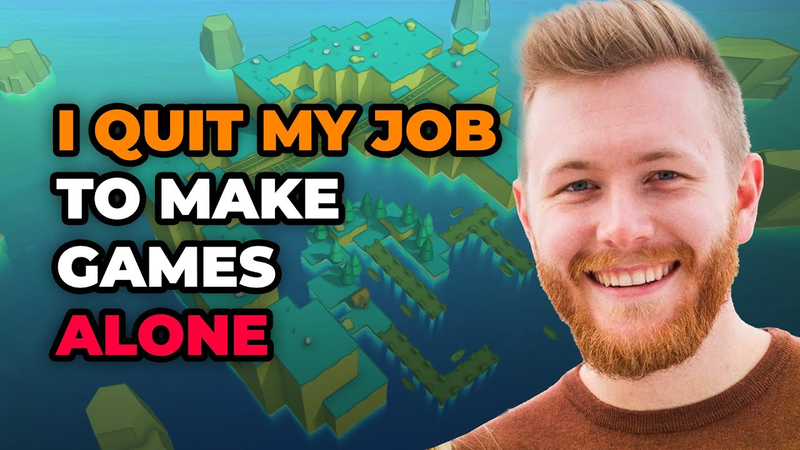
I Quit My Job To Make Games ALONE — Full Time Game Dev Podcast Ep. 013
Transitioning from professional studio roles to independent game development requires a strategic shift toward sustainable business practices and iterative design.
- Establish a personal financial runway of savings before transitioning to full-time independent development to mitigate industry risks.
- Treat game development as a holistic business by diversifying income streams through digital products or educational resources alongside game production.
- Utilize YouTube channels as sophisticated sales funnels to build audience trust rather than focusing solely on social media clout.
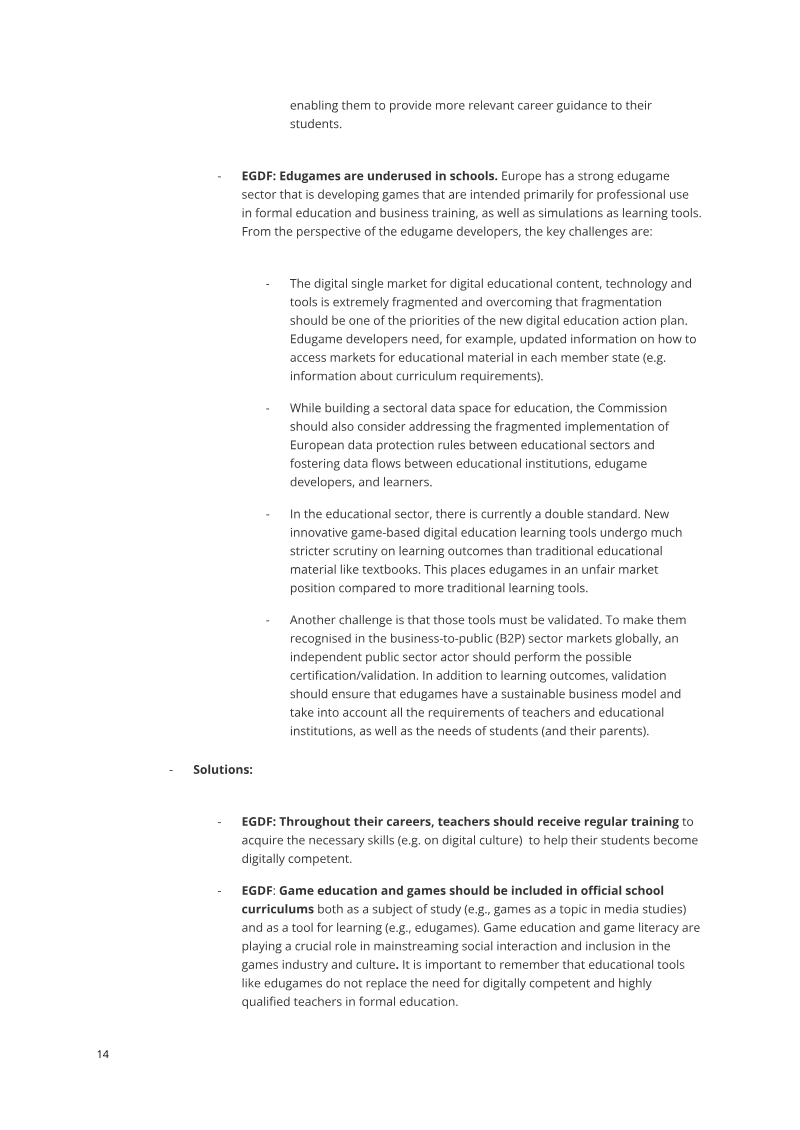
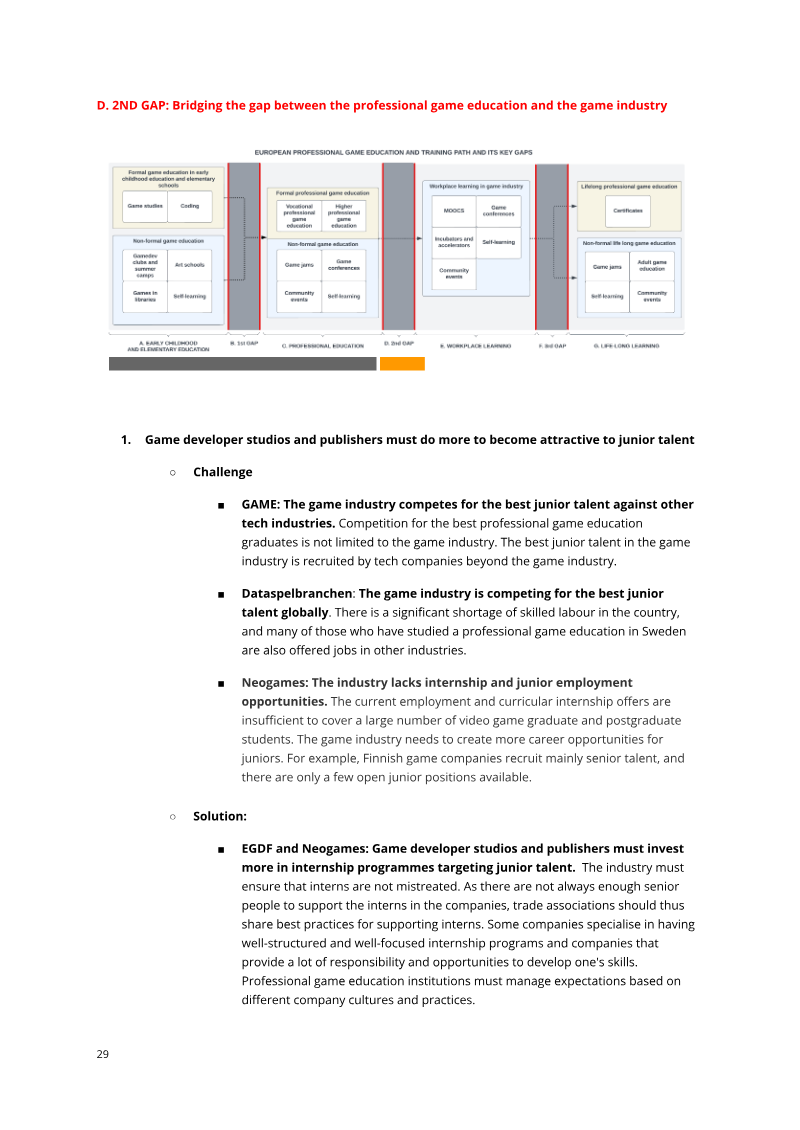
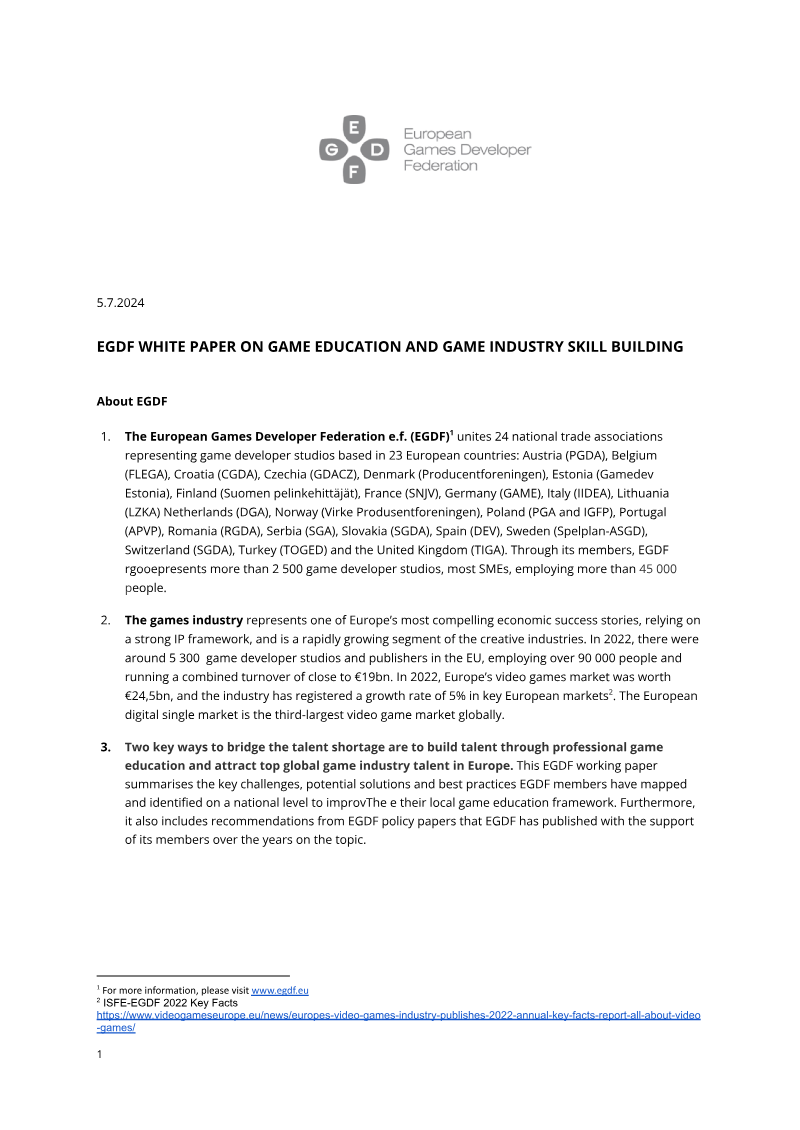
White Paper on Game Education and Game Industry Skill Building
The European games industry serves as a vital economic and cultural engine, yet its continued growth is threatened by a persistent talent shortage and a misalignment between academic curricula and professional requirements.
- The European games industry faces a critical talent shortage caused by a misalignment between academic curricula and professional studio requirements.
- Formalizing game education as an independent academic discipline, supported by dedicated research funding and standardized accreditation, is necessary to ensure a sustainable workforce.
- Industry-specific competency frameworks, such as the Game Badges project and SNJV professional standards, must be adopted to better validate skills for modern studio environments.
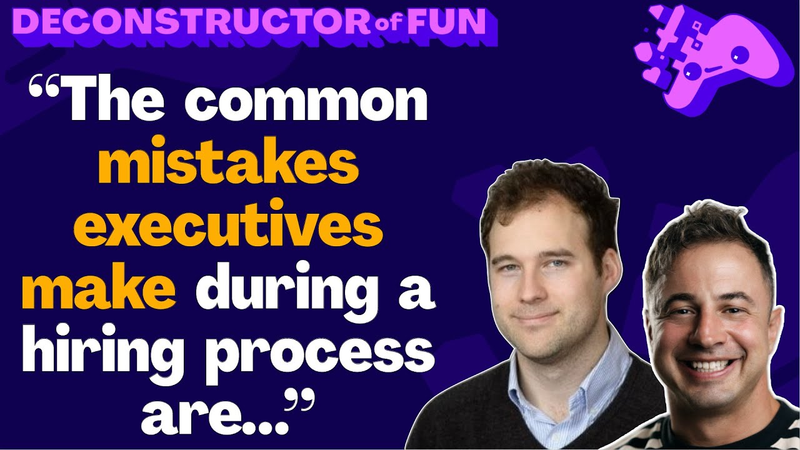
Executive Headhunting in the Gaming Industry: Tips from Gerard Miles, co-CEO at Mission One
Executive search within the global gaming industry has matured into a highly specialized, strategic discipline.
- Executive search for senior director and C-suite roles in gaming is a rigorous, three-to-four-month process that requires deep market mapping and stakeholder alignment.
- Cultural alignment is the primary determinant of long-term success, as misaligned executive hires frequently fail within 18 months of their appointment.
- Recruiters must function as intelligence gatherers who provide clients with critical insights into competitive landscapes and organizational structures rather than acting as simple intermediaries.
How To Become A Game Dev (While Working A Full Time Job)
Achieving a sustainable balance between full-time employment and independent game development requires strict time management and the prioritization of mental health over excessive work hours.
- Limit daily game development sessions to a maximum of two hours to ensure long-term consistency and prevent burnout.
- Implement a physical activity buffer, such as a workout or run, immediately after development sessions to decompress and transition effectively into social or family time.
- Establish clear boundaries with family and colleagues regarding availability to prevent creative work from encroaching on personal and professional responsibilities.

We Need to Talk About Games Leadership
The global games industry faces a critical inflection point regarding its management practices, necessitating a transition from unsustainable, high-pressure environments to regenerative leadership models.
- The games industry must transition from high-pressure, fear-based management to regenerative leadership models to combat systemic burnout and high attrition rates.
- Research involving over 90 developers across 75 studios indicates that effective leadership relies on disciplined emotional intelligence and self-awareness rather than the pursuit of perfection.
- Leaders must actively mitigate the 'power paradox'—where increased influence erodes empathy—by fostering psychological safety and transparent communication.
Games industry keeps getting worse with Damien Evans | 346
The modern video game industry is currently defined by a pervasive sense of instability, characterized by mass layoffs, studio closures, and a pervasive lack of job security.
- The video game industry is currently defined by systemic instability, marked by frequent mass layoffs and studio closures driven by corporate efforts to meet short-term quarterly profit targets.
- Highly experienced senior talent is facing a volatile labor market, often struggling to secure new roles and frequently accepting positions at significantly reduced salaries.
- The normalization of life-altering layoffs and the lack of worker protections have catalyzed a growing movement among developers toward collective action and formal unionization.
The Impact of Team Size, Community, and Industry Trends on Game Development | 345
The global game industry is currently undergoing a structural correction characterized by widespread layoffs and a strategic pivot toward risk mitigation.
- The global game industry is undergoing a structural correction characterized by widespread layoffs and a strategic shift toward risk mitigation, prioritizing established franchises, sequels, and remasters over original intellectual property.
- Development is pivoting toward smaller, agile teams that utilize Early Access models to secure funding and build organic player engagement, moving away from traditional high-cost marketing.
- Large studios are currently hindered by bloated budgets, proprietary technology, and the technical debt of legacy systems, while smaller developers are finding success with high-quality, replayable titles that prioritize long-term retention.

Game Narrative Summit: It's Not in the Writer's Manual: A Q&A Session for New Writers
Transitioning into professional game writing requires a fundamental shift from traditional prose to a facilitator-based mindset, where the writer serves as an architect of the player’s experience rather than the sole narrator.
- Game writing requires a shift from traditional prose to a facilitator mindset, where the writer acts as an architect of player experience rather than a sole narrator.
- Narrative must prioritize gameplay mechanics and environmental design as the primary vectors for storytelling, ensuring the script supports rather than dictates player agency.
- Professional writers must master technical narrative management tools such as Twine, Ink, and spreadsheet-based systems to handle complex branching structures.

Getting Hired with a Personal Touch
Securing a position within the competitive game industry requires a strategic shift from generic mass-application tactics toward highly personalized, research-driven engagement.
- Prioritize professional social media profiles, as hiring managers often view personal accounts to assess character and cultural fit, which can negatively impact an application if the content is unprofessional.
- When submitting work tests or portfolios, provide multiple file formats and backups to ensure the hiring manager can access your work regardless of their device, software, or technical constraints.
- Demonstrate self-awareness and honesty regarding skill gaps by explicitly addressing them in your application, which signals professional maturity and a willingness to learn.
Behind the GDC Booths: Unpacking Industry Challenges | 342
The contemporary gaming industry is currently defined by a profound disconnect between the stagnant output of large, well-funded studios and the agile innovation emerging from smaller, independent teams.
- The gaming industry is experiencing a structural disconnect where large, well-funded studios face stagnant output and bloated development cycles, while independent teams are capturing market share through agile innovation.
- Widespread industry instability, marked by recurring layoffs, is eroding institutional knowledge and threatening the long-term viability of major development projects.
- Corporate strategy is currently dominated by a focus on short-term quarterly growth and performative marketing, which prioritizes financial metrics over workforce retention and sustainable creative development.