1 free read left. Create a free account for unlimited reading + AI research.
Create free accountWhitepaper European Games Developer Federation
1 free read left. Create a free account for unlimited reading + AI research.
Create free accountWhitepaperEuropean Games Developer Federation
This shortage is caused by a misalignment between academic curricula and the requirements of professional studios. Addressing this gap is vital for the sector's continued growth.
The European games industry serves as a vital economic and cultural engine, yet its continued growth is threatened by a persistent talent shortage and a misalignment between academic curricula and professional requirements. To secure the sector’s future, a standardized, multidisciplinary educational framework is necessary to bridge the gap between early childhood interest and professional practice. This initiative requires a holistic approach that spans the entire educational pipeline, integrating game-based learning into formal schooling while fostering robust, lifelong learning opportunities for established professionals.
Structural challenges, including reliance on short-term funding and the absence of standardized industry-specific classifications, currently impede the development of a sustainable workforce. Addressing these issues requires formalizing game education as an independent academic discipline supported by dedicated research funding and standardized accreditation. By implementing frameworks like the Game Badges project and the SNJV professional standards, the industry can better define and validate the competencies required for modern studio environments. Furthermore, strengthening collaboration between academic institutions and private studios through internships, entrepreneurship support, and shared resources is essential to ensure that graduates possess the practical skills demanded by the fast-paced market.
Long-term sustainability also depends on inclusive policies that remove barriers for underrepresented groups and facilitate the retention of international talent. Governments must play a central role by providing targeted financial instruments for startups and creating national platforms for professional training. By fostering cooperation across European markets and establishing centralized educational resources, the industry can mitigate the impact of talent displacement and ensure a diverse, resilient workforce. Ultimately, aligning educational outcomes with the evolving needs of the sector will transform the European games industry into a more competitive and innovative global leader.
Video Games Europe · 2026
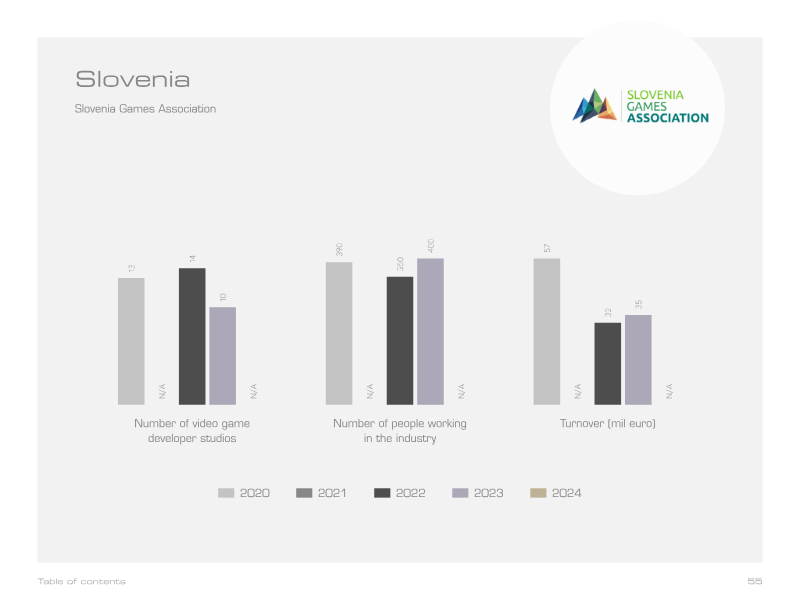
European Games Developer Federation · 2026
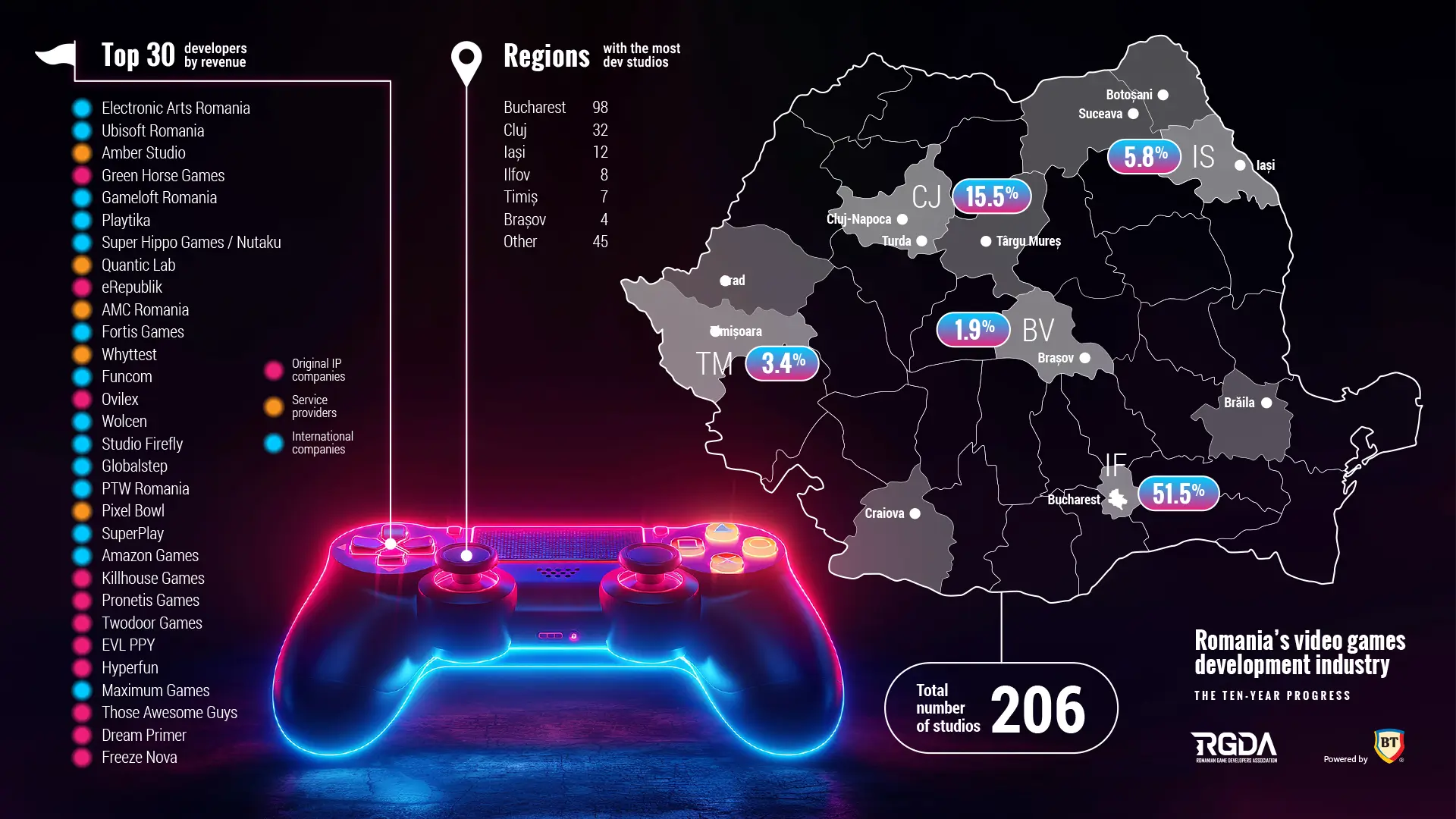
European Games Developer Federation · 2025
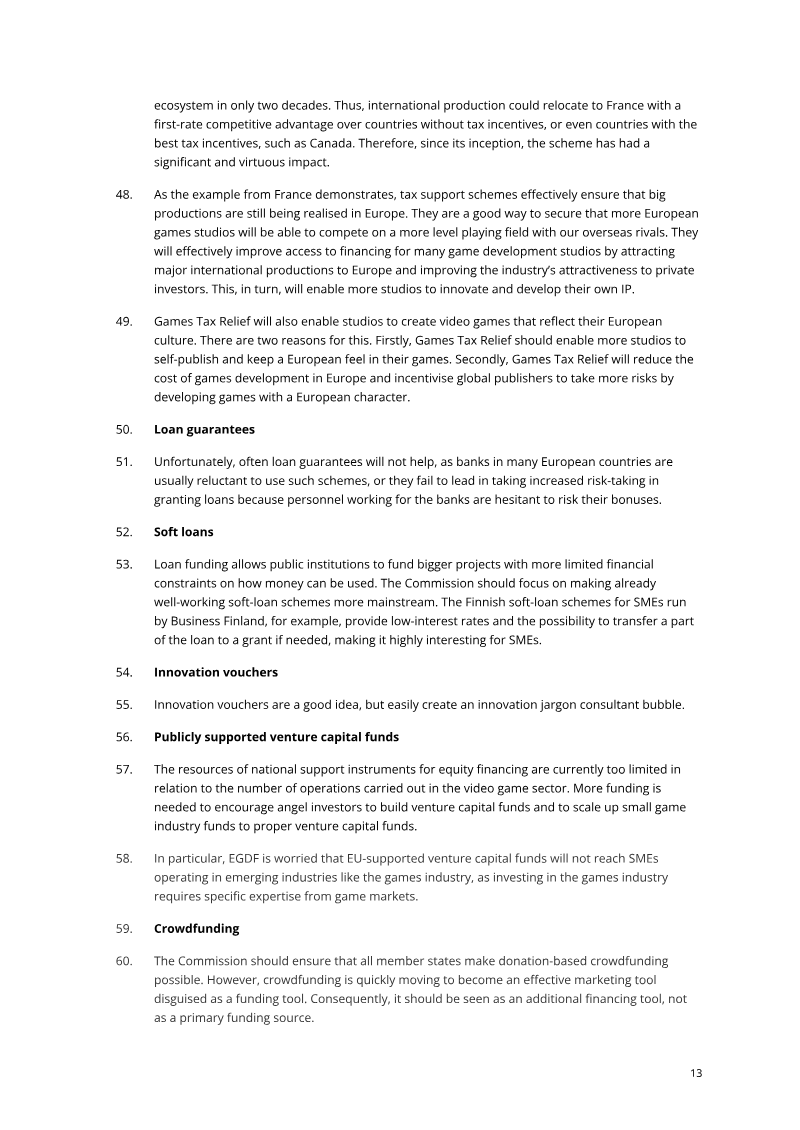
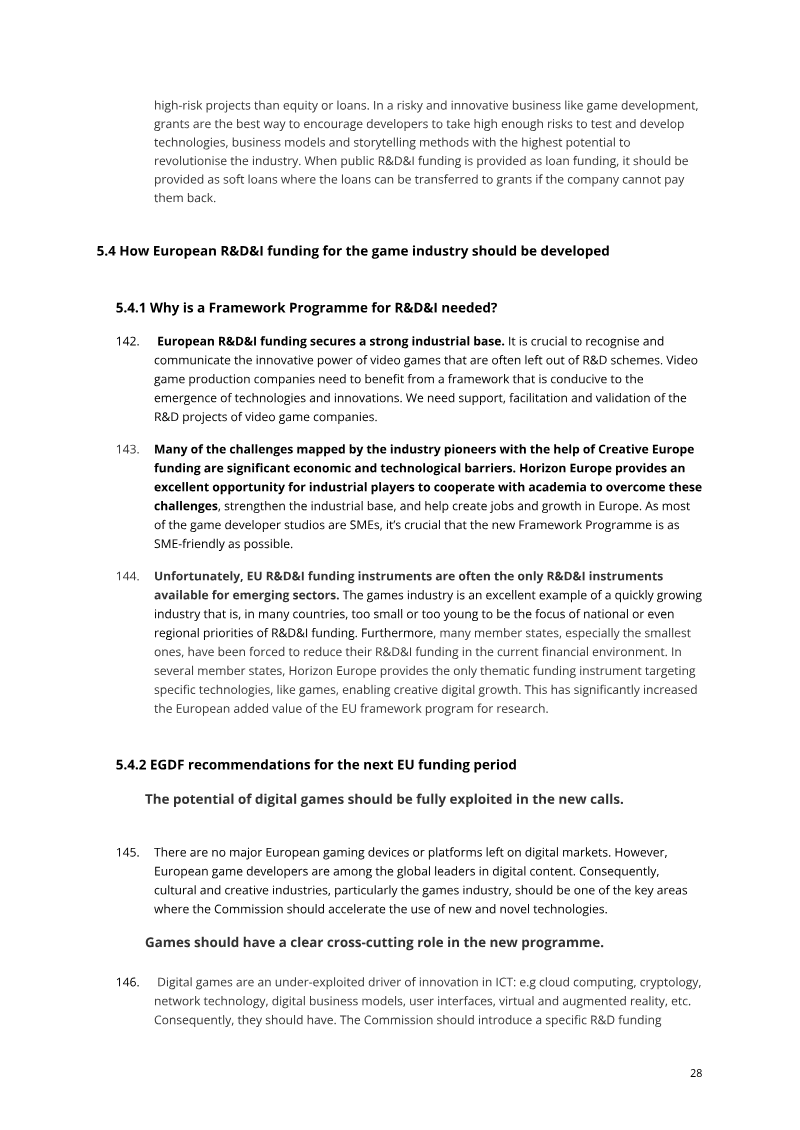
European Games Developer Federation · 2025
European Games Developer Federation · 2025
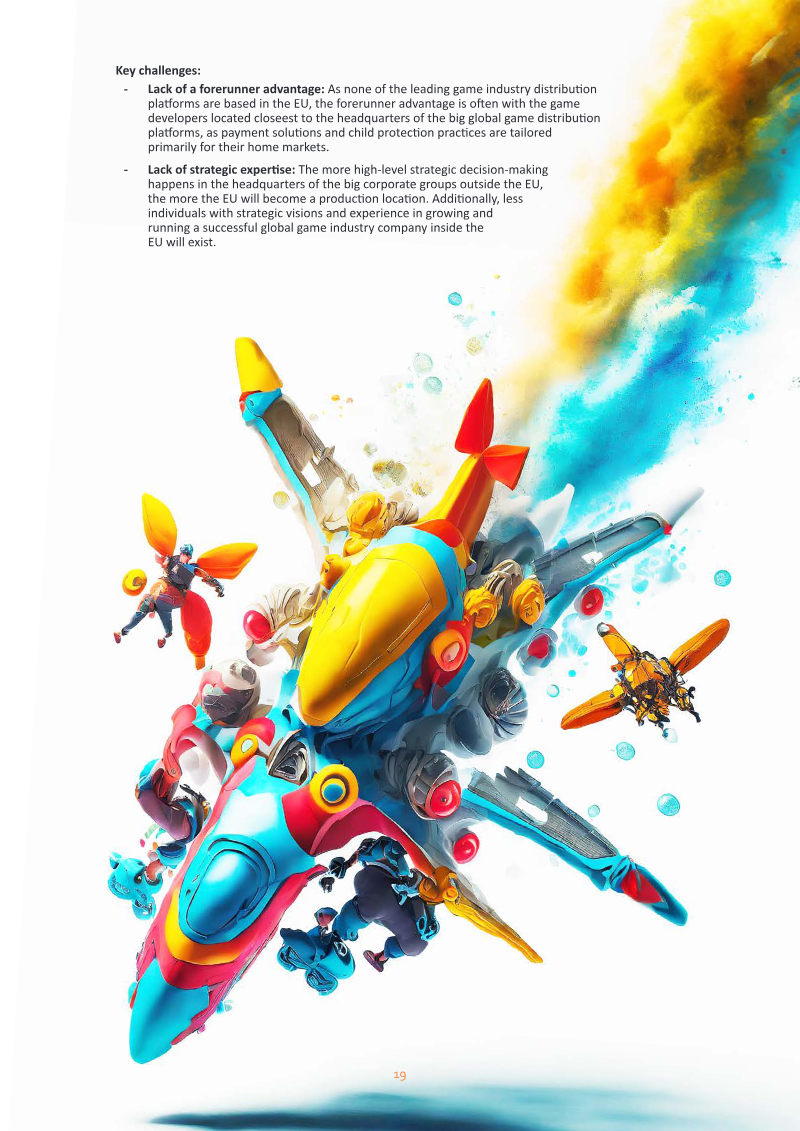

Neogames Finland · 2024

European Games Developer Federation · 2024

European Games Developer Federation · 2024
European Games Developer Federation · 2024
European Games Developer Federation · 2024
European Games Developer Federation · 2023


European Games Developer Federation · 2023
Ukie · 2025