Employment reports and market data
Documents

Should You Quit Your Job To Make Indie Games?
The decision to transition into full-time independent game development is characterized as a high-risk endeavor, particularly given the current volatility of the gaming industry.
- Full-time indie development is a high-risk career move due to current market volatility, widespread industry layoffs, and the disruptive impact of generative AI.
- The primary driver for transitioning to full-time development is the need for dedicated time to complete long-term projects that are otherwise stalled by the constraints of traditional employment.
- Solo developers must possess a multidisciplinary skill set, including coding, 3D modeling, shader authorship, level design, and the management of external contractors.
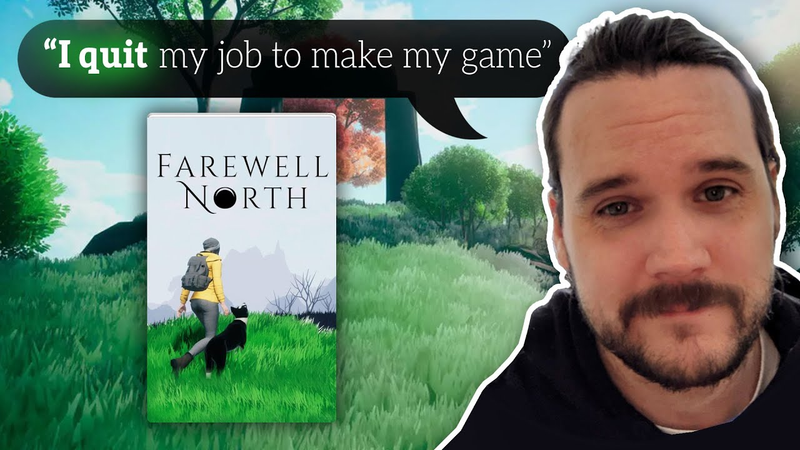
"I Quit My Job To Make My Indie Game" — Full Time Game Dev Podcast Ep. 009
Transitioning from a long-term career in software engineering to full-time indie game development requires a strategic balance between creative autonomy and professional risk management.
- Solo developers should dedicate at least 50% of their time to marketing, as the increasing volume of game releases—reaching 14,000 titles on Steam in a single year—makes discoverability significantly more difficult.
- Predictable content creation on platforms like YouTube can provide a full-time income through sponsorships; securing 10,000 views per video can justify $500 to $1,000 per ad read.
- Publishers serve primarily to de-risk a project, allowing developers to trade a portion of potential revenue upside for financial security and professional support.

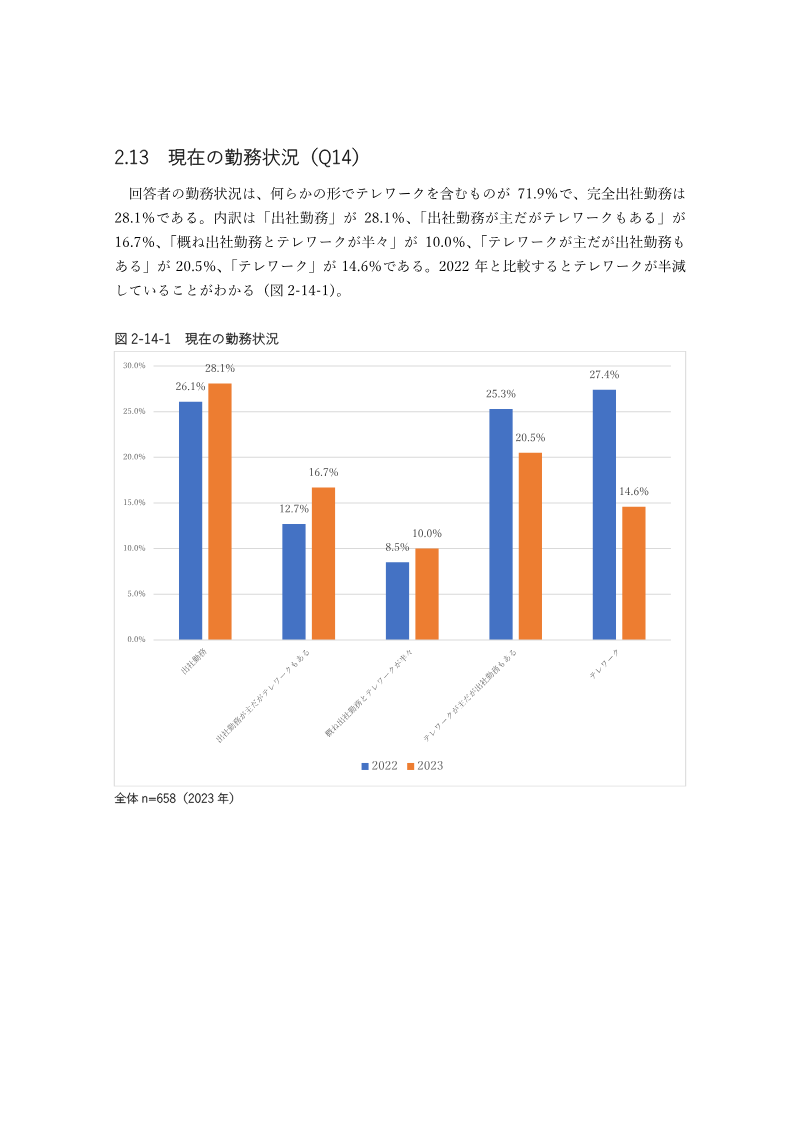

Employment and Career Development of Game Developers 2023
The 2023 landscape of game development reveals a professional sector characterized by high technical specialization and a concentration of talent within the Kanto region.
- The average annual income for game developers is 6.216 million yen, with specialized engineers working in VR and wearable technology commanding the highest compensation.
- A significant gender-based income disparity persists, as 64.6% of female developers earn 5.99 million yen or less, compared to 42.1% of male developers.
- The industry maintains a stable employment structure with 86.3% of the workforce employed as full-time staff.

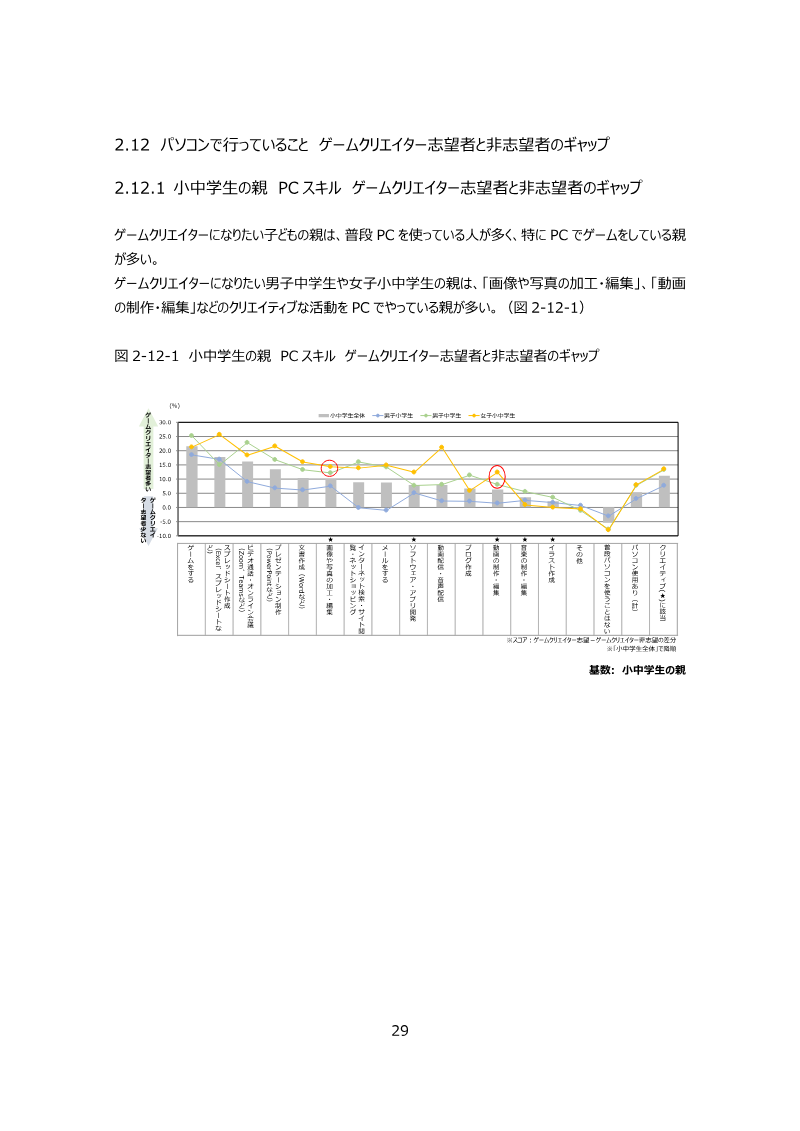

Survey on Student Game Creators 2023
The 2023 survey of student game creators examines the career aspirations, digital habits, and perceived barriers among students ranging from elementary school through university.
- Student interest in game creation as a career path declines significantly as students progress from elementary school into higher education.
- A critical window for intervention exists between elementary and middle school, where a notable drop in programming interest occurs.
- A persistent gender divide influences career focus, with male students prioritizing programming and technical rule-making, while female students gravitate toward narrative and character design.


Developer Satisfaction Survey 2023 - Summary Report
The 2023 global game development landscape is defined by a period of intense economic contraction and employment volatility, marked by the highest rates of layoffs and terminations recorded since 2014.
- The 2023 game industry experienced its highest rates of layoffs and terminations since 2014, reflecting a period of intense economic contraction and employment volatility.
- Labor conditions remain poor, with nearly one-third of developers working over 60 hours per week during peak production cycles, fueling increased interest in unionization.
- A significant disconnect exists regarding workplace equity, as two-thirds of developers report that equal opportunity is absent and fewer than half believe existing policies are adequately enforced.
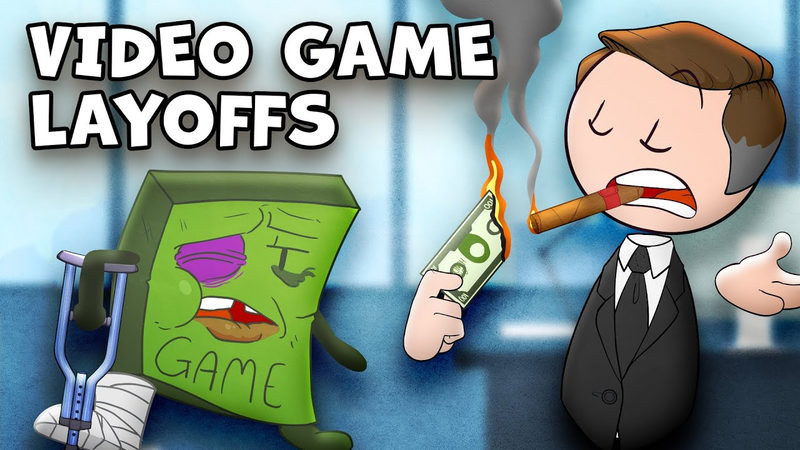
Why Video Game Layoffs Aren't Done Yet I Extra Credits Gaming
The current wave of layoffs in the video game industry, which has resulted in approximately 9,000 to 12,000 job losses over the past year, is not indicative of a systemic industry collapse.
- The current wave of industry layoffs, totaling approximately 9,000 to 12,000 job losses over the past year, is a structural correction rather than a systemic collapse.
- Mass workforce reductions are a direct result of companies over-hiring and over-leveraging during a period of historically low interest rates that prioritized growth over profitability.
- Tech-driven game development relies heavily on human capital, allowing corporations like Amazon, Unity, Embracer, and Epic Games to scale headcount up during cheap credit cycles and cut it rapidly when economic conditions tighten.



K-GAMES Game Guide: Workplace Guidelines for Game Company Employees
The South Korean game industry faces significant economic and reputational risks stemming from internal misconduct, including the unauthorized generation and sale of virtual items, the misappropriation of trade secrets, and the breach of information security protocols.
- Internal misconduct, including the unauthorized sale of virtual items and misappropriation of trade secrets, poses significant economic and reputational risks to the South Korean game industry.
- Violations such as the misuse of administrative privileges and unauthorized disclosure of proprietary information are subject to severe civil and criminal penalties under the Copyright Act and the Unfair Competition Prevention and Trade Secret Protection Act.
- Offenses including embezzlement, breach of trust, and computer-related fraud are punishable by law even if the perpetrator does not realize direct financial gain from their actions.

Crucial Remote Work Strategies with Andy Duthie, Executive Producer at My.Games
Successful live-service game development hinges on a rigorous, consistent content cadence that balances long-term architectural roadmaps with modular, short-term updates.
- Live-service success requires a dual-track production model that balances long-term architectural roadmaps with a consistent, modular content cadence to drive player retention.
- Transitioning to a fully remote model is more effective than hybrid arrangements, which often create unnecessary overhead and organizational misalignment.
- Remote leadership should move away from micromanagement by using data to track trends while empowering teams to define their own quarterly KPIs and short-term tasks.

Age of Empires Mobile / Balatro’s Success / Sony Layoffs / Apple Arcade Woes
The gaming industry is currently navigating a period of significant strategic recalibration, characterized by the tension between high-budget franchise adaptations and the surging influence of independent, low-overhead titles.
- Sony has initiated significant workforce reductions and closed its London Studio, signaling a strategic retreat from high-budget virtual reality development due to a lack of mass-market adoption.
- Independent titles like Balatro are demonstrating that innovative, low-overhead projects can achieve immediate profitability without the massive marketing budgets required by traditional AAA franchises.
- Apple Arcade is currently facing developer attrition and declining user engagement as it struggles to compete with the aggressive, IP-focused gaming strategies employed by Netflix.

Canada’s Video Game Industry: Powering the Future of Play
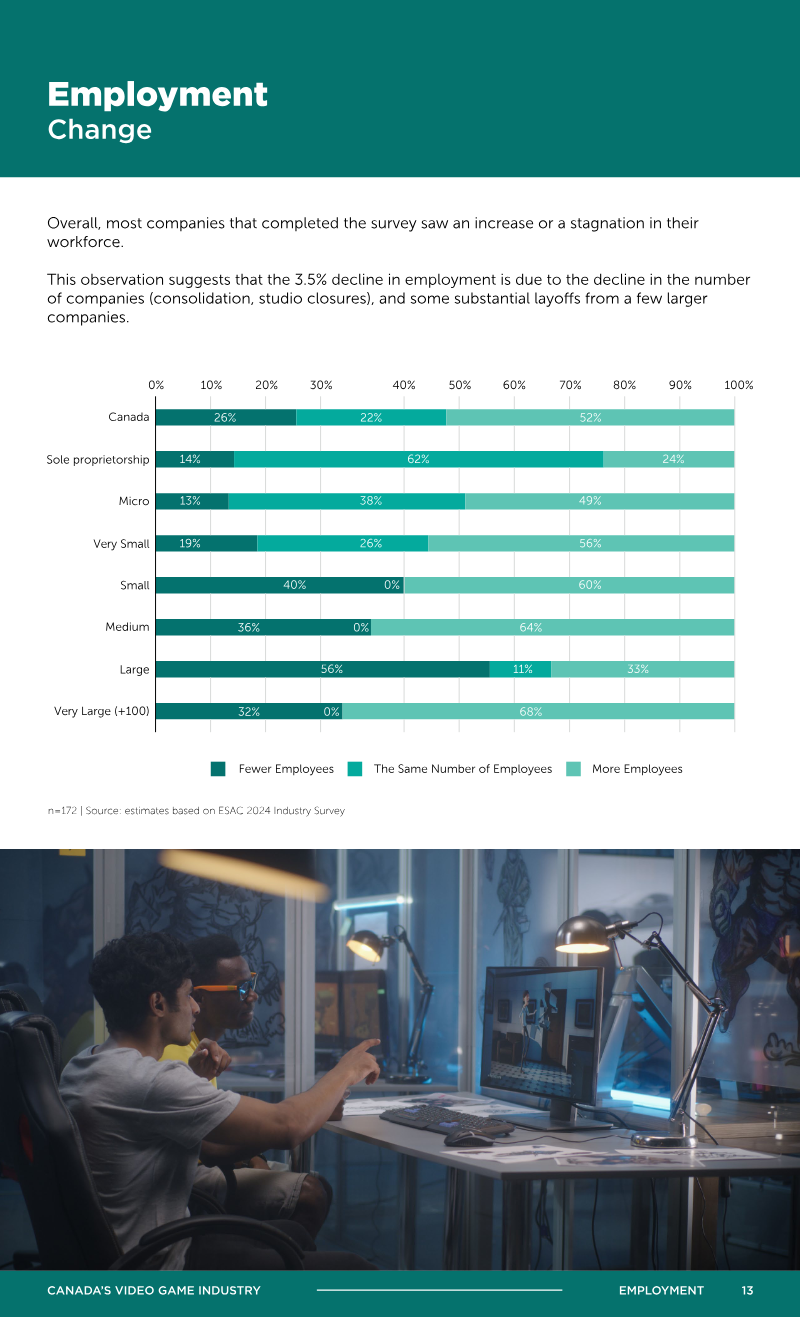
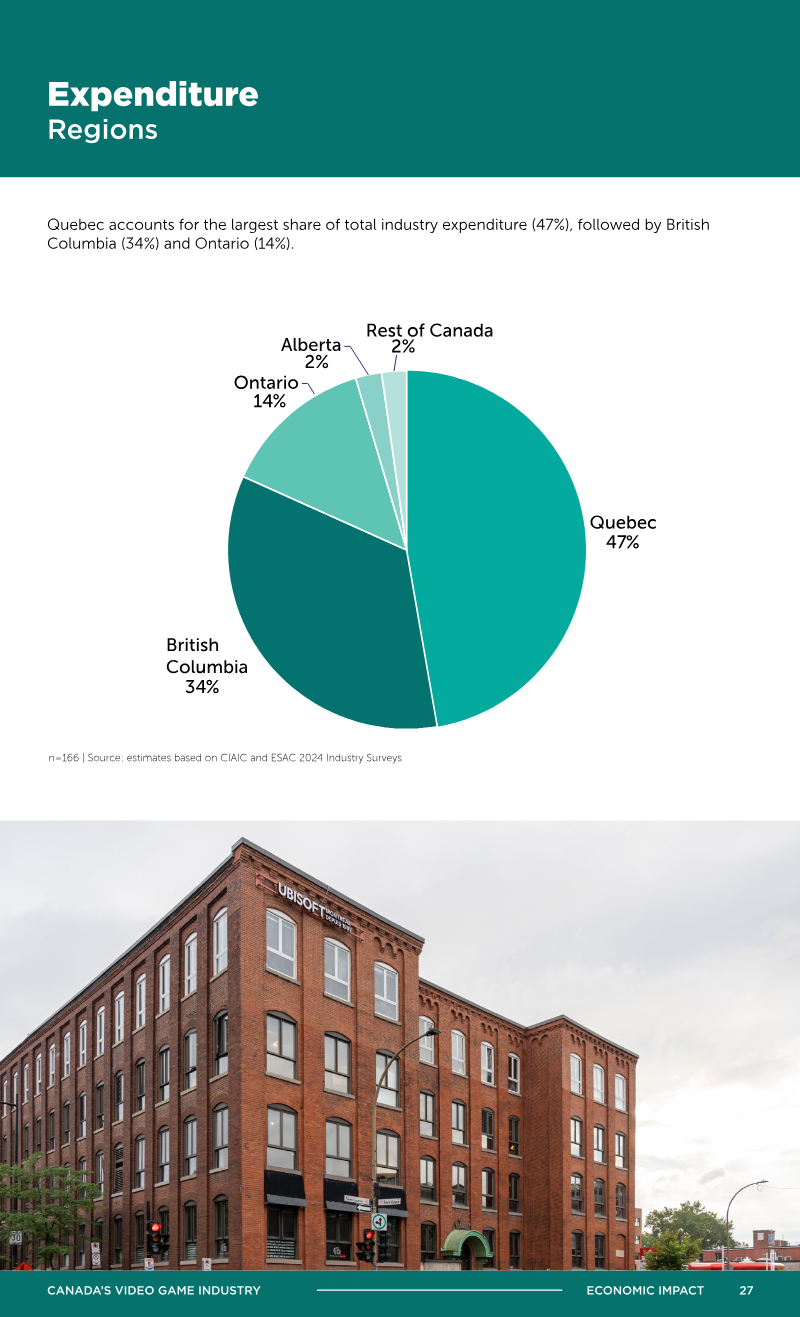
Canada’s video-game industry is portrayed as a mature, high-value sector that now consists of 821 firms employing roughly 34,000 full-time workers and delivering a $5.1 billion economic impact.
- Canada’s video game industry supports 34,000 full-time jobs and generates a $5.1 billion economic impact, with direct labour income reaching $3.5 billion in the 2023-24 fiscal year.
- While the total number of firms contracted by 9% since 2021, this decline was limited to micro-studios, while studios with 51 or more employees remained stable or grew.
- The sector achieved a $356 million operating surplus in 2023-24, reflecting a 7% profit margin.



Manifesto 2024-2029: Più di un (video)gioco
The manifesto articulates a strategic vision for positioning Europe as a leading global hub for video-game development, emphasizing the sector’s unique blend of technology and creativity.
- The manifesto advocates for EU-wide policy alignment to establish Europe as a global video-game development hub by 2029, prioritizing the protection of an open, competitive market against new taxes or distribution constraints.
- Industry stakeholders are lobbying for the adaptation of the Creative Europe programme and the extension of the General Exemption Regulation to better align public funding mechanisms with the specific economic realities of game development.
- The proposal calls for the revision of NACE codes to accurately measure and report the sector's economic contribution to the European Union.



European Key Facts 2024: Video Games
The European video games industry represents a high-growth strategic sector that generated €26.8 billion in revenue in 2024, with digital channels accounting for 90% of all sales.
- The European video games industry generated €26.8 billion in 2024, with digital channels accounting for 90% of total sales.
- The sector supports 116,000 professionals across 6,000 studios and serves 127 million players, representing 54% of the European population.
- Mobile gaming is the primary platform in the region, utilized by 71% of the total player base.