Diversity & Inclusion reports and market data
Documents
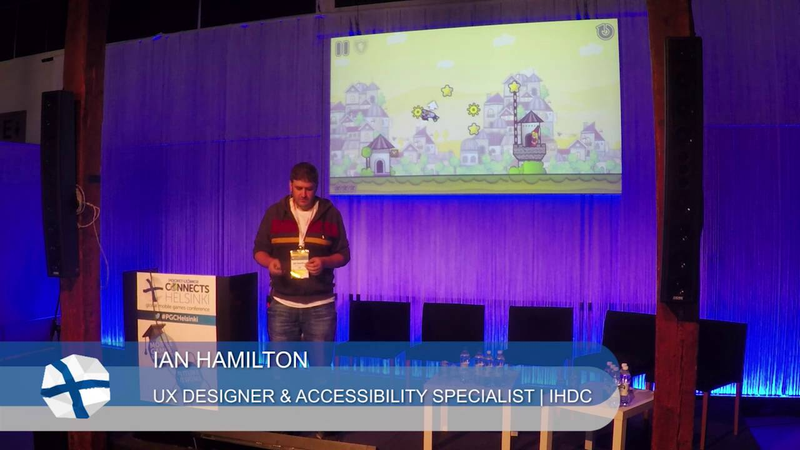
How to make your mobile games more accessible to people with disabilities and impairments
Accessibility in mobile gaming is defined as the removal of environmental barriers that prevent individuals with medical conditions from engaging with digital content.
- Accessibility is defined as the removal of environmental barriers, with approximately 18% to 20% of the global population living with a disability.
- Designing for accessibility expands market reach and improves engagement for all players, including those facing situational impairments like bright sunlight or noisy environments.
- Developers should prioritize vision, hearing, and motor control by implementing high-contrast interfaces, scalable text, and robust, customizable subtitle options.
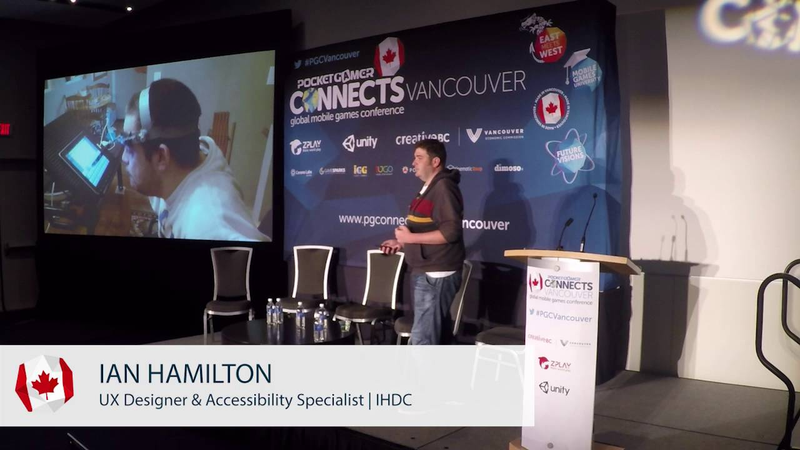
How to make your mobile games more accessible to people with disabilities
Mobile game accessibility is a critical design imperative that addresses both the human need for inclusive recreation and the significant business opportunity presented by a large, underserved market.
- Accessibility is a critical business opportunity that addresses an underserved market while improving the user experience for all players, including those with temporary or situational limitations.
- Developers should categorize accessibility efforts into four primary domains: vision, hearing, cognitive processing, and motor control.
- Visual accessibility is best achieved through high-contrast interfaces and scalable, legible fonts, which also mitigate issues like screen glare or low-power mode visibility.
Developer Satisfaction Survey 2016: Summary Report
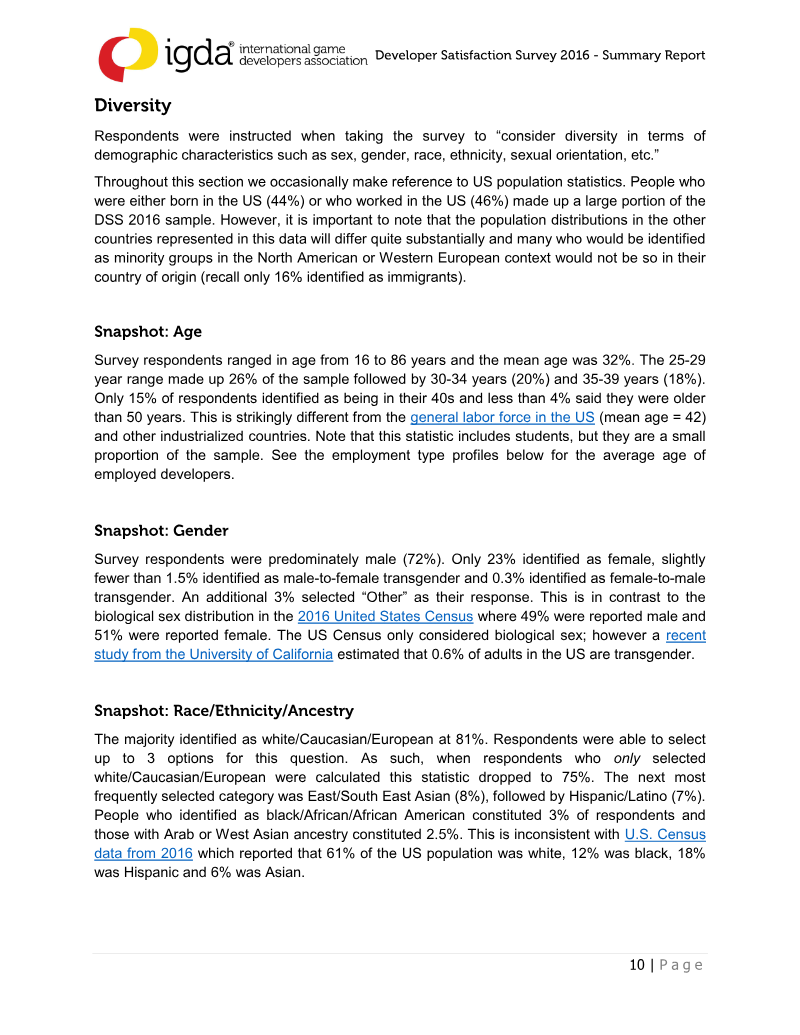
The 2016 game industry landscape is defined by a workforce that remains predominantly white, male, and university-educated, with the average professional being a 32-year-old based in North America.
- The 2016 game industry workforce is characterized by a lack of diversity, remaining predominantly white, male, and university-educated with an average age of 32.
- Over 50% of freelancers and self-employed developers earn less than $15,000 annually, highlighting severe financial instability within the sector.
- Systemic labor issues, including high turnover rates and the normalization of uncompensated overtime or 'crunch' culture, persist across both independent and salaried roles.
Developer Satisfaction Survey 2015: Industry Trends and Future Outlook Report
The 2015 game industry landscape reflects a complex dichotomy between individual professional fulfillment and systemic cultural anxiety.
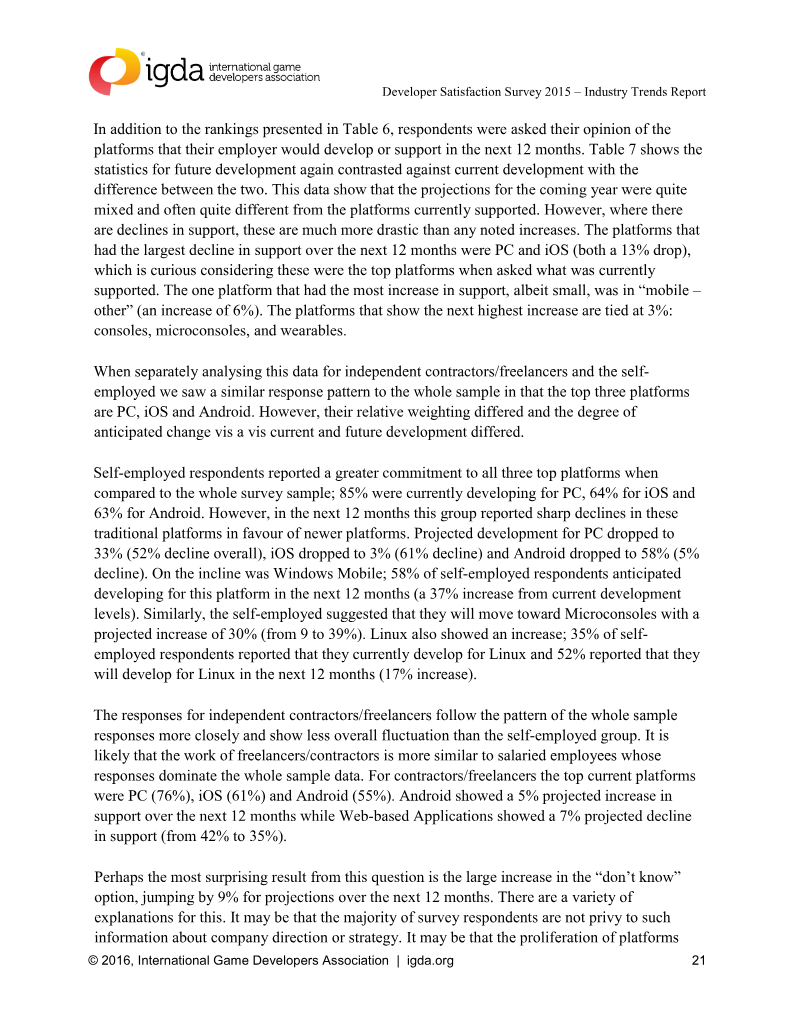
- Over 50% of the nearly 3,000 surveyed professionals believe the public views the game industry negatively due to high-profile controversies regarding sexism, racism, and toxic workplace conditions.
- Female and transgender developers report a significantly higher awareness of and exposure to discriminatory practices within both the workforce and game content.
- Despite cultural concerns, the industry maintains a stable growth trajectory with developers expressing optimism for technological innovation and career prospects.

Finnish Game Industry Report 2016
The Finnish game industry reached a pivotal stage of maturity in 2016, transitioning from a period of rapid, unchecked expansion toward a more stable and consolidated business environment.
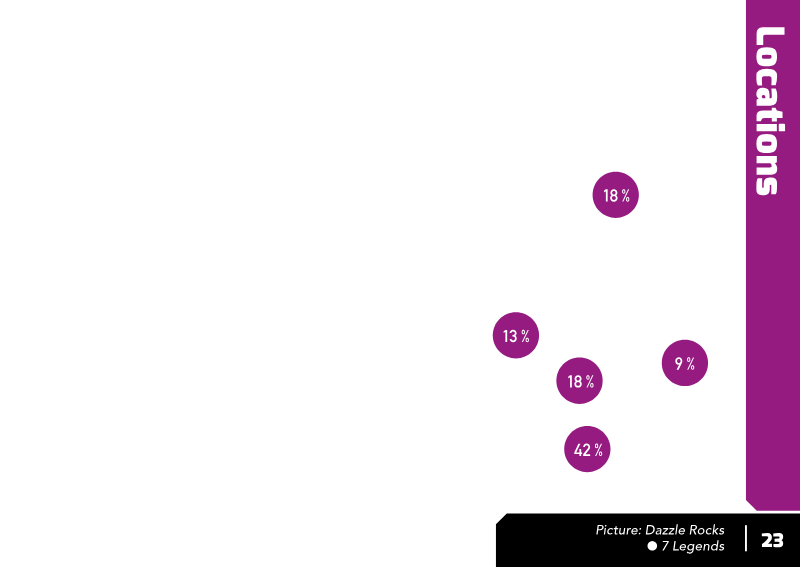
- The Finnish game industry employed 2,750 people in 2016, a steady increase from 2,500 in 2014 and 2,700 in 2015. The industry's turnover reached €2.5 billion in 2016, up from €2.4 billion in 2015 and a significant rise from €87 million in 2008.
- The number of active Finnish game companies grew from 2 in 2002 to 250 in 2016, with a notable acceleration in new studio founding years after 2010.
- Key challenges for Finnish game developers include the high cost and difficulty of user acquisition for Free-to-Play games, the unpredictability of the industry, and the need for professional management as companies grow.

Biz Daily: Games industry and mental illness
The public discourse surrounding Markus Persson, the creator of Minecraft, highlights a significant disconnect in how society perceives mental health when wealth and professional success are involved.
- The public discourse following Markus Persson’s $2.5 billion sale of Mojang to Microsoft reveals a systemic bias where mental health struggles are invalidated by high socioeconomic status.
- Media coverage of Persson’s expressions of isolation and lack of purpose frequently dismissed his mental health concerns as superficial or attention-seeking rather than genuine human struggle.
- Societal perceptions of mental health remain inconsistent, as physical illnesses typically garner empathy regardless of wealth, while emotional distress in the wealthy is often met with cynicism.
Rust - Representing Race in Games - Extra Credits
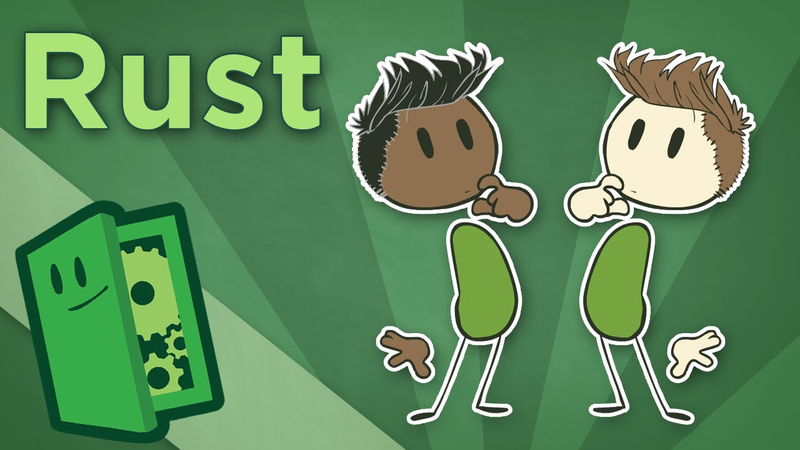
The survival game Rust utilizes a unique character creation system that assigns players a permanent skin color tied to their Steam ID, removing all player agency regarding their avatar’s ethnicity.
- Rust enforces permanent, randomized character ethnicity tied to a player's Steam ID, removing all user agency over their avatar's physical appearance.
- This design choice functions as a sociological experiment that forces players to experience the game world through a racial identity they did not choose.
- By intentionally allowing uncensored player communication, the game exposes users to racial discrimination and slurs, compelling them to confront the realities faced by marginalized groups.
'Flirtual Reality' and designing for female gamers
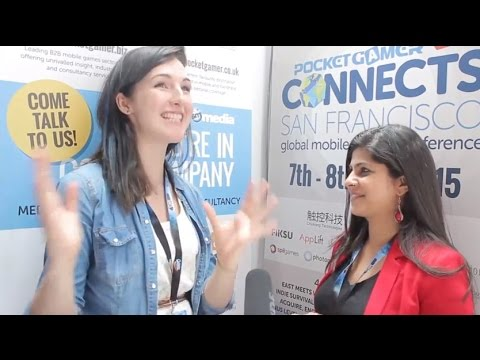
The gaming industry is increasingly recognizing the significant economic potential of female players, a demographic that has historically been underserved.
- Female gamers represent a high-value demographic, spending 35 percent more time in-game and 31 percent more on in-app purchases than male players.
- Effective engagement relies on prioritizing high-quality, innovative mechanics over gender-specific aesthetics or patronizing stereotypes.
- Game design should emphasize social interaction, deep customization, and clear progression paths to naturally attract and retain female users.
Designing for gamers with disabilities
Accessibility in game design is defined as the removal of barriers that prevent individuals with medical conditions from engaging in gameplay.
- Accessibility is defined as the removal of design-based barriers, with approximately 20% of the gaming population living with an impairment.
- Integrating accessibility features early in the development cycle is a cost-effective strategy that improves product discovery, user retention, and long-term viability for an aging demographic.
- Developers should prioritize visual accessibility through high-contrast elements and scalable text, which accommodate both color blindness and situational challenges like direct sunlight.
Finnish Game Industry Report 2014
The Finnish game industry underwent a period of unprecedented expansion between 2008 and 2014, evolving into a global powerhouse defined by mobile-first development and the successful implementation of free-to-play monetization models.
- The Finnish game industry experienced explosive growth in 2014, with turnover reaching approximately €1.8 billion, a 100% increase from the previous year, though accounting practice changes affect direct comparability.
- The industry's turnover per employee significantly increased, from €75,850 in 2008 to €720,000 in 2014, largely due to digital distribution and the Free-to-Play (F2P) model in mobile games.
- Employment in the Finnish game industry has grown steadily, reaching 2,500 people in 2014, up from 1,147 in 2008.
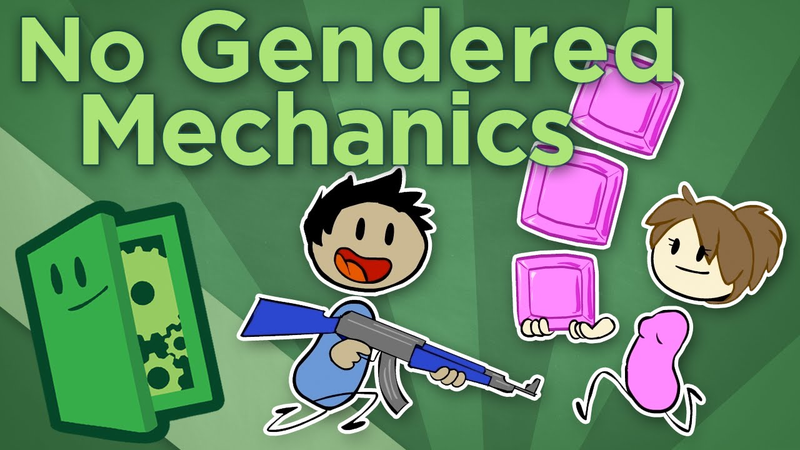
No Gendered Mechanics - How Genre Stereotypes Limit Games and Players - Extra Credits
The modern game industry is hindered by a pervasive, oversimplified belief that specific gameplay mechanics are inherently gendered.
- The game industry's practice of categorizing mechanics as inherently gendered—such as labeling shooters as masculine and match-three games as feminine—is a self-perpetuating cycle that restricts creative development.
- Gendered associations are products of cultural theming and marketing strategies rather than the mechanics themselves, which are inherently gender-neutral.
- Titles like Kingdom Hearts, Portal, and Puzzle Quest prove that mechanics can successfully attract diverse audiences when the thematic presentation is decoupled from traditional gender stereotypes.
MTG Corporate Responsibility Report 2015
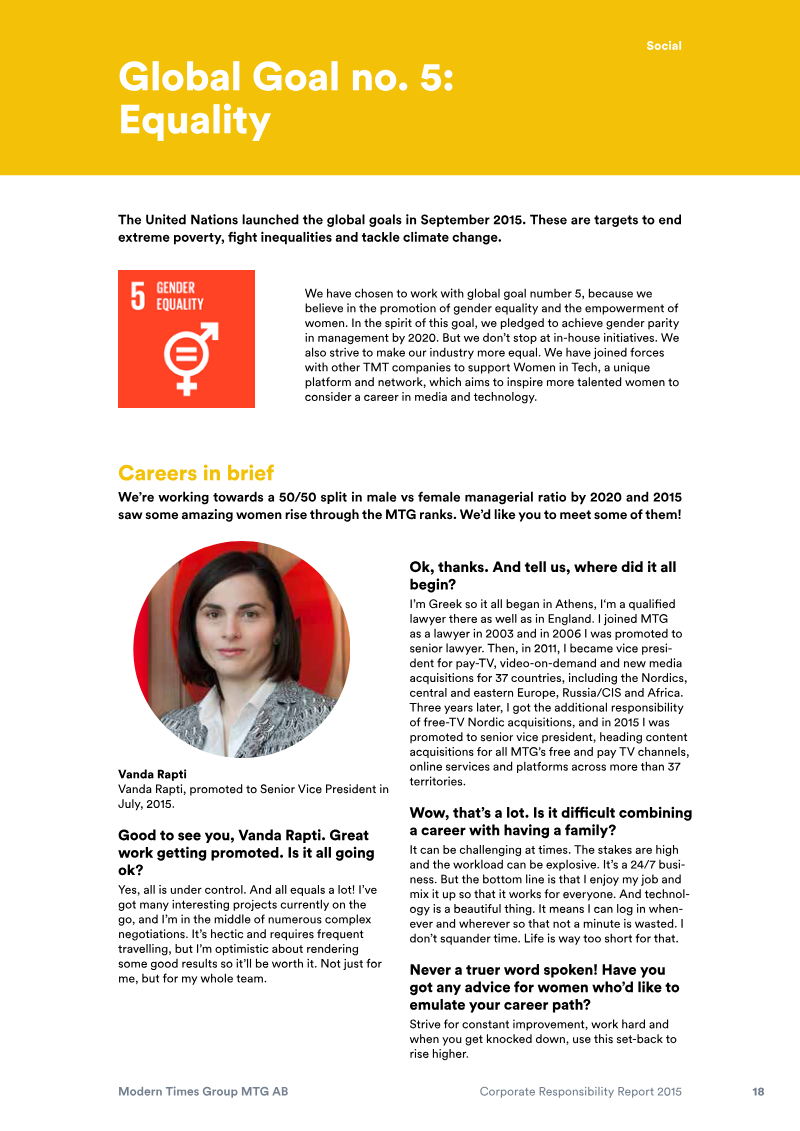
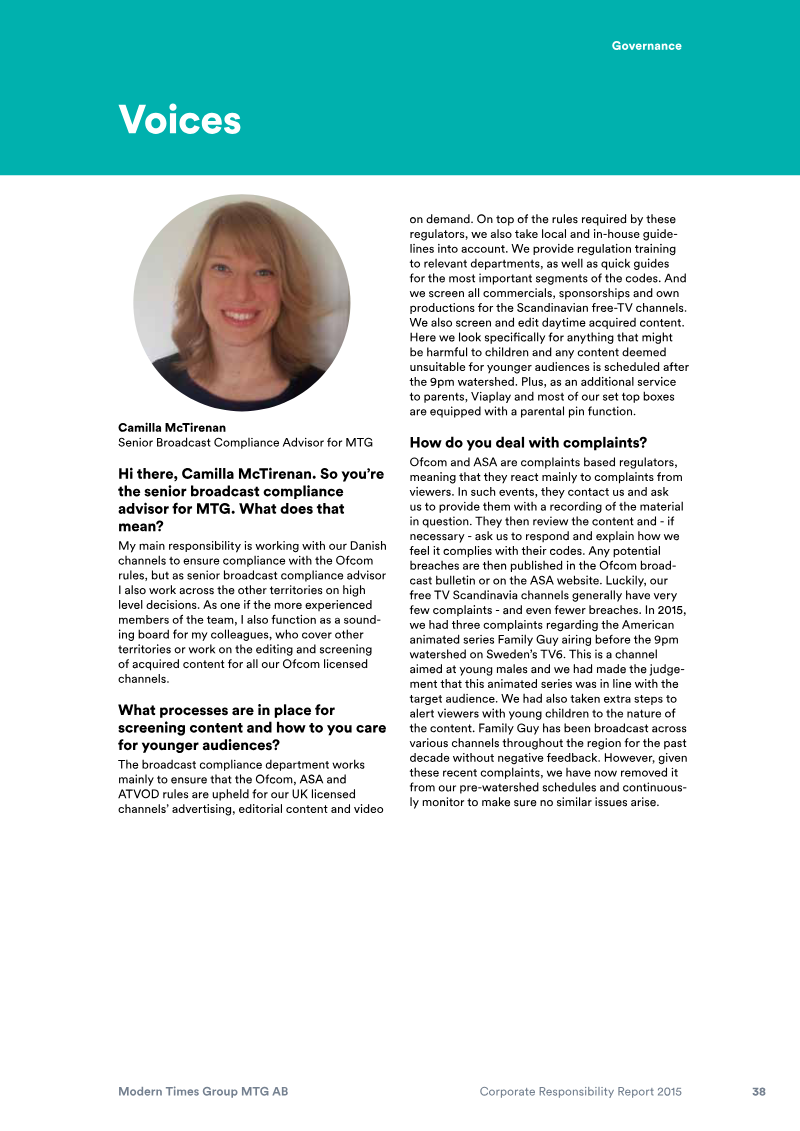
In 2015 the media group placed corporate responsibility at the core of its strategy, integrating ethical governance, sustainability and gender-parity objectives across a global operation that spans 165 countries and includes broadcast, content localisation and e-sports segments.
- MTG achieved a 96% compliance rate among 514 new hires across 38 nationalities regarding its unified code of conduct, anti-bribery, and whistle-blower policies.
- Total carbon emissions increased by 13% since 2010, with business travel accounting for 61% of the company's total emissions footprint.
- The company maintained a 95C rating on the Dow Jones Sustainability Index and a 95C CDP disclosure score for the third consecutive year.