Diversity & Inclusion reports and market data
Documents
Investing in the Future: Narrative Mentorship
The narrative mentorship program at ArenaNet serves as a strategic intervention to address systemic barriers in the game industry, specifically targeting the lack of diversity in applicant pools and the tendency for qualified candidates to self-select out of rigid hiring processes.
- ArenaNet’s six-month narrative mentorship program addresses systemic hiring barriers and talent pipeline gaps by providing structured training in screenwriting, narrative design, and career development.
- The curriculum utilizes weekly game analysis, collaborative design exercises, and portfolio reviews to simulate real-world studio workflows and bridge specific skill gaps.
- Participants are trained to prioritize concise industry-standard formats, such as teleplays, over long-form prose to demonstrate mastery of storytelling mechanics and pacing.

Taking a Stand on Social: How Brands Can Tackle Racism in Sport
The primary purpose of this analysis is to provide a strategic framework for sports brands to address and combat systemic racism within their digital communities.
- Sports brands must adopt proactive, anti-racist stances in digital communities, as silence is increasingly viewed as insufficient and brands are expected to prioritize human rights over avoiding public backlash.
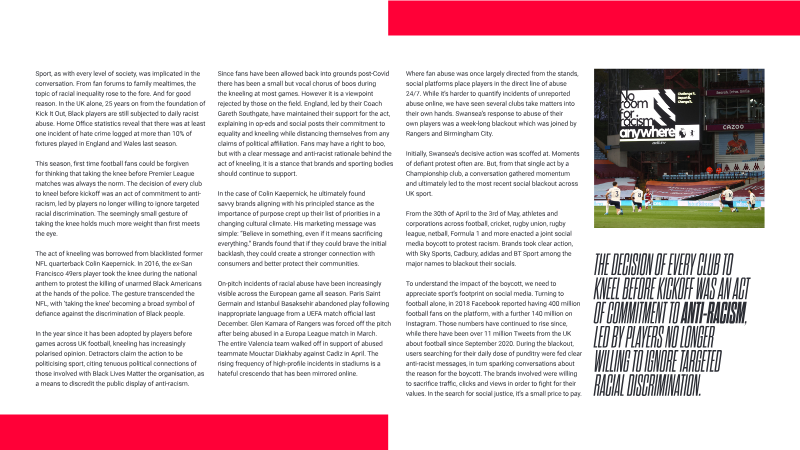
- Hate crimes at UK football fixtures reached over 10% of matches in the previous season, reflecting a broader trend of rising racial abuse that has migrated into high-traffic digital spaces.
- The industry-wide social media boycott from April 30 to May 3, 2021, serves as a benchmark for brands willing to sacrifice traffic and engagement to demonstrate a unified commitment to anti-racism.

Diversity in the Game Industry with Ray Graham | Game Dev Unchained Episode 270
The game industry currently faces a stagnation in diversity, driven by performative corporate initiatives that fail to address systemic biases and insular hiring practices.
- The game industry's diversity stagnation is primarily driven by performative corporate initiatives and insular hiring practices that rely on existing social networks rather than objective recruitment.
- Exclusionary language in job descriptions, such as the preference for 'rock star' or 'ninja' archetypes, creates systemic barriers that prevent the industry from accessing a broader, available talent pool.
- To improve recruitment outcomes, companies should adopt structured hiring processes like the Rooney Rule and shift focus toward hiring for potential rather than prioritizing immediate, high-level skill sets.
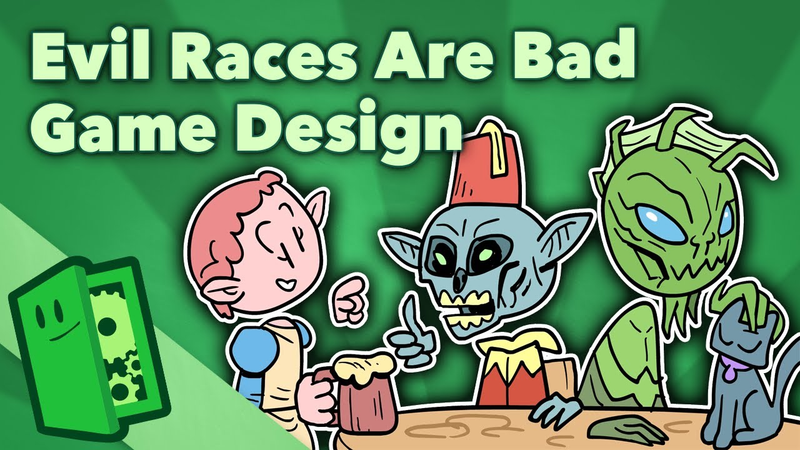
Evil Races are Bad Game Design - Bioessentialism & Worldbuilding - Extra Credits
The practice of assigning inherent moral traits to entire species in game design, often referred to as biological essentialism, is fundamentally flawed and limits the potential for compelling storytelling.
- Assigning inherent moral traits to entire species, known as biological essentialism, limits narrative depth by reducing complex characters to static environmental hazards.
- Treating entire races as universally evil removes player agency by pre-determining the morality of opposition before any in-game interaction occurs.
- Designers should shift from species-based morality to individual choice, where evil is defined by an actor's decisions rather than their biological birth.

Designing Games for Female Audiences | Renata Caldani, Maryna Iaremenko, & Joana Marques
The female gaming demographic represents a significant and rapidly expanding segment of the global market, currently comprising over 50 percent of mobile players across a broad age range of 10 to 65.
- Women now represent over 50 percent of the global mobile gaming market, spanning a broad age range from 10 to 65.
- Female players are increasingly moving away from simplistic casual titles in favor of mid-core and hardcore gaming experiences, such as Genshin Impact and Minecraft.
- To effectively capture this demographic, developers must abandon gendered marketing tropes and one-size-fits-all design philosophies in favor of data-driven, inclusive strategies.
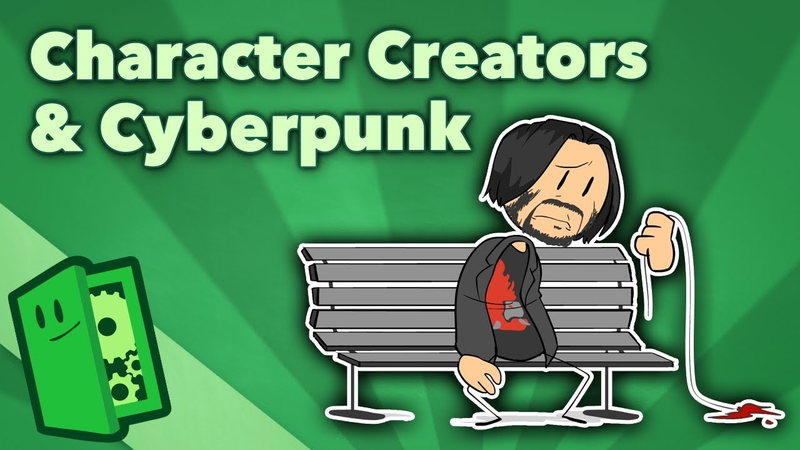
Character Creators & Cyberpunk - Player Freedom in Expression - Extra Credits
Effective character creators serve as a critical bridge between a game’s thematic identity and player self-expression.
- Developers should decouple customization levers—such as voice, hair, and body type—to ensure independent variables are not artificially linked, thereby maximizing player agency.
- Rigid design frameworks, rather than technical limitations, are the primary cause of restrictive character creators that prevent non-binary or gender-nonconforming expression.
- Cyberpunk 2077 failed to deliver on marketing promises of radical inclusivity because it locked hair styles to body types and tied voice options to gender, contradicting its own themes of human malleability.
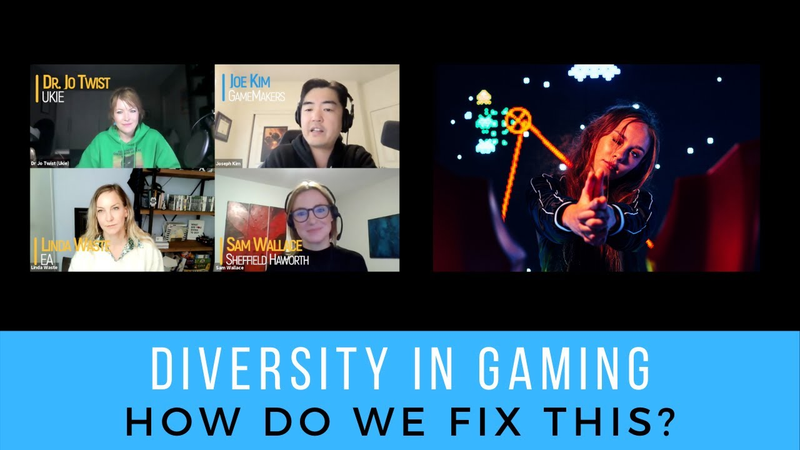
Diversity in Gaming | Addressing Inequality for Women
The gaming industry faces a persistent gender diversity gap rooted in systemic supply-side barriers, including inadequate early education in technical fields and entrenched stereotypes.
- Achieving gender parity requires viewing diversity as a core business imperative, as recruiting female talent requires approximately 30% more interaction than traditional hiring processes.
- Organizations must move beyond performative gestures by holding managers directly accountable for the retention and advancement of women rather than relying on superficial mentoring programs.
- Recruitment strategies must shift from narrow, legacy-based hiring criteria to prioritizing transferable skills to overcome systemic supply-side barriers and unconscious bias in executive search networks.
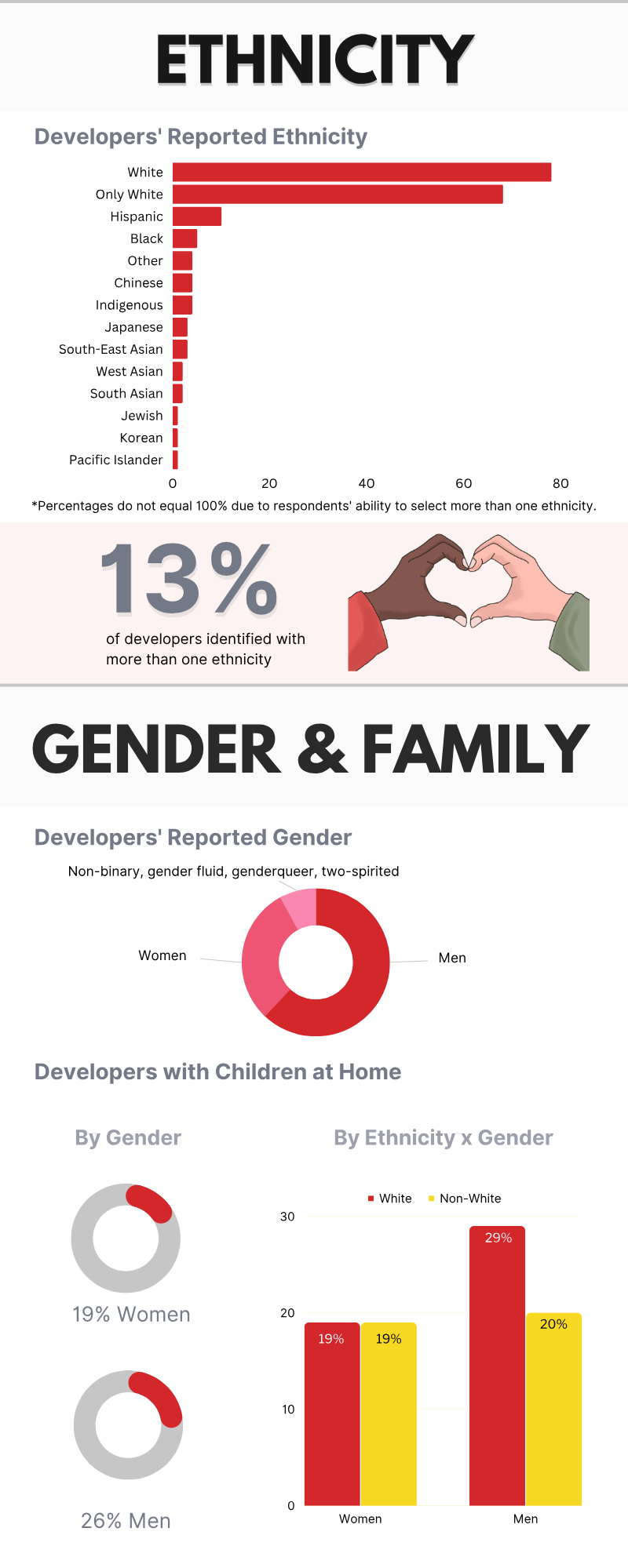
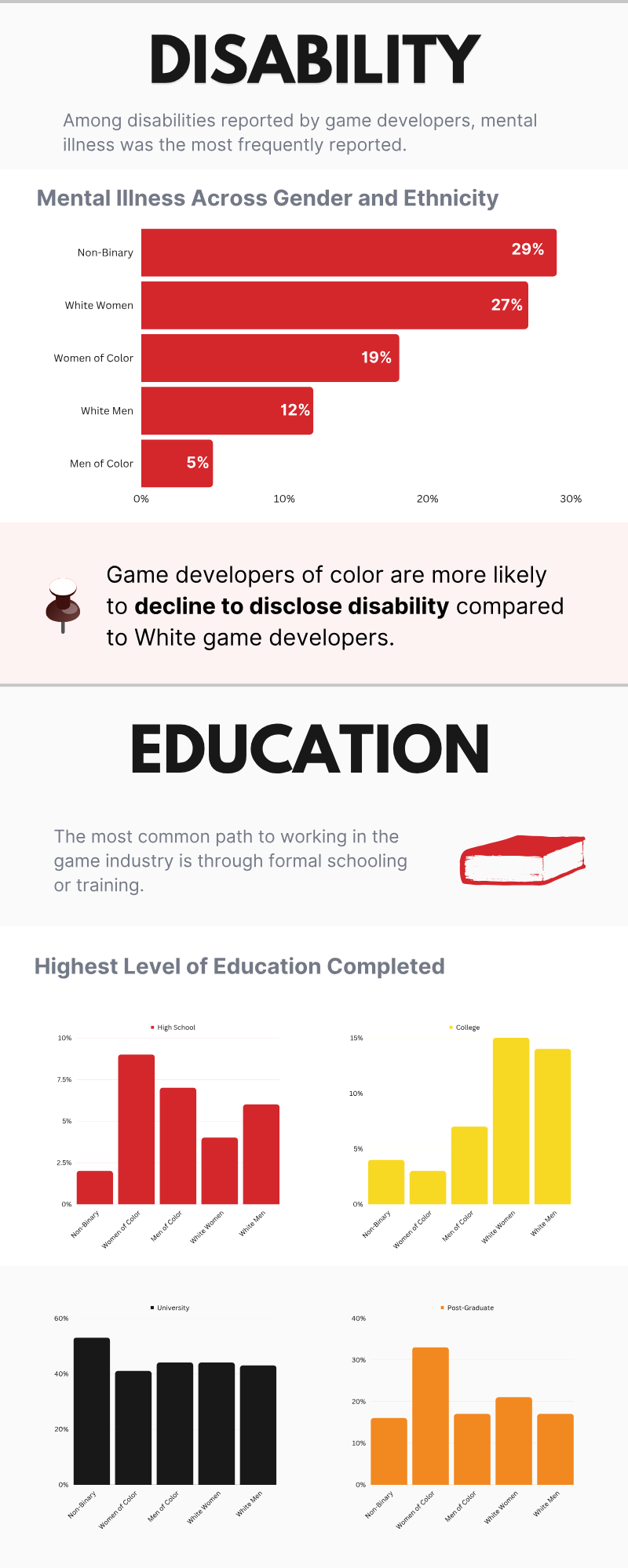
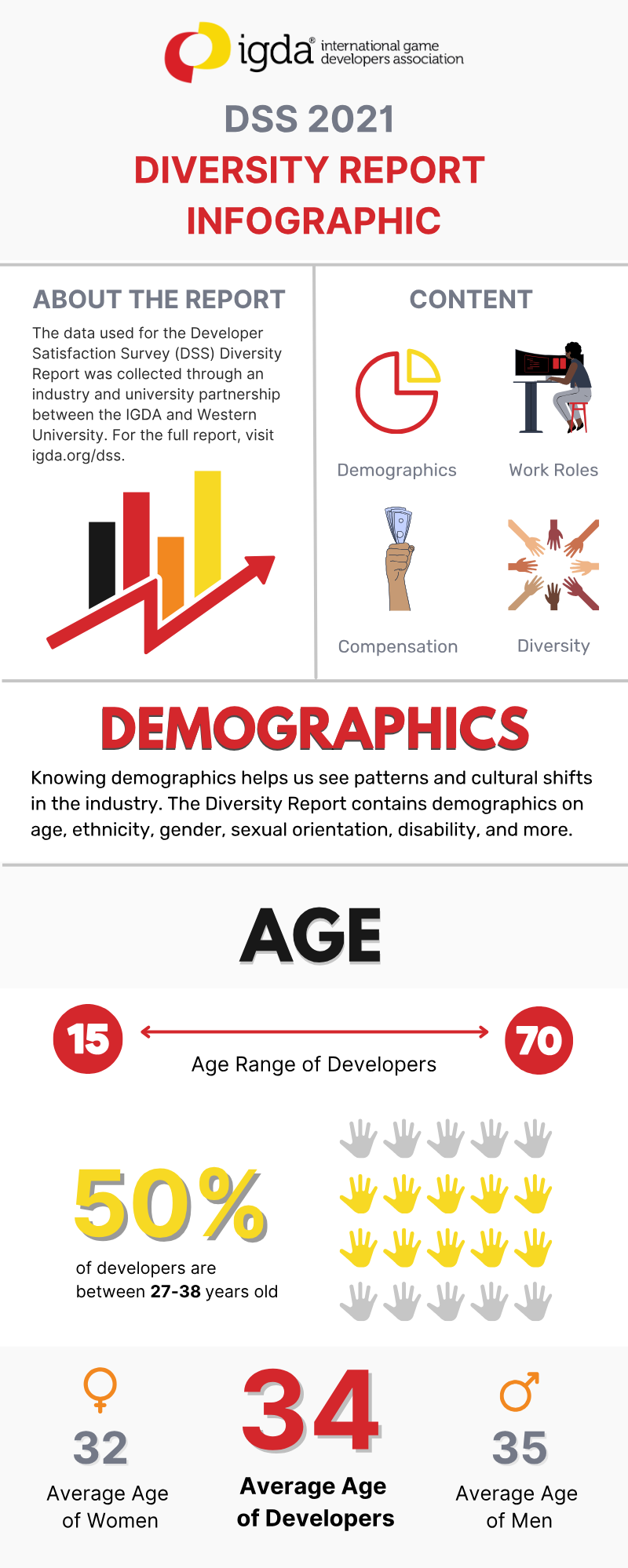
DSS 2021 Diversity Report: Infographic
The 2021 Developer Satisfaction Survey (DSS) Diversity Report provides a comprehensive analysis of the demographic landscape, compensation structures, and workplace experiences within the global game development industry.
- 74% of industry professionals believe that equal treatment and opportunity are not currently achieved within the game development sector.
- Senior management roles remain disproportionately occupied by White workers, reflecting a significant lack of demographic diversity in leadership.
- A persistent pay gap exists where men and White employees are more likely to occupy higher income brackets, while women and people of color are concentrated in lower-income or precarious roles like freelancing.
European Video Games Industry Insight Report: 2021
The European video games industry experienced a period of significant expansion throughout 2021, solidifying its position as a major economic contributor across the continent.
- In 2021, the EU video game industry comprised 5,500 game developer studios and over 250 game publishers, employing 85,000 people and generating a turnover of €18.3 billion, up from 78,000 employees and €15.1 billion in 2020.
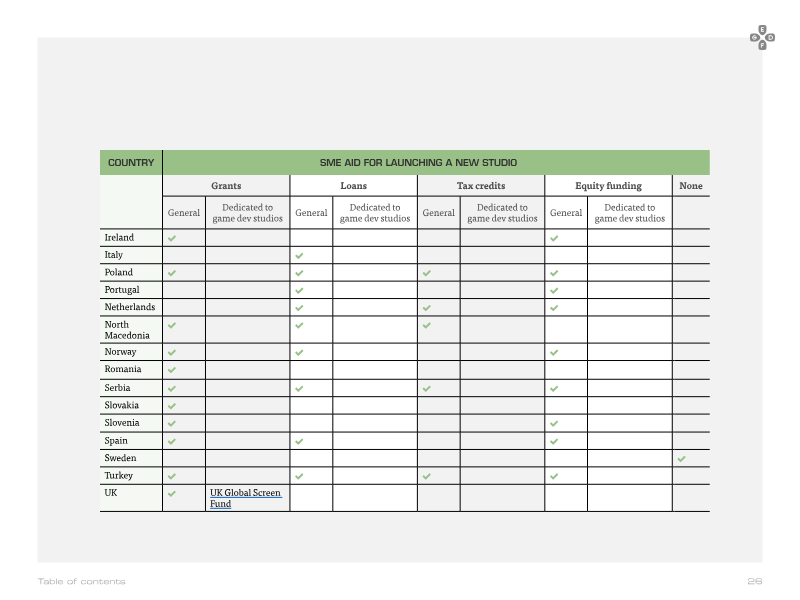
- Many European countries offer cultural aid for video game production, with common forms including grants (e.g., Austria, Denmark, Finland), loans (e.g., Belgium, France), and tax credits (e.g., Belgium, France, Germany, Greece).
- Europe has a robust educational infrastructure for game development, with numerous institutions offering study programs; for example, Austria has 13 institutions, Belgium 8, and the Czech Republic 8.
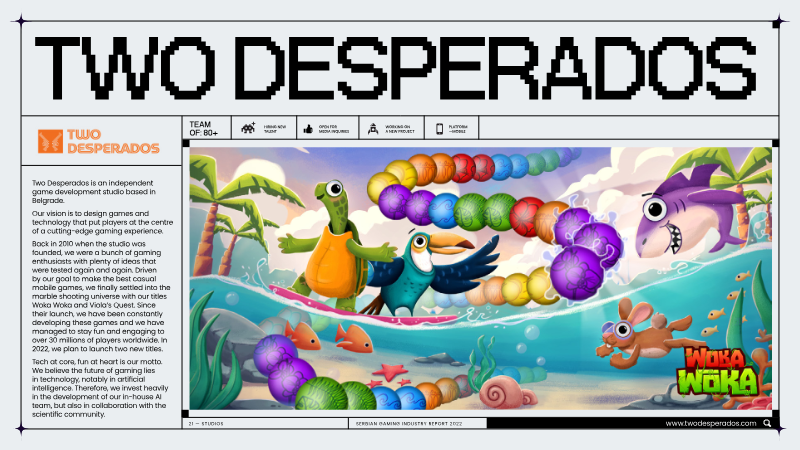

Serbian Gaming Industry Report 2021
In 2021 Serbia’s gaming ecosystem emerged as a rapidly expanding, export-oriented sector that combined a sizable studio base with a vibrant indie community.
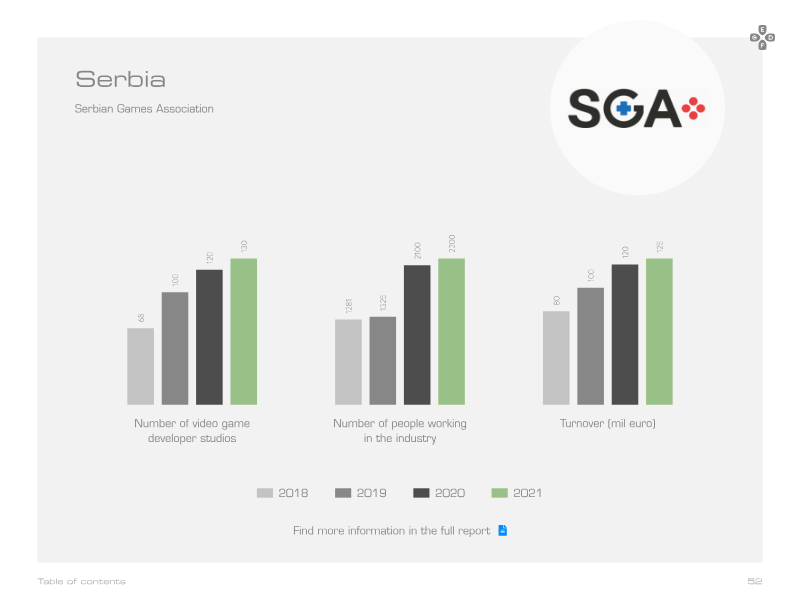
- In 2021, Serbia’s gaming sector comprised approximately 130 studios employing 1,548 people, generating $125 million in revenue with 75% to 100% of earnings derived from international exports.
- The industry is heavily reliant on the free-to-play model, which accounts for 64% of all games produced, while the total output reached roughly 2,200 titles.
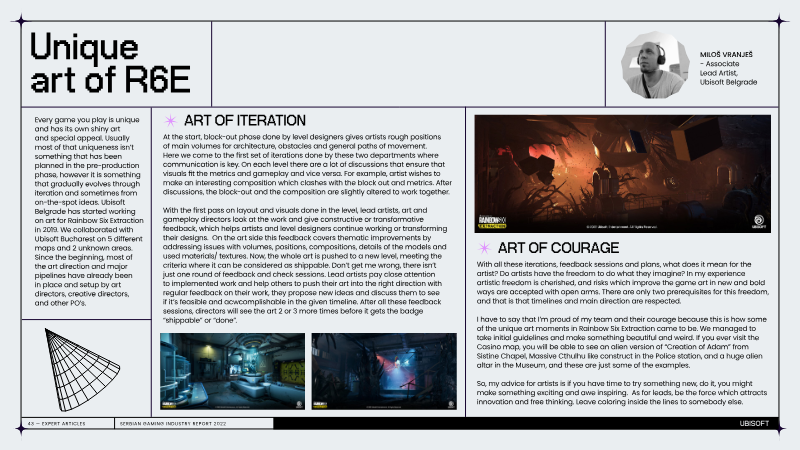
- The ecosystem supports a diverse production scale, ranging from indie developers using high-fidelity tools like MetaHuman Creator to major contributors such as Nordeus, Playrix RS, and Ubisoft Belgrade.


Diversity and Inclusion in Gaming: Insights and Opportunities 2021
This analysis examines the state of representation and accessibility within the United States gaming market, challenging the misconception that the gaming audience is primarily composed of young, white males.
- 47% of U.S. gamers avoid titles they perceive as not designed for them, indicating that inclusive character representation is a critical factor for market reach.
- Over half of the gaming audience considers the presence of diverse characters important, with particularly high demand for representation from LGBTQIA+ players and people with disabilities.
- Socioeconomic barriers significantly influence platform choice, as Black and Hispanic/Latinx players are more likely to utilize standard consoles or laptops and subscription services like Xbox Game Pass rather than high-end desktops.
The Game Industry of Finland 2020
The Finnish game industry has transitioned from a hobbyist niche into the nation’s largest cultural export, maintaining an annual turnover exceeding €2 billion for six consecutive years.
- The Finnish game industry generated €2.4 billion in turnover in 2020, marking six consecutive years of exceeding the €2 billion threshold.
- Industry stability has improved as Supercell’s share of total turnover declined to 54%, supported by a maturing 'middle class' of 46 studios each generating over €1 million annually.
- Despite a consolidation in the number of active studios to approximately 200, the sector reached a record high of 3,600 professional employees.