Diversity & Inclusion reports and market data
Documents

Tough Questions to Improve Your Leadership
This presentation from the 2019 GDC Producer Bootcamp focuses on actionable strategies for game industry professionals to improve their leadership effectiveness.
- High-performing teams are built on psychological safety and cognitive diversity, which research from Google and the Harvard Business Review confirms consistently outperform homogeneous groups.
- Effective leadership requires moving away from the 'rock' archetype of an emotionless manager toward a model of vulnerability that includes admitting when you do not have the answer.
- Leaders should mitigate the sunk cost fallacy and avoid making decisions based solely on role authority rather than the actual expertise of team members.
Swedish Games Industry 2021
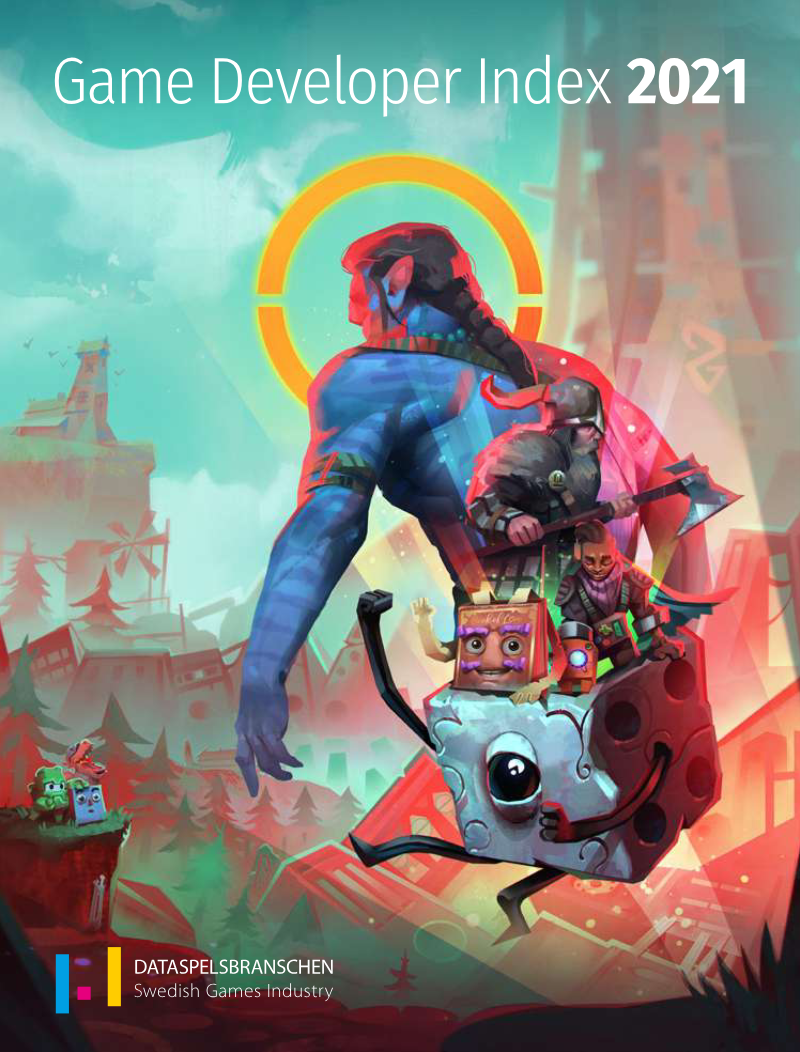
The Swedish games industry experienced a transformative period of growth in 2020, reaching a record revenue of EUR 3.3 billion.
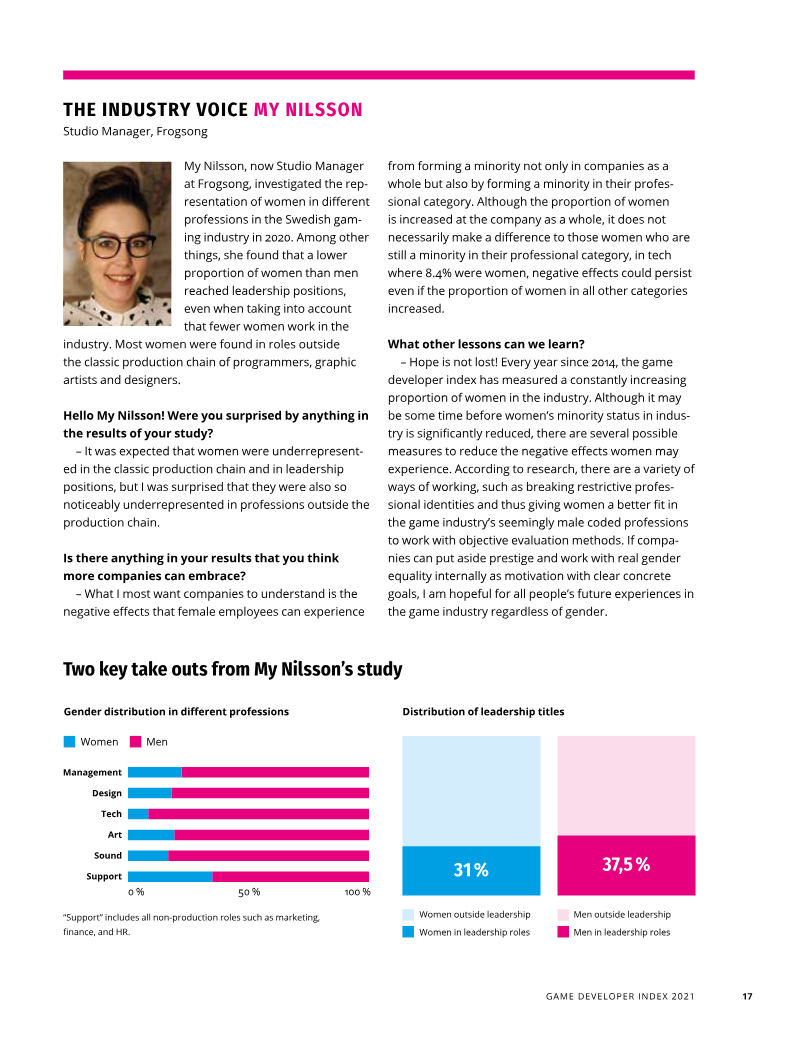
- The Swedish games industry reached a record revenue of EUR 3.3 billion in 2020, marking a 43% growth rate and the sector's twelfth consecutive year of profitability.
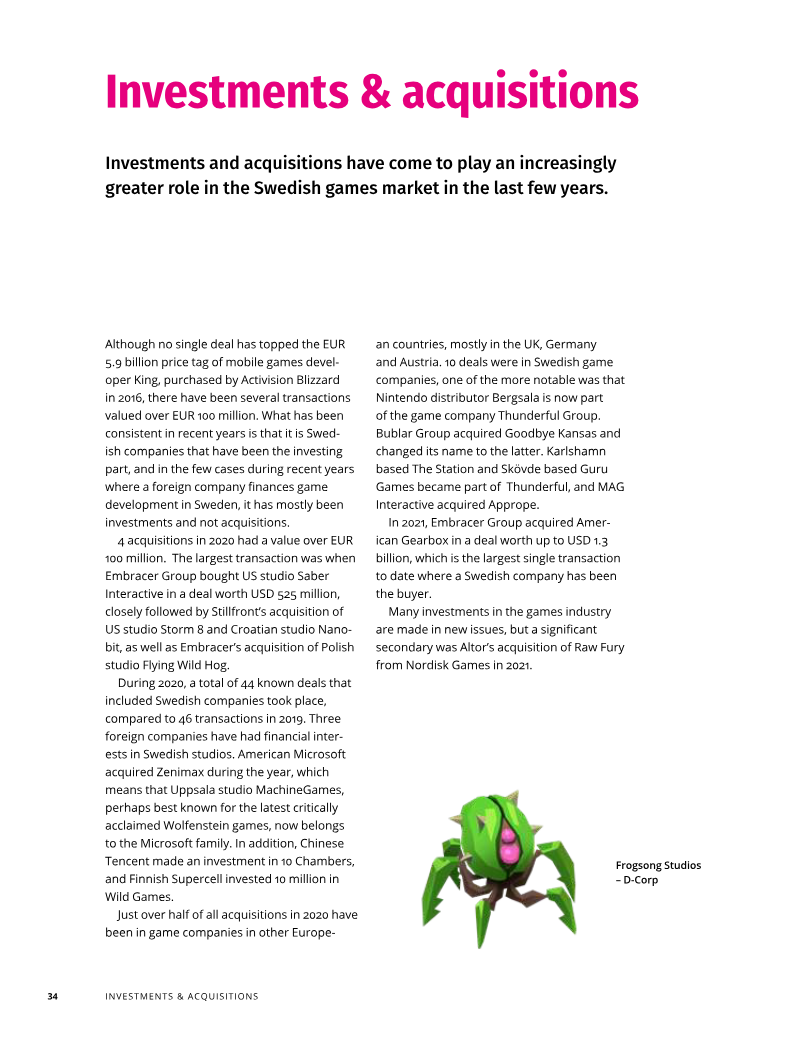
- Sweden has shifted from an acquisition target to a global investor, with 19 listed entities commanding a combined market capitalization of EUR 10.7 billion and Swedish-owned firms operating 126 international studios.
- A severe talent shortage and restrictive work permit processes are critical bottlenecks, despite domestic employment rising to over 6,500 positions.
Now You See Me: Representation as Innovation
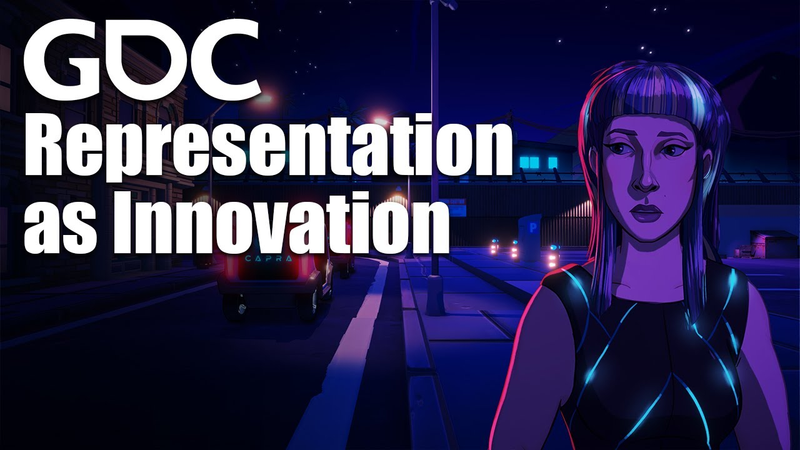
The narrative design industry often treats representation as a risk-mitigation exercise rather than a creative opportunity.
- The narrative design industry currently treats representation as a risk-mitigation exercise to avoid offense, which stifles creative innovation and limits the potential of the medium.
- Developers should shift from viewing diversity as a defensive measure to utilizing it as a tool for authentic, joyful storytelling that expands the appeal of their games.
- Relying on outdated demographic assumptions that prioritize a cisgender, heterosexual white male audience creates a cycle of fear that prevents studios from exploring new, compelling narratives.

"You Want to Do What?" Non-Traditional Pathways to Game Development
Entering the professional game development landscape requires a strategic shift in perspective, moving away from the expectation of linear career paths toward an emphasis on transferable skills and personal resilience.
- Success in game development relies on reframing transferable skills from non-traditional backgrounds—such as logistics or freelance work—into evidence of project management, iterative problem-solving, and emotional intelligence.
- Networking is most effective when focused on building genuine relationships with peers and recent industry entrants rather than pursuing transactional exchanges with senior executives.
- While technical proficiency is a baseline requirement, long-term career sustainability is primarily driven by soft skills including clear communication, adaptability, and a growth mindset.
What to Do When 'Toxic Gamer Culture' Enters the Classroom
Toxic gamer culture, defined by an exclusionary preference for traditional demographics and a hostility toward cultural analysis, has become a systemic challenge within university game design and programming curricula.
- Toxic gamer culture in academic settings manifests as identity-based discrimination and coordinated harassment campaigns that threaten the tenure and career advancement of faculty, particularly those from marginalized backgrounds.
- Current institutional responses are largely ineffective because they fail to distinguish between individual student conduct issues and organized, ideological hostility.
- Educators should prioritize personal safety by maintaining rigorous professional documentation of incidents and building support networks outside of their immediate institutional structures.
The Calm in the Storm: An Introvert's Guide to Success
The game development industry is currently hindered by an pervasive extrovert ideal that prioritizes high-stimulation, collaborative environments at the expense of introverted talent.
- The game industry's reliance on open-office plans and constant group brainstorming often triggers groupthink and social loafing, which actively undermines genuine innovation.
- Introversion is a biological trait characterized by higher dopamine sensitivity and lower stimulation thresholds, rather than a social deficiency.
- Studios can reduce burnout and cognitive load by implementing structural changes such as no-meeting days, providing meeting agendas in advance, and protecting periods for deep work.
Blizzard Under Fire | Roundtable News
Activision Blizzard currently faces a critical juncture defined by severe legal challenges and shareholder pressure stemming from allegations of systemic sexual harassment, workplace discrimination, and a pervasive toxic culture.
- Activision Blizzard, Riot Games, and Ubisoft are facing a systemic cultural crisis characterized by widespread allegations of sexual harassment and workplace discrimination.
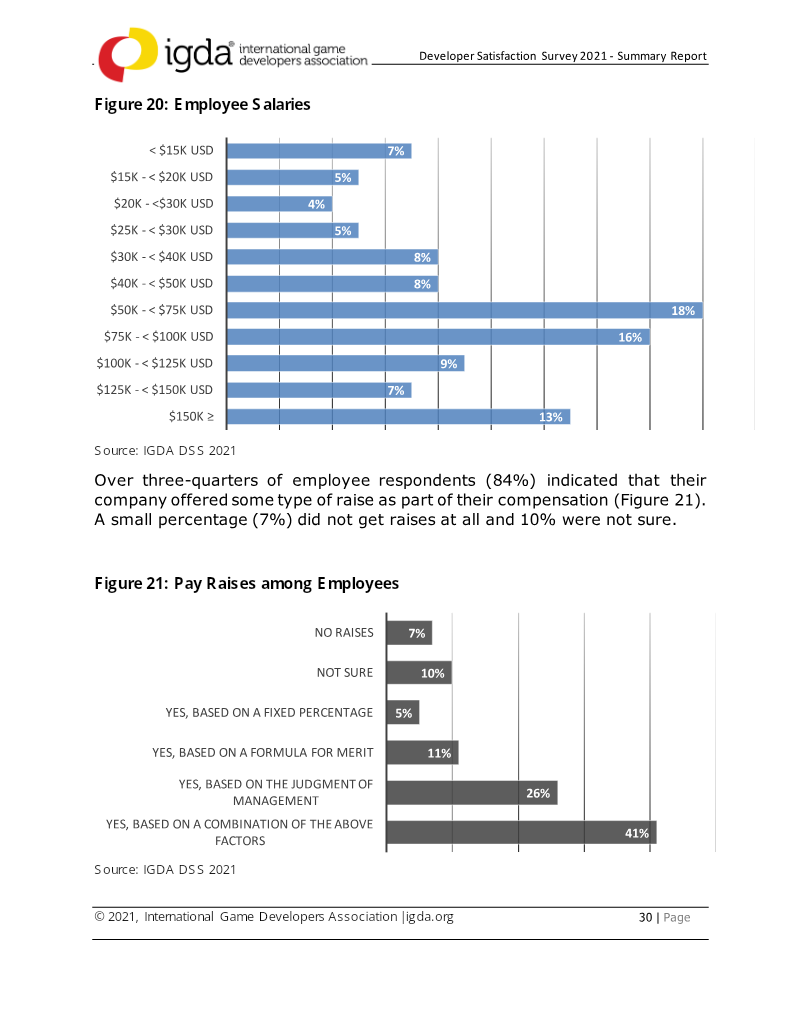
- The industry’s reliance on opaque, negotiation-based compensation structures has created significant workforce resentment and perceived pay inequity.
- To mitigate internal instability and talent loss, gaming companies are being urged to implement standardized, merit-based pay scales and transparent salary ranges.
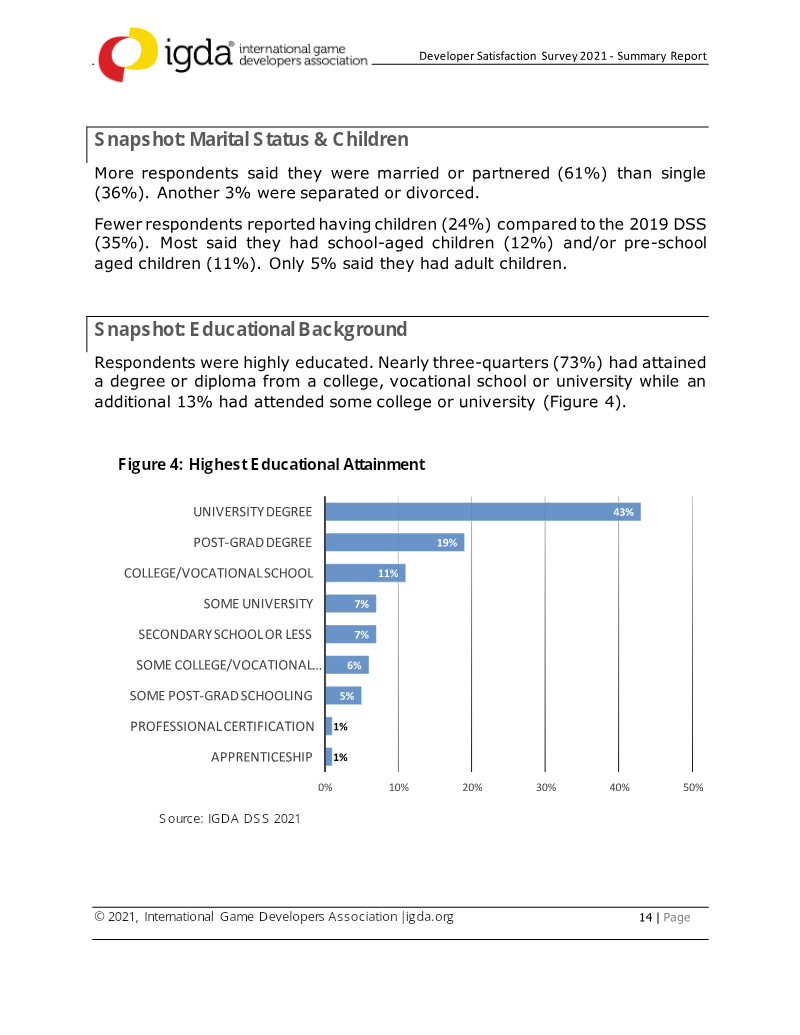
Developer Satisfaction Survey 2021: Summary Report
The 2021 game industry landscape is defined by a stark contradiction between record-breaking financial performance and systemic instability for the workforce.
- The prevalence of crunch culture nearly doubled during the 2021 pandemic, contributing to systemic instability despite record-breaking industry profitability.
- Approximately 74% of developers report a lack of equal treatment or opportunity, with less than half believing that existing equity, diversity, and inclusion (EDI) policies are effectively enforced.
- Dissatisfaction with systemic governance and workplace conditions has driven 12% of the game development workforce to unionize.
I Can't Hear You: Considering Deaf Gamers
Accessibility in modern game design is a fundamental requirement for the more than one billion people globally living with disabilities.
- Accessibility features are essential for a massive audience, as one in four adults in the U.S. has a disability, and over 40 million Americans experience some degree of life-limiting hearing loss.
- Subtitles should be at least 3% of the screen height for readability, though the television industry standard of 8% (86 pixels tall on a 1080p screen) is recommended for better accessibility.
- Designers should avoid relying on color alone to convey information, as 1 in 12 men and 1 in 200 women are colorblind; instead, use text, icons, or configurable color settings.
Building Pipelines to Find, Grow, and Retain Diverse Talent
The gaming industry is undergoing a structural shift toward intentional diversity and inclusion, moving beyond superficial hiring practices to address systemic barriers in talent acquisition and retention.
- Gaming companies are moving toward systemic inclusion by partnering with organizations like the Black Collegiate Game Association and Game Heads to build talent pipelines starting as early as middle school.
- Long-term equity requires a data-driven operational framework that includes consistent pay equity audits and transparent tracking of demographic representation across the workforce.
- The responsibility for inclusion is shifting from marginalized employees to management, with leadership held accountable for mitigating unconscious bias and providing actionable performance feedback.
How the Industry Can Change the "Games Are Bad" Narrative
The gaming industry faces a persistent, fifty-year-old narrative of moral panic that characterizes video games as inherently harmful.
- The gaming industry must shift from internal research to collaborative partnerships with independent academics to replace long-standing moral panics with evidence-based findings.
- Research relying on self-reported play time is fundamentally flawed, as players frequently overestimate their actual usage by nearly twenty hours per week.
- Studies utilizing objective server-side log data, such as the 2020 research involving Electronic Arts and Nintendo, consistently demonstrate a positive correlation between gameplay and mental health.
Black Games in Review: An Afro Future Flyby
This analysis explores the landscape of games created by Black developers, documenting the breadth of the field while addressing systemic barriers within the industry.
- A significant disparity exists between consumption and creation: while 83% of Black teens play video games—the highest rate among all ethnic groups—less than 2% of professional game makers identify as Black.
- Black game developers frequently adopt a 'solo' development model as a strategy to overcome systemic barriers to entry and limited access to traditional industry support structures.
- In the absence of established industry support, Black developers are actively building their own communities and networks, such as the Black Game Makers Association and resources like BlackGameDevs.com.