1 free read left. Create a free account for unlimited reading + AI research.
Create free account
Designing Games for Female Audiences | Renata Caldani, Maryna Iaremenko, & Joana Marques

Key insights
6 takeaways- 01Women now represent over 50 percent of the global mobile gaming market, spanning a broad age range from 10 to 65.
- 02Female players are increasingly moving away from simplistic casual titles in favor of mid-core and hardcore gaming experiences, such as Genshin Impact and Minecraft.
- 03Successful engagement with female audiences is driven by prioritizing realistic art styles, deep character customization, and authentic, complex narratives.
- 04Studios should integrate marketing teams into the early conceptual stages of development to identify internal biases and ensure creative messaging aligns with actual player preferences.
- 05Long-term growth in this segment requires organizational diversity, specifically by elevating women into leadership roles and utilizing rigorous qualitative research and playtesting.
- 06To effectively capture this demographic, developers must abandon gendered marketing tropes and one-size-fits-all design philosophies in favor of data-driven, inclusive strategies.
Ask AI about this video
Transcript
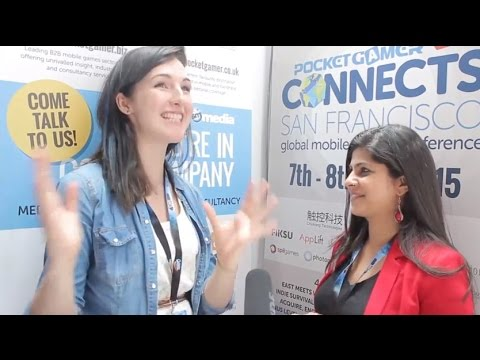
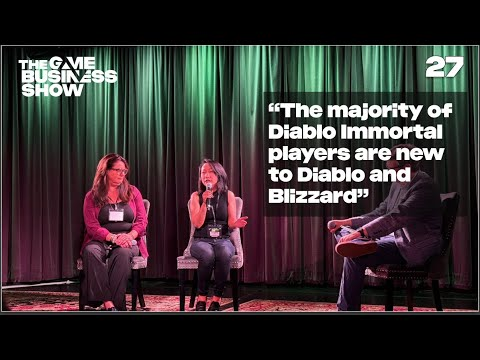
hello and welcome everyone today we are going to be talking about how to design games for a female audience and we'll cover genres motivations mechanics and a lot more but to speak to these issues we have with us first joanna marquez a senior product manager in the game industry with a lot of experience in these types of games second marina laramenko a lead game designer at game house and finally renata caldani a brand manager at square enix montreal welcome everybody hello hi guys hey so i thought we could first start just by asking the question in terms of who are these female gamers playing mobile games today and like how would you actually characterize this audience if you were to try to describe that female audience in recent years um female audience mobile was growing rapidly and there is right now more than 50 percent
of female players so it's it's very exciting and um i think it's worth talking about what are they yeah what what are the different types of female players because it's it's not just one um and uh yeah so for example google research was showing that 65 of female players have actually very wide range of uh of age it's like from 10 to 65. so we do know that there are a lot of for example mastery players that are that tend to be more mature it's 35 to 65 but we talk less somehow about the younger audience um so we call them right now they're called gen z um so it's from from 18 to 25 and uh they are the ones that are um changing the market currently so we have a lot of uh um genres for
example um and female players that prefer these genres that came from facebook gaming to mobile but there is also different uh in some cases more midcore games that are uh popular for gen z female audience and it's very interesting to see that i'm saying mid core and we'll talk about it later that's uh this is usually this kind of stereotype that women don't name it or hardcore even and it's mostly for men but it's becoming less and less relevant to say that and the last point i want to make is that still women don't don't take themselves as as players or as hardcore players um because in some cases um they feel that it's not so basically they shouldn't be playing games and they should be doing some some other things and it's not as widely accepted but in reality uh there is data that shows that human players play more sessions per per week for example than
men they all should also convert more so in reality um they are quite hardcore in the way they play um so yeah i think maybe can i ask you a little bit more about that just to kind of break it down a little bit so you're saying that for for the female audience you have this older audience that are generally playing games like match three and then you're saying the younger part of the female audience are those the ones that are more the more mid-core hardcore type of players or is it does it span the breath and for that younger female audience what are the types of games that they are playing okay so yeah i was saying that it's becoming more accepted by female players to enter different mid core hardcore games and usually it is this younger audience you know so we started hearing um a lot about goals playing fortnite ghost playing different roblox games but there are other games for example
like junction impacts that is uh kind of quite recent and it has an even gender split so you know it's really surprising it's not something that we as game developers are used to think about you know um but of course these gen z um uh players they also play other games like episode choices you know this is something that is known to be popular for younger audience okay any other thoughts you brought up a very interesting topic about um like women not considering themselves gamers because some some time ago i read a study about from activision about moms that play games and they said that around 70 percent of mums play games on a daily basis and they don't play only mobile they also play pc and console on on a daily basis so the i feel that
there is like because of this misconception there is a a big part of the market that is uh like the the tiziden and that people are not building games for them yeah and also too i think there's also the stereotype you know when we talk about gamers you know right away you think it's a male that plays a triple a you know console games their basement for hours and hours so um maybe like this non-gaming audience they really don't connect or don't don't put a label on them um like mirroring this image um and the other aspect that we are mentioning is that you know some women feel guilty about playing games you know we are expected to be doing reworking to be working out taking care of ourselves and families and whatever and seeing as you playing game it's kind of like why are you doing that you know what in the fear so there's also this fear
of being judged that kind of push them and say hey i'm not a gamer you know i just play some when i can but um don't put a label on me that that's not who i am renata do you think that that would then impact the kinds of games that that women want to play just because if you don't want to be perceived as playing a game then you want to play the kind of games that you could kind of play a little bit discreetly shorter session times kind of less less you know like not as long it's not like you're going to be sitting on the couch in front of the family you know in front of the ps4 or something like that so yeah okay but i think it it also helps with it right i think um also the options that are out there kind of make us choose this path or that path as well so i think it's all a combination of factors of yes there's the games that are out there there's this stereotype there's this misconception of a of
the audience that kind of makes us um kind of put the female audience in a box and say hey this is who they are and this is what they play make more a hundred thousand uh uh games about this and and let's go and can we dig into more details about that part the misconceptions so you know when i think of the female audience i'm probably pretty biased right so i'm thinking you know we mentioned match three and we mentioned like i'm thinking about the female audiences like you know older match three players like if you were to break it down a little bit more specifically or if we were to talk about some of the other misconceptions marina you mentioned some hardcore types of gameplay also for the female audience could we talk about maybe what are some of those games or some of the other misconceptions that people have about the female audience yeah i could talk about the part of the mid-core games actually because i was pulling some data from sensor
tower i wanted to see a bit of the gender split for example for mostly for mobile and there were some games that were really surprising like games like comparison puzzles and you know rage shadow legends you would imagine that maybe there is like i don't know five percent of female players but in reality it's uh it's more um you know it's 30 plus percent which is still not high but that was already a surprise for me but then i was looking at games like minecraft game of thrones conquest um dragon raja identity v and uh they have over 50 percent of female players again according to this data but for me it still was pretty pretty impressive you know um and it shows that even though these are not female mainly uh games but uh there is a lot of misconception that
that women don't like metaphor they don't like hardcore um they don't want to invest their time on it because it's too demanding for example um and i i think and i assume that this is younger audience this is not your typical maybe um well my street player that would play these games maybe some do but not probably the majority so i think this is kind of a tr um well a trend or or thing that was happening in recent years that's for girls for women it just uh became quite uh quite okay quite normal to try these games and any and it works you know like in china for example i saw one article that uh owner of kings from tencent um has 54 percent of female players which is uh over 300 millions and this just completely uh destroyed all my misconceptions about this topic right maybe we could also talk about
so we talk about misconceptions about the female audience and in terms of like it seems like there's a lot more nuance to the female audience older younger but also to your point i think identity is also um a game that targets a chinese audience pretty broadly right and so do you think that it's possible that maybe there are also geographical or cultural differences given that honor of kings mainly targeting you know a chinese audience identity mainly china so do you think there may be something where chinese women are into different kinds of games than other women in in other countries yes i can i can answer this but if you want joanna i don't want to steal that yeah i was just going to say that um i mean i don't have any data to back this up but the impression that i have is that the maybe the asian market is or the the women in the asian market
have been more exposed historically to games so they are already a more mature audience that already takes uh on more midcore and hardcore games but but i also think that that is becoming true in the west so like marina was saying we have games that are already appealing for to broader audiences not just like exclusively female or exclusively male like i don't know the entire impact even in the u.s it's an almost 50 percent split and i also have i also believe that there is a lot of there is a lot to do with marketing and how the game is sold to the audience because we see games that on the same genre uh like for example matrix puzzle there are games that are exclusively like almost uh 100 male audience and then you have games like empires and puzzles that sell the game in a way that is more appealing to women and then the
the audience is more split like at least for me in person and puzzles has like that female warrior in the front page and it's super attractive and appealing to me because i can i can like feel i'm represented there so so i think that there's those both sides so on one hand like the audience is becoming more mature and on the other hand i think there are some companies that are able to sell the game and to produce a game that uh that fits a more broader audience that also includes women and i think that ties again with the misconception that we'll be talking about right like um the content that has been created for women so far it's really like simplistic simplistic and stereotypical so you know like we are expected that we all like cute farms you know storytelling pink things and that's not necessarily
the true you know that is this wide range of females that have different uh interests different play motivations different behaviors when playing games and that without really understanding we just go back to this misconception of patronizing women and the type of content they want to consume right and jenna i thought you brought up a really interesting point about the marketing to women so that it's kind of on both sides it's on the one hand do we have the right product for women and then on the other side are we actually marketing and pulling women into the game in the appropriate way and so i i was wondering if you guys could think about that or could talk a little bit more about that in the sense of like if you have a game how would you how do you guys think about marketing towards women or figuring out how to make a game more appealing in terms of whether it's creatives or the messages that you're trying to come up with when you're trying to market to
women for a specific type of game and even to your point one that you might not think is particularly you know it has a misconception where it's it's like okay they're here there's this kind of hardcore match three empires and puzzles for example but we're gonna try and and market it to women specifically like so yeah plea please what do you guys think in terms of that i think if i can start a marketing uh role is also equally important as the game team right like um independent and the stage of the of the development of the of the product um i think marketing is also there to break this misconception and do their due diligence and learning more about this audience and teach the game team teach stakeholders you know teach whoever um it's part of this this project and really questioned like what are we doing why we are doing that and put it in place either through research studies tests
um data that also support us in the argument you know so we just say oh i think they will like this like actually no actually we have data to back it up actually we kind of we did this study and we understand this audience you know and and it's it's the importance of the when the project's been in the uh pre-pride i guess or being like even before that when it being like just the concept is being discussed i think the marketing role is really important to be present since early stages to make sure the audience is clearly defined from day one and is fair represented and um the game team understand what they're making this game for and as the game progress marketing's world is to continue to remember that you know cause you know productions go left and right and validates that with the audience right so hey either for the community uh initiatives as well it's like is this what you guys want to see is this isn't
going the right direction and kind of bringing the the audience closer to to the development process and then towards the end of course it comes the messaging right like who and the channels and what to say and what the creatives what to show um so i think it's important to have marketing involved since the beginning to make sure uh game team audience and the game features they're all aligned uh to to this audience that we're creating the game for and i know we've talked about specific games that are doing well or that have a high percentage of female audience but i was wondering if you could also in terms of if we could take lessons from the industry what's out there are there any other specific games or game companies that are doing doing this right like attracting the female audience in the right way and what are the specific things that you would say they are doing
that is you know better than other companies in terms of the female audience oh my on my side um i would say that a game wise i'm i i like a lot of design home and i think they're doing a great job and not just game mechanics but try also bringing another approach into the market in the sense that you know their art direction is more realistic you know it's towards a more mature audience you know it's more focused on their motivation which is more self-expression through customization um and you know like in community right you share community vote and you have that aspect in terms of marketing and we talked about you know breaking the misconception and also being in you know innovative you can talk about you know i mentioned mentioned that kind of with the ua assets um away ads kind of started breaking this
mode of just showing you know exactly what's in the game so it kind of like shook the the the marketing a little bit there and there's also lily's garden right with um it took a step further than what uh madison mentioned did and kind of put it like a more daring it became a bit more daring in terms of subject right so it kind of shed another light on women topics or or on how to approach those topics how to talk with women that before either was a taboo or was just like the traditional approach yeah lily's garden um in particular seems to have done a pretty good job on the marketing front right like so we see like some of the statistics after some of their tweets and things like that and like the downloads have spiked and yeah yeah exactly and they they you know they they took it a chance right like you're like okay let's let's see what happens um and
it just went viral like people were shocked like what you know can you even say that like is it even like allowed you know like for us to to say that and and it became viral because people related you know like you know women also you know use emojis there's a certain type of emojis you know talk about certain subjects with their friends and all that so right so you said design home but for me was interesting example of covet fashion that is similar like mechanic-wise but since the game is about uh while collecting clothes and uh decorating your well changing look of your avatar and then participating in pvp um pvp events uh at one point players were kind of um craving for having different uh model because they they felt that this character was not really representing them that much you know so basically they asked for a
bigger variety of skin color a bigger variety of body shapes because they were tired of the classic very very slim model and that is something that many female players are craving for they really want to have these kind of relatable characters and not the you know in mid core and i think there is still this problem um the companies are doing characters female characters with tiny ways you know little clothes very exaggerated certain parts of the body and women just don't necessarily like it i mean some of them might like it but you don't yeah you don't oh we don't all the same you know or we don't look like that at all so that's why sometimes it prevents women from playing these games because they can truly associate themselves with this you know um yeah with this character so
as i said call it fashion did a good step uh towards that and uh i know like i'm playing harry potter hovers mystery which is uh well largely driven by story but you also have your character and they also started adding a little bit more diverse um customization options and diverse characters and i think it makes a difference i mean maybe you can say that you know i can measure it with specific api but it makes a difference um so these are the games they're maybe doing are a little bit kind of ahead of the market on doing this uh yeah adapting to the audience needs but as as we were saying before there is so many different female players you know some of them would like and would want this very classic approach to gaming you know maybe those that used to play facebook games or i don't know but there are some that typically is usually these jazzy audience that they are crying for
very different approach you know very different uh uh cons not consumables but very different uh way of representing themselves and different way of consuming story there's a lot more gameplay here than in a typical game studio and so i was wondering if you could also talk about in terms of on the creator side or the studio side when you're developing games for women does it help or should you have more women as part of the team that's developing the games so that you can have a better game adapted for the female audience what do you think about that i think that's a that's an important point um because i think traditionally games have been made
by men and for men so and i think that that also pictures like creates a picture of how the market has has been so far and and it's not that men can do games for women i don't believe that's true i think if they try to understand the audience of course they can do a game for for women for a female audience but depending on the genre and the culture and everything else and all of these factors that affect how we grow up we we grow up with different points of views and if you just have one it's hard to create something because indian games are a creative industry and it's hard to create something for people that you don't understand so the wider the point of view you have on a team the more variety experiences you'll you'll be able to create and the more broader the audience you'll you'll be able to to reach uh maybe it's more about
diversity in teams you know in general rather than having men and women i mean there is a different cultural background there is many many things you know that can play a big role and sometimes i worked with women and it's it's not like a hundred percent correlation that the woman would understand understand the female audience the game is targeting you know so yeah i mean you need to be definitely kind of paying attention to diversity in general yeah and i think we should also avoid to say because we're women you have to work in a game for women you know like and some women don't want to and that's fine you know and there are others that want to and that's great too so i it should kind of avoid like oh because of a woman here that's the only type of game you can work on or should be worked on but besides what the girl said yes like have a more inclusive um environment too but also have women
in leadership positions you know so um to really have strong voices driving the product and also making sure that you have a a welcoming place for women you know like he's not just like hey uh come make a game and then you know they never have their this space to speak up or you know it's not not safe towards them so that making sure they respect the boundaries as well um would help us to make a better product okay so i have one final question which is really around future trends and so when you think about the female audience and whether it comes to whether it's themes or ip or mechanics or genres what do you think is the future in terms of like if we're trying to make a game for the female audience how should people be thinking about some of those different things for me i would say that you know gone are the days of one size
fits all approach you know especially for the for this audience who is demanding more customized more personalized and richer experience so for me um i think the future is really about creating more diverse and relatable content to serve this audience and make sure we reduce the gender gap with the these the misconceptions that we've been talking about uh and really start focusing more okay how we can make content that speak to this audience and attract them and make them feel comfortable and represented in a way um when playing this game i think several companies are starting to understand that there is a shift in the in the market and that the audience itself is changing and it's more open to to more mid-core mechanics and
uh i don't know to um competition and and social layers that many games didn't have before and i'll also i think uh lots of games are starting to understand that ux is very important and in the end the like like i said before the the female audience is is getting more mature over time right but there are there are many things that uh like many schemas that women don't didn't learn yet so i think more casual games are taking casual games are taking a deeper approach to the ux side of of the games to make it more approachable to women even with deeper mechanics and a ux that is more approachable it will make it easier to for women to enter and learn and start playing so hopefully that that is a trend that will continue to to soar yeah uh for me that's uh
i would say i've seen in some games i was working in for female audience that is usually characterized as casual and i've seen for example in king we're using certain types of features or elements bored from more midcore games and they work just fine really very well so i think this is going to be more and more common thing because normally casual games which is not only much three actually but many different genres um they lack the monetization depth and that's usually something that is mid core and hardcore games are stronger for so i think this trend will keep happening and on the other side seeing success in asia and the size of the audience female audience in asia and type of games that they are engaging with i think and i really
hope that in in the western on the western market this shift will also start happening so either release of the more mid-core games uh on more on mobile that will target wider audience and just a specific type of male audience you know or even for example there was a game a very skilled game called love nikki dressed up queen that is um a myth with a theme that is appealing to women like collecting clothes and dressing up and doing all these things but you still have a very very big layer of rpg and it was i mean it is huge in china for example it had a mild success in the us but i think it since it had success in us you know our audience is as i said maturing evolving and eventually we'll get there and i hope that there will be more and more games appearing like that
okay awesome well joanna marina renate thank you very much for your time and maybe just as a final wrap-up do you have any final words of advice for the audience and if there's a way for someone to contact you is there a good way to contact you on my side i hope to see developers taking bigger risks when creating games for women and also that teams become more diverse because i think that's how we will be able to cater to a more diverse audience and take the mobile market into the next phase and if you want to contact me linkedin is a good way yep for me i would say you know like let's keep working hard let's keep pushing the boundary um the way that we can and above all let's keep supporting each other um and push
the mobile game or the gaming as a whole to to the next phase of gaming for women you can reach me on linkedin as well um for me i would hope that as an industry we will also evolve and as you were saying before like should we have more women working in gaming i think yes for sure and i think this will help as well to bring certain perspective and help to build better games for women i'm also a second in general and like being more risky you know not being kind of stuffed by some cliches and misconceptions about female audience and trying new things uh yeah trying to be kind of closer to the audience i do recommend to do uh audience study um when you're developing your game like really in-depth i think it really helps to have a certain well certain assumptions
confirmed and maybe certain misconceptions broken um and during the course of development uh i would recommend to keep this contact with your audience you know like i don't know either organize play tests or like get your qualitative data compare with the kpis and develop you know the next generation of games for female audience so if you want to reach out to me link it in as well good work all right okay thank you again for your time and insights i personally found it very helpful and for the audience we'll catch you next time thanks a lot thank you bye [Applause] [Music] [Music]
Summary
The female gaming demographic represents a significant and rapidly expanding segment of the global market, currently comprising over 50 percent of mobile players across a broad age range of 10 to 65. Contrary to persistent industry stereotypes that categorize women exclusively as casual players of simplistic titles, current engagement data reveals a strong preference for mid-core and hardcore experiences, including titles like Genshin Impact and Minecraft. This shift highlights a critical disconnect between outdated marketing strategies and the actual behaviors of a diverse, mature audience that increasingly rejects gendered tropes in favor of complex, engaging gameplay.
To capture this market effectively, developers must abandon one-size-fits-all design philosophies in favor of inclusive, data-driven approaches. Successful titles demonstrate that female players prioritize realistic art styles, meaningful character customization, and authentic, daring narratives. Integrating marketing teams into the early conceptual stages of development is essential to challenge internal biases and ensure that creative messaging resonates with the actual preferences of the player base. By moving beyond traditional industry clichés, studios can better align their products with the evolving demands of a sophisticated audience.
Long-term success in this space requires a fundamental commitment to organizational diversity, particularly by elevating women into leadership roles within development teams. Fostering inclusive environments, combined with rigorous qualitative research and continuous playtesting, allows studios to blend traditional themes with complex mechanics effectively. As the industry matures, the ability to deliver intuitive user experiences and diverse, representative content will be the primary driver for growth, ultimately ensuring that the next generation of games successfully reflects the reality of the modern, multifaceted gaming population.