ReportNewzoo
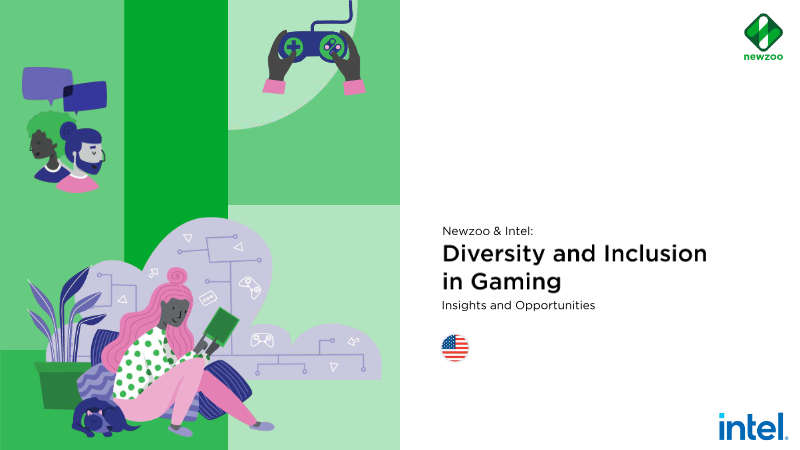
Diversity and Inclusion in Gaming: Insights and Opportunities 2021
202117 pages~12 min full read
This analysis examines the state of representation and accessibility within the United States gaming market, challenging the misconception that the gaming audience is primarily composed of young, white males. Based on a 2020 study of 1,824 gamers aged 10–65, the research argues that the industry’s future growth depends on its ability to cater to a diverse global population of 2.7 billion players. The thesis posits that strengthening diversity and inclusion (D&I) requires a dual approach: improving the representation of marginalized groups in software and increasing the affordability of hardware.
Key findings indicate that 47% of U.S. gamers avoid titles they feel are not made for them, while over half believe it is important for games to feature diverse characters. This sentiment is particularly strong among LGBTQIA+ players and people with disabilities. Data shows that players of color are often more "serious" gamers than their white counterparts; for instance, Black and Asian PC players skew younger and more female. Furthermore, the popularity of the fighting game genre among Black players is linked to historical arcade accessibility, suggesting that low barriers to entry foster long-term community engagement.
The research highlights a significant correlation between socioeconomic status and gaming habits. Black and Hispanic/Latinx players are more likely to use standard laptops or consoles rather than expensive high-end desktops and are more inclined to use subscription services like Xbox Game Pass to manage costs. Ultimately, the analysis concludes that brands taking active stances on social issues and prioritizing inclusive character design can drive higher engagement and revenue, as gamers increasingly prefer companies that reflect their values and identities.

Google · 2026
Newzoo · 2026

Newzoo · 2026
Newzoo · 2026

Deconstructor of Fun · 2026
Newzoo · 2026

Newzoo · 2026
Newzoo · 2026
Newzoo · 2026

Newzoo · 2026

Newzoo · 2026
Newzoo · 2025
Newzoo · 2025

AEVI · 2025

Anzu & Semcasting · 2025

Anzu · 2025

AEVI · 2025

Entertainment Software Association · 2025

European Schoolnet · 2024

Circana · 2024

Xsolla · 2024
Video Games Europe · 2024

AEVI · 2024

Entertainment Software Association · 2024