Unreal
Game
Documents about Unreal
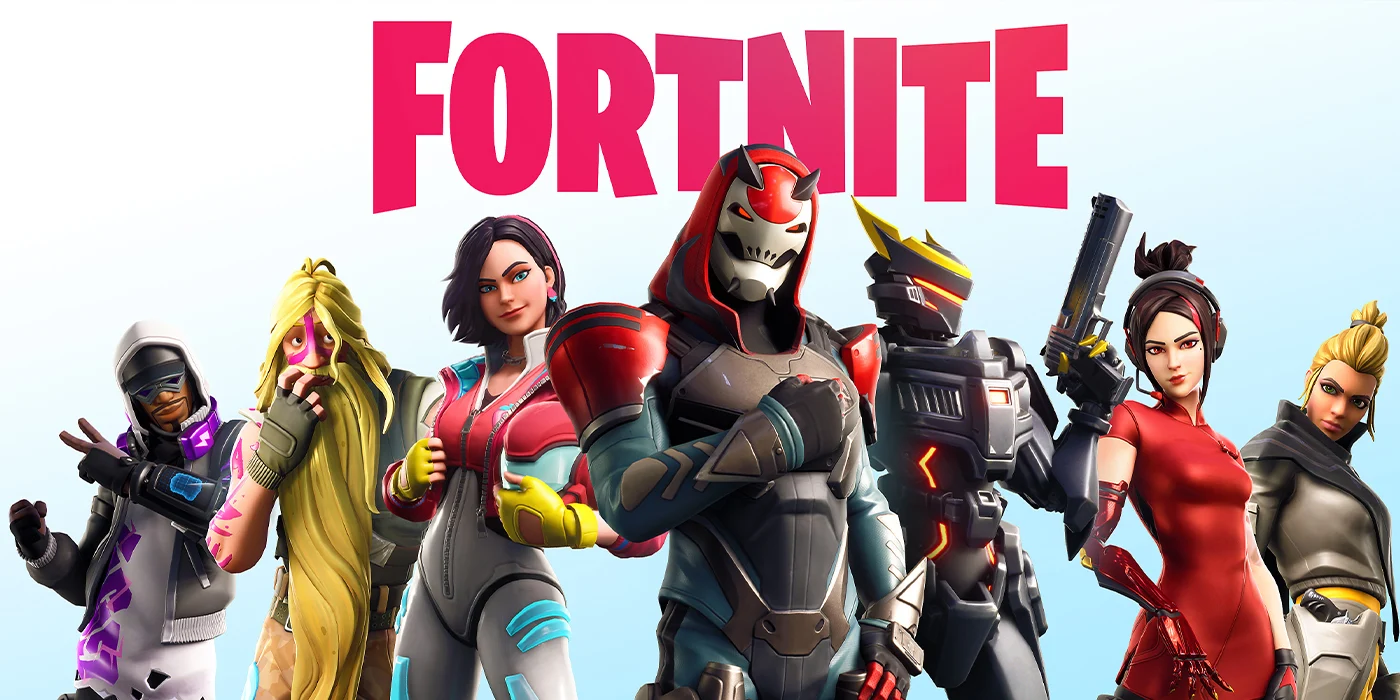
Epic Games & The Quest to Push Boundaries
Epic Games has evolved through several distinct iterations since its founding in 1991, consistently leveraging the intersection of gaming and technology to maintain a competitive advantage.
- Epic Games operates as an iterative entity that leverages its internal successes, such as Fortnite, to build foundational infrastructure like the Unreal Engine that serves both the company and the broader developer ecosystem.
- Fortnite’s success was driven by a combination of social connectivity, cross-game avatar persistence, the Battle Pass monetization model, and high-profile live events featuring partners like Marshmello and Star Wars.
- The Epic Games Store (EGS) aims to challenge industry gatekeepers by offering a competitive 12% revenue cut to developers, attempting to disrupt the market dominance of platforms like Steam.
Unreal Engine and the Epic Ecosystem
The Epic Games ecosystem centers on the philosophy that the company’s success is intrinsically linked to the success of its developers.
- Unreal Engine operates on a royalty-based business model where developers pay a 5% fee only after their projects achieve commercial success, following a shift to free access in 2015.
- The Epic Games Store supports the ecosystem by charging a reduced 12% commission, while the Unreal Marketplace provides a revenue stream for creators through a catalog of over 9,000 products.
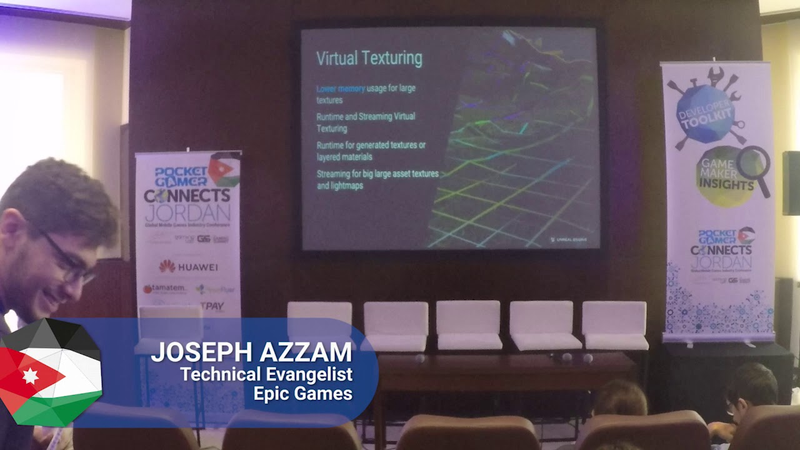
- Epic Games uses Fortnite as a live testing ground to develop and refine engine features like the Chaos physics engine, real-time ray tracing, and virtual texturing.
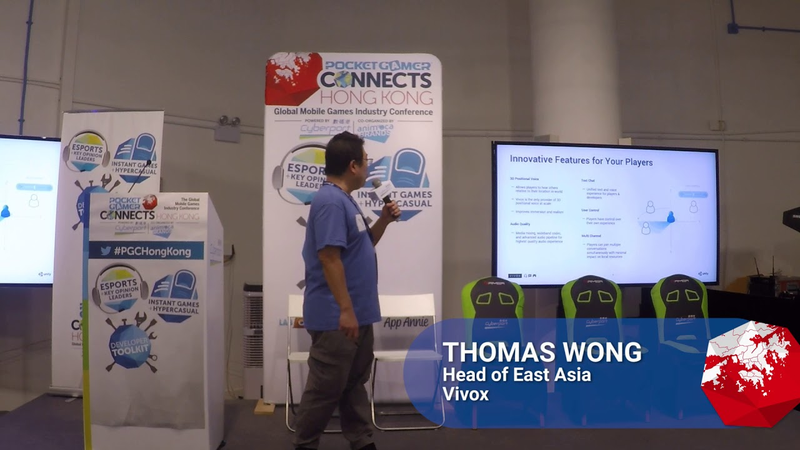
Using Vivox’s Voice and Text Chat to Deliver the Best Multiplayer Experience
Vivox provides voice and text chat infrastructure for the global multiplayer gaming industry, focusing on scalability, cross-platform compatibility, and player engagement.
- Players who use voice chat demonstrate higher retention rates by the fifth week and spend twice as much time in-game compared to non-users.
- Vivox supports over 120 million monthly active users and facilitates more than 100 billion minutes of voice communication per month across 190 countries.
- The platform offloads processing from the client to the server to minimize CPU impact and mobile battery drain while maintaining 99.9% uptime.
Building the Stage for an Immersive Theater VR Experience
This presentation details the artistic and technical development process for an immersive virtual reality theater experience created by Tequila Works.
- Tequila Works maintained a consistent 60 frames per second on PlayStation 4 by prioritizing narrative discovery over traditional gameplay mechanics to manage performance constraints.
- The team utilized a medium-poly modeling workflow with soft bevels instead of high-poly baking to save memory, reduce texture seams, and improve silhouette quality for close-up inspection.
- To mitigate motion sickness, the art direction eliminated texture noise and avoided alpha-tested textures in favor of a clean, physically based lighting and material aesthetic.



Impact of Cloud Gaming and Other Trends in the Indie Ecosystem: Spain
The analysis evaluates how cloud-gaming and emerging distribution models are reshaping the Spanish indie game ecosystem, arguing that while the broader gaming audience is expanding across new platforms and financing structures, cloud-gaming remains experimental and will not achieve mass-market penetration for several years due…
- Cloud gaming is currently an experimental niche that will not reach mass-market penetration for three to five years due to bandwidth limitations and consumer readiness.
- Indie studios should adopt hybrid monetization models that combine direct sales with subscription or free-to-play (GaaS) approaches to maximize revenue potential.
- The most viable target audience for cloud-based indie titles consists of price-sensitive console users and latency-tolerant mid-core players, including the growing female demographic.
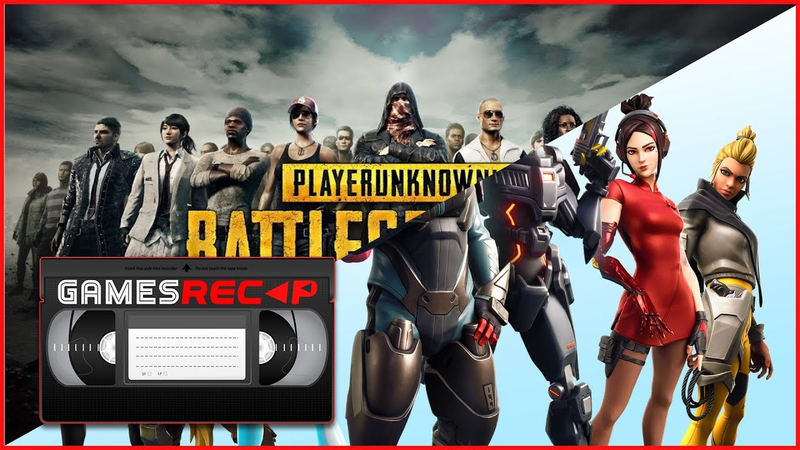
PUBG Corp Burying the Hatchet with Fortnite | Games ReCAP Episode 029
The legal friction between PUBG Corporation and Epic Games has officially concluded, marking the end of a contentious period defined by allegations that Epic leveraged its role as an Unreal Engine provider to replicate the battle royale mechanics of its partner.
- PUBG Corporation has officially ended its legal dispute with Epic Games, which was originally triggered by allegations that Epic misused its position as an Unreal Engine provider to replicate PUBG's battle royale mechanics.
- To combat the current stagnation of the battle royale genre, developers are being urged to move beyond the 'last-man-standing' formula and the reliance on shrinking play zones, which are viewed as design shortcuts that limit innovation.
- Future viability for battle royale titles depends on shifting away from transient, loot-focused gameplay toward persistent, snowball-style mechanics and emergent social systems that foster deeper player engagement.
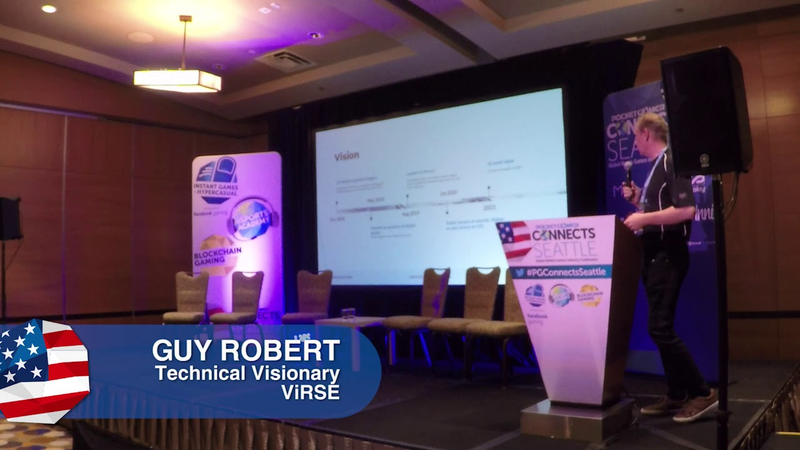
Diversify your game income with blockchain and ViRSE
The ViRSE ecosystem aims to bridge the gap between virtual reality, blockchain technology, and real-world commerce by creating a decentralized, cloud-based virtual universe.
- ViRSE is a decentralized, cloud-based virtual ecosystem designed to bridge virtual reality, blockchain, and real-world commerce by offering tangible utility, such as physical goods discounts, for digital assets.
- The platform aims for significant financial scaling, targeting $4 million in digital inventory value by late 2019 and $2.1 billion in real-life discount value by 2021.
- ShopVerse serves as a specialized distribution platform for blockchain-based games, functioning as an alternative to mainstream app stores to bypass restrictions on crypto-integrated applications.

Glenn Scholfield's New Game Studio | Games ReCAP Episode 013
The establishment of Striking Distance, a new studio led by industry veteran Glen Schofield under the PUBG Corporation banner, marks a significant shift in the San Francisco game development landscape.
- Glen Schofield has established a new studio, Striking Distance, under the PUBG Corporation banner to develop horror-influenced experiences within the PUBG universe.
- The studio aims to expand the PUBG franchise by introducing a robust narrative identity and a dedicated single-player component.
- Striking Distance is utilizing Unreal Engine instead of proprietary technology to streamline development and support a sustainable games-as-a-service model.
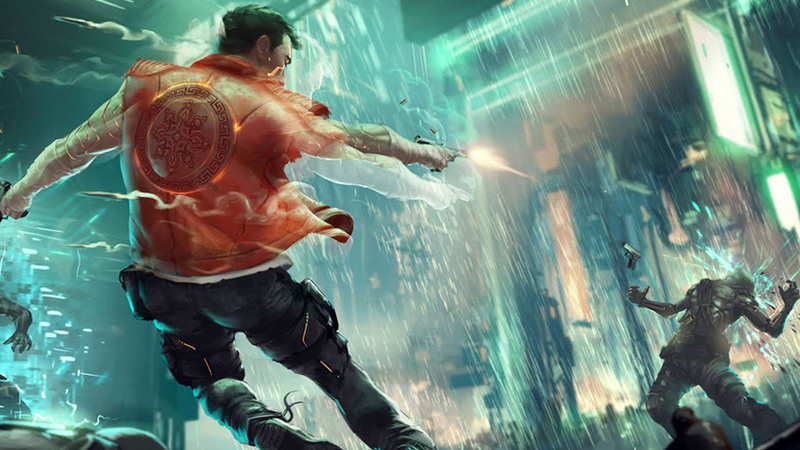
Understanding Game Dev in China with Sam Wey | GduX.me
The Chinese gaming industry operates as a high-velocity, mobile-first ecosystem defined by intense competition, rapid consolidation, and a unique reliance on personal networks rather than traditional legal frameworks.
- Success in the Chinese market necessitates a local partner to navigate complex bureaucratic hurdles, government censorship, and the technical constraints of the Great Firewall.
- The industry is dominated by Tencent and NetEase, which prioritize high-velocity, profit-driven cloning over original intellectual property.
- Regulatory volatility, including unpredictable licensing processes and platform restrictions, remains the primary obstacle for developers operating in China.
Biggest Takeaways from E3 2019 | Games ReCAP Episode 005
E3 2019 served as a critical lens for evaluating the current state of the global gaming industry, highlighting a stark divide between successful creative strategies and systemic operational failures.
- Amazon Game Studios faces potential dissolution due to a lack of coherent leadership and the strategic failure of mandating the proprietary Lumberyard engine over industry-standard tools like Unreal or Unity.
- The gaming industry is increasingly pressured to abandon 'crunch' culture in favor of sustainable development models that utilize tighter project scopes to mitigate burnout in AAA production.
- Square Enix and Nintendo demonstrated that leveraging established nostalgia and innovative mechanics remains a highly effective creative strategy for market success.
Visual Effects Bootcamp: The Rise of Realtime
The rapid evolution of real-time visual effects is fundamentally reshaping the creative landscape, necessitating a shift in the professional profile of visual effects artists.
- Real-time visual effects are shifting from traditional particle simulations toward a multidisciplinary requirement for rigging, programming, and tool development skills.
- Artists are increasingly utilizing data-driven techniques like motion vector flipbooks and vertex animation textures to bake complex lighting and fluid dynamics into shaders for high-fidelity performance.
- Procedural tools and analytic simulations, such as spline-based trails and mesh-based particle systems, are replacing traditional physics-based approaches to provide greater artistic control and efficiency.
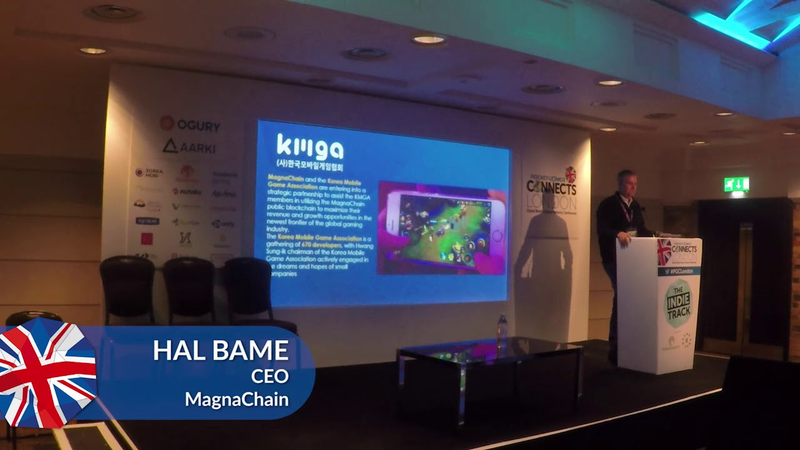
How blockchain tech can usher in the next era of gaming for developers and players
Blockchain technology represents a fundamental shift in the gaming industry by introducing real-world value to digital assets, allowing players to own, trade, and sell in-game items across an open, decentralized market.
- Blockchain infrastructure enables decentralized peer-to-peer trading of digital assets, removing the need for publisher permission or traditional server-side control.
- By integrating blockchain via SDKs for engines like Unity and Unreal, developers can bypass traditional app store commission fees and platform constraints.
- Blockchain technology addresses the '1% rule' in mobile gaming by shifting focus from mass-market acquisition to monetizing highly engaged, dedicated user bases.