
ReportAEVI
Impact of Cloud Gaming and Other Trends in the Indie Ecosystem: Spain
2 Oct 201935 pages~27 min full read
The analysis evaluates how cloud‑gaming and emerging distribution models are reshaping the Spanish indie game ecosystem, arguing that while the broader gaming audience is expanding across new platforms and financing structures, cloud‑gaming remains experimental and will not achieve mass‑market penetration for several years due to bandwidth constraints and uneven consumer readiness. Console users, especially those who are price‑sensitive and less tied to a single PC ecosystem, are identified as the most promising segment for indie titles delivered via cloud, with subscription‑or‑free‑to‑play (GaaS) approaches offering the strongest revenue potential.
Current platform data show PlayStation Now operating in 19 high‑speed‑Internet markets and reaching more than 79 million PS4 owners—approximately 0.6 % of the console base—yet its relatively high subscription fee and overlap with PS Plus dilute its attractiveness. Google Stadia leverages extensive data‑center and AI resources, providing a free tier alongside a €9.99‑per‑month option, illustrating divergent pricing strategies within the nascent market.
Strategic recommendations for indie studios emphasize hybrid monetisation that combines subscriptions with direct sales, targeting latency‑tolerant mid‑core audiences, including a growing female demographic. Development pipelines should prioritise engines with broad cross‑platform support, notably Unreal for versatility and Unity for seamless Stadia integration, while adopting low‑cost, high‑quality marketing to compensate for the reduced role of traditional publishers. Cloud‑gaming’s principal advantage lies in creating a more level playing field, granting indie developers visibility and access to users lacking high‑end hardware, thereby expanding market reach in Spain and comparable European territories over the coming three to five years.
AEVI · 2025
AEVI · 2025
AEVI · 2025
AEVI · 2025
AEVI · 2025

AEVI · 2025

AEVI · 2025
AEVI · 2025

AEVI · 2025
AEVI · 2025
AEVI · 2025

AEVI · 2025

Direcció General d’Innovació i Cultura Digital · 2025
Game Developer Collective · 2024
Fondo Europeo de Desarrollo Regional · 2021
Spanish Association for the Game and Entertainment Software Development and Publishing Industry · 2021
AEVI · 2020
DEV - Desarrollo Español de Videojuegos · 2019
Poki · 2026
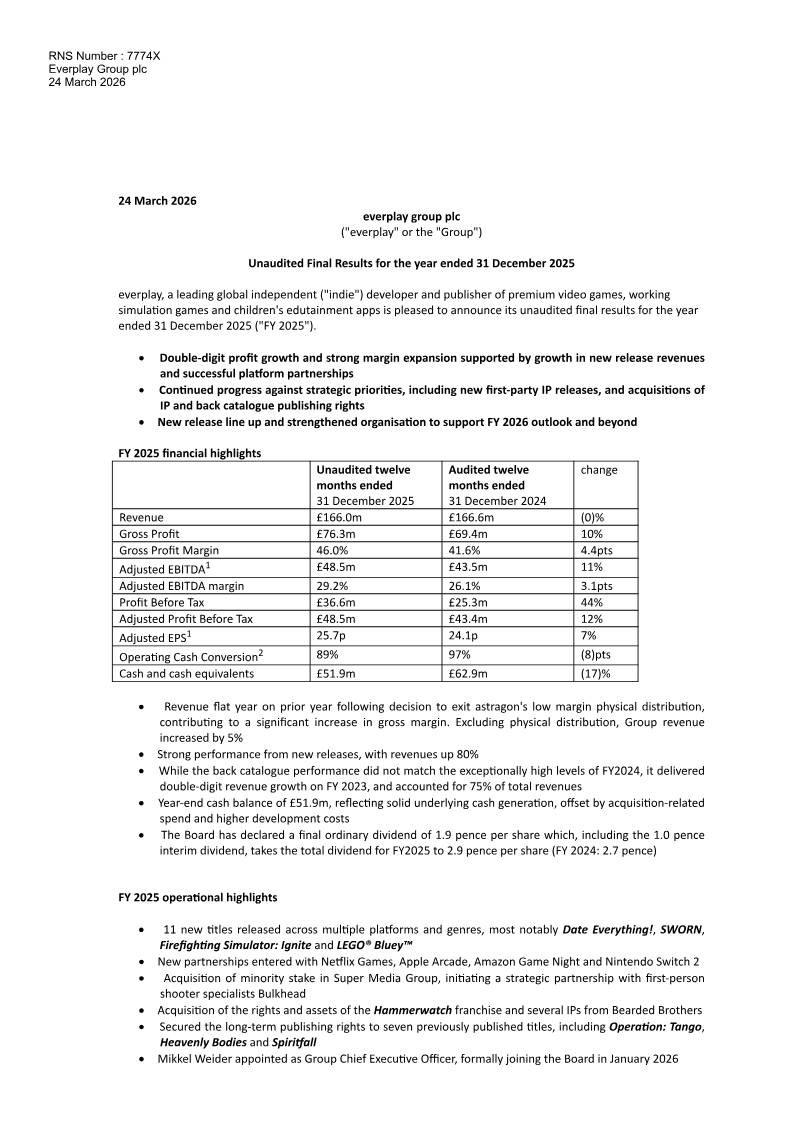
Everplay Group · 2026
8Bit · 2026
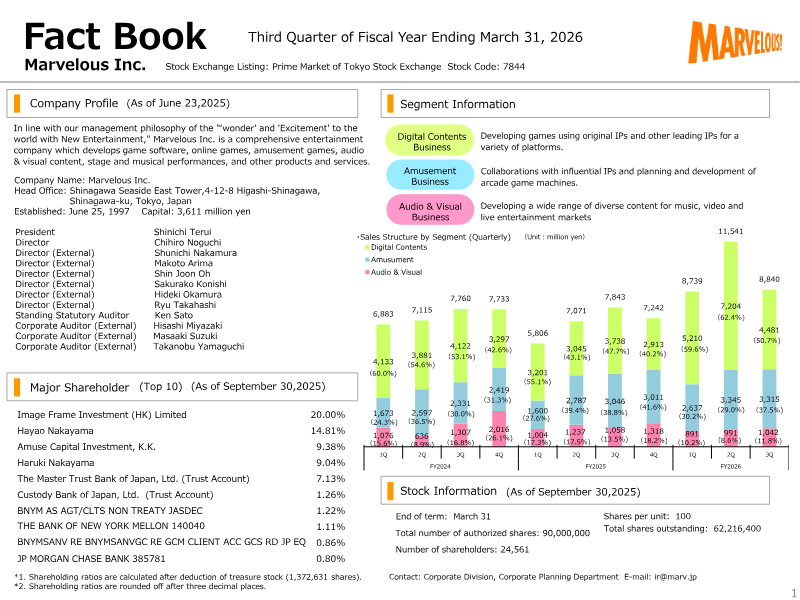
Marvelous · 2026
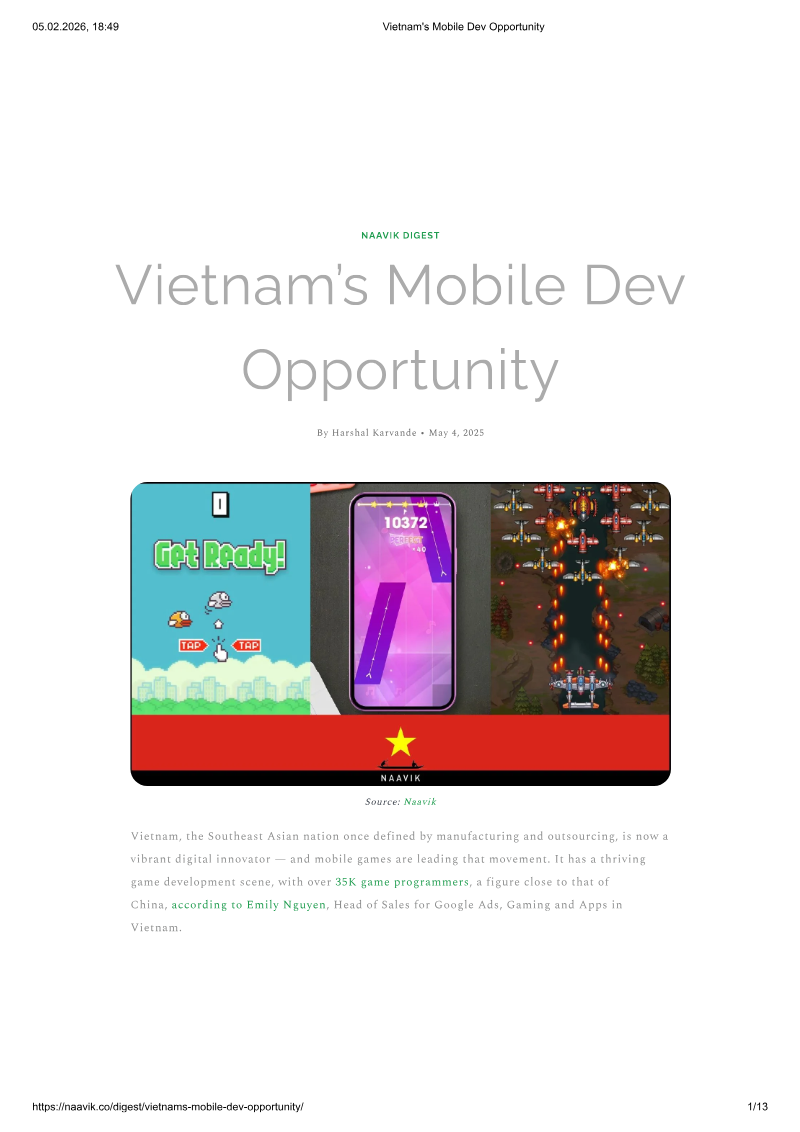
Naavik · 2026
GungHo Online Entertainment · 2026