Super Bowl
Game
Documents about Super Bowl

TWiG #372: Death at an Xbox Funeral & Balling Out Ball’s State of Gaming
Microsoft is undergoing a fundamental strategic pivot within its gaming division, marked by the replacement of long-time leadership with Asha Sharma, an executive from the company’s AI division.
- Microsoft is pivoting its gaming division toward AI integration and platform monetization under new leadership from its AI department, signaling a potential long-term move away from the traditional console-centric business model.
- The gaming industry has experienced a steady decline in profitability since 2019, despite overall revenue remaining at historic highs.
- Traditional Western publishers are struggling to compete for user attention against non-gaming sectors like short-form video, gambling, and social-first platforms like Roblox.

Is Cross-Platform The New Golden Strategy? Spoilers: No - The Metacast by Naavik
Technological advancements in gaming infrastructure are currently driven by a dual focus on high-performance computing and decentralized architecture.
- The industry-wide pivot toward cross-platform development is a high-cost operational challenge rather than a simple distribution fix, requiring developers to manage disparate input mechanics, unique live-ops cadences, and specialized marketing.
- Major industry players like Supercell and Netflix are aggressively recruiting PC and console talent to combat mobile discoverability issues, signaling a broader shift away from mobile-first development.
- Intel is targeting a hardware milestone of one trillion transistors per chip by 2030 to revitalize Moore’s Law and provide the necessary foundation for future AI, VR, and metaverse applications.
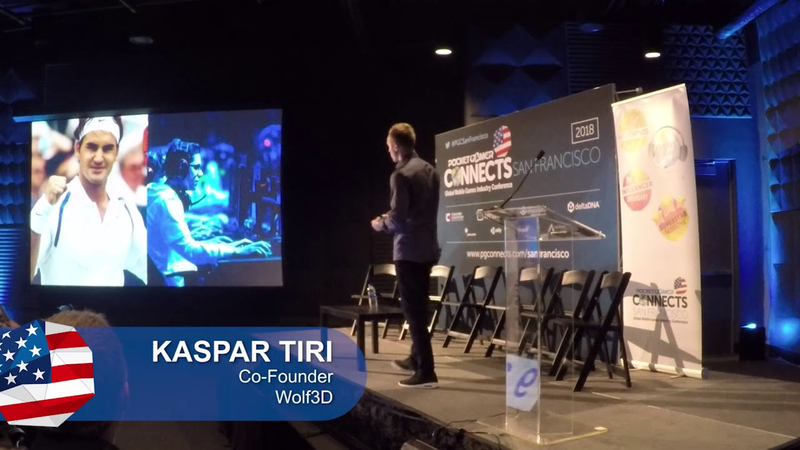
Personal avatars in competitive games
The evolution of personal avatars in competitive gaming reflects a broader shift toward self-identification and social expression within virtual environments.
- Personalized avatars significantly increase player retention and enjoyment, often ranking higher in user experience than traditional gameplay mechanics like combat.
- The 2017 League of Legends Mid-Season Invitational reached 360 million unique viewers, demonstrating that eSports viewership can significantly outperform traditional events like the Super Bowl, which had 111.3 million viewers that same year.
- PlayerUnknown’s Battlegrounds achieved over 200 million unique viewers within seven months of its release, proving that competitive gaming titles can attract audiences far larger than their active player bases.

Concept Art House CEO James Zhang on helping Supercell make its Super Bowl advert
Concept Art House provides high-end art, 3D animation, and pre-production services to the global gaming industry, contributing to approximately 500 games annually.
- Concept Art House supports approximately 500 games annually, providing high-end art and 3D animation services for major developers including Riot Games, Blizzard, and Hasbro.
- Mobile gaming is shifting toward console-quality graphics as developers utilize high-fidelity assets to differentiate products in a saturated market and justify rising production costs.
- The integration of established entertainment intellectual properties, such as Jurassic Park and The Hobbit, has become a primary strategy for securing top-grossing positions in mobile app stores.

Implications of Supercell's $1.7 billion 2014 revenue
Supercell’s 2014 financial performance serves as a primary indicator of the current state of the mobile gaming industry, characterized by extreme market concentration and high barriers to entry.
- Supercell generated $1.7 billion in 2014 revenue with $580 million in profit, marking a threefold increase over their 2013 performance.
- The mobile gaming market is characterized by extreme concentration, where a small group of elite firms including Supercell, King, Machine Zone, and Gung-Ho dominate the top of the charts.
- Top-tier developers maintain their market position by reinvesting 20% to 30% of their revenue into aggressive user acquisition and high-profile marketing campaigns.

Were Super Bowl ads worth it, and Glu's Katy Perry lift
The mobile gaming industry is currently undergoing a strategic shift toward high-profile brand advertising, exemplified by the significant investments made during the 2015 Super Bowl.
- Mobile gaming companies, including Supercell and Machine Zone, spent approximately $15 million on 2015 Super Bowl television spots to shift from performance-based digital marketing toward high-visibility brand advertising.
- Glu Mobile’s stock price increased by 30 percent in a single day following the announcement of a five-year partnership with Katy Perry, building on the success of their celebrity-driven simulation model.
- The mobile gaming market is characterized by a 'winner-takes-all' dynamic where a single breakout hit, such as Kim Kardashian: Hollywood, can stabilize a company's finances after years of losses.

Why Kabam is toning down its F2P monetisation
The mobile gaming industry is currently navigating a shift toward long-term player retention and sustainable monetization strategies, as evidenced by the financial performance and strategic pivots of major players like Electronic Arts and Kabam.
- Kabam shifted its strategy from aggressive, short-term monetization to a 'less is more' approach after missing its 2014 revenue target of $550–600 million, reporting only $400 million.
- To improve long-term lifetime value, Kabam is reducing its game release frequency and easing monetization mechanics, such as gifting players small amounts of hard currency to foster better sentiment.
- Mobile game developers are increasingly utilizing 'extreme user acquisition,' evidenced by companies like Supercell and uCool investing millions in high-profile traditional media, including Super Bowl advertising.

Rovio's Marja Konttinen reveals how developers can brand their way to success
Strategic brand licensing and partnerships serve as essential tools for game developers to scale their intellectual property into global brands, particularly when operating with limited marketing budgets.
- Strategic brand licensing allows developers with limited marketing budgets to scale intellectual property into global brands by leveraging partner reach and collaborative barter deals.
- Successful partnerships rely on three pillars: brand fit, partner alignment, and prioritizing the user experience by providing tangible value rather than intrusive advertising.
- Rovio has utilized brand partnerships to secure high-value placements, such as Super Bowl advertising and global retail distribution, without traditional media spending.