1 free read left. Create a free account for unlimited reading + AI research.
Create free account
Is Cross-Platform The New Golden Strategy? Spoilers: No - The Metacast by Naavik
Key insights
7 takeaways- 01Innovations like Playmint’s use of zero-knowledge proofs are enabling complex, low-latency MMO raids by offloading computations from the blockchain to the client, effectively bypassing traditional gas fee and speed constraints.
- 02Intel is targeting a hardware milestone of one trillion transistors per chip by 2030 to revitalize Moore’s Law and provide the necessary foundation for future AI, VR, and metaverse applications.
- 03Marketing strategies are shifting toward metrics-driven, free-to-own models, as evidenced by Limit Break’s Super Bowl NFT campaign, to maximize reach in a volatile software landscape.
- 04High-quality titles like Gwent are being sunset when revenue and engagement metrics fail to support live operations, highlighting the ongoing volatility in the software market.
- 05Major industry players like Supercell and Netflix are aggressively recruiting PC and console talent to combat mobile discoverability issues, signaling a broader shift away from mobile-first development.
- 06The industry-wide pivot toward cross-platform development is a high-cost operational challenge rather than a simple distribution fix, requiring developers to manage disparate input mechanics, unique live-ops cadences, and specialized marketing.
- 07Due to the saturation of the cross-platform market, some developers are opting for blue ocean niches where success relies on precise market timing and the creation of new categories.
Ask AI about this video
Transcript
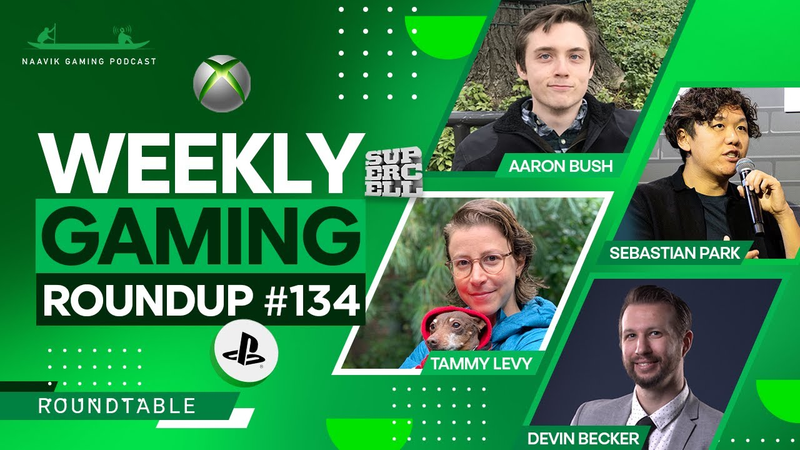
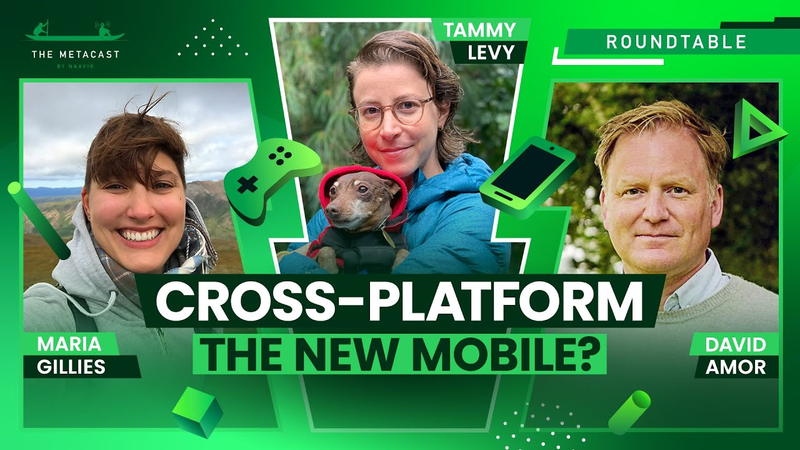
[Music] I mean often the the games that work on mobile don't work on PC and console of course you need different play patterns different inputs I when I've tried to do it in the past I failed trying to make a move a PlayStation game over to iPhone back in the day [Music] hi friends welcome to the metacast round table by navic I'm joined by Tammy Levy Chief games officer at Captain TV and David Amor CEO of playment hello hey hey guys how are you hello hello I forgot to say that this is the one podcast but anyway you all know it because you're Avid listeners so we won't go through it again there you go no need um I bought some really interesting stuff for this Cyber Monday I was
wondering if you both had a a purchase you want to share Cyber Monday Black Friday hasn't it all been proven to be a scam at this point no it's a wonderful scam though yeah well specifically the things are just sort of put up ahead of Black Friday and then drop down to make it look like a sale I proudly let it all pass me by I'm above these things you know no retail strategy is going to get to me Maria why what did you buy well now you put me on the spot because I was hoping other people have purchases uh well I bought some really cheap hair vitamins doesn't sound like cyber monday it was a cyber monday everything is Cyber Monday now oh okay yeah but this is this is not Cyber Monday but I'm very upset about my my new mug that I got is a birthday present because it matches my background I was gonna say yeah you're all Mario
now it's quite meta yeah yeah for people listening I should explain that it's Mario 8-bit Mario which is both your background your wallpaper actual wallpaper and your mug right exactly so I'm just squeezed in between 8-bit Mario let me uh ask both of you a question will you ever 8-bit Mario players or are you both too young for that thank you too young yeah okay Tammy I did I did I did play uh and we did not have a console at home but my uh fun story my Grandma had an original Nintendo your grandma's awesome uh she was a very big fan of uh Tetris and Dr Mario wow that was my my introduction to uh video game when he was going to Grandma's house and playing well done Grandma good
you know you start the career there she didn't even know it my Mary Mary story I didn't have the NES at home but I would go to the arcades and I would be absolute King of the arcades playing Mario to the point where there was a crowd of people behind me that I was pretty proud about yeah I was pretty good yeah I thought you would be too young for Mario thank you good yes nice call back all right on on that now actually we're going to start by talking about payment now because payment announced open source Tech so I just want to quickly I think maybe this is something not Studio space you did an awesome Innovation and then you're at that point of deciding do we open source it do we keep it behind closed doors will be patent so I was wondering well first you could provide some brief context around what is it that you made open source oh okay yeah this is is a quite a technical thing to describe so um a challenging games overall normally when you have a client server model they
knew it's server authoritative I I the server decides what is the rules of the game and make sure that nobody cheats and uh that's generally how that stuff works and often the client is quite dumb in comparison uh when you're building blockchain games isn't a challenge which is the server particularly if you're running Logic on chain as we are then the server is a blockchain and the blockchain is slow so if you're asking it to do a lot of computation then it's going to be expensive and it's going to take a long time to do that it's not really best suited for that so the question is how do we stop people cheating in a game how do you make sure that how do you move some of that processing not on the blockchain but instead we figured out a solution of moving that same computation to the client to the client to the player's machine locally and then it runs locally and then the question can be how can avoid that being exploited and there's a piece of cryptography called zero knowledge proofs which is like borderline magic I mean it's
really really smart which is a way of proving something that you know something without actually showing what it is so like uh ah it's really hard to describe as an example but like if you think about it the the way that a server would normally figure out whether you've done valid moves was to figure out oh let's let's run those that we play ourselves and see whether or not those are valid moves but now you're you're running it again it doesn't really solve the problem so zero knowledge proves is a way of proving that they're you've done something valid and you know something to be true without having to actually figure it all out for yourself and it's a as I say really really smart piece of uh Mass zero knowledge proofs and is actually how Layer Two uh blockchains work as a slight side um and and so our solution there was to in this MMO that we're building at the moment where there's a lot of difficult computations like 20 people will fight a dragon then we've got to figure out who wins who loses what happens in the dragon asking a blockchain to do that is
tough it's not gonna work so our solution is to move that onto the client's computer wrap it up into a zero knowledge proof using snarks um and then that uh that gets sent back to the blockchain and blockchain blockchain verifies it but the verification of that proof is a lot simpler than trying to run all those calculations itself so that's um that's the technology that we developed first of all does that make sense it's hard to describe so it's essentially how do you do an MMO raid without cheating yes only on a blockchain without gas fees and the processing time required for each move yes how can you do complicated things provably on a blockchain uh when blockchains are slow for doing those kind of things and so it's a but it you know it's not unique to blockchain it's a piece of technology that's yeah
that sounds like quite a competitive advantage yeah yeah open source well I think um so as to why we did that um I sort of think that's what you should do anyway I think that uh I don't like this idea of people sitting on patents and uh secret information and usually I think if you're really good at what you're doing then you um then by the time you told people what it is you've done then you're busy doing the next thing anyway and we're sort of you know so so I still think there's a moat and we have expertise of understanding what we've done that you know can't be open source but but in a general sense I want to see the web 3 games will grow at a much faster rate than it is right now and so when there's a when we come across a solution that we think would benefit other people then if we share it and they're able to use that same idea and as a sector of the industry we're able to grow more quickly then that's going to benefit all of us
and and like if the web 3 games continues the pace then that's going to serve our company even if it isn't us that really pushed the the category on does that make sense yeah yes and there's not many studios building fully on-chain games right no but you know in that's true but just in Webster games in general you you would say like uh trading approaches even if it's not open source like talking about what you're doing building in the open discussing how that minting went the problems that you had and really sharing that stuff helps whether it's code or not helps everybody move more quickly and the other thing is that an important aspect of what we're doing by building on chain is encouraging other people to compose extra functionality into our game and if we don't show what it is that's going on there then it's hard for them to build that stuff so just from a practical point of view tucking in a way away is a bunch of binaries isn't going to help people build more stuff on top of what we're doing
oh yeah that's that's so awesome thanks for sharing I guess one quick question there were you thinking about uh eventually making this technology open source when you started developing it or the Eurasia point over you realized I was that like very valuable to making it open source I guess it was was a strategy going in I was like let's build it so that it's it's open source and we can build together yeah every everything that we're building certainly on the blockchain side is open source like a repost there for everyone to see and use this to see fit I mean there's a bit of effort in actually making it fully documented and making it is something that people can understand so even though everything's open source there's other things that we think are specifically useful that will go to the trouble of packaging up telling the world about and uh making a bit more presentable and that was one of those well um I think we'll just go to the
next update thanks David for sharing all that about all right open source hopefully we'll have another session of these in a few months when you discover yet another Innovation so I was so excited by this update which is a path to a trillion transistor chips by 2030. um Intel have made a discovery where they believe that they have a way forward to pack even more transistors onto a chip and so if we're looking at things that require massive computing power so for example the ability to train machine learning models with very sophisticated AI that is the one of the most expensive Parts about being able to approach this technology the ability for VR headsets to be powerful without having to be plugged into for example a console bringing more Innovation into that space of how portable it is how light it is it
would be able to to impact that technology and then also if we're talking about being able to build realistic experiences that are expensive in the metaverse that also has massive infrastructure costs and needs of computing power and so yeah being able to have these powerful chips it just gets me very excited what do you think yeah I hadn't heard this story this is an interesting one and what what uh what sort of uh what do they think is the resulting computational improvement from this for this new system they did not say and to be honest I'm not technical enough to understand that but they did say that Moore's Law is back yeah essentially you'd go from um The Benchmark is tens of billions of transistors that you have today to a trillion what's the difference between 10 billion and uh a trillion hang on a second 10 billion you're you're the professor
there there's there's a few zeros there right it sounds like it sounds pretty significant I'm just trying to do the do the maths on it yeah it would be 10 times more dense is what they said 10 yeah 10 times more dense than they what they are today and not only that they're also they also made an announcement that they're breaking barriers into Quantum Computing because they're trying to innovate for example uh better qubits that are required for Quantum Computing being able to better find a ways to store the information because it's very sensitive to interface defects for example if there's a rumbling somewhere with environmental disturbances so it's just extremely exciting as to what will happen next I think we have to start branching our brains further than the metaverse further than we are into what what will be the next big innovation you know about that Moore's Law point and there's a futurologist called Ray kurtzfil I saw him keynote one should GDC a long time
ago and whether it's a GDC or some other place anyway he sort of predicts the future and looks at what's happened in the past to predict the future and it usually gets things pretty much right one of the things he pointed out about Moore's law was that we keep hitting the throughout you know since the invention of the microchip we've keep hitting these walls where you go oh we can't that's as fast as we can go but then what happens is the demand for for more Pro sexting power gets so much that eventually the rewards are so great the the the prize for figuring getting through this barrier becomes like a mega mega prize that that people will just work so hard and find then break through and then maybe three years later or five years later you hit another one but I think there's something about the the process of so much demands on um processing power that the rewards become so great that humankind finds a solution to get through it and in a way it's not
going up against the smart people at Nvidia but to me it seems like another example of that where just where you thought we'd hit a wall that we couldn't get through Intel figure out a way through it and we'll again in the future I don't know tell me what do you think I mean I think it's it's it's exciting as um there's this hunger in the in our industry and just throughout the regular the tech industry to figure out like the next big thing right and it's a little bit of what you're saying right like we've been able to like get devices small devices that are super powerful in everyone's hands but you know the next set of Innovations have like a big barrier of Entry like the the VR headsets like there's just like even as you're speaking about like you know web free blockchain like computational costs um so I do think there's something to be said on what you're saying about like hey like that now there's there's like this demand of
like you know where we're at is just gonna be incremental if we don't see like that next big step in uh computational Power and then you know things that will unlock everyone's imagination because at first will be hey let's do all the things that we haven't been able to do so far just like do them faster and better um then from there that that will be very interesting like what what's the next Frontier and how does Quantum play uh Quantum player against traditional Computing like that's that's sort of something I would assume would be a breakthrough is when there's more usable Quantum of computing it also makes me a little bit nervous so you know wonder what happens to all my Bitcoin Keys Etc that uh get cracked at that point but uh yeah you know it's sort of a lot of the world relies on cryptography that sounds like it could be broken by uh Quantum Computing but nonetheless you know do they so this is a little unkind Maria
but do they run alongside each other traditional processes versus quantum processes to me I'm not an expert from what I try to understand of the space is still not fully proven out exactly how Quantum Computing can be applied definitely for cryptography for fast calculation well powerful calculation on a scale that we just can't maybe even imagine nowadays because of its limitations in terms of how sensitive it is because it is working at a Quantum level there isn't that much Clarity yet at least publicly because considering how much this impacts security and cryptography I'm sure there's a lot of contracts and not full disclaimers and disclosures of what's what what its potential truly is yeah I don't have an answer for now yeah yeah very cool yeah if you can have a quantum computer within a VR headset to be shaking around probably not for a very long time
very cool yeah so another exciting update this week was about limit breaks free nft Superbowl mint I'm curious to hear your thoughts on this David for a bit of context limit break they're a blockchain gaming company um they announced that they were going to be doing a Super Bowl ad for their Digi gaku game um and they now more recently announced that during that ad they're going to be doing a free mint now it's not an unlimited Freeman where anyone who uses the QR QR code will be able to mend there is a limit to about tens of thousands of nfcs oh yeah David well what do you think about this marketing strategy uh well it's some very smart people I I think everyone knows people behind limit breaker gay Bladen who who was behind a machine Zone that was
famously amazing in monetization and creating uh what the mobile game that was top of the grossing charts for maybe three or four years in a row so wouldn't bet against that guy that's for sure and I think that he's also very good at marketing I guess the two are pretty closely linked and the reality is that when I first he talks a lot about this concept of free to own nfts and that sounds great and you go well that does sound better than ones that you have to buy I suppose but then when you dig into the details you say Maria there's only a finite Supply that actually get uh given away for free in which case it's a bit of a prize draw a lottery or something I guess so uh I I can't wait to see uh what how all that works and exactly you know to me so it's taking it up a level so that's interesting and of itself there's a little bit of hype there behind it but equally very smart company smart people a friend of mine I'm Ryan Foo who's excellent at this stuff
recently joined that company so I'm sure there's going to be uh I'm really I'm sort of there's a little bit of hype there that I want to see through but equally really fascinated and and nice to see that level of exposure uh I suppose that level of marketing yeah what's what's interesting to me is that for any other team to like if any other team would announce like a marketing strategy like this that would be incredibly nervous about you know just being all fomo and you know with some sort of of Ploy in in a way uh but this is a team that has experience with very complex economies in in maintaining them for a really you know long time and um a team that has been pretty bold on you know with with machines and like their past experiences like very bold ad strategy as well where you know they've they've gone with like these both campaigns and it's interesting seeing that Evolution right there's
you know attaching a free mint around the ad having like a cure code having kind of like a limited Supply like that is that's super smart to me because one of the big things that's hard to measure is impact of like these like Big Marketing ads especially like in during the Super Bowl like what the actual impact ends up being I'd be interested to know right so I don't know if this is true for this drop but I heard that like 10 000 were free and obviously you would hope for more than 10 000 Impressions if you're running a Super Bowl ad so what the majority of people will see is not the free mint so the question is what do they see so do they see a mint sorry is there something you can pay for is there an nft you get to buy and if so what price is that and what sort of conversion do they see and almost like the free to Own Part a QR code here and you get a free nft is is not the real story the real story is the people that go there and they that you're not one of
the lucky ten thousand and very smart marketing guys so uh and sort of linking back to what I said earlier about I I want to see the web3 game Space evolve and figure some stuff out and they're doing something very different from us but nonetheless so it's good to see these kind of experiments and smart people trying new ideas definitely this made me think about whether we're just generally going to see marketing going back to its roots of traditional channels at least when I first joined the industry there was that shift about well not the games industry my career let's say there was a shift from traditional marketing to digital marketing and the advertisement but now especially with mobile due to the Privacy changes and we see the the difficulties there of the acquisition of users whether we're actually going to see brand Market marketing take a return yeah I think it's I'm I'm of both minds but I'm a little bit
skeptical because we've inherently we're in the industry that wants to measure everything and brand marketing is hard to measure so I think they go hand in hand in in a way um but I don't think it's it's a complete shift I think it it will you know if we can figure out ways to measure brand marketing I think the game industry will figure it out and then disrupt uh brand Marketing in a much more uh uh metrics driven way even if it's not like precisely trying to measure like an RI but I I do think that we end up leaning towards as an industry in general towards you know is it something that we can measure or not um and if it isn't you know if you have the the cash to invest in brand marketing some companies will do it but it it gets a little bit harder to access for a lot of uh a good chunk of the
industry I've I got something to say um you know TV is great for reach I mean when I was building mobile free to play games and marketing those then you know Facebook and Google are obviously great for reach and but it was hard to find and we were making casual games so we just needed you know tens of thousands of players in every day and it's hard to find those channels that have that degree of reach TV was one of them so we we ran quite a few ads and uh tv ads just for a a way of bringing people into the game just to and it worked really well like we had cpis under a dollar uh which you know for us was great and for most people I assume is great and the the only the only issue is that uh we would run a campaign those campaigns were expensive to run as well but we were never able to predict what when we were going to get a sub dollar cpis and when they were over four dollars like it just fluctuated variously
um completely and the and the TV channels would often you know in order to get me to spend more money would give a lot of science as to what we should expect to see in terms of installs and it never matched what actually happened so it's just too chaotic for me so as a TV I think is really interesting because it has huge reach but the at least we never got to a point where we could comfortably predict whether the spends we commit to is actually gonna uh you know turn into the results that it needs to to make to make sense have you run uh tv ads Maria no never I've never won one I'm if we look at the cost s Associated to it I'm just generally curious if we're going to see mobile game studios Branch out and finding more of these traditional channels yeah because we are seeing that there's a pattern in the industry so how will people respond maybe a web free game maybe [Music] okay so actually talking about games in
Mobile that are struggling gwent announced that it's going to end further card development towards late 2023 so car development because it's a ccg I actually used to play gwent because I played which The Witcher and I really enjoyed the game and so I got into it and this is how I know it has such a high quality in the game in terms of the soundtrack The Narrative the feel of the cards the animations when you're experiencing it and so I was surprised to find out actually this audience is very Niche so looking at data AI I saw that has a max of 170k Dau and for a yeah and the live Ops um in terms of the the daily revenue even when there's a live Ops Peak it only really reaches 12K which is very very low that is yeah this is Niche but like I didn't know about it until you mentioned it to people tell me what it is it's a mini
game within Witcher but it sort of broke out to be its own game it was quite fun it's um How do I how do I you build your decks you have different factions and so you can use you select a faction that has a hero the traditional ccg battles your hero can do something a special power and you're placing cards it has some twists to it and I found extremely fun but looking at the data I'm not I'm not surprised that city project red is going to stop further development and they're not going to Sunset the game from the sounds of it they're just going to stop the development of new cards which is essentially saying uh The Meta is not going to evolve and really with um this kind of genre that really relies on new meta for card purchases it is in a way a sunset for the game and they they have also slowed down the UA top so we're just seeing the downloads and the revenue start to to decline and so I don't think this is surprising I think what's going to
happen next is that CD project red is going to reassign uh the team that's working on this mobile game to another mobile game there was a recent success of cyberpunk's Netflix anime uh the results of gwent the studio recently reinforced their mission to continue pursuing mobile and so considering all of this I think the conclusion is that there are Greener fields of opportunity for them to is clearly a very talented and skillful team in terms of the quality of the game so moving on to Greener greener pastures is that the expression that works yeah yeah I mean it's it's a it's a smart decision when you look at the at the data right it's it's high cost for developing that high quality and that High you know constant like live Ops is just expensive um if you're trying to like hit that that quality bar that you're describing in you know just from the data like it
10 12 cent arbed out for a CCD is it's pretty low um so it's not it's not um unexpected ones once you look uh at the data as you were saying Maria one thing that I found interesting about the announcement is that as part of this Sunset nonsense strategy they're actually investing time in developing tools in the actual gwent client so that players can drive balance changes going forward they didn't provide a whole lot of detail but it's almost saying hey we're not going to add new cards but you could potentially balance them and mod the game to keep it fun and interesting yes Quint is dead long live gwent right the conversation about where three games
really and when I read this I thought well but this is a value of building a blockchain game isn't it is well uh building in on chain game it's one of the aspects of building an on-chain game is that that game lives on for everyone a blockchain or at least for as long as ethereum runs on so ordinarily if you have a centralized game then the Game Stops when it's turned off or sunsetted but uh yes the one of the aspects that's interesting about a decentralized game running on a blockchain is the brains of that game can live on forever immutably and uh internally like the game of chess you know chess is just lives forever whether whether nobody can turn it off right okay and it's mutable okay not running on a blockchain but it's such a thing is possible oh something I forgot to mention sorry is that gwent is actually available on Steam and so this even further ties into the um into the modding capabilities but
when you say sorry when you say immutable yeah you can change the game right no imageable means you can't right so if you you can well you could have it either ways if you throw away the keys of a piece of blockchain functionality then that lives on forever like if you've lost your keys then that whatever's on the blockchain however you left it is going to be there forever and you can't so you could do that you could build uh the rules of Chess what put them on the blockchain then throw away the keys and then those those rules are there and never change but equally you could build functionality that connected with those chest rules and oh this feels like a whole topic for another podcast let's know you know let's let's put it on pause there okay unpause hear me uh we're talking a lot about mobile and the struggles with mobile has been a lot of interviews and some reporting about how some Studios have maybe a lost strategy by leaning too much into Mobile and away from PCN
console and other big giants thinking about leaning more into PC and console so it's what Tammy's bringing today yeah no that's it's it's an interesting topic um because I feel like it's it was it's very fresh but it's Evergreen at the same time uh because honestly you know why why are we talking about this is that the the main problem you know beyond building a fun game like main problem that we're always trying to solve on the game Studio side is a distribution problem like this is how Publishers came to be uh you know in the console days you know we see we saw the rise of uh you know HTML platforms like.com uh you know it's a flash websites that was all about you know distribution of games as well and then you know mobile came about um and everyone flooded there because you could find the audience so it's it feels like a blast for the past it's um
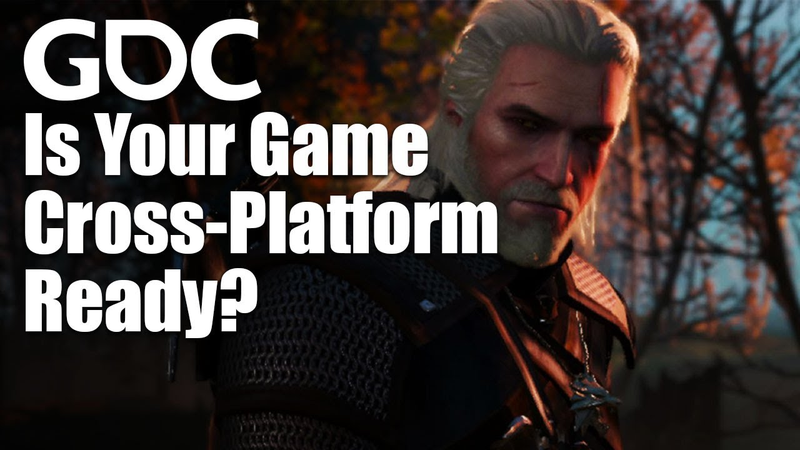
actually I I did uh give a GDC talk uh a few years ago like feels like 2018 or something like that which talked about Cross promo because I was trying to convince people like hey build your games add like uh not cross promise sorry um cross-platform games um and I I was like oh let me go and look at like what what were like what was my opening there and it was like three points of why you should be thinking about this paid UA is expensive today more true than ever uh platform features are hard to get today more true than ever and viral hits are rare today more true than ever that's very prescient on all those points Tammy saying you know even some recent examples from teams really think about hey how you know birds actually bet on
outside of uh mobile so we have you know Netflix recently um talking about like the the AAA uh shooter Studio where you know they have uh X OverWatch and blizzard leadership um you know you can totally see like what what kind of Direction they're going there super sale this last week um it was very clear that there's there might be something there too uh nothing like official but um the the hiring that they've done for their two studios in North America are very much uh X Riot and uh X valve leadership so you can also kind of get a sense of like the direction or like where what they're thinking there um and even from can I jump into that what's your what's your point on that that it's a it's not a mobile play it's probably like a cross-platform play
um at least at least from you know the the leadership that they're bringing in right it's not pure mobile yeah um it's much more you know PC or and or cross-platform already um we're already seeing this movement from games going live Studios uh that are mobile hiring non-mobile leadership uh and teams talking about like this you know cross platform or old platform not necessarily cross-platform but all platform strategies um so I think it is it it's something that uh probably Seymour Studios uh pursue this but um you know what what do you guys think about just like in general this strategy uh for like solving distribution by going to all platforms like there's there's
challenges there um that are that are not easy to solve either like it kind of shifted shifts the the challenges yeah I think uh it's a really interesting topic we've seen for the last 10 years that if you want to try and make an impact without having to hire 100 people then uh mobile is a good place because you can have a small team you could probably get Venture funding for a few million and hey you might uh create a hit game and uh but now we've seen in the last year uh that because of ATT or just mobile market in general then it that's not a winning strategy anymore and yeah and even if teams want to do it they probably don't get funding to do that so I I've seen a lot of people that were building mobile building web 3 mobile um because they feel like maybe maybe that's what we can do that that earns uh the works first commercially but I think
what you're seeing is you've seen people going from other directions and and either moving to console or you're saying do both cross-platform uh yeah I think there's there's examples of of um different pieces of this strategy right with you know it sounds like for example like Netflix is you know they have like their old mobile strategy um and they're chasing this uh kind of Tripoli Studio that might be you know PC console first who knows that's super early on um supercell is even earlier on so can't can't speak much to whatever they're doing there because the only thing that they've announced is who they're hiring and who's going to be running the the studios um and we have other teams like Gameloft where they are building for every platform and I mean even even we started with fortnite right like they their strategy was going on all platforms yes
yeah um yeah I mean often the uh the games that work on mobile don't work on PC and console of course different input you know different play patterns different inputs uh so I when I've tried to do it in the past I failed trying to make a move a PlayStation game over to iPhone back in the day and that proved to be a losing strategy but but maybe there's uh maybe it's more nuanced than that what do you think Maria so when supercell first announced that they were going to do a studio in North America I believe they stopped very short of saying it was for PC and console they said games you might not expect from supercell and saying we could make uh pc pc they did mention PC console games with the independent team approach that that they're taking so I do I do believe that you're very correct that that is indeed their strategy the things that come to my mind about
whether a studio should take a cross-platform approach is the cost exactly because you're saying it's not just doing a cross-platform game for example the UI the input the controller experience you can probably be lean about it and not fully optimize for everything but at least for the touch on mobile and then I don't know a keyboard mouse for PC maybe you don't have to support console sorry controllers from the start for for example PC but yeah it has all of these added on cost it's not as simple as just flicking a switch and so it does the studio have the ability to take on the extra cost to pursue this opportunity yeah I was thinking that in practice I'm thinking about supercil I can imagine a clash Royale first person shooter game or something on PlayStation 5 but you wouldn't imagine but it's basically a different game in the same universe rather than an adaptation I mean there
are time as you say there are games like fortnite and code of course the work of course all Platforms in a similar sort of game experiences but um yeah generally that doesn't work if you look at for example the quality of War Zone being able to take the needs that that game has into Mobile you can't do just a simple Port it has to be a different game that's being developed and then additional to that is thinking do you know how to acquire users on other platforms do you have that know-how internally do you have a partner because for example if you're a mobile first studio and you're thinking okay I'm going to go cross-platform doing UA on mobile is a different skill set to a new a on these other platforms yeah I know in in it because it doesn't really solve the distribution problem like in a straightforward way right it just shifts um the types of skills that you might need uh live UPS being like a huge one as you were saying of maintaining the game uh on the marketing strategy side I
think it's it is interesting because it feels like there's some pieces that are easier these days in PC and um console than they were before so you have platforms like epic games um steam that very much approach it in a you know almost you know one-to-one to what you would expect from from mobile not quite not the same way of like Distributing the game in that way marketing is still like a whole different uh piece like if you actually want to spend uh user acquisition dollars for that but at least on like getting the games you know in front of of players it's it's a very similar flow to mobile uh but you have you know other platforms that become a lot more um like a lot harder to navigate uh even even if Nintendo for example on the switch they've opened a lot to you know
independent teams um and making it a more open platform in a way it's still not not the same as maintaining games on on mobile and just you know releasing updates regularly and having kind of like this tried and true DNA of live Ops I think that's another big piece it's like the the way that you think about live servicing games that are not on mobile it it also changes there's there's a different Cadence to how you need to think about your updates your events your content um so it's it's I think it touches every Point like trying to do games in different platforms it touches every point of game development from they're saying Maria like marketing to user experience to how the team operates I've moved from console to mobile and it felt like it just completely different
industry in terms of how you how you Market the game how you publish the game how you build the game how you live operate the game uh what's important what's it it's just so many things so I I think that a corporate strategy if let's say I was running supercell then I would say you know we've got a massive IP here that the world knows about and we're just leaving money on the table by not having a Clash of Clans on on console and by Clash of Clans I don't mean the base Builder game I just mean a Clash of Clans game on on Console so to then build a studio which is a console or a PC Studio but happens to be owned by Supercell and happens to work on supercell IP that makes sense you're sort of joined right at the very top but I think expecting a studio to say you know I know you're working on Console last week but this week you're going to be working on mobile or or to the marketing team hey what I don't know I have marketed console games for a while but certainly when I moved I found that everything was so different so I think
it makes sense at a corporate level I'm not sure it makes sense to the studio level yeah I think considering the costs you can you can hire in that knowledge and then there will be a storming phase because it's not just hiring the knowledge it's going through the motions going through the process and probably the first couple tries or a few tries will might be a failure or not as good as expected as a team is is building up the coherence and the skills if you're a small Studio you don't have the ability to just go out there make all of The Hires that you need to learn how to design how to operate release a cross-platform game if you are a big studio and you have that war chest or if you're building a studio that is trying to scale into that into that level then cross-platform is where the consumer behavior is and so for me it is an expected move for example from tencent who has been pursuing that strategy of taking their expertise in Mobile and knowing how to
create a great mobile game and distribute it and acquire users to other platforms but we have not seen an example of a small Studio taking this approach no and I remember um Wayne mobile first came along and I knew tons of studios around the world that were great at making console games I don't think there's any one that I actually know one uh but but uh that managed to make the transition from making console games to mobile uh I you know they anybody that tried as far as I know failed I'm sure the people are listening to this and thinking of some examples but uh half brick is the one that I was thinking actually did a great job of that but um but in general it's such a different set of skills that the people that were making console games that then tried to make mobile games basically failed yeah and I'm very interested that I'm here in this panel with two people who
are working almost in Niche these new markets that are barely existing so how yeah what is your personal take about you could aim for a cross-platform uh and you decided no actually this is the niche that we want to Target and Lead yeah I can I can go first uh and then let me just like add a little note before I jump into that um I do think we've seen some indie game developers be able to be successful cross-platform like the the example that comes to mind immediately is stardew Valley um but it comes from like a very different approach in a very different mindset like there it's a premium game right so it's it's I think there's also like a nonsense difference between distribution for premium games and distribution and expectations for free to play games and I think like the big team uh and and you know needing like a lot of resources
it it probably is hype like magnified when you're talking about free to play or AAA quality and that is why I think like Samoa games were we've seen more of that successes like small small teams like small premium Indie teams that uh you know can experiment in in a lot of different ways and they find success by experimenting uh in and getting their games out um to different platforms um but on on the question about kind of targeting Niche uh markets I mean it it's part of trying to solve that question for in terms of distribution right um and for us specifically on Captain TV we're thinking about it from the streamer side the community side um in reaching you know a lot more
players by creating games and experiences that streamers want to play with their audience so you end up having like this one too many acquisition channel uh you know influencer marketing is very hard because you're coming to an influencer and saying hey play my game I'll pay you money to play my game and tell your audience to play or my game but there's no like um stickiness there right there's no retention really for or incentive for the viewer or the the influencer to really stick with the game so it ended up being very expensive and very hard to like find um you know audience at Stakes there versus building the games in a way that you know they're meant for a streamer to be excited about playing with their community and their Community to be playing with the streamer uh and thinking about you know creating that tight Loop between what the
um streamer is doing and what the viewer is doing how they're progressing through the game is so it's creating the experience uh so that they want to keep playing with each other as part of trying to solve kind of like that distribution problem right like if I have a game that a streamer wants to play and even on a small scale they have you know 100 500 uh concurrent viewers like think about like the number of eyeballs that you're already getting um with the with the game itself the business strategy for the company is instead of approaching the known markets you could go cross-platform you could Target that but it's not a blue ocean it's a very competitive place to operate it's finding a market that's still in its nasancy it's a blue ocean that if you
succeed you could lead it and face less competition yeah yeah pretty much it's it's being able like seeing if we can untap that that potential in the market we're it's it's a gaming Market it's a gaming space um so there's an audience there for games uh so part of the question is you know what are the type of games that they'd be interested in in playing um and playing as a community so it kind of comes also with that that piece of Community play um you know really rethinking social as well as as part of having that that retention instead of as you said you know let's build another mobile game or let's build a crush platform game um I think there's there's a lot of ways to solve the distribution problem for sure yeah I think my answer would that be that it's about timing if you can find something that you think has interesting
new technology or interesting new idea and interesting new business model and then it is in that nascent stage and if you can time it correctly and you're correct in your thesis that this is an interesting technology whatever then you're you're early and you become a young defining thing in that category so it's really difficult the timing right because you don't the danger is you're too early and the Market's not there yet and therefore it's hard to make money too late and there's too much competition but certainly getting to you know you want to sort of time it where you're doing really cool things genre defining games just at a time when people are interested in those things and you can sort of ride the wave and be the industry experts in the in a new category uh but but I think it also connects up with funding which is that the reality is that even if you think uh yeah the best thing to do is to have an underwater submarine game that's on Console it's not category but you know what I mean then you're you're probably
even if you think that and even if you're correct you might you probably won't be able to get funding for it so if you're doing Project funding uh or Venture funding then whatever you think is the uh it is you you've got to be in line with what people want to give you money for unless you can bootstrap it and pay for yourself but ordinarily you're going to have to figure out where to get funding for us therefore what you think is good timing and an interesting category needs to be in line with what investors think are as well yeah and I think that the timing piece is is crucial David I I really like how you framed it um and we see that back to mobile right like if you trace it back to mobile um bag in in the early days quote-unquote early days uh there were a lot of teams you know releasing games uh for like different types of games but the example that I'm thinking of is Zynga that had you know the farming like had Farm Bill 2 franchise Farmville one
they had kind of like this they were they were the farming game on Facebook they actually tried a few different games on mobile um and didn't really like didn't really find the Right audience at the time when they released fast forward probably it was probably a year later supercell comes out with Heyday which for all intents and purposes it was just a farm bill game so just just a Pharma farming game on mobile and they found huge success uh in supercell you know became one of the the biggest uh mobile game developers with um Clash of Clans and heyday and the timing was just it was on their favor like they did really good quality games great games with very sound uh
game designs but for all intensive purposes like the games themselves were not like these like revolutionary ideas but they were on the right platform at the right time [Music] which is was not the well it was the type of game but as you say it wasn't if farming games had been around a while it was the fact they were on mobile at the right time with the right game mechanics with the right choice of game and white monetization and probably figured out actually it was pre-performance marketing wasn't it back then it was all about features but uh but yeah so I think that they've the bit that they got right was the the platform and and Zinger took a while to catch up and weren't there and Visually with mobile how do you grow to become a founder and then a CEO of an existing business how do you grow to understand when to take the risk of the market timing and what what risk to take
oh like there's a science to it there's no science to it you just have to you just have to go with your gut talk to a lot of people and talk about things that test your thesis out on people your people that you know or investors that you know um and say you know do we think this is what do you think about this what do you think of the downfalls about building a uh a game in this market it could be the audience isn't there or you don't know how to reach them or nobody's interested in playing those kind of games could be all sorts of things and then you I suppose have to take a balanced view as to how useful and how valuable you think that those kind of things are going to be in the world but there's no there's no science to it really it's just a educated guess I don't know and being and being wrong many times yeah that's right you know people only talk about successes anyway don't they so now I don't know uh I'm sure there's uh there's good ways of going about it and bad ways but but it's probably more art
than science I suppose well thank you so much for sharing all your knowledge today I feel this happens there was a lot of knowledge sharing and it's quite refreshing I always appreciate it okay well thank you so much for joining we're going to end the episode here uh if you enjoy the episode you can help us reach others by subscribing leaving a comment I try to answer all the comments on YouTube so if you leave a comment I'll get back to you and you can sign up to the navic digest newsletter you have all this content so we'll see you next week [Music] thank you
Summary
Technological advancements in gaming infrastructure are currently driven by a dual focus on high-performance computing and decentralized architecture. Innovations such as Playmint’s use of zero-knowledge proofs allow for complex, low-latency MMO raids by offloading computations from the blockchain to the client, effectively bypassing traditional gas fee and speed constraints. Simultaneously, Intel’s ambitious roadmap to reach a trillion transistors per chip by 2030 aims to revitalize Moore’s Law, providing the necessary hardware foundation for future AI, VR, and metaverse applications. These developments underscore a broader industry trend where massive economic demand for processing power consistently forces the industry to overcome existing technical and physical limitations.
Despite these hardware gains, the software landscape remains volatile, as evidenced by the sunsetting of high-quality titles like Gwent when user engagement and revenue metrics fail to support live operations. Marketing strategies are also evolving, with experiments like Limit Break’s Super Bowl NFT campaign demonstrating a shift toward metrics-driven, free-to-own models designed to maximize reach. While quantum computing remains a speculative long-term prospect, current industry focus is heavily weighted toward optimizing existing platforms and navigating the complexities of user acquisition.
The industry is currently grappling with a widespread transition from mobile-first development to cross-platform strategies. While major players like Supercell and Netflix are aggressively recruiting PC and console talent to mitigate discoverability issues, this shift is far from a simple distribution fix. Successful cross-platform expansion requires navigating disparate input mechanics, unique live-ops cadences, and specialized marketing requirements, making it a high-cost operational challenge. Consequently, some developers are eschewing this saturated market in favor of blue ocean niches, where success depends on precise market timing and the ability to define new categories through a blend of intuition and strategic funding.