1 free read left. Create a free account for unlimited reading + AI research.
Create free account
Rovio's Marja Konttinen reveals how developers can brand their way to success
Key insights
6 takeaways- 01Strategic brand licensing allows developers with limited marketing budgets to scale intellectual property into global brands by leveraging partner reach and collaborative barter deals.
- 02Integrating intellectual property with diverse partners—including film studios, tech manufacturers, and non-profits—extends a game's lifetime value and maintains long-term market relevance.
- 03Rovio has utilized brand partnerships to secure high-value placements, such as Super Bowl advertising and global retail distribution, without traditional media spending.
- 04Successful partnerships rely on three pillars: brand fit, partner alignment, and prioritizing the user experience by providing tangible value rather than intrusive advertising.
- 05Effective brand integration requires developers to align with partners' specific business goals, such as product launches or market expansion, to ensure mutually beneficial messaging.
- 06Hybrid experiences that merge physical merchandise with digital gameplay, such as physical toys linked to in-game content, are effective strategies for boosting player retention.
Ask AI about this video
Transcript
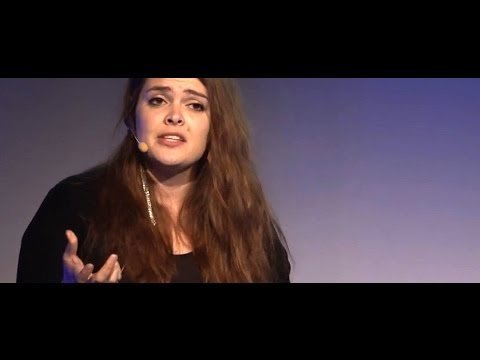
Cool. So, yes, Maria Continent. Um, I've been the marketing director at Roia for the past three years. Um, rather than talking about licensing when it comes to consumer products licensing uh of tens of thousands of products like u like Peter mentioned earlier, I want to talk about maybe bit more relevant stuff for you guys especially as game developers. So, how do you take your brand, the game, the characters, the logo, the likeness of your game, um, and use that brand in a cool way? So, how do you make that into your marketing tool or your business development tool or even a business tool, uh, for monetary reasons later on? So, hopefully I can give you a bit of insight of how we did it um, in the last three years without a marketing budget. So I'm going to go through the boring stuff very quickly and go to proper examples soon. But licensed to IP, the intellectual properties, the uh way of
making business marketing um or or just monetary deals using your characters, your art, your name, your logo um and take that brand and extend it to another format. So where we are here at the game conference, we obviously talk about the core product being a game. So, how do we take that brand out of that game and put it into something else? It could be consumer products. So, it could be socks or candy or it could be plush toys. We've pretty much tried them all. It's a really cool way of extending that brand to a different product um and giving it um or make it more available for other fans, maybe those who don't have iPhones for example. But it could be also immaterial brand licensing and I wanted to talk about more that like how do you take your brand and make it into a TV series or just a learning uh educational topic or borrowing your brand to another brand to use in marketing. So as a lensur you guys we at
at ROIO we own that character brand and the association to it. So we are able to licensing out and those who license it are called the lenses and usually you would like to maybe pick licences who are established partners already in certain topics. It could be amazing sock manufacturers but it could be also uh headset manufacturers who do awesome forms. So you want to give your brand for for them. Um and through this partnership you will get access to whole different channels. So it might be TV ads. You cannot get without a lot of money, but you might be able to get into a TV ad as part of a bigger partnership. Uh you would be able to talk to whole different kind of audiences. I think a really good example here is the Tiny Tower guys working with Lucas on Star Wars and the Tiny Death Star where a lot of the Star Wars fans who would be playing maybe a bit more um hardcore games or console games tried something as casual as Tiny Tower but rebranded.
Um it could be also just finding those trusted partners, working with them. I'll show a couple of really cool examples on that one. Or it could be you being a licency. I think next games is working on something interesting licensing an IP from outside and putting that in their mechanic and then using the marketing support that that IP will be providing. So licenses very often want to work with IPs because they give you the new visibility uh existing fan base or walking dead fan base is going to be obviously plugging into seeing what kind of game there's coming. But also uh when it comes to consumer products, you might have more access to retailers. So the Walmarts of the world are more interested in buying the product if it has a really cool name on it. So massive difference there. But I wanted to talk about brand marketing rather than the physical product. So how do you take that brand and license the immaterial IP to a
partner? Um I think this is when we started thinking of um brand marketing was when we realized that we don't have marketing budget. So what do you do when you have want to be on that TV ad but you really don't have the money to produce that TV ad or buy the media space and there's the partnership as the as a as a really good answer to that question. So, as I mentioned, this might be able to get you in front of a whole different um set of eyes that you would not be talking to otherwise, but it could be also opening doors to Japan. So, working with the Japanese um partners um will definitely get you into that market. And and these deals, they don't need to always be money deals. So, they might be monetary value there, but it could be barter deals. So you're borrowing some of your visibility in the mobile business to a company who might not be so strong on mobile but they are they will be giving you access to different screens that you would not have uh money to buy otherwise.
So this is how we be always putting it. It's 1 plus 1 is three and it's a three star thinking uh as you would like to go through any Angry Birds level if you want to score the three stars. How do you get to that? There's three very very important parts of this one. Brand fit. This is obviously a secret. Nobody knows what brand fit really is, but it's usually a gut feeling. Um, so it makes sense to you and the partner and it's going to be offering something completely new for both. So you your mobile expertise in in uh in return of something you don't have uh inside the company naturally. Then you really need to understand your partner. So aligning the audiences and aligning their target. So, if there's a handset manufacturer, they have a new phone coming out, you know, when it's coming going to come out and who they're targeting it to. And is their goal to sell more phones or are they just wanting to maybe raise awareness for it? You really need to understand their goals in order to help them to get to that. And how do you own that content?
Content is the game. So, how do you give that content in the right way for their messaging? But I think one thing that people very very often forget is the fan, the end user. what are they going to get out of this? So rather than just looking at the the bottom line of the money that you might be exchanging or the visibility you might be exchanging, what is the fan getting out of this one? Are they going to be looking at that like, "Oh my god, this is so cool. I'm so glad that those guys started working together. Are they getting something extra out of it that you weren't going to be able to do on your own?" So this is a classic example. I think one of our first ones working with Fox Guys on their Rio IP, borrowing their IP into our game and rebranding that. So we were mixing two big brands to support our brand, extend that and giving it a really different lifetime value. We're looking at over three years of really really active game with a lots of updates and we were supporting the movie
and then we were supporting the DVD. In return we got pretty amazing things. We got Super Bowl ad that was not from our media budget. Massive massive deal for us. We got stickers on the DVDs. We were everywhere on American TV of uh on on any of the streets street ads as well. So pretty amazing uh visibility that we were not going to get three years ago on our own. And this is pretty amazing as well. So three years ago uh we started Rio. This is the latest update uh um of February update and we're rebranding the game as we go along. We're do keeping it very relevant but also using this game and this partnership to also talk about pretty important issues. So in this update um we ended up partnering up with WWF, not the Wrestling Guys, but the Wildlife Foundation, the Panda Guys to raise awareness for pink river dolphins in Amazon. And now we're raising awareness for the Amazon uh bird life as
well. So we're able to use a story that is existing and help even a third partner with this uh this partnership. Another one, super old one. Um this is over three years ago, but I think this is a really cool example of how do you want to do partnerships? So rather than putting a logo and slapping that on top of your product, what about you think about the fan experience first? So Ping wanted to get some awareness through our game. They wanted to be inside the game. So rather than putting their logo there, we did something way more interesting and it's a bit more hard work as well, but I think I think it pays off in the end. So the Bing logo only showed up if you failed the level three times. So you were just playing as you go, no Bing logos until you're starting to fail a level and you just cannot get through. Then it will give you the popup of do you need help? and you click on that uh a browser opens and the first thing is the walkthrough hints. So it only gives you that fan experience when you really
really need it. And we also created a bit of storytelling around it uh using our characters to show how the pigs were searching um hints on how to get the eggs um with with the ping. Other really interesting experience. So, making a TV ad uh without a budget with 18 million um views so far on YouTube with T-Mobile. They were talking about the new handsets. We were talking about Angry Bird. Super good uh way of mixing those two. And of course, there's B, one of my favorites and something I've been working on very closely. So, finding a range of products, range of partners that all support the same story. So, National Geographic obviously is a kind of basic physical product licency, but we made it into a marketing partnership as well because it's adding to the value of our brand and is extending that. Um, we worked with T-Mobile again on a big stunt where we rebranded the Space Needle. We worked with Samsung on
revealing some of the marketing videos and it feels really uh organic and natural. So, we were able to support their new product launch at that point. And then NASA, it's not like it's a monetary deal. It's a really amazing deal that is providing something more than money. It's giving us a amazing partnership that just keeps on giving. And if we talk about like lifetime value, I think partnerships should have that as well. So what are you getting out of that during a long period of time, but these can be also fun engaging experiences. So I don't think your brand needs to be always with uh business partners. It could be just your biggest fans. And it's pretty cool if they are famous guitar players. But working with partners like this as well gives us a visibility through completely different channels and different media that we wouldn't be reaching as a game company or as an entertainment company but as a music partner. Star Wars a massive uh branding exercise for both of us. So Lucas and us working
on a couple of games where we're integrating both of our characters into one cool universe and getting eyeballs on the Star Wars franchise that might not be there otherwise immediately start. So finding them a whole new user base from younger audience that is learning how to use mobile as the first thing. Um and then obviously giving our characters a whole different perspective. And then the last one which I think is a really cool example uh partnerships and brand licensing can be also outside the product licensing it can be also something that supports your product innovation. So working with Hasbro rather than just toys we wanted to do something that is digital and physical at the same time. So you have a physical toy that you can buy from any retail you scan it into the game and it's supporting also the game retention after that. So lots of ways to use your brand in innovative ways helping you to keep your brand relevant extended life uh lifetime and credibility and also
maybe work as a business thing but especially as a marketing tool. Thank you. Thank you very much.
Summary
Strategic brand licensing and partnerships serve as essential tools for game developers to scale their intellectual property into global brands, particularly when operating with limited marketing budgets. By leveraging the likeness, characters, and logos of a game, developers can extend their reach into new markets, access diverse audiences, and secure high-value media exposure through collaborative barter deals. This approach transforms a game from a standalone product into a multifaceted brand that permeates various consumer touchpoints, including physical merchandise, educational content, and cross-promotional media campaigns.
Successful brand integration relies on three core pillars: brand fit, partner alignment, and user experience. A strong brand fit is often intuitive, ensuring that both parties offer complementary strengths—such as a developer’s mobile expertise paired with a partner’s established distribution channels or hardware reach. Developers must deeply understand their partners' goals, whether those involve product launches or market expansion, to create mutually beneficial messaging. Crucially, the end user must remain the priority; effective partnerships provide tangible value to the fan, such as helpful gameplay hints or immersive storytelling, rather than merely displaying intrusive logos.
Case studies from Rovio demonstrate that these partnerships can yield significant returns, such as securing Super Bowl advertising or global retail placement without traditional media spending. By integrating intellectual property with partners like film studios, technology manufacturers, and non-profit organizations, developers can extend the lifetime value of their games and maintain relevance over several years. Furthermore, innovation in licensing—such as merging physical toys with digital gameplay—creates hybrid experiences that boost player retention. Ultimately, these collaborations allow studios to achieve a synergistic effect where the combined value of two brands exceeds the sum of their individual parts.











Comments