1 free read left. Create a free account for unlimited reading + AI research.
Create free account
Personal avatars in competitive games
Key insights
6 takeaways- 01The evolution of avatars from simple status markers to sophisticated digital identities is a core strategy for fostering long-term engagement in service-based gaming models.
- 02The 2017 League of Legends Mid-Season Invitational reached 360 million unique viewers, demonstrating that eSports viewership can significantly outperform traditional events like the Super Bowl, which had 111.3 million viewers that same year.
- 03PlayerUnknown’s Battlegrounds achieved over 200 million unique viewers within seven months of its release, proving that competitive gaming titles can attract audiences far larger than their active player bases.
- 04Personalized avatars significantly increase player retention and enjoyment, often ranking higher in user experience than traditional gameplay mechanics like combat.
- 05Academic research confirms that users report higher levels of body ownership, presence, and emotional connection when in-game characters are designed to resemble them.
- 06Smartphone-based 3D scanning technology now allows developers to democratize the creation of high-fidelity avatars, enabling players to import their personal likenesses directly into competitive titles.
Ask AI about this video
Transcript
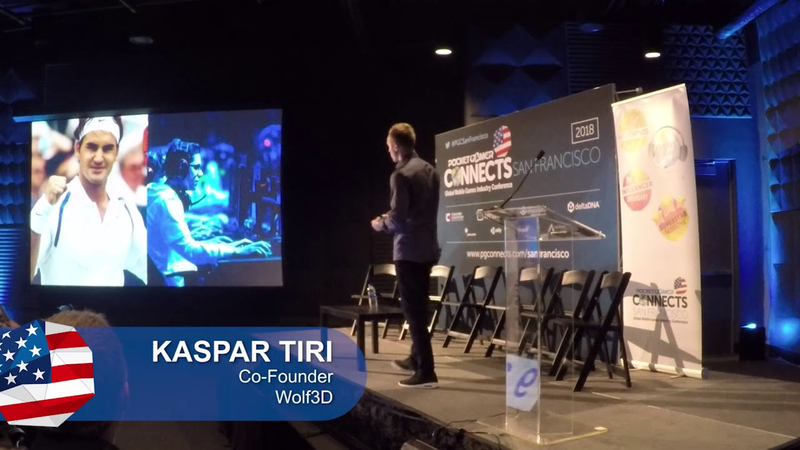
[Music] [Music] in in the mythology word about the was used to physically represent the God on earth in the modern language the meaning of word about there is mostly used to describe one's representation online in the early arcade games of the 1980s it was on a comment include a high score list where players could write free letters a symbol of fun status they have achieved this made the survey youngsters spend out of their time and money trying to game like get their name on that list
and this could have been seen as an early display of the power of avatars as people wanted to get to represent a representation of themselves in a high position in a competitive environment their avatars code got more advanced sometimes a player could write their full name include you know different colors or 2d picture of themselves representing as that user which is still used on internet forums the where we are today where games are much more advanced and players can choose between different you know pre-designed 3d avatars that represent them in the games and they can customize those avatars but you know modifying the hairstyles hair colors no shapes and so forth but throughout history others have been used to represent the person in a virtual space as massively multiplayer online games like EverQuest or
competitive games like party entered the scene such representations become even more important as other people can meet one saboteur online or learn to recognize him or her by watching them play eSport athletes and gamers in channel hosts are no longer the Nerds that are hiding in their parents basement playing games they're the internet superstars live stream eater came play to millions of people filling out the biggest stadiums in the world and so on there are a whole new breed of celebrity but still they're represented by some generic characters that's difficult to identify with the way we represent ourselves tells a message to the outside world who we are as individuals each of us gets up in the morning and starts messing around what might be considered as an avatar customization tool choosing what clothing to wear how to do our hair
whether or not we should put makeup or not essentially choosing how do we identify ourselves so the question we have to ask ourselves is is it possible to identify with a videogame character today we can see some of the biggest companies like EA Games and 2k and of course several smaller ones including us full 3d building technologies that allow the users to bring their likeness into the game by allowing them to scan their faces so they can be represented as themselves as unique individuals but before I continue with personal lava stars in video games I'd like to compare eSports with traditional sports and look at the trends that are happening in competitive game market down so we all know that eSports is growing massively but traditional sports on the other hand is declining somewhere Olympic ratings are down 15% the National Football
League radix went down 9% the English Football League ratings are down or Premier League League ratings are down 19% and not only people are watching traditional sports less they're playing traditional sports less and most of the studies suggest that eSports is taking away from traditional sports viewership and participation and just to put that into perspective let's compare some of the biggest sporting events with an eSport event Super Bowl is one of the largest sporting events in the world and in 2017 Super Bowl finals was watched by 111 point three million unique viewers four NBA Finals in 2017 it was 30 million comparing those post events with the second most important League of Legends international tournament midseason Invitational midseason Invitational finals in 2017 was watched
by 360 million unique viewers which is almost three more than three times the Super Bowl audience and that's not only with multiplayer online battle arena games like League of Legends here's a great example of player unknown paddle for Honda I came to popularize the new Jean Patou Royale the pochi tournament was in August 2017 which wasn't long ago after their initial release despite the inexperienced Biden organizers and this being the first event it was still quite a successful event having half a million new viewers but seven months later the numbers already changed the event in Kiev called stars is a leak pops in 2018 and this already had 17 and 1/2 million unique viewers and that number is already comparable with NBA Finals but we have to bear in mind that one has
been around for less than 2 years and other for decades and for puppy it's also interesting to watch player viewer trends because the game surpassed 200 billion unique viewers on the 7 months after its release and the viewership was 15 times larger than its player pace indicating a growing popularity among non gamers as well to some of the other trends that are happening in competitive gaming market are that developers are trying to extend the life cycles of their games by offering services rather than singular experiences titles like Uncharted used to be the norm but going forward we'll see a significant shift in blending single-player and multiplayer experiences together we'll see much more persistent online worlds and focus on multiplayer features also the business models are changing as
developers in trying to monopolize your time and ultimately our dollars with more and more TLC's and the relationship between traditional sports and eSports is also constantly strengthening these sport athletes are real athletes and as eSport Crows in popularity players who are the best at the respective eSport and are pleasing personalities for fans to watch would become a major targets for acquisitions and games came some very social making online video games one of the most common places for teens to meet their peers and create lifelong relationships and as we already learned mainstream audience is interested in gaming content as all of this means that developers are trying to create games that have longer life cycles which is good for eSports
and they're monetizing with cosmetic loads and tear seas and from the other side mainstream audience is interested in gaming content making an opportunity for gamers to sell themselves online by live-streaming the gameplay or participating tournaments so of this indicates a growing need for self-identification and expression in video games so when we compare traditional sports when we do sport athlete why shouldn't a sport athlete have an opportunity to represent themselves as they are as human beings we are all unique we look different and by having our own virtual selves we could differentiate and hide the gap between the physical and virtual worlds because to think is anyone who's capable of compassion or imagination or
identification wonders what it needs to be like someone else what if I were the superhero in the game battling with my fellow friends fighting fighting for the victory how can you not wonder about that and why haven't games helped us think about it in a more intimate way so let's take a look at all so what does a academic world has to say about using personalised avatars in video games so researchers who are studying this a holiday for video game characters suggests that using personalised avatars in video games communicates identity to the other players around us generating all sorts of social motivations that drive the gameplay especially in a competitive environment in addition to
that the more an avatar resembles its user the more likely the user will have positive attitudes like passion connection identification towards the game also personalized avatars increase the body ownership present and dominance compared to its generic counterparts even if the quality is exactly the same there's there's a there's an emerging line of research that also says that when there's a choice to customize an avatar it's often it's often about building a better version of ourselves meaning people create slightly idealized versions based on their actual self so you know a version of me with my face but on a Superman's body with bigger
muscles for example there's also research by some Danish researchers suggesting that when there's choice to keep playing a game experiencing the character actually ranks higher than the structure or killing enemies in a gameplay meaning the more we can relate to the character the more we enjoy playing the game this is strongly connected to how immersed we become how much we enjoy the game on how do we identify ourselves with the game so why I am here and why I am telling you this our company wolf Reedy has been digitizing people for the last four and half years how the creation has been expensive and accessible only for those who have access to scan exteriors but
our goal is to democratize the process of creating believable 3d avatars of anyone in the world so if you're a developer creating some interesting games or experiences and are thinking how can I make my experience more personalized or make it more social then I'd love to have a chat with you and learn more about what you're doing and you can find more information about that on our website so thank you do we have questions got company do you guys work very closely with VR companies to help them you hope to achieve our body inside yes
so we work closely with VR companies companies who are building games for pc and mobile essentially we want to we are trying to you know we have built a product that's smart phone smart phone face product X that's accessible for the whole user base and we're working closely with developers so to provide this opportunity for their users so they can have this personalized experience any other questions there's a platform game to make pretty appetizers how would that practically work like how would an individual in their community
sure so that's a good question so we we have developed a smartphone application and SDK that we would provide for developers so we partnership with different developers and game publishers to connect our technology with their game so once the integration is made the user downloads our application makes the scan and the scan is sent into specific game and they can enjoy the router already in the game so we essentially we are essentially creating a team ready asset that sent via API were called due to the developer and the developer doesn't have to change anything because we have made our pipeline very flexible so we can customized output like reading yellow DS the policies and so forth yes the player uses regular smartphone it doesn't need any you know extra hardware
to make the scan and as we have made you know integration with some specific companies they can choose which which of those games they want to use that terrain sure any other questions those shooters versus tackle game what's your kind of get to predict in the next three years it would be the best companies that use the avatars where do you think is the lowest hang so right now we see the biggest interest in first-person shooters because they're very competitive and they have those social features as well so what we are what we very like are our games that have multiplayer features and also they're competitive because most of the
like for me at least gaming is social activity that I do together with my friends so if the game allows me to you know have this experience virtually then we believe that we can provide value yes so as as mentioned our pipeline has built to be very very flexible so we can do triple a very realistic quality assets to like fortnight slightly stylized for assets we essentially manipulate the textures and so forth in our pack and automatically [Music]
[Music]
Summary
The evolution of personal avatars in competitive gaming reflects a broader shift toward self-identification and social expression within virtual environments. Historically, avatars served as simple status markers, such as initials on arcade high-score lists. Today, they have become sophisticated digital representations that allow players to project their identity into increasingly immersive, persistent online worlds. This transition is driven by the rise of eSports, which has transformed gamers into global celebrities and created a demand for more intimate, personalized connections between players and their in-game personas.
Data indicates that eSports is experiencing rapid growth, often outpacing traditional sports in viewership and engagement. For instance, the 2017 League of Legends Mid-Season Invitational attracted 360 million unique viewers, significantly exceeding the 111.3 million who watched the Super Bowl that same year. Furthermore, titles like PlayerUnknown’s Battlegrounds have demonstrated that viewership can reach massive scales—surpassing 200 million unique viewers within seven months of release—often drawing in audiences far larger than the active player base. This trend suggests that gaming is becoming a primary social hub for younger generations, necessitating tools that bridge the gap between physical reality and virtual participation.
Academic research supports the integration of personalized avatars, noting that users experience higher levels of body ownership, presence, and emotional connection when their in-game characters resemble them. By utilizing smartphone-based scanning technology, developers can now democratize the creation of high-fidelity, 3D avatars, allowing players to import their likenesses into competitive titles. This personalization enhances player retention and enjoyment, as the ability to identify with a character often ranks higher in user experience than traditional gameplay mechanics like combat. As the industry shifts toward service-based models and long-term engagement, the implementation of customizable, realistic avatars serves as a critical strategy for fostering social interaction and deepening player investment in competitive ecosystems.




















Comments