Star Trek
Game
Documents about Star Trek

What’s going on at Rovio, Miniclip’s new ad network, Squad Busters’ last rites, RedLynx closes, more
The mobile games industry is currently undergoing a period of significant restructuring, characterized by studio closures, project cancellations, and a strategic pivot toward established intellectual property.
- Mobile game spending declined by 7% in Q3, with only three of the top 20 grossing titles being less than two years old, highlighting a significant barrier to entry for new games.
- Major publishers are aggressively pruning portfolios, resulting in the cancellation of Supercell’s Squad Busters, Ubisoft’s Rainbow Six Mobile, and Fingersoft’s Lego Hill Climb Adventures.
- Ubisoft is closing its Helsinki-based studio RedLynx as part of a broader industry trend of studio closures and project cancellations.
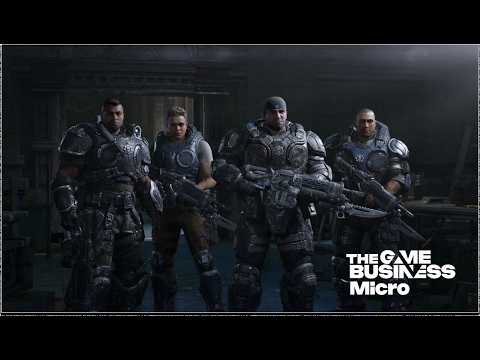
The Console War returns - The Game Business Micro
The current landscape of the video game industry is defined by a strategic pivot toward platform exclusivity, a resurgence in large-scale industry events, and shifting profitability models for major intellectual properties.
- Xbox is pivoting back to a strategy of console exclusivity for major titles like Gears of War: E-Day and Clockwork Revolution to drive hardware engagement, despite its concurrent role as a multi-platform publisher.
- Summer Game Fest engagement grew significantly year-over-year, reaching 3.6 million peak viewers, a 30% increase in total hours watched, and a 37.9% rise in editorial coverage.
- IO Interactive’s 007: First Light has sold between 2.7 and 3 million units with an 88 Metacritic score, with the developer planning a long-term content support model similar to the Hitman series.
How Emerald City Games Stayed Independent And Kept Shipping
Emerald City Games, an independent studio founded in 2008 by cousins Derek Day and Jamie Young, has maintained its autonomy for over 15 years by balancing creative ambition with operational pragmatism.
- Emerald City Games, founded in 2008 in a basement, has maintained independence for over 15 years by prioritizing creative control and studio survival over acquisition offers.
- The studio balances its portfolio by mixing original IP with major licensed franchises like Star Trek and Tomb Raider, applying a consistent quality standard and visual identity across all projects.
- Long-term studio sustainability is driven by a focus on live operations and player retention, with the team planning engagement events months in advance to ensure title longevity.
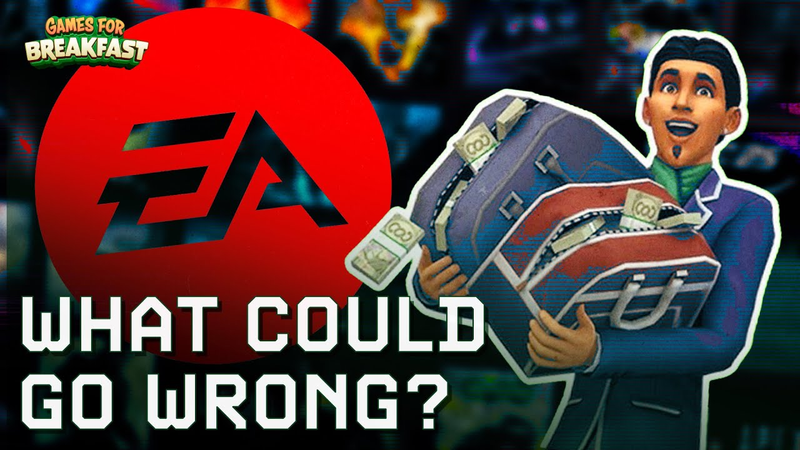
$55,000,000,000 Buyout , Bowser’s Nintendo Retirement, & Game Showcase Roundup | Games For Breakfast
The gaming industry is currently navigating a period of profound structural and strategic transformation, characterized by aggressive corporate consolidation and the rapid expansion of intellectual property crossovers.
- A consortium led by the Saudi Public Investment Fund and Silver Lake has proposed a $55 billion acquisition to take Electronic Arts private, raising concerns regarding debt-driven management and the potential degradation of creative output.
- Wizards of the Coast is aggressively expanding Magic: The Gathering by integrating high-profile intellectual properties like Marvel and Star Trek, a strategy aimed at growth that risks brand dilution and player fatigue.
- Nintendo of America president Doug Bowser is set to retire, marking a significant leadership transition for the hardware manufacturer.
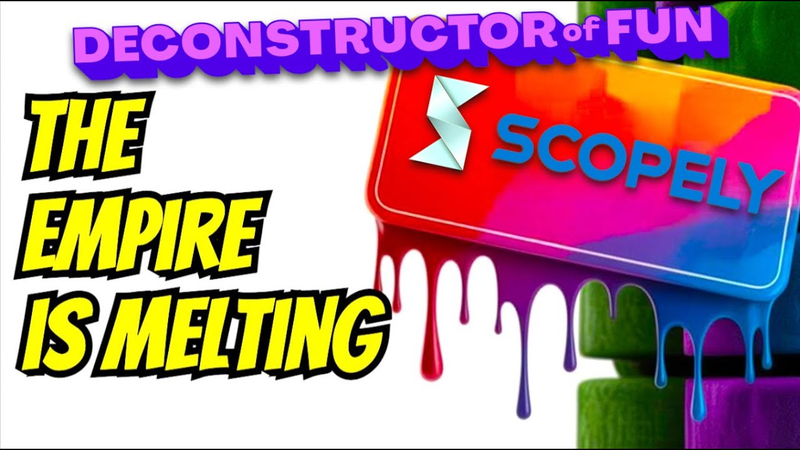
Slow-Motion Slump in Scopely’s Portfolio
The mobile gaming portfolio of Scopely is currently experiencing a significant, broad-based decline across key performance indicators.
- Scopely’s portfolio is experiencing a broad decline, marked by a 28% drop in topline revenue, a 24% decrease in monthly active users, and a 34% reduction in downloads between 2024 and 2025.
- Monopoly Go, which accounts for 60% to 65% of total portfolio earnings, has suffered a 36% year-over-year revenue decline.
- Revenue concentration has intensified, with Monopoly Go and the recently acquired Pokémon Go now generating over 90% of the company's total revenue.

The Economics of Obsession
Modern media and gaming companies increasingly design products to foster consumer obsession, transforming entertainment into a continuous, high-retention engagement loop.
- Modern media and gaming companies intentionally design products to transform entertainment into a lifestyle commitment, ensuring long-term profitability through continuous, high-retention engagement loops.
- The industry utilizes rapid content updates and external media ecosystems—including esports, streaming, and patch notes—to keep users tethered to a franchise even when they are not actively playing.
- The strategy of 'engineered obsession' evolved from early fandom behaviors, such as Star Trek and Star Wars lore analysis, into a formalized corporate sales technique used to maximize market share.
TWIG 143: Reactions to Tilting Point raising $235M
Tilting Point recently secured $235 million in equity financing, led by General Atlantic with participation from Red Ventures and Camar.
- Tilting Point secured $235 million in equity financing led by General Atlantic to scale its publishing model, co-development efforts, and studio acquisitions.
- The company provides infrastructure for live operations and user acquisition to a network of over 40 developer partners, acting as a growth engine for studios lacking those internal capabilities.
- Tilting Point’s business model is frequently compared to Scopely’s historical trajectory, though analysts note that the current market features higher valuations and stiffer competition for top-tier studios.
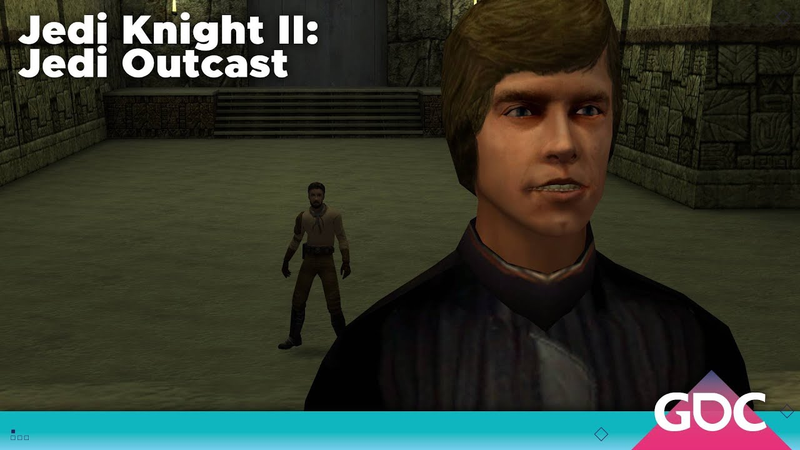
GDC Plays Jedi Knight II: Jedi Outcast with Raven Software
The development of Jedi Knight II: Jedi Outcast represents a pivotal moment in early 2000s action gaming, characterized by a transition from traditional first-person shooters to hybrid combat experiences.
- Raven Software developed Jedi Knight II: Jedi Outcast by hybridizing first-person shooter mechanics with third-person combat systems inspired by Heretic II and Bushido Blade.
- The development team utilized the technical foundation of Star Trek: Voyager – Elite Force to build the game, leveraging proprietary tools like GTK Radiant to manage hardware limitations.
- To ensure performance on early 2000s hardware, the team implemented rigorous asset optimization, level segmentation, and memory-efficient solutions like procedural facial animations driven by audio volume.
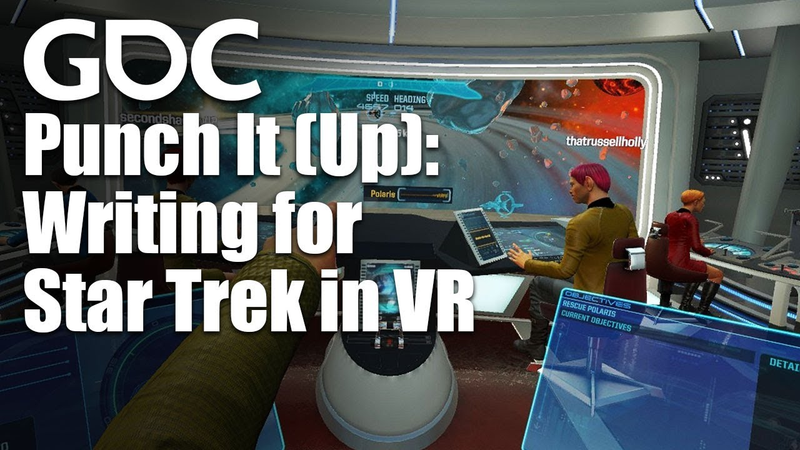
Punch It (Up): Writing for Star Trek in VR
The development of Star Trek: Bridge Crew serves as a foundational case study in adapting narrative design for virtual reality, prioritizing the psychological phenomenon of presence over traditional cinematic pacing.
- VR narrative design must prioritize the psychological phenomenon of presence over traditional cinematic pacing to avoid overwhelming the player.
- Effective immersion requires providing space for users to inhabit the environment rather than relying on constant action or static, disruptive mission briefings.
- Star Trek: Bridge Crew successfully integrated narrative context by utilizing franchise-specific tropes like the Captain’s Log to maintain the flow of cooperative play.
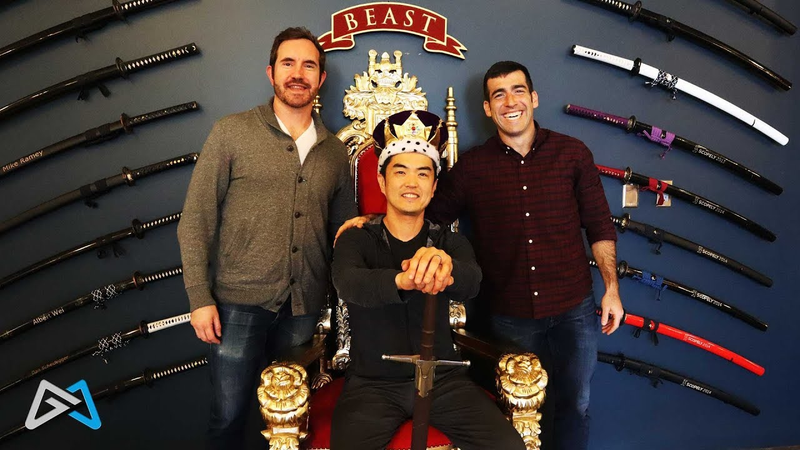
'Star Trek Fleet Command' - Scopely | Ft. Game GM Steve Huff and SVP of BD Henry Lowenfels
Star Trek Fleet Command, a mobile free-to-play title developed by DIGIT Game Studios and published by Scopely, represents a strategic entry into the 4X march-battle genre.
- Scopely and DIGIT Game Studios partnered to develop Star Trek Fleet Command, aiming to expand the 4X strategy genre by integrating RPG and simulation elements to reach a broader audience beyond hardcore players.
- The development team scaled significantly since the project's inception in 2015, growing their staff fourfold to support the game's ambitious scope and content roadmap.
- The operational structure features a collaborative model where Scopely manages product strategy and live operations, while DIGIT handles core development, with overlapping roles to ensure consistent feature prioritization.
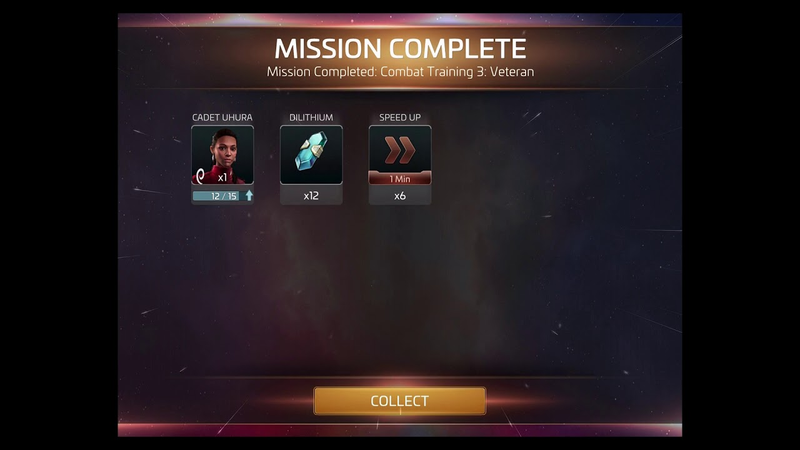
How does Star Trek Fleet Command monetize?
Star Trek Fleet Command, developed by Digit Game Studios and published by Scopely, functions as a mobile 4X strategy game that integrates base-building, resource management, and RPG-lite character collection.
- Star Trek Fleet Command utilizes a 4X strategy framework developed by Digit Game Studios and published by Scopely, combining base-building, resource management, and RPG-lite character collection.
- The monetization model is built on a multi-layered economy that uses hard and soft currencies, speed-ups to bypass construction timers, and loot-box-style recruitment systems.
- The game leverages the Star Trek intellectual property to differentiate its core loop from generic 4X titles, using recognizable characters and ships as primary engagement hooks.

Politics in Games - All Media is Political - Extra Credits
The core thesis posits that politics are an inseparable component of all media, including video games, because creative works are inherently products of the human experience, cultural context, and the specific time periods in which they are produced.
- All creative media, including video games, are inherently political because they are products of the human experience and the specific cultural and temporal contexts of their creators.
- Design choices in games—such as the selection of enemy archetypes or the mechanics of strategy games—often inadvertently reflect and reinforce contemporary societal ideologies and political realities.
- Media consumption has measurable real-world impacts, as evidenced by studies showing that narratives can alter public perceptions on sensitive topics like the efficacy of torture or forensic evidence.