Sonic 2011
Game
Documents about Sonic 2011

GMTK Digest: September 2025
The September 2025 edition of the Game Maker’s Toolkit digest serves as a curated industry update, focusing on significant software releases and critical analysis within the gaming sector.
- Hollow Knight: Silksong is defined by its expansive world design and precise, experimentation-focused gameplay mechanics.
- LEGO Voyagers failed to deliver a compelling co-op experience due to repetitive puzzle design and cumbersome construction mechanics.
- The September 2025 market landscape shows a distinct divide in quality between highly anticipated Metroidvania titles and underperforming puzzle-based projects.
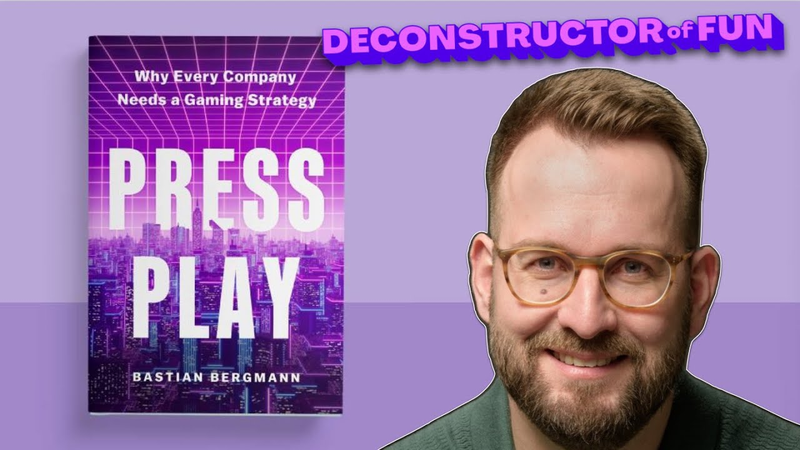
Why Adding Brands to Games Is So Hard with Bastian Bergmann
Video games represent a uniquely powerful medium for human transformation, driven by the fundamental human impulse for play.
- Brands should prioritize low-lift partnerships within existing gaming ecosystems rather than building custom experiences from scratch to mitigate risk and development costs.
- Successful brand integration requires shifting from traditional advertising to gamification that aligns with the inherent mechanics of play, as seen in Peloton’s Lane Break and Dettol’s Roblox campaigns.
- To move beyond vague awareness metrics, organizations must establish business-aligned KPIs such as loyalty sign-ups and long-term retention to track the effectiveness of gaming initiatives.

There is no going back for the video game industry
The video game industry has undergone a permanent structural transformation, moving away from traditional, product-based retail models toward a network-driven ecosystem.
- The video game industry has permanently shifted from a retail-based product model to a network-driven ecosystem where platforms like Fortnite and Roblox function as social utilities competing with social media giants.
- The traditional development model is financially unsustainable, as production budgets for major titles have ballooned to $300 million while long development cycles fail to generate proportional market demand.
- AI-driven automation is being deployed to reduce costs in mobile gaming, specifically replacing roles in level testing and user acquisition, which has contributed to widespread workforce downsizing.
Nintendo Switch 2: Third-Party Success Analysis
The Nintendo Switch 2 launch, while achieving record-breaking hardware sales of 3.5 million units in its opening days, has yielded underwhelming results for third-party publishers.
- Despite record-breaking hardware sales for the Nintendo Switch 2, third-party publishers reported launch-month sales that were 'below our lowest estimates.'
- While third-party performance showed a slight improvement over the original Switch launch, this is largely attributed to a larger installed base and a wider selection of 13 physical launch titles compared to the original's five.
- Over 80% of Switch 2 game sales occurred through physical retail channels, with consumers showing a strong preference for titles that do not require additional digital downloads, such as Cyberpunk 2077.

Sega Sammy Management Meeting 2025
Sega Sammy is undergoing a strategic transformation to solidify its position as a global leader in entertainment by pivoting toward a transmedia model and expanding its digital gaming footprint.
- Sega Sammy is targeting an adjusted EBITDA exceeding 180 billion yen by fiscal year 2027 by reinvesting cash flows from its Pachislot and Pachinko segment into its Consumer and Gaming divisions.
- The company is executing a transmedia strategy for core intellectual properties like Sonic and Like a Dragon, utilizing a consistent release cadence across digital games, film, and animation alongside AI-driven development.
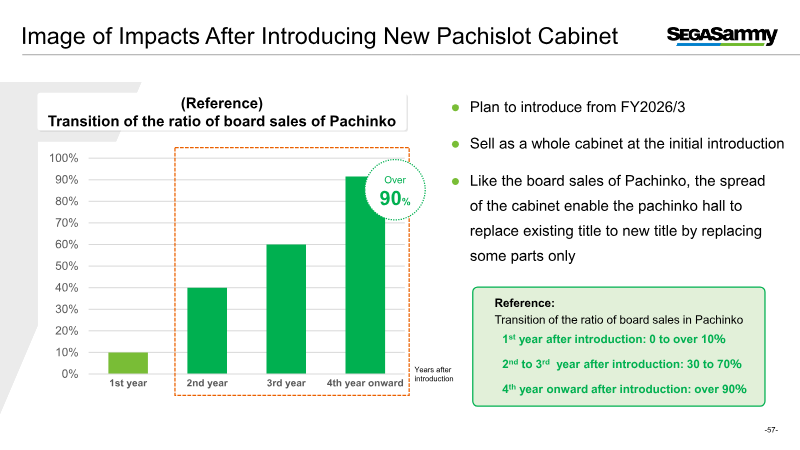
- To stabilize the maturing domestic Pachislot and Pachinko market, the company will introduce modular cabinet designs in 2026 to reduce operational costs for partners.
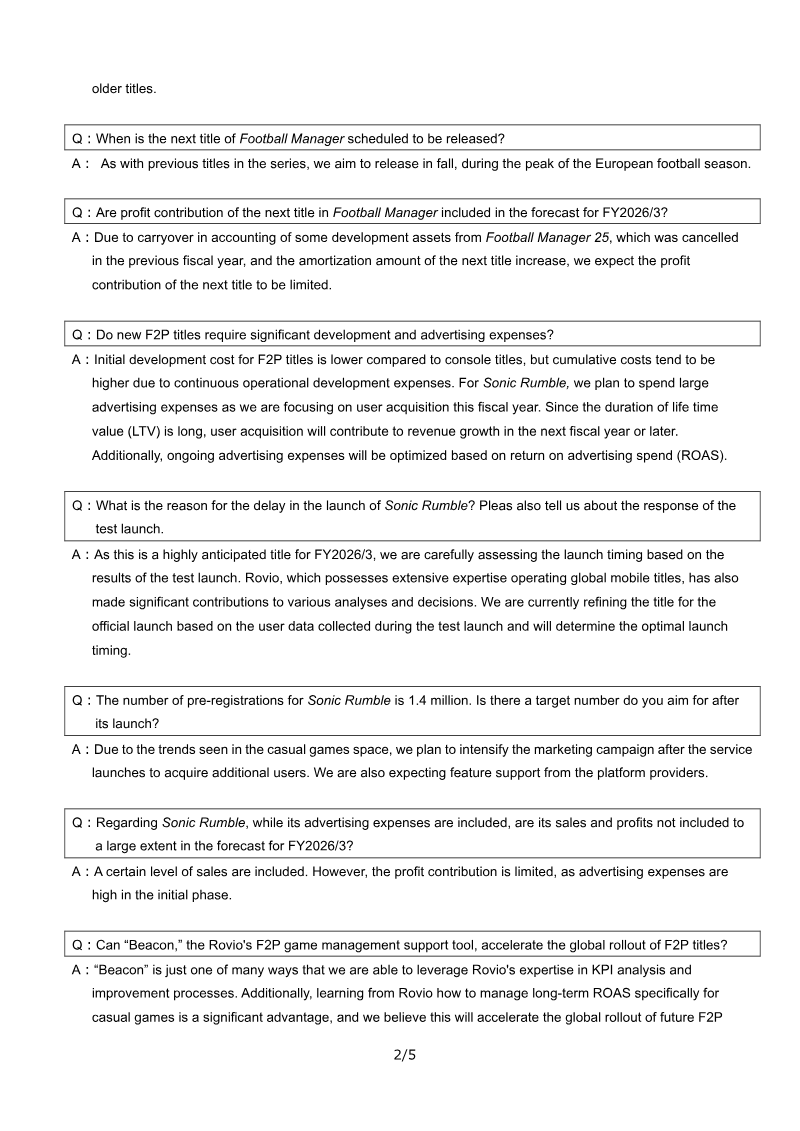
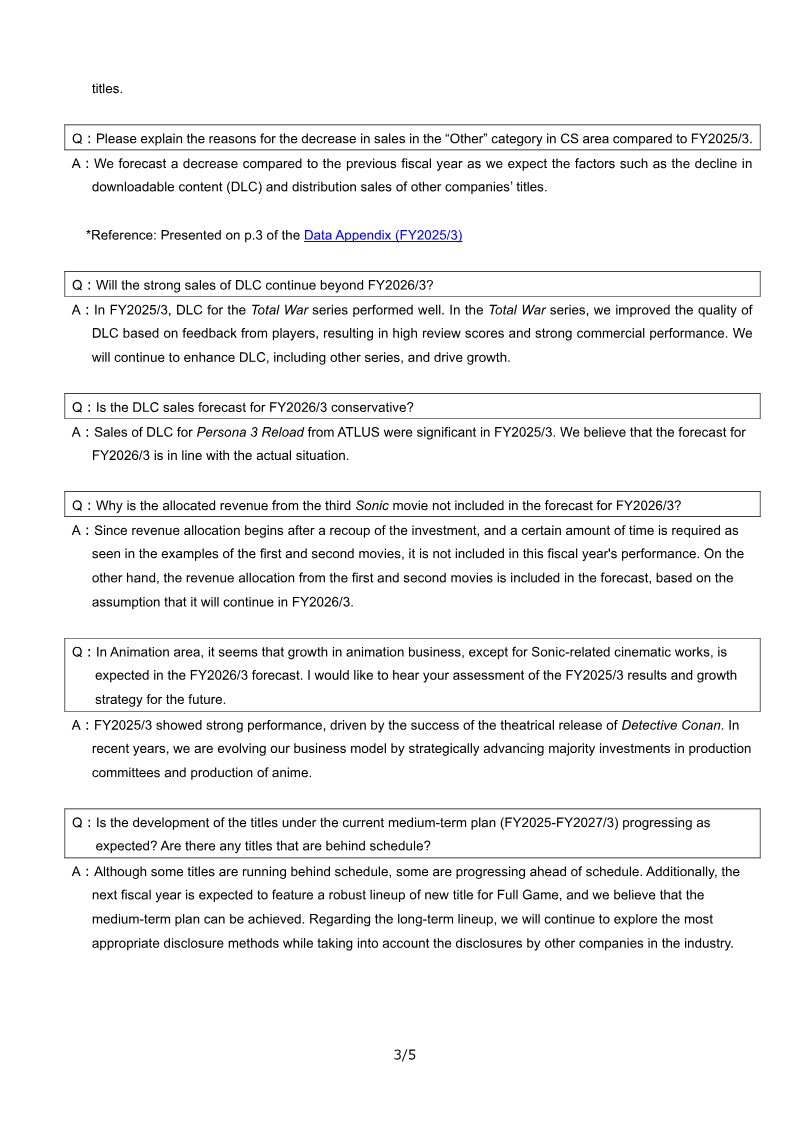
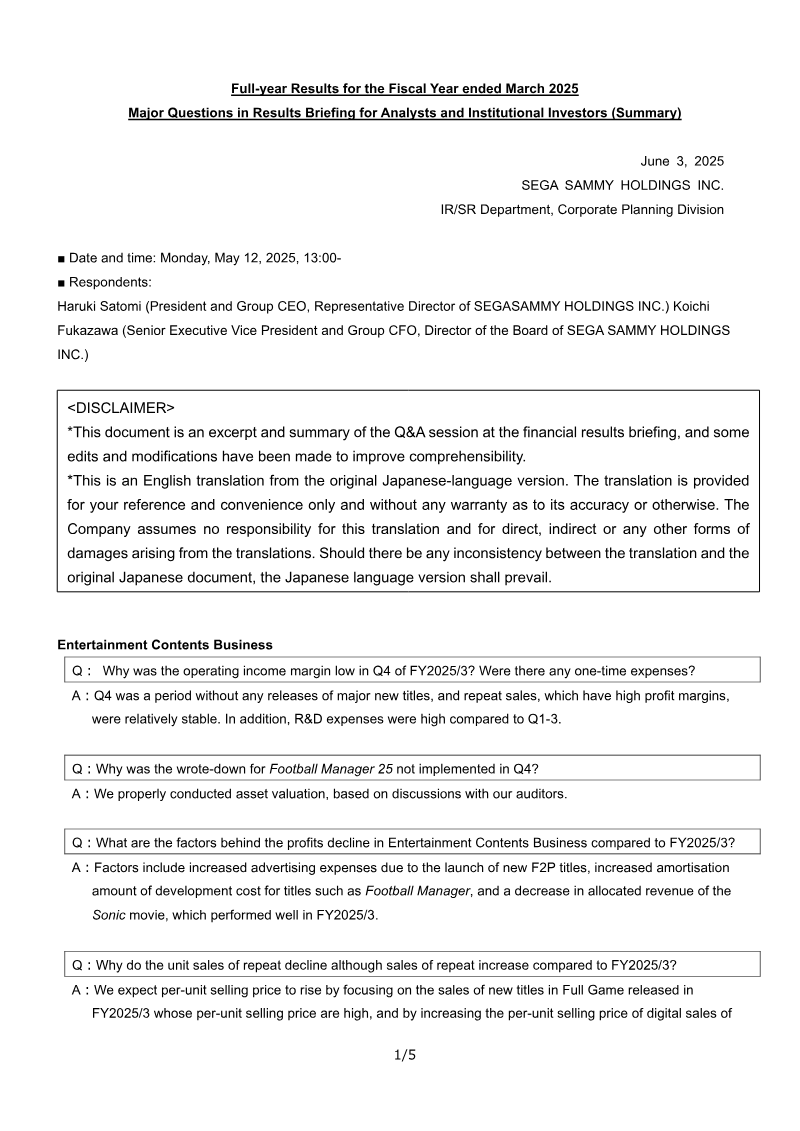
Full-Year Results for the Fiscal Year Ended March 2025: Major Questions in Results Briefing
This document summarizes the question-and-answer session from the SEGA SAMMY HOLDINGS fiscal year 2025 results briefing, held in June 2025.
- Sega Sammy’s Entertainment Contents segment faced Q4 margin pressure due to high R&D spending and a lack of major title releases.
- The company is prioritizing a Transmedia strategy for core IPs like Sonic and Total War to generate long-term licensing and DLC revenue.
- Management plans to recover market share in the Pachislot and Pachinko segment during fiscal year 2026 through the launch of multiple major titles.
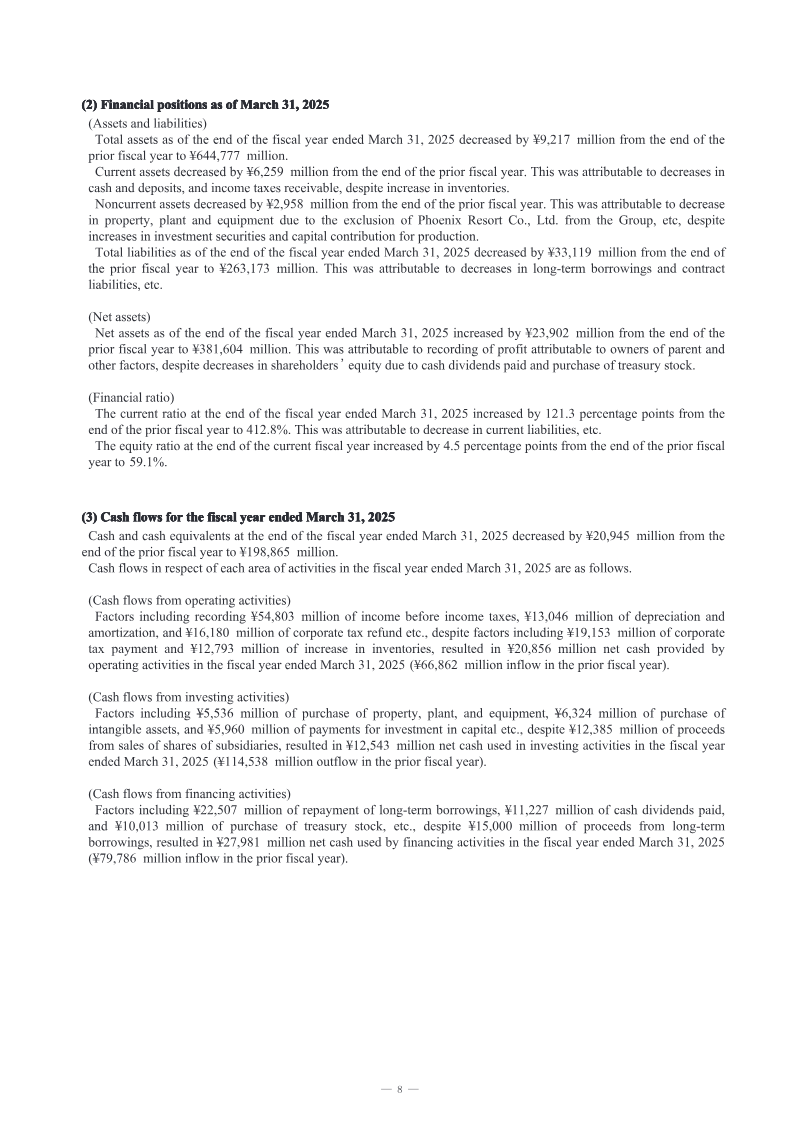
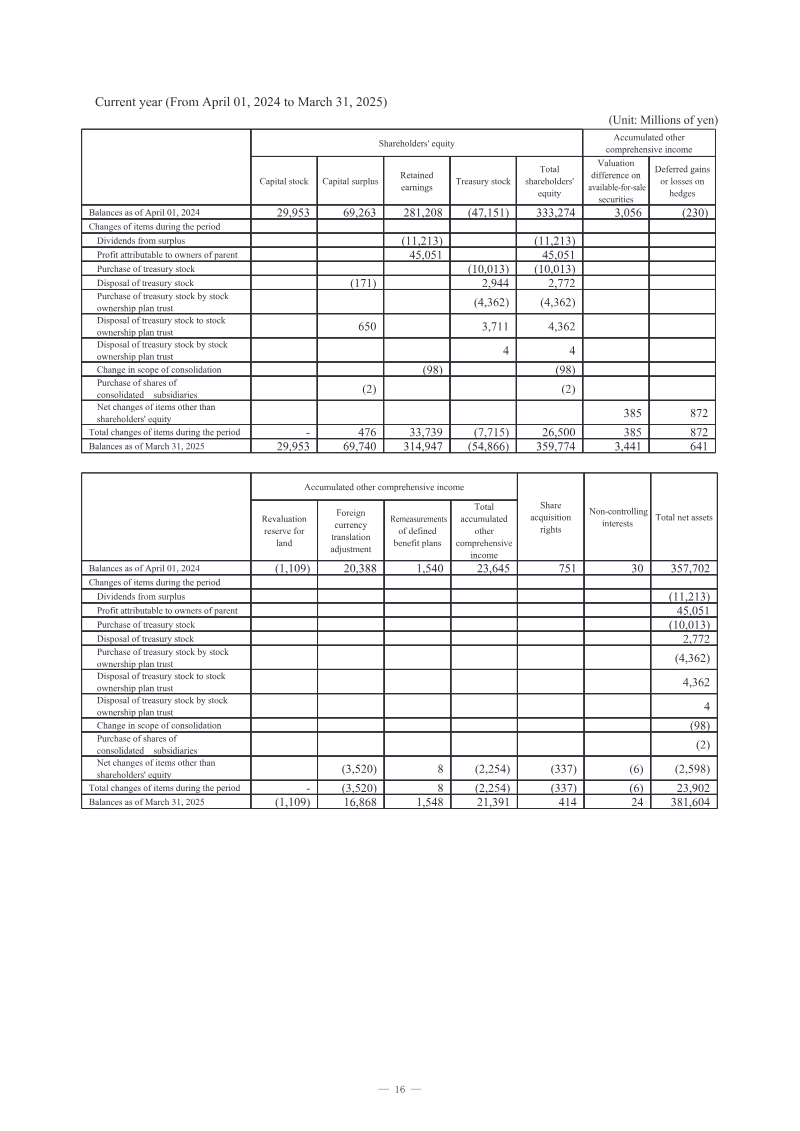
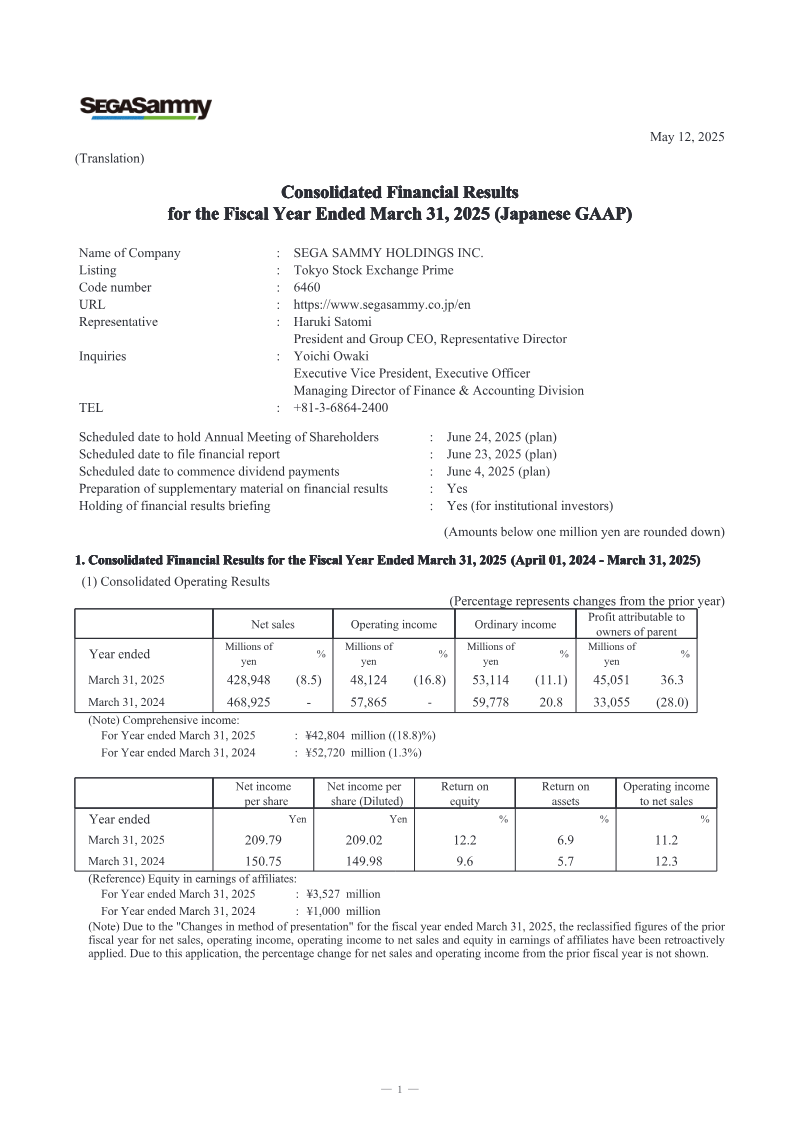
Sega Sammy Holdings Consolidated Financial Results: Fiscal Year Ended March 31, 2025
Sega Sammy Holdings experienced a complex fiscal year ending March 31, 2025, characterized by a strategic pivot toward digital and global entertainment markets.
- Sega Sammy achieved a 36.3% increase in net profit to ¥45.1 billion for the fiscal year ending March 31, 2025, despite a 27.1% decline in Pachislot and Pachinko segment sales.
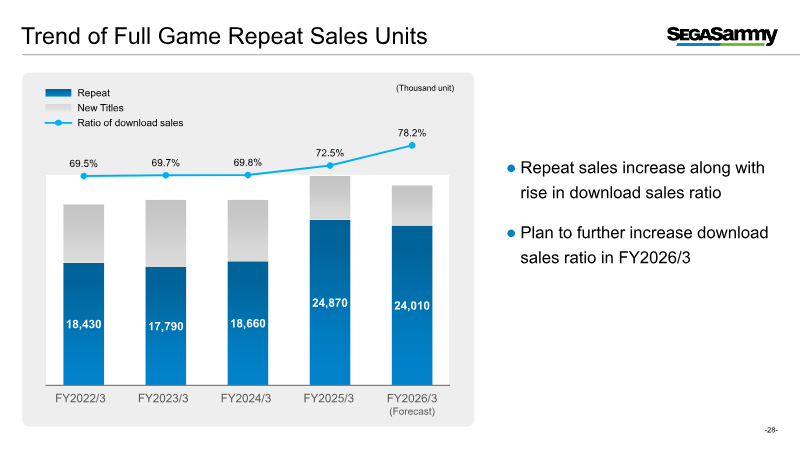
- Consolidated net sales reached ¥428.9 billion, with the Entertainment Contents segment serving as the primary revenue driver through the performance of the Sonic IP, repeat game sales, and animation distribution.
- The company is expanding into the global iGaming sector, highlighted by the April 2025 acquisition of Stakelogic B.V. for approximately ¥14.5 billion and the creation of a new Gaming business segment.
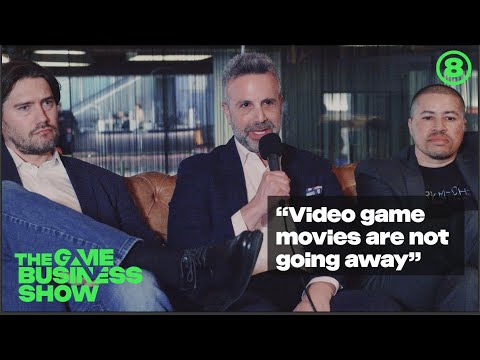
“We’ve never had a better moment to adapt your game to film or TV”
The current landscape for adapting video games into film and television is experiencing a period of unprecedented opportunity, driven by a shift toward respecting the source material and its community.
- Successful game adaptations now rely on deep involvement from developers and publishers throughout the creative process to ensure the intellectual property's essence is preserved.
- Developers must prioritize securing specialized legal representation to navigate complex negotiations and prevent the loss of control over their intellectual property.
- To mitigate the risk of 'smash and grab' tactics by Hollywood, studios should seek long-term partners who view the game developer as a core collaborator rather than a mere licensor.
Companies behind it



As the documents state it.