Sonic 2011
Game
Documents about Sonic 2011

What’s going on at Rovio, Miniclip’s new ad network, Squad Busters’ last rites, RedLynx closes, more
The mobile games industry is currently undergoing a period of significant restructuring, characterized by studio closures, project cancellations, and a strategic pivot toward established intellectual property.
- Mobile game spending declined by 7% in Q3, with only three of the top 20 grossing titles being less than two years old, highlighting a significant barrier to entry for new games.
- Major publishers are aggressively pruning portfolios, resulting in the cancellation of Supercell’s Squad Busters, Ubisoft’s Rainbow Six Mobile, and Fingersoft’s Lego Hill Climb Adventures.
- Ubisoft is closing its Helsinki-based studio RedLynx as part of a broader industry trend of studio closures and project cancellations.

🚨📢 BREAKING NEWS: AppLovin Just Cut Off Everyone's Data: The MeowDoku Studio Got Sued & more
The mobile gaming industry is currently undergoing significant shifts in data privacy, intellectual property enforcement, and cross-media expansion.
- AppLovin has restricted access to user-level ad data on its MAX mediation platform, shifting to aggregated reporting to prevent competitors from using its ad stream to train rival bidding algorithms.
- Oakever, the studio behind the popular title MeowDoku, is facing significant legal challenges, including a copyright infringement loss to Hungry Studio and a lawsuit from Avia Games regarding unauthorized advertising assets.
- The mobile gaming industry is seeing a shift in intellectual property dynamics, as evidenced by Sega and Netflix partnering to develop film and television projects based on the Sonic and Crazy Taxi franchises.

2026 games industry predictions and trends | Week in Mobile Games podcast
The global games industry enters 2026 characterized by a strategic pivot toward operational efficiency and diversified revenue streams.
- The games industry faces potential hardware cost inflation in 2026, as the high demand for RAM and GPUs from AI companies drives up component prices, potentially delaying future console and mobile device manufacturing.
- Chinese publishers are exerting increased global dominance in specific genres, with Micro Fun leading in the merge category and First Fun and Century Games capturing significant market share in 4X strategy.
- Generative AI adoption is expected to become more brazen among large game companies, shifting from experimental use to the widespread integration of AI-generated assets in marketing and development workflows.
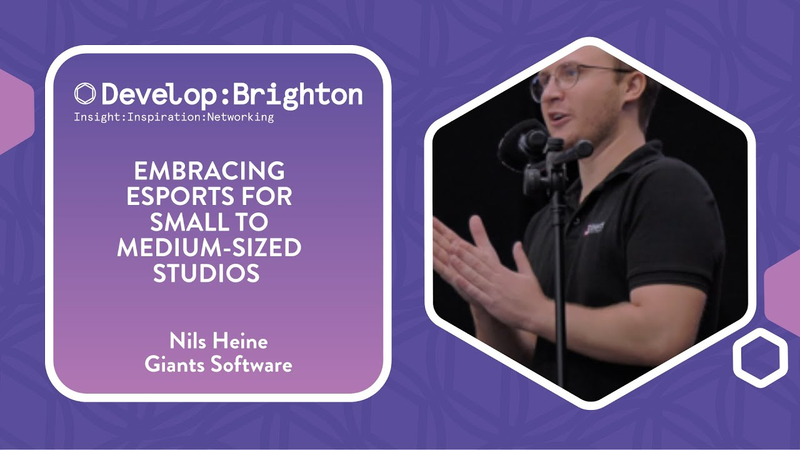
Embracing Esports for Small to Medium Sized Studios | Develop:Brighton 2024
Small to medium-sized studios can successfully cultivate competitive gaming ecosystems by identifying and formalizing existing community behaviors, even within non-traditional genres.
- GIANTS Software successfully expanded the Farming Simulator franchise into esports, leveraging a competitive 'bail stacking' mode to engage a player base that has surpassed 6 million units sold.
- The Farming Simulator League (FSL) launched in 2019 and now hosts tournaments across Germany, Switzerland, Poland, the UK, and France, involving 20 to 30 active competitive teams.
- Successful esports integration requires significant investment in infrastructure, including dedicated broadcasting hardware, software for multi-language live streams, and physical stage setups for offline events.
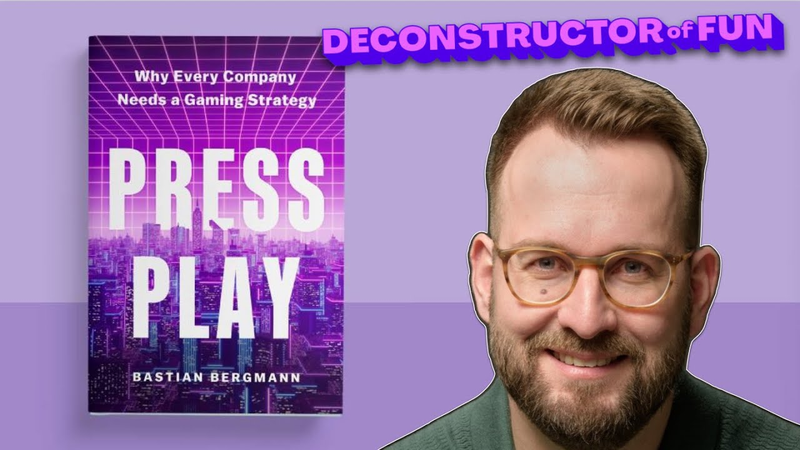
Why Adding Brands to Games Is So Hard with Bastian Bergmann
Video games represent a uniquely powerful medium for human transformation, driven by the fundamental human impulse for play.
- Brands should prioritize low-lift partnerships within existing gaming ecosystems rather than building custom experiences from scratch to mitigate risk and development costs.
- Successful brand integration requires shifting from traditional advertising to gamification that aligns with the inherent mechanics of play, as seen in Peloton’s Lane Break and Dettol’s Roblox campaigns.
- To move beyond vague awareness metrics, organizations must establish business-aligned KPIs such as loyalty sign-ups and long-term retention to track the effectiveness of gaming initiatives.

There is no going back for the video game industry
The video game industry has undergone a permanent structural transformation, moving away from traditional, product-based retail models toward a network-driven ecosystem.
- The video game industry has permanently shifted from a retail-based product model to a network-driven ecosystem where platforms like Fortnite and Roblox function as social utilities competing with social media giants.
- The traditional development model is financially unsustainable, as production budgets for major titles have ballooned to $300 million while long development cycles fail to generate proportional market demand.
- AI-driven automation is being deployed to reduce costs in mobile gaming, specifically replacing roles in level testing and user acquisition, which has contributed to widespread workforce downsizing.

“We’ve never had a better moment to adapt your game to film or TV”
The current landscape for adapting video games into film and television is experiencing a period of unprecedented opportunity, driven by a shift toward respecting the source material and its community.
- Successful game adaptations now rely on deep involvement from developers and publishers throughout the creative process to ensure the intellectual property's essence is preserved.
- Developers must prioritize securing specialized legal representation to navigate complex negotiations and prevent the loss of control over their intellectual property.
- To mitigate the risk of 'smash and grab' tactics by Hollywood, studios should seek long-term partners who view the game developer as a core collaborator rather than a mere licensor.
Companies behind it



As the documents state it.