
Rayman
GameBy Ubi Soft Paris Studios · Released Sep 7, 1995
Rayman is a side-scrolling platformer starring the titular Rayman, a big-nosed chap with no arms or legs. Rayman can jump and use his hair to hover for a short period of time. He can also attack by throwing his fists, or winding up his fists for a more powerful punch.
Connections
Each row is a game or company named alongside Rayman, each column a document, oldest first. A mark means that document names it. Select a row to see those documents.
About the game
- Released
- Sep 7, 1995
- Developer
- Ubi Soft Paris Studios
- Publishers
- Sony Computer Entertainment America, Ubi Soft Entertainment, Ubisoft Entertainment
- Genres
- Platform, Adventure
- Platforms
- PlayStation 3, Sega Saturn, PlayStation, PlayStation Portable
- Links
- Official site, Wikipedia
Game data from IGDB.com
Documents about Rayman
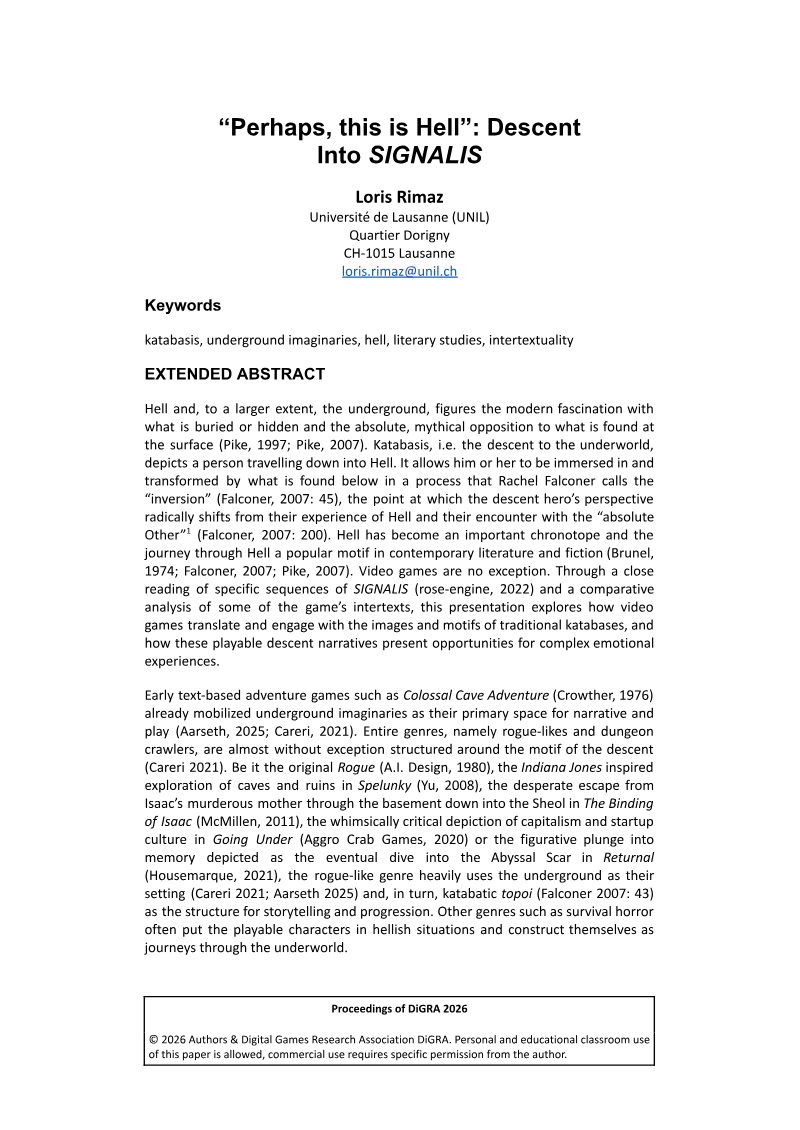
"Perhaps, This Is Hell": Descent Into SIGNALIS
This paper examines how video games engage with katabasis, the mythic descent into the underworld, using a close reading of SIGNALIS (rose-engine, 2022) and comparative analysis of its intertexts.
- The paper argues that playable descent narratives translate traditional katabatic (underworld-descent) images and motifs into interactive form, enabling complex emotional experiences.
- Its primary case study is SIGNALIS (rose-engine, 2022), read as both a literal and metaphorical katabasis through its vertical structure, threshold moments that compel protagonist Elster downward, and the explicit line "PERHAPS, THIS IS HELL."
- The author contends that in SIGNALIS, Hell is not a destination but the distorted world itself: a self-generated cycle of guilt, decay, and memory loss.

Should PlayStation and Xbox change their plans on exclusive games?
Exclusive titles remain the primary catalyst for console adoption, though their strategic value is currently being re-evaluated across the industry.
- Exclusive titles remain the primary driver for console adoption, though PlayStation's strategy of porting single-player games to Steam shows these titles often underperform compared to their original console debuts.
- Xbox is facing a critical inflection point where declining hardware sales are forcing a strategic pivot toward potentially releasing exclusive titles on competing consoles to maximize revenue.
- Marketing budgets are shifting away from high-cost celebrity influencers toward mid-sized creators who provide higher authenticity and niche relevance.

🚨📢 BREAKING NEWS: Ubisoft Restructures, IAP Hits $167B, Turkey Keeps Raising, Pokémon Goes IRL
The gaming industry is currently undergoing a structural shift characterized by a transition toward a monetization-first era.
- Global mobile in-app purchase revenue reached $167 billion in 2025, confirming a strategic industry shift toward maximizing lifetime value over user acquisition scale despite declining download volumes.
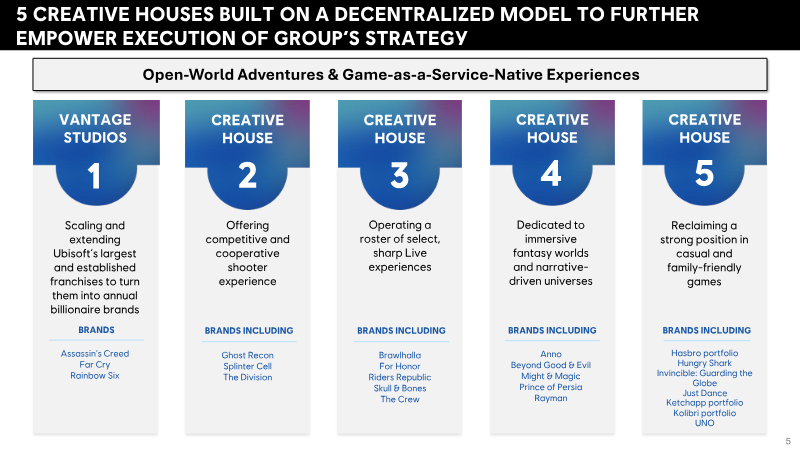
- Ubisoft is reorganizing into five specialized creative houses to achieve $200 million in cost savings, a process that includes canceling projects like the Prince of Persia Sands of Time remake and mandating a full-time return to the office.
- Major publishers are prioritizing stability by leveraging legacy intellectual property and diversifying platforms, such as Outfit7 expanding into PC development and Rovio relaunching the Angry Birds franchise in China.
Has Meta just killed virtual reality?
The gaming industry is currently navigating a period of significant structural realignment, marked by a shift away from high-budget, blockbuster development toward more sustainable, long-term operational models.
- Meta is pivoting its strategic focus toward artificial intelligence, resulting in studio closures and a reduction in premium AAA investment for virtual reality.
- The VR market is transitioning from an experimental phase into a specialized, niche ecosystem where smaller, agile teams are finding success.
- Meta Quest continues to command the vast majority of revenue in the VR sector, serving as the primary anchor for the current market.

Ubisoft's big reorg, critics and mobile's reputation problem, PGC London thoughts, more
The mobile games industry is currently navigating a period of significant structural change and reputational scrutiny.
- Ubisoft is undergoing a major reorganization into five creative houses, with its mobile division—managing titles like Hungry Shark and Ketchup—tasked with achieving €200 million in cost reductions over the next two years.
- The mobile gaming sector continues to generate massive scale, with Monopoly Go reaching $6 billion in revenue and global user acquisition spending totaling $25 billion annually.
- Ubisoft’s restructuring strategy includes the potential for further layoffs and the divestiture of mobile assets that do not align with its new creative focus.
Major Organizational, Operational and Portfolio Reset to Reclaim Creative Leadership and Restore Sustainable Growth
Ubisoft announces a sweeping reset of its organization, operations and game portfolio, aimed at reclaiming creative leadership, restoring agility and returning to sustainable growth and robust cash generation.
- Ubisoft is targeting a €500 million reduction in fixed costs by March 2028 compared to FY23 levels to restore sustainable growth.
- The company is restructuring into five specialized Creative Houses to focus on core franchises like Assassin’s Creed, Far Cry, and Rainbow Six while improving operational agility.
- Ubisoft has canceled six projects, including the Prince of Persia: The Sands of Time remake and four unannounced titles, while extending development timelines for seven others to prioritize quality.
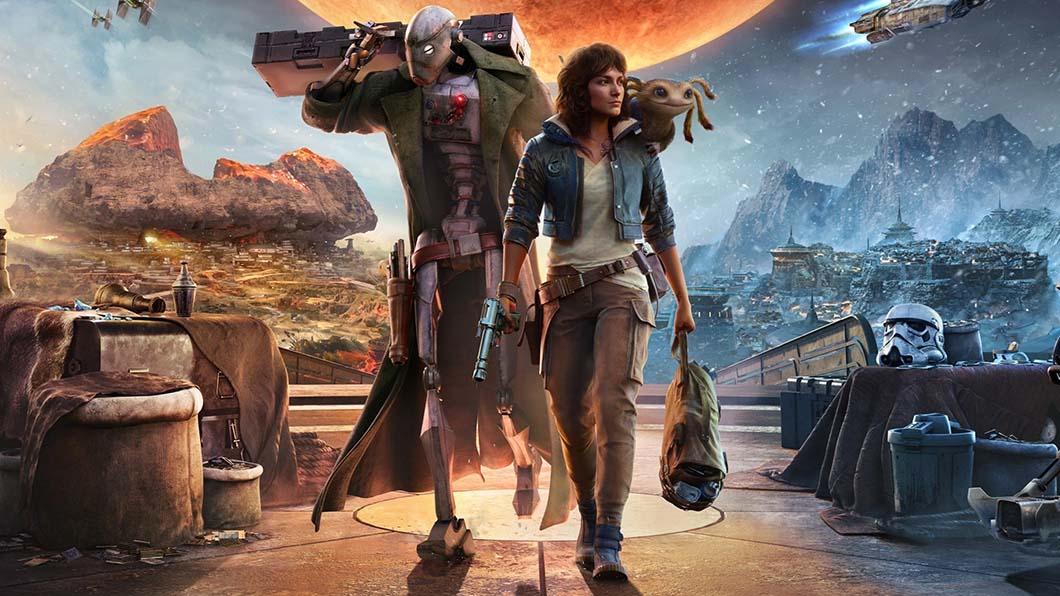
Ubisoft Shares Continue Decline Following Shareholder Demands to Go Private
Ubisoft is currently facing significant market volatility and downward pressure on its share price, which has fallen below the $3 mark.
- Slovakia-based hedge fund AJ Investments, which holds approximately 1% of Ubisoft, has publicly demanded that the company go private or sell to a strategic investor.
- The investor group is calling for the ousting of CEO Yves Guillemot and his family, citing mismanagement and the underutilization of key franchises like Rayman, Splinter Cell, and Watch Dogs.
- AJ Investments has threatened to organize a coalition of minority shareholders to initiate a proxy fight if their demands for a sale and further layoffs are not met.
Meaningful Blehs and Rabbid Gwahs: Identity Representation Through Non-Human Noise and Words
This paper examines how the non-human characters in the Mario + Rabbids games, Kingdom Battle (2017) and Sparks of Hope (2022), use noise, sound, and language to shape the identities video games can portray.
- The paper argues that the rabbids in Mario + Rabbids Kingdom Battle (2017) and Sparks of Hope (2022) expand identity representation in games through chaotic, exaggerated behavior, while original human characters remain constrained by decades of narrowly scripted conduct and minimal speech.
- A central finding is that the rabbids' inability or refusal to speak in Kingdom Battle lets their shouting, grunting, whining, and wailing carry broader, more open-ended meanings by detaching behavior from the semantic specificity of language.
- In Sparks of Hope, the rabbids produce fully grammatical written dialogue during narrative sequences, which the author contends flattens their excess into a more heroic and less ambiguous rapport.
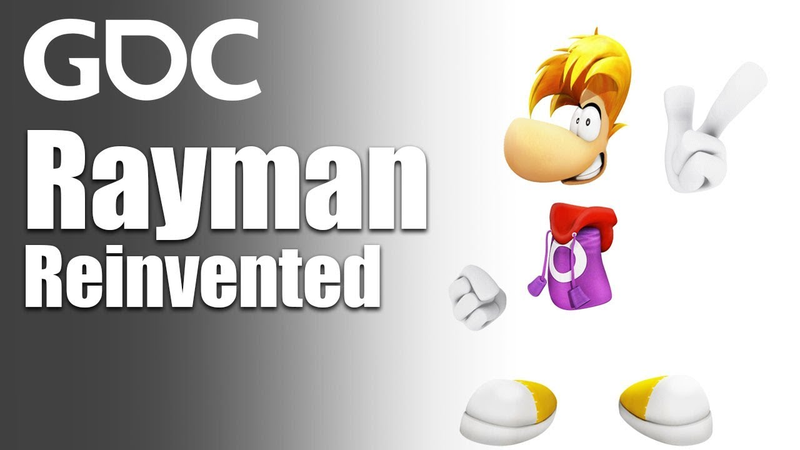
Rayman Reinvented
Ubisoft Montpellier’s revitalization of the Rayman franchise centers on a strategic return to 2D platforming, prioritizing accessibility and iconic character design through the implementation of the proprietary UbiArt Framework.
- Ubisoft developed a proprietary 2D animation engine called UbiArt Framework to allow artists to import their original concept drawings directly into the game, preserving the artistic essence without the need for traditional 3D modeling.
- The UbiArt system utilizes a mesh-based deformation technique where artists place bones on 2D assets, enabling them to animate and deform drawings in real-time to create complex movements from simple 2D elements.
- The animation pipeline is highly efficient, allowing a single animator to produce approximately 250 character animations in just two weeks by reusing and deforming existing assets.
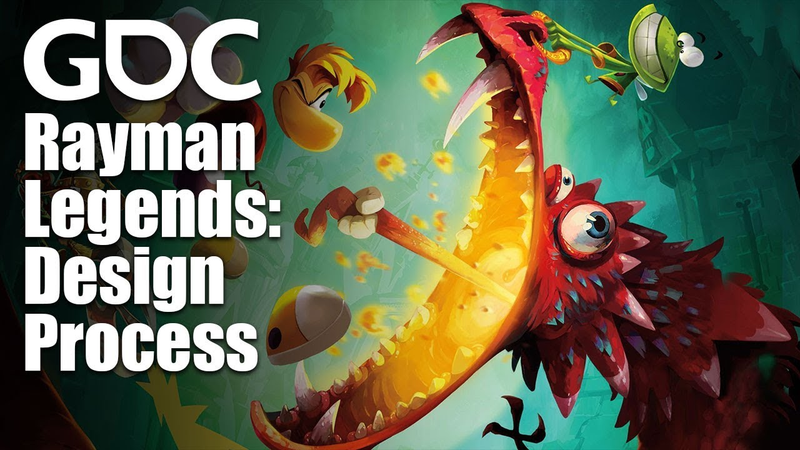
Rayman Legends: The Design Process Within the UbiArt Framework
The development of Rayman Legends centers on the implementation of the UbiArt Framework, an engine architecture designed to democratize the creative process by empowering level designers and artists to prototype independently.
- The UbiArt Framework enables rapid prototyping by allowing designers to combine 'white box' assets, movement tweens, and Lua scripting to prove gameplay concepts in as little as half a day.
- The development philosophy prioritizes frequent failure—up to 40 times a day—to quickly discard ineffective ideas and identify viable mechanics without becoming overly attached to early concepts.
- The engine utilizes a template-and-instance system that enforces core gameplay behaviors while allowing designers to tweak specific parameters, preventing the need for constant programmer intervention.
iOS Gaming Leaders: December 2015
The mobile gaming market experienced significant growth in December 2015, characterized by a surge in both installation volume and consumer spending on Apple’s App Store.
- In December 2015, worldwide iOS gaming downloads grew 20% month-over-month to approximately 614 million, while total gaming revenue reached nearly $1 billion, an 18% increase from November.
- Clash of Clans reclaimed the top-grossing spot on iOS from Game of War in both U.S. and worldwide markets during December 2015.
- Piano Tiles 2 was the most downloaded game globally and in the U.S. for December 2015, maintaining the No. 1 position in all iPhone categories for the six days leading up to Christmas.
iOS Gaming Leaders: November 2015
This analysis examines the performance of iOS gaming applications during November 2015, focusing on download volume, revenue generation, and growth trends across both the United States and global markets.
- Ketchapp’s game 'Twist' became the most downloaded iOS game globally and in the U.S. in November 2015, significantly outperforming new releases from major publishers like King and Machine Zone.
- Machine Zone’s 'Game of War' maintained the top position for global and U.S. revenue, while Supercell’s 'Clash of Clans' experienced negative month-over-month revenue growth for the second consecutive time.
- The top 10 revenue-generating games showed a stagnant trend, with half of the titles experiencing month-over-month revenue declines and no new entries appearing on the top 10 lists.
Companies behind it


As the documents state it.