
Rayman
GameBy Ubi Soft Paris Studios · Released Sep 7, 1995
Documents about Rayman

Should PlayStation and Xbox change their plans on exclusive games?
Exclusive titles remain the primary catalyst for console adoption, though their strategic value is currently being re-evaluated across the industry.
- Exclusive titles remain the primary driver for console adoption, though PlayStation's strategy of porting single-player games to Steam shows these titles often underperform compared to their original console debuts.
- Xbox is facing a critical inflection point where declining hardware sales are forcing a strategic pivot toward potentially releasing exclusive titles on competing consoles to maximize revenue.
- Marketing budgets are shifting away from high-cost celebrity influencers toward mid-sized creators who provide higher authenticity and niche relevance.

🚨📢 BREAKING NEWS: Ubisoft Restructures, IAP Hits $167B, Turkey Keeps Raising, Pokémon Goes IRL
The gaming industry is currently undergoing a structural shift characterized by a transition toward a monetization-first era.
- Global mobile in-app purchase revenue reached $167 billion in 2025, confirming a strategic industry shift toward maximizing lifetime value over user acquisition scale despite declining download volumes.
- Ubisoft is reorganizing into five specialized creative houses to achieve $200 million in cost savings, a process that includes canceling projects like the Prince of Persia Sands of Time remake and mandating a full-time return to the office.
- Major publishers are prioritizing stability by leveraging legacy intellectual property and diversifying platforms, such as Outfit7 expanding into PC development and Rovio relaunching the Angry Birds franchise in China.
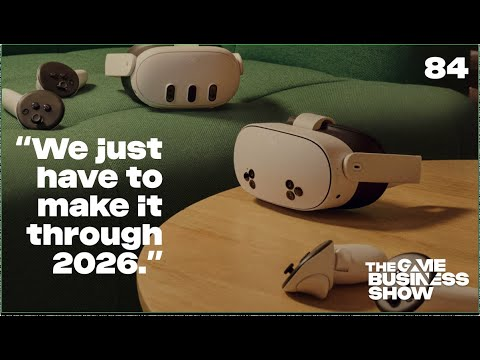
Has Meta just killed virtual reality?
The gaming industry is currently navigating a period of significant structural realignment, marked by a shift away from high-budget, blockbuster development toward more sustainable, long-term operational models.
- Meta is pivoting its strategic focus toward artificial intelligence, resulting in studio closures and a reduction in premium AAA investment for virtual reality.
- The VR market is transitioning from an experimental phase into a specialized, niche ecosystem where smaller, agile teams are finding success.
- Meta Quest continues to command the vast majority of revenue in the VR sector, serving as the primary anchor for the current market.

Ubisoft's big reorg, critics and mobile's reputation problem, PGC London thoughts, more
The mobile games industry is currently navigating a period of significant structural change and reputational scrutiny.
- Ubisoft is undergoing a major reorganization into five creative houses, with its mobile division—managing titles like Hungry Shark and Ketchup—tasked with achieving €200 million in cost reductions over the next two years.
- The mobile gaming sector continues to generate massive scale, with Monopoly Go reaching $6 billion in revenue and global user acquisition spending totaling $25 billion annually.
- Ubisoft’s restructuring strategy includes the potential for further layoffs and the divestiture of mobile assets that do not align with its new creative focus.
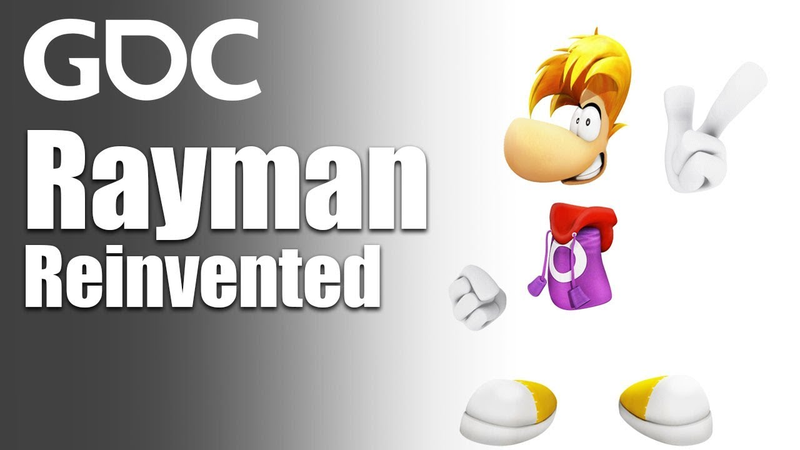
Rayman Reinvented
Ubisoft Montpellier’s revitalization of the Rayman franchise centers on a strategic return to 2D platforming, prioritizing accessibility and iconic character design through the implementation of the proprietary UbiArt Framework.
- Ubisoft developed a proprietary 2D animation engine called UbiArt Framework to allow artists to import their original concept drawings directly into the game, preserving the artistic essence without the need for traditional 3D modeling.
- The UbiArt system utilizes a mesh-based deformation technique where artists place bones on 2D assets, enabling them to animate and deform drawings in real-time to create complex movements from simple 2D elements.
- The animation pipeline is highly efficient, allowing a single animator to produce approximately 250 character animations in just two weeks by reusing and deforming existing assets.
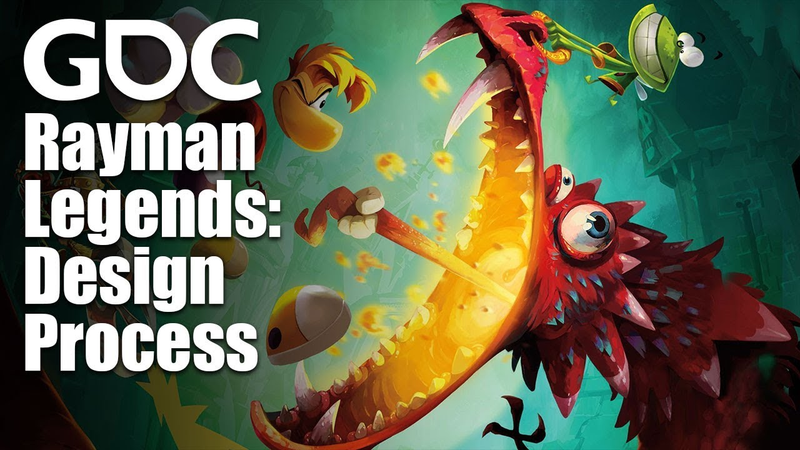
Rayman Legends: The Design Process Within the UbiArt Framework
The development of Rayman Legends centers on the implementation of the UbiArt Framework, an engine architecture designed to democratize the creative process by empowering level designers and artists to prototype independently.
- The UbiArt Framework enables rapid prototyping by allowing designers to combine 'white box' assets, movement tweens, and Lua scripting to prove gameplay concepts in as little as half a day.
- The development philosophy prioritizes frequent failure—up to 40 times a day—to quickly discard ineffective ideas and identify viable mechanics without becoming overly attached to early concepts.
- The engine utilizes a template-and-instance system that enforces core gameplay behaviors while allowing designers to tweak specific parameters, preventing the need for constant programmer intervention.

Five minutes with Ubisoft Mobile MD Jean-Michel Detoc
Ubisoft is positioning itself as a platform-agnostic entertainment company, expanding its focus from traditional PC and console markets to mobile devices.
- Ubisoft is transitioning from a console-centric model to a platform-agnostic strategy, prioritizing the development of standalone, high-quality mobile games over simple companion apps.
- The mobile development strategy rests on three pillars: leveraging existing IPs like Assassin’s Creed and Rayman, creating original mobile-first properties, and developing games based on external licenses.
- Ubisoft is shifting away from its historical reliance on external partners like Gameloft by bringing mobile development and strategic oversight in-house.
Companies behind it


As the documents state it.