France reports and market data
62 game industry reports, presentations and talks about france from writers such as SELL – Syndicat des Éditeurs de Logiciels de Loisirs, Syndicat National du Jeu Vidéo and PocketGamer.biz, newest from 2026. Every document has a summary and key insights with the page they come from, and 274 charts and tables are extracted as data.
Key figures
Gaming is a primary social medium in France, as 63 percent of players participate in multiplayer experiences that frequently lead to the formation of real-world friendships.
SELL – Syndicat des Éditeurs de Logiciels de Loisirs, 2026 · Les Français et le jeu vidéo: 2026, p. 13
South Korea experienced the highest growth in game installs at 32% compared to Q3 2022, while the United States and France saw declines of 5% and 0.7%, respectively.
Apptica, 2023 · Mobile Games: State of the Market & Playtime Q3 2023, p. 6
The production landscape remains highly concentrated in the Île-de-France region, which hosts 44.6% of the nation's development studios.
Syndicat National du Jeu Vidéo, 2022 · Annual Survey of Video Games in France 2022, p. 3
Gaming is a mainstream activity in France, with 70% of residents playing occasionally and 53% playing regularly as of late 2021.
SELL – Syndicat des Éditeurs de Logiciels de Loisirs, 2023 · Pour une Pratique Responsable du Jeu Vidéo: France, p. 6
Gaming is a primary social activity in France, with 60 percent of players engaging in multiplayer experiences and 72 percent of the public viewing the hobby as family-friendly.
SELL – Syndicat des Éditeurs de Logiciels de Loisirs, 2022 · French People and Video Games: November 2022, p. 6
Documents

Les Français et le jeu vidéo: 2026
Video games have become a foundational element of French culture, with 38.7 million individuals—representing seven out of ten citizens—engaging with the medium as of 2026.
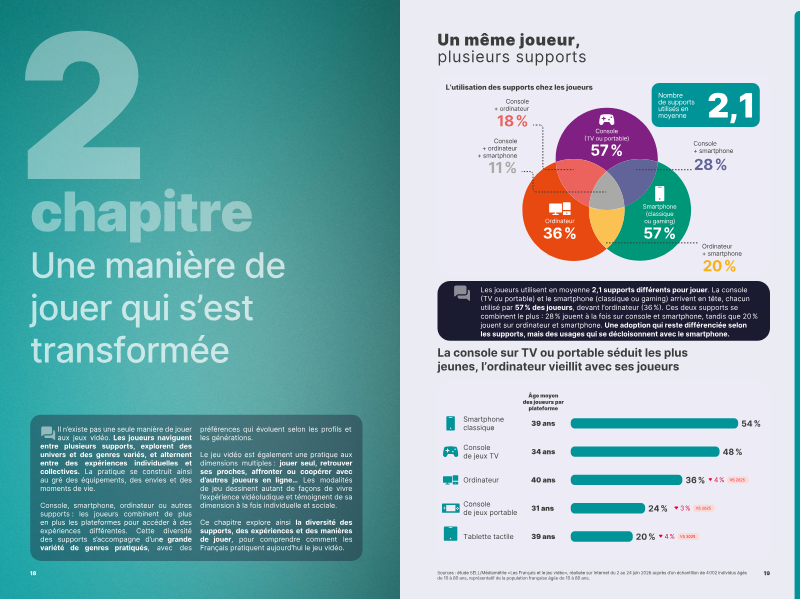
- As of 2026, 38.7 million French citizens—seven out of ten people—engage with video games, maintaining an equal gender split and an average player age of 40.
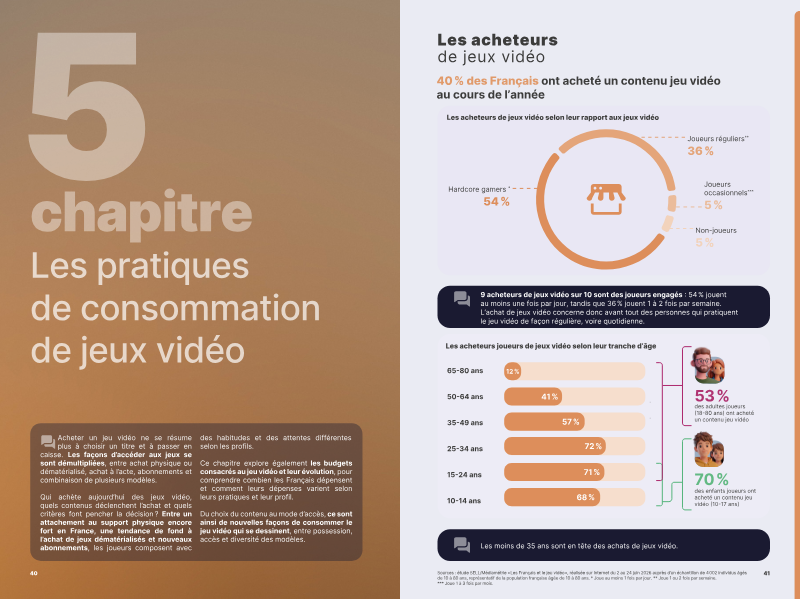
- Market engagement is high, with 90 percent of buyers playing at least weekly across an average of 2.1 platforms, primarily utilizing a mix of physical, digital, and subscription models.
- Gaming is a primary social medium in France, as 63 percent of players participate in multiplayer experiences that frequently lead to the formation of real-world friendships.
Video Game News: French Market Overview 2025
The French video game market demonstrated significant resilience and growth in 2025, reaching a total valuation of €5.856 billion.
- The French video game market reached a valuation of €5.856 billion in 2025, marking a 2.9% year-over-year increase.
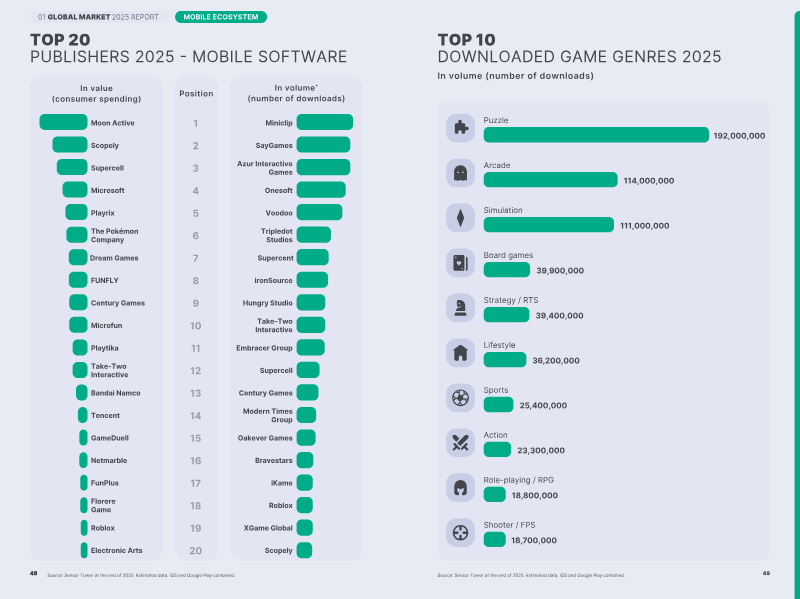
- Mobile gaming is the primary growth driver, surging 11% and accounting for 94% of its revenue through free-to-play applications.
- The player base expanded to 40.2 million individuals, with adults now representing 88% of the total demographic.

Major Organizational, Operational and Portfolio Reset to Reclaim Creative Leadership and Restore Sustainable Growth
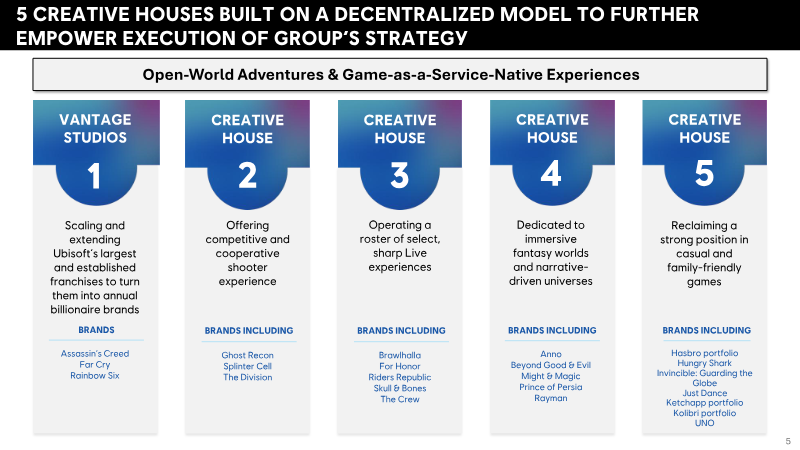
Ubisoft has initiated a major organizational and operational reset designed to reclaim creative leadership and restore sustainable growth in an increasingly selective AAA market.
- Ubisoft is targeting a €500 million reduction in fixed costs by March 2028 compared to FY23 levels to restore sustainable growth.
- The company is restructuring into five specialized Creative Houses to focus on core franchises like Assassin’s Creed, Far Cry, and Rainbow Six while improving operational agility.
- Ubisoft has canceled six projects, including the Prince of Persia: The Sands of Time remake and four unannounced titles, while extending development timelines for seven others to prioritize quality.

Ubisoft: How to Destroy $15 Billion in Shareholder Value | Pixels & Profits
Ubisoft is currently undergoing a catastrophic collapse in market capitalization, plummeting from a 2018 peak of $16.5 billion to less than $1 billion.
- Ubisoft’s market capitalization has collapsed from a 2018 peak of $16.5 billion to less than $1 billion, despite annual revenue declining by only approximately 20%.
- The company’s revenue-per-employee metric is currently one-fourth that of industry peers like Electronic Arts, highlighting severe operational inefficiencies and a bloated corporate structure.
- Management has consistently diverted resources from core franchises like Assassin’s Creed and Rainbow Six Siege toward underperforming, trend-chasing projects such as Skull and Bones and Star Wars Outlaws.
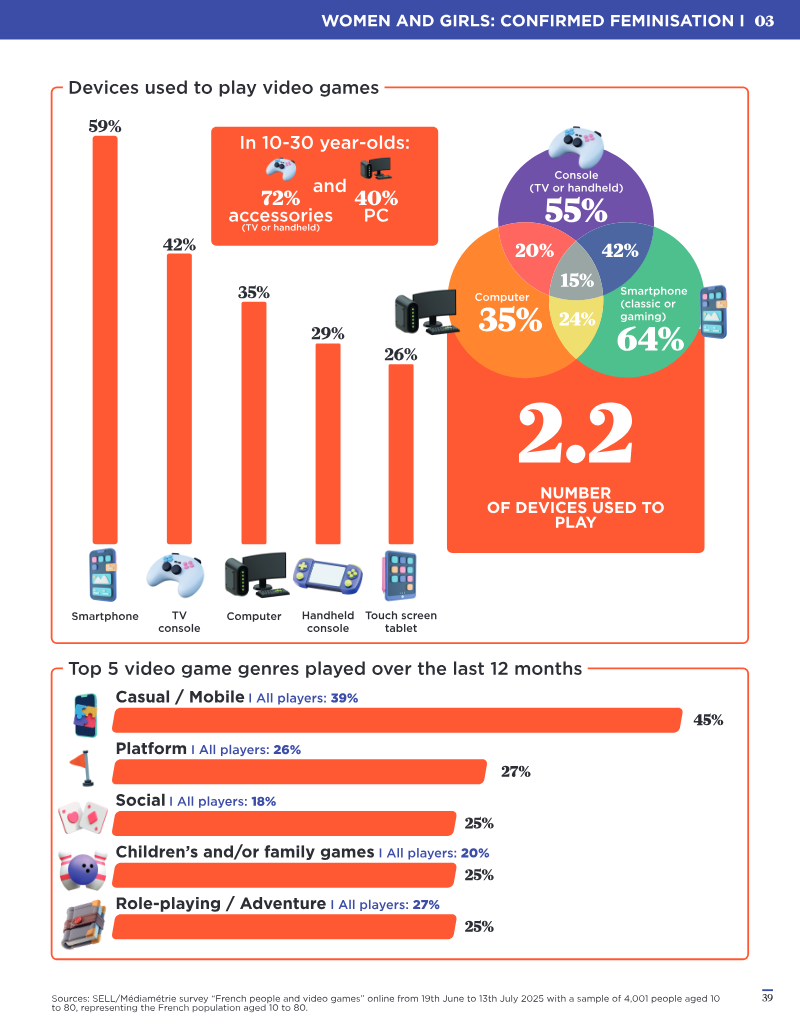

Essential Video Game News: French People and Video Games (September 2025)
The French video game market has reached a significant milestone in 2025, with a record 40.2 million active players establishing the medium as a central pillar of national culture.
- The French video game market reached a record 40.2 million active players in 2025, with adults comprising 88% of the total player base.
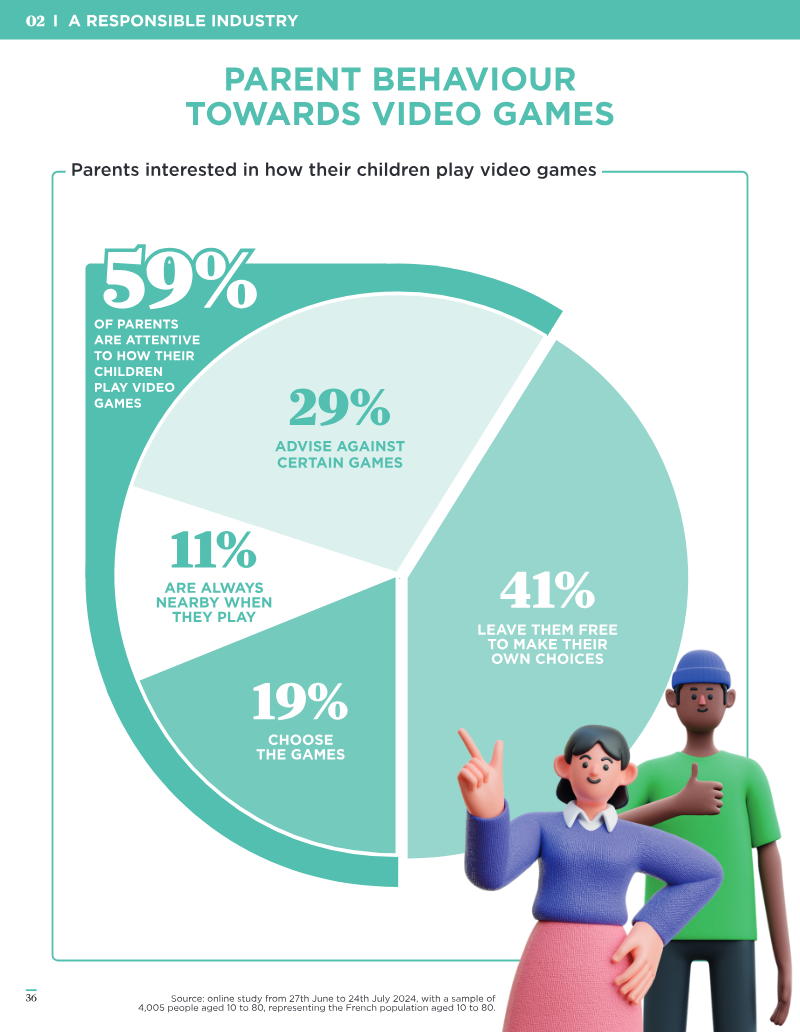
- Gaming serves as a primary social and family conduit, with 75% of parents actively participating in gaming sessions with their children.
- French consumers maintain a distinct preference for physical media and in-store purchasing, prioritizing tangible ownership and retail social experiences.

Ubisoft’s Big Miss Explained
Ubisoft is currently facing a period of significant corporate stagnation and financial underperformance, characterized by a reliance on formulaic franchises and a failure to adapt to industry trends.
- Ubisoft is experiencing significant financial underperformance, with recent quarterly earnings missing expectations due to struggles in major franchises like Assassin’s Creed and performance declines in Rainbow Six Siege.
- The company’s long-term stability is threatened by a sparse release pipeline that extends until 2027, leaving the publisher without a clear competitive advantage after failed investments in NFTs, mobile, and experimental genres.
- Entrenched leadership and systemic nepotism, specifically the Guillemot family's control and the appointment of family members to key intellectual property roles, have triggered a talent exodus and operational chaos.
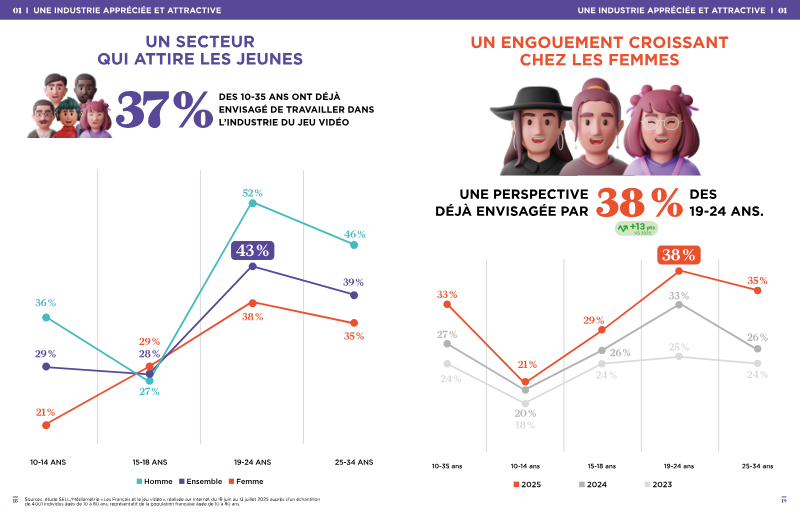
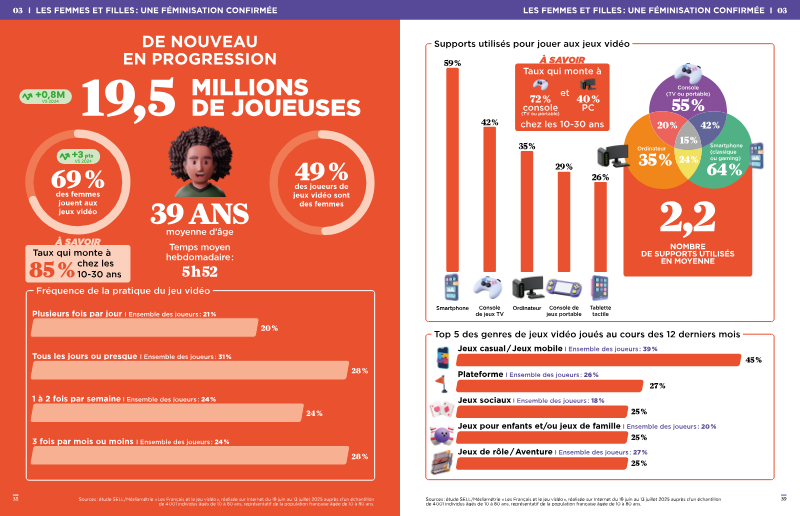

Les Français et le jeu vidéo: 2025
The French video game market has reached a historic peak in engagement, with 40.2 million individuals—representing 66% of the national population—identifying as players.
- The French video game market has reached 40.2 million players, representing 66% of the national population with an average player age of 40.
- Social and multiplayer gaming are primary engagement drivers, with 86% of players using multiplayer modes and 60% reporting the formation of direct friendships through gaming.
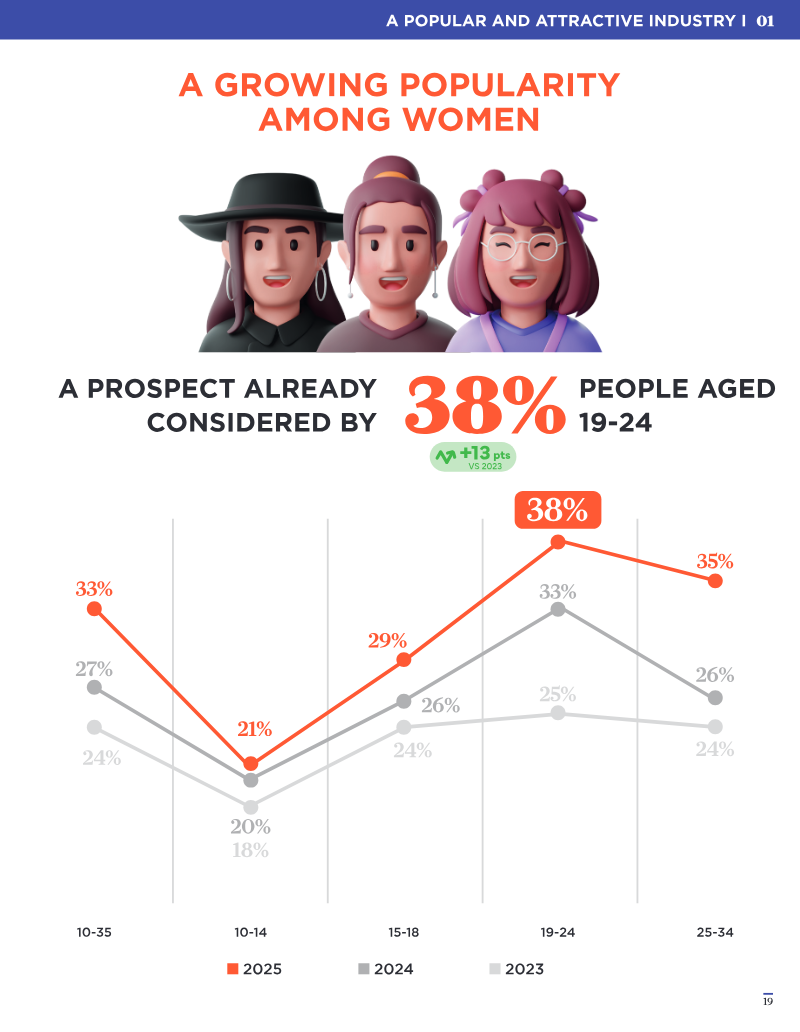
- Gender parity is a defining characteristic of the market, with women now comprising a 55% majority of players in the 16–30 age demographic.

Ubisoft’s $1.25B Tencent Bailout: A Masterclass in Corporate Defense—or Malfeasance?
Ubisoft is currently navigating a complex financial restructuring involving a $1.25 billion investment from the Chinese conglomerate Tencent.
- Ubisoft has secured a $1.25 billion investment from Tencent, which involves moving core intellectual properties like Assassin’s Creed, Far Cry, and Rainbow Six into a newly created subsidiary.
- Tencent has acquired a 25% stake in this new subsidiary, a move designed to provide immediate liquidity to Ubisoft while insulating the company from potential hostile takeovers.
- The deal is structured as a subsidiary investment rather than a direct buyout to bypass French foreign investment regulations and avoid triggering change-of-control provisions.
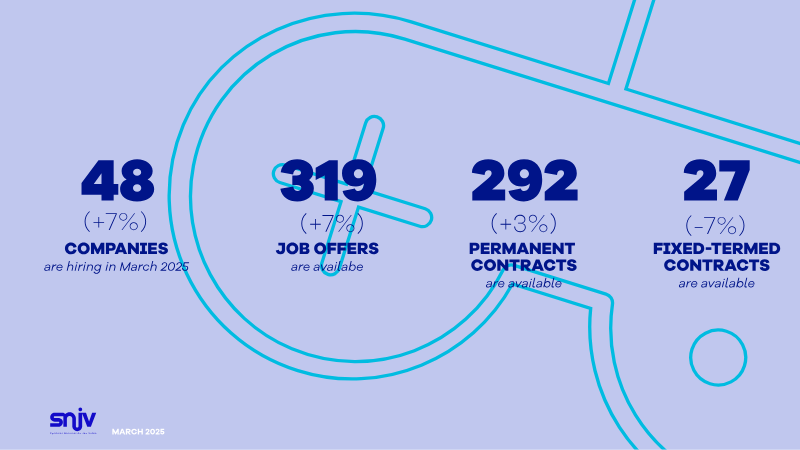
Jobs in the French Gaming Industry: March 2025
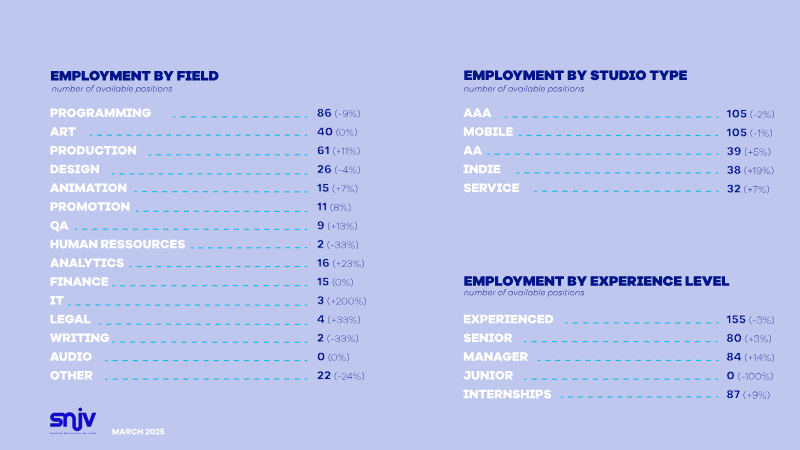
The French video game industry maintains a steady recruitment landscape as of March 2025, characterized by 319 active companies offering 292 total job positions.
- As of March 2025, the French gaming industry features 319 active hiring companies and 292 total job openings, marking a 7% growth in both categories compared to the previous month.
- The market is heavily skewed toward experienced talent, with junior-level roles effectively vanishing while manager-level openings have increased by 14%.
- Programming is the most in-demand field with 86 open positions, followed by a significant surge in IT-related roles and a decline in human resources and writing positions.

The Secret Sauce of French Game Publishers with Vincent Février, CMO of TapNation
TapNation has successfully navigated the transition from a hyper-casual publisher to a hybrid-casual studio by maintaining a lean, tech-centric operational model.
- TapNation has successfully scaled to $55–$60 million in annual revenue with a lean team of approximately 80 employees by transitioning from hyper-casual to a hybrid-casual business model.
- The company has shifted its financial strategy from 30-day break-even cycles to 6-to-12-month payback windows to prioritize long-term retention and in-app purchase revenue.
- Growth is driven by a tech-centric operational model that utilizes proprietary user acquisition automation, AI-integrated management, and sophisticated lifetime value prediction models.

Essential Video Game News: October 2024
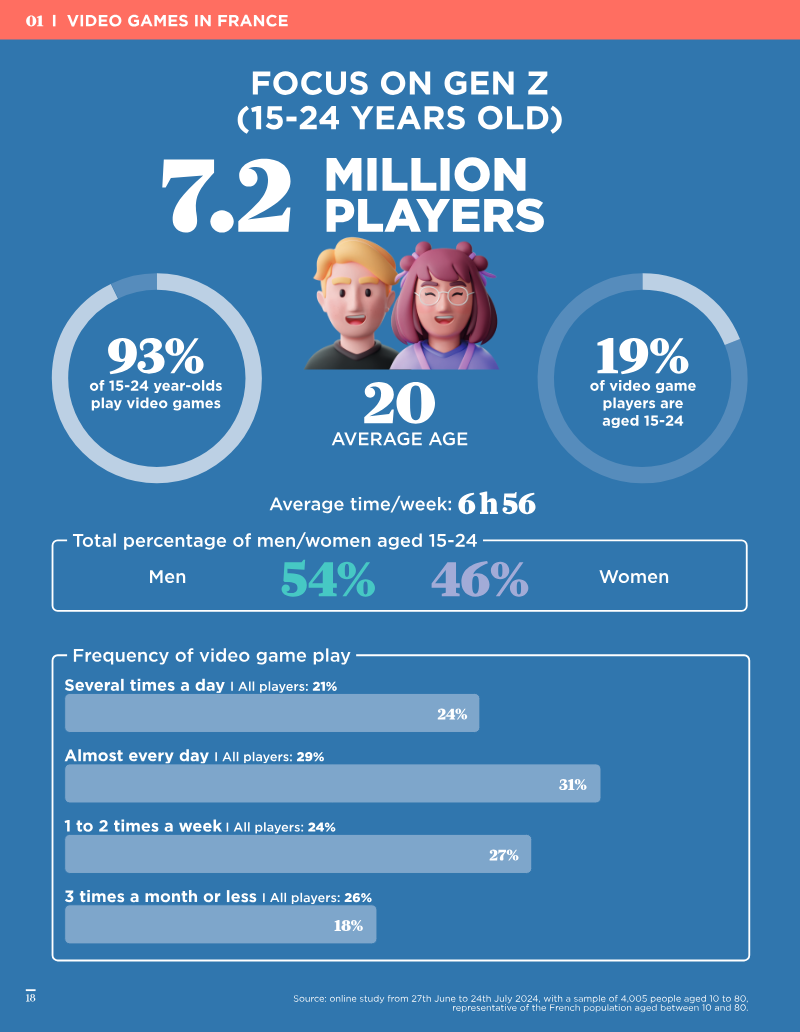
The video game industry in France maintains a robust position as a primary cultural and social pillar, with 38.3 million active players representing 52 percent of the national population.
- The French video game market includes 38.3 million active players, accounting for 52 percent of the national population.
- Mobile devices are the dominant hardware platform, driving the popularity of casual and mobile gaming genres.
- Despite the industry's digital shift, consumers maintain a strong preference for physical media due to collectibility, resale value, and peer sharing.

two & a half gamers session #25 - Does Ubisoft give a F! about mobile games? GD, UA & Admon analysis
Ubisoft faces a significant strategic impasse regarding its mobile gaming division, which currently contributes only 8% of the company’s total revenue.
- Ubisoft’s mobile division currently contributes only 8% of the company’s total revenue, signaling a significant strategic underperformance.
- The mobile portfolio is heavily reliant on aging legacy titles released between 2013 and 2016, such as Hungry Shark and Growtopia, with no successful scaling of new mobile launches.
- Marketing efforts are hampered by a reliance on traditional channels like Facebook and Google, while failing to utilize high-growth platforms such as TikTok and Unity.