windows
Company
Documents about windows
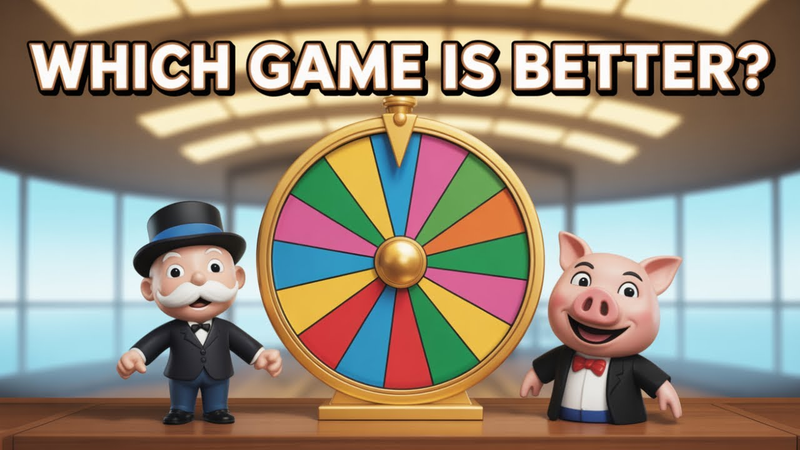
Did Coin Master Just Copy (back) Monopoly Go?
The mobile gaming industry is currently witnessing a high-stakes competitive cycle characterized by iterative cloning and aggressive user acquisition strategies.
- The 'coin looter' subgenre is currently defined by a competitive cycle of iterative cloning between industry giants Moon Active and Scopely, with Moon Active’s latest title mirroring the mechanics of Scopely’s Monopoly Go.
- Market success in this sector is increasingly driven by 'UA arbitrage,' where firms prioritize outspending competitors on user acquisition over product innovation or unique feature sets.
- The industry has evolved into a 'red ocean' where large, well-capitalized firms prioritize long-term market dominance and aggressive user acquisition over immediate profitability.

How to 10x Your Revenue in a Tough Market by Paul West
Fumb Games achieved a tenfold revenue increase in 2024, reaching $10 million in annual revenue despite a challenging industry climate characterized by layoffs and economic instability.
- Fumb Games achieved a 10x revenue increase in 2024 by pivoting focus to proven niches, specifically rebranding a casual project into 'Idle Mine,' which generated $1 million in revenue within 60 days of launch.
- The studio shifted its monetization strategy to prioritize subscriptions, which now account for 80% of purchase revenue in their new titles, providing higher value than one-time in-app purchases.
- To scale UA, the studio moved away from a strict three-day payback window, opting for longer, more sophisticated payback periods while consolidating their ad network spend to the four most effective platforms.
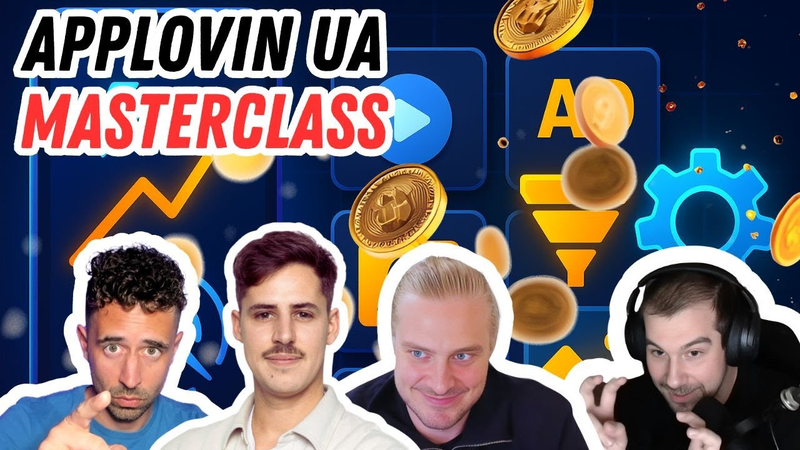
🔥 The Art of Scaling Applovin UA & Admon: A Deep dive
AppLovin’s Axon 2 algorithm represents a fundamental shift in user acquisition, moving away from manual optimization toward a sophisticated, data-driven black box model.
- AppLovin’s Axon 2 algorithm functions as a black box that requires stable data inputs; changing ROAS goals every 2–3 days prevents the system from calibrating, as it forces the algorithm to constantly re-target different user segments.
- For IAP-based games, D28 ROAS campaigns are recommended over shorter windows because they yield higher-quality, higher-retention users, even if initial D0 metrics appear significantly lower.
- Campaigns require a minimum of 10–14 days to calibrate on a specific ROAS goal before any adjustments should be made to the target.

Scaling 100+ Mobile Games: PSV Game Studio Shows How They Use Tenjin
PSV Game Studio, a Cyprus-based mobile gaming firm established in 2014, manages a portfolio of over 250 titles and provides publishing, marketing, and monetization services for 20 external gaming studios.
- PSV Game Studio manages a portfolio of over 250 titles and provides publishing services for 20 external studios, utilizing Tenjin as its centralized data infrastructure to scale operations.
- The studio tracks day-zero return on ad spend (ROAS) as its primary benchmark to evaluate the success of user acquisition campaigns across more than 100 active applications.
- Analytical strategies include granular performance breakdowns by channel, campaign, and geographic region to identify high-performing segments for scaling and underperforming assets for adjustment.

📊 Is 24-Month Payback the New Normal? Real ROAS Benchmarks Revealed!
The mobile gaming industry is currently navigating a period of significant financial strain characterized by a widening gap between user acquisition costs and monetization growth.
- Payback windows for mobile games are extending significantly, with many titles now requiring 12 to 24 months to achieve full return on ad spend (ROAS).
- M1 ROAS serves as the primary predictor for long-term success, where a 40% M1 ROAS typically correlates to a 6-month payback, while under 25% indicates a payback period exceeding 12 months.
- Hybrid monetization is becoming the industry standard, with traditionally IAP-heavy genres like 4X and strategy games increasingly incorporating rewarded ads, and ad-heavy games adopting IAP-focused VIP tiers.

How Indie Mobile Devs Can Get Noticed: PR Approach That Work
Indie mobile studios can achieve significant market visibility by shifting away from generic marketing tactics toward a strategy rooted in authentic narrative building and consistent brand identity.
- Indie studios should prioritize human-centric communication over AI-generated content to build the trust and credibility necessary to stand out in a saturated market.
- Sharing verifiable revenue figures and user metrics provides the objective data required to attract investment and secure attention from media outlets.
- Studios should diversify media outreach by targeting tech, business, and niche vertical publications rather than relying solely on traditional gaming press.

Steel Hunters vs. War Robots: When UE5 Makes You Feel… Generic?
The current landscape of the mech-shooter genre is defined by intense competition and a struggle for market share, as evidenced by the simultaneous emergence of titles like Steel Hunters and War Robots Frontiers.
- The mech-shooter market is stagnant, meaning new titles like Steel Hunters and War Robots Frontiers must cannibalize existing player bases rather than expand the total audience.
- PC remains the dominant platform for the mech-shooter genre, requiring developers to prioritize PC-first optimization to achieve market success.
- Widespread adoption of Unreal Engine 5 is contributing to a 'generic' aesthetic and standardized ballistics, making it increasingly difficult for new games to establish a distinct visual or mechanical identity.

TWIG #326 Supercell Goes VC while Minecraft Kills at the Box Office
The global gaming industry is currently defined by a stark dichotomy between the massive success of transmedia adaptations and the structural challenges facing traditional game development.
- The Minecraft film's $313 million global opening establishes a new benchmark for video game adaptations, proving the high commercial value of Gen Z-focused franchises in transmedia.
- Corporate venture arms, such as Supercell’s investment division, are facing criticism for a lack of strategic cohesion and insufficient mentorship compared to traditional VC firms like Andreessen Horowitz.
- Investors are shifting toward a more selective strategy, prioritizing studios with established intellectual property and clear paths to profitability amid mobile market stagnation.
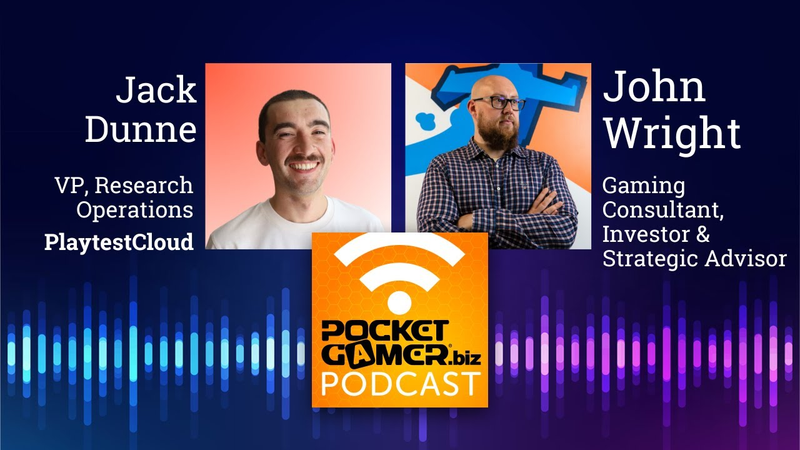
Steal This Strategy — The One Top Studios Use to Save Millions
Top-performing mobile game studios have shifted away from high-budget user acquisition strategies, moving instead toward a model defined by rigorous, multi-stage playtesting.
- Top-performing mobile studios treat playtesting as a continuous, iterative process throughout the entire production cycle—from MVP to hard launch—rather than a one-time event.
- Early-stage playtesting of the First Time User Experience (FTUE) can prevent costly development pivots, potentially saving studios six figures by identifying friction points months before a full launch.
- Successful developers now test their games for extended durations, ranging from two-hour sessions to a full week of content, to ensure long-term engagement and meta-game viability.
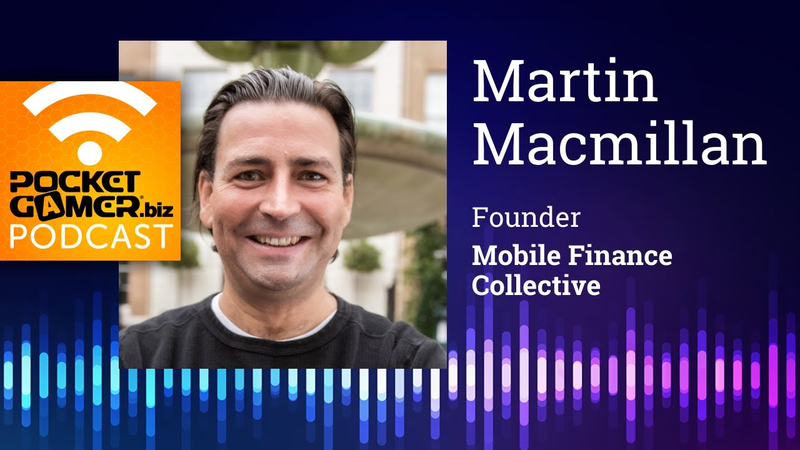
Inside the Mobile Finance Collective
The Mobile Finance Collective (MFC) serves as a specialized community and support network for finance professionals—including CFOs, VPs of Finance, and COOs—operating within the mobile gaming and app industry.
- The Mobile Finance Collective (MFC) provides a vetted peer-support network for mobile gaming finance executives, including CFOs and COOs, to mitigate the professional isolation common in the sector.
- The collective focuses on standardizing industry-wide financial metrics, specifically addressing inconsistencies in attribution windows and install definitions across different organizations.
- Members collaborate on complex operational challenges such as resolving cross-departmental data discrepancies, managing remote HR structures, and navigating international regulatory compliance.

Are Publishers Right to Flee Grand Theft Auto 6? - THE GAME BUSINESS SHOW Episode 1
The global gaming industry is currently undergoing a period of profound transition, characterized by a widening gap between thriving studios and those struggling with funding shortages and labor instability.
- The impending release of Grand Theft Auto 6 is forcing major publishers to aggressively shift their release schedules to avoid being eclipsed by its market dominance, following historical data where its predecessor captured two-thirds of UK game sales in its first three weeks.
- The gaming industry is becoming increasingly fragmented as companies abandon traditional trade shows like GDC in favor of proprietary events, threatening long-term professional networking and collective industry cohesion.
- A widening gap exists between thriving studios and those facing severe labor instability and funding shortages, creating a landscape defined by distinct winners and losers.
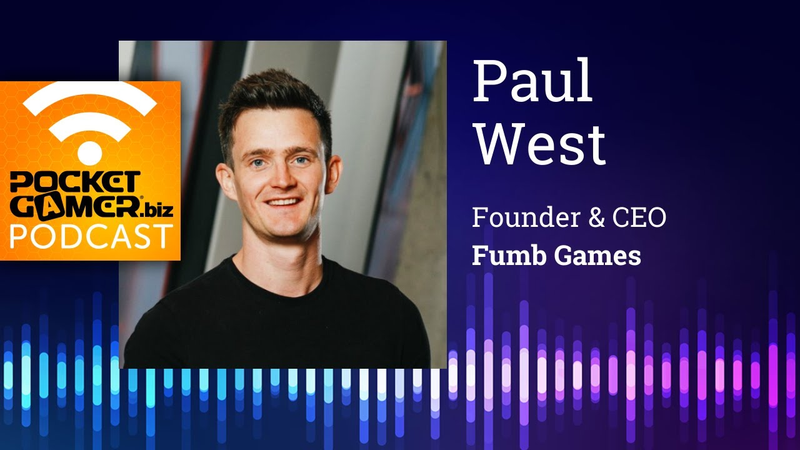
How This Small Game Studio 10x Their Revenue in an Industry Downturn
Fumb Games achieved a tenfold increase in revenue during a challenging 2024 industry downturn by focusing on a strategy of iterative testing, transparent monetization, and operational efficiency.
- Fumb Games achieved a 10x revenue increase in 2024 by focusing on iterative testing and operational efficiency rather than relying on a single breakthrough.
- The studio’s revenue model is anchored by a hybrid approach, with approximately 70% of total income generated through advertising.
- Fumb Games tested roughly 100 game concepts over a two-year period to identify high-performing mechanics and scale successful titles like Bitcoin Miner and Idol Miner.