Time
Company
Documents about Time

Being A Solo Dev Is Horrifying — Full Time Game Dev Podcast Ep. 003
Transitioning to full-time independent game development requires a fundamental shift from a passion-driven creative mindset to a disciplined, entrepreneurial approach.
- Transitioning to full-time independent development requires shifting from a creative-only mindset to an entrepreneurial approach that treats game projects as professional business ventures.
- Developers should validate niche concepts through rigorous market research, SEO analysis, and audience surveys before committing significant resources to production.
- Securing visibility in a saturated market is best achieved by integrating the community into the development process, such as involving streamers in voice acting or content creation.

The Married, Full Time Indie Dev Team — Full Time Game Dev Podcast Ep. 002
Operating as a full-time, married indie development team, Black Tabby Games demonstrates a sustainable model for independent production through the creation of the episodic narrative horror title Scarlet Hollow.
- Black Tabby Games sustains long-term project viability by treating marketing as a holistic, ongoing practice that prioritizes deep community integration over traditional press coverage.
- The team drives recurring revenue and wishlist growth by utilizing Early Access and episodic releases, supplemented by consistent Patreon support and A/B testing of store assets.
- The studio maintains complex narrative depth in 'Scarlet Hollow' by using a tracking system that monitors ten character variables across five axes to influence evolving relationship dynamics.

He Quit His Job To Make A Game — Full Time Game Dev Podcast Ep. 001
Transitioning from a stable engineering career into full-time independent game development requires a disciplined approach to financial planning and risk management.
- Transitioning to full-time independent game development requires a personal financial buffer to mitigate the risks of project delays and the high probability that a title will not achieve profitability.
- Market viability should be validated before committing full-time by securing crowdfunding, publisher interest, or a dedicated social media following.
- Developers can build an audience by leveraging nostalgia and established genre aesthetics to create a recognizable identity for their project.
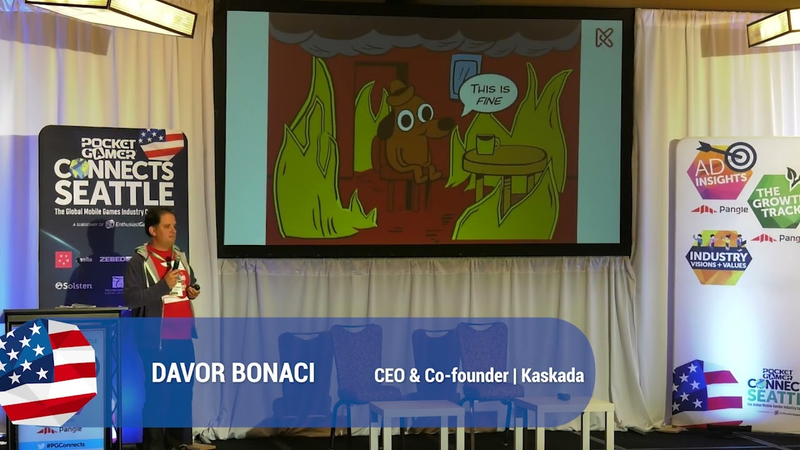
Boost Engagement in Your Game by Supercharging Live Ops With Time-based Machine Learning
Machine learning serves as a powerful tool for mobile game developers to enhance player engagement, retention, and monetization through personalized experiences.
- Effective machine learning in gaming relies on event-based data—such as session starts, wins, losses, and spending—rather than static demographic data, to predict future player behavior based on past patterns.
- Predictive modeling should focus on achievable, short-term goals like seven-day engagement or churn rather than attempting to predict long-term metrics like 365-day lifetime value within the first few minutes of play.
- The most predictive features are discovered by mapping player events onto a timeline, allowing models to identify specific moments of friction or engagement that influence retention.
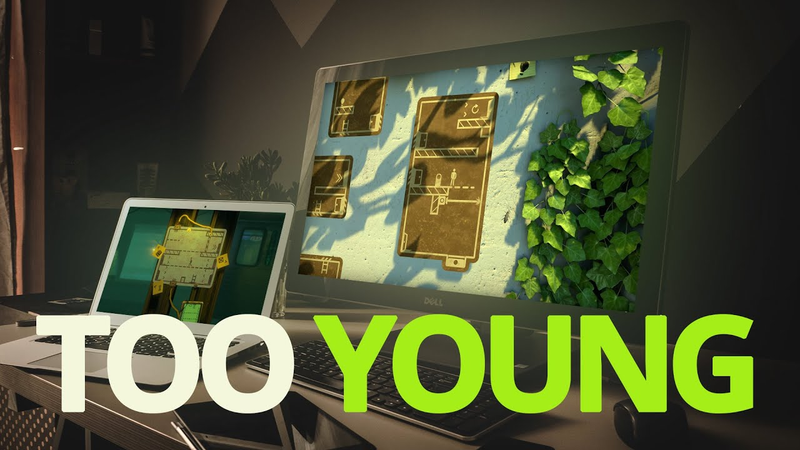
Starting A Full Time Indie Game Studio At 20 YEARS OLD
Establishing a successful indie game studio requires a strategic balance between creative ambition and the pragmatic humility to seek mentorship.
- Commercial viability in a saturated market is best achieved by pairing proven gameplay mechanics with a distinct visual style to target niche audiences rather than competing directly with AAA studios.
- Achieving significant sales benchmarks, such as surpassing 100,000 units, requires persistent iteration, high review scores, and a long-term commitment to project scalability rather than relying on an initial launch spike.
- Crowdfunding campaigns should avoid the common pitfalls of over-promising on stretch goals or platform-specific ports, as these commitments often lead to technical debt and compromised product quality.
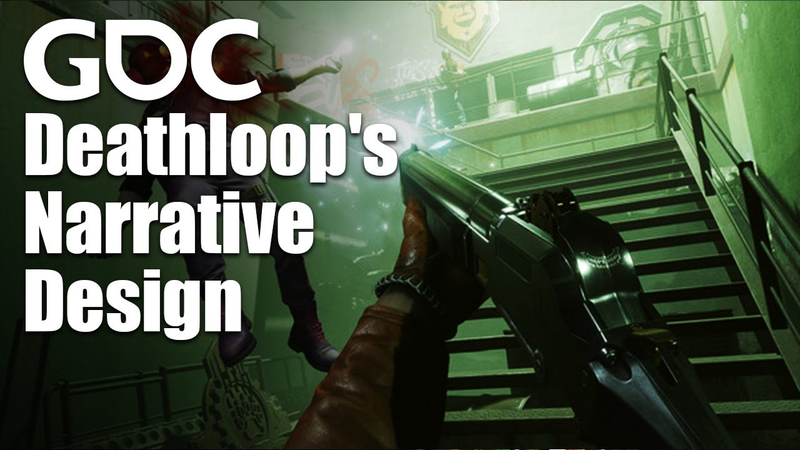
How a Time Loop Influenced 'Deathloop's' Narrative Design
Deathloop centers on the integration of a non-linear time loop structure with player-driven narrative progression.
- To reinforce the theme of being trapped in a cycle, narrative designers categorized content into two types: reactive systems (radio calls, floating messages) that provide a sense of progression through persistent memory, and static content (notes, tapes, overheard conversations) that emphasizes the repetitive, unchanging nature of the loop.
- The game forces players to kill eight visionaries within a single day to break the loop, creating an 'impossible' task that serves as the core narrative driver and justifies the necessity of the time-loop mechanic.
- To ensure players feel the weight of the loop, the team designed the antagonist, Julianna, as a persistent-memory guide and sounding board, allowing for snarky, non-repeating banter that evolves as the player progresses.
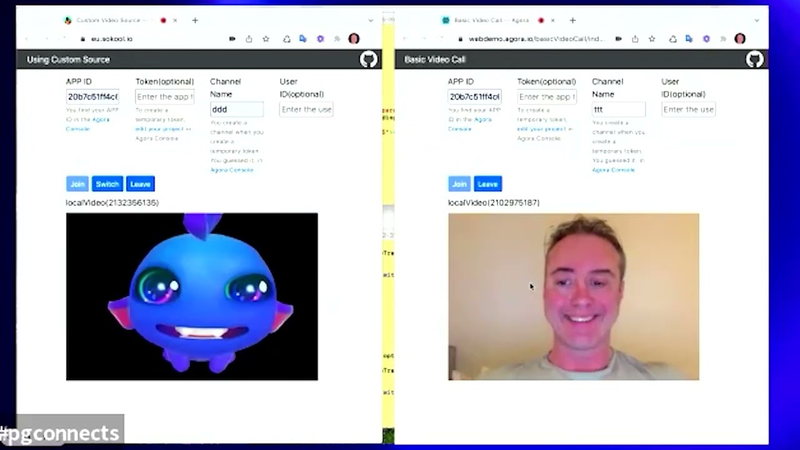
Increase Engagement, Stickiness & Revenue Opportunities with Real-Time Voice & Video
The integration of real-time voice and video into 3D gaming environments serves as a primary driver for increased user engagement, platform stickiness, and revenue growth.
- Integrating real-time voice and video into 3D environments increases user engagement and platform stickiness by enabling features like spatial audio and photorealistic human video streaming.
- The infrastructure supports over one million concurrent users per session and currently handles 50 billion minutes of traffic per month across hundreds of mobile applications.
- Latency and packet loss are minimized by using AI-driven routing through a global network of selective forwarding unit routers, bypassing the inefficiencies of public internet paths.
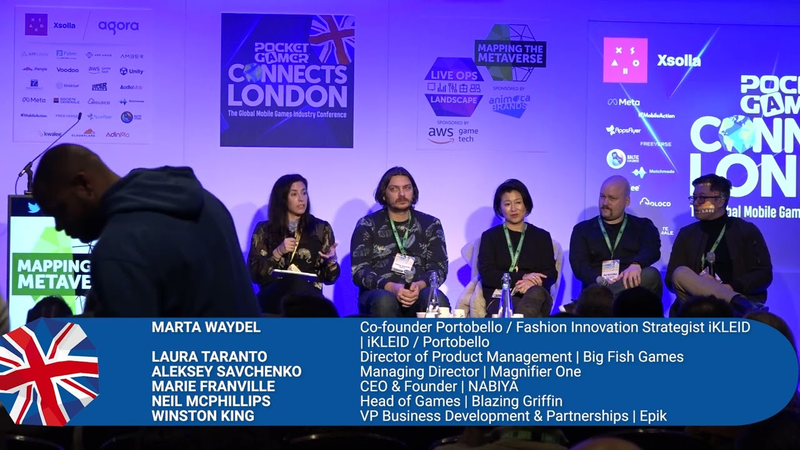
Panel: Living the Dream: How will the Metaverse Look in ten Years Time?
The metaverse is currently a nascent, multi-faceted concept rather than a singular destination, poised to evolve over the next decade into an intuitive, interconnected ecosystem.
- The metaverse is expected to evolve over the next decade from fragmented, proprietary platforms into a decentralized, interoperable ecosystem similar to the transformative impact of the smartphone.
- Market evolution is being driven by consumer demand for seamless cross-platform experiences and true digital ownership rather than top-down corporate mandates.
- Future technological development will likely shift beyond current virtual reality hardware to incorporate advanced neural interfaces for more immersive engagement.
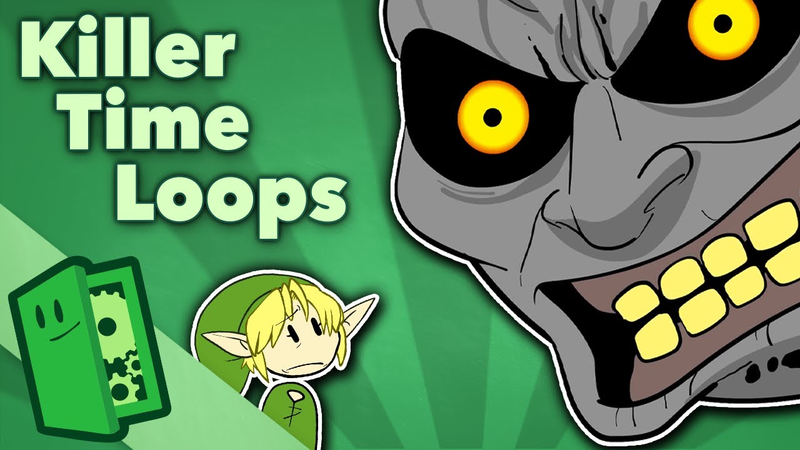
Why Time Loops Work Best in Video Games - Extra Credits
Video games provide a uniquely effective medium for time loop narratives because they align the player’s experience of trial and error with the protagonist’s in-game reality.
- Time loops uniquely align the player’s real-world trial-and-error process with the protagonist’s in-game experience, turning failure into a narrative-integrated tool for discovery.
- Unlike traditional games where death is a disconnected failure state, time loop mechanics transform repeated resets into a core pillar of character growth and progression.
- The genre fosters deep world mastery by requiring players to learn schedules and character behaviors, as demonstrated in titles like Majora’s Mask, Elsinore, and Outer Wilds.
Visual Effects Bootcamp: Bringing Feature Film Effects to Real Time VR: Part 2
This presentation explores technical strategies for achieving high-fidelity, feature-film-quality visual effects within real-time virtual reality (VR) environments.
- Achieving feature-film visual fidelity in VR at 90 frames per second requires shifting from geometry-heavy assets to mathematical optimization through advanced shader programming.
- Complex visual effects like hyperspace travel and CRT-style glitching can be simulated using layered shader parameters and noise functions rather than traditional high-poly assets.
- Binary world transitions and scene changes can be executed seamlessly by using cell noise as a threshold to drive object transformation, eliminating the need for traditional camera cuts.
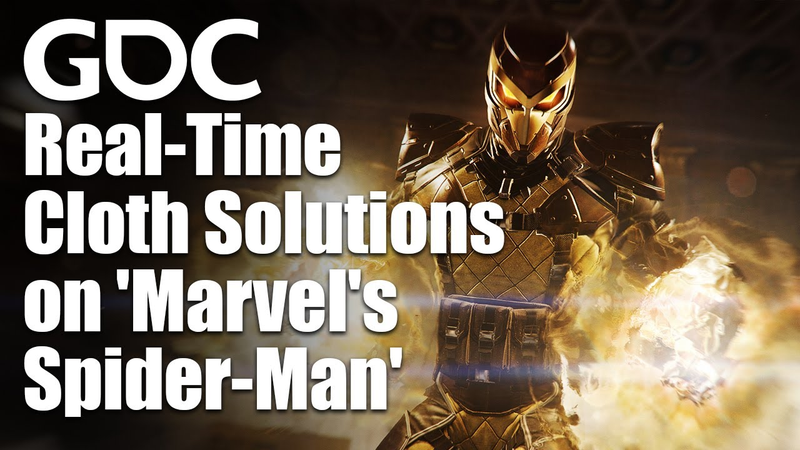
Real-Time Cloth Solutions on 'Marvel's Spider-Man'
Real-time cloth simulation in Marvel’s Spider-Man serves as a critical component for achieving dynamic, responsive character movement within an open-world environment.
- Insomniac Games used a hybrid cloth solution for 'Marvel's Spider-Man' that combined real-time Havok physics simulation with corrective blend shapes to achieve high-fidelity movement while maintaining performance.
- The team addressed the lack of cloth-to-cloth collision in the engine by using strategically placed collision capsules and limiting cloth complexity to prevent clipping issues.
- To achieve specific visual targets, the team used a three-tier approach: simulated blend shapes for initial poses, real-time cloth for dynamic follow-through, and additional corrective blend shapes for final polish.
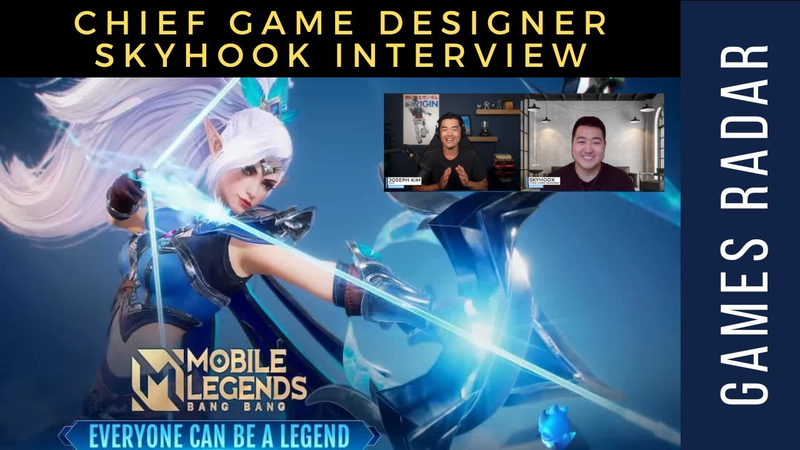
Moonton's Mobile Legends: Bang Bang Secrets to Success! With Chief Designer Skyhook
The success of Mobile Legends: Bang Bang is rooted in a design philosophy that balances the high-stakes strategy of Real-Time Strategy (RTS) games with the immediate, visceral satisfaction of action-oriented gameplay.
- Mobile Legends: Bang Bang achieved success by distilling complex PC-based MOBA mechanics into a mobile-first experience that lowers the barrier to entry while maintaining a high skill ceiling.
- The development team prioritized accessibility by removing high-friction mechanics like last-hit requirements and implementing screen locking to simplify operational complexity.
- Core gameplay design focuses on a hybrid model where visceral action mechanics provide immediate engagement, while deep strategic layers ensure long-term player retention.