1 free read left. Create a free account for unlimited reading + AI research.
Create free account
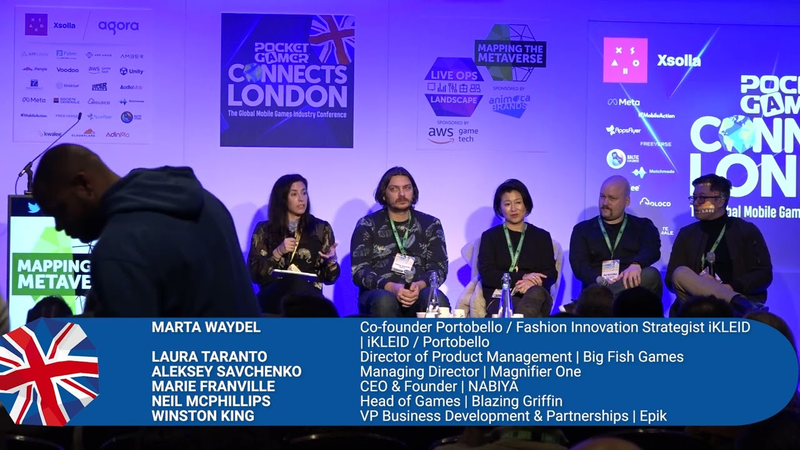
Panel: Living the Dream: How will the Metaverse Look in ten Years Time?
Key insights
7 takeaways- 01The metaverse is expected to evolve over the next decade from fragmented, proprietary platforms into a decentralized, interoperable ecosystem similar to the transformative impact of the smartphone.
- 02Future technological development will likely shift beyond current virtual reality hardware to incorporate advanced neural interfaces for more immersive engagement.
- 03Market evolution is being driven by consumer demand for seamless cross-platform experiences and true digital ownership rather than top-down corporate mandates.
- 04Significant risks to the metaverse's development include centralized corporate control, security vulnerabilities, and potential user addiction.
- 05Industry stakeholders aim to dismantle restrictive walled gardens in favor of an inclusive, interconnected architecture to lower barriers to entry for mainstream users.
- 06Addressing systemic challenges will require a combination of ongoing research, robust platform moderation, and the implementation of evolving government regulations.
- 07The maturation of these digital environments is projected to create entirely new professions and economic opportunities, particularly within emerging markets.
Ask AI about this video
Transcript
[Music] [Music] i've got a new panel for you with a new bunch of people i've got living the dream how will the metaverse look in 10 years time i want to introduce this stage my lovely mod marta way dog good friend it's full of good friends today i feel like i'm having a school reunion i've been talking about school all day long hello marta welcome lovely to see you you're going to introduce your panel i'll probably come back with some q a in a little bit um so i'm i hope you enjoy the events at least half as much as i do i really have a great time here um so yes first of all maybe i will introduce myself in the beginning what am i doing here because i'm a fashion
industry professional i've been in fashion for over 20 years now and i have exposure to fashion shows photo shoots production management but actually there is a lot of and i'm concentrating on sustainability concentra consumer behavior and innovation and now you can notice there is so much happening within fashion especially with kovi that there was so much problems in fashion industry and everyone is jumping on game industry so i've been researching yes i've been researching for past few years how game mechanisms and games can help and fascinates more responsible fashion consumption and i'm actually making my my hands dirty and developing my first game portobello on the subject you can imagine this as a future of your digital wardrobe which can have so many possibilities actually endless possibilities and yeah it i believe it will really change the world and we'll
have in metaverse our virtual bond drops but let's see let's introduce now our panels actually i would prefer that they're going to introduce themselves and explain a little bit more how they are connected why they are here today and what can they tell us about the future about metaverse because as we just had it's still not said what is metaphase at the moment so so yes please okay great thank you hi i'm laura taranto i am a director of product at big fish games big fish is has been around for a long time they started initially with platform pc based hidden object games and now they're into social social casino and also casual titles it's part of the aristocrat family i'm also now i think their new name is pixel united product madness is also part of the portfolio i've been in games specifically mobile casual games for about 10 years i come from vuga
king and scopely thank you um yeah hello uh my name is alexis savchenko i'm currently working as a ceo with an investment company called magnifier one been in industry about 23 years uh previously worked in epic game make epic games for the last five years and we currently are obviously investing in a lot of game development companies metaverse seems to be a new hot topic friend you know like and we are researching is the subject from a rent and ingeniously engineering is interested in seeing game developers and the companies who will come up with the new implementations and mechanics in this new format and looking at it hi um i am marie and i don't know if you were here for the robbie young's talk i was one of them four years ago i was in the basement on the track called blockchain games
and for one conference there were no nine people in the room and um so it's very very exciting times for us to be here i've been in that space for four years and so we i'm the founder and the the ceo of a company called nabiya and we are metaverse builders we make games only on decentralized metaverse we are blockchain native company and we mainly build games on the sandbox and we also now have some clients they come with their ips and we adapt those to the sandbox hi uh i'm neil i've i've worked in the industry for just over 20 years at various different places uh including playstation where i was quite involved in things like playstation home and little big planet which kind of delved a little bit into early metaverse stuff um
i now run a games company up in glasgow we're part of a group called blazen griffin which is quite an exciting transmedia company we also make film and tv and we do virtual production and production for film and tv as well hi everyone my name is winston i work with epic prime and basically we we help games work with brands and ip and celebrities and we also help celebrities and brands get into games and do a metaverse strategy and we basically help them connect all their nfts and other virtual items throughout different platforms and universes thank you very much so as you see we've got amazing panels just experts here really really thankful so i've got first question for all of you i was later i will pick and choose a little bit but first one is you know we're working on the printing press of the future and this meta
first concept give us the opportunity to create the new universe you know we can imagine whatever we want at the moment so how do you imagine this metaphors in 10 years time where do you see the the space is going maybe let's start the same direction okay um so my my perspective i mean i come from i've been working on on mostly mobile games so for me to picture what the metaverse is going to be like in 10 years is is quite difficult and the more i learn about it the more i realize the definition is actually i don't think everyone has one definition of what what it means to be or to have or to be part of a metaverse and from a game's perspective and and how we would build games for it it's hard to then picture what games would be built for something that that doesn't have a unified definition so the way i've been kind of thinking about it in my own head is in 10 years time or however however many years in the future
it would be kind of like a next generation internet so what would what would differentiate it between what we have now and what it would what would i guess come to exist would be related around um real-time synchronicity um 3d uh tons of 3d rendering we don't have today and then also around like just the volume of um the volume of connectedness connectedness that we can't technically support i think a lot of it's going to be around social how do you create experiences for players how do you create how do you create the tools for content for developers to use to have their visions of what they what they want their games to be and then the tech that they're going to be able to to use it on so i think it's i think it's a very broad question that i in my my head has have been trying to to work out so i think there's parts of it that i'm more confident in than others and i hope everyone else is a much better answer yeah um well i think we we're kind of
getting we are at the super early stage of discovering this whole thing and i think that that it's very typical that we get stuck into semantic wording in term definition currently at this point there's a lot of perspectives to look at it i mean like and like one of them is very classy you know like everybody knows the story of the diamond age and the snow crash daniel stevenson coming up with the term mostly because will gibson before that came up with a cyberspace and these two things pretty much synonymous you know like and that comes from the science fiction of um like we the whole promise you know like of the science fiction definition is the matter is to be global and it's very interesting to hear people start using meta versus in a plural you know because that kind of against the original definition but this is how technology and the perception adapts and we know that the perception is reality and it will be what we will form it to be you know like and nobody knows currently what specifically will the multiverse be but there's a couple of elements which i think are significant to
understand as well well first of all uh this is not the first time that we're technologically trying to approach the subject started back from the 1994 with the vtml you know like in cyber city then examples like sub the second life you know like a bunch of other things and mmo games and in a sense every video game is a virtual simulation and the problematics you know like of this thing being being investigated by multiple people in the world in the philosophical departments and universities so there is this aspect as well uh i think that um there is a lot of positive things that may come with it you know like outside of gaming and current functional implementations i think there are a lot of humanitarian potential added value to that you know like stuff like um getting cultures together you know like on a completely different sense and i'm trying to think about an immersive form on the internet where every nation brings in their museums and universities so you can really go to you know like at a time where you can and start discussing stuff with people which is super cool from the
point of view of gaming experience and entertainment experience you know it's a i think that the key definition fact is that you can go immediately to a 3d environment which is super immersive and i think that the big questions that we don't understand and answer yet and since this is a 10 years in future right i mean like is what the actual interface would be because in my opinion vrer is something good for now you know like but in 10 years i'm thinking more about non-invasive neural interfaces or maybe invasive neural interfaces we don't know at this point so this is a little bit vague but this is kind of you know how are you mary what's your imagination how it metaphors look in 10 years um so i guess that there will be many more meta verses in a few years many people are building and i'm a proponent of decentralized ones because i do believe in the power of of interoperability it's not quite there yet but we know so many developers working really hard on this
many people are developing all the bridges tools protocols and it will get there what we like about the the decentralization is is open it's interoperable and the possibilities are infinite it really amused me yesterday was valentine's day i don't know if you have heard on the decentraland one of the metaverse there was a copper who got married um it's the second second wedding on on the platform and they had a law firm um to to prepare a work frame framework yeah a frame for the prenup virtual prenup um i think it's quite fun i think also that there will be many many more jobs that we can't even think of uh i know a guy who is a builder on one of the materials called crypto vauxhalls so he's building building building and the landowner for some reason wanted to move his whole thing um because
the location was better and so there's a new job uh you're moving you're a mover on the metaverse um what else um yeah so there are many um job opportunities and we haven't seen the the beginning of it um yeah that's and and um this topic view for me would be a completely closed and and centralized where you still are the product like in web 2 and that would be this topic and my fear is that um a giant tech with a two billion users uh and who knows how to make tools will maybe win the race we don't think so that's my fear um yeah i mean i agree with most of what everyone said and i'm kind of running out of things to agree and disagree with
at this point but um you know i come from a games background in console games specifically which is is a very tribal space and is a very closed space and you know i i work for a long time and and kind of audience broadening like how do we get more people to buy a playstation you know how do we get that kind of that broadened out so other age groups and demographics are kind of willing to step into that space and buy those things and i think that that will always be a big challenge there's always going to be a large barrier of entry and much like you were saying you know we right now people are thinking okay it's going to be a vr headset and that's going to be the the thing that kind of gets us into these worlds and that's what people are planning on but i think there's a lot more to come and i think there's that can't be the limit of it because it's not a social thing it's not something that people are ready for maybe they will be in 10 years but you know we're doing some work in virtual production right now which is you know the big led volumes and we're kind of getting into interesting
tech of uh you know hololens and various things of the world projection and all this kind of stuff and i really don't think that headsets and kind of that hard technology is is the limit of it all we just need to kind of find out what that is and kind of get to there but it's going to take a while yeah i agree i think 10 years is obviously a very long time especially in tech and if if art imitates life and life imitates art we'll probably be somewhere like in the minority report or you know ready player one or something crazy like that holograms um but to me the metaverse will look like if i i have an eight-year-old and i think education will be a big part of the metaverse where my son very smart but has an attention span of you know a hamster he can study for an hour but he can play video games for 10 hours and so i think the metaverse will help education if the web 2 is the information super highway
i can only imagine what the metaverse would be in terms of the real immersive uh feeling of learning something that you know you pos you otherwise wouldn't be able to do or even entertainment entertainment-wise there's so many different um applications if you will like super bowl for instance was interesting to watch i'm still kind of jet-lagged from coming from vancouver so i was up to watch it but i think they could have done you know it was cool to see a nostalgic band to play but i think they missed the vote on doing something with the metaverse and having kind of like a futuristic take on on old ip or old stuff but there's definitely so many different opportunities but yeah 10 years is going to be you know like feel like a century in in tech wise so i'm excited to see what happens exactly yeah for me the last two years 10 years it's a long time but last two years were like two weeks it just went so quick but look how the innovation went through it's really speed up and so
let's see it's super interesting we can you know imagine and let's try to build the best possible meta verses so um lara you tell laura you touch a little bit about what about the game developments but do you see the big shift in design and focus on the metaphors now even in the mobile games were the biggest changes in the game development so for what i do day to day um nothing's changed for me right so i think um working i've been part of kind of the larger the larger companies that have dug right into mobile development and that are that we're leading the pack there um as far as i know i don't see them necessarily you know dropping everything and integrating the blockchain into their games or from that perspective no but um i do think that in my mind the way i kind of view games is they they someone has a vision and they want to create this interactive
immersive experience and what they want to picture what they picture in their head to give to and share with other people is generally limited by what they can build and what technology exists right so right now there's there's great games and great platforms but i mean a lot of them are kind of stuck to specific either developers or tools or platforms by which that they only can do as much as they can do what i think is interesting about the new technology that the metaverse is going to require that doesn't necessarily exist yet is that all of these companies they have they have a little bit of like differentiating visions of what they want to do but we're going to see all of them kind of going in parallel trying to create what they think is this metaverse experience for their for their audiences so i can't say specifically what i think is going to change because there's little bits of it now so for example there are a number of companies that are integrating the blockchain into their into their specific gaming experiences awesome they were i walked into the end of um of a video showing and like i think was
called phantom galaxies and where you have you know that looks like an absolutely awesome game and it's on the blockchain so you're going to see i think smaller developers come in and say you know i have this idea and i think i can use this tech in a way and then that's that's how it's mostly going to start um similarly i mean i think that's one way where you have you know visions kind of looking for tech to do things um what i'm hoping to see also is kind of like the kind of the fortnight direction which is at the moment they want in their in their concerts and you know full disclosure i haven't actually attended any of their their kind of in platform concerts but what what they can't do now is that they have 10 million players that want to participate in this concert they actually have to fake the experience of you know real-time synchronicity between other people so because they just they don't have the tech to handle it yet but when that tech does exist or whether they create it or someone else creates it we're going to be challenged as developers to be able to you know one create things for it and then there's going to be a group of people that are
like i already thought of this great thing and now i have the opportunity to do it so that's kind of how i'm thinking about it um what i can tell you what i'm hoping to see is and i know everyone's been saying nft nfts i'm not in nfts however i do think um what i what i like about them is they're going to be challenging overall digital ownership within games so right now you know you buy something and in one of the top games it's not really yours like you're licensing a servant service from this company and now like you're not going to be able to be a game developer and not necess and not address that so you're going to have to come with another way to think about okay so now how do we create a game that allows for actual ownership of a digital good for our players and it's not how we think and i think those those are the types of questions that game developers will have to answer and i mean you can choose to ignore it obviously but other companies won't i mean i think there's a number of there are a number of people that are starting new new studios that are that are building on this tech and i mean
they're small now but they're not always going to be so so yeah i think as new as new technology comes up we're gonna the game development as a whole is gonna have to kind of question the way we think did things before is probably not gonna work so how do we how do we adapt and how do we use now what's becoming a player expectation on a player demand just remind myself the weekend i went to science museum and there was my old ericsson and nokia already there so let's see what they will be in 10 years time and uh neil i've got question to you how do you think metaverse will affect the way games are played um how will metaverse change the way we currently consume contacts can you tell something about this sure um you know like as i was saying before i when i my kind of first step since this was playstation home and i don't really remember his playstation home it was kind of an ill-fated early metaverse but that was actually quite popular with the people that played it it kind of built quite a strong community
um they had kind of strange real-time um you could go bowling with people but there was only six bowling lanes so you had to queue virtually to kind of go bowling and there was a kind of novelty in that but i don't think it was what people wanted um and then we you know we did stuff with uh lubig planet which was one of the first games i think doesn't get enough credit for um real kind of ip crossover you know that was one of the first games where you could have spider-man playing with batman and all this kind of stuff and then i worked on a lot of the licensing for that and it was it was difficult but it was it was something that was was done and you know you've seen that kind of evolve into things like fortnight where it is just this massive kind of meh like mashup of of uh people's ip and i think that's what people are coming to expect now as well as this kind of free space you know where where a lot of stuff can coexist and and it's no longer just this idea of
jumping between things you want it all in one space and i think that's again kind of going back to this this idea of openness on on games games are very tribal you know people will buy one system and want to be in that one system and there's another system that won't talk to that system and and i think that's kind of where things have to go is kind of dropping those walls and it's starting now because of player demand you know you've seen big games start to cross platform and that was an impossibility you know five six seven years ago whatever people said that would never happen you were never able to play rocket league on playstation against someone on xbox or whatever you know um but that's starting to happen now and i think you're going to start to see more of that that people are just going to accept it with all the big acquisitions that are happening in games right now um they're already saying that you know a lot of these big projects will continue to be on both platforms so you'll still be able to get call of duty on xbox and you still have to get on playstation and
i think that is for me like what people are going to expect and it will come from fan demand and you're going to start to see um that being just the norm you know and people are going to have to kind of change the way they do business to accommodate that because a lot of this will come from users and expectations it's not going to come from um i'm going to call them facebook you know i know they're called meta but it's very confusing to call them mess i'm just going to keep going on facebook for now um but it's not going to be because those guys have kind of waded in and said this is what it is now get on board you know it's going to come from fan expectations something as big as fortnite is going to come out and then people are going to say that's what we want and we don't understand your kind of archaic barriers and that to me is where things like when the metaverse will start to kind of come into itself is this idea that everyone's going to have to talk to everyone all the systems are going to have to talk to them and then you're going to be able to get that kind of true barrier-less gaming experience that isn't hindered by
oh i bought this system and i i kind of live in this country and i only have access to this um and i think you know that kind of much older sensibility of like ip like how ips are controlled and how systems are controlled is going to change a lot so i think that's going to kind of come into it i think as well from a gaming perspective um vr exists it's it has its audience right now um i think it is really good that facebook are stepping into that world because it does need someone kind of outside of the game's world to kind of carry that baton forward a little bit um but i don't know if it's going to as i say before like be the kind of be all and end all of this so from from a gaming perspective i really just do think it's it's openness that people are looking for and users don't really understand the limitations that like hardcore gamers know this kind of stuff normal people don't and they don't care and as soon as you start putting barriers in front of people maybe not
normal people soft gamers you know people just don't aren't interested in hearing these kind of excuses as to why this stuff can't happen so i think the more that kind of comes into it um the more interesting it's going to be for for gamers but i you know i also do think gaming will continue to lead the metaverse you know it's a social activity and that is going to keep kind of driving this technology forward and it will be gamers like a lot of technology that push things forward you know yes and linking to that and about this virtual wedding yesterday i wanted to ask you mary it's like you know there was the one german study published that um usage of social media and video game was up at least 60 for teenagers from 2019 so that's quite a lot and you know we see this paradigm shift that the virtual expression becomes a personal truth
it's like parting in rob blocks you know the addressing your avatar so what doesn't necessarily feel real for someone it's like for the other having a birthday party or the wedding it's absolutely normal and it's real it feels like happened in real so uh what do you think how virtual world affect individuals how they express themselves and shape their real-world identity what's your take on this wedding as well that's a tough question because uh i think it should be a question for a psychologist or a social sociologist and none of them um but as well i think you know it's very important because you are designing this yeah as well so it's very important to think about it and maybe head this conversation as well i can talk as a user first of all i think that we are already doing it every day we are interacting with uh in real life and virtual world every day when we interact with our apps and all
the platforms we are using and we come up with ethos which is the self-representation representation discourse we create that and i think that the blockchain through the tool nft is only a tool um for authentication and true ownership it will reinforce this ethos that you are creating and you will be shown on your wallet and as a developer what's really exciting is that we are uh trailblazing on the on the true cross gaming as a developer we can we are actually working with another studio we like we have the same style of game and the same art direction and we are creating all these assets and the game mechanics with play-to-earn model that some assets or collectibles can work in both games and that is
is quite new and it's exciting because the the the use case is endless and we can add more experiences more developers to work with and in a very um stable relationship and a fair one because it's all you know sharing sharing the the revenue together and also we are sharing the revenue with the users the players so yeah so i don't know if it answers the question but yeah i don't see any uh issue as a developer or as a user but maybe psychologists would have more to say about in real life but i would like to ask maybe winston then about how is it for your son if he's spending so much time online what is for him real to hang out with friends to go outside to the playground or meeting in roblox let's say yeah i think
there's as a parent and and and i guess you know looking for education as as gaming and the members to replace traditional education i think it's very important that you know we find new ways to to learn and i think the manifest does that very well and if we just use you know there's so many definitions of metaverse if we use like marvel for instance marvel when i knew marvel growing up it was just marvel then it became the marvel universe then it became you know the the multiverse and what that really meant to me was like okay well i like spider-man and i wolverine but now all these stories are intertwined i need to know what iron man is doing just to know what spider-man is doing that i need to hulk so it's all interrelated and making it very easy to learn about other things i think that's what the metaverse will ultimately do in terms of whether it be nfts or gaming or social apps or vr ar it'll seem easy to use just no different
than our earbuds and our iphones and our watches laptops you know at first they were very it was crazy i was trying to get my parents to use a iphone that was like i thought that was impossible but now they're using you know and they have an iwatch they have this so eventually it just makes it all easier and i think for being a student or a young person they're going to be able to navigate these you know various texts that come up in the next 10 years and you know because we're spending more time labor leisure and then how about cyber security because we're sharing more and more data do you see some gaps currently that's quite important as well yeah and i think games do a good job like roblox for instance we just heard the talk about how they police you know activity there and obviously there's a lot of data that data analysts know way better than i do how to you know predict these you know bad actors if you will or or scams so yeah that's that's 100 very important
but also on the flip side for from a marketing standpoint or i guess predictive buying behaviors it's also very important like knowing what people will want to consume or you know and at the same time the metaverse will be kind of a digital playground if you will to make money to to sell your your creations to sell your nfts much easier than you know having to put it on openc and whatever people just see that you have it and you know just like there are tick tock stars and instagram stars they'll be metaverse stars metaverse influencers and so i think yeah it definitely helps both sides of the equation if you will so um one more question to alexia to playing the devil advocate so how about you know being metaverse a responsible place because there is so much problems with social networks i'm thinking about anxiety addictions uh
anxiety of being missing out bullying trolling at being nazis et cetera so how do you see that metaverse designers are trying to change anything in this uh regards start a little bit from the far here you know like the every new significant technology with a strong disruptive potential comes with a bunch of risks it just how the things are like to give you an example and people adapt to this risk by researching the technology and providing measures to counter balance the risks you know they can underline the the value of the technology good example is an ai right i mean like we are this guy it's it's a little bit an older subject currently you know like in the metaverse and ai is for example research the institutions of existential risks and people develop scenarios of how things might go wrong and they're trying to avoid the scenarios and they implement multiple measures in the process because it's a process in the first term you know like i think that uh well
from another angle you know like we once again are super early and the way it will be developing infrastructurally and technically would be different than with than we see now 100 remember when the internet was introduced everybody thought that it will work and function in a way where everyone will have a server in their house you know like and we would go and use this epa b to talk to each other it's completely different today right i mean like so the measures of mitigating those risks are different as well because like people adapted to do to this you know like the the problems that appears in the process um i think that the and i would agree that the games are actually doing quite a good job you know like from the point of view of of moderating and yaya and i think that the the problematic here stands in openness versus regulations and i think it will be a huge question because i would agree here actually you know like that one of the questions that
nft raises currently at this point is not the question on nft and if she's provoking the discussion that is a long time to you because my second education is intellectual property you know like and there is no joke about it that intellectual property as a part of law haven't really changed a lot from the queen ana time and has more holes than this swiss cheers right and it's it's it's the fact you know like and the fact of ownership in general is that connected to nfc it's connected to questions that people had for a very long time and then nft as a tool provoke these questions and now we will have to discuss it whether you have an nft or you don't have any nifties around and uh and it's very interesting because like another question that would be a point of conflict from my point of view is that coming back to an example with an ai you know it's just the how society functions you know like as a system is that where technology is disruptive this poses the risks uh government institutions and private research institutions provides
with the risk mitigation factors and then people are implementing this from the different angles including government regulations and u.n regulations you know like and i think that it will be a big question for different governments because governments actually have govern internet in a very different manner you know like that in the united states in europe and in china and in russia it's all different right i mean like and the question would be was this dream of future potential uh place where real economy converge with the virtual economy who actually controls this process because economy belongs to the government government friends has money we don't own them you know like and if it starts to be too much conversions virtual economy people in the offices would have questions about it and we will see a very long long discussion about it and i think it would be very heated one for we'll end up somewhere i mean like
we are very good as a species human to actually when we are reasonable to find balance you know like between those privileges and pluses and minuses if we really want something and it's something and one thing i can say for sure is that metaverse is something that provoked a lot of thoughts and desires and and discussions and that means that people kind of wanted in a different ways they imagine it you know like and people are known as well for a fact that if they really want something look at the science fiction they come up with the solutions and the things start to exist thank you very much for this and we are running out of time so i've got one more question and it's lunch break i guess so i've got two minutes here on my phone i've got just okay then very very quick then what are the biggest benefits that will come out from the metaverse can everyone say one one word about this what's how would you call this
biggest plus of metaphors oh i get to go first yes i'm okay so okay um i'm wondering what's gonna happen if uh if the metaverse is gonna be hardware agnostic except you wanna play and access it via your iphone what's gonna happen with all of the platform fees so i think more conversations around that is are going to happen that i think are going to be very good for developers i'll go from over once again far away but very quickly i think that one of the factors is people underestimate currently at this point is that the process but the games like pluton and the metaverse and digital economy will actually help a lot of emerging markets you know like in a lot of poor countries to actually get more wealthy and balance out you know like the economies around the world and i think it's important mary meteverse is all about self-empowerment individual and financial empowerment [Music]
and you should all get a wallet and buy some lands um i you know i've long been a i guess advocate of as i've seen before audience broadening and i think that it's a very good opportunity to broaden the audience of um not just gaming but just kind of uh people getting involved in technology and kind of different age groups and demographics and i think the metaverse is a good window to that more than anything that we have right now yeah real quick for me and the metaverse is really just blending reality with virtual and there's endless opportunities of abstract art and commerce that will arrive derived from it thank you very much everyone i guess we could talk about it for hours but kelly is right here so enjoy your lunch [Applause]
[Music] [Music] you
Summary
The metaverse is currently a nascent, multi-faceted concept rather than a singular destination, poised to evolve over the next decade into an intuitive, interconnected ecosystem. This digital landscape will likely mirror the transformative impact of the smartphone, shifting from fragmented, proprietary platforms toward a decentralized environment defined by interoperability and cross-platform integration. The primary driver of this transition is not top-down corporate mandate, but rather a growing consumer demand for seamless experiences, true digital ownership, and the normalization of virtual social interactions as authentic, daily occurrences.
Technological progression will move beyond current virtual reality hardware, potentially incorporating advanced neural interfaces that facilitate more immersive engagement. As these environments mature, they will foster entirely new digital professions and economic opportunities, particularly within emerging markets. This evolution promises to simplify commerce, education, and social connectivity, ultimately serving as a tool for individual empowerment and global cultural exchange.
Despite this optimistic outlook, the transition toward an open metaverse faces significant hurdles, including the risks of centralized corporate control, security vulnerabilities, and potential addiction. Industry stakeholders anticipate that these challenges will be addressed through a combination of ongoing research, robust platform moderation, and the implementation of evolving government regulations. By moving away from restrictive walled gardens toward a more inclusive and interconnected digital architecture, the industry aims to lower barriers to entry, ensuring that the metaverse becomes a sustainable and accessible space for mainstream users worldwide.