Infinity
Company
Documents about Infinity

EX Plus Alpha
Nathan Brown's March 2022 newsletter edition argues that Sony's announcement of its revamped PlayStation Plus, due to launch in June, was a disappointment on nearly every count: content, pricing, branding, and communication.
- Sony’s overhauled PlayStation Plus subscription service lacks day-and-date first-party releases, signaling that the company will maintain its existing high-cost business model rather than directly competing with Microsoft’s Game Pass.
- The new service structure is criticized for confusing branding and a high price point, with the premium tier costing 20% more per month than Xbox Game Pass Ultimate.
- Funomena is closing its doors following an investigation into CEO Robin Hunicke’s leadership, resulting in the termination of contractors and staff.
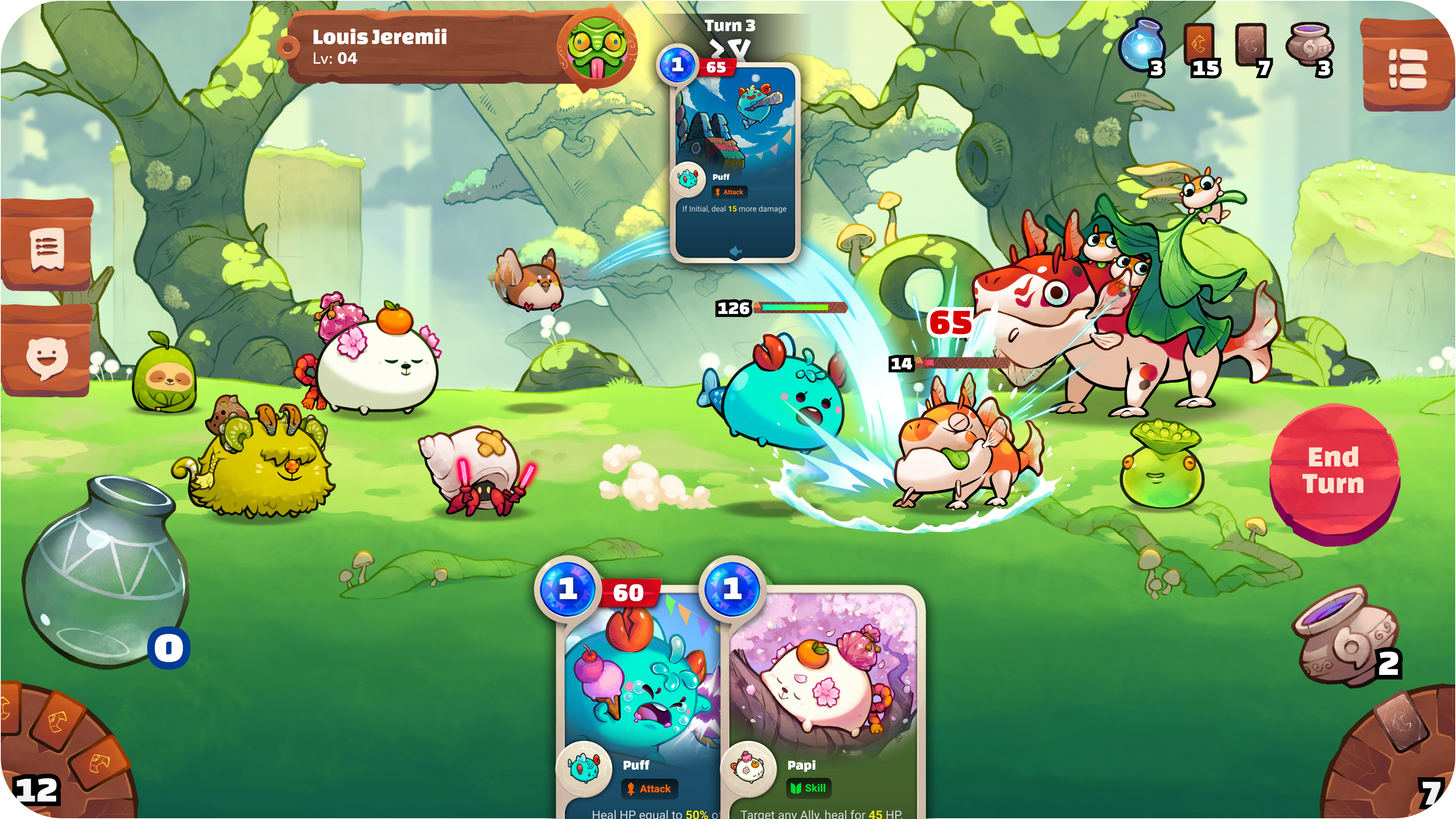
What We Know About Axie Infinity: Origin So Far
Sky Mavis is preparing Axie Infinity's Origin (Battle V3) update, slated for an alpha launch at the end of Q1 2022 via Mavis Hub and Android APK.
- Sky Mavis is launching 'Origin' (Battle V3) to pivot Axie Infinity toward a free-to-play (F2P) mobile card battler model, aiming to scale its userbase beyond the existing crypto-native audience.
- The update introduces three non-NFT starter Axies to lower the barrier to entry, replacing the previous requirement for new players to purchase three NFTs, which historically cost significantly more.
- To address SLP token inflation, Sky Mavis is implementing a new power-up system using 'Runes and Charms' that requires players to spend in-game resources and eventually SLP to enhance their Axies.

Putin's Single Player Narrative: Surviving War Is a Multi-player Effort
This early-March 2022 industry newsletter examines how the game sector is responding to Russia's invasion of Ukraine, then rounds out with a weekly news roundup.
- The gaming industry has mounted a unified response to the invasion of Ukraine, impacting a regional sector that encompasses approximately 30,000 employees across 400 organizations.
- Major entities including CD Projekt Red, EA, and Apple have halted sales or removed Russian-themed content, while Ukrainian officials have successfully pressured tech firms to withdraw from the Russian market.
- Netflix is aggressively internalizing development capabilities to leverage existing IP, evidenced by its $72 million acquisition of Next Games.
Splinterlands: A Pay-to-Win & Play-and-Earn CCG
Splinterlands, a blockchain-based trading card game in which players build teams of creatures that battle automatically, is examined as a more accessible and resilient alternative to earlier play-to-earn titles such as Axie Infinity.
- Splinterlands is a blockchain-based trading card game launched in May 2018 that utilizes an automated battle system and a zero-sum ranking model to gate earning potential.
- The game differentiates itself from competitors like Axie Infinity by offering a low barrier to entry, requiring only a $10 initial cost and allowing payments via both fiat and cryptocurrency.
- An integrated rental system allows players to lease cards for pennies per day, providing a more accessible alternative to the traditional scholarship models found in other blockchain games.
Steam's Boss Talks Subscriptions, NFTs, Hardware
Valve co-founder Gabe Newell's wide-ranging interviews around the Steam Deck launch in late February 2022 offer a window into the company's thinking on blockchain, subscriptions, and hardware.
- Valve has officially banned NFTs and cryptocurrency on Steam, citing high fraud rates that previously saw 50% of Bitcoin transactions on the platform identified as fraudulent.
- There are no immediate plans for a first-party 'Steam Pass' subscription service, though Valve remains open to integrating third-party services like Microsoft’s Game Pass if technical and contractual hurdles are resolved.
- The Steam Deck is being utilized as a foundational hardware platform, with its mobile architecture intended to eventually support future standalone, tetherless VR solutions.
What Does 'Success' Really Mean for PC/Console Games in 2021?
Defining "success" for premium PC and console games in late 2021 is the central question, prompted by a tweet from Industria co-creator David Jungnickel.
- A 'successful' launch—defined by high Steam visibility and top 5% chart placement—often yields only $100,000 to $200,000 in gross revenue, which is frequently insufficient to cover development costs and sustain studio operations.
- The case of the first-person shooter Industria demonstrates that achieving 80,000 Steam wishlists does not guarantee the financial viability required to fund future projects or support full-time staff.
- Sustainable indie development now requires diversifying income through government grants, contract work, and platform deals rather than relying solely on premium game sales.
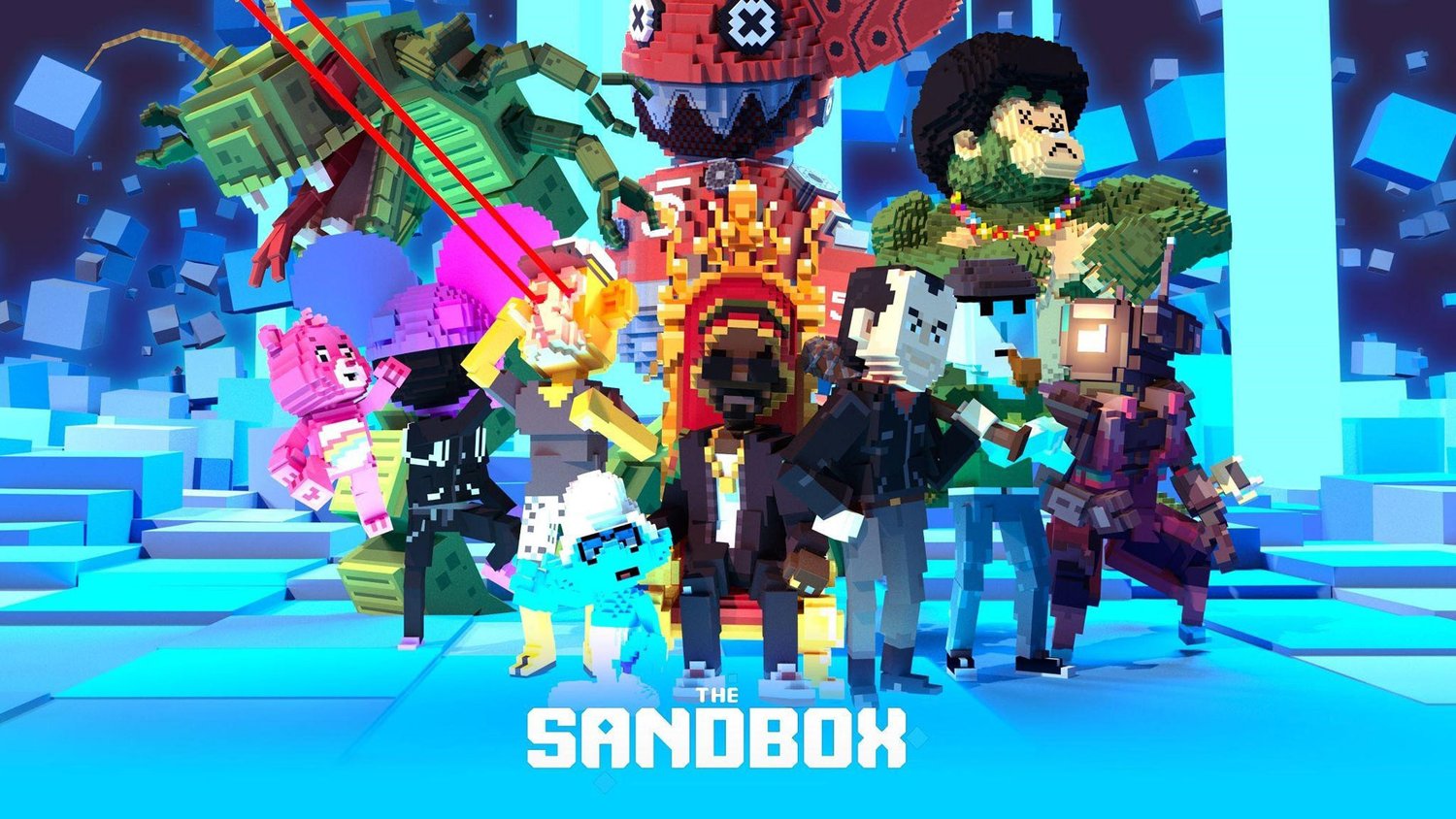
The Sandbox: Where Digital Land and UGC Collide
Blockchain-based virtual real estate has become a prominent investment theme in early 2022, with nearly a quarter of early-December NFT sales tied to digital land.
- The Sandbox is currently valued at a fully diluted market cap of $13.8 billion, despite having only 30,000 monthly active users (MAUs) and approximately 15,000 users playing more than one hour per day.
- The platform's valuation-to-MAU ratio is significantly higher than industry peers, sitting nearly 20 times higher than Decentraland and over 400 times higher than Rec Room.
- The Sandbox lags behind competitors in content density, with a capital-to-experience ratio of $24,017 per user-generated experience, compared to $36 per experience for Roblox.
Two & a Half Gamers Session #1: Casual Intro and Predictions 2022
The first session of the "two & a half gamers" podcast, published January 14, 2022, introduces a self-described "no BS" gaming show that mimics the candor of a 4am conference discussion.
- The current play-to-earn gaming model is viewed as fundamentally flawed and potentially unsustainable due to its reliance on scholarship mechanics and structural similarities to Ponzi schemes.
- Mainstream adoption of blockchain-integrated gaming is hindered by significant user friction, specifically high initial investment costs, complex wallet integration, and prohibitive exchange fees.
- Despite industry expectations that blockchain integration would become a standard feature for new mobile game launches by mid-2022, the model faces severe challenges in achieving viable user acquisition.
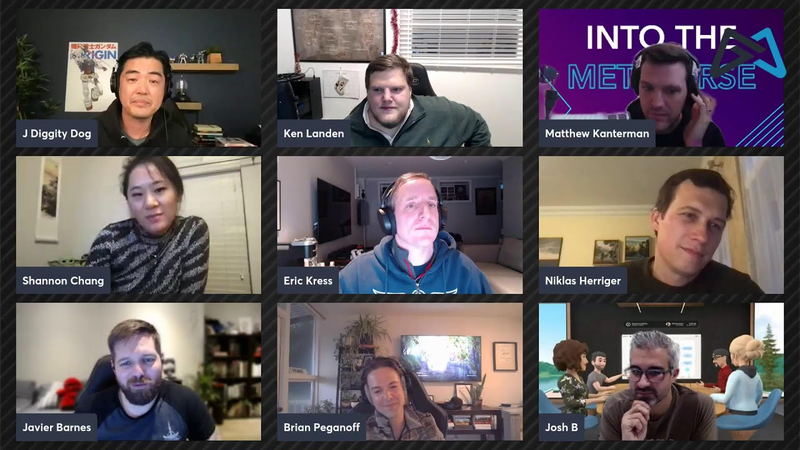
GameMakers 2021 Drunk Awards Show
The year 2021 served as a transformative period for the global gaming industry, characterized by a stark divide between companies successfully navigating the metaverse and subscription-based models and those struggling with internal cultural crises and product execution. miHoYo emerged as a dominant force, with Genshin Impact…
- The legal battle between Apple and Epic Games emerged as the industry's most consequential event, signaling a long-term shift in the operational model of app store marketplaces.
- The deprecation of Apple’s IDFA forced a fundamental industry-wide pivot in user acquisition strategies, disrupting traditional mobile marketing models.
- miHoYo’s Genshin Impact established a new benchmark for revenue efficiency and global engagement, while Roblox solidified its metaverse leadership through strong stock performance and brand integration.


Southeast Asia’s Games Market
Southeast Asia is a small but fast-growing part of Asia's games market, according to Niko Partners' analysis produced with gamescom asia.
- The Southeast Asian games market across six major countries generates approximately $5 billion in revenue from 270 million gamers and is projected to grow at a compound annual rate of 8.6% through 2025.
- Esports is a primary market driver, with over 200 million viewers and 60% of the regional gaming population expressing a strong interest in competitive play.
- Female gamers represent 40% of the total gaming population, with growth in this demographic outpacing the general market and reaching nearly 50% in Indonesia and Singapore.
The Metaverse, Blockchain Gaming, and NFTs: Navigating the Internet’s Uncharted Waters
Newzoo's 2022 analysis examines the metaverse, blockchain gaming, and NFTs as a persistent, interoperable network of 3D virtual worlds, and assesses how the crypto downturn and recession fears have cooled hype without eliminating interest.
- The metaverse is evolving into a 3D social ecosystem led by 'game as a platform' models like Roblox, which currently sustains tens of millions of daily active users.
- Blockchain-based 'Play-to-Earn' games represented nearly 50% of all decentralized application wallet activity by late 2021, though growth is primarily driven by emerging markets seeking income rather than gameplay.
- Long-term growth for virtual platforms is hindered by high developer take rates, persistent net losses among industry leaders, and technical limitations preventing massive simultaneous user scaling.
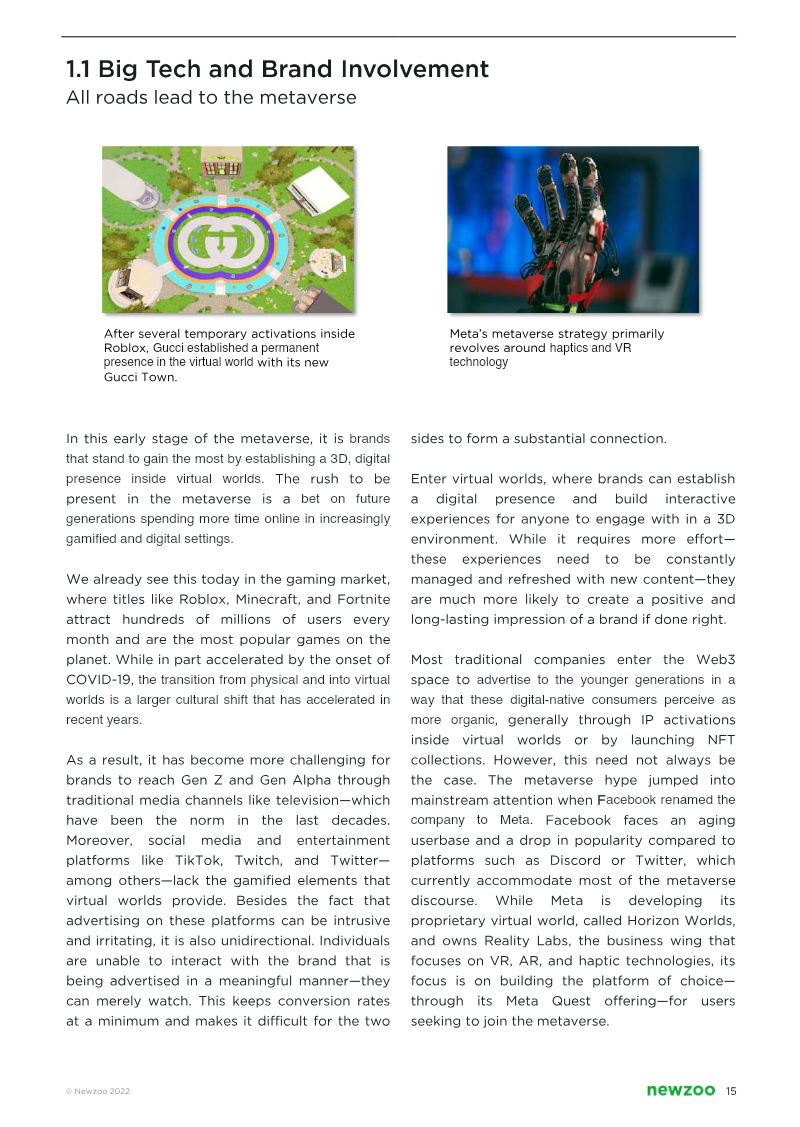
Newzoo Trend Report 2022: The Metaverse, Blockchain, Gaming, and NFTs
Newzoo's 2022 trend report examines the metaverse as a persistent, interoperable, 3D successor to the two-dimensional internet, and assesses how blockchain, NFTs, and gaming intersect with it.
- The metaverse is evolving into a persistent, 3D social ecosystem driven by Gen Z and Gen Alpha's prioritization of digital identities and direct-to-avatar commerce.
- Gaming platforms like Roblox have achieved significant scale, currently maintaining over 50 million daily active users.
- Current blockchain gaming models, particularly play-to-earn and scholarship guilds, face critical challenges regarding long-term financial sustainability and core gameplay quality.