Activision
CompanyUnited States
Documents about Activision
The Most Exciting Time in the Gaming Industry: 2020–2022
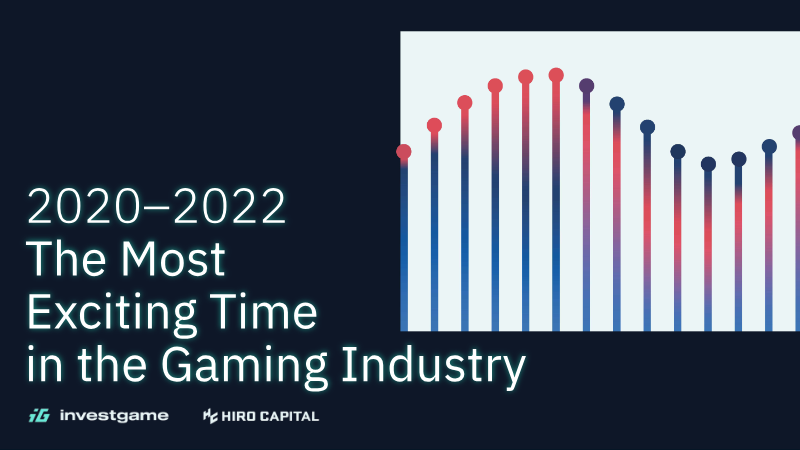
The analysis demonstrates that the gaming sector experienced a pronounced surge in deal activity between 2020 and 2022, with private equity investments peaking at $12 billion in 2021 before receding to $10.1 billion the following year.
- The gaming industry experienced a massive investment peak in 2021, with M&A reaching $41 billion, private equity hitting $12 billion, and public offerings peaking at $24.5 billion.
- Market activity cooled significantly by 2022, with public offerings collapsing to $4.6 billion and late-stage transaction values dropping four-and-a-half-fold to $0.9 billion in early 2023.
- Strategic acquisitions remain a primary driver of industry value, with the top 15 M&A deals—led by Microsoft’s purchases of Activision Blizzard and ZeniMax—accounting for approximately 80% of total announced deal value.
Activision Blizzard Revenue Down 15% in Q3
Activision Blizzard’s financial performance for the third quarter of 2019 reflects a period of contraction, characterized by year-over-year declines in both revenue and active user engagement.
- Activision Blizzard reported a 15% year-over-year decline in Q3 2019 net revenue to $1.28 billion, with net bookings falling 27% to $1.21 billion.
- Total monthly active users (MAUs) across the company dropped 8% year-over-year to 316 million, with declines occurring across all three divisions: Activision (down 22%), Blizzard (down 11%), and King (down 6%).
- Revenue by division saw significant year-over-year drops for Activision (down 47% to $209 million) and Blizzard (down 38% to $394 million), while King remained relatively stable with a 1% decline to $500 million.

The Games Industry's China Syndrome
The analysis examines the growing tension between the global expansion of the video game industry and the geopolitical realities of operating within the Chinese market.
- The 2019 suspension of Hearthstone player Ng 'blitzchung' Wai Chung by Activision Blizzard exemplifies the conflict between Western corporate values of free expression and the economic necessity of maintaining favor with Chinese regulators and partners like Tencent.
- China represents a critical market for the gaming industry, evidenced by the fact that approximately half of the global World of Warcraft player base resides within the country.
- The gaming industry is experiencing a maturation phase similar to Hollywood and the NBA, where companies can no longer maintain political neutrality while operating in polarized geopolitical environments.
Publishers Playing Politics
This analysis examines the intersection of corporate interests and political expression within the global video game industry, focusing on the 2019 controversy involving Activision Blizzard and the Hong Kong protests.
- Major video game publishers face a growing conflict between upholding Western democratic values and maintaining access to the lucrative, protectionist Chinese market.
- Activision Blizzard’s 2019 decision to ban professional player Ng 'blitzchung' Wai Chung for supporting Hong Kong protests highlights the prioritization of Chinese market stability over Western workforce and consumer values.
- Approximately 50% of the World of Warcraft player base resides in China, creating a significant financial dependency that influences corporate decision-making.
xCloud: Next's Move
This analysis examines the shifting landscape of the global gaming industry during late 2019, focusing on the transition toward cloud-based infrastructure, 5G integration, and the evolving business models of major publishers.
- Microsoft is positioning Project xCloud to dominate the cloud gaming sector by delivering console-quality experiences to mobile devices, supported by strategic partnerships with SK Telecom in the US, UK, and South Korea.
- The long-term success of cloud gaming platforms hinges on choosing between a high-end, curated content strategy or a high-volume, Netflix-style subscription model.
- Activision Blizzard saw a 223% monthly increase in subscription revenue following the launch of World of Warcraft Classic, though the franchise's year-to-date revenue remains down by approximately one-third.
Frank Pearce Leaves Blizzard | Games ReCAP Episode 025
The departure of co-founder Frank Pearce marks the final exit of Blizzard Entertainment’s original leadership, signaling a definitive end to the company’s foundational era.
- The departure of co-founder Frank Pearce marks the final exit of Blizzard Entertainment’s original leadership, signaling the end of the company's foundational era.
- Blizzard’s post-merger integration with Activision has shifted the company toward aggressive monetization strategies, including microtransactions and a pivot to mobile-centric titles.
- Large-scale layoffs in marketing and community departments have damaged Blizzard’s reputation as a stable employer, raising concerns about the long-term impact on the Southern California game development ecosystem.
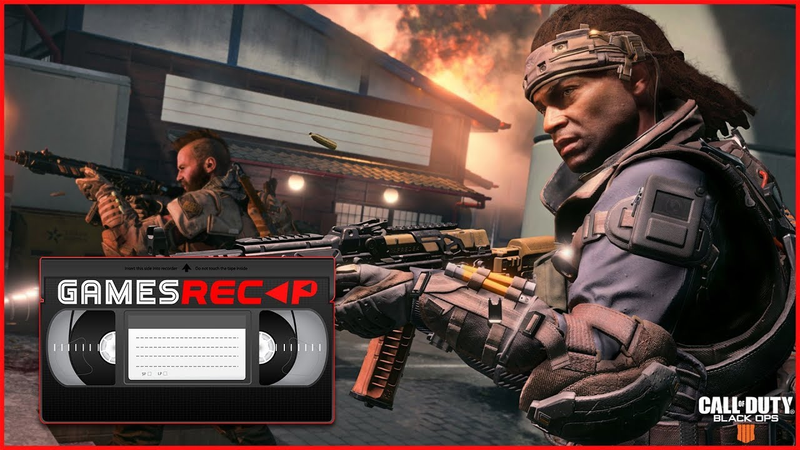
Call of Duty Kills Game Dev Work/Life Balance | Games ReCAP Episode 011
The annual release cycle of the Call of Duty franchise creates a systemic culture of burnout, characterized by prolonged periods of mandatory overtime and poor project management.
- The annual release cycle of the Call of Duty franchise forces development teams at studios like Treyarch into 18-month stretches of seven-day work weeks.
- Systemic reliance on mandatory overtime and poor project management has led to significant failures, such as the late-stage cancellation of the Black Ops 4 single-player campaign.
- High employee turnover caused by burnout results in a critical loss of institutional knowledge within major development studios.

Virtual Reality Is Just That: A 5% Attach Rate Does Not Make a Platform
The current state of the video game industry is defined by a significant period of transition, marked by structural layoffs at major publishers like Activision and EA despite record revenues.
- Major publishers like Activision and EA are implementing structural layoffs as a strategic risk-mitigation measure ahead of a weak release slate and the next console generation.
- Virtual reality remains a niche accessory rather than a platform, evidenced by PSVR’s 4.2 million units sold representing an attach rate of less than 5% of the PS4 install base.
- Nintendo is shifting its retail strategy away from traditional physical retailers like GameStop—where its products account for 25% of revenue—toward digital partnerships like Twitch Prime.
Deep Dive: Turning Around Your Game's Reviews, Post-Launch
This analysis examines the critical role of expectation management and post-launch support in rehabilitating a video game’s commercial and critical standing.
- Long-term commercial success relies on aligning pre-launch marketing with actual gameplay to prevent the negative review cycles caused by mismatched player expectations.
- Developers can rehabilitate a 'Mixed' Steam rating through transparent communication and iterative updates, as demonstrated by Robotality’s turnaround of the 2019 title Pathway.
- Significant content expansions, such as the 'Adventures Wanted' update for Pathway, are necessary to address core gameplay loops and technical issues that drive negative sentiment.

The Business of a Video Game Concept Art Studio: Section Studios Tour
Section Studios, a Los Angeles-based art services firm, specializes in visual development, concept art, and pre-visualization for the video game and entertainment industries.
- Section Studios operates as a full-service production house providing visual development, concept art, and pre-visualization for major franchises including Riot Games' League of Legends, Activision's Call of Duty, and the God of War series.
- The studio is scaling its production capacity by shifting from a centralized Los Angeles model to a hybrid structure that utilizes satellite operations in the Philippines and Korea to improve cost-effectiveness.
- The firm manages a fluctuating headcount of 30 to 70 employees, allowing it to scale resources dynamically to meet the specific demands of large-scale game development and marketing projects.

CES 2019 Consumer Electronics Show Report
The 2019 Consumer Electronics Show (CES) serves as a primary focal point for evaluating the current state of the technology and gaming sectors, characterized by a transitional "in-between" period lacking major consumer breakthroughs.
- The gaming industry is shifting toward platform ownership and service-based revenue models, with major media and telecom firms like Verizon, Amazon, and NBC aggressively pursuing game streaming and ad-supported services.
- Apple is strategically pivoting toward its services division, which currently accounts for only 15% of its total revenue, to mitigate vulnerabilities in its hardware-dependent ecosystem.
- Bungie’s separation from Activision underscores the financial and marketing risks of independent publishing for aging franchises like Destiny within an increasingly saturated shooter market.

Industry Update: Q3 2018
This industry update provides a snapshot of the global interactive entertainment and media landscape during the third quarter of 2018.
- Sony achieved record operating profits in Q3 2018, supported by total PlayStation 4 hardware sales reaching 82.2 million units.
- Nintendo generated $1.51 billion in revenue, though analysts remain skeptical of the company's ability to meet its 20-million-unit annual sales target for the Switch.
- Activision Blizzard experienced a 14% decline in Blizzard revenue, a downturn attributed to increased market competition from Fortnite.