The analysis examines the growing tension between the global expansion of the video game industry and the geopolitical realities of operating within the Chinese market. Centered on the 2019 controversy involving Activision Blizzard and the suspension of professional Hearthstone player Ng "blitzchung" Wai Chung for supporting Hong Kong protests, the text explores the ethical and strategic dilemmas faced by Western media companies. It argues that while Blizzard acted within its legal rights to protect its brand image, the decision highlights a significant conflict between corporate values of free expression and the economic necessity of maintaining favor with Chinese regulators and partners like Tencent.
The scope of the analysis covers the global esports landscape, specifically focusing on the influence of Chinese capital and the massive consumer base in the region, noting that approximately half of the World of Warcraft player base resides in China. The author draws parallels to other entertainment and sports sectors, such as the NBA and Nike, to illustrate how mainstream cultural entities are increasingly forced to navigate political activism. The methodology relies on qualitative analysis of industry trends, corporate policy, and real-time reactions from employees, fans, and political figures.
Ultimately, the findings suggest that the games industry is undergoing a maturation process similar to Hollywood and the music industry, where it can no longer remain politically neutral. While the immediate financial impact of such PR disasters may be mitigated by administrative backlogs in Chinese game approvals, the long-term risk involves a loss of cultural authenticity and consumer trust. The conclusion urges game publishers to reconcile their internal belief structures with their global business strategies to avoid "corporate insecurity" in an increasingly polarized geopolitical environment.
SuperJoost · 2026

SuperJoost · 2026
SuperJoost · 2026
SuperJoost · 2026
SuperJoost · 2026
SuperJoost · 2026
SuperJoost · 2026

SuperJoost · 2026
SuperJoost · 2026
SuperJoost · 2026
SuperJoost · 2026
SuperJoost · 2026
Niko Partners · 2026

SpielFabrique · 2026
Deloitte · 2026
IIDEA – Italian Interactive Digital Entertainment Association · 2024
Saudi Esports Federation · 2024
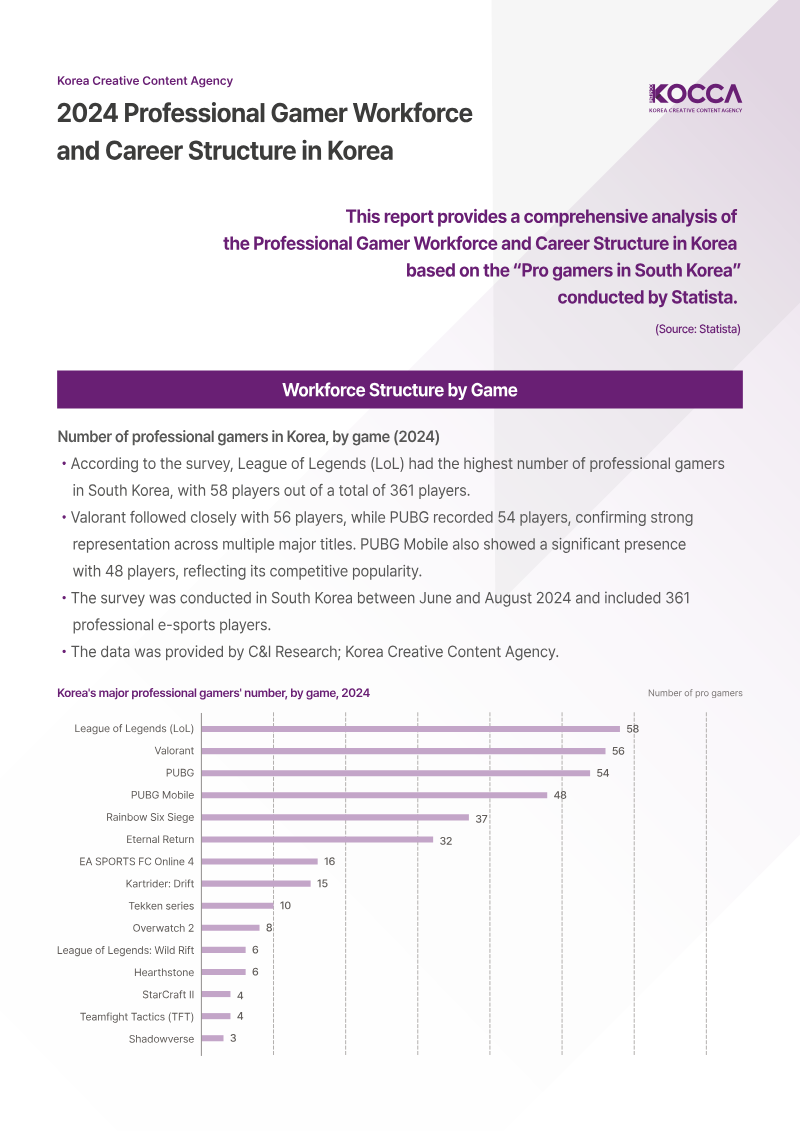
KOCCA – Korea Creative Content Agency · 2024
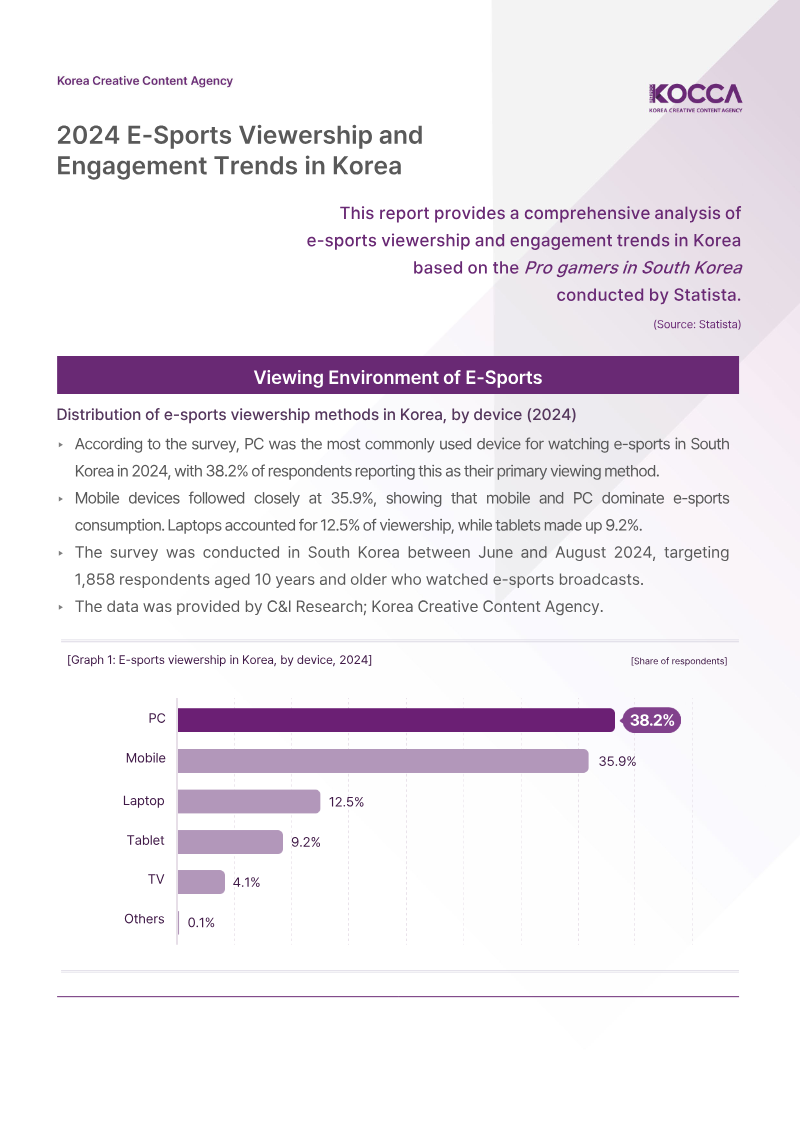
KOCCA – Korea Creative Content Agency · 2024
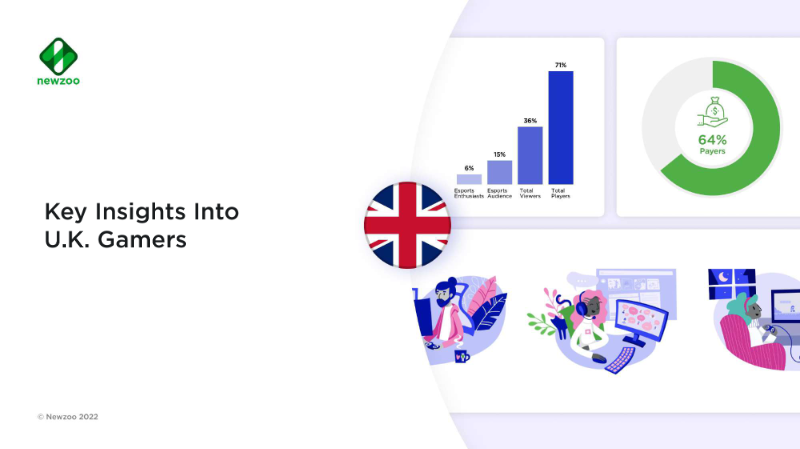
Newzoo · 2022
Interactive Software Federation of Europe · 2022

Newzoo · 2022
Newzoo · 2021
European Games Developer Federation · 2021