2015
Company
Documents about 2015
Nintendo Earnings Release: Supplementary Information (June 2015)
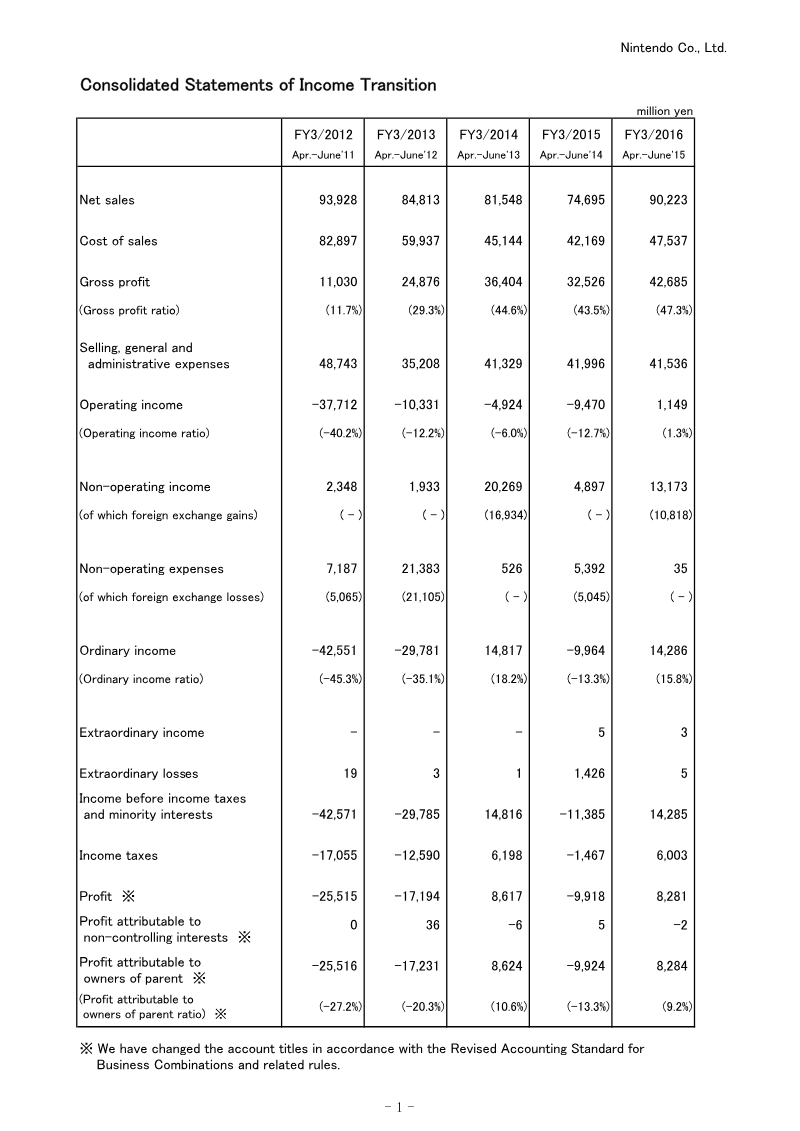
This financial summary details Nintendo’s consolidated earnings for the first quarter of the fiscal year ending March 2016, covering the period from April to June 2015.
- Nintendo returned to profitability in the April–June 2015 quarter, posting net sales of 90.2 billion yen and operating income of 1.1 billion yen, versus an operating loss of 9.5 billion yen a year earlier.
- Gross profit reached 42.7 billion yen, a gross profit ratio of 47.3%.
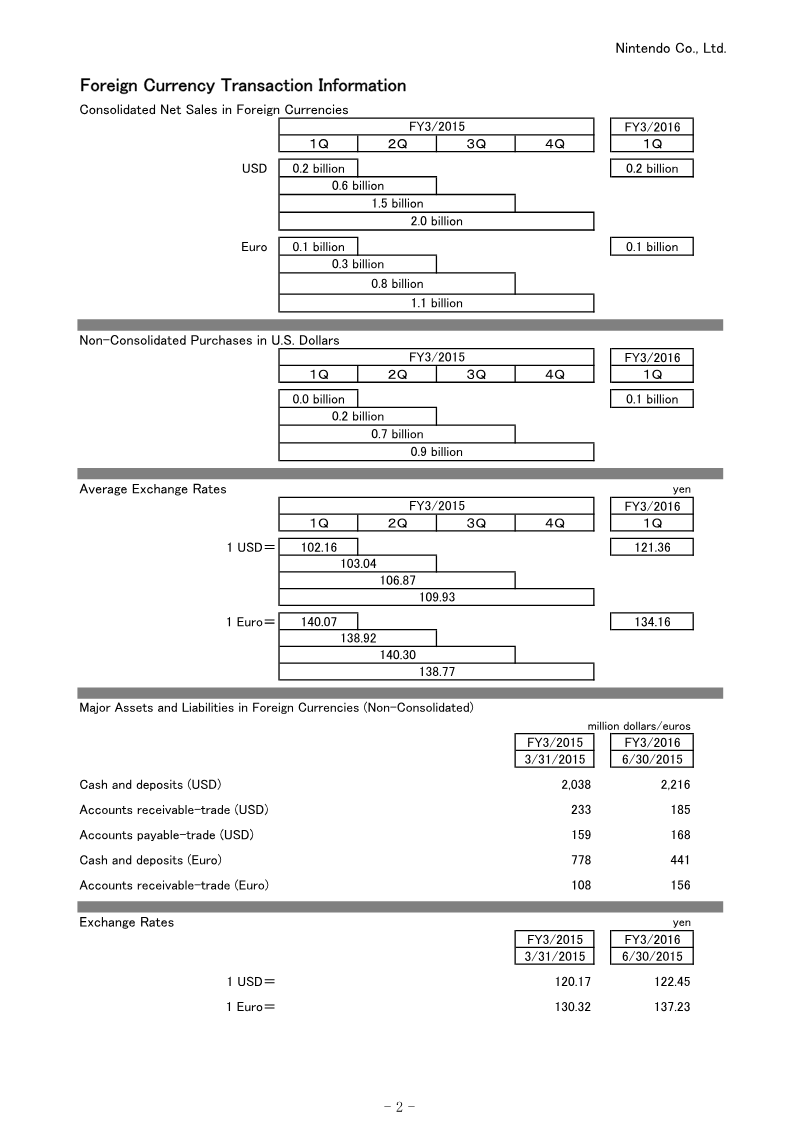
- Ordinary income of 14.3 billion yen was boosted by 13.2 billion yen in non-operating income, largely attributed to favorable foreign exchange gains, and profit attributable to owners of the parent was 8.3 billion yen.
GungHo Online Entertainment FY2015 Q2 Financial Results
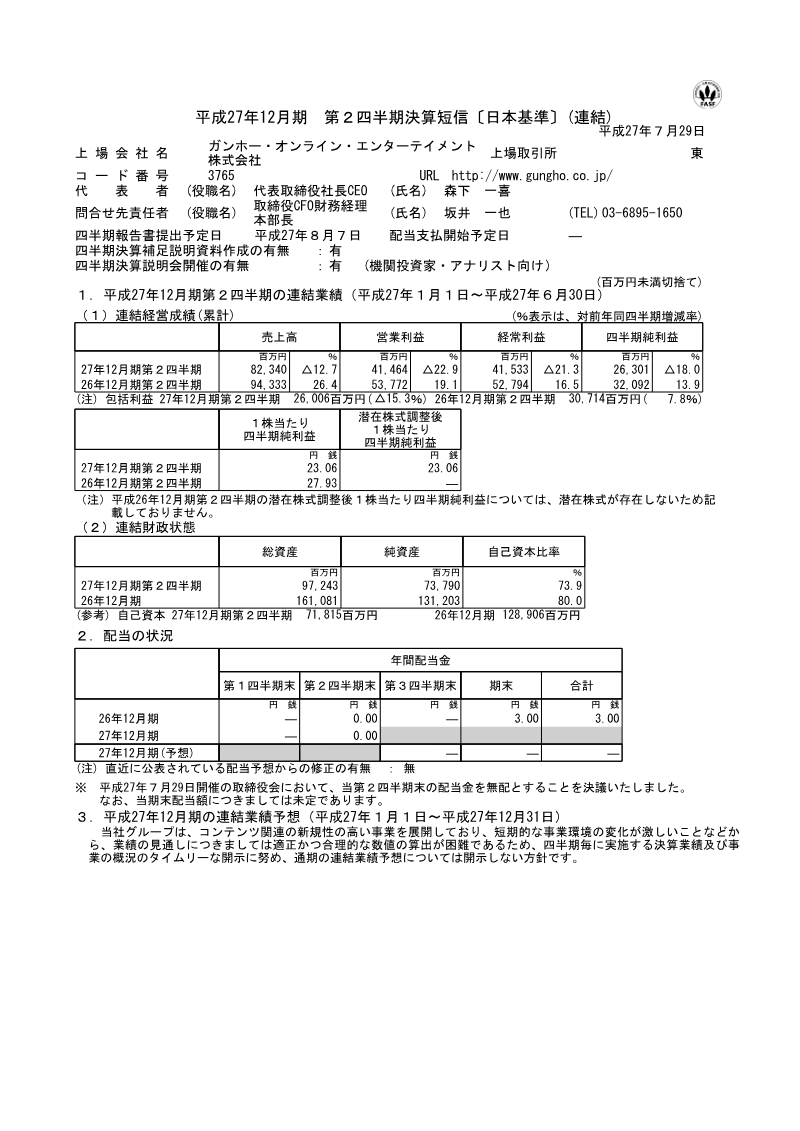
GungHo Online Entertainment’s financial results for the second quarter of the fiscal year ending December 2015 reflect a period of contraction compared to the previous year.
- Net sales fell 12.7% year-over-year to 82.34 billion yen in the second quarter of FY2015, with operating profit down 22.9% to 41.46 billion yen and quarterly net profit down 18.0% to 26.30 billion yen.
- The decline was driven mainly by falling short-term monetization of the flagship mobile puzzle RPG Puzzle & Dragons, which was entering its fourth year of operation.
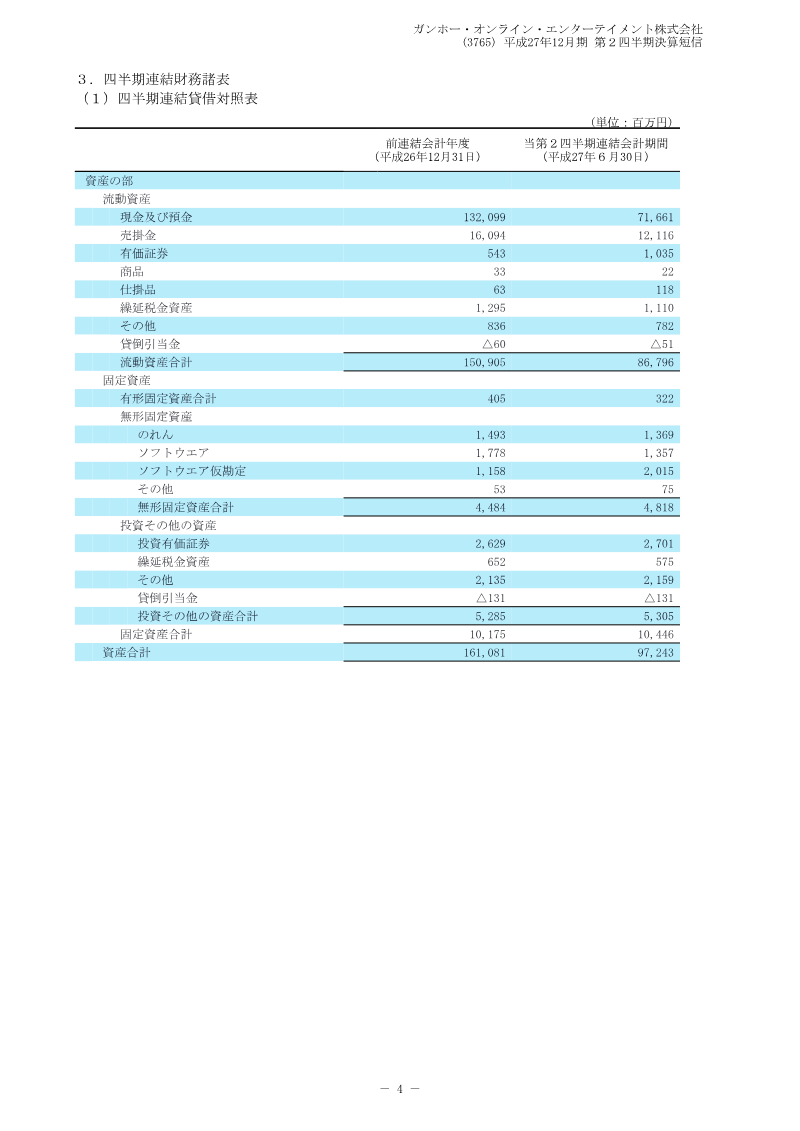
- A large-scale share buyback, including treasury stock acquired from SoftBank, cost 79.99 billion yen and cut cash and deposits by 60.44 billion yen, bringing total assets down to 97.24 billion yen.
Annual Report 2015: Nintendo Co., Ltd.
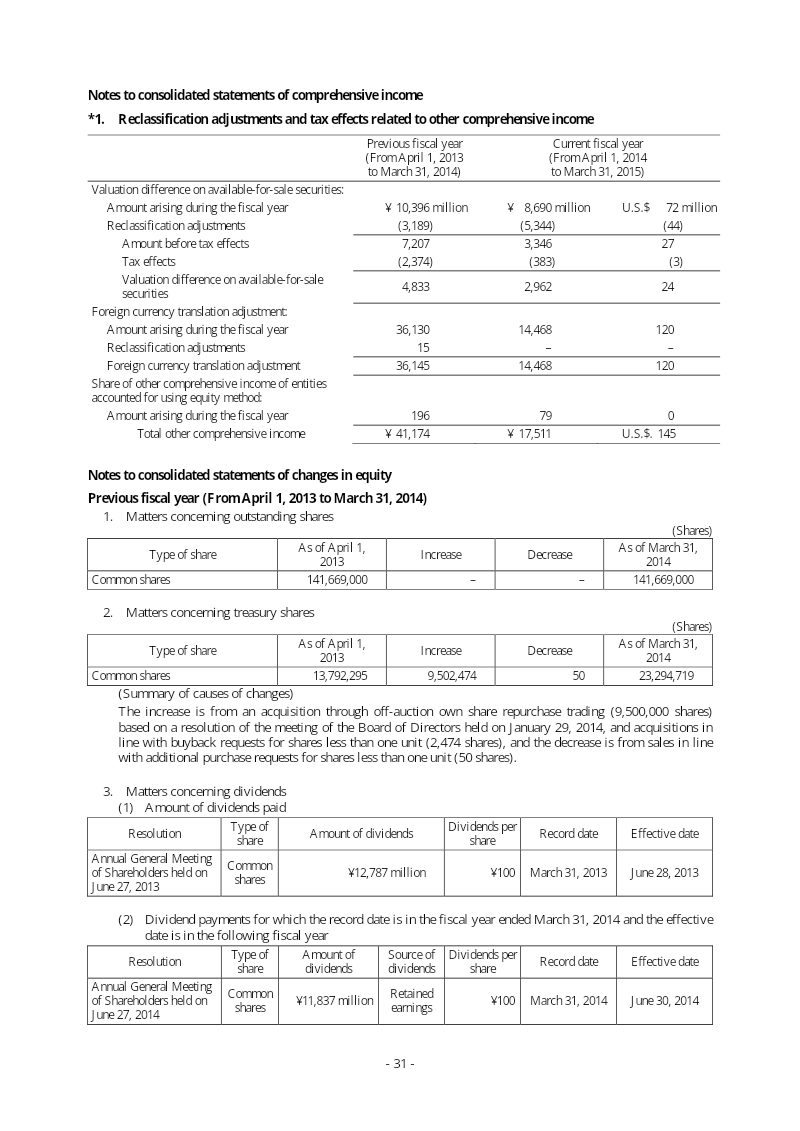
Nintendo achieved a significant financial turnaround during the fiscal year ending March 31, 2015, successfully transitioning from a net loss of ¥23.2 billion in the previous year to a net income of ¥41.8 billion.
- Nintendo achieved a financial turnaround in the fiscal year ending March 31, 2015, moving from a ¥23.2 billion net loss to a ¥41.8 billion net income.
- Total net sales declined by 3.8 percent to ¥549.7 billion, but profitability was restored through a focus on high-margin software, cost reductions, and favorable yen depreciation.
- Key software titles, specifically Mario Kart 8 and Pokémon Omega Ruby/Alpha Sapphire, were primary drivers of the company's improved financial performance.

How to break into the western markets - PG Connects Bangalore 2015
Expanding into Western gaming markets requires a strategic shift toward professional business operations, legal diligence, and a resilient entrepreneurial mindset.
- Successful expansion into Western markets requires treating a studio as a formal business entity by securing robust shareholder agreements, managing cash flow, and utilizing professional legal counsel.
- Mobile game developers should target the casual sector by focusing on accessible, low-stress mechanics like match-three or hidden-object games rather than high-intensity competition.
- Audience demographics in the Western casual mobile market are predominantly older and female, necessitating the avoidance of gender-based design stereotypes in favor of mechanics that prioritize relaxation and social connection.

Mike Bithell on indie design - PG Connects Bangalore 2015
The definition of independent game development has shifted from a focus on production scale to a philosophy centered on creative autonomy and the willingness to take calculated risks.
- Indie development is defined by creative autonomy and calculated risk-taking, requiring a balance between a singular personal vision and rigorous, iterative playtesting.
- Small teams must adopt a jack-of-all-trades mindset to prioritize core mechanics and emotional resonance early, maintaining the agility that larger corporate studios often lack.
- Marketing and design must be integrated from the project's inception, utilizing channels like YouTube to capture authentic player reactions for actionable feedback.

Google on IAPs and monetization - PG Connects Bangalore 2015
Building a sustainable mobile gaming business requires a transition away from an exclusive reliance on in-app purchases toward a diversified monetization strategy.
- Developers must diversify beyond in-app purchases (IAP) because 95 to 97 percent of mobile players do not make direct purchases.
- Integrating a hybrid model of IAPs and strategic ad placements, such as native ads and video, can increase total revenue by up to 300 percent through effective network mediation.
- In markets like India with low credit card penetration, reward-based advertising—such as video ads and offer walls—is essential to monetize the non-paying majority.

Disney on games that capture India's imagination - PG Connects Bangalore 2015
The Indian mobile gaming sector is undergoing a significant maturation phase, characterized by a strategic shift from Western-dependent design toward the creation of high-quality, locally relevant content.
- The Indian mobile gaming sector is transitioning from Western-dependent design to a professionalized ecosystem focused on high-quality, locally relevant content.
- Developers must choose between targeting the massive, untapped demographic of first-time domestic mobile users or pursuing established global markets in the US, UK, and Australia.
- Success in global markets requires a data-driven approach, high-quality user experience, and a strategic shift toward premium models in educational and ultra-casual segments.

Biz Daily: Apple's cagey attitude over Apple Watch sales
Apple’s fiscal year 2015 third-quarter earnings report triggered a significant market reaction, resulting in a 50 billion dollar decline in market capitalization and an eight percent drop in stock value.
- Apple’s refusal to disclose specific Apple Watch sales figures during its Q3 2015 earnings report triggered a $50 billion decline in market capitalization and an 8% drop in stock value.
- Despite the lack of official data, Apple reported strong overall quarterly performance with 47.5 million iPhones sold and a 33% revenue increase to $49.6 billion.
- Independent analysts estimate that Apple Watch sales reached between two and three million units during the quarter.

Biz Daily: What next for Nintendo in a post-Iwata world?
The passing of Nintendo CEO Satoru Iwata has placed the company at a critical strategic crossroads, prompting an evaluation of its future direction in a rapidly fragmenting gaming landscape.
- Nintendo is at a strategic crossroads following the 2015 passing of CEO Satoru Iwata, necessitating a shift in direction to navigate a fragmenting gaming landscape.
- Despite the hardware successes of the DS and Wii during Iwata’s 2002–2015 tenure, the company struggled with the 3DS and the commercial failure of the Wii U, leading to stagnant share prices.
- Nintendo’s institutional hesitation regarding mobile gaming is evidenced by a lack of specific details for its five-title partnership with DeNA, reflecting a broader internal resistance to modern monetization models.

Biz Daily: Did Fallout Shelter only make $5.1M?
Fallout Shelter emerged as a significant surprise in the 2015 mobile gaming landscape, achieving high rankings on Western top-grossing charts shortly after its release.
- Fallout Shelter generated approximately $5.1 million in its first two weeks following its June 2015 launch, representing a ten-fold return on development costs estimated at under $500,000.
- Despite initial success, the game experienced a rapid decline from the top 200 grossing charts in major markets including the U.S., U.K., Germany, and France.
- The game's revenue potential was structurally capped by a 200-dweller capacity limit, which effectively concluded the player experience once reached.
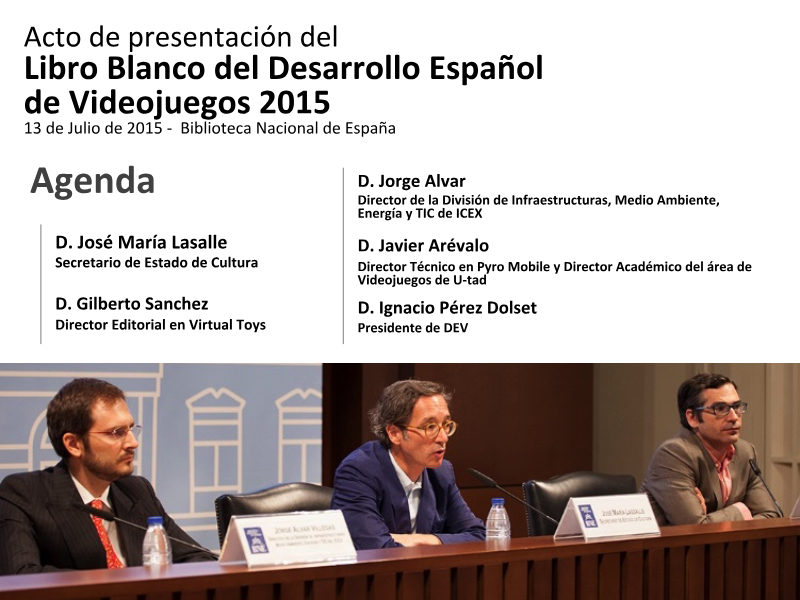
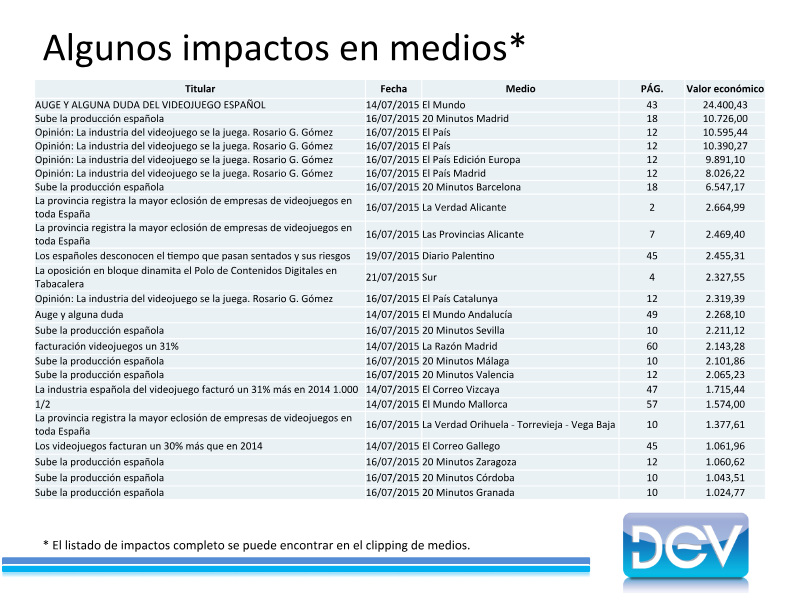
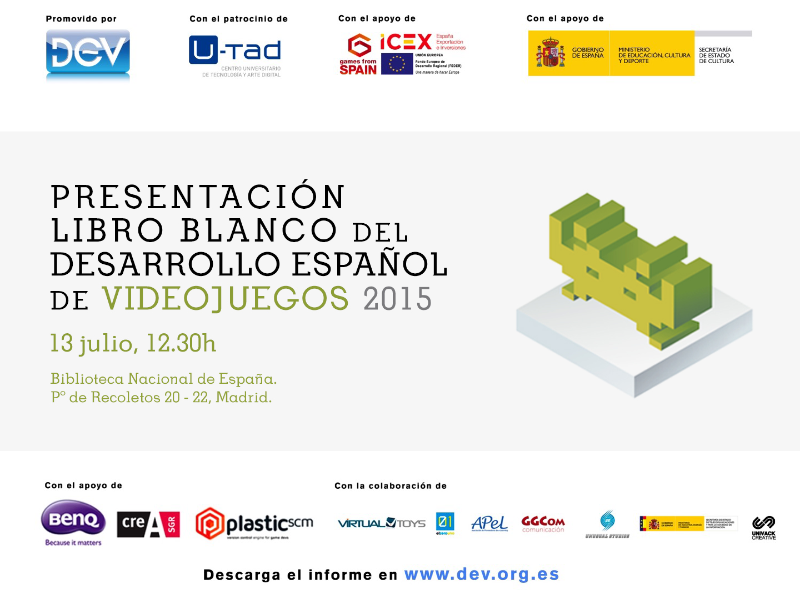
Libro Blanco del Desarrollo Español de Videojuegos 2015
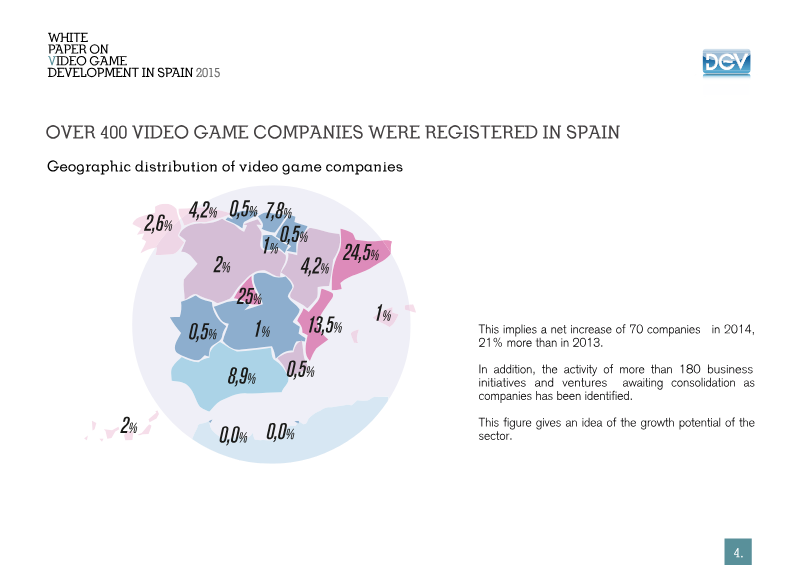
The 2015 Libro Blanco del Desarrollo Español de Videojuegos serves as a comprehensive industry analysis detailing the economic performance and growth trajectory of the Spanish video game development sector.
- The Spanish video game industry reached a total turnover of 413 million euros in 2014, marking a 31% year-over-year increase.
- Market revenue is highly concentrated, with 50% of total industry turnover generated by only 5% of the companies.
- Employment within the sector grew by 28% in 2014 compared to the previous year.
White Paper on Video Game Development in Spain 2015: Executive Summary
The 2015 White Paper on Video Game Development in Spain provides a comprehensive analysis of the national gaming industry, detailing its rapid expansion, economic impact, and structural characteristics.
- The Spanish video game industry generated 412.4 million euros in 2014, marking a 31% year-over-year increase with projections to reach one billion euros by 2018.
- Digital distribution dominates the sector, accounting for 90% of total turnover through direct downloads and free-to-play business models.
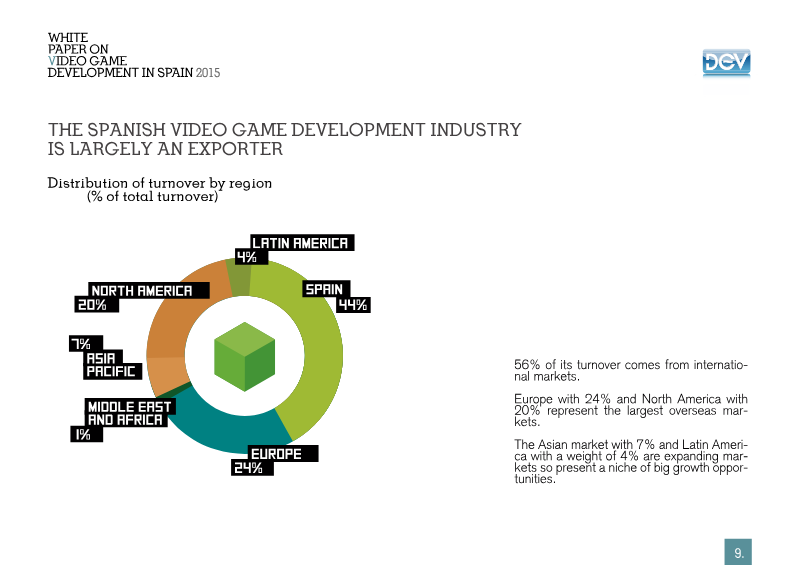
- The industry is highly internationalized, with 56% of total revenue derived from foreign markets, primarily in Europe and North America.