2015
Company
Documents about 2015

Interview: Tapstream Podcast with Mack Flavelle
Eric Seufert, author of Mobile Dev Memo, announces a May 2015 podcast conversation with Mack Flavelle of Tapstream, recorded for the Tapstream Podcast.
- The Helsinki gaming ecosystem is a primary focus of the discussion regarding its unique influence on mobile development and market trends.
- The conversation evaluates the strategic balance between organic and paid mobile traffic acquisition methods.
- The podcast examines the role and effectiveness of Facebook advertising within the broader mobile marketing landscape.

Which Mobile Marketing Metrics Matter?
Mobile advertising inherits its standard metrics from desktop, including CPM, click-through rate, and cost per action, but these indicators need additional context on mobile because the platform differs structurally.
- Mobile marketing performance cannot be measured by individual metrics like CTR or CPI alone, as these do not directly correlate with the ultimate business goal of revenue.
- Campaign optimization should prioritize the dual pillars of ROI and scale, ensuring that cohort sizes are large enough to impact business performance and chart positioning.
- Traditional desktop metrics like CPM and click-through rates are insufficient for mobile because the multi-step download process (ad click to app store click to install) distorts their interpretability.
2015 CESA Consumer Survey Report
The Computer Entertainment Supplier's Association (CESA) released the 2015 CESA Consumer Survey Report on April 27, 2015, a 245-page volume subtitled "Japan Game Users and Non-Users Survey."
- The total number of active game players in Japan across all platforms (home console, PC, mobile, and arcade) is estimated at 48.09 million.
- Smartphone and tablet gaming is the dominant platform, with 33.31 million active users compared to other hardware categories.
- The domestic market for home console gaming consists of 52.83 million owners, 31.38 million active users, and 15.41 million continuous players.
Newzoo Report: Southeast Asia
Newzoo, a games market research agency, produced a 75-page report on Southeast Asia, which the Flemish Games Association (FLEGA) announced in April 2015.
- The Southeast Asian games market is identified as the world's fastest-growing region, with projections indicating the market value will double by 2017 from its 2015 valuation of $1.1 billion.
- The report focuses on the 'Big 6' countries driving this growth: Singapore, Indonesia, Malaysia, the Philippines, Vietnam, and Thailand.
- The 75-page research document provides comprehensive demographic, economic, and cultural context for each of the six target nations.

Funnel Optimization and Growth
Funnel optimization, the practice of improving a user path so that more people reach its end point, is frequently grouped with "growth hacking," but this 2015 essay argues that it does not necessarily produce true growth.
- Funnel optimization and true growth are distinct activities: optimization improves existing conversion paths, while growth requires expanding the total addressable market through new channel exploration.
- Optimization of existing marketing channels faces diminishing returns, meaning it cannot serve as the sole driver of long-term, consistent growth.
- Metrics often labeled as growth, such as increased registration counts from landing page optimization, are frequently just improvements in retention or conversion efficiency within existing marketing reach.

Three Alternative Mobile Games Marketing Strategies
Mobile free-to-play game launches face mounting structural barriers, and this April 2015 analysis argues that developers are responding with three marketing strategies that depart from the standard metrics-driven, advertising-funded user acquisition model.
- The mobile app economy is increasingly a 'winner-takes-all' market, where high distribution costs and consolidation favor established players with large marketing budgets over new entrants.
- The traditional model of relying on Lifetime Customer Value (LTV) versus Cost Per Install (CPI) arbitrage is becoming unsustainable for many developers due to rising advertising costs driven by non-gaming companies entering the market.
- The 'Gimmick' strategy focuses on simple, highly shareable mechanics that drive organic growth, though these games often lack deep monetization and rely on advertising revenue rather than in-app purchases.
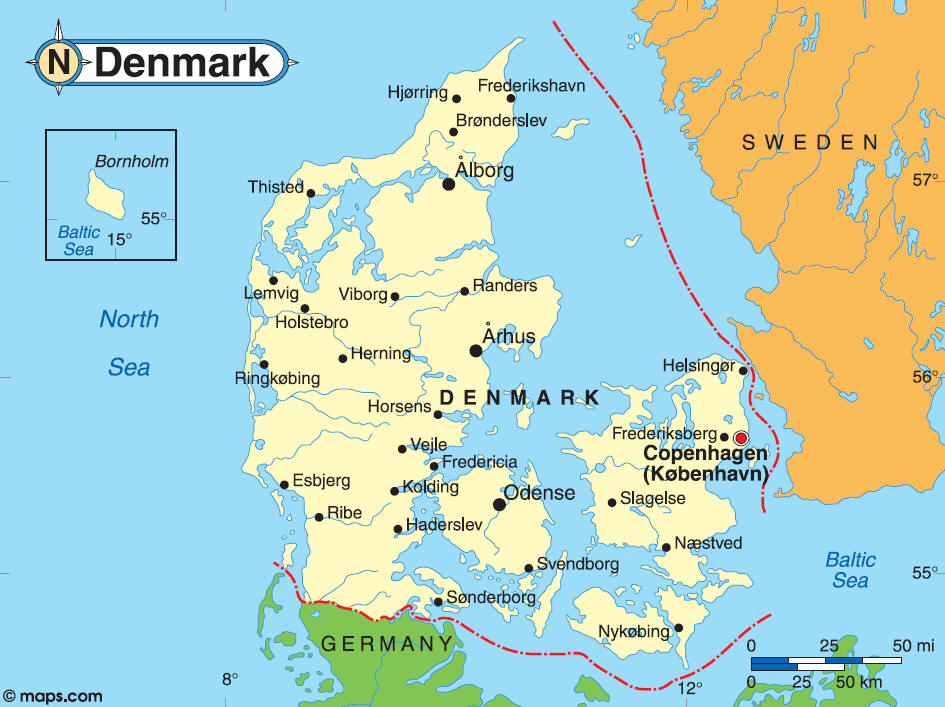
Facts and Figures about Games Industry in Denmark
Denmark's games industry is profiled in a 2015 fact file, originally published by MCV and condensed by the Flemish Games Association (FLEGA) for its members as a short briefing on a neighboring European market.
- Denmark is the 27th largest games industry in the world, with developer turnover growing 119% between 2009 and 2013.
- The country's video game export share increased by 80% during the 2009–2013 period, driving increased government investment in the sector.
- Interactive Denmark projects annual cultural support of €1.16 million and dedicated innovation funding of €2.67 million for the industry between 2015 and 2018.

Crossy Road: A Case Study in Mobile Ad Monetization
Crossy Road, a Frogger-style endless runner released in November 2014 by Australian indie studio Hipster Whale, serves as a case study in light-handed mobile ad monetization.
- Crossy Road generated $10 million in gross revenue within its first 90 days of release, with $3 million of that total attributed specifically to video ad placements.
- The game achieved significant commercial success by intentionally avoiding aggressive monetization tactics, such as energy mechanics or time gates, which are standard in many free-to-play titles.
- Monetization relies on a light-handed approach where players can voluntarily watch video ads to earn in-game currency for unlocking new characters, rather than being forced to pay for progression.
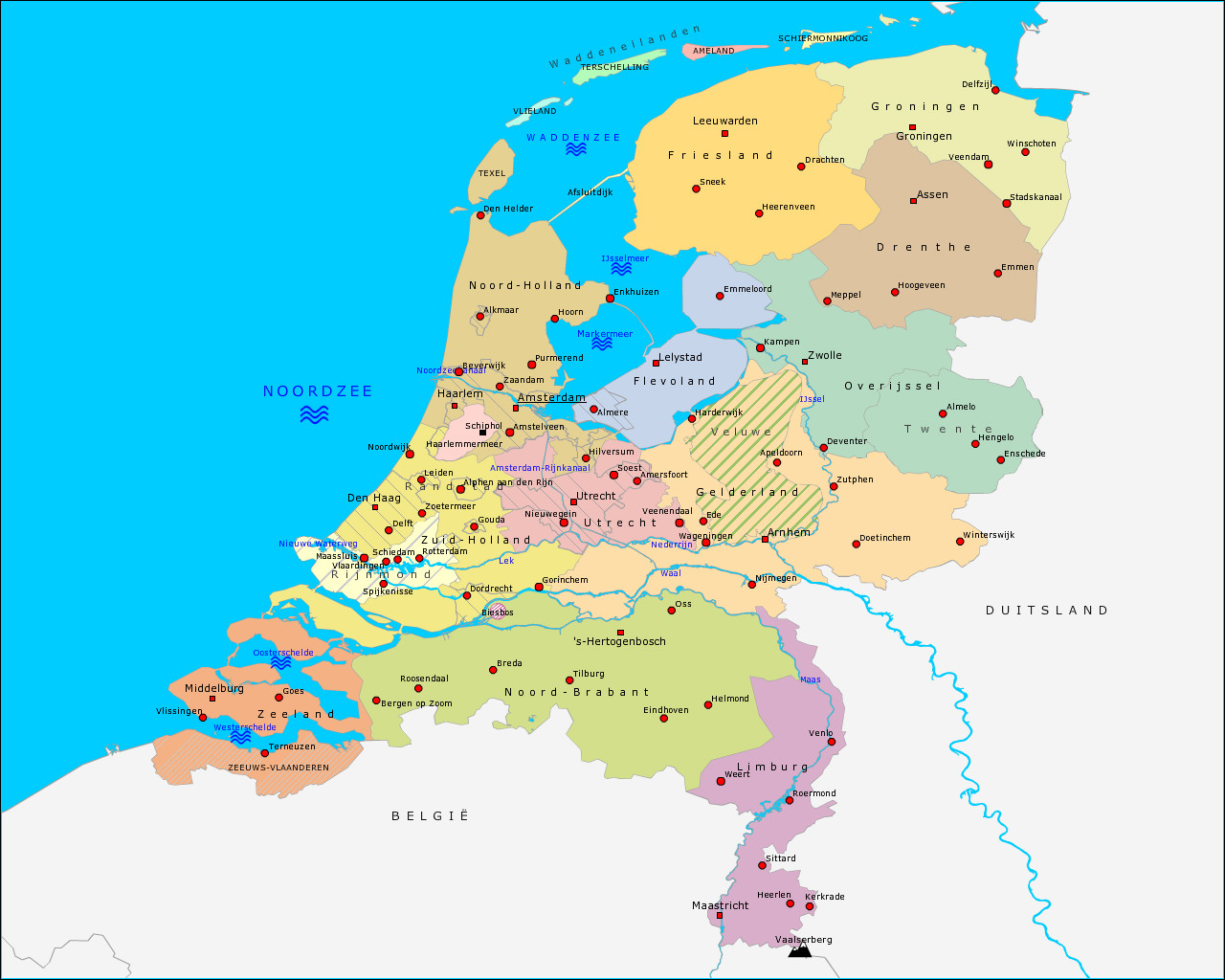
Facts and Figures About Games Industry in the Netherlands
The Dutch games industry ranked as the 16th largest in the world in 2014, generating total revenue of $433.2 million (approximately €394 million), according to figures from research firm Newzoo.
- The Dutch games industry is the 16th largest globally, generating $433.2 million (€394.27 million) in annual revenue as of 2015.
- The market is primarily driven by 'serious' games, which include training, educational, and simulation titles.
- Social gaming is the most frequent engagement method, with 43% of gamers playing these titles on a daily basis.

The Future of Match 3: What You Need to Know, Part II
Casual, or single-dimensional, match 3 games (SD3) are among the most popular mobile genres, and this April 2015 GameRefinery analysis, the second in a series, explains why and offers data-driven guidance for improving their commercial performance.
- Top-grossing casual match-3 games frequently utilize more than three distinct 'destroyer' pieces, which are special items created by matching more than three basic pieces to increase player engagement and level complexity.
- Successful match-3 titles differentiate themselves by incorporating more than four unique level goals and more than four special 'block' board pieces to combat repetitiveness and provide varied tactical challenges.
- Integrating free samples of paid boosters directly into the game's tutorial familiarizes players with premium mechanics and increases the likelihood of future in-app purchases by lowering the first-purchase threshold.

Problems with A/B Testing in Mobile Marketing
A/B testing in mobile app development and marketing is statistically fraught, and marketing tests in particular carry distinct risks that make conventional approaches misleading.
- A/B testing in mobile marketing is often undermined by ad networks using Bayesian bandit algorithms, which automatically optimize traffic toward specific variants and render test results incomparable.
- Optimizing marketing creatives for low cost-per-install (CPI) or high click-through rates (CTR) can be a 'local optimization' trap that ignores the ultimate business goal of total net revenue.
- In free-to-play gaming, A/B testing is complicated by the Pareto distribution of monetization, where a small number of highly enthusiastic players can skew results if sample sizes are insufficient.

The "Strange Attractor" in Video Game Design
Joseph Kim's 2015 GameMakers essay argues that a successful game concept begins with a "strange attractor," an idea borrowed from screenwriter Terry Rossio and refined by the Writing Excuses authors.
- A 'strange attractor' is a core design concept that blends the 'familiar' (what players already understand) with the 'strange' (a unique, compelling hook) to differentiate a game in a crowded market.
- In highly competitive sectors like mobile gaming, a lack of a clear, easily understood strange attractor directly reduces marketing conversion rates, lowers user retention, and negatively impacts overall lifetime value (LTV).
- The necessity for a strange attractor is proportional to the competitive intensity of the platform; mobile games require stronger, more immediate hooks than console titles, which often rely on brand, production value, or established developer reputation.