Serious Games reports and market data
Documents
Flow Experience in Game Based Learning: A Systematic Literature Review
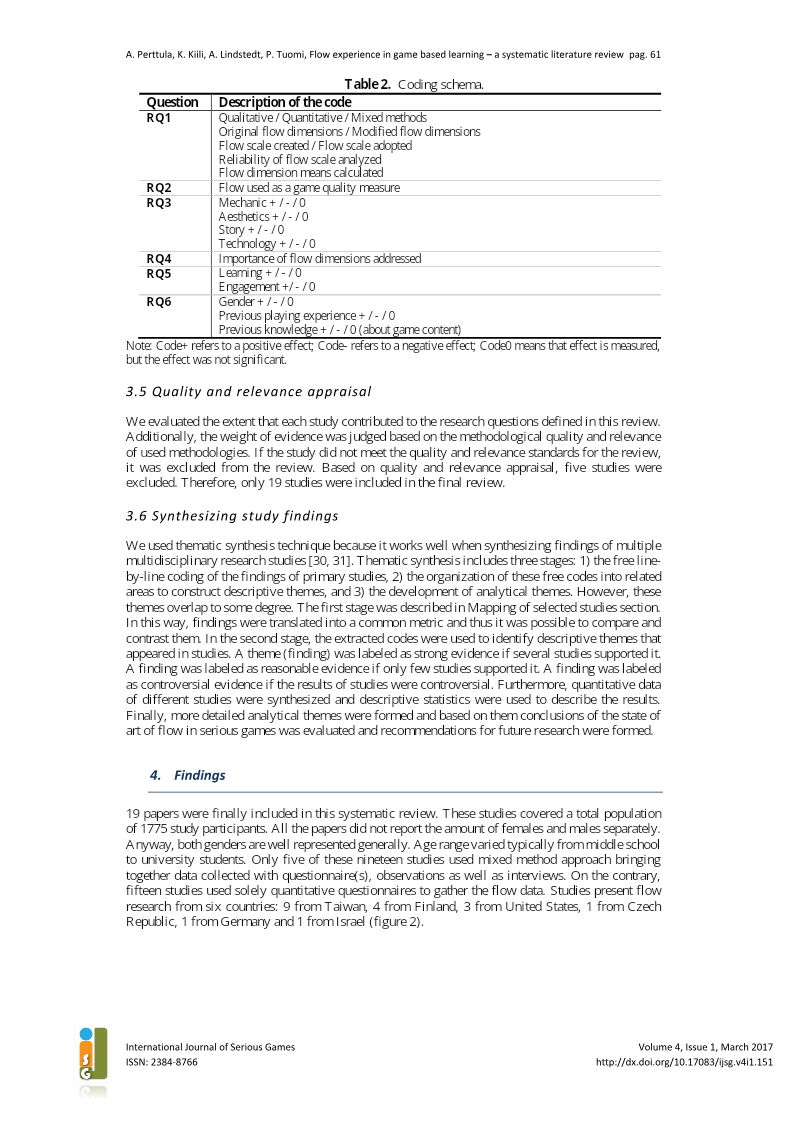
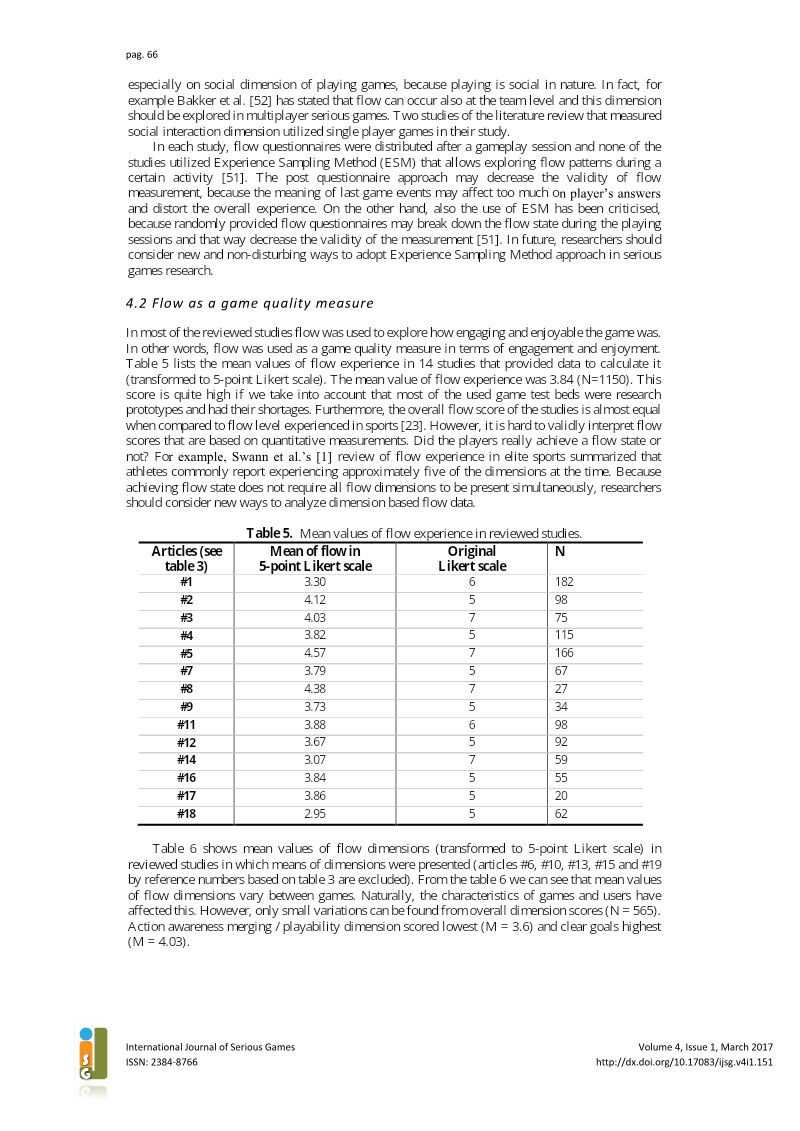
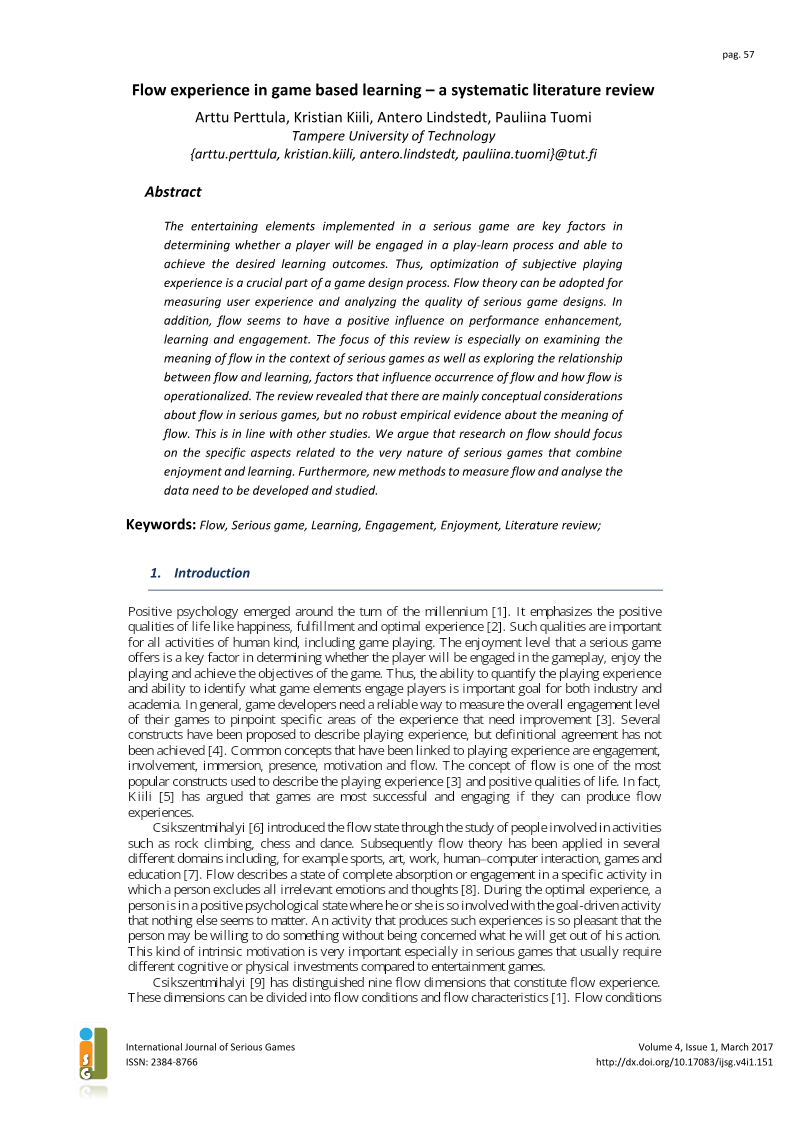
The state of optimal engagement known as flow serves as a critical, yet inconsistently defined, pillar in the design and evaluation of serious games.
- Research on flow in serious games remains largely conceptual, lacking robust empirical evidence to support the definitive impact of flow on learning outcomes.
- A systematic review of 19 studies involving 1,775 participants found that while flow is positively linked to motivation and engagement, its direct causal relationship with learning requires further validation.
- The most frequently measured dimensions of flow in serious games are concentration (89%), challenge-skill balance (83%), time distortion (83%), and sense of control (78%).
Serious Games Are a Serious Tool for Team Research
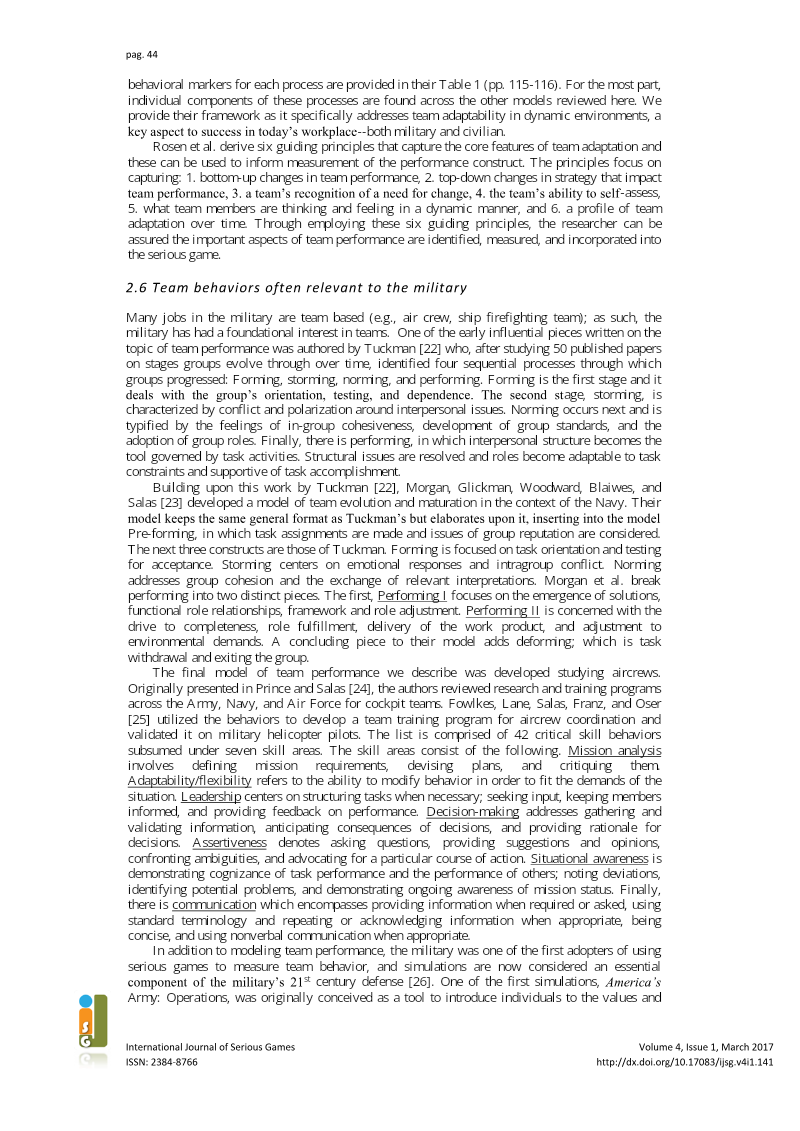
Serious games serve as sophisticated, high-fidelity instruments for analyzing complex team dynamics, offering a reliable alternative to traditional behavioral research methods.
- Serious games provide a robust, valid, and reliable platform for team research by enabling continuous monitoring, automated stimuli presentation, and precise response measurement.
- Modern game engines, such as Unity, have significantly reduced the technical barrier to entry by allowing researchers to create parallel scenarios and manipulate game objects via drag-and-drop interfaces without extensive custom programming.
- Game engines now facilitate automated performance assessment by providing direct access to quantifiable data, such as entity locations and event-based status changes, replacing the need for labor-intensive post-processing of key logs.
Persuasive Gaming: Identifying the Different Types of Persuasion Through Games
This analysis establishes a theoretical framework for understanding how digital games function as persuasive tools, moving beyond simple message delivery to encompass the complex interactions between games, players, and their environments.
- Persuasive gaming should be viewed as a dynamic process of interaction between the game, the player, and the context, rather than as a closed product.
- Exocentric persuasion uses built-in game mechanics and multimodal communication—such as visual, procedural, and narrative cues—to convey specific messages intended to change player attitudes, as demonstrated by the Veevia Cancer Game.
- Endocentric persuasion focuses on player-centric strategies that leverage motivation and engagement to keep users playing, effectively utilizing the 'peripheral route' to persuasion by aligning game mechanics with player needs and personality traits.
Experience, Experiment, Evaluate: A Framework for Assessing Experiential Games
The Experience, Experiment, Evaluate (EEE) framework provides a comprehensive methodology for the design and assessment of experiential educational games.
- The 'Experience, Experiment, Evaluate' (EEE) framework provides a structured pedagogical lens for designing and assessing experiential educational games by mapping game mechanics directly to learning goals.
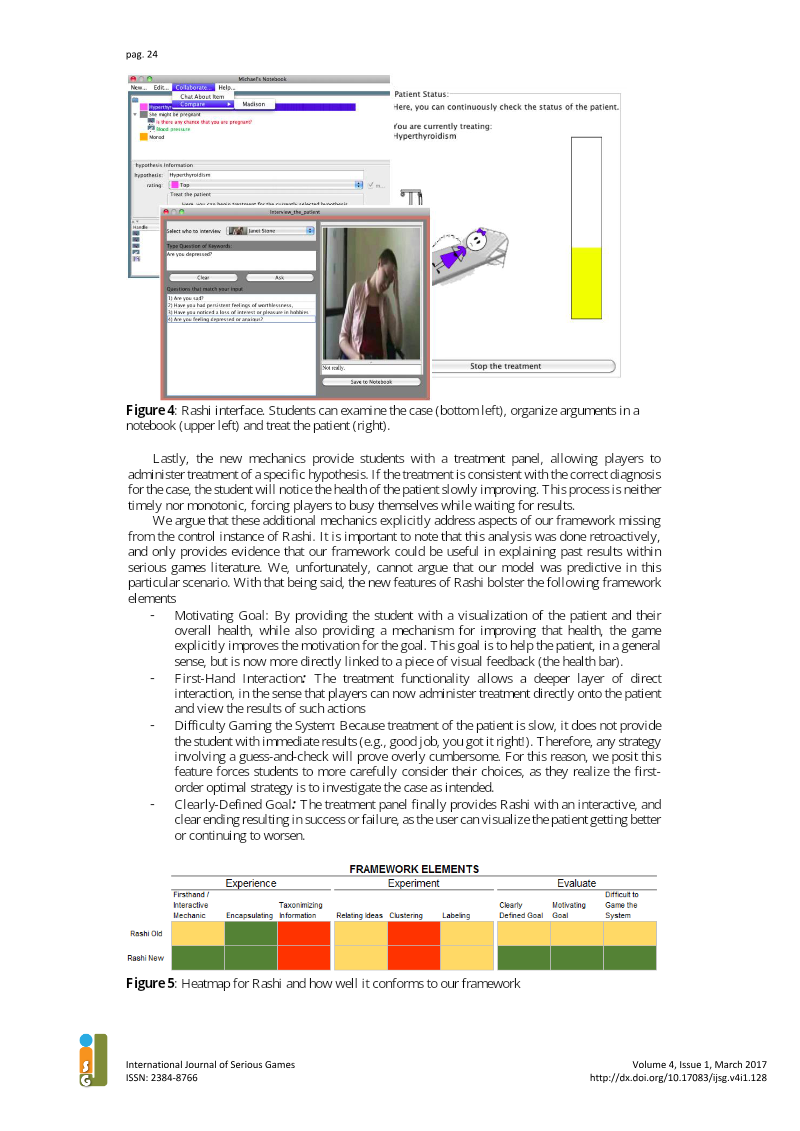
- In the medical diagnosis game 'Rashi,' adding features that aligned more tightly with the EEE framework—such as patient health bars and treatment options—resulted in higher quantity and quality of student responses compared to the control group.
- Data from the 'A Nation Divided' game showed that modules with clearly defined and communicated goals, such as the Underground Railroad and Gettysburg segments, resulted in statistically significant learning gains (p=0.012 and p=0.008, respectively).
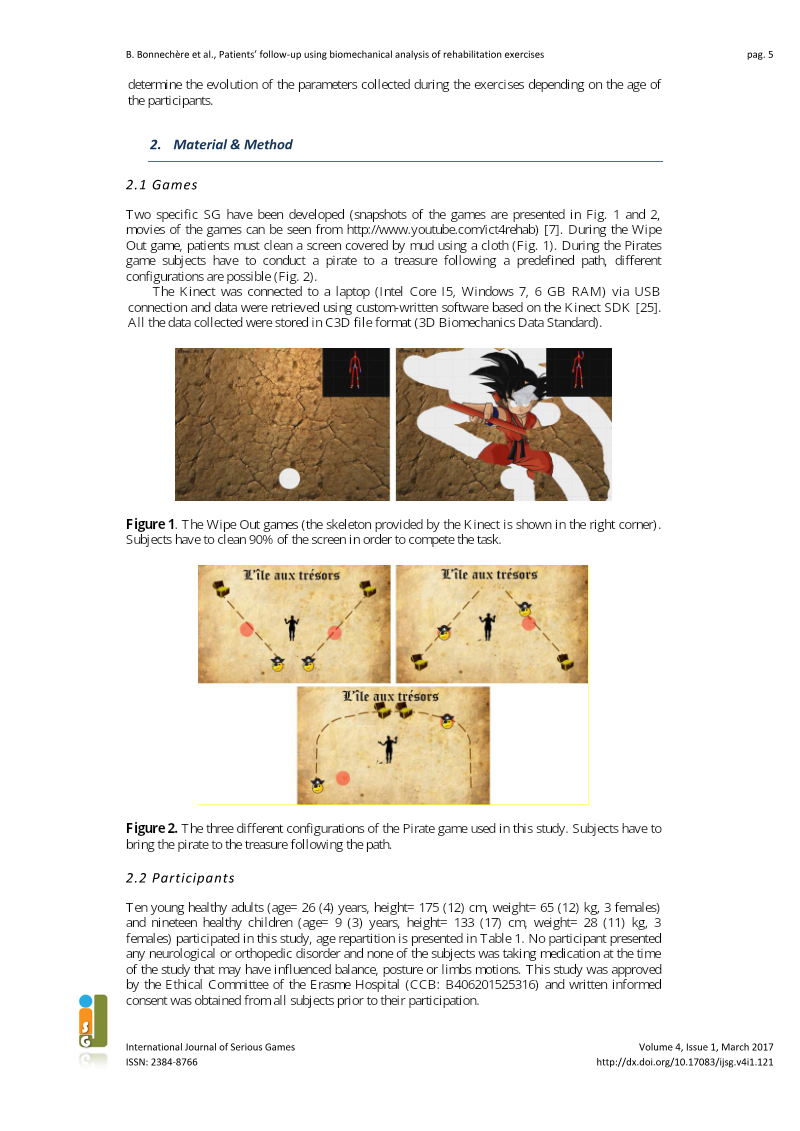
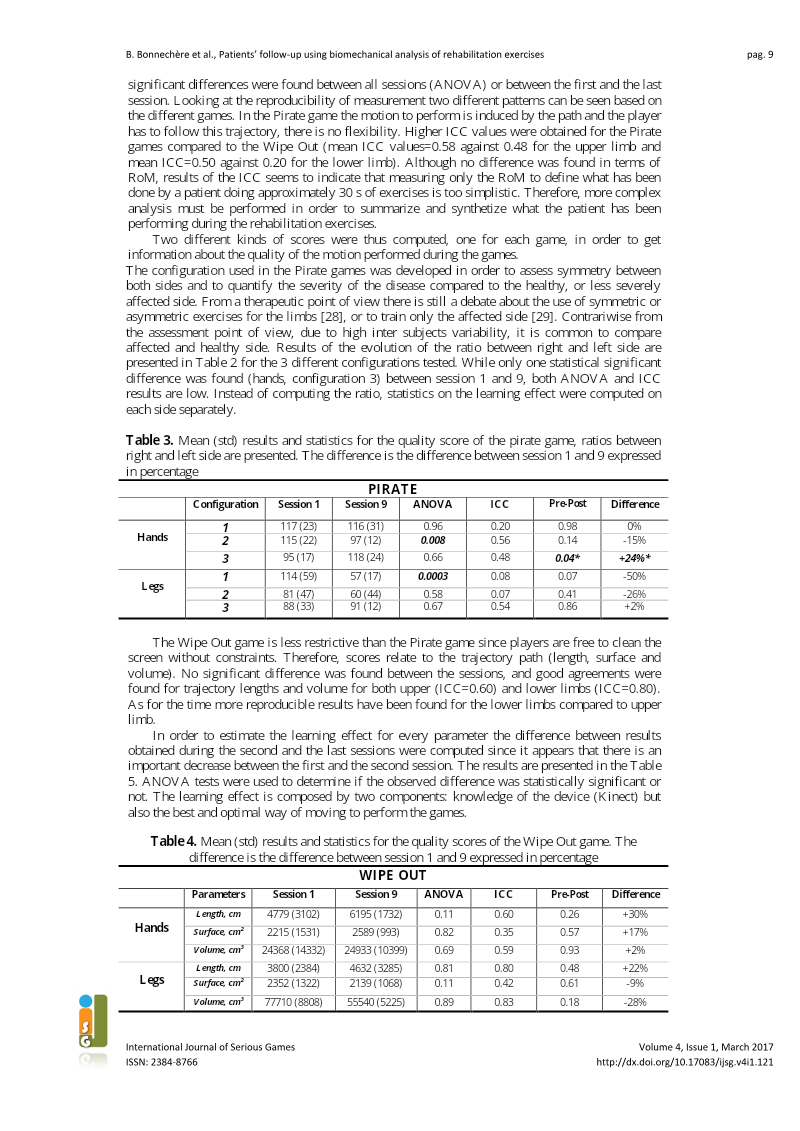
Patients' Follow-up Using Biomechanical Analysis of Rehabilitation Exercises
Serious games utilizing Microsoft Xbox Kinect technology offer a viable, cost-effective framework for monitoring patient progress during physical rehabilitation.
- Microsoft Xbox Kinect technology provides a cost-effective, reliable alternative to high-cost motion capture systems for tracking patient rehabilitation progress.
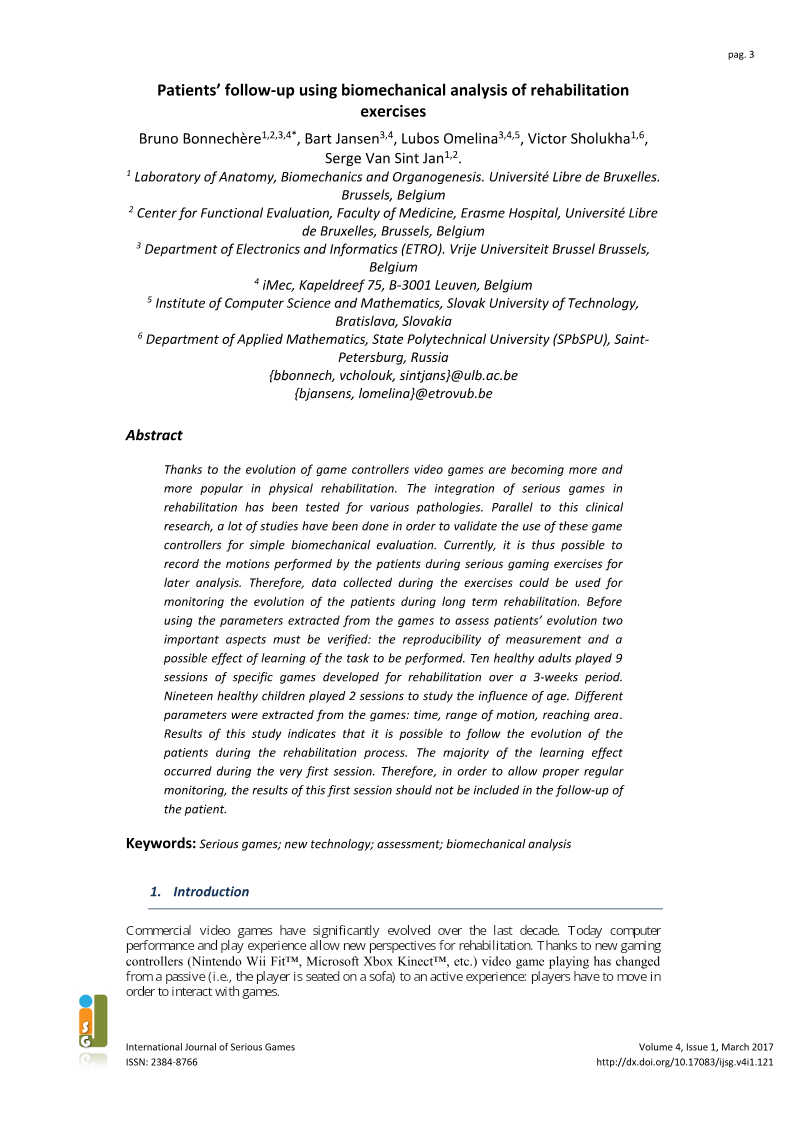
- Rehabilitation monitoring must prioritize complex, quality-based scoring systems over simple spatial displacement metrics to accurately capture the nuances of movement execution.
- Patients demonstrate a measurable 10% average reduction in task completion time across sessions, indicating improved efficiency despite stable range-of-motion metrics.
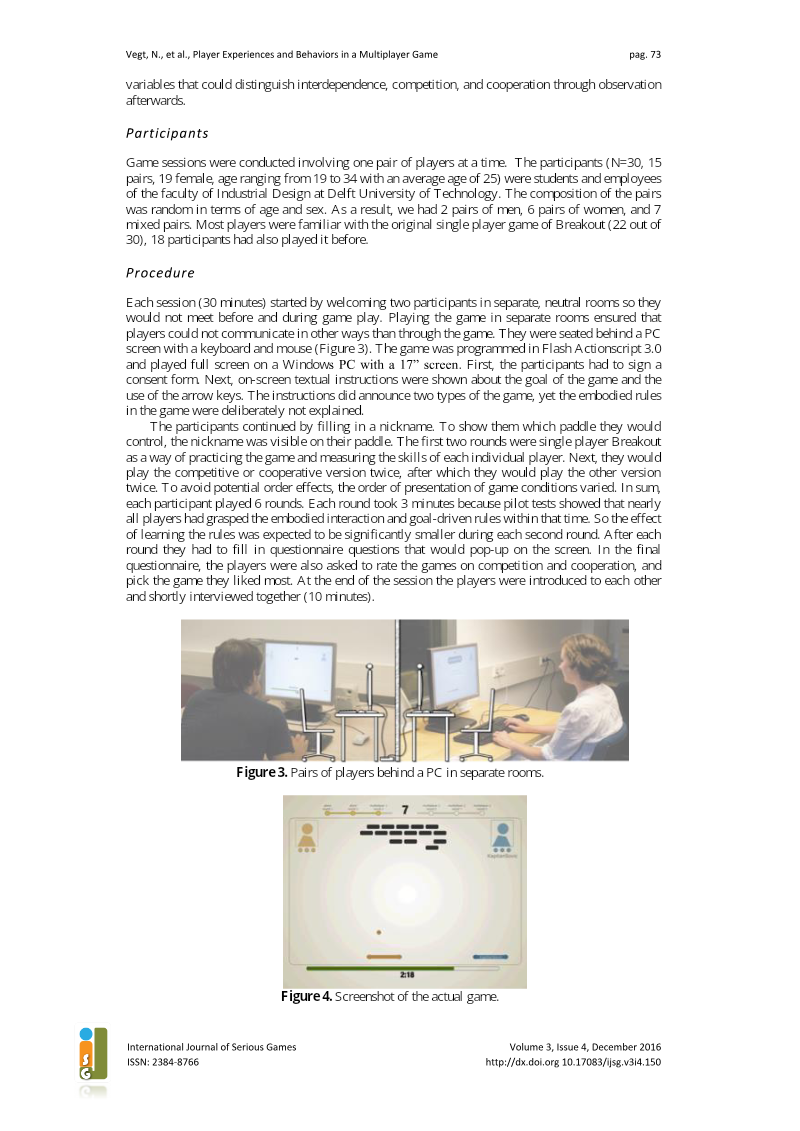
Player Experiences and Behaviors in a Multiplayer Game: Designing Game Rules to Change Interdependent Behavior
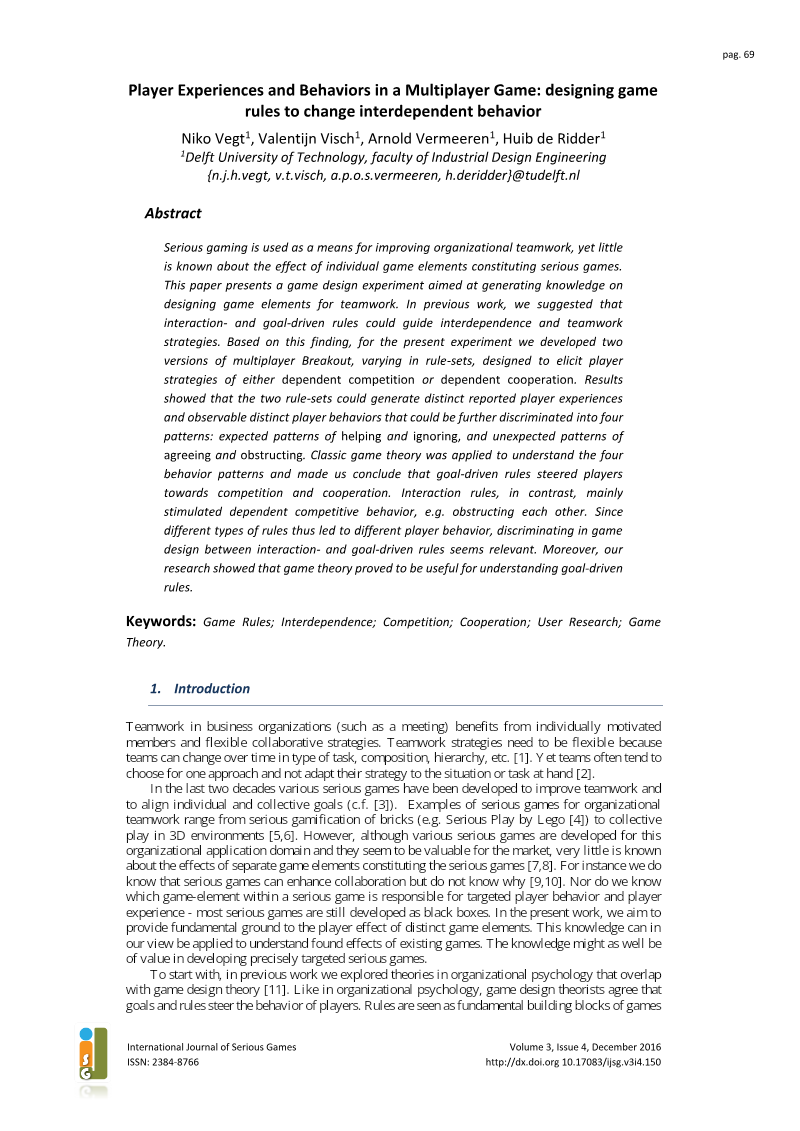
Game design strategies significantly influence player behavior and social dynamics through the deliberate manipulation of goal-driven and interaction-based rules.
- Goal-driven rules and interaction rules function as distinct design levers: goal-driven rules steer players toward competition or cooperation, while interaction rules primarily stimulate competitive behaviors like obstruction.
- Players reported significantly higher feelings of interdependence in cooperative game variants (M=3.99) compared to competitive ones (M=3.45), with obstruction reported as significantly higher in competitive settings (M=4.02 vs M=2.79).
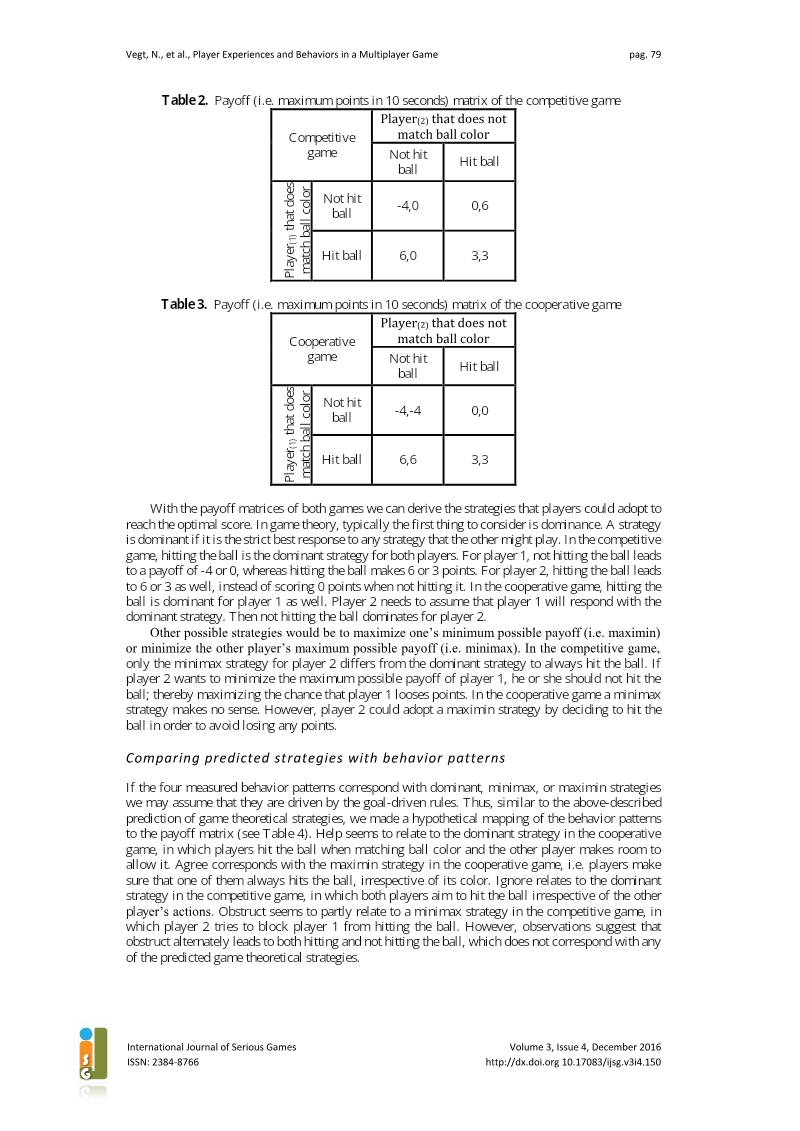
- Player behavior can be categorized into four distinct patterns: helping, ignoring, agreeing, and obstructing, which can be effectively mapped to classic game theory strategies like dominant, maximin, and minimax.
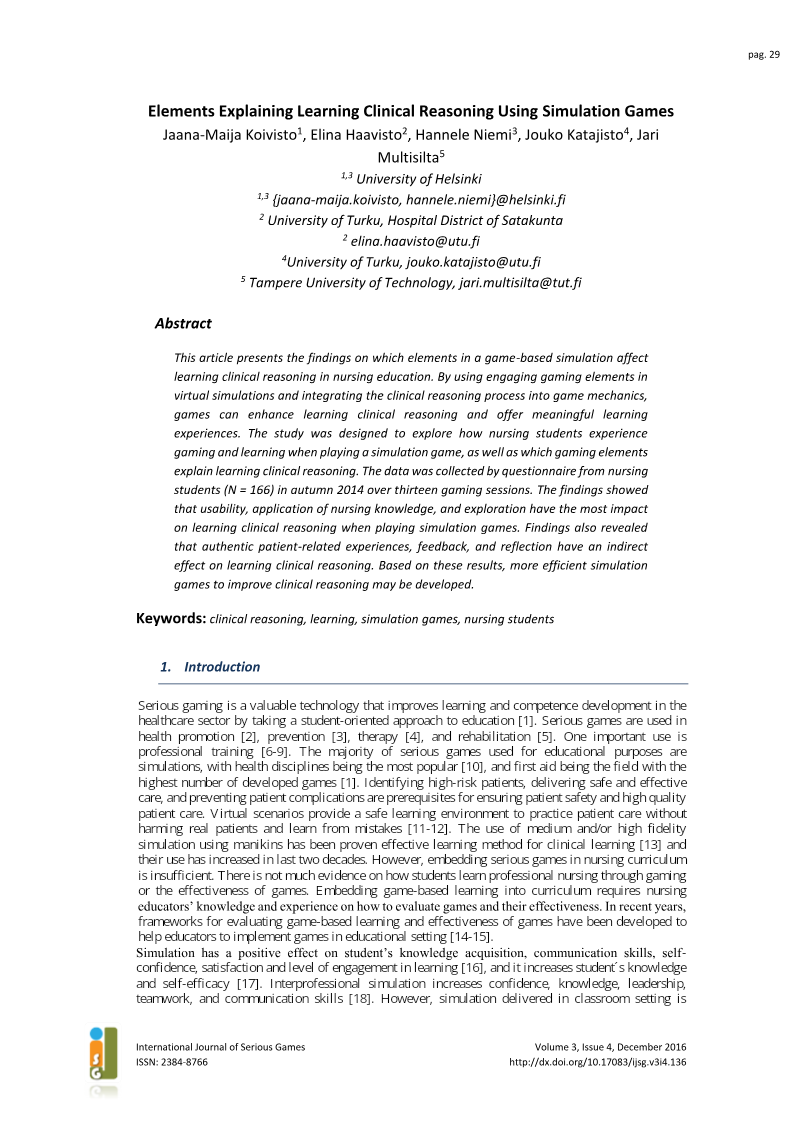
Elements Explaining Learning Clinical Reasoning Using Simulation Games
Simulation games serve as a transformative pedagogical tool in nursing education, specifically designed to bridge the gap between theoretical knowledge and practical clinical reasoning.
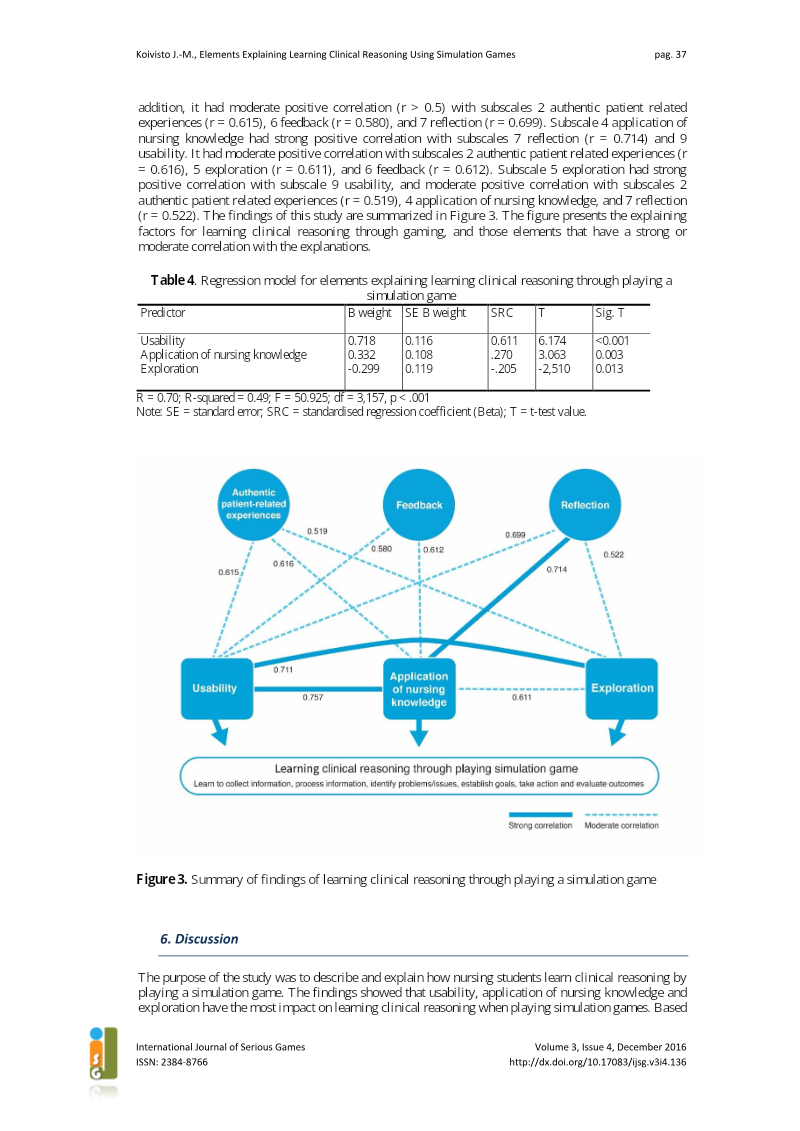
- Usability, the application of nursing knowledge, and exploration are the primary drivers of clinical reasoning development in nursing simulation games.
- A regression model (R-squared = 0.49) confirms that usability, application of nursing knowledge, and exploration are statistically significant predictors of learning outcomes for nursing students.
- Authentic patient-related experiences, feedback, and reflection provide important indirect support for clinical reasoning, showing strong to moderate correlations with the primary drivers.
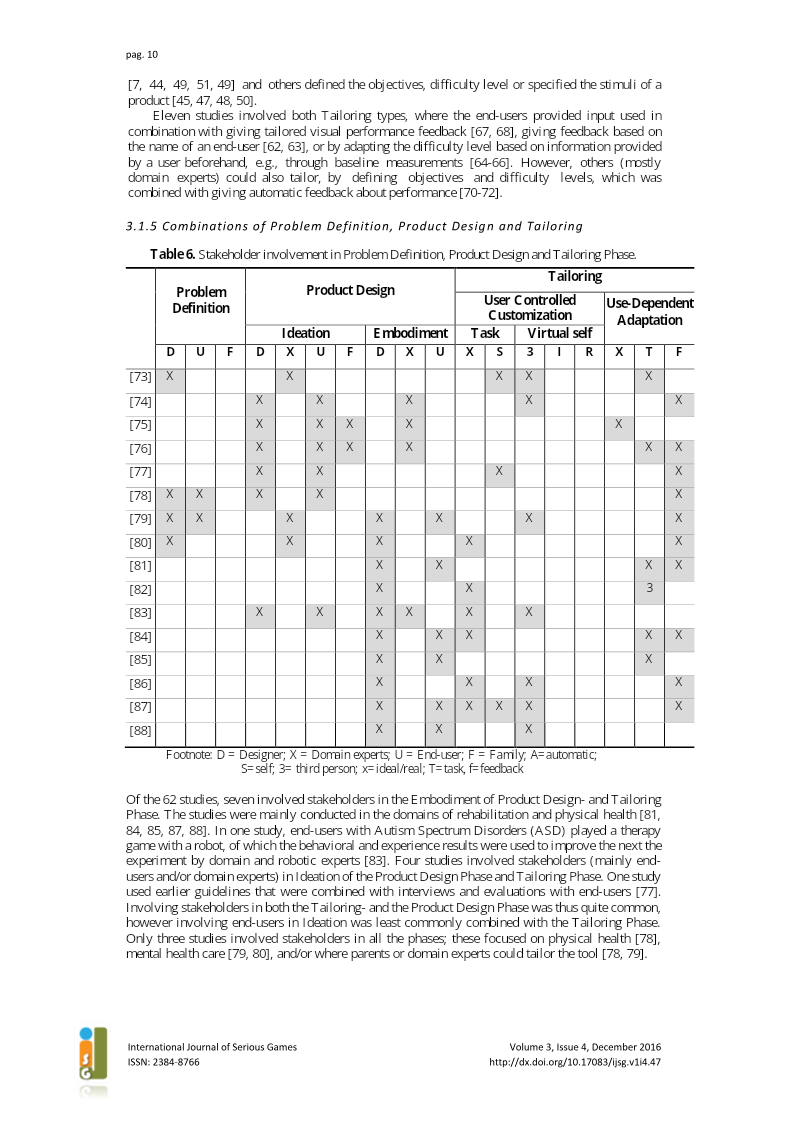
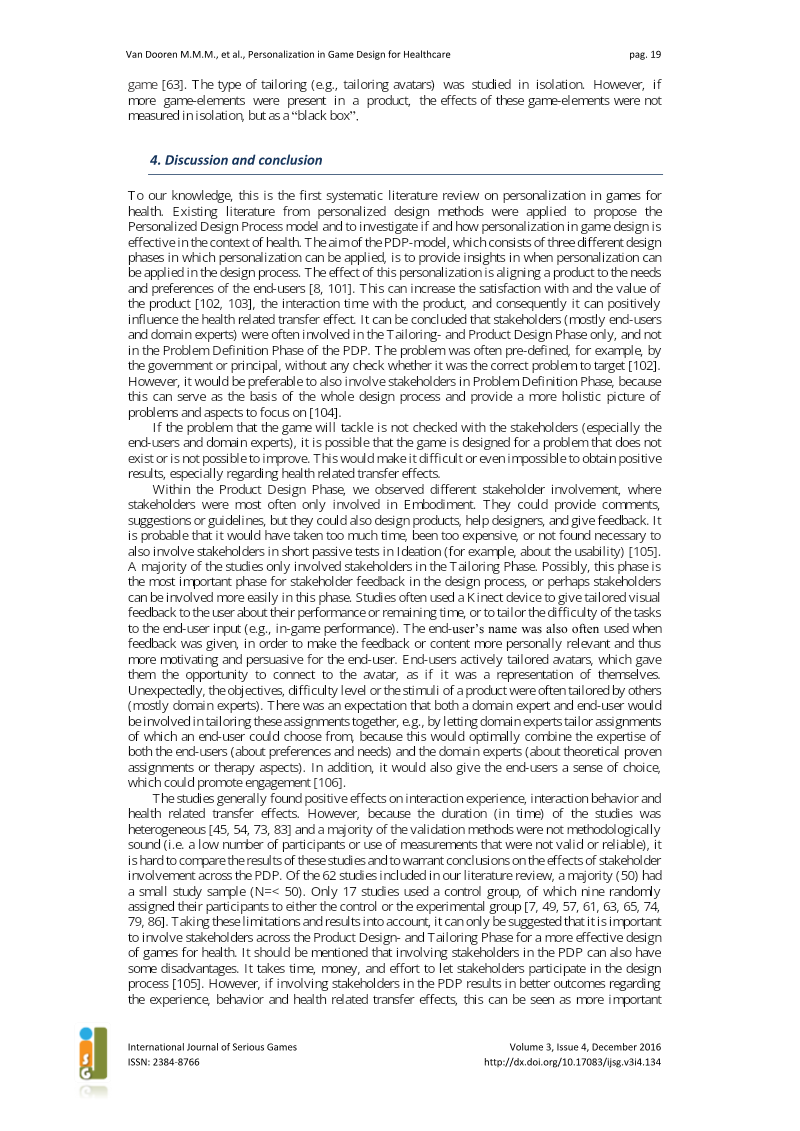
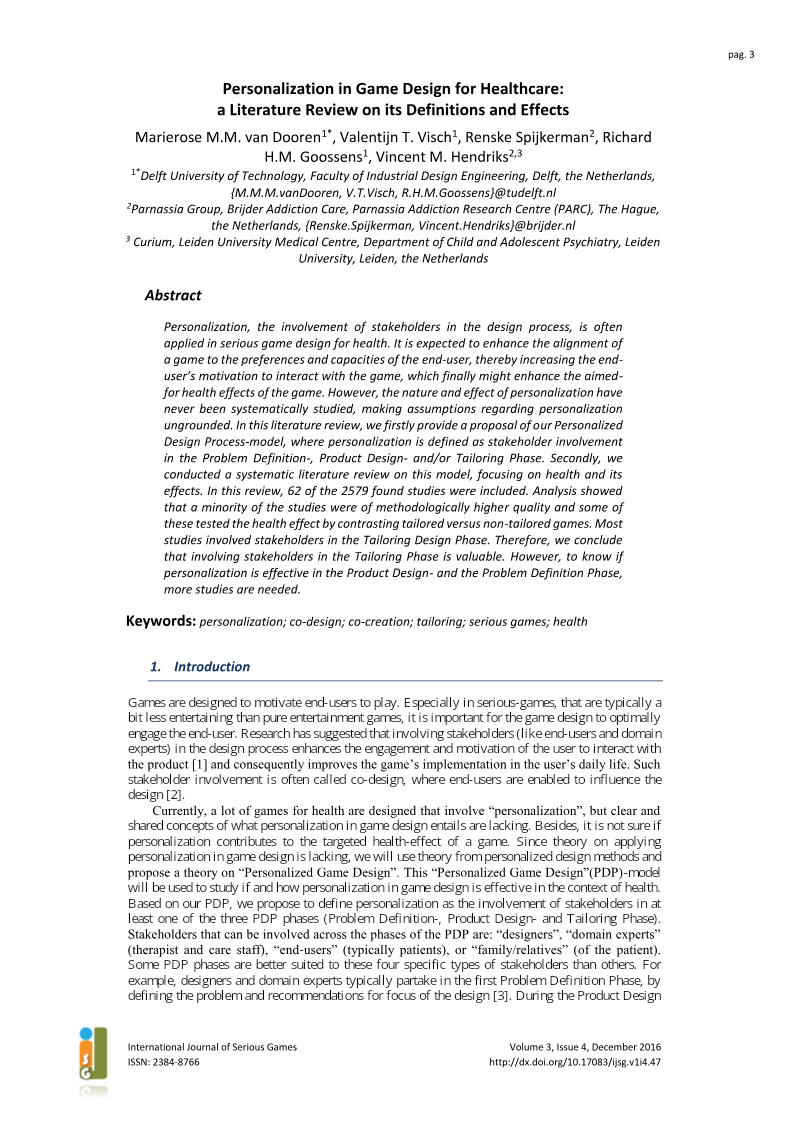
Personalization in Game Design for Healthcare: A Literature Review on its Definitions and Effects
The Personalized Design Process model serves as a framework for integrating stakeholder involvement into the development of healthcare games, categorizing the lifecycle into three distinct phases: problem definition, product design, and tailoring.
- Personalization in serious games is defined as the active involvement of stakeholders—such as end-users, family, or domain experts—during the Problem Definition, Product Design, and/or Tailoring phases of development.
- A systematic review of 2,579 studies identified only 62 that met the criteria for stakeholder-involved personalization, indicating that the field lacks a standardized, evidence-based approach.
- Studies involving stakeholders in the Product Design phase frequently exhibit low methodological quality, though they report positive outcomes such as improved health knowledge, increased social interaction, and better feasibility.
Understanding the Role of Achievements in Game-Based Learning
The integration of achievement systems within serious games serves as a critical mechanism for enhancing educational outcomes and player engagement.
- Achievements are most effective when used in combination; while individual achievement types showed limited impact, a strategy combining expected, incremental, and after-play notifications produced the most measurable changes in behavior.
- Expected achievements—where players are informed of goals and requirements upfront—significantly increased player effort and performance compared to control groups, particularly in early gameplay stages.
- Unexpected achievements, while intended to encourage experimentation, failed to outperform control groups and resulted in lower overall effort compared to expected achievements.
Digital Games and Learning Mathematics: Student, Teacher and Parent Perspectives: Malaysia
Digital game-based learning in Malaysian secondary mathematics education faces a significant implementation barrier rooted in a generational divide between students and their adult stakeholders.
- A significant generational divide exists in Malaysian secondary mathematics education, where students are highly motivated by digital game-based learning while teachers and parents remain skeptical of its academic efficacy.
- Adult stakeholders prioritize traditional, lecture-based, and interpersonal teaching methods, frequently dismissing digital gaming tools as distractions rather than legitimate educational assets.
- The implementation of digital learning is hindered by a mutual lack of technical proficiency among educators and parents, leading to a persistent reliance on conventional, passive instruction.
Simulation and Character Ownership in Secondary Dramatic Literature Education
This case study by Josh T. Jordan examines whether role-playing and simulation techniques can improve high school students' mastery of theme and dramatic structure in Arthur Miller's The Crucible.
- The study tested three simulation techniques in a Texas high school junior American Literature unit on Arthur Miller's The Crucible: consistent character assignment with aloud reading, student choice of a character's next action, and substitution of students' names for character names during plot discussion.
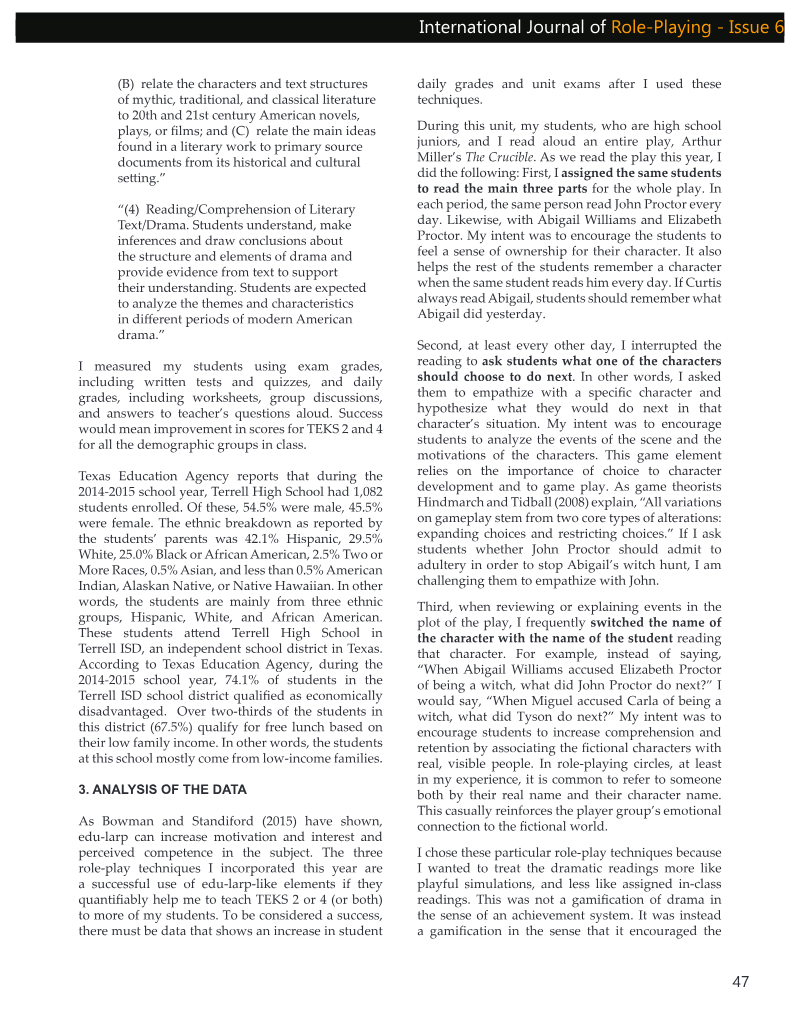
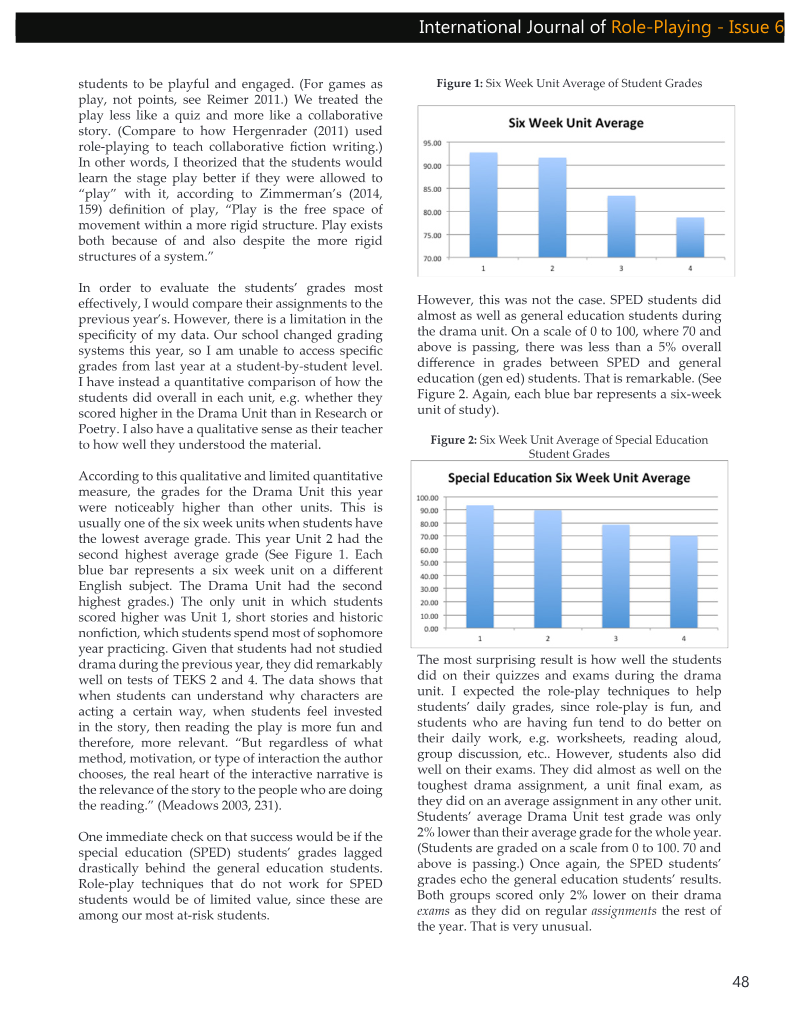
- Grades during the drama unit were measurably higher than in the teacher's other six-week units, and special education students scored within about five percentage points of general education students.
- Students' average drama unit test score was only about 2 points below their yearly average, a pattern the author describes as unusual.
Scaffolding Role-Playing: An Analysis of Interactions with Non Role-players of All Ages
This paper examines a series of scaffolded live action role-playing (larp) activities, specifically a form of educational larp called edu-larp, used within a STEAM summer program for indigenous youth in Seattle.
- The study is a design-based research project on scaffolded edu-larp (educational live action role-play) within a STEAM summer program for indigenous youth in Seattle, aiming to deepen respectful, reciprocal relationships with lands, waters, and communities by taking up the perspectives of plants, animals, and other more-than-human actors.
- Its core argument is that dominant Western divisions between nature and culture weaken both environmental and educational engagement, and that role-play can help dissolve those boundaries.
- Analysis of video from a five-activity larp series (finale analyzed in depth) with 31 youth aged 4 to 16, plus staff and family members from the local urban native community, found that children took up multiple perspectives on local plant and animal systems and role-played their relationships with nuance.