More on Game Design
View all
Whitepaper
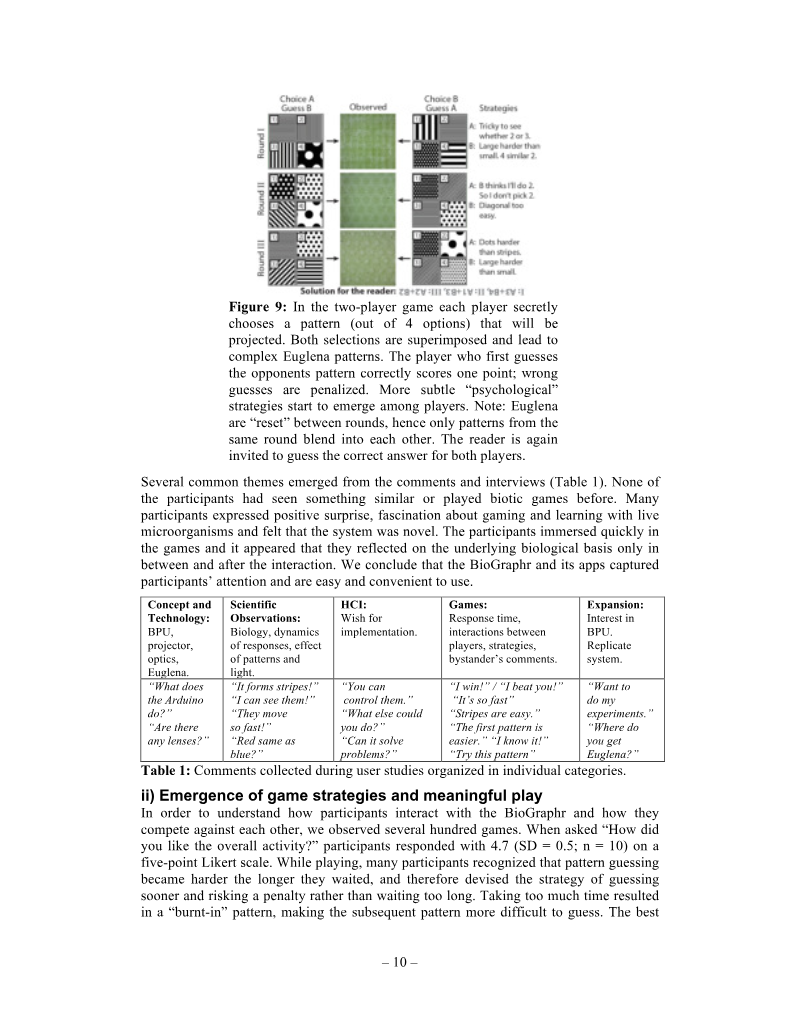
BioGraphr: Science Games on a Biotic Computer
DiGRA · 2016
Whitepaper
The Integration of the Computer-Mediated Ludic Experience in Multisensory Environments
DiGRA · 2009
Whitepaper
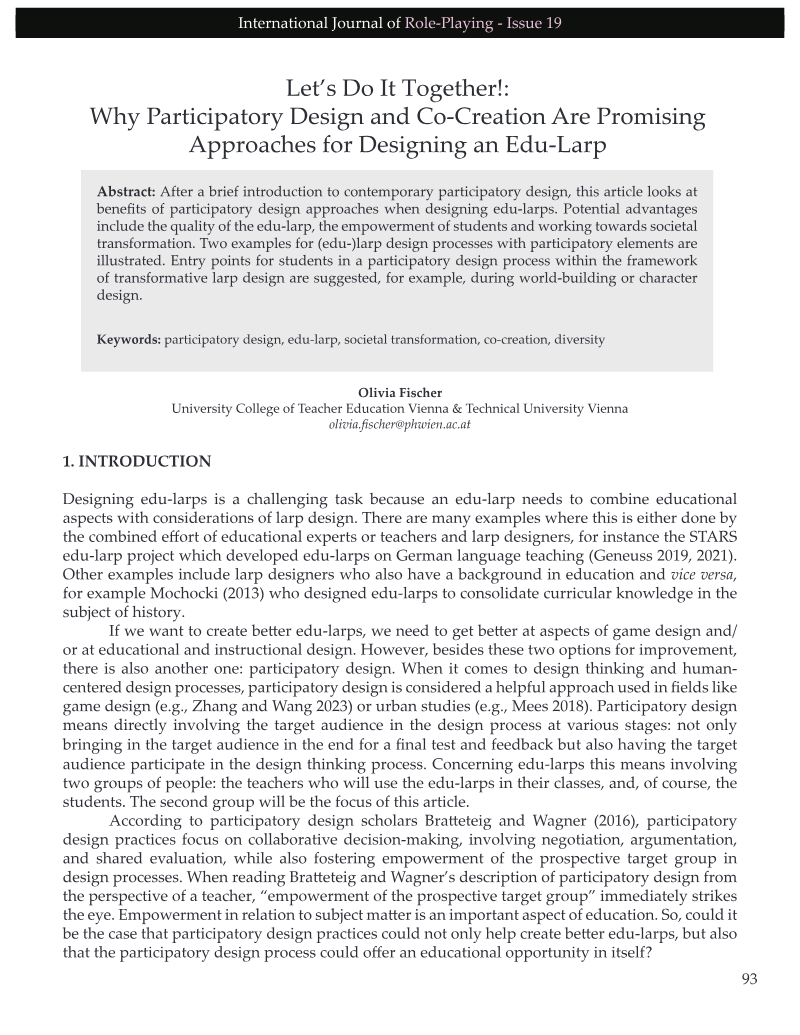
Let's Do It Together!: Why Participatory Design and Co-Creation Are Promising Approaches for Designing an Edu-Larp
International Journal of Role-Playing · 2026



Whitepaper
Transformative Play for Building Resilience to Misinformation
International Journal of Role-Playing · 2026
Whitepaper
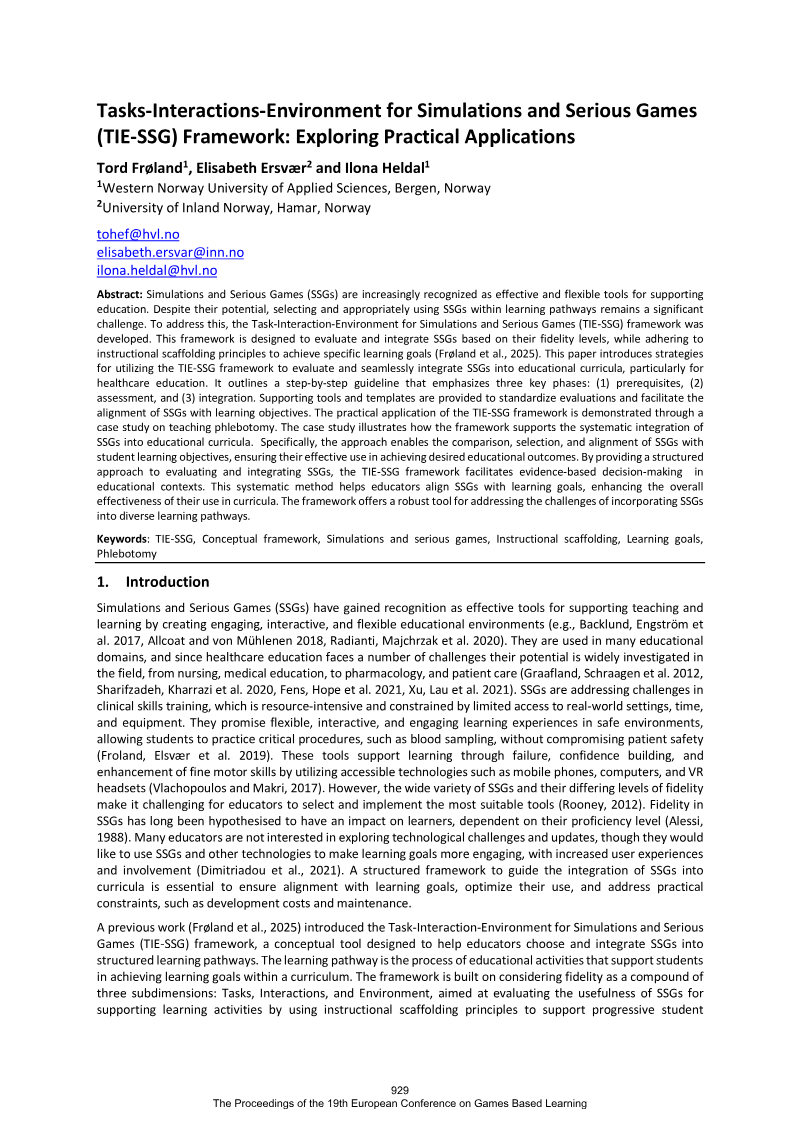
Tasks-Interactions-Environment for Simulations and Serious Games (TIE-SSG) Framework: Exploring Practical Applications
Western Norway University of Applied Sciences · 2025
Whitepaper
Phygital Game-Based Learning in Early Childhood Education: An Exploratory Review
European Conference on Games Based Learning (ECGBL) · 2025
Whitepaper
Serious Games for Education and Training in the Humanitarian Sector: State of the Art
Cologne Game Lab · 2024
Report
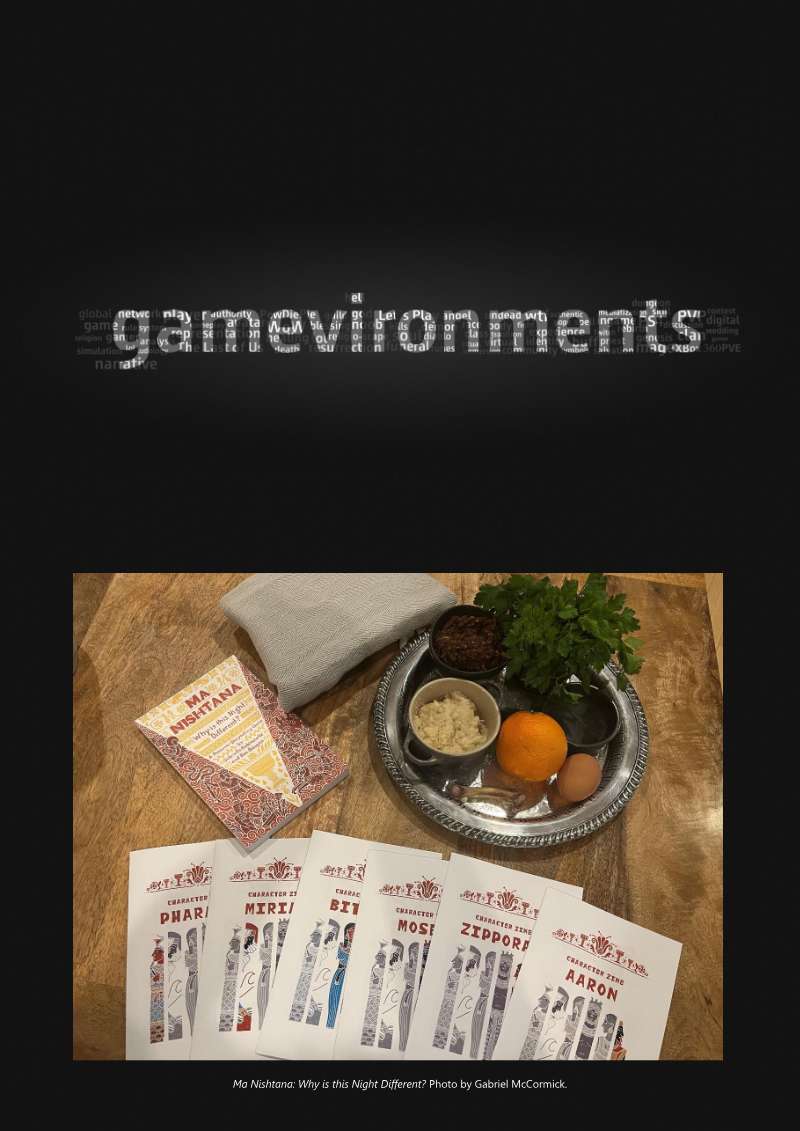
Teaching with Games: Formative Gaming in Religion, Philosophy and Ethics
gamevironments · 2023
Whitepaper
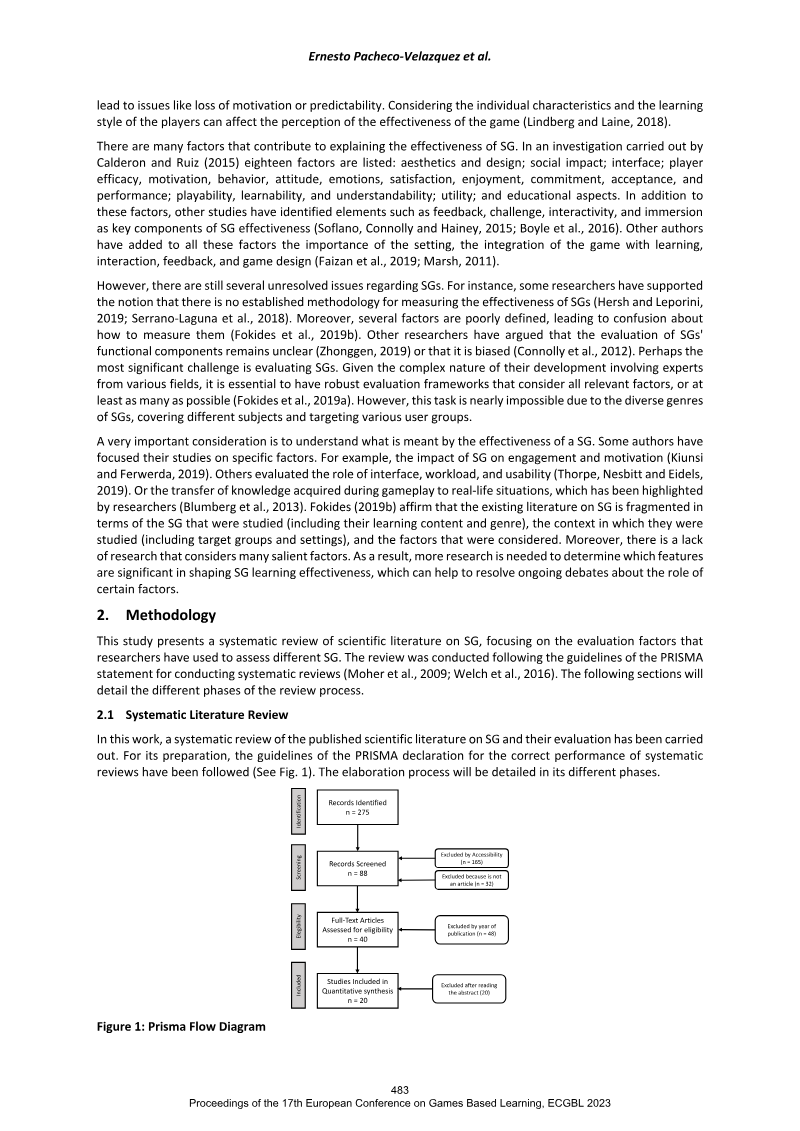
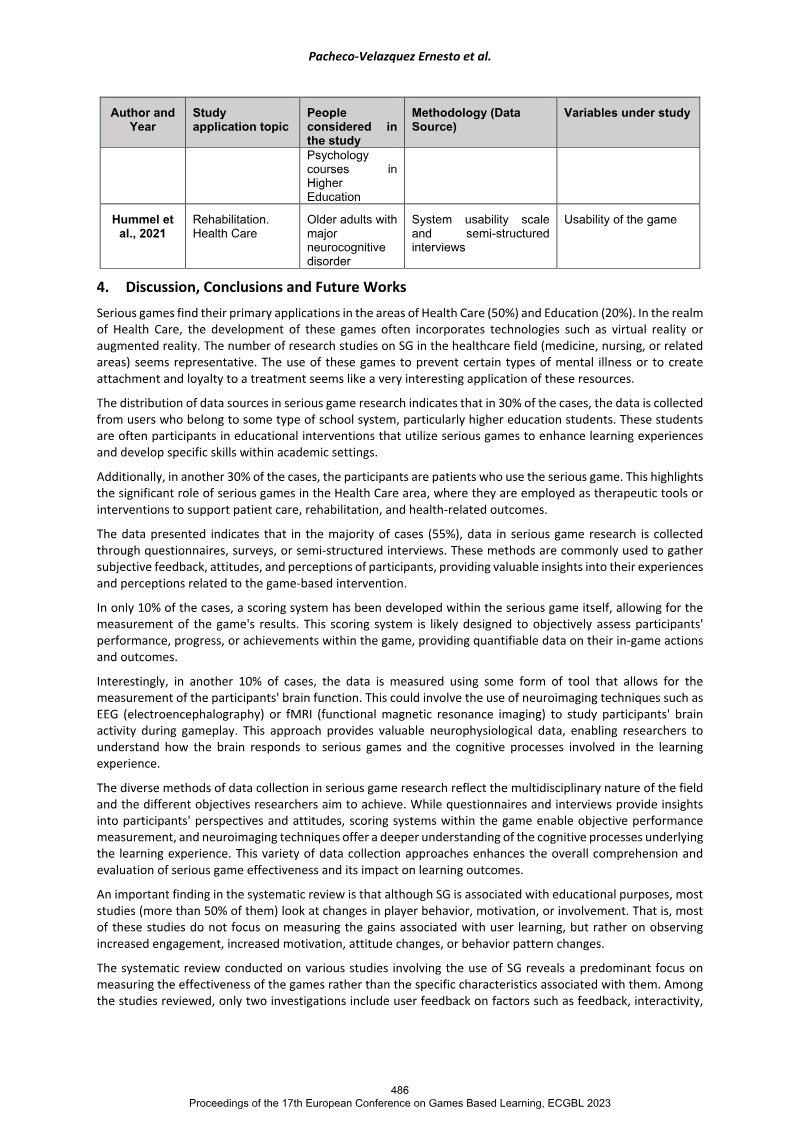
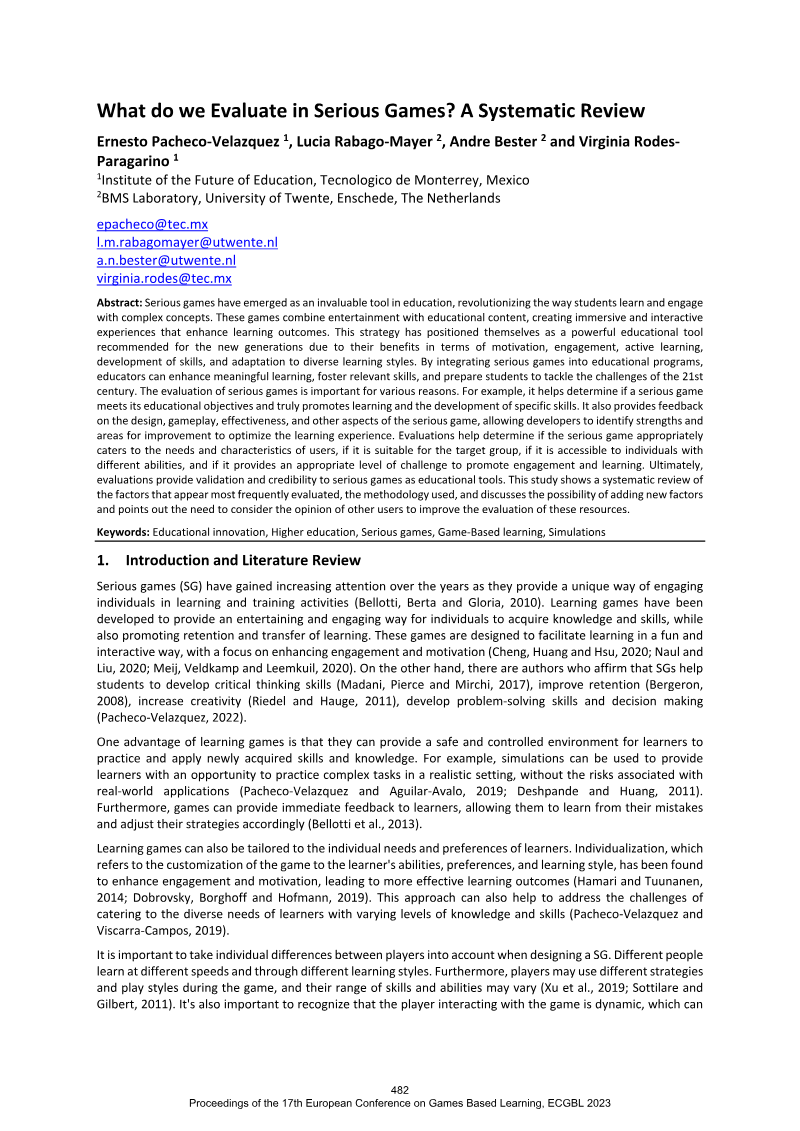
What do we Evaluate in Serious Games? A Systematic Review
European Conference on Games Based Learning (ECGBL) · 2023
Whitepaper
Researching Game-Based Learning: A Brief Synthesis Project
University of British Columbia · 2023

Whitepaper
Games for Change Asia-Pacific Journal: Volume 2
ETC Press · 2023

Whitepaper
Playing with Fake News: State of Fake News Video Games
International Journal of Games and Social Impact · 2022