1 free read left. Create a free account for unlimited reading + AI research.
Create free accountWhitepaper International Journal of Serious Games
1 free read left. Create a free account for unlimited reading + AI research.
Create free accountWhitepaperInternational Journal of Serious Games
These games allow nursing students to make complex decisions in a controlled, risk-free environment. The goal is to foster critical thinking and prepare students for real-world patient care.
Bridging the gap. Simulation games help nursing students apply theoretical knowledge to practical clinical reasoning.
Simulation games serve as a transformative pedagogical tool in nursing education, specifically designed to bridge the gap between theoretical knowledge and practical clinical reasoning. By utilizing platforms like the CareMe simulation, nursing students can engage in complex decision-making processes within a controlled, risk-free environment. The primary objective of these digital interventions is to foster critical thinking and professional development, ensuring that students are better prepared for the multifaceted demands of real-world patient care.
The effectiveness of these simulations hinges on three core pillars: usability, the application of nursing knowledge, and the capacity for exploration. While elements such as authentic patient scenarios, immediate feedback, and structured reflection are vital for creating an immersive experience, they function primarily as indirect contributors to learning outcomes. Data indicates that when developers prioritize intuitive user interfaces and allow students to actively test hypotheses through exploration, the resulting gains in clinical reasoning are significantly more pronounced. These findings suggest that the most successful educational games are those that embed systematic clinical reasoning processes directly into the core mechanics of the software.
Integrating these simulation tools into formal nursing curricula is essential for modernizing clinical training. By providing a platform where students can safely apply theoretical concepts and learn from their mistakes, these games facilitate a deeper understanding of patient care. To maximize educational impact, future development should focus on refining these key drivers, ensuring that digital tools remain both accessible and pedagogically rigorous. Ultimately, the systematic application of these design principles supports the cultivation of highly competent nursing professionals capable of navigating complex clinical environments with confidence and precision.
International Journal of Serious Games · 2023
International Journal of Serious Games · 2022
International Journal of Serious Games · 2020
International Journal of Serious Games · 2020
International Journal of Serious Games · 2020



International Journal of Serious Games · 2020
International Journal of Serious Games · 2020
International Journal of Serious Games · 2020
International Journal of Serious Games · 2020
International Journal of Serious Games · 2020
International Journal of Serious Games · 2020
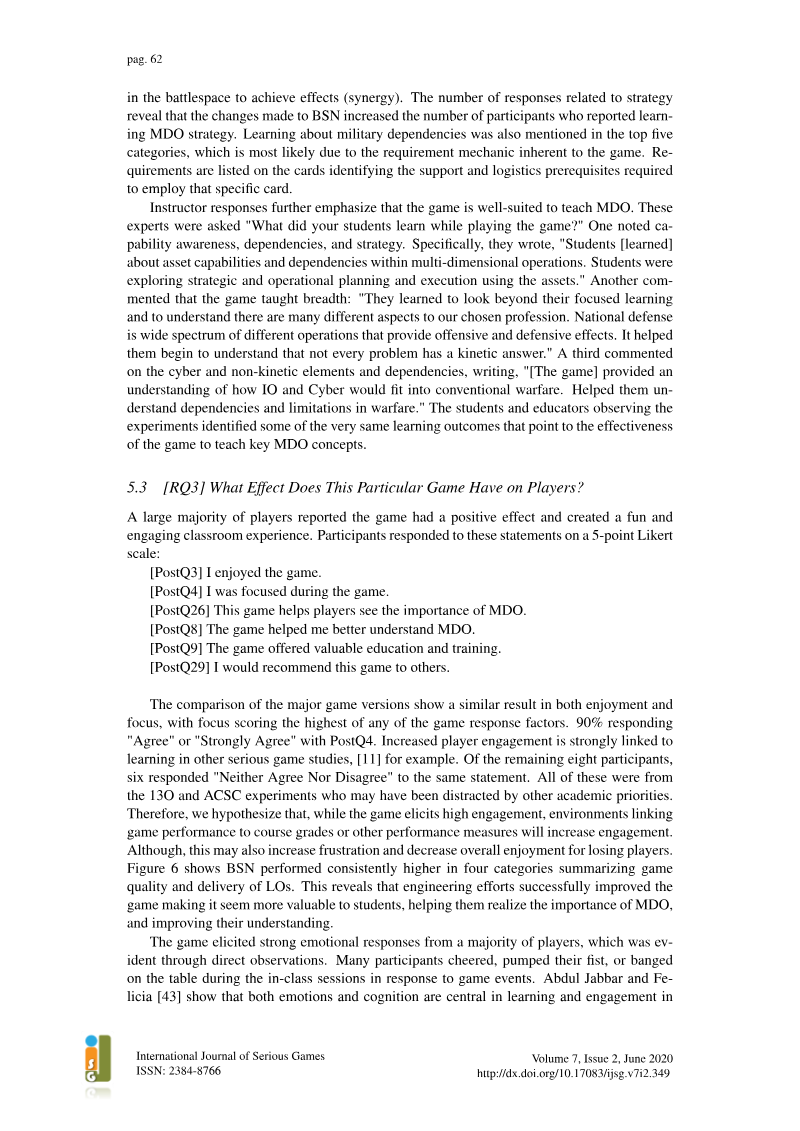
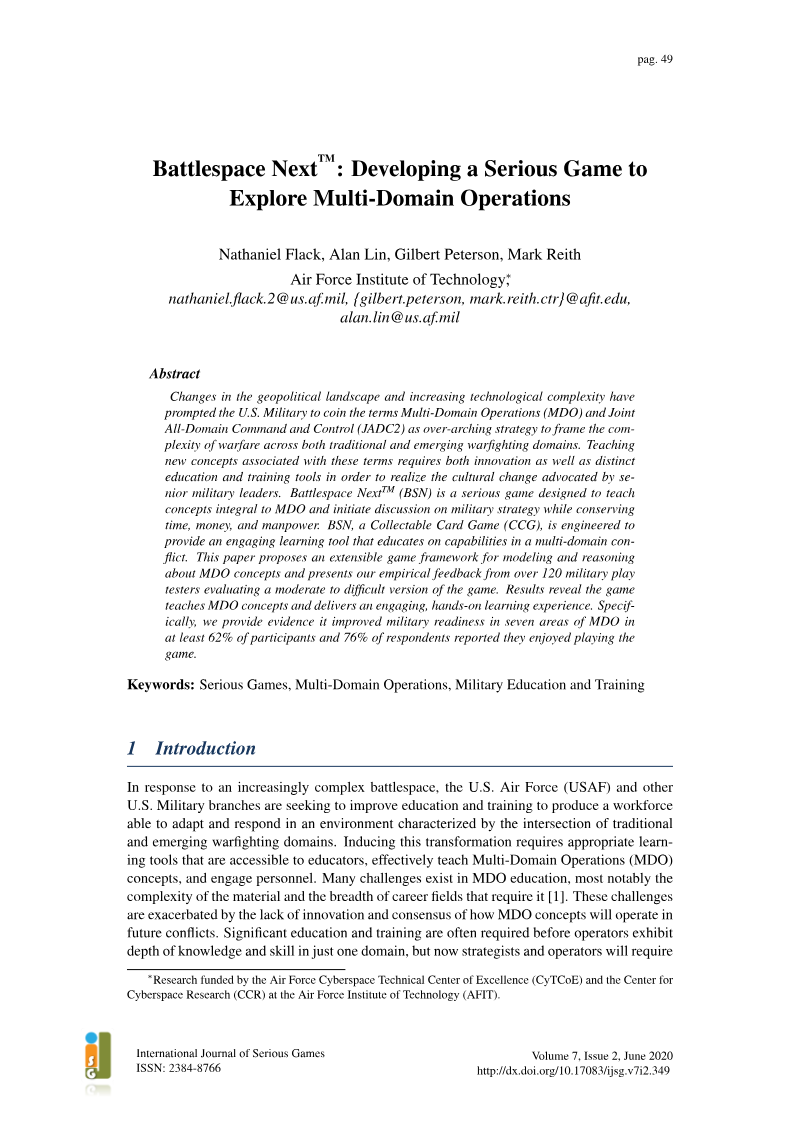
Air Force Institute of Technology · 2020
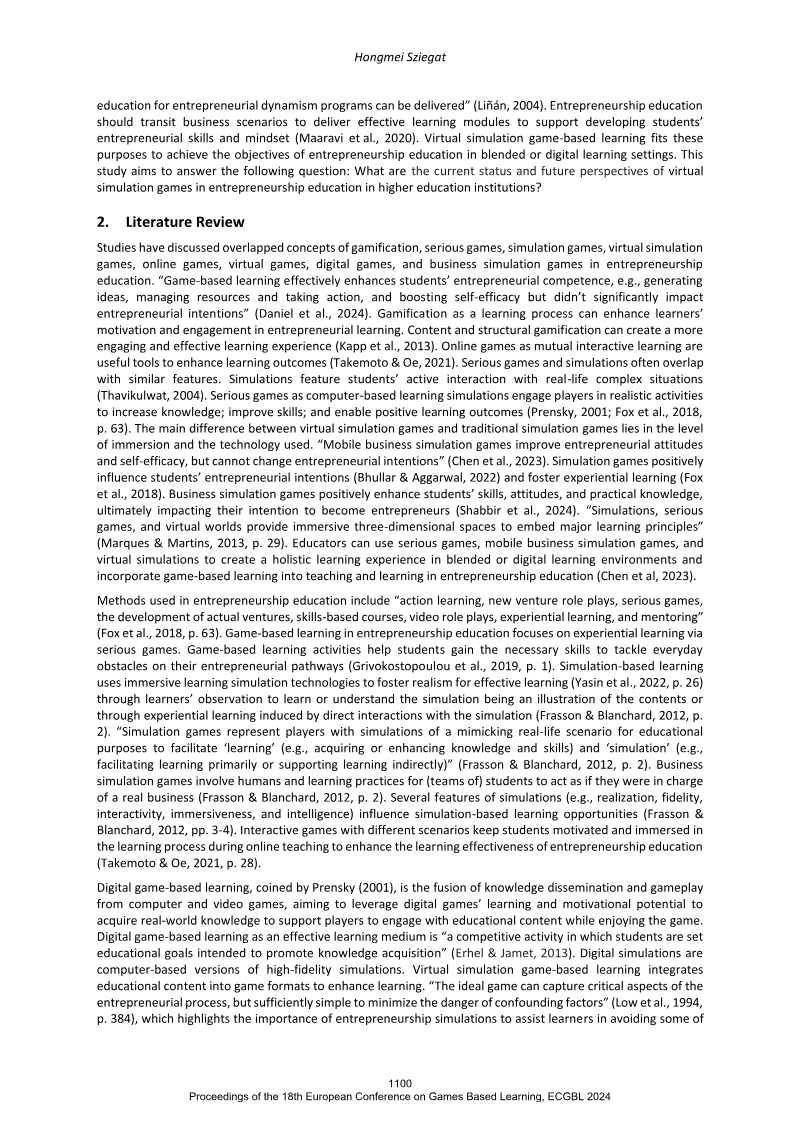
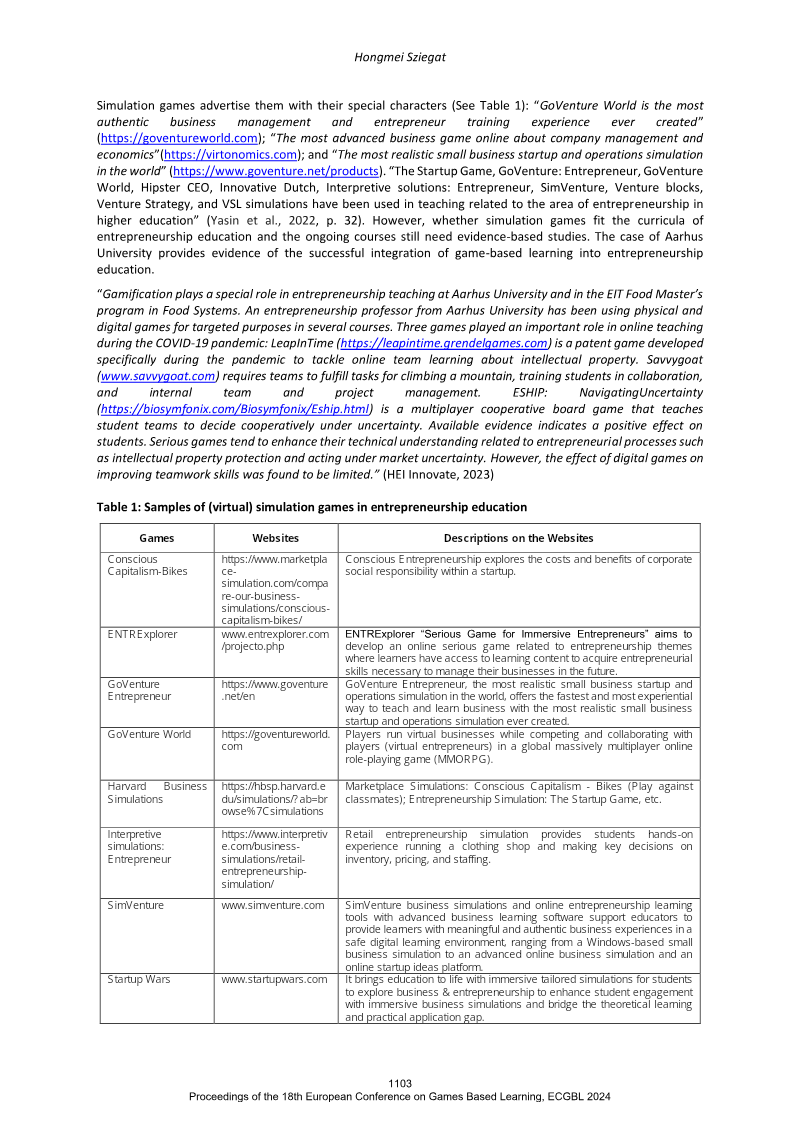
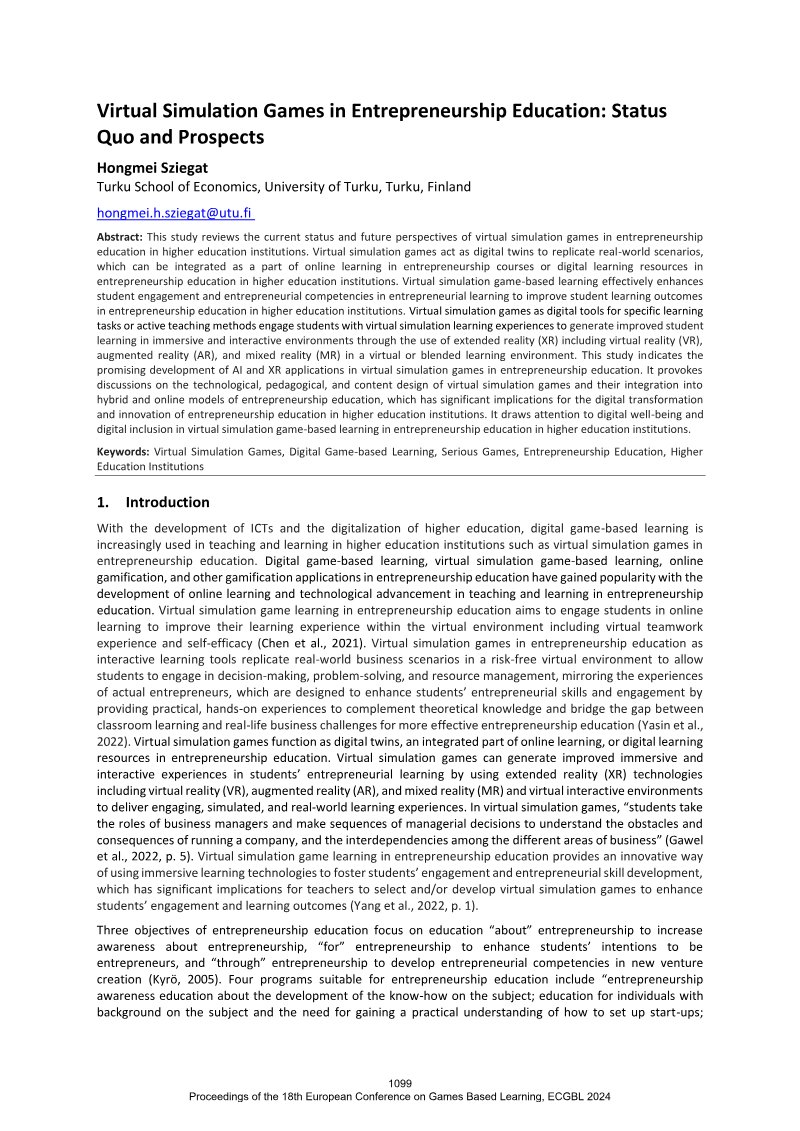
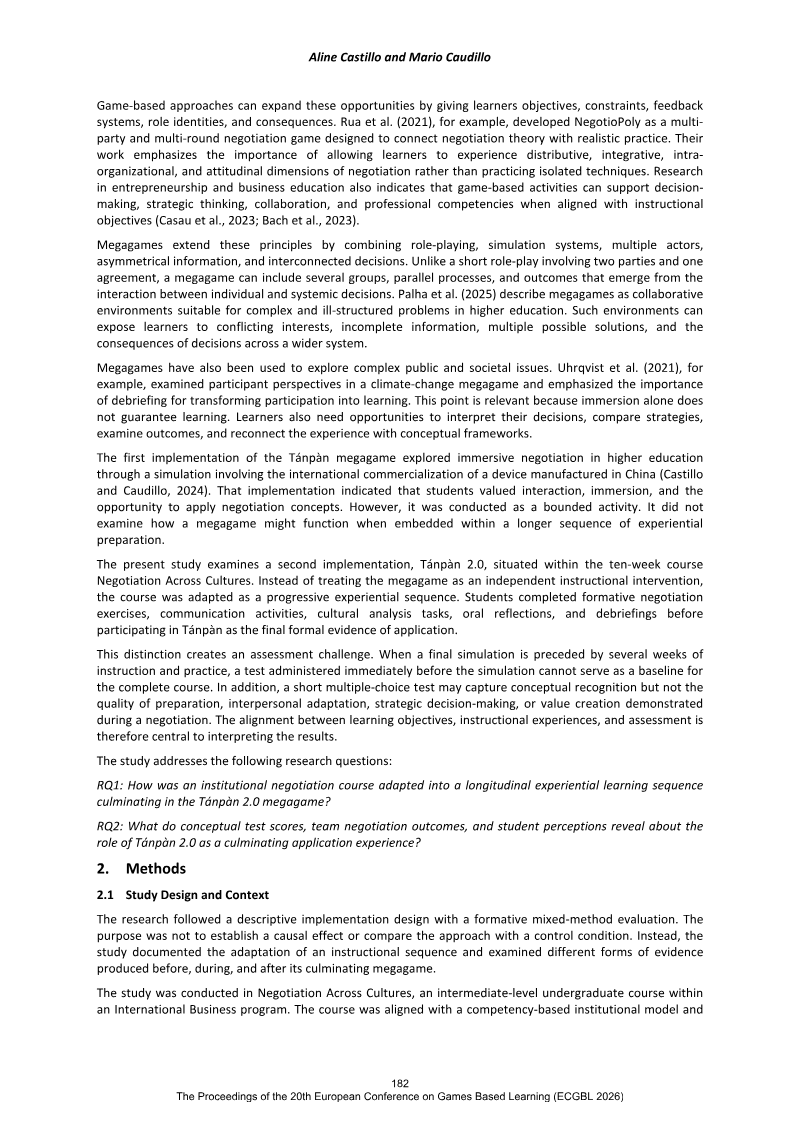
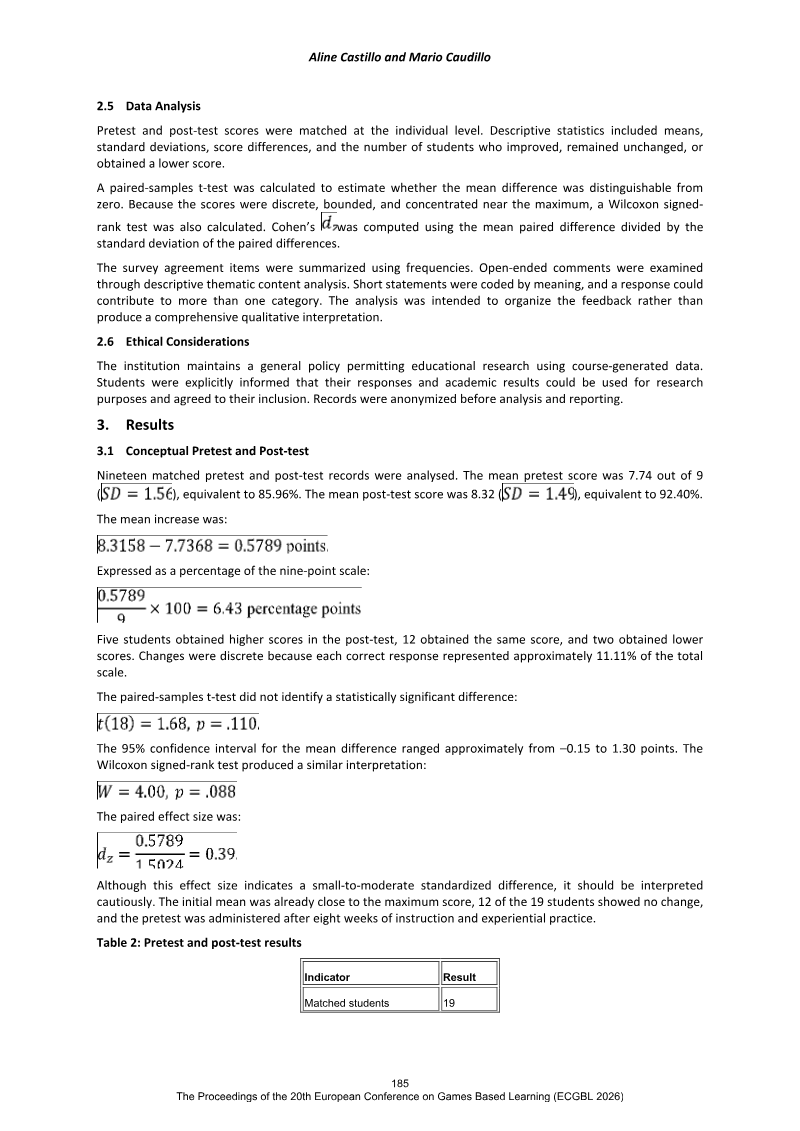
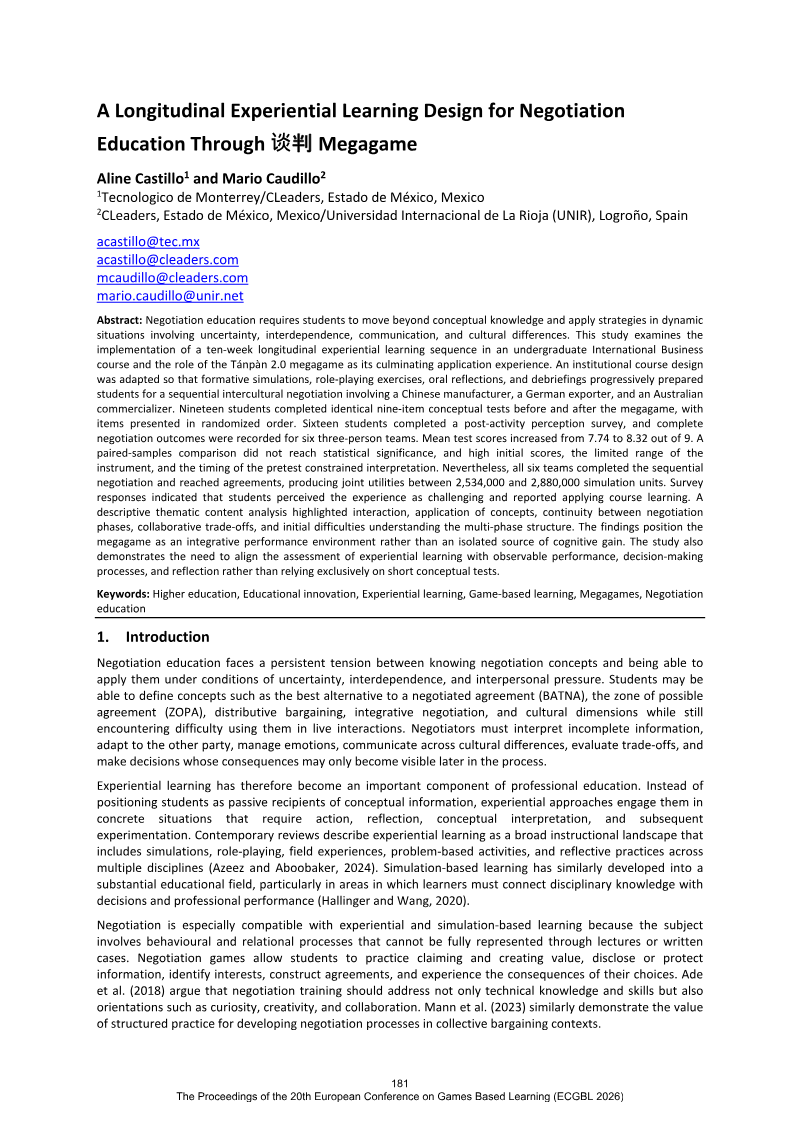
European Conference on Games Based Learning (ECGBL) · 2024
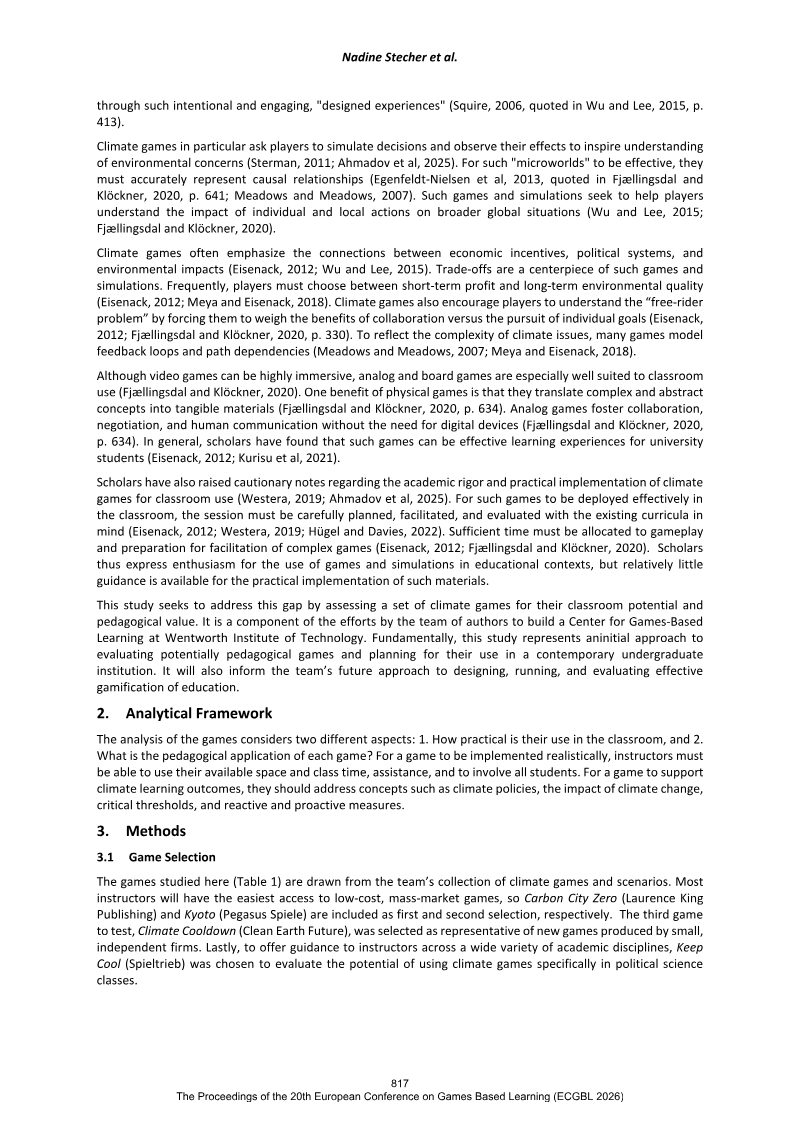
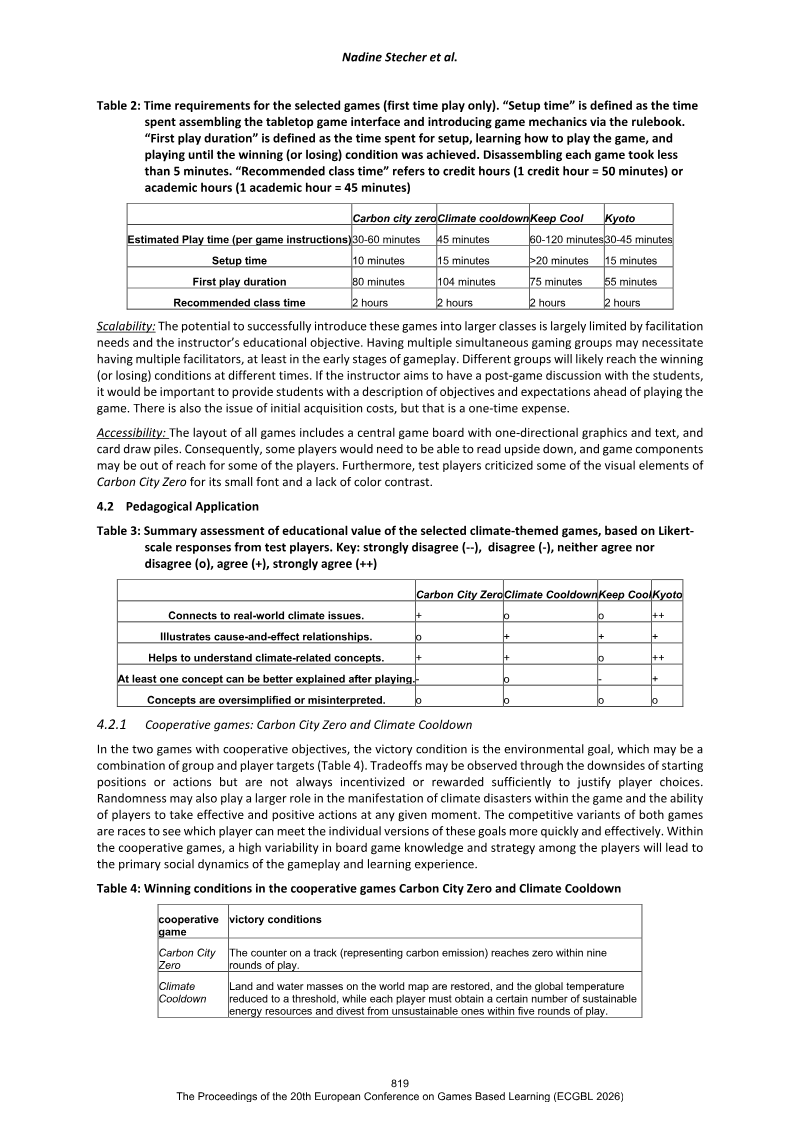
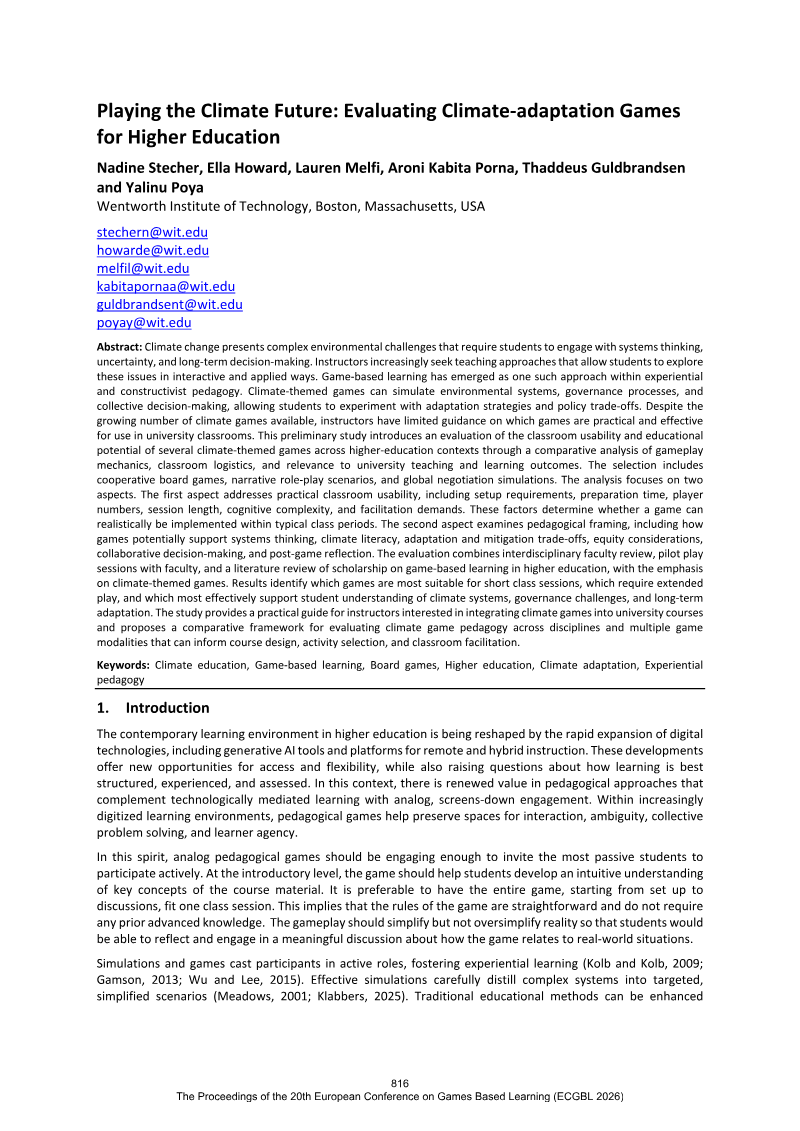
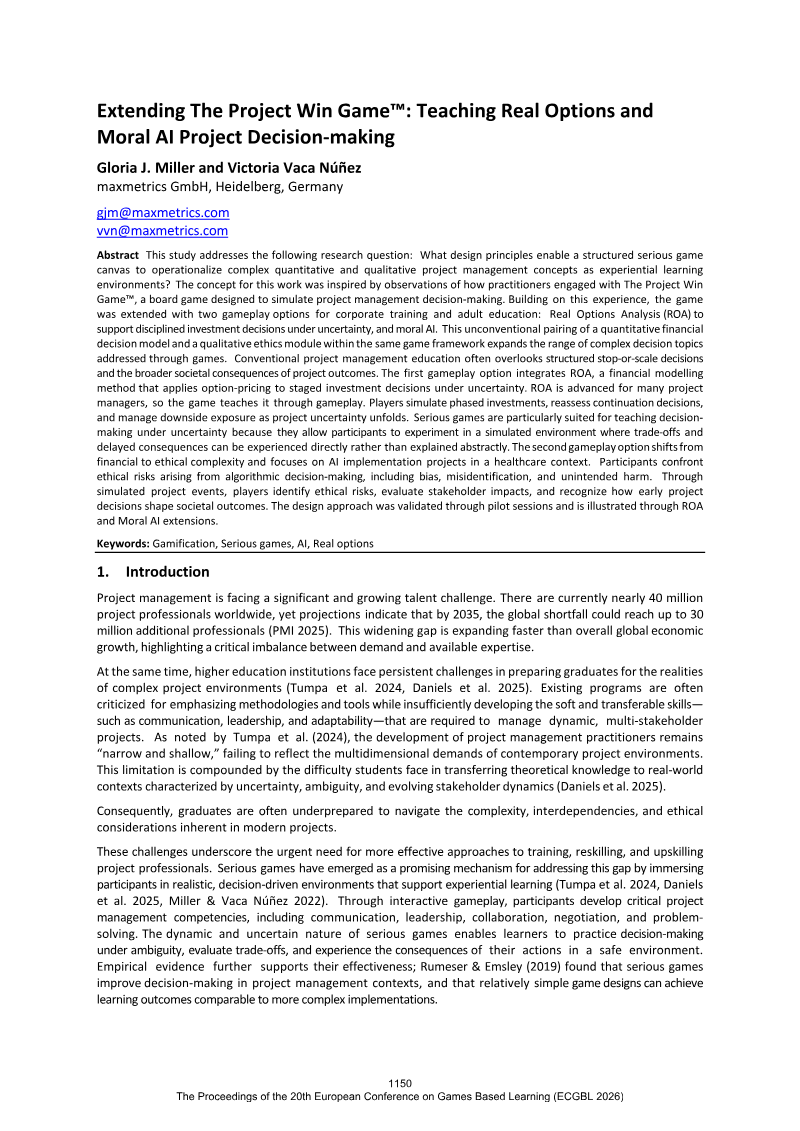
European Conference on Games Based Learning (ECGBL) · 2026
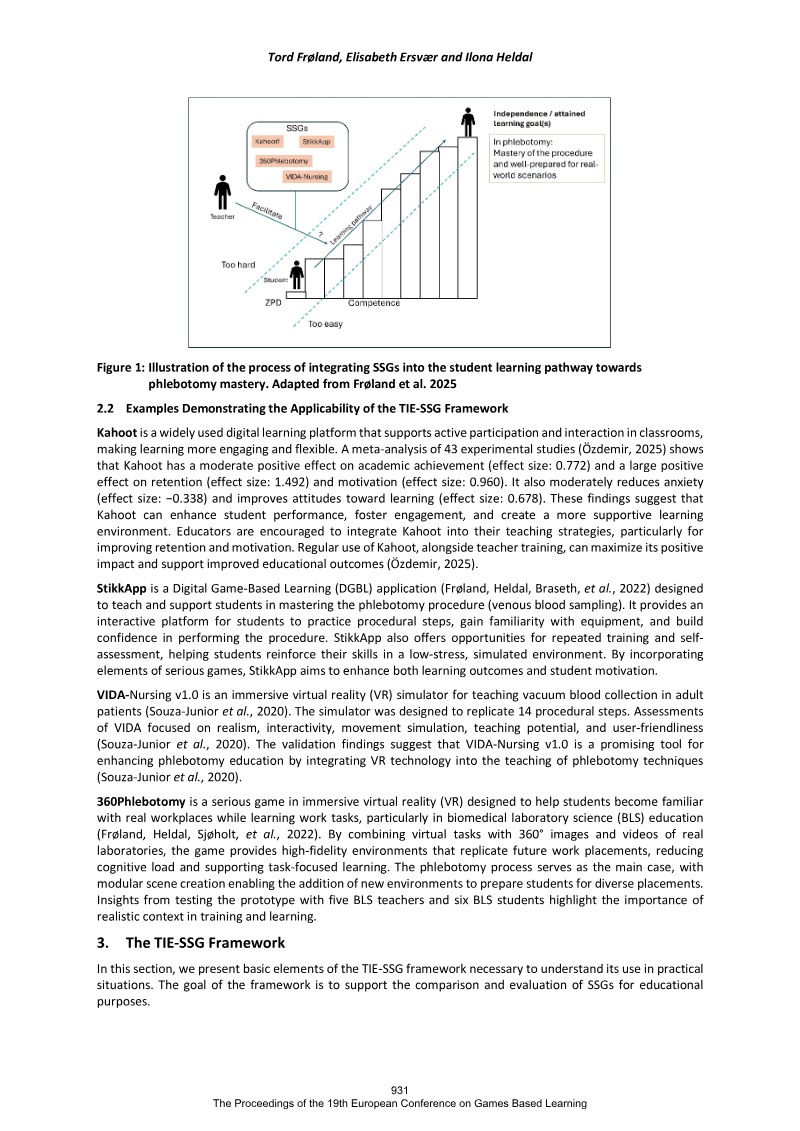
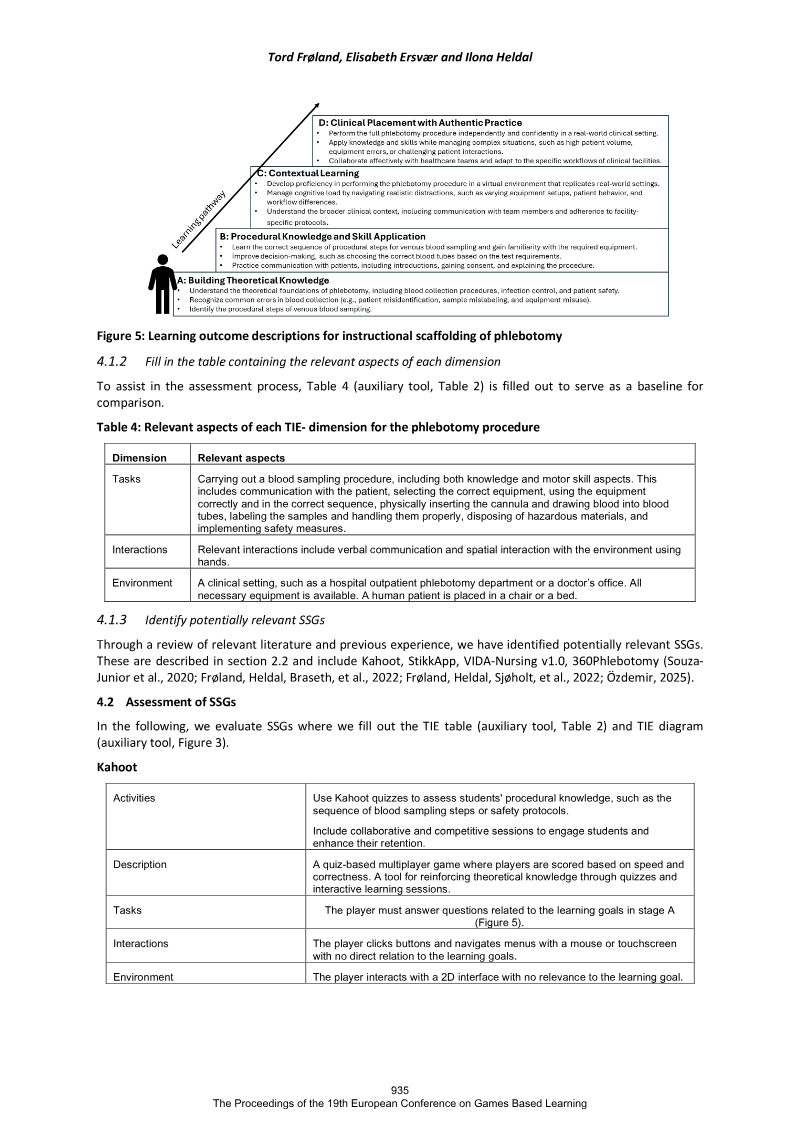
Western Norway University of Applied Sciences · 2025