1 free read left. Create a free account for unlimited reading + AI research.
Create free accountWhitepaper International Journal of Serious Games
1 free read left. Create a free account for unlimited reading + AI research.
Create free accountWhitepaperInternational Journal of Serious Games
Students show high levels of motivation and engagement with digital gaming as a pedagogical tool. Teachers and parents, however, remain skeptical of its academic efficacy.
Digital game-based learning in Malaysian secondary mathematics education faces a significant implementation barrier rooted in a generational divide between students and their adult stakeholders. While students demonstrate high levels of motivation and engagement toward digital gaming as a pedagogical tool, teachers and parents remain largely skeptical of its efficacy. These adult groups prioritize traditional, discursive, and interpersonal teaching methods, often viewing technology as a distraction rather than a legitimate educational asset. This disconnect creates a classroom environment where passive, conventional instruction persists despite clear evidence that such methods fail to capture the interest of modern learners.
The core challenge lies in a lack of consensus and technical proficiency across the educational ecosystem. Students often judge the digital competence of their instructors based on age and hardware, while teachers and parents maintain a conservative stance that favors established classroom norms. This misalignment is compounded by a mutual deficiency in the specific technological skills required to integrate gaming software into a structured curriculum. Consequently, the potential for digital tools to enhance mathematical comprehension remains largely untapped, as the current educational culture prioritizes social interaction and traditional lecture-based instruction over interactive digital experiences.
To bridge this gap, a hybrid pedagogical model offers the most viable path forward for the Malaysian education system. By synthesizing traditional chalk-and-talk methods with complementary digital games, educators can leverage the benefits of established instruction while simultaneously fostering the engagement levels that students demand. This balanced approach acknowledges the value of human-led discourse while integrating technology as a supportive, rather than disruptive, element. Successfully transitioning to this model requires addressing the underlying skepticism of teachers and parents through professional development and a clearer demonstration of how digital games can serve as rigorous academic tools rather than mere entertainment.
International Journal of Serious Games · 2023
International Journal of Serious Games · 2022
International Journal of Serious Games · 2020
International Journal of Serious Games · 2020
International Journal of Serious Games · 2020
International Journal of Serious Games · 2020
International Journal of Serious Games · 2020
International Journal of Serious Games · 2020
International Journal of Serious Games · 2020



International Journal of Serious Games · 2020

International Journal of Serious Games · 2020
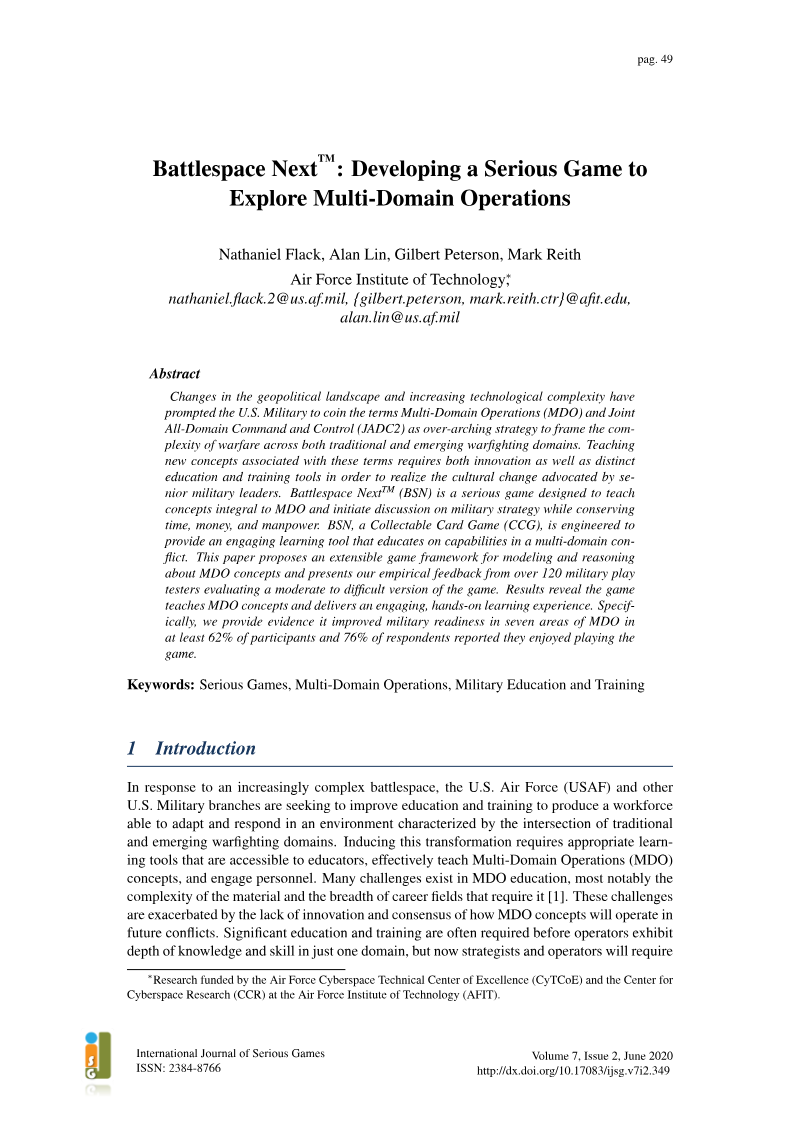
Air Force Institute of Technology · 2020
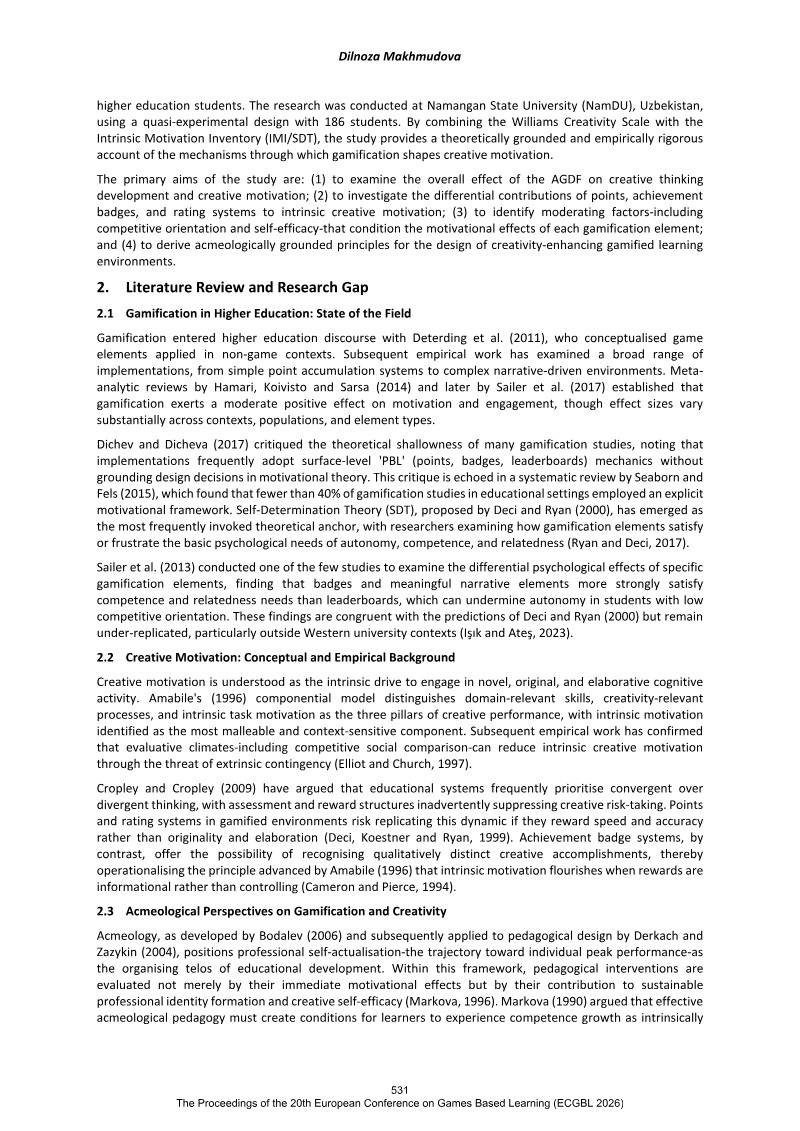
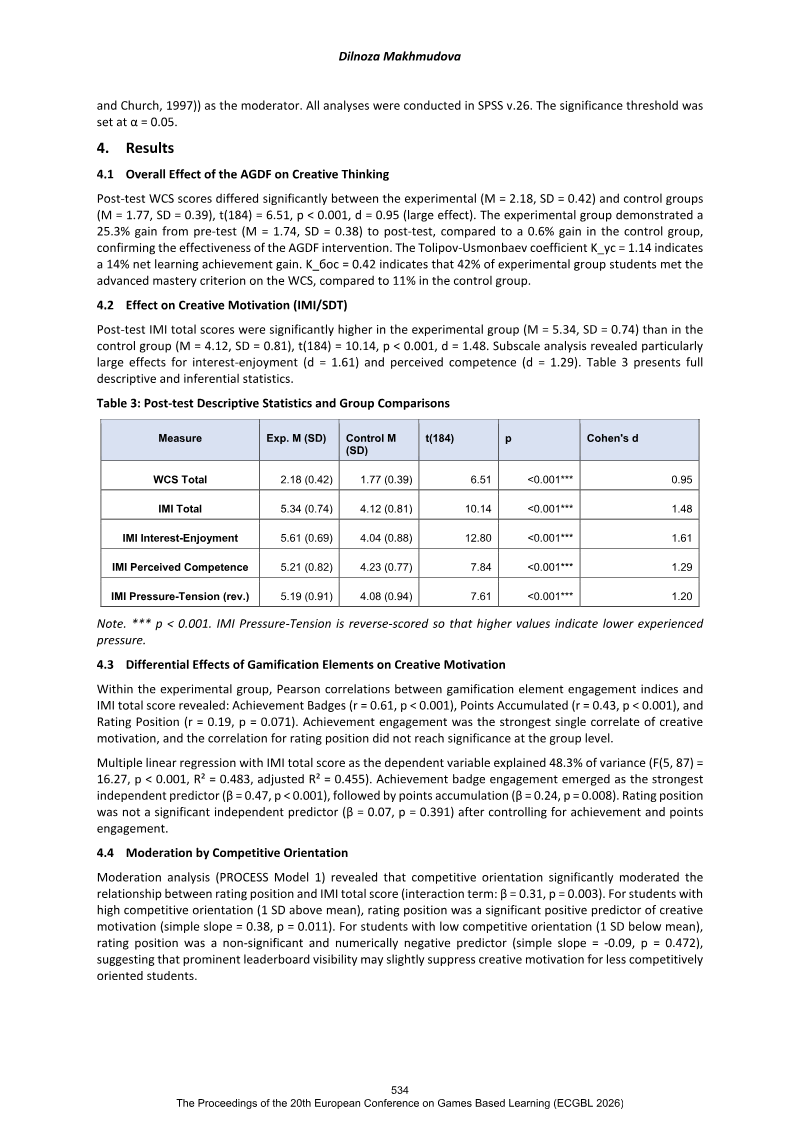
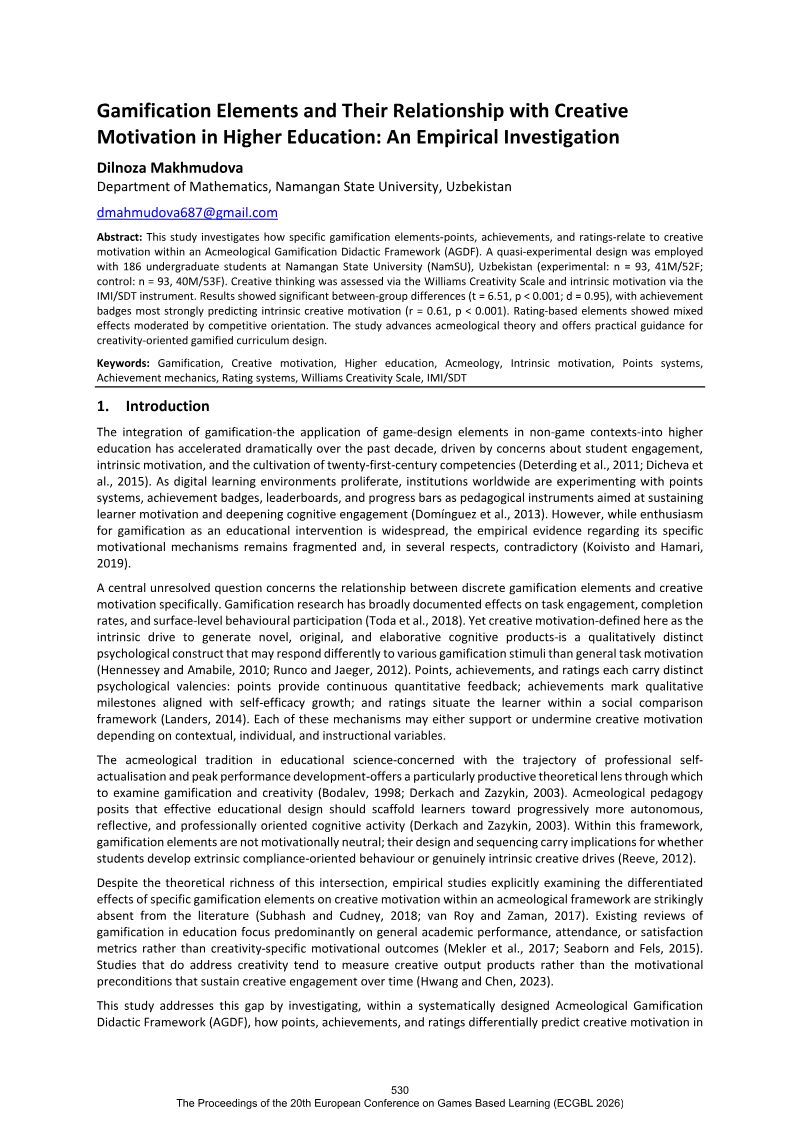
European Conference on Games Based Learning (ECGBL) · 2026
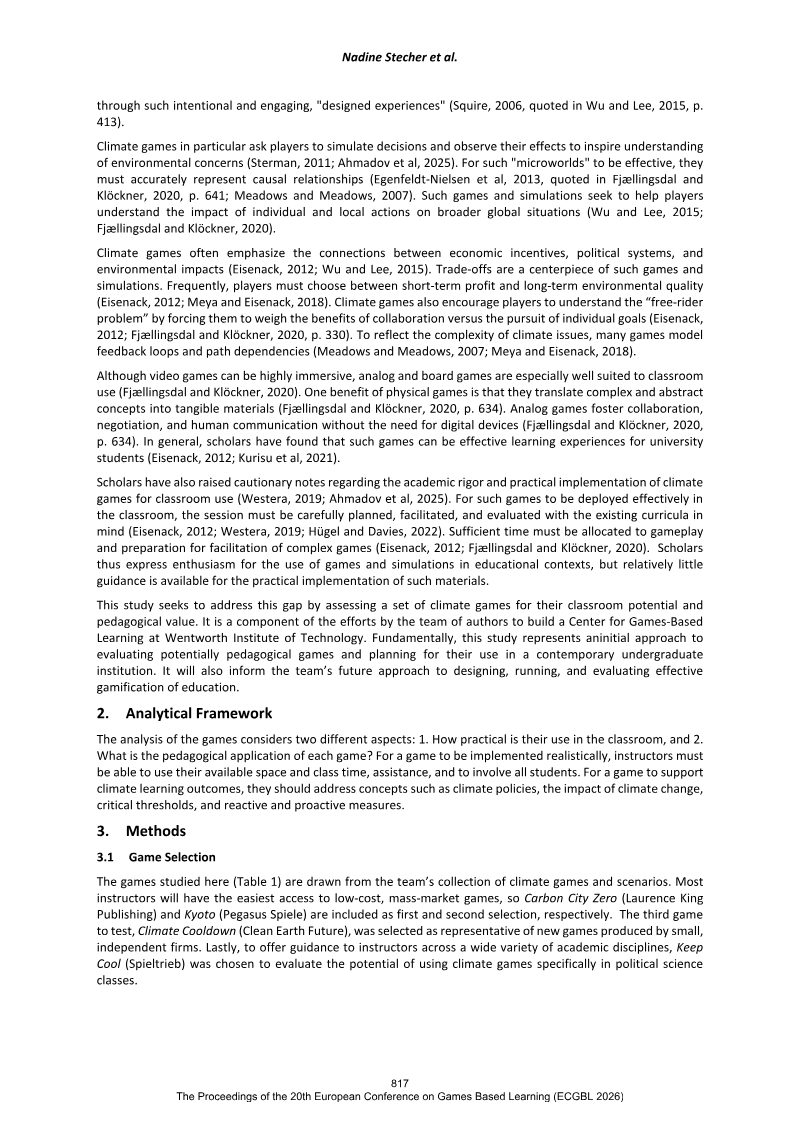
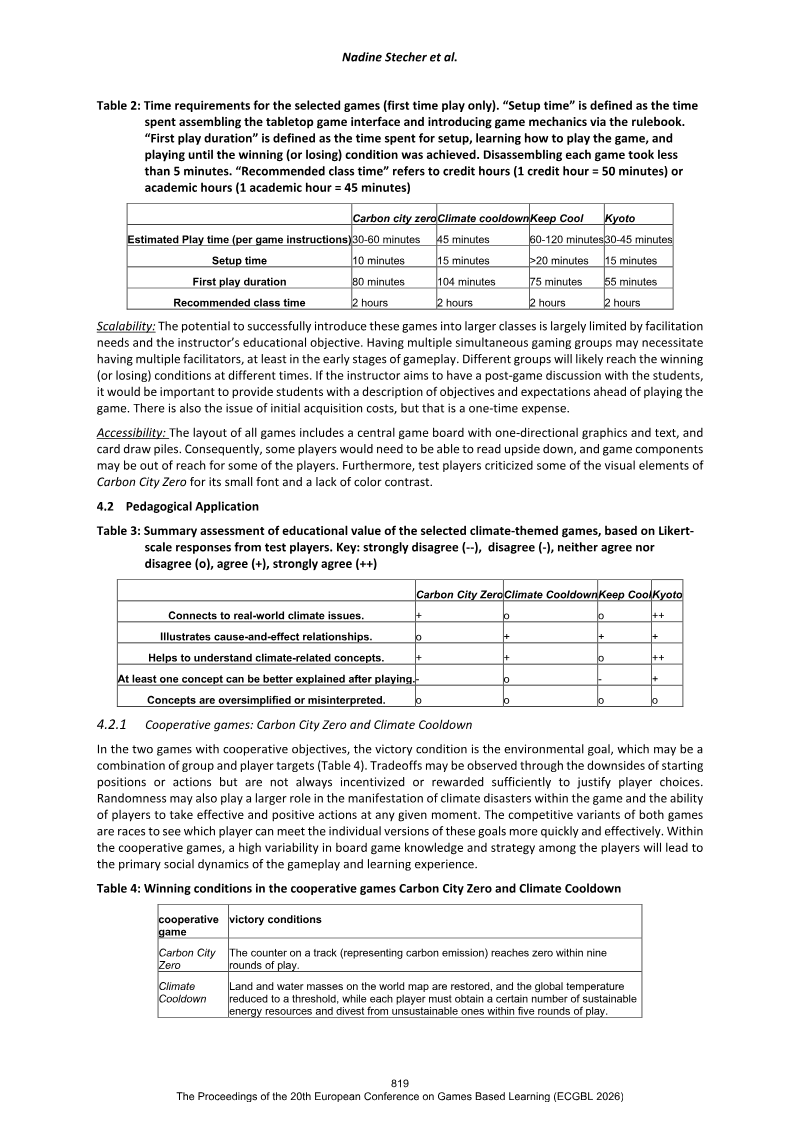
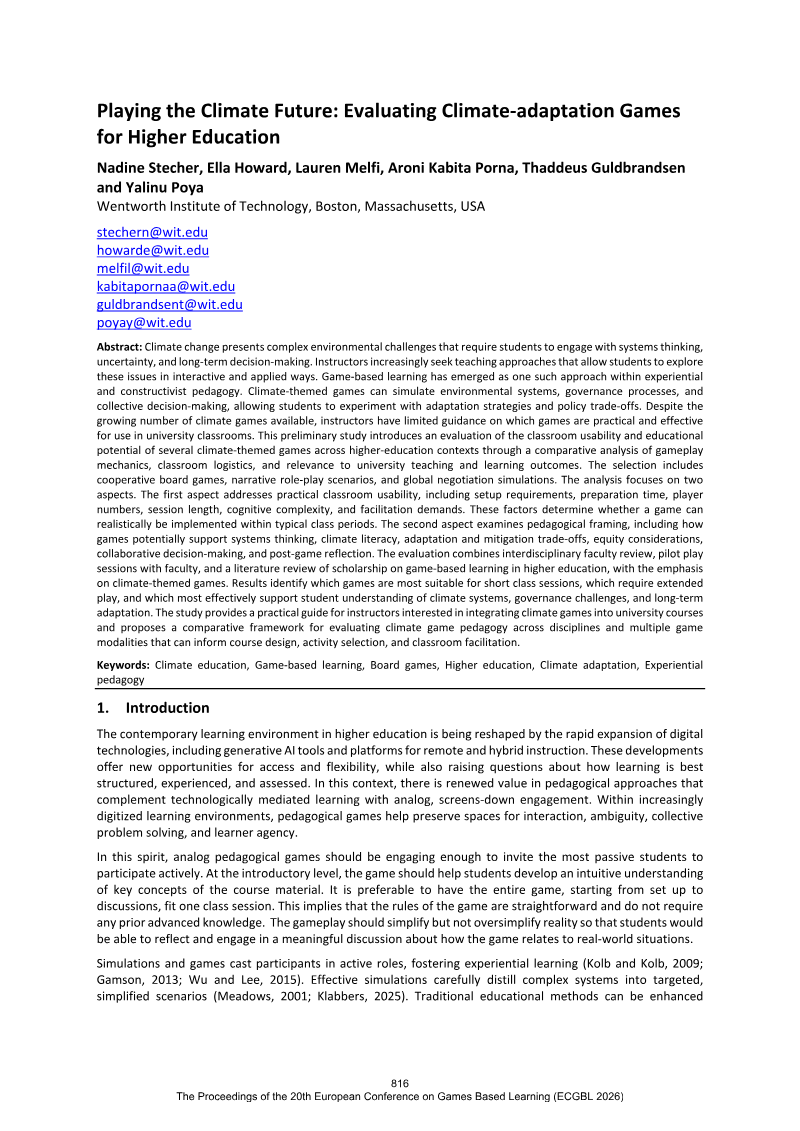
European Conference on Games Based Learning (ECGBL) · 2026
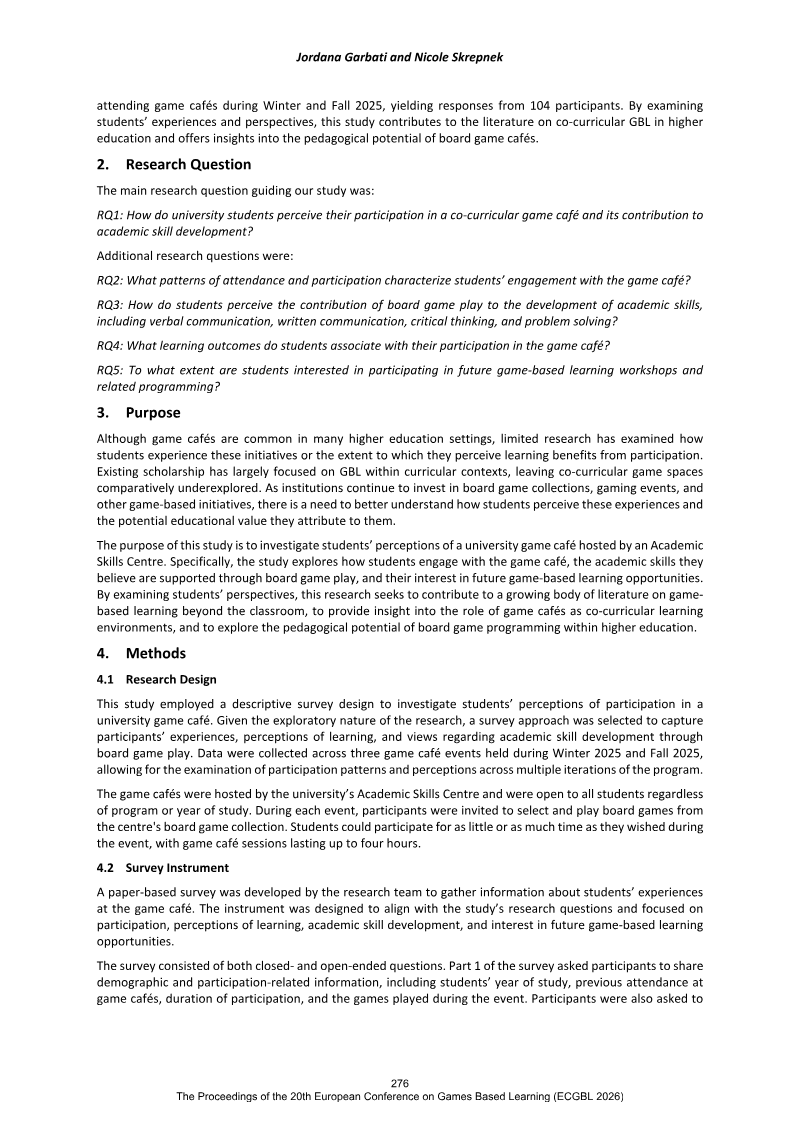
University of Toronto · 2026