1 free read left. Create a free account for unlimited reading + AI research.
Create free accountWhitepaper International Journal of Serious Games
1 free read left. Create a free account for unlimited reading + AI research.
Create free accountWhitepaperInternational Journal of Serious Games
Monitoring patient progress in physical rehabilitation often relies on high-cost motion capture systems.
Serious games utilizing Microsoft Xbox Kinect technology offer a viable, cost-effective framework for monitoring patient progress during physical rehabilitation. By leveraging biomechanical data such as range of motion and task completion time, clinicians can objectively track therapeutic evolution. However, the initial session often introduces a significant learning effect that can skew longitudinal data; consequently, clinical assessments should exclude this introductory period to ensure the accuracy of long-term progress monitoring.
Performance analysis reveals that while range of motion remains relatively stable across sessions, patients demonstrate a measurable improvement in efficiency, characterized by an average 10% reduction in task completion time. Despite this trend, simple range-of-motion metrics are insufficient for comprehensive clinical evaluation. Effective rehabilitation monitoring requires the integration of complex, quality-based scoring systems that capture the nuances of movement execution rather than relying solely on spatial displacement.
The validity of this approach is supported by a robust body of research confirming the reliability of the Kinect sensor for biomechanical analysis and postural control. When compared to traditional, high-cost motion capture systems, the Kinect provides comparable data quality for therapeutic interventions. These findings establish a foundation for integrating accessible, sensor-based technology into standard clinical practice, provided that assessment protocols prioritize qualitative movement analysis over basic temporal or spatial metrics.
Each row is a game or company this document names, each column a document, oldest first. A mark means that document names it. Select a row to see those documents.



International Journal of Serious Games · 2026
International Journal of Serious Games · 2026

International Journal of Serious Games · 2026
International Journal of Serious Games · 2026
International Journal of Serious Games · 2026



International Journal of Serious Games · 2026
International Journal of Serious Games · 2026
International Journal of Serious Games · 2025
International Journal of Serious Games · 2025
International Journal of Serious Games · 2025
Serious Games Society · 2025

International Journal of Serious Games · 2025
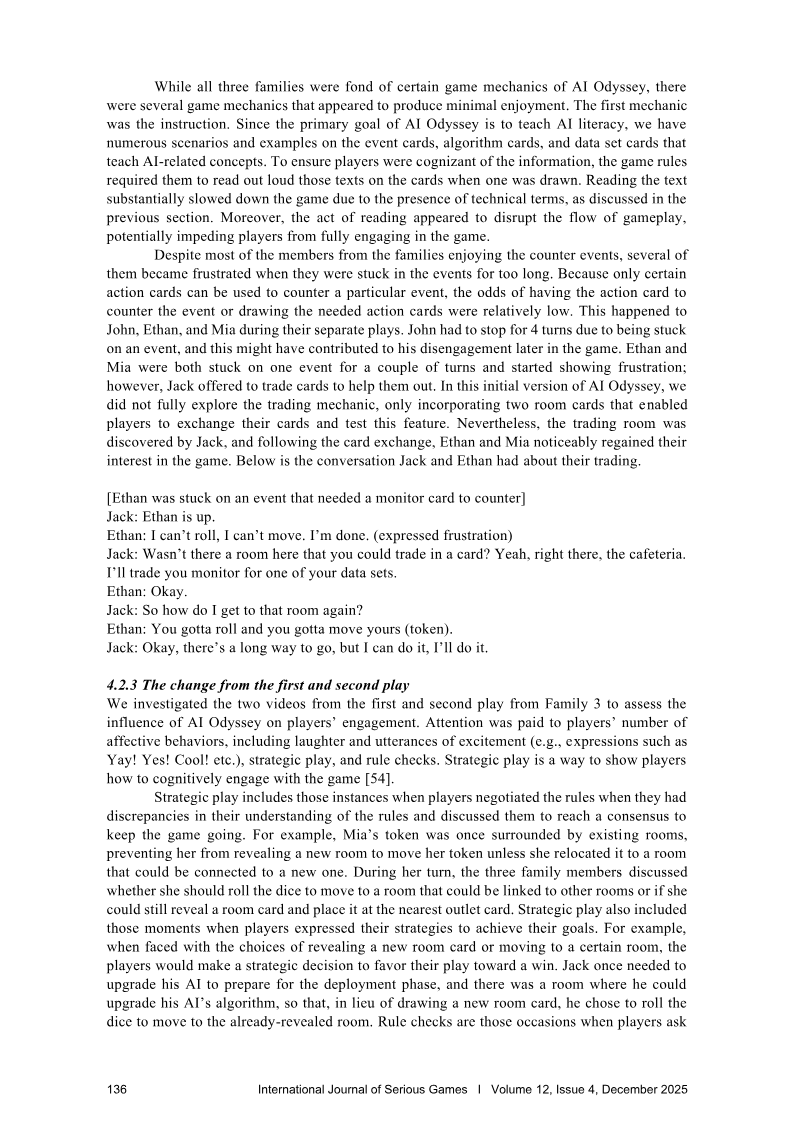

Serious Games Society · 2025
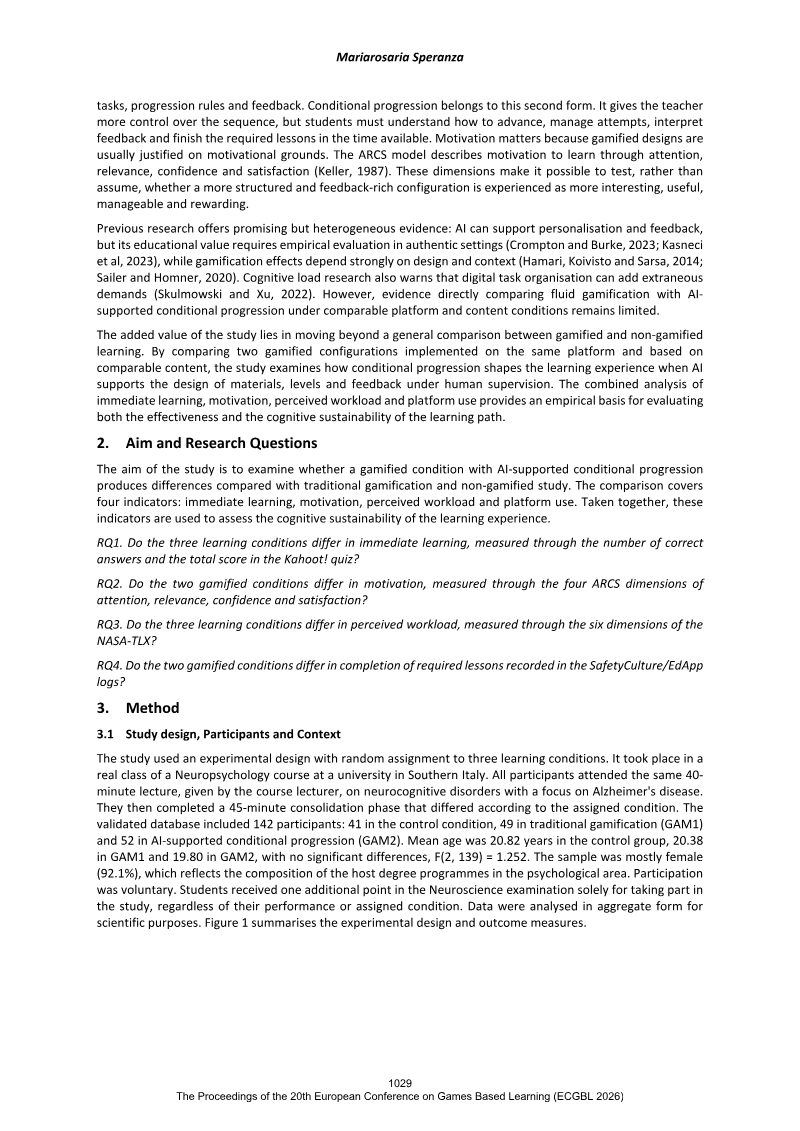
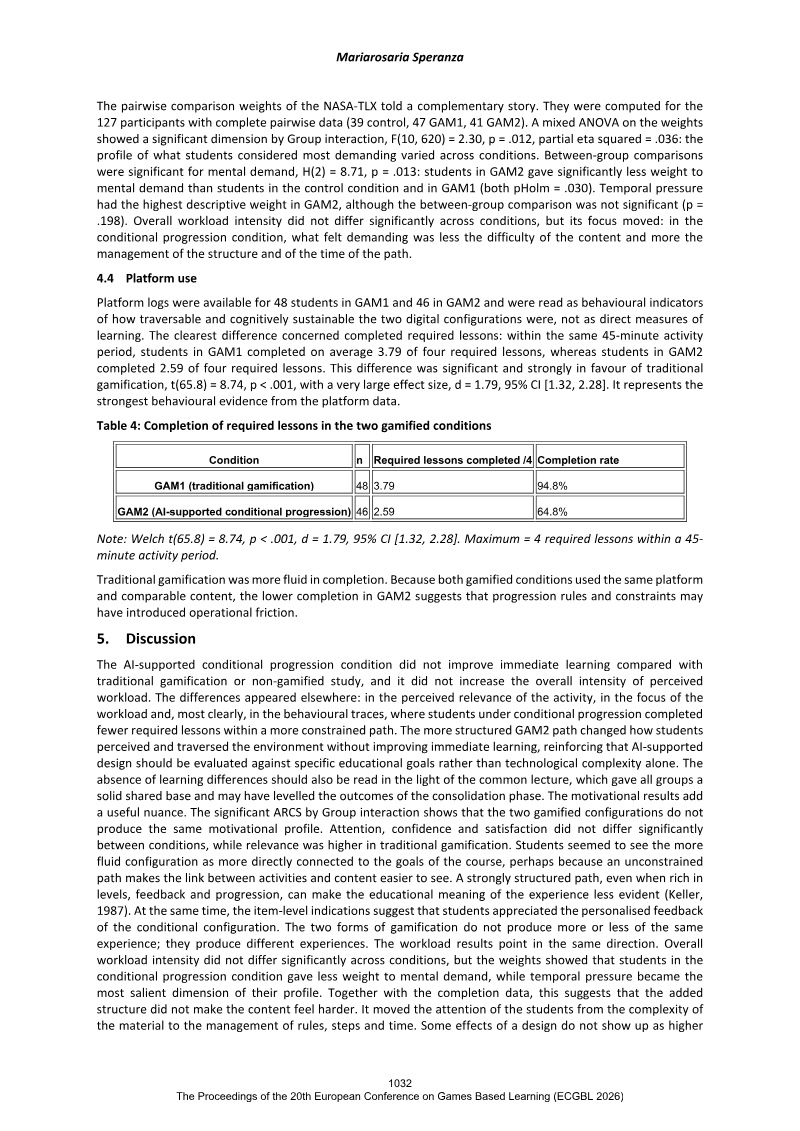
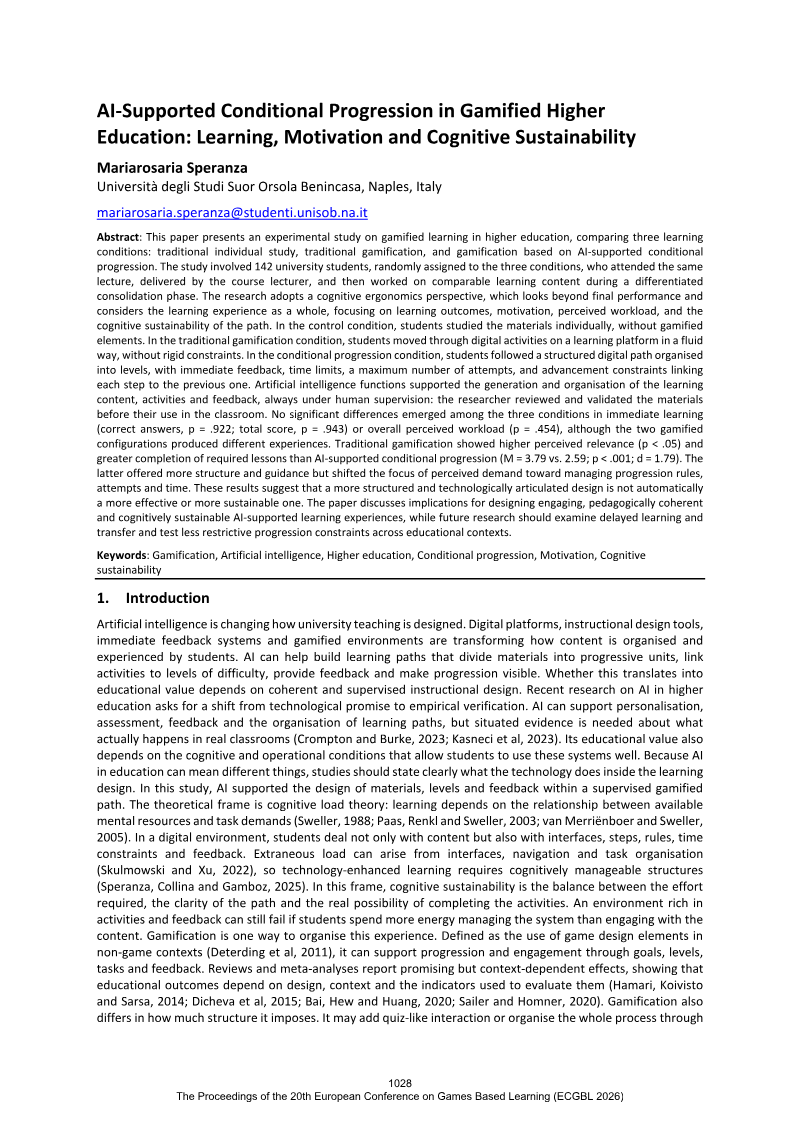
European Conference on Games Based Learning (ECGBL) · 2026
European Conference on Games Based Learning (ECGBL) · 2026