The Risk Game methodology serves as a specialized framework for eliciting expert knowledge regarding human cognitive processes during complex decision-making tasks. By utilizing a scenario-based, gamified environment, the research investigates how individuals synthesize information characterized by varying degrees of uncertainty, imprecision, and falseness. The primary thesis posits that serious games provide a robust, domain-independent platform for modeling real-world analytical challenges, such as maritime surveillance, intelligence gathering, and crisis management, where decision-makers must aggregate conflicting data to reach accurate belief states.
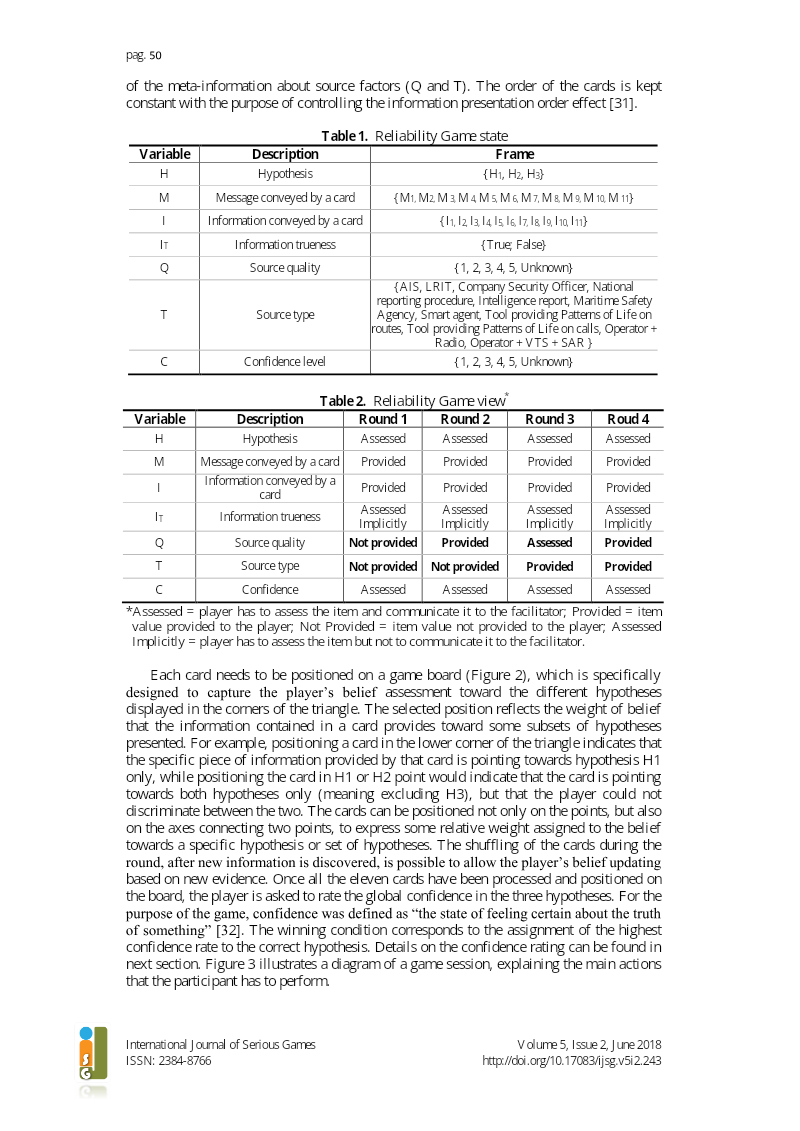
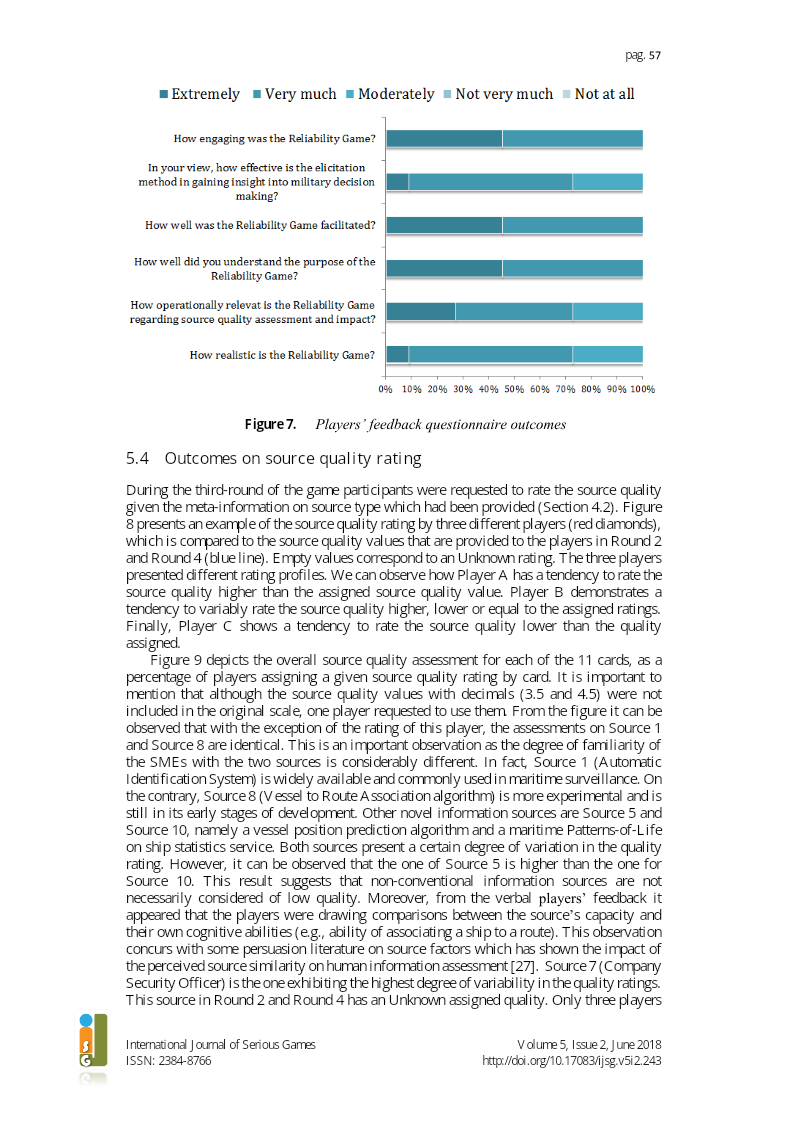
Empirical validation involving 32 maritime experts confirms that the simulation effectively mirrors operational realities, with participants reporting high levels of engagement and relevance. Data analysis reveals that while experts consistently prioritize specific behavioral attributes and radar data, individual strategies for managing information redundancy and complementarity vary significantly. Crucially, the study identifies that elevated levels of false information directly correlate with increased cognitive confusion and a higher probability of decision-making errors. Conversely, high-certainty data and specific object attributes act as primary drivers for belief revision, demonstrating the measurable impact of information quality on human reasoning.
This research establishes serious games as a viable and efficient methodology for analyzing complex cognitive behaviors and developing future automated decision-support systems. While the current study provides a foundational understanding of how information quality influences belief assessment, the findings suggest that future iterations should leverage digital platforms to expand sample sizes and further refine the analysis of cognitive biases. By bridging the gap between theoretical information quality frameworks and practical expert elicitation, the methodology offers a scalable approach to improving decision-making accuracy in environments defined by imperfect or incomplete data.