1 free read left. Create a free account for unlimited reading + AI research.
Create free accountWhitepaper International Journal of Serious Games
1 free read left. Create a free account for unlimited reading + AI research.
Create free accountWhitepaperInternational Journal of Serious Games
Intelligent tutoring platforms and serious games now use machine learning to adapt to individual student needs.
It's like a tailor making a custom suit instead of buying off-the-rack.
Key change. Machine learning enables adaptive and personalized instruction in educational systems.
Machine learning serves as a critical foundation for the development of adaptive, personalized pedagogical systems, including intelligent tutoring platforms and serious games. By shifting away from static, hand-crafted rules, these systems leverage data-driven models to accurately track student behavior, identify affective states, and optimize instructional strategies. Empirical evidence, such as the implementation of interventions in environments like Crystal Island, confirms that these computational approaches significantly enhance learning outcomes by tailoring the educational experience to individual user needs.
The technical implementation of these systems relies on a synthesis of supervised, unsupervised, and reinforcement learning paradigms. Supervised learning, utilizing techniques like decision trees, k-nearest neighbors, and neural networks, facilitates human-robot interaction by enabling systems to learn from demonstrations and model continuous motion. Simultaneously, Bayesian networks and dynamic Bayesian frameworks provide robust methods for inferring latent student knowledge from observable performance data. To manage the inherent complexities of these models, practitioners must navigate challenges such as the bias-complexity trade-off and the necessity of regularization to prevent overfitting in high-dimensional data environments.
Reinforcement learning further refines these systems by enabling the iterative optimization of decision-making policies. Algorithms such as Q-learning and the Upper Confidence Bound approach allow pedagogical agents to maximize expected rewards, effectively balancing exploration and exploitation to provide context-aware, empathic responses. Supported by modern software libraries like PyTorch and TensorFlow, these methodologies draw upon a rich history of research spanning from 1950s sequential design to contemporary social robotics. Ultimately, the integration of these machine learning frameworks provides a scalable, mathematically rigorous path toward creating highly responsive and effective interactive learning environments.
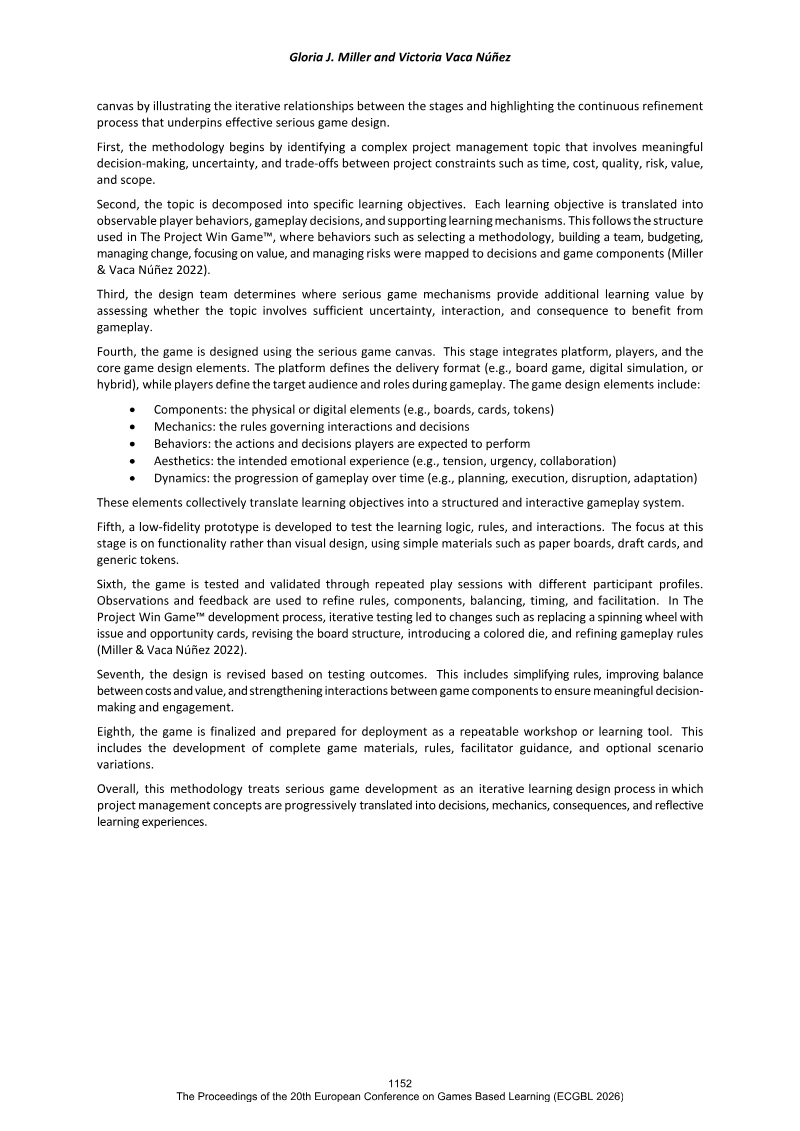
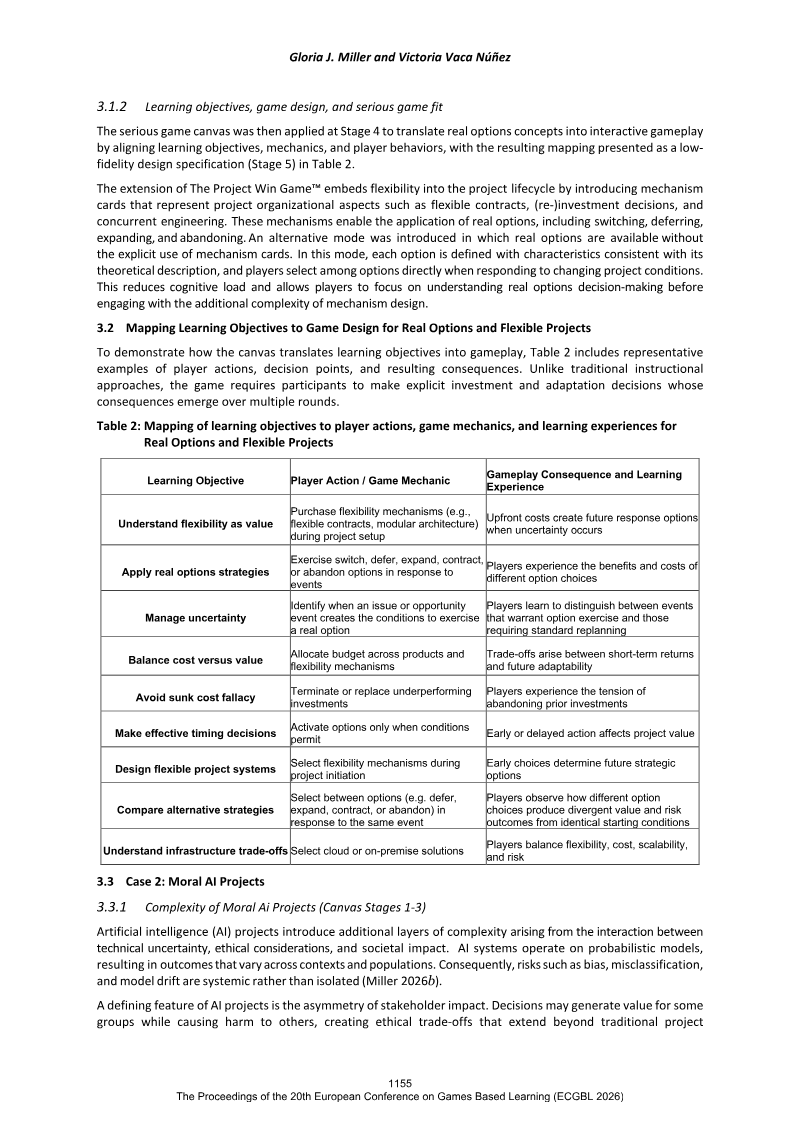
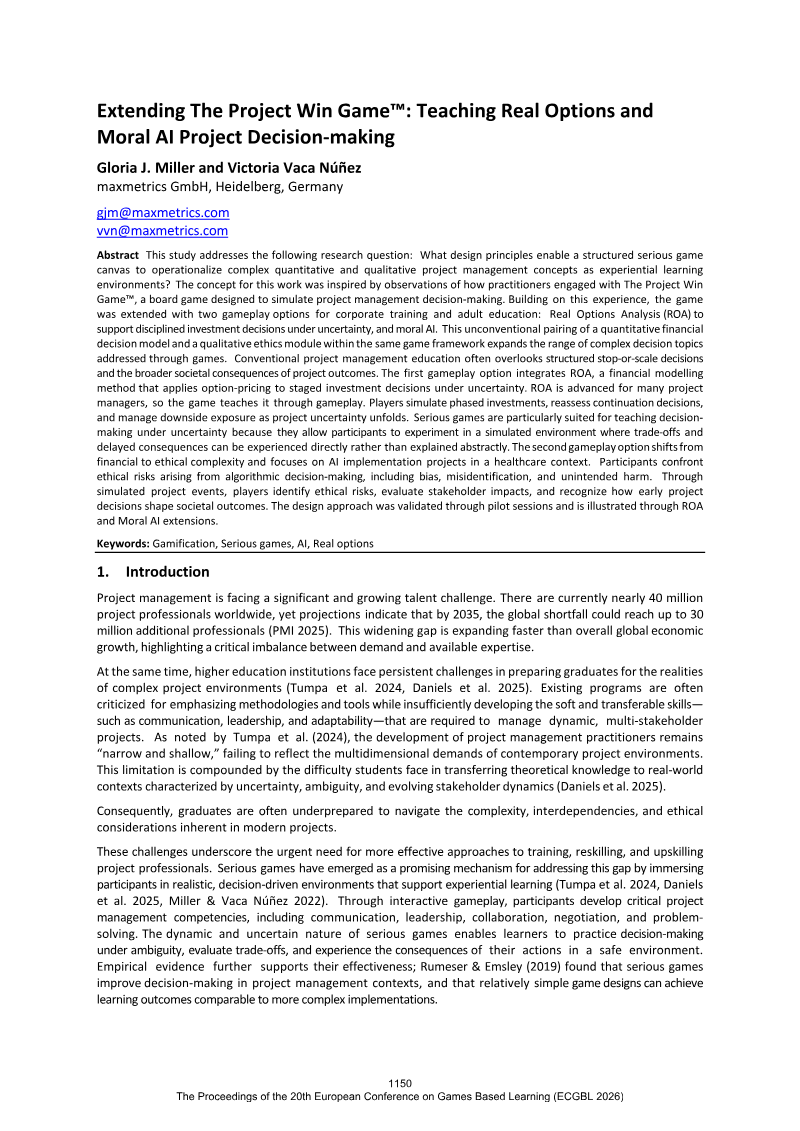
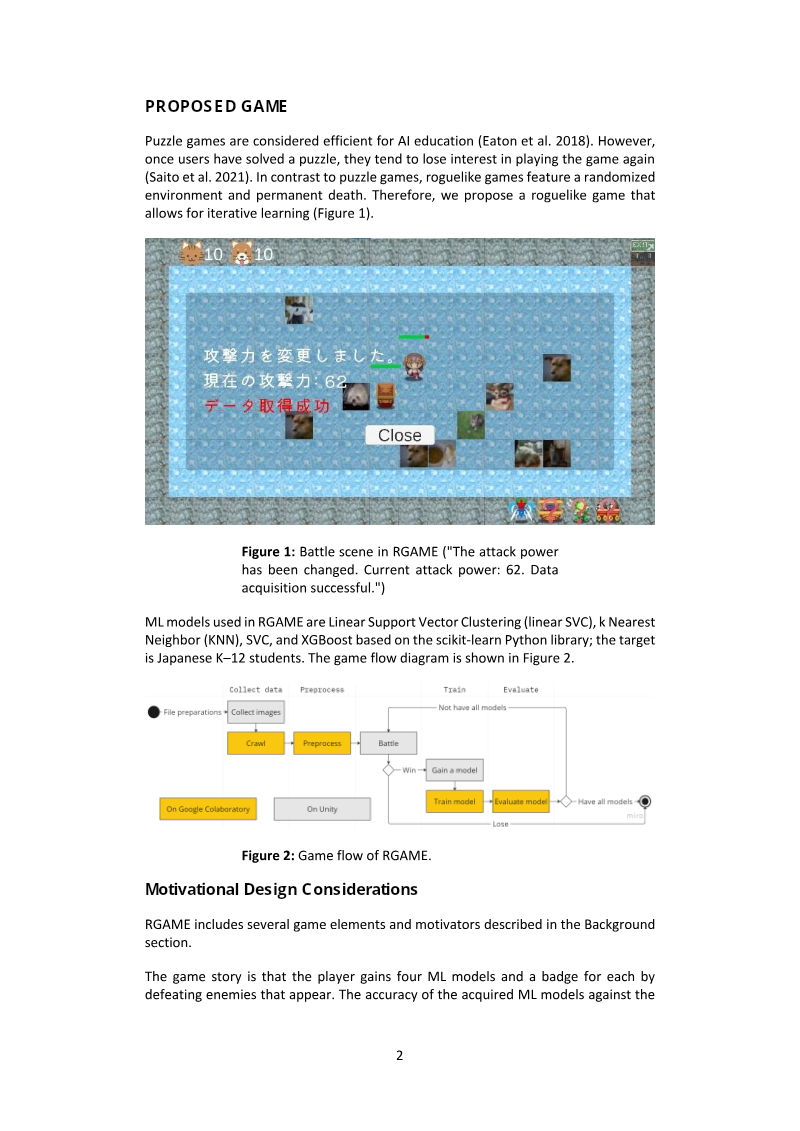
International Journal of Serious Games · 2023
International Journal of Serious Games · 2022

International Journal of Serious Games · 2020
International Journal of Serious Games · 2020
International Journal of Serious Games · 2020
International Journal of Serious Games · 2020
International Journal of Serious Games · 2020
International Journal of Serious Games · 2020
International Journal of Serious Games · 2020
International Journal of Serious Games · 2020

International Journal of Serious Games · 2020
Air Force Institute of Technology · 2020
European Conference on Games Based Learning (ECGBL) · 2026