Serious Games reports and market data
Documents
Use of Ecological Gestures in Soccer Games Running on Mobile Devices
Mobile soccer gaming often suffers from the limitations of traditional touchscreen controls, which frequently lack the tactile feedback and immersion required for authentic sports simulation.
- Wearable insole sensors enable mobile soccer games to mirror real-world physical movements, overcoming the tactile and immersion limitations of traditional touchscreen controls.
- A new lightweight gesture recognition algorithm achieves a 1.5kHz processing speed, significantly outperforming traditional Dynamic Time Warping (DTW) and FastDTW methods on mobile hardware.
- The system demonstrates a 100% success rate in filtering out noise, ensuring that only intentional physical actions trigger in-game responses.
The Use of Player-centered Positive Reinforcement to Schedule In-game Rewards Increases Enjoyment and Performance in a Serious Game
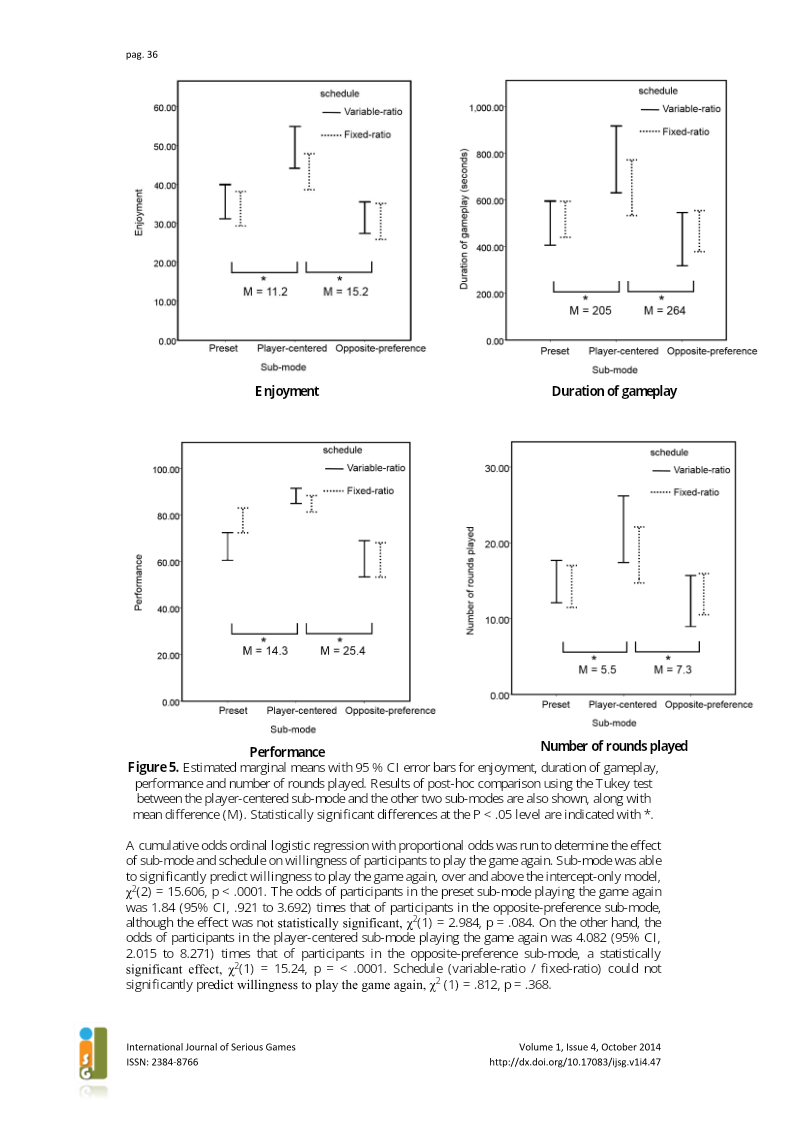
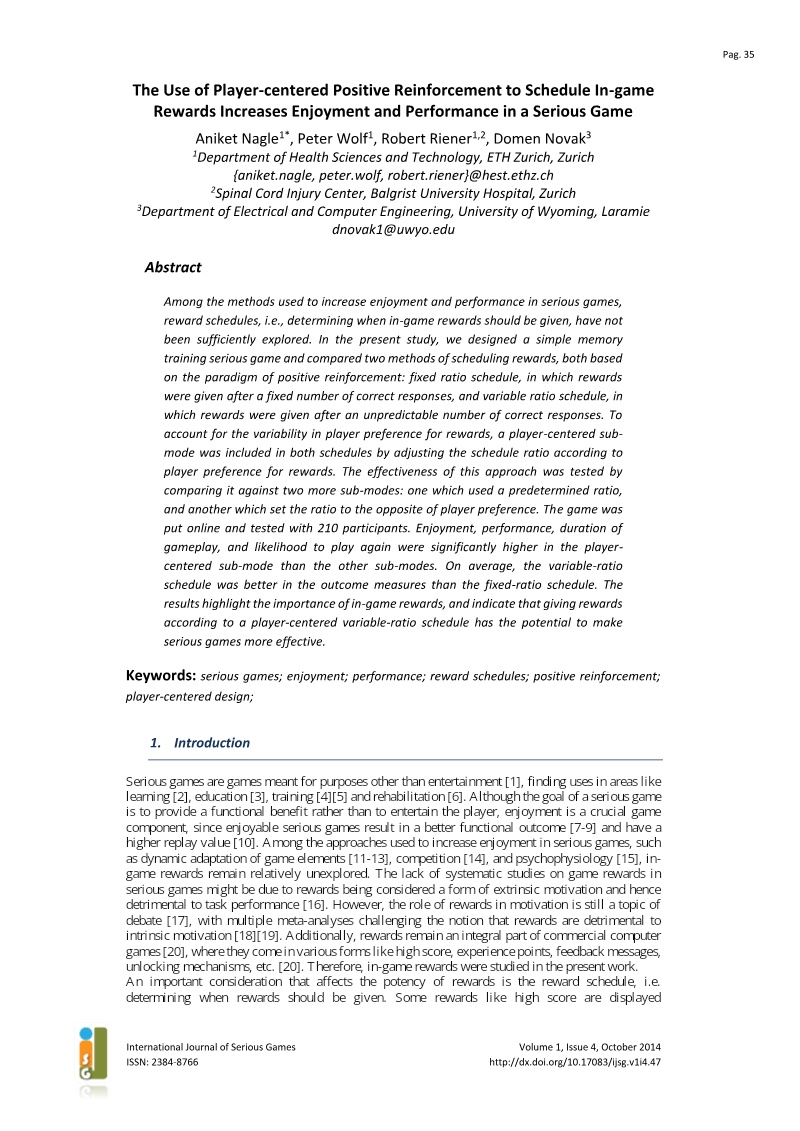
Serious games designed for cognitive training often struggle to maintain long-term user engagement, a challenge addressed by optimizing the delivery of in-game rewards.
- Customizing reward schedules to align with individual player preferences is the primary driver for increasing both cognitive performance and user satisfaction in serious games.
- Research involving 210 participants confirms that adaptive, player-centered reward systems consistently outperform standardized, non-adaptive reward models.
- Tailoring the frequency and nature of in-game feedback significantly boosts both gameplay duration and long-term replay intent.
Assessing and Improving Listening Skills: A Test of Two Theories
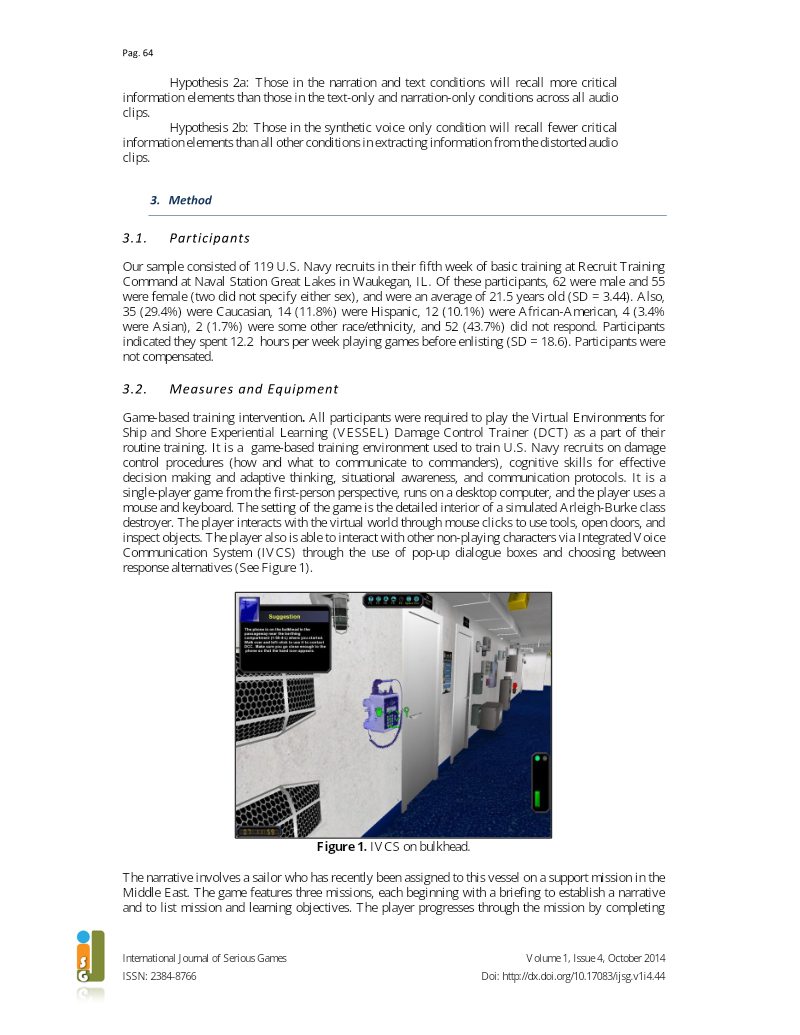
Effective training for U.S. Navy recruits in high-stakes, suboptimal environments relies heavily on the quality of auditory communication within simulation-based learning.
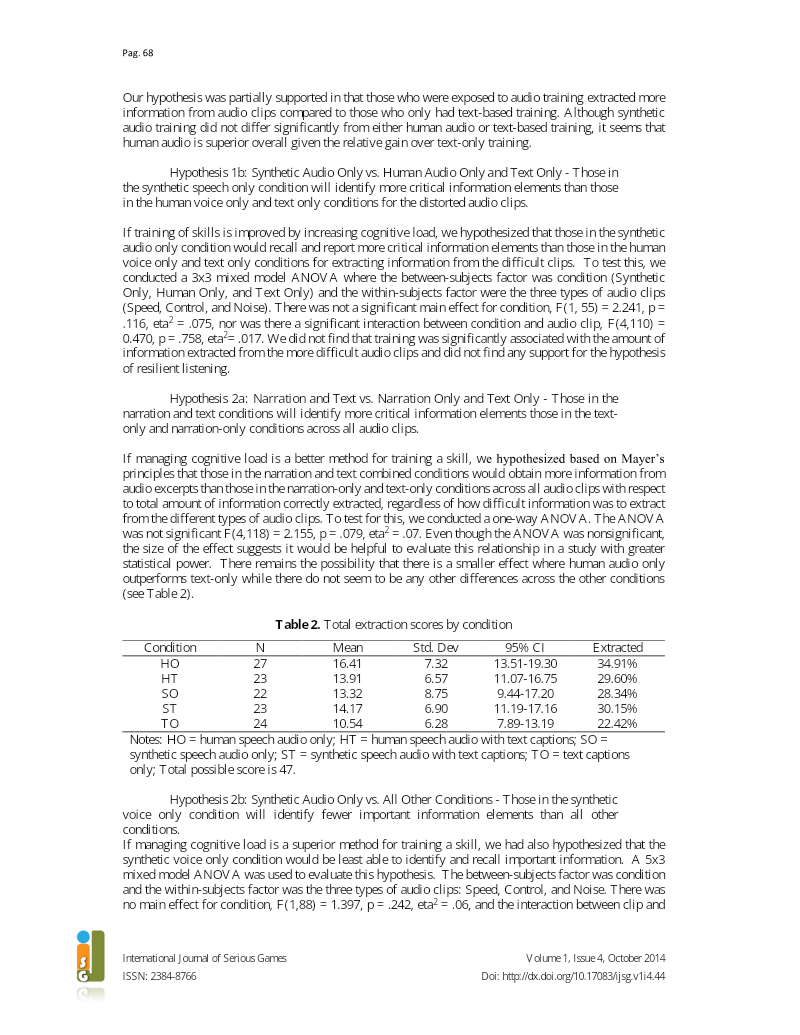
- Human-recorded audio significantly outperforms synthetic speech in skill acquisition for novice trainees within high-stakes simulation environments.
- High-fidelity audio is the primary driver of successful information extraction, proving more critical to instructional design than cognitive load management strategies.
- Previous iterations of the Damage Control Trainer achieved an 80 percent reduction in communication errors, establishing a baseline for current optimization efforts.
Assessing 3D Virtual World Disaster Training Through Adult Learning Theory
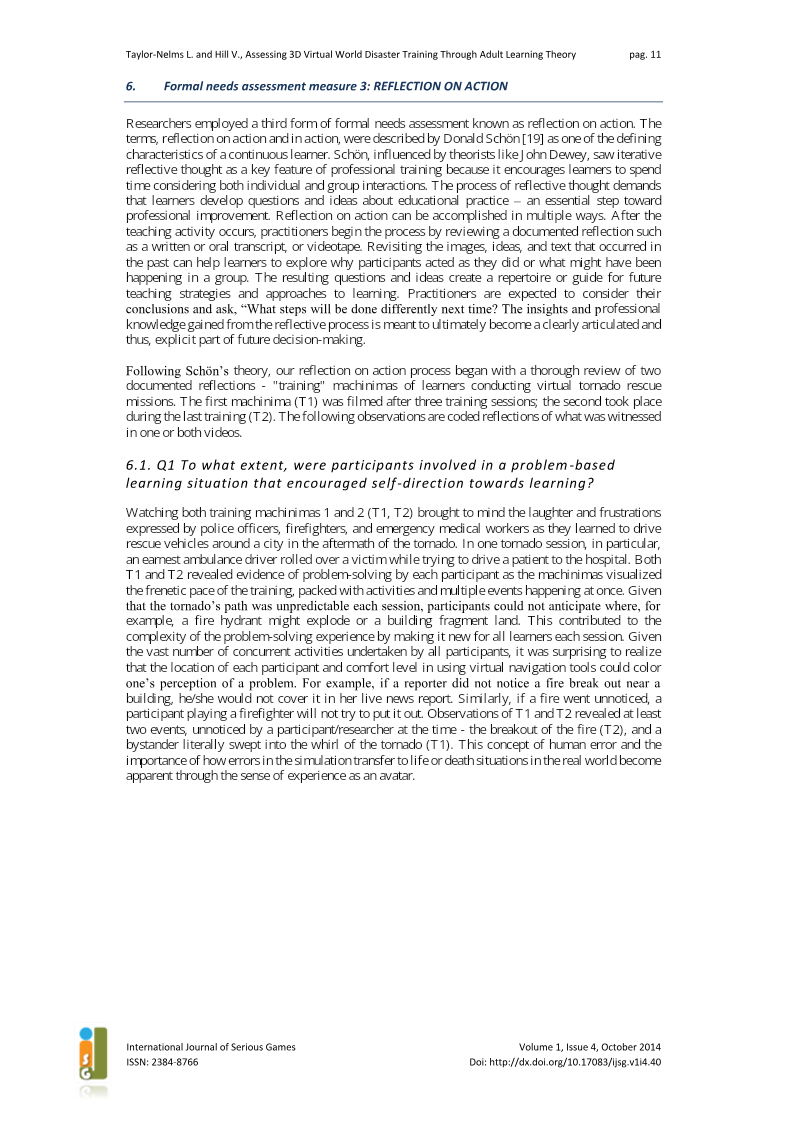
Three-dimensional virtual world simulations serve as a highly effective, cost-efficient alternative to traditional face-to-face emergency preparedness training.
- 3D virtual world simulations function as a cost-efficient, high-fidelity alternative to traditional face-to-face emergency preparedness training.
- Virtual platforms effectively bridge the gap between simulated practice and real-world application by fostering cognitive flexibility and emotional investment in high-stakes scenarios.
- The pedagogical efficacy of these environments is driven by constructivist adult learning principles, specifically problem-based learning, self-direction, and collaborative engagement.
Multimodality with Eye Tracking and Haptics: A New Horizon for Serious Games?
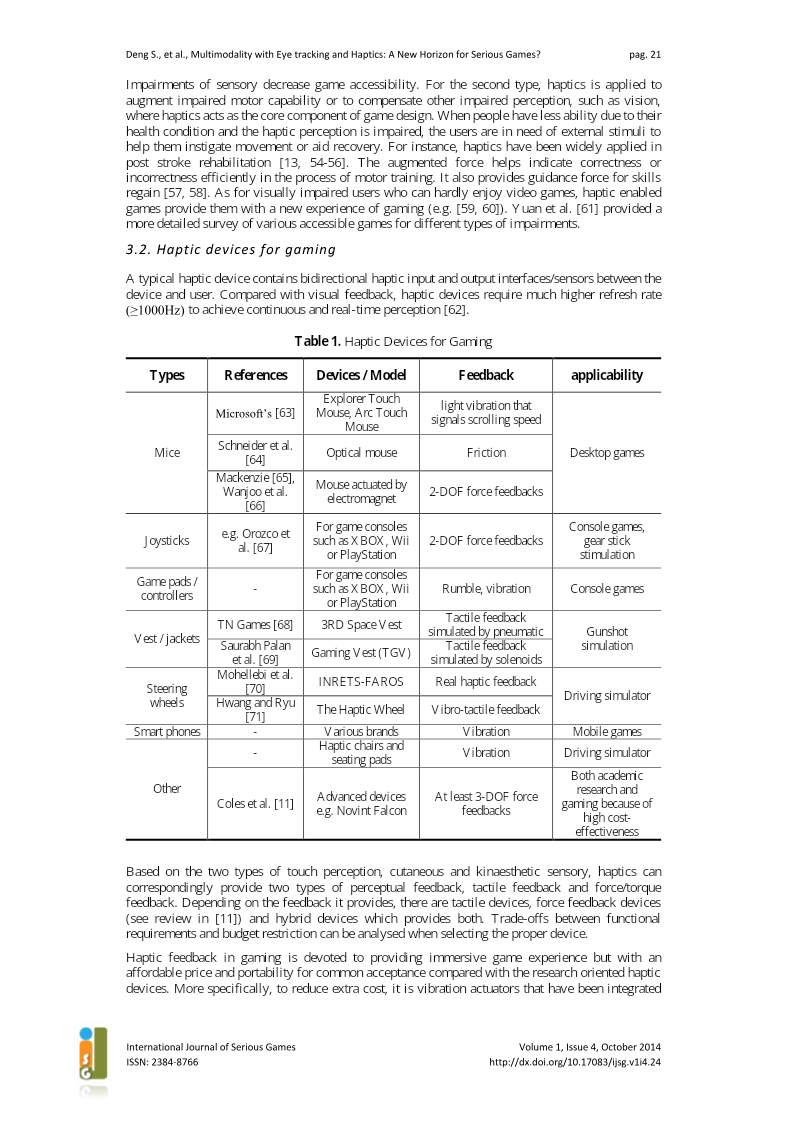
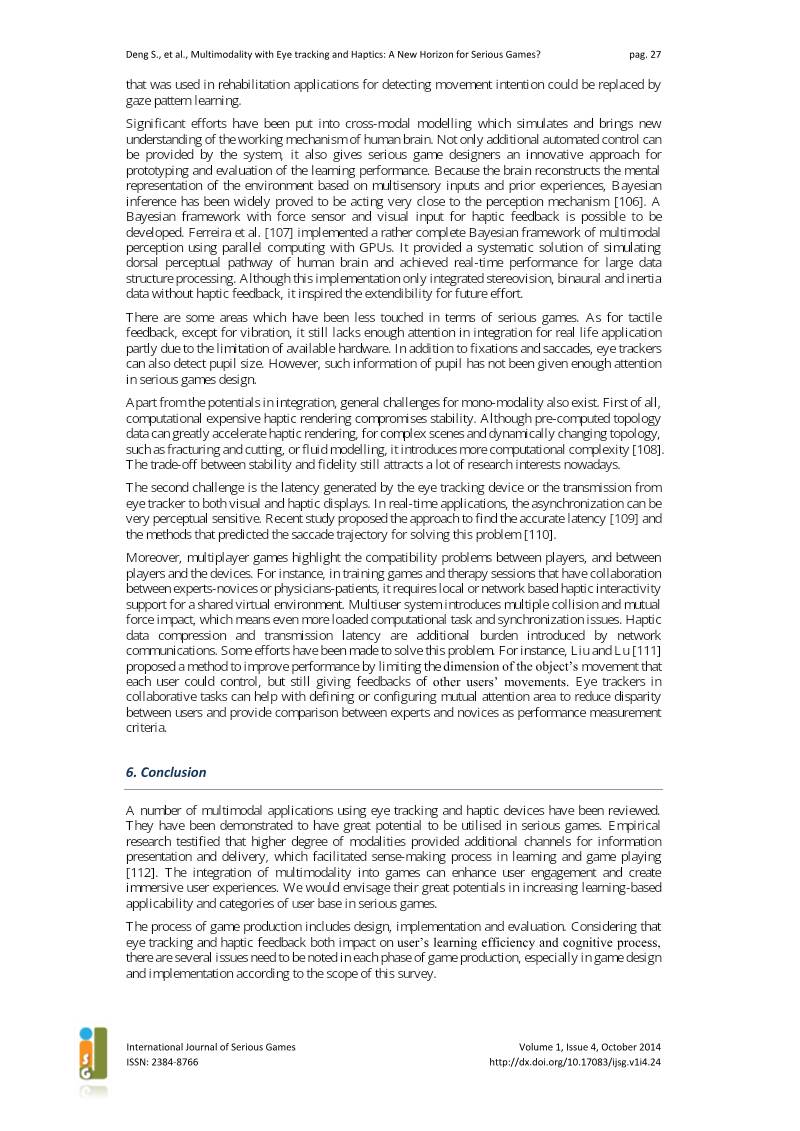
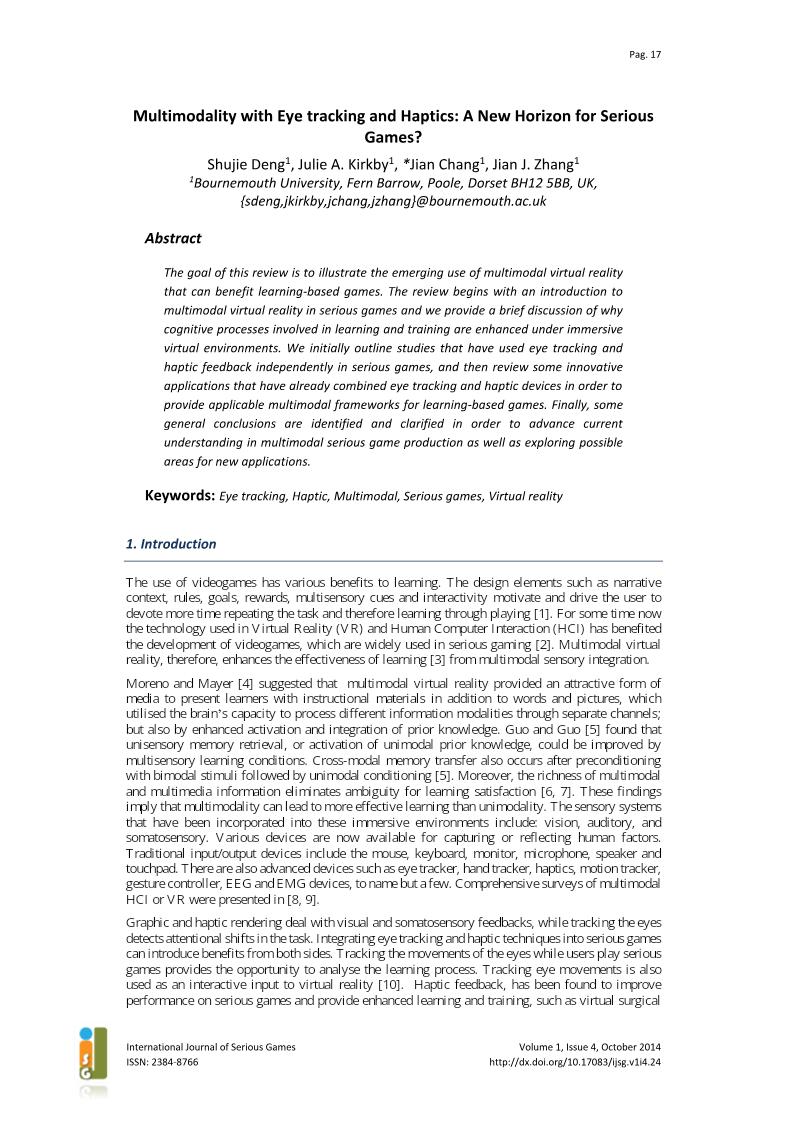
The integration of eye tracking and haptic feedback represents a transformative shift in the development of serious games, moving beyond traditional unimodal interfaces to create highly immersive and effective virtual environments.
- Synchronizing eye tracking with haptic feedback significantly improves cognitive processing, motor dexterity, and user engagement in high-stakes training environments like surgery and rehabilitation.
- Gaze-contingent rendering and high-refresh-rate haptic systems enable more intuitive control schemes while providing objective diagnostic data on user performance and cognitive load.
- The adoption of standardized modeling libraries and cross-modal frameworks is actively lowering development barriers for implementing multimodal interfaces in professional training.
Serious Games to Support Reflection in the Healthcare Sector
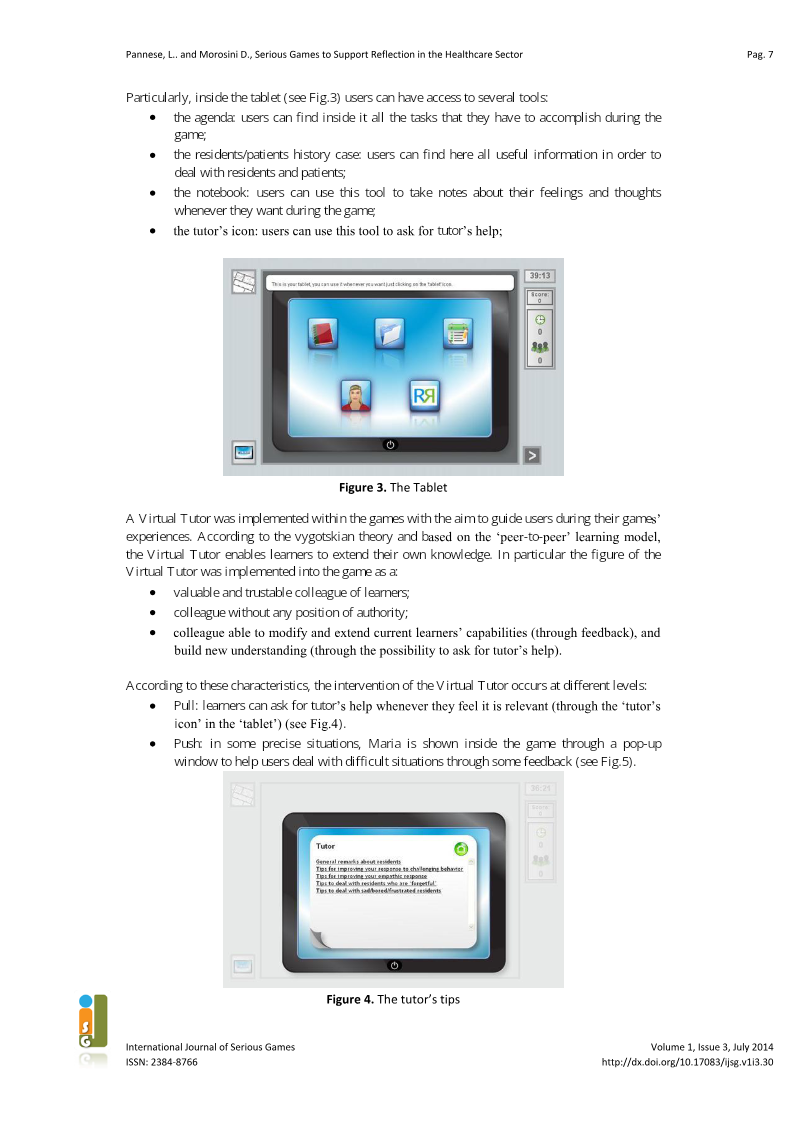
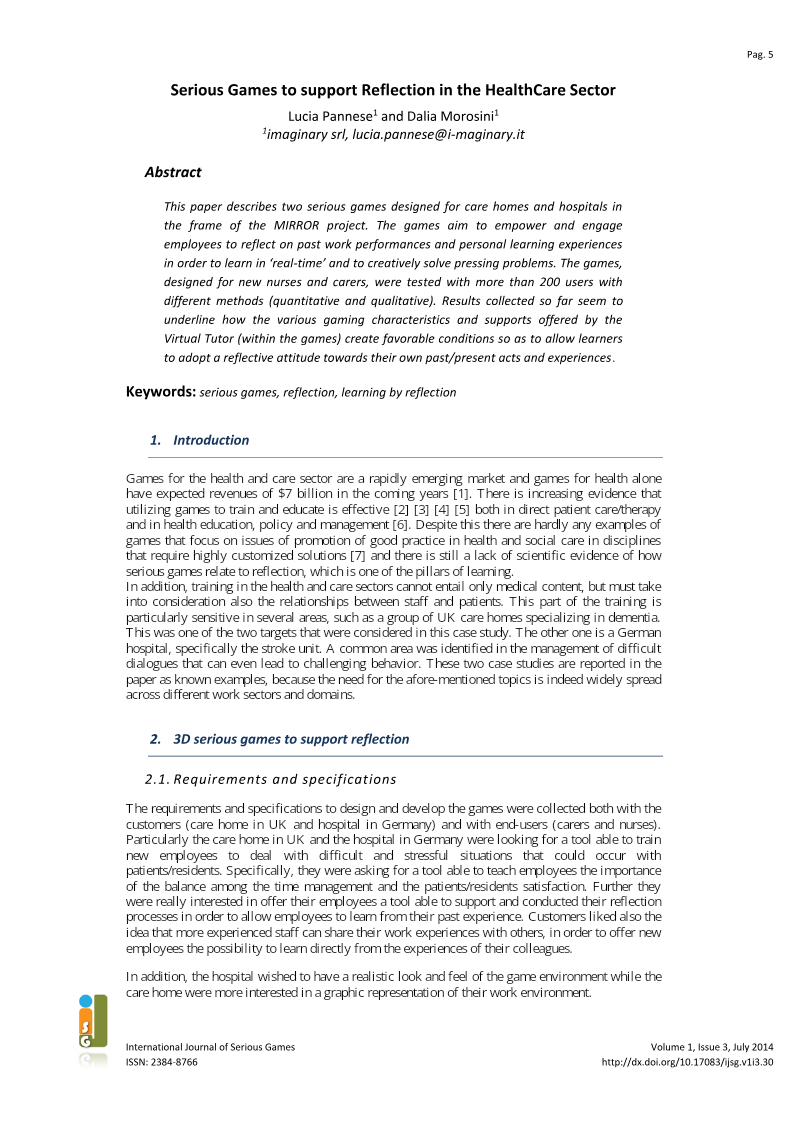
The development and implementation of serious games in the healthcare sector serve as a mechanism to foster reflective learning among nurses and carers.
- Serious games significantly improve professional confidence and reflective practice, with nursing students rating training utility at 4.31 and care staff rating reflective utility at 4.16 on a five-point scale.
- The four-year study involving over 200 users across a German stroke unit and UK dementia care homes confirms that 3D simulations provide a low-risk environment for practicing complex clinical decision-making and self-regulation.
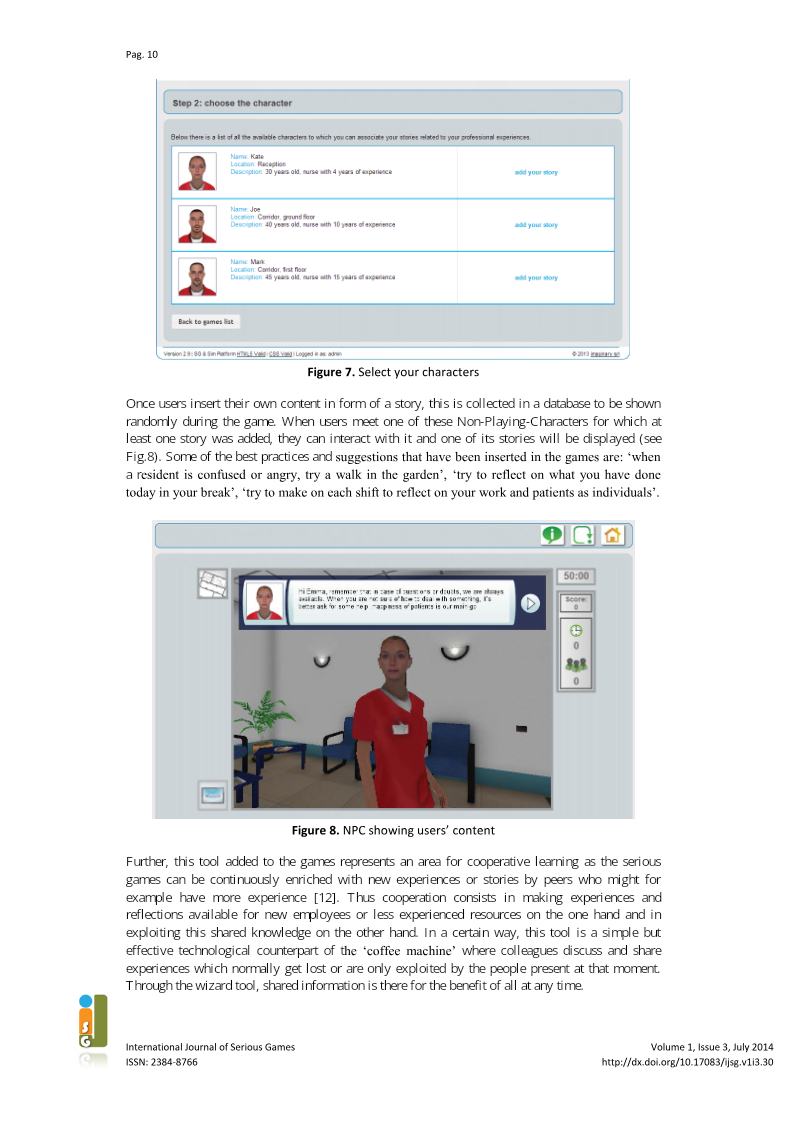
- Integrated 'wizard tools' allow staff to input personal best practices, effectively transforming the game platform into a collaborative digital repository for institutional knowledge.

Learning Impact Evaluation of the Serious Game: Cultural Awareness - Afghanistan Pre-deployment
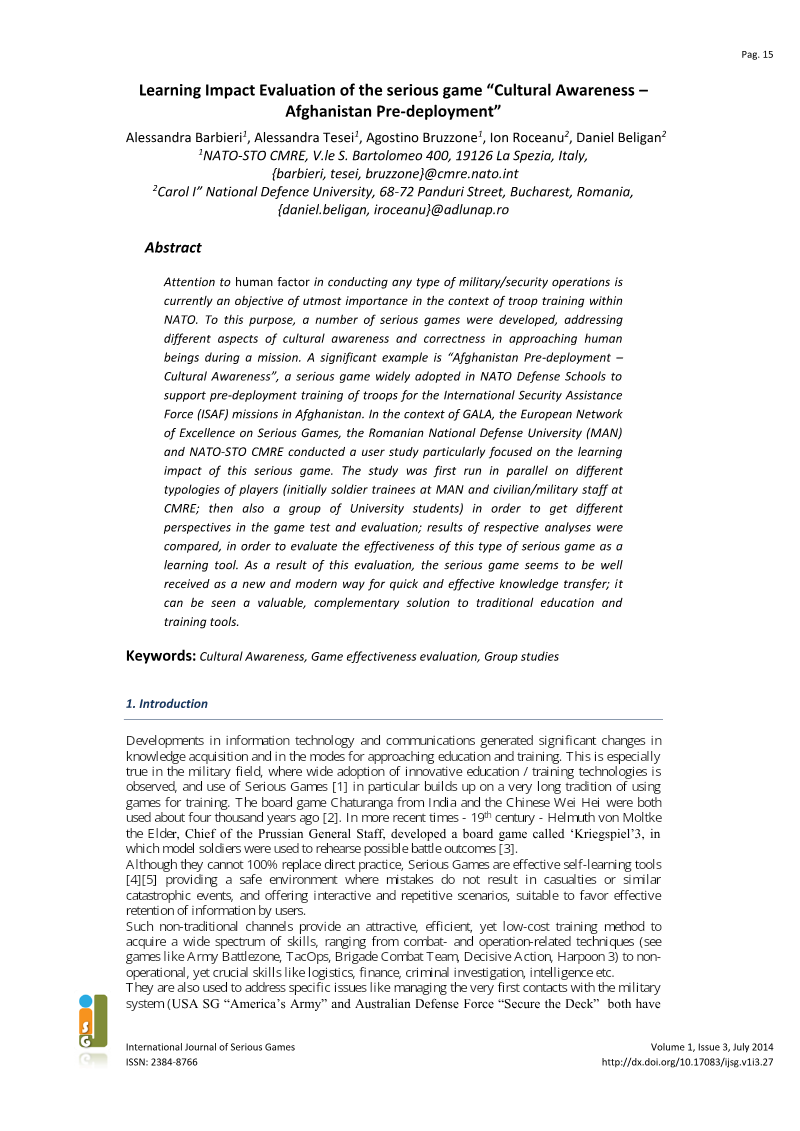
The Cultural Awareness Afghanistan Pre-deployment serious game functions as a specialized training instrument designed to enhance the decision-making capabilities of NATO military personnel and civilian staff.
- The Cultural Awareness Afghanistan Pre-deployment game effectively improves decision-making and operational readiness by allowing personnel to practice cultural intelligence in a low-stress, simulated environment.
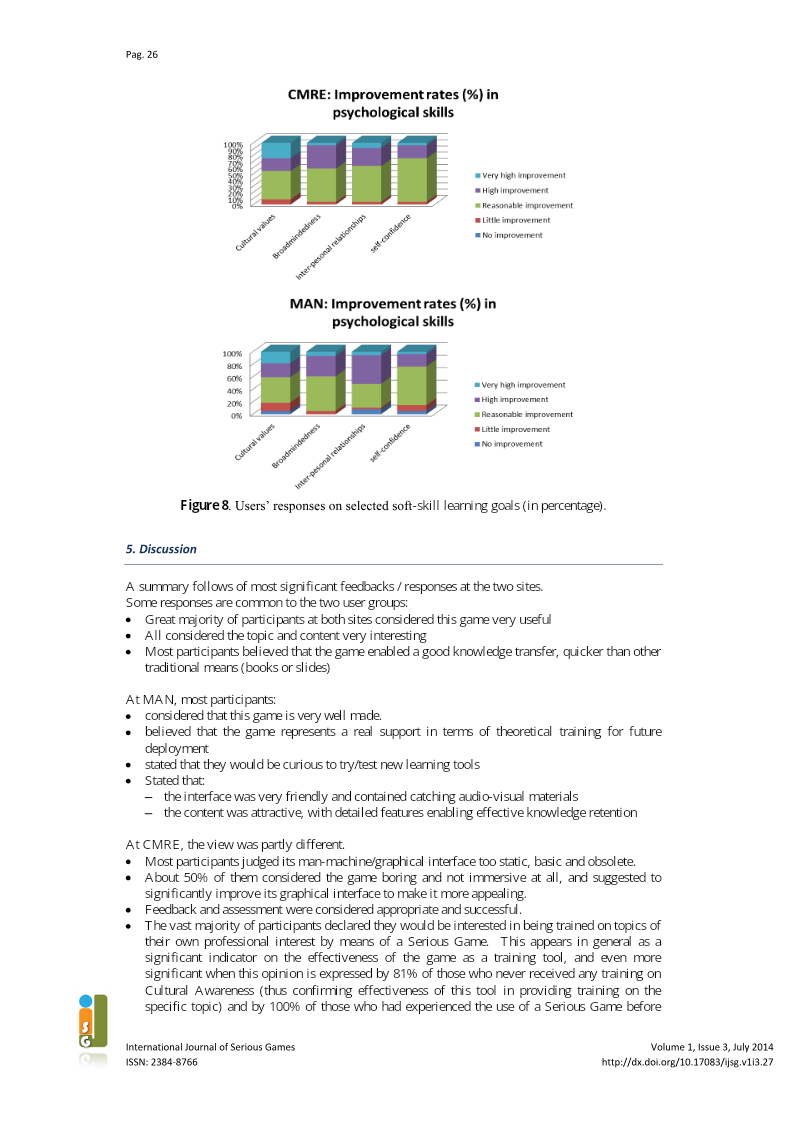
- The training tool is most effective for individuals with no prior subject matter exposure, resulting in significant measurable improvements in cognitive and soft-skill development.
- Evaluations across diverse cohorts—including military personnel, civilian staff, and students—confirm the game is a highly efficient and reliable method for knowledge transfer.
Measuring Effectiveness in Digital Game-Based Learning: A Methodological Review
Digital Game-Based Learning (DGBL) currently faces a significant crisis of empirical validation, characterized by a pervasive lack of methodological rigor that undermines its perceived educational value.
- Digital Game-Based Learning (DGBL) currently lacks empirical validation due to widespread methodological rigor issues, preventing the industry from justifying pedagogical and financial investments.
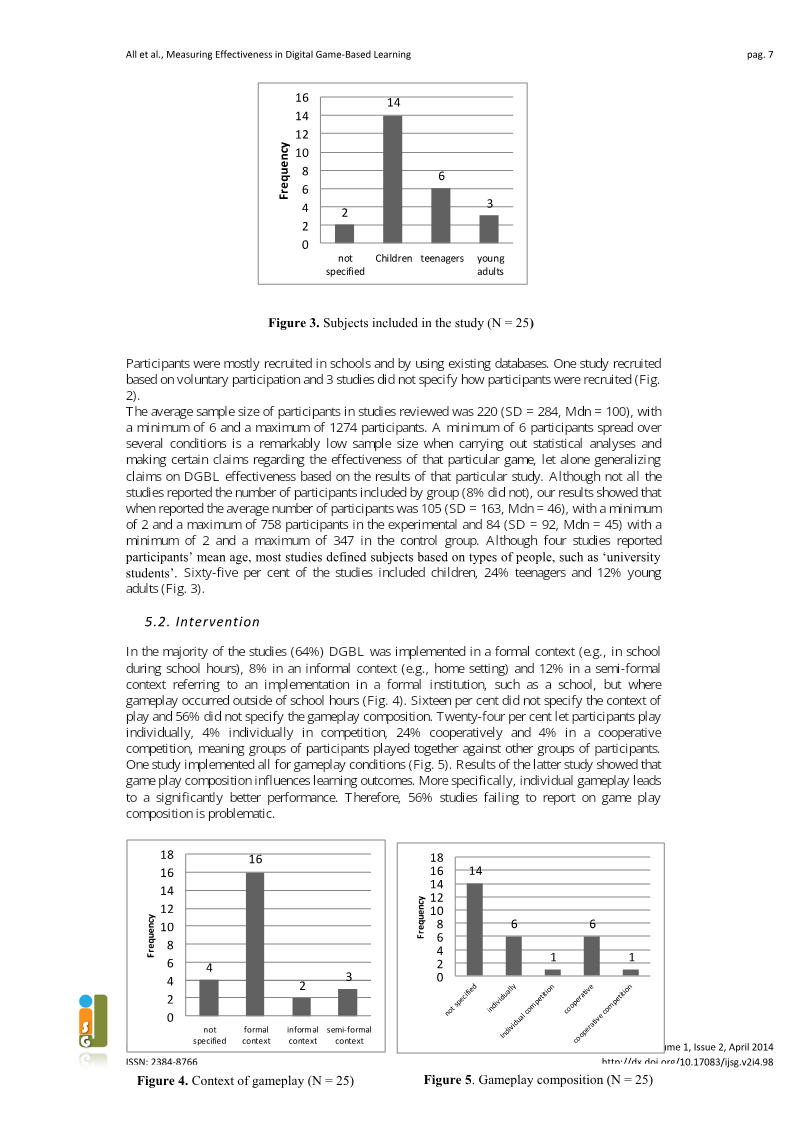
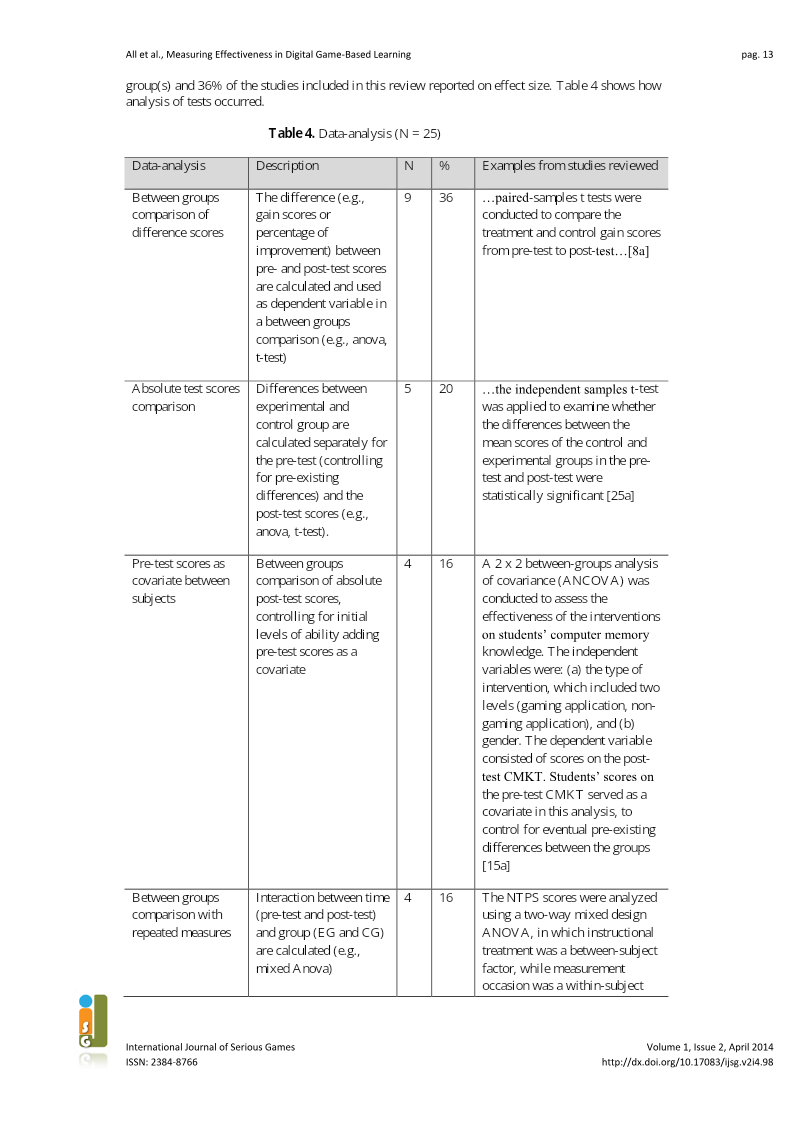
- A systematic review of 25 representative studies identified that small sample sizes and confounding variables, such as instructor influence, frequently obscure the actual impact of game-based interventions.
- The field suffers from a lack of standardized evaluation frameworks, leading to inconsistent study designs and the frequent omission of critical variables like participant assignment methods.

An Agent Based Approach to Designing Serious Games: The PNPV Case Study
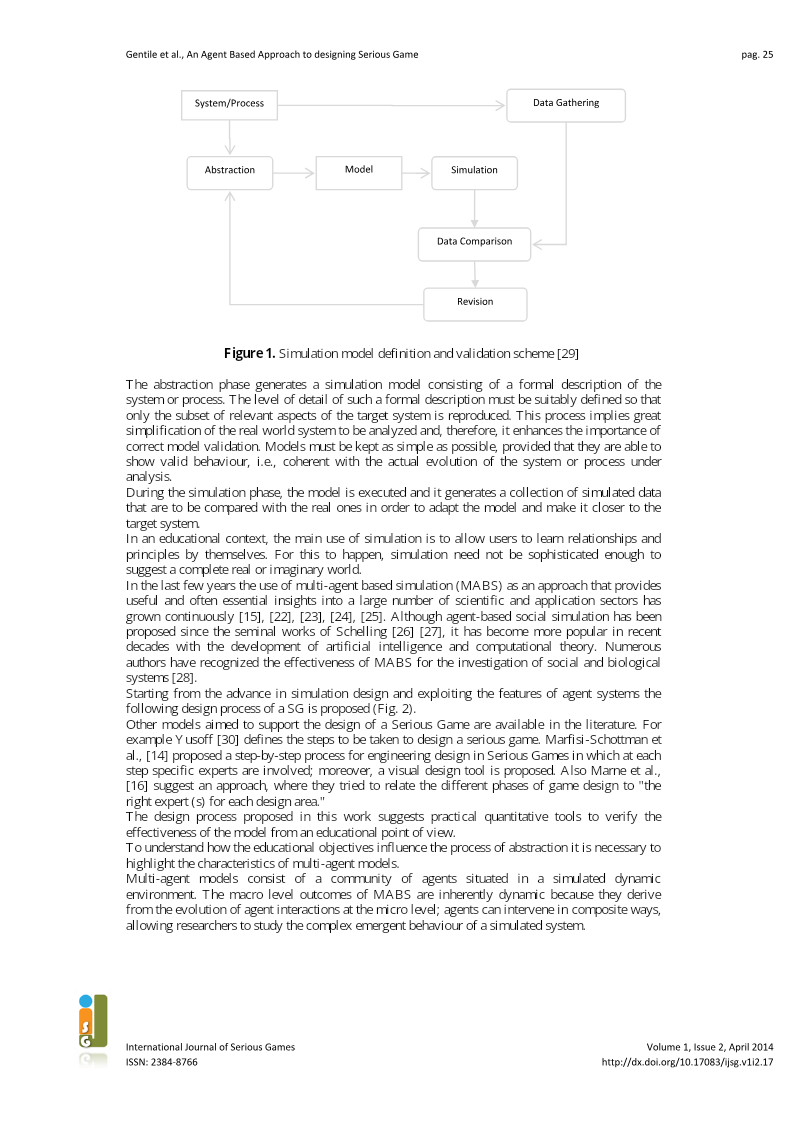
Serious game development requires a transition from traditional, artisan-based design methods toward structured, validated frameworks that leverage multi-agent systems.
- Serious game design should shift from artisan-based methods to structured frameworks using multi-agent systems to better balance simulation realism with pedagogical goals.
- The PNPVillage project demonstrates this methodology by using a seven-level progression to teach vocational tourism students through a competitive market simulation.
- Agent-based modeling allows students to manage strategic and operational levers that influence the behavior of autonomous customer agents, fostering exploratory learning.
Eye Tracking in Game-based Learning Research and Game Design
Eye tracking serves as a critical methodology for optimizing the intersection of game design and educational efficacy.
- Eye tracking reveals that excessive decorative or animated elements cause cognitive overload, which distracts struggling learners and impedes knowledge acquisition.
- Designers should utilize visual signaling techniques to highlight essential feedback mechanisms, as players frequently overlook subtle cues in favor of prominent characters.
- High and low performers exhibit significant disparities in visual processing, necessitating the removal of non-essential visual noise to keep instructional goals as the primary focus.
Serious Gaming Analytics: What Students' Log Files Tell Us about Gaming and Learning
Serious games serve as a critical frontier for educational research, offering a unique environment where student engagement can be quantified through granular log file analysis.
- Switching behavior—the frequency with which students transition between game assets like videos and resources—accounts for 62 percent of the variability in learning efficiency.
- In-game behavioral patterns, including time-on-task and engagement levels, do not reliably predict final assessment scores for students.
- A student’s prior knowledge level does not appear to influence their navigation strategies or behavioral patterns within the VIBOA environmental policy game.
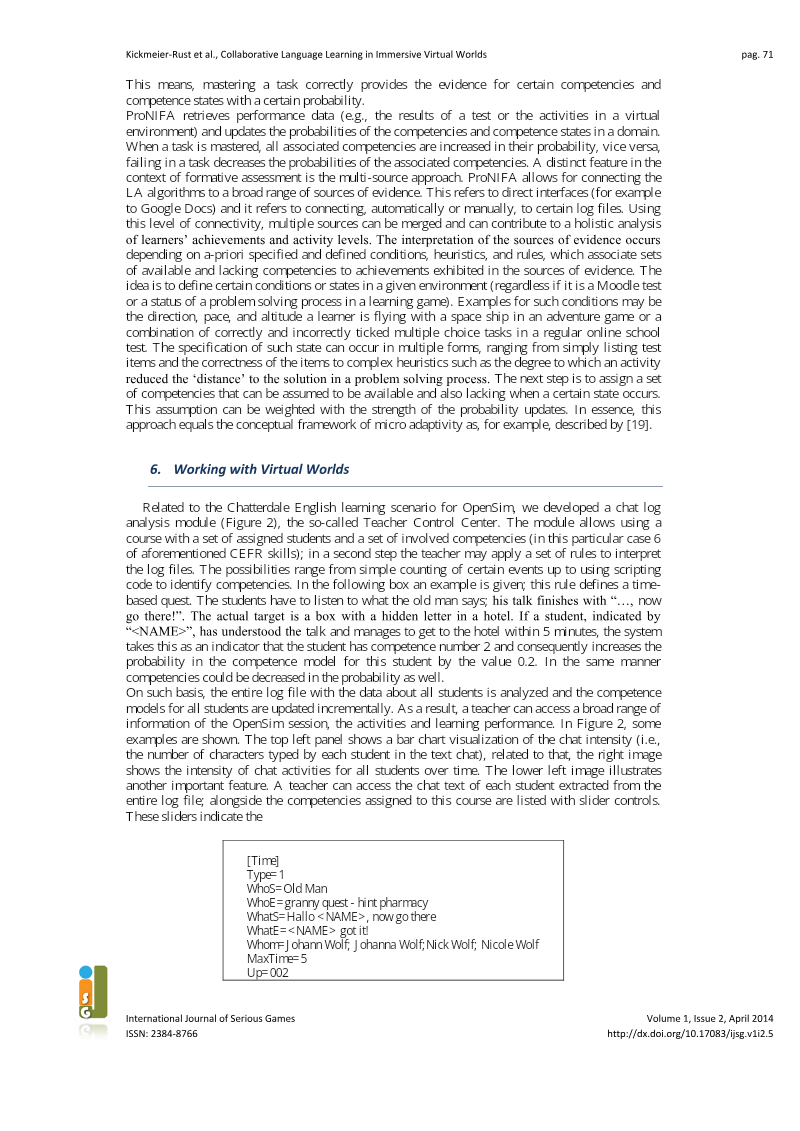
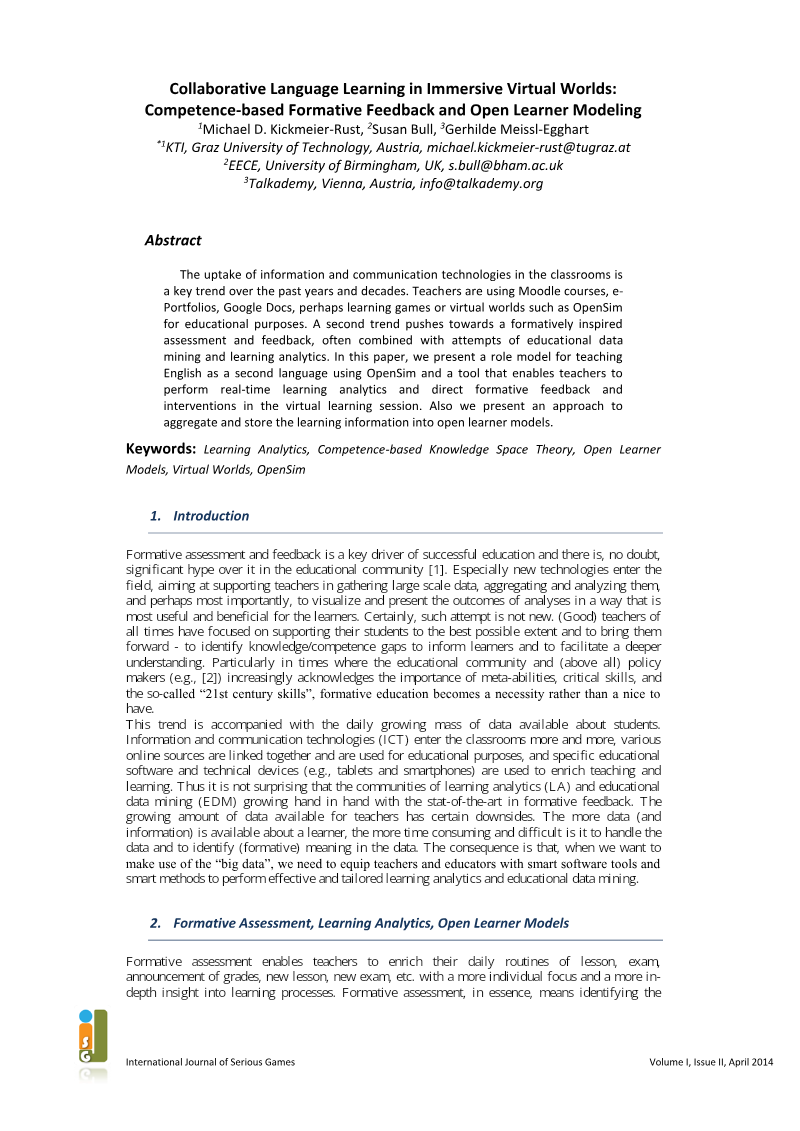
Collaborative Language Learning in Immersive Virtual Worlds: Competence-based Formative Feedback and Open Learner Modeling
The integration of immersive virtual worlds into educational settings presents a significant challenge for instructors attempting to monitor student progress and provide effective formative feedback.
- ProNIFA is a specialized learning analytics tool developed to bridge the gap between raw, unstructured activity data in virtual worlds and actionable pedagogical insights for instructors.
- The tool utilizes Competence-based Knowledge Space Theory to map observable behaviors—such as movement, communication, and task completion—to latent student competencies.
- By employing a rule-based engine, ProNIFA processes log files to incrementally update individual student competence models, enabling real-time progress visualization and intervention notifications.