More from Institute for Educational Technology
View all
More on Serious Games
View all
Whitepaper
Designing Educational Games in Higher Education: A Convergent Mixed-methods Pilot Evaluation
European Conference on Games Based Learning (ECGBL) · 2026



Whitepaper
AI-Assisted Scene Synthesis in the 3D Educational Game Authoring Tool GameTULearn
European Conference on Games Based Learning (ECGBL) · 2026



Whitepaper
A Ludic PSY AI-Game-Engine for Utopia: Exploring Pl[AI] for a Viable Future
DiGRA · 2026



Whitepaper
A Structured Approach for Designing Effective Serious Games for Learning: Analyzing Requirements to Derive Key Components
European Conference on Games Based Learning (ECGBL) · 2025

Whitepaper
A Longitudinal Look Into Student Video Game Designs
DiGRA · 2025
Whitepaper
Traditional Quizzing with a Twist: Involving University Students in the Development Process
European Conference on Games Based Learning (ECGBL) · 2024

Whitepaper
A Pilot Study: Engineering Students Use Generative AI to Support the Development of Playful Educational Technology
European Conference on Games Based Learning (ECGBL) · 2024
Whitepaper
Educational Story-Based Game for Capturing the Learner's Personality
European Conference on Games Based Learning (ECGBL) · 2023
Whitepaper
Applying Design Research for Cross-Disciplinary Collaboration: Experiences From a Gamification Process
European Conference on Games Based Learning (ECGBL) · 2023
Whitepaper
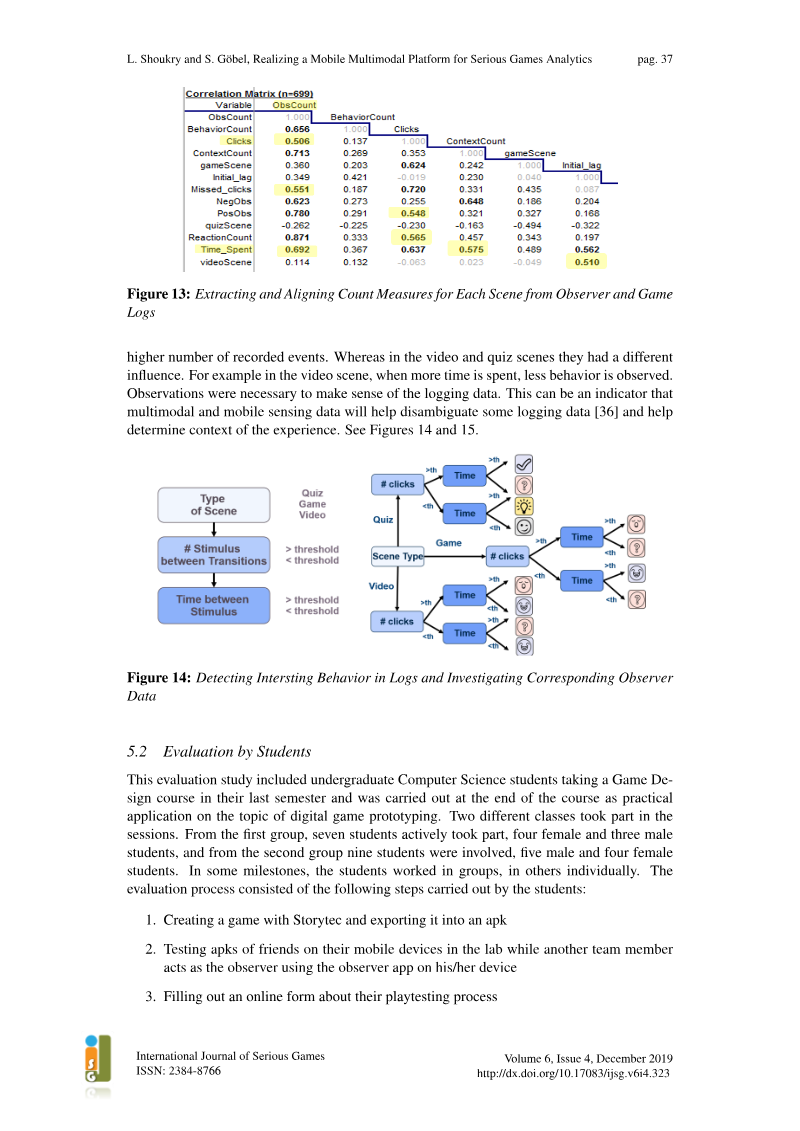
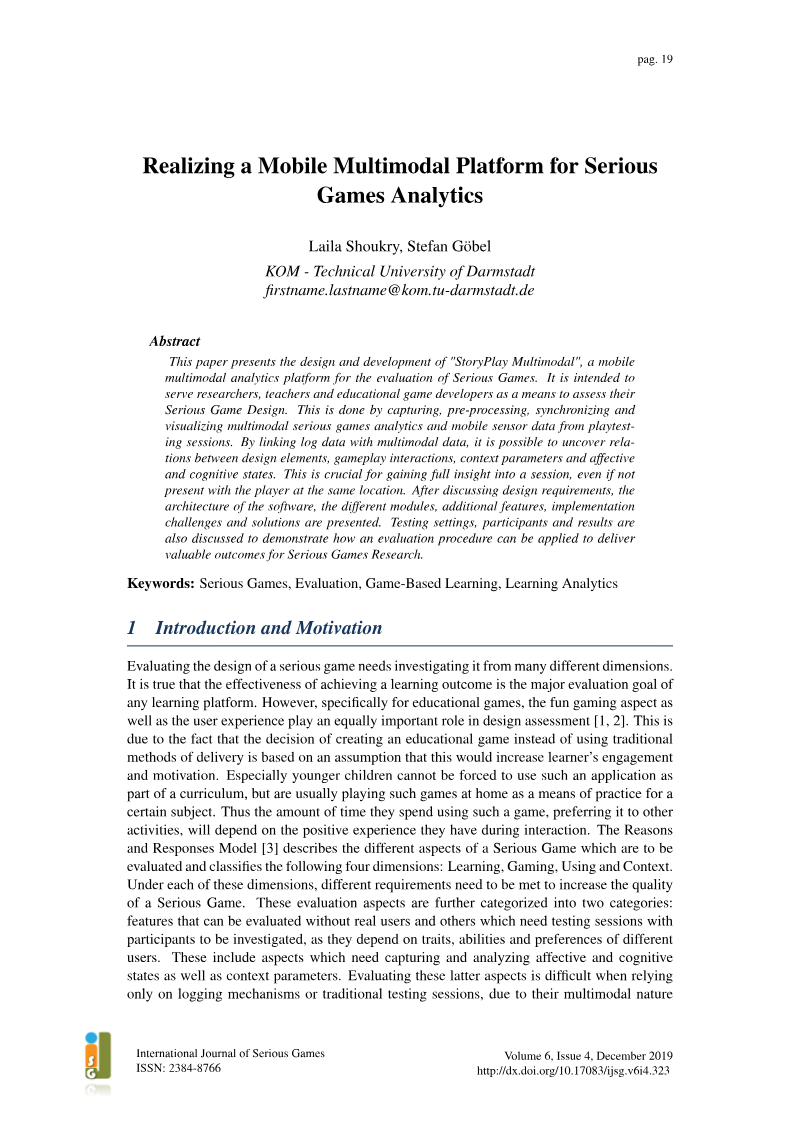
Realizing a Mobile Multimodal Platform for Serious Games Analytics
Technical University of Darmstadt · 2019
Whitepaper
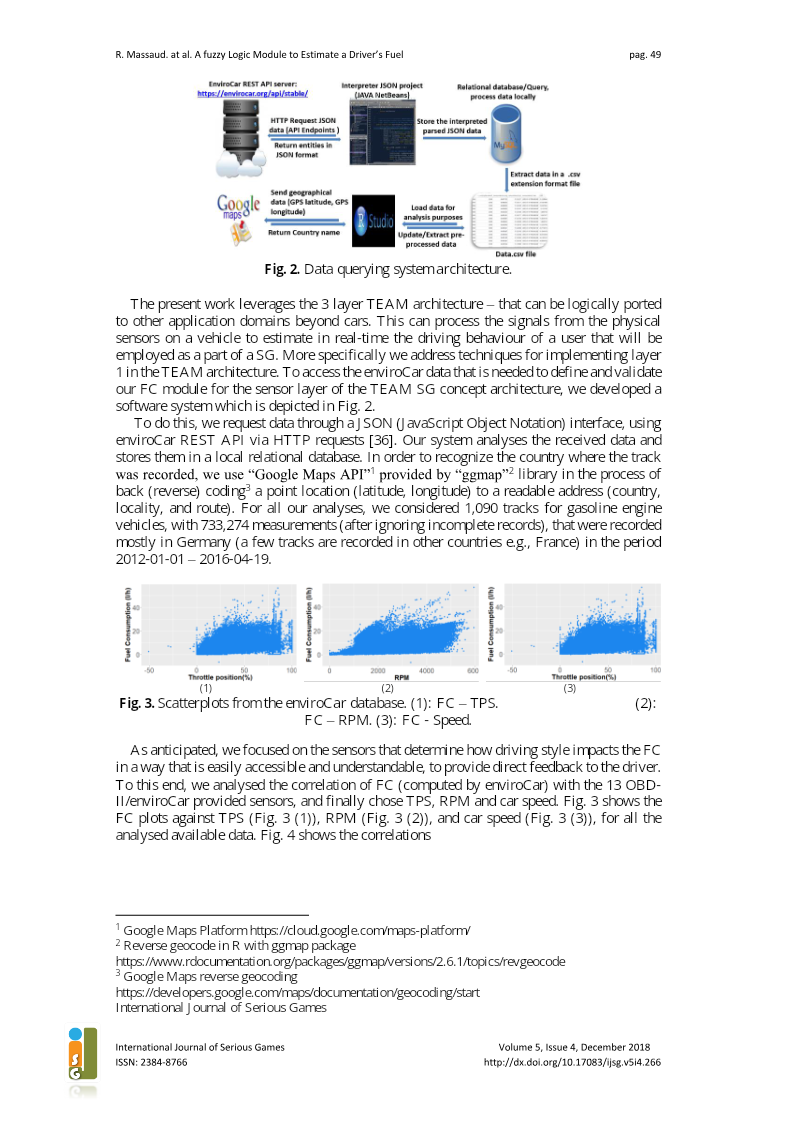
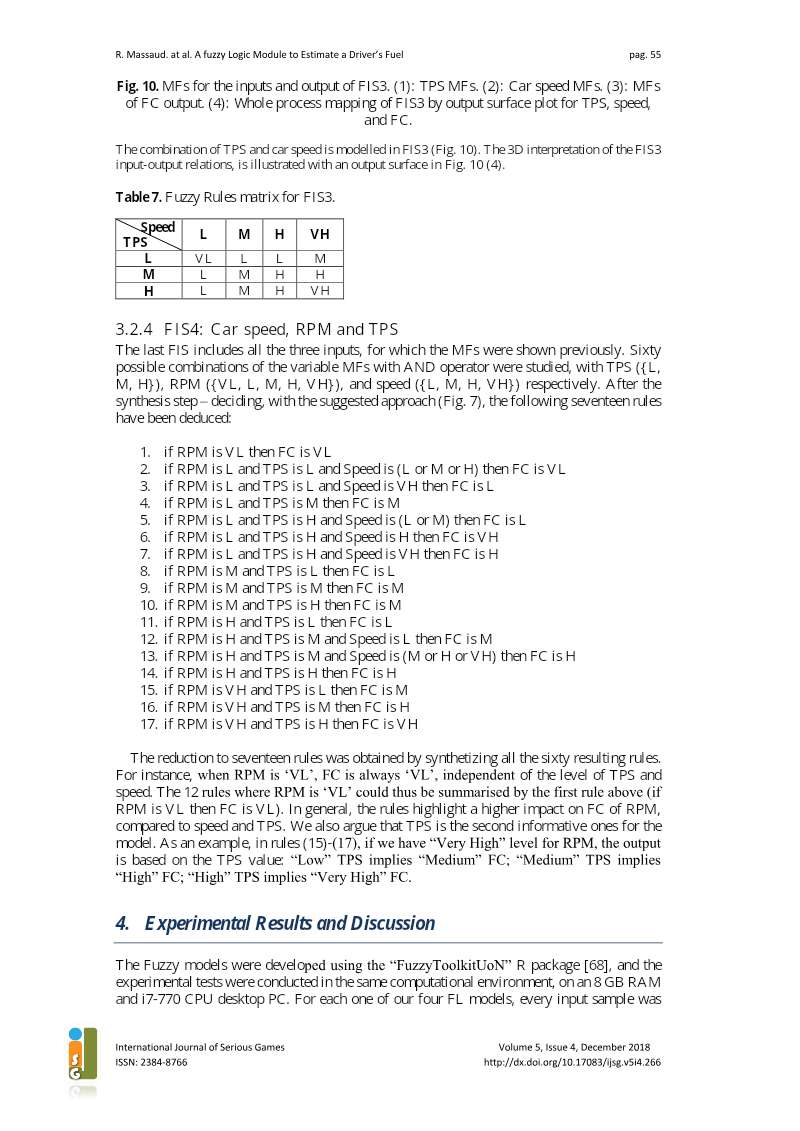
A Fuzzy Logic Module to Estimate a Driver’s Fuel Consumption for Reality-Enhanced Serious Games
International Journal of Serious Games · 2018
Whitepaper
Development of a Hardware/Software System for Proprioception Exergaming
International Journal of Serious Games · 2018