Retention reports and market data
Documents
Mega Studio’s Adam Jaffe On The Impressive Benefits Of Incentivised Traffic
Incentivized traffic has transitioned from a low-quality acquisition tactic into a sophisticated, high-performance channel capable of delivering retention rates 40% higher than non-incentivized cohorts.
- Incentivized traffic can drive retention rates that are 40% higher than non-incentivized users by creating a 'railed environment' where developers can guide players through specific, high-engagement paths.
- The responsibility for incentives has shifted from the game developer to the publisher or media company, which now often provides direct rewards like gift cards or vouchers to users who reach specific in-game milestones.
- Incentivized traffic serves as a critical data signal that allows developers to understand exactly why a user downloaded a game, enabling more precise benchmarking of LTV and behavioral patterns compared to organic or non-incentivized traffic.
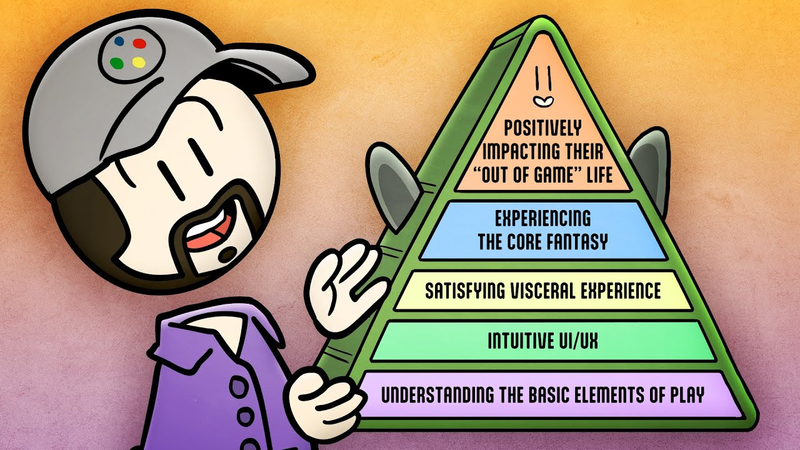
Why Game Designers use Maslow - Extra Credits Gaming
The Player Hierarchy of Needs provides a structured framework for game designers to understand and enhance player satisfaction by adapting Abraham Maslow’s psychological model to the gaming experience.
- Game designers should utilize the Player Hierarchy of Needs to systematically address requirements, as failing to meet lower-level needs prevents players from reaching deeper, more immersive layers of engagement.
- The base of the hierarchy requires accessible tutorials and intuitive onboarding, as a failure to explain basic play mechanics often leads to early player abandonment.
- Technical friction caused by poor user interface and cumbersome menus acts as a barrier to immersion, necessitating a seamless UX to maintain player retention.
Mobile Gaming Benchmarks for Q1 2024
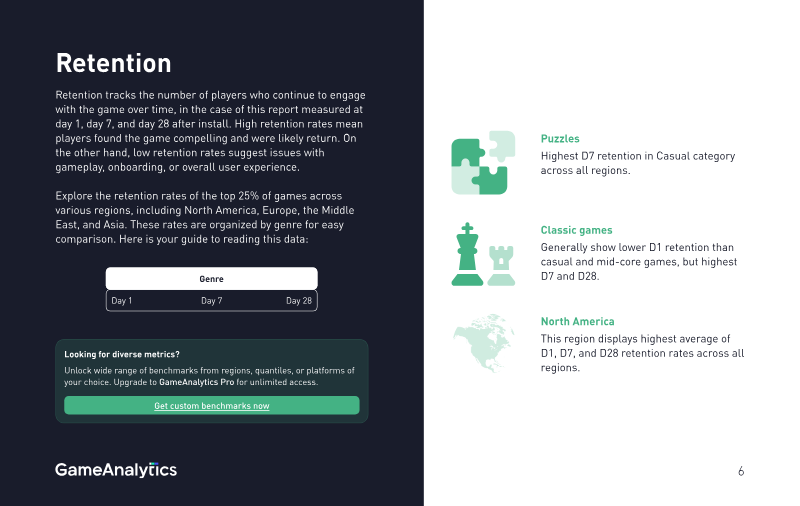
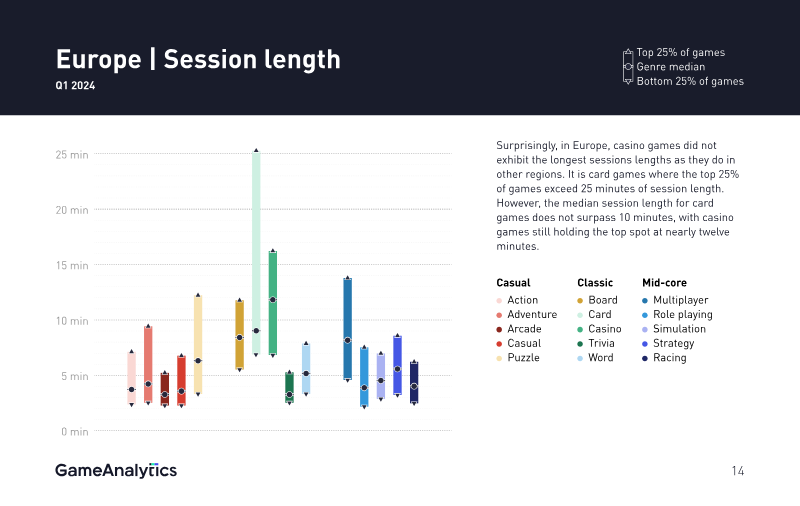
The benchmark study presents a comprehensive snapshot of mobile gaming performance during Q1 2024, focusing on key engagement metrics—retention, session length, and session count—across North America, Europe, the Middle East, and Asia.
- Global median retention rates for Q1 2024 are 22.91% for day-1, 4.20% for day-7, and 0.85% for day-28.
- Classic genre titles, including board, card, casino, trivia, and word games, consistently outperform casual and mid-core titles in retention metrics across all tracked regions.
- The global median session length is 4.45 minutes, though casino and card games significantly exceed this, reaching up to 25 minutes in European markets.
Mobile Growth and Monetization Report 2024
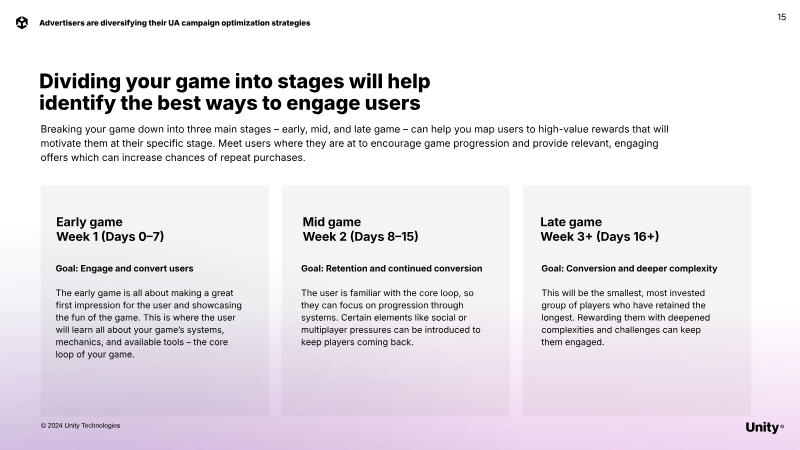
The 2024 mobile gaming landscape is defined by a strategic transition from volume-based user acquisition toward high-value retention and diversified monetization.
- Offerwalls significantly outperform rewarded video for non-paying users, generating $4.04 in monthly ad revenue per converter compared to $0.15 for rewarded video.
- Only 1.83% of mobile users convert to in-app purchases, but 29% of those converters become repeat buyers, with most transactions occurring within the first 30 days of installation.
- Strategic use of monthly currency sales can increase in-app purchase conversion rates by up to 46%.

Toxicity and the Bottom Line: The Impact of Hate and Harassment on Player Retention and In-Game Purchases
Toxicity and harassment in online gaming environments significantly impact player retention and monetization, creating a direct financial incentive for studios to prioritize trust and safety.
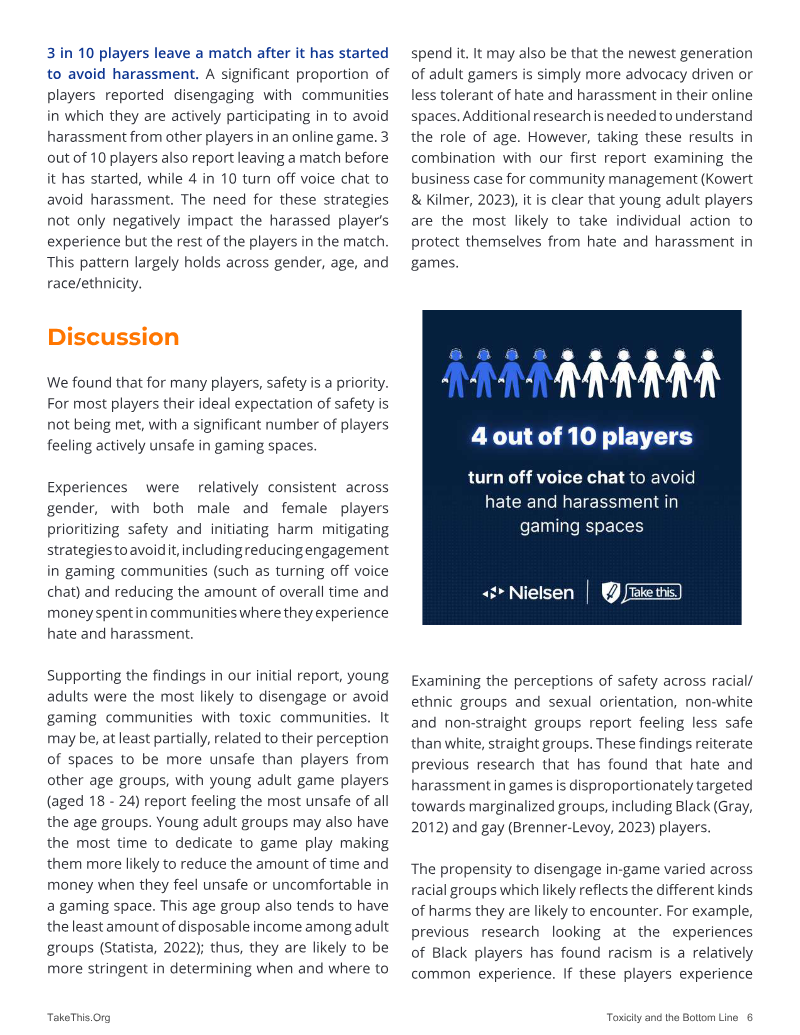
- Toxicity directly suppresses revenue, as 19% of players spend less money and 21% reduce their overall playtime to avoid harassment.
- Safety is a critical player priority, with 75% of the 2,408 surveyed gamers identifying protection from hate and harassment as a high priority.
- Harassment causes significant engagement loss, with 44% of players disabling voice chat, 31% abandoning active matches, and 27% leaving lobbies to avoid abuse.
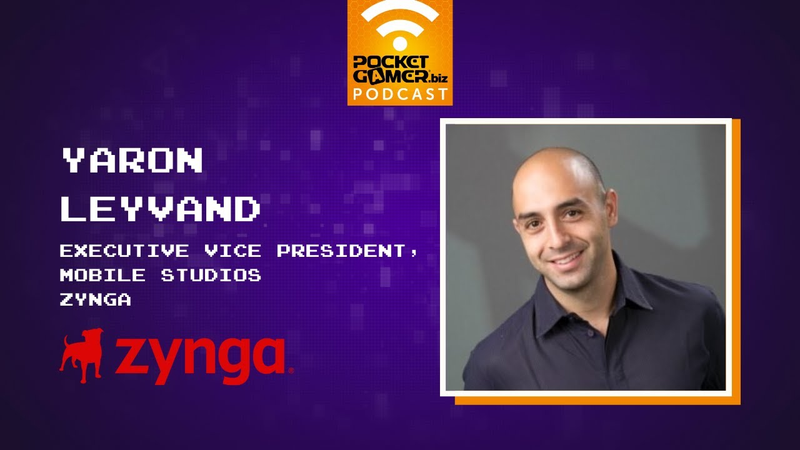
Zynga’s Yaron Leyvand On The Secret To Making A “Forever Franchise”
The creation of a forever franchise in the mobile gaming sector relies on a disciplined, data-driven approach that prioritizes long-term player engagement over short-term monetization.
- Zynga defines a 'forever franchise' as a game designed to entertain players at scale for many years, a strategy that has contributed to the company achieving over 4 billion downloads and 200 million monthly active players.
- New game launches in established categories typically require a 12- to 24-month period to reach feature and content parity with market competitors.
- Zynga maintains player engagement through a three-tiered content strategy: core gameplay enhancements, major system updates introduced several times per year, and short-term 'snackable' live events.
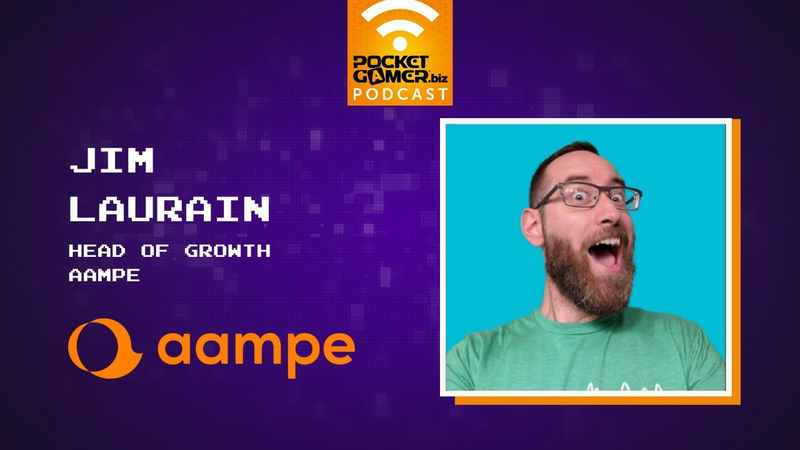
Aampe’s Jim Laurain On Smart Steps To Inspire Players With Messaging That Matters
Mobile game studios frequently overlook the critical importance of early-stage player communication, with three-quarters of top-tier titles failing to implement any welcome messaging for new users.
- Approximately 83% of mobile games fail within three years of launch, often due to a failure to deliver relevant, engaging content to users.
- Roughly 75% of top gaming apps fail to effectively welcome new players, missing a critical opportunity to drive retention during the onboarding phase.
- Developers should move beyond generic, repetitive messaging by testing different player motivations—such as escapism, competition, or social cooperation—to segment their audience.
Kwalee’s John Wright On Attracting Valuable Users With A Loyalty-Driven Approach
The mobile gaming industry has reached a critical inflection point where the traditional hypercasual model is no longer viable due to escalating user acquisition costs and the depreciation of tracking identifiers.
- The shift from hypercasual to hybrid-casual mechanics—integrating meta-layers and live operations—has increased average revenue per user (ARPU) from the traditional $0.30–$0.50 range to $1.50–$2.00.
- Studios must transition from high-volume, short-term user acquisition to a loyalty-driven model that prioritizes long-term retention to counter rising acquisition costs and the loss of tracking identifiers.
- Treating games as part of a broader portfolio ecosystem allows studios to mitigate revenue decay by cross-promoting players across multiple titles rather than relying on isolated products.
Embrace’s Eric Futoran On Understanding Every Player Experience For Record-Breaking Issue Resolution
Long-term profitability in the mobile gaming industry depends on maintaining high player lifetime value through rigorous technical performance standards.
- Mobile game developers face a 'death by a thousand cuts' scenario where unresolved performance issues like crashes and ANRs degrade LTV and can trigger a permanent downward spiral in user retention and store rankings.
- Standard diagnostic tools often provide insufficient data, such as generic stack traces from app store consoles that identify the end of a crash rather than the root cause, forcing engineers into reactive, time-consuming cycles.
- Proactive observability requires collecting granular 'app exhaust'—a play-by-play of the user experience—to allow engineers to identify specific code-level triggers, such as thread-specific coroutine issues, rather than relying on high-level error reports.
Xsolla’s Chris Hewish On Creative Commerce Solutions To Take Control Of Your Game
The modern gaming landscape is undergoing a fundamental shift as developers increasingly prioritize direct-to-player commerce models to reclaim control over their business operations.
- Developers are increasingly adopting direct-to-player commerce models to bypass third-party app store fees and reclaim ownership of player data.
- Commerce platforms acting as the merchant of record handle global tax compliance, regulatory requirements, and payment processing, allowing studios to focus on game development.
- Legislative shifts like the Digital Markets Act are accelerating the adoption of alternative distribution channels, including sideloading and web-based storefronts.
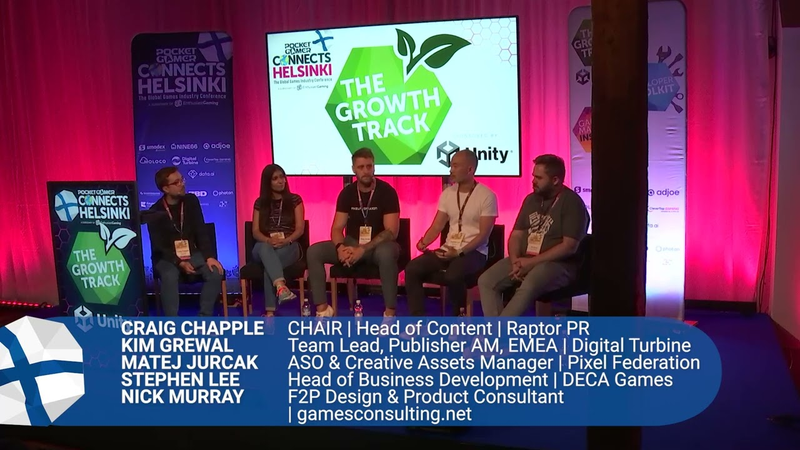
Panel: Beyond Acquisition: Lessons for Better Player Retention.
Long-term player retention in the modern gaming landscape relies on a strategic balance between structured progression and the prevention of player burnout.
- Long-term retention requires balancing structured progression with 'breathing room' to prevent player burnout and churn caused by relentless content treadmills.
- Monetization must prioritize non-intrusive models like season passes over aggressive mechanics or value-inflating economies to maintain player trust and long-term reputation.
- Marketing creatives must accurately reflect the actual gameplay experience to protect app store ratings and ensure positive player sentiment.
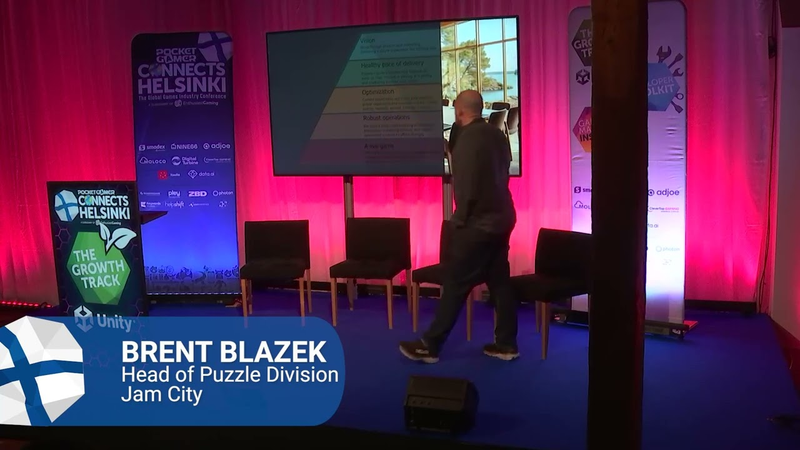
Reignite Your Strategy - Brent Blazek, Jam City.
The primary challenge for mobile game publishers is sustaining growth in mature titles, which remain critical to long-term business health despite the difficulty of achieving year-over-year revenue increases.
- Only 21% of mobile games achieve year-over-year revenue growth, highlighting the difficulty of sustaining performance in mature titles.
- 58% of top mobile publishers still rely on the same flagship titles they managed five years ago, making long-term retention of these assets critical to business health.
- A hierarchy of needs framework should be used to prioritize game development, starting with technical stability and crash resolution before moving to optimization or long-term vision.