ReportTake This
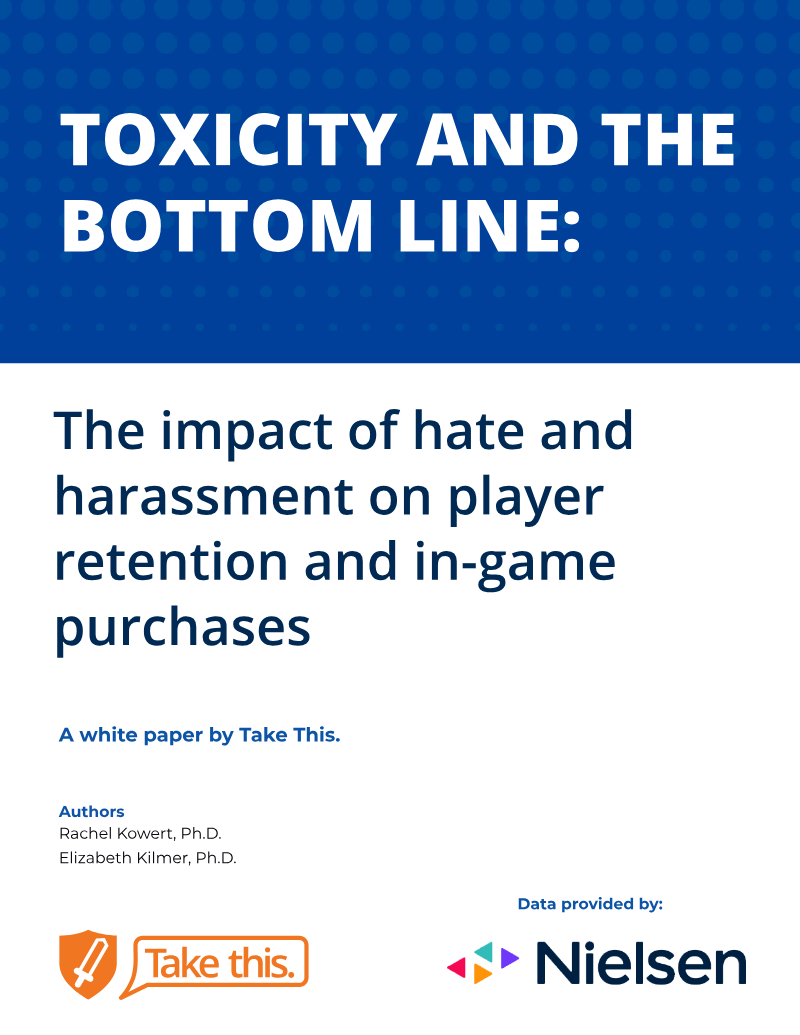
Toxicity and the Bottom Line: The Impact of Hate and Harassment on Player Retention and In-Game Purchases
202410 pages~17 min full read
Toxicity and harassment in online gaming environments significantly impact player retention and monetization, creating a direct financial incentive for studios to prioritize trust and safety. Research based on a representative survey of 2,408 active gamers across various age groups, genders, and ethnicities indicates that three out of four players consider safety from hate and harassment a high priority. Despite this, approximately 10% of players report feeling actively unsafe, with this figure rising to 23% among bisexual players and 18% among Asian players, highlighting the disproportionate impact on marginalized communities.
The data establishes a clear link between toxic behavior and lost revenue. Approximately 19% of players report spending less money in gaming communities to avoid harassment, while 21% have reduced their overall playtime. Engagement is further eroded by defensive player behaviors: 31% of participants have abandoned matches already in progress, 27% have left lobbies before a match began, and 44% have disabled voice chat entirely to mitigate exposure to abuse. These actions not only decrease individual player lifetime value but also degrade the experience for the broader player base.
Demographic analysis reveals that younger players, particularly those aged 18 to 24, are the most sensitive to these issues. This cohort is the most likely to feel unsafe and the most prone to disengaging or reducing spending in response to toxicity. Because these players represent a core demographic with long-term growth potential, their tendency to "vote with their wallets" suggests that safer gaming environments are fundamentally more profitable. The findings conclude that traditional moderation is currently insufficient, necessitating more robust community guidelines and integrated safety tools to protect both players and the industry's bottom line.

GameDiscoverCo · 2025
PlaySafe ID · 2025
Mistplay · 2023
InvestGame
Bryter · 2026
GameAnalytics · 2026

Sensor Tower · 2026
Newzoo · 2026
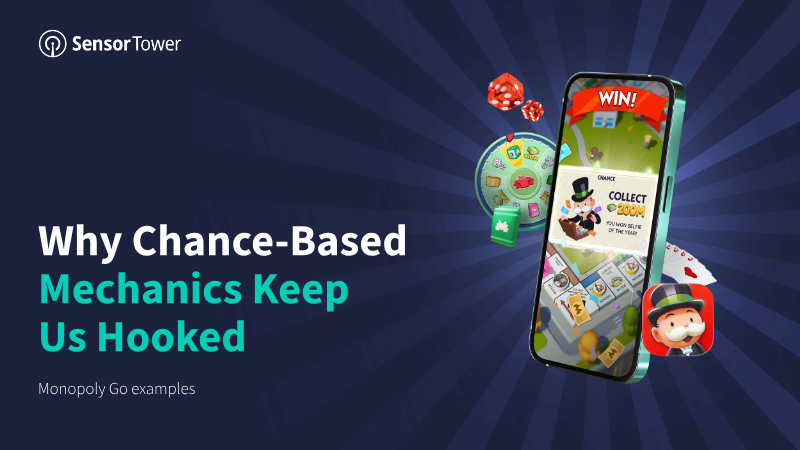
Sensor Tower · 2026
AppMagic · 2025
Moloco · 2025
Newzoo · 2025